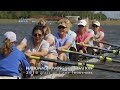
The Longhorns took their fourth title in six years ahead of Stanford and Tennessee, besting the world best time by six seconds, winning the first varsity eight grand final in 5:47.
Huskies make it three in a row at Intercollegiate Rowing Association National Championship Regatta. Harvard men and Princeton women win the lightweight titles, Trinity men repeat as D III champions.
Olympic singles champion Ollie Zeidler destroyed the field by a whopping six and a half seconds. In the men's eight, The Netherlands’ high rating and fluid style trumped Britain’s solid 36 strokes per minute. Germany and Australia also had fantastic days.
A Philly underdog saga about the Cunningham brothers, especially Brendan, head coach at Temple, which went from rowing out of tents to winning Dad Vail and a trip to Henley.
The 2026 Intercollegiate Rowing Association National Championship regatta for men's and lightweight women's varsity programs and the 2026 NCAA Rowing Championships for women have set the fields for their May 29-31 events.
The gift will enable the U.S. National Team to use extensive analytics and data to develop and strengthen promising elite rowers over the next four years.
The raw documentary about the successful 2003 Dartmouth crew is a cult classic and perhaps the best film ever made about rowing. It’s all that—and much more.
Calling a race off the water can be a helpful tool. You don’t need to spend hours shouting into a corner. You can do this quietly, and even in your head.
Distance or time with an unlocked rating can be used to practice your race plan. Row through the details of your race to tune your mental discipline and track improvement.
Break down the race into segments rather than focusing on the final result. A good start is the best way to get going, and then tactical goals can be tackled one by one.
Near the end of 2024 Joy Neal, a junior on the Clemson women’s rowing team, and Amari Randall, a junior on the University of Delaware women’s rowing team started the BRAID Project decided to start a network to unite Black rowers and create a space to talk about many of the inequities that exist in the sport.
Manning was diagnosed with advanced skin cancer earlier this year and is receiving treatment. He told Rowing News that he will return to coaching after he recovers.
Thousands of post-college rowers in their 20s are still physically capable, still competitive, and still interested in racing—if only a compelling structure existed.
Subscribe to support independent, professional journalism for our sport.