Home Blog Page 193

 The Greener Grass of Texas

BY ED MORAN
PHOTOS BY LISA WORTHY, PROVIDED BY TEXAS ATHLETICS

Ask Texas Women’s Head Coach Dave O’Neill what’s the best thing about coaching and he’ll talk about early-season practices in February on Lady Bird Lake in Austin. He doesn’t mention all the medals and titles his crews have won.

He has led his teams to plenty of those over the years since he began coaching a women’s club program at Boston College, not far from where he grew up in Arlington, Mass. Don’t misunderstand: He wants to win, and he’s not just being modest.

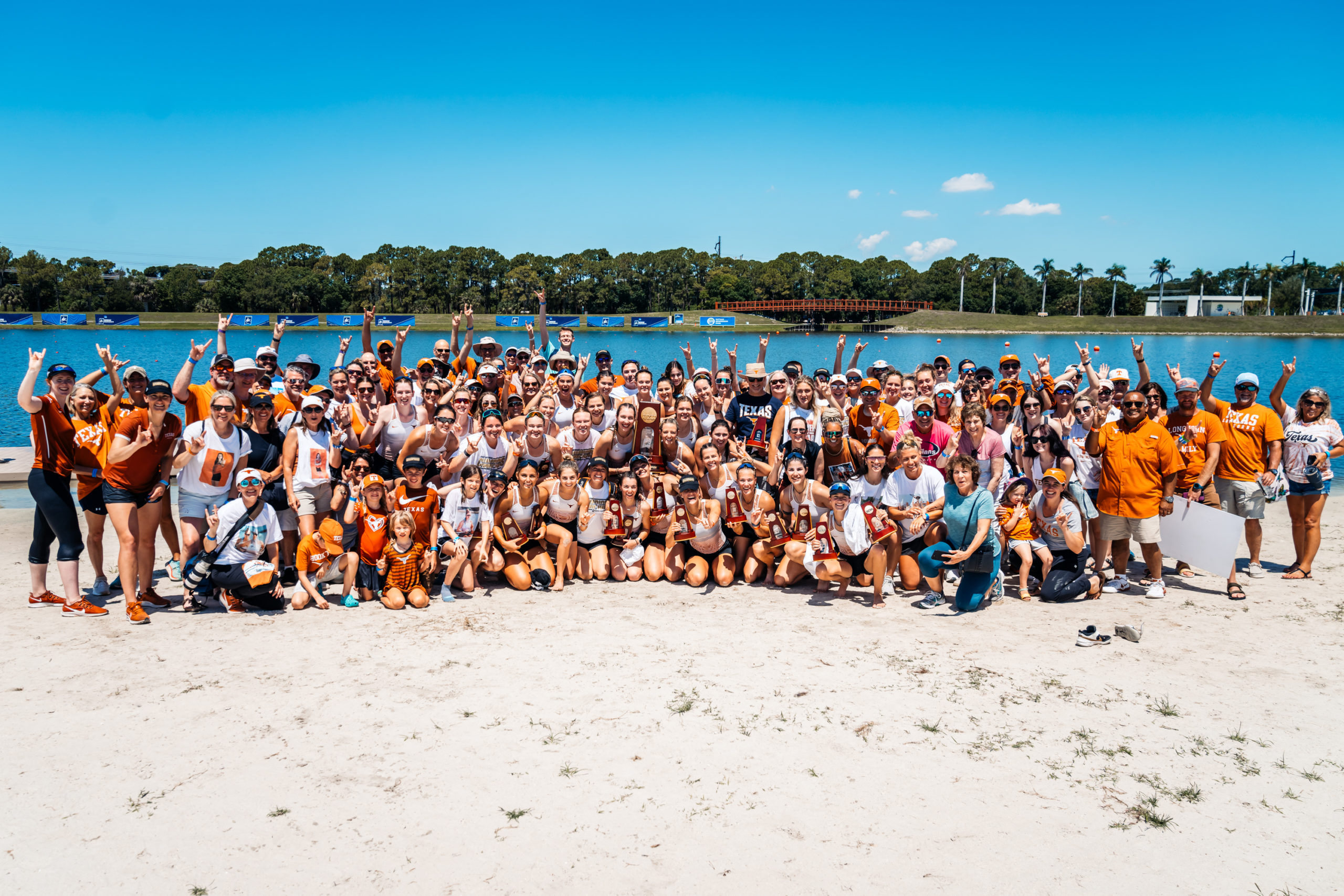
Don’t think he didn’t enjoy those moments on the podium with his teams immensely—especially last season when the Longhorn women won the NCAA national championship in Sarasota.

“The podium is always fun,” said O’Neill. “But the thing that gets me going is the process, the work. I enjoy practice and the challenge of figuring out the puzzle.”

What inspires him most about coaching?

“It’s those mornings in February when there are two eights out there and the kids are just killing themselves, really turning themselves inside out, for no other reason than to beat their best friends in the other boat. It’s not because we’re seat-racing. They’re just loving that the boats are flying and that they’re pushing themselves to the limit.  And when they’re done, they look across at each other thinking, ‘That was awesome!’, and each boat congratulates the other.  Those moments are special, and when we start getting them, we know we’re going to have a really good team at the end of the year.”

O’Neill talks joyously about coaching and the process of building a team and he wants to share that joy with his rowers and make the experience of being part of a team life-changing. He has believed in the transformative power of sport since high school.

“In my senior year, I took an outdoor-education class that shaped me quite a bit. It was like Outward Bound, and the lessons we learned outside, combined with being on a competitive team and working toward something, were awesome. I believe the lessons you learn rowing can make the world a better place, and that’s what really matters.”

And so, in the first week of January 2022, many months after Texas won its first national championship and seven years after O’Neill took over the Longhorn program from the late Carie Graves, the pep talk at the initial team meeting was not about what was done last year but what needs to be done next. It was about getting from January to May and the national championships in a position to compete for the podium.

“Let’s get back to work,” O’Neill told the team. “Let’s get back to practice, have fun, and cherish every day we get to be together and do something we love.”

Of the Texas crew that won last year, two athletes graduated from the varsity eight, two from the second varsity, and one from the four. Several women who were not in the varsity boats last year will be vying for a seat this season, and Texas has two experienced transfers.

“We have our incoming freshman and other kids stepping up and two who transferred in who are really good. I would say the first step in being great is Don’t be bad. And I don’t think we’re going to be bad this year.”

The Process

Perhaps O’Neill talks about process so much because his life in rowing and his development as a coach has also been a process to which he has clearly given considerable thought.

By his own reckoning, he was an undisciplined high-school student and mediocre athlete. He ran cross-country and played hockey but was no standout. 

When he enrolled at Boston College, he was following his parents, both of whom attended. He was mulling majoring in economics and business and figured that by working alumni connections he could fashion a prosperous career.

That vision changed one morning in the fall of freshman year when, while walking across campus, he encountered some guys pitching crew. “That sounds cool,” O’Neill thought. He attended the information meeting, met more of the team, and was sufficiently impressed to show up at the next practice.

One problem: O’Neill is not a morning person (to this day, he is last to arrive at the boathouse every morning). Result: He slept through the first practice. But O’Neill made it to the next and got on the water. After that, he was hooked and decided he would train to be one of the best—a goal he achieved. He helped start the men’s club crew at B.C. and also laid the groundwork for his coaching career. 

As a sophomore, he fabricated a barge from two wooden shells and took interested freshmen to a nearby reservoir to teach them to row. While working as a mover, an ambulance EMT, and a bicycle courier, O’Neill continued to coach. He coached the first junior program at Community Rowing Inc., and the year he graduated, was asked to coach the first B.C. women’s varsity team.

In those days, O’Neill viewed coaching as a fun part-time job.

“I hadn’t thought much about this being a career until John Ciovacc, the men’s coach and program director for B.C. crew, asked, ‘Did you ever think about coaching? You’re pretty good at it.’ 

“I told him, ‘No, I’m thinking outdoor education. I want to have a positive impact on people’s lives.’ And he said, ‘You’re already doing that,’ and I thought, ‘You’re right.’  Instead of working with someone in a summer program for only a few weeks, he pointed out, you get to work with someone for two, three, or four years. I feel grateful for that conversation, and grateful for being able to do what I do.” 

Coaching at B.C. did not provide a full-time salary, but O’Neill stayed with it while he continued working other jobs. He coached B.C. from 1991 through the mid-’90s, when Title IX spurred colleges across the country to launch rowing programs.

O’Neill struggled to land one of the new positions.

“I still have a whole lot of rejection letters. Pick a program, and I never got interviewed. I’m heading into my eighth year coaching at B.C, and I’m thinking, ‘Am I ever going to get a full-time job?’”

Then, a slot opened at the University of California. A rower friend attending grad school at Cal recommended O’Neill to Steve Gladstone, then head of the rowing program. 

“I sent a resume, and a month later, he invited me to come out for an interview. By now, it was early August, and I figured if they are calling me at this point, they need a coach. I’m sure I was the fourth or fifth choice. But I interviewed for it anyway, and a couple of days later, I was offered the job. Five days after that, I was driving to California.”

Although O’Neill’s initial contract was for two years, his teams were so good from the get-go that his contract was extended well before the end of his second year. O’Neill remained at Cal for the next 16 years, during which Cal won NCAA team titles in 2005 and 2006. O’Neill’s crews also earned 12 NCAA top-four finishes and four NCAA individual-event crowns.

Twice, he was named National Coach of the Year and he led his varsity eight to NCAA titles in 2005 and 2013 and his varsity four to NCAA titles in 2011 and 2014.

Greener Grass

Just before the 2014 NCAAs, Texas announced that Graves was retiring, and O’Neill began thinking. 

“I was at Cal for 16 years. We had done really well and had some great success, but I could tell there was a ceiling there. Every coach at some point thinks the grass is greener somewhere else and wonders, What would it be like coaching at whatever school? What could happen there?”

At the 2014 NCAAs, O’Neill met Texas associate athletic director Kathy Harston, and when the season ended, he emailed her that he was interested in the position. After being interviewed, he discussed it with his wife.

“We talked about how Texas could be a really good opportunity, and if we don’t go, then we’re basically saying California is going to be our life. My wife and I both have an adventurous spirit, and we thought we would like to try something new and see what Texas could turn into. I was up for the challenge.”

When O’Neill arrived in the fall of 2014, he was taking over a program with a solid foundation established by Graves. But, as any coach would, he began tweaking and supplementing.

In the last six years, Texas under O’Neill’s leadership has placed in the top 10 at the NCAA championships and won six consecutive Big 12 championships. At the NCAAs, Texas placed fourth in 2017, third in 2018, second in 2019, and last year the Longhorns won the title.

Today, O’Neill continues the process of developing his coaching skills and his crews.

“Building, that’s constant, that’s never-ending. Something I say to the team all the time is, ‘If you want to have a nice garden or nice landscaping, it takes constant attention. You have to be picking weeds all the time. You’ve got to mow the grass.’

“That’s what team-culture building is. It’s not, ‘Hey, let’s do some trust falls and team-building exercises and check the box.’ It’s daily work. I believe that more and more.”

O’Neill calls himself the team’s biggest fan and critic. “I’m also the biggest critic of myself. I am always thinking, How can we look outside the box? How can we make it a little bit better?

“There are definitely things we are doing differently this year than we did a couple of years ago.  That’s one of the cool things about coaching at the collegiate level. You can tweak things and weeks, months, years down the road, you can see how that made a difference.

“An example of that is we made a conscious decision a few years ago to examine what sort of image we want to project over social media and what sort of vibe we want to create at the boathouse—it’s about getting the work done that needs to be done, and having fun doing it. As  Cal oarsman and Canadian Olympian, Jake Wetzel once said, ‘It doesn’t have to be fun to be fun.’ For us, it’s fun being on a team where people are committed to a common goal. There are plenty of people who love everything about rowing except rowing.

“The kids on our team love rowing, being in the boats and practicing, being in boats that are going well, that are focused. That’s what drives us all in this sport. When these boats are moving, the feeling is indescribable.”

As for an encore after last year’s championship, O’Neill said he feels no pressure to fashion a team that replicates last year’s success. He compares it to filmmaking. 

“When Steven Spielberg, Christopher Nola, David Fincher, or Martin Scorsese makes a movie that wins an Academy Award and is considered a masterpiece, they don’t stop and say, ‘I’m done.’ Instead, it’s ‘What’s my next film?’”

O’Neill loves where he is right now. 

“I can’t see myself doing anything else other than coaching, and I can’t imagine coaching anywhere else right now than the University of Texas. We coaches are always thinking the grass is greener somewhere else. Well, the grass is pretty green here in Texas.”

Why Not Start a Rowing Club?

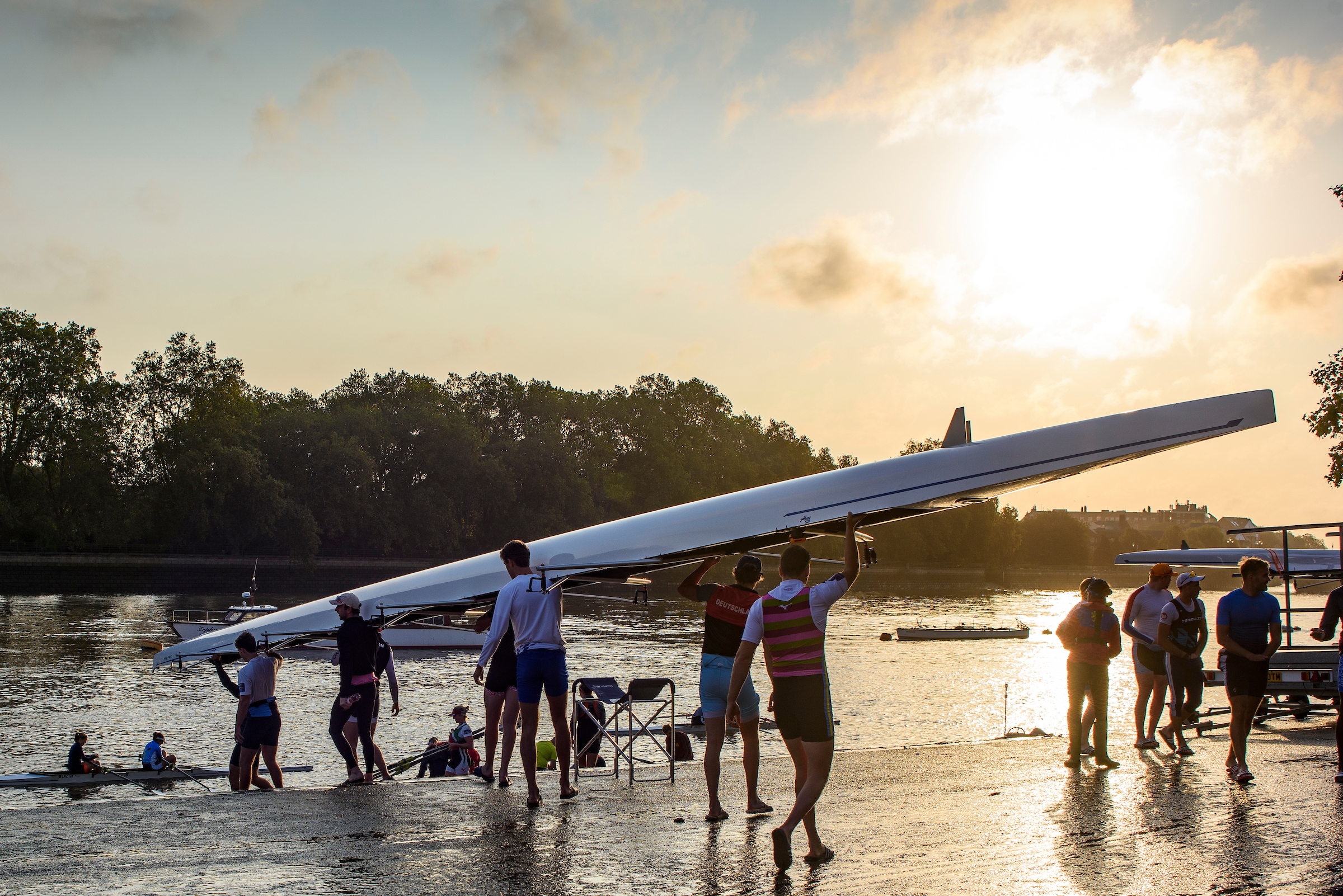
Putney, Greater London, UK., Sunday, 20th September 2020, Crews from the Putney Rowing Clubs, Early morning, setting up and boating from the Hard, [Covid-19 restrictions, Lock Down], [Mandatory Credit: Peter Spurrier], River Thames, Thames Valley,

BY ANDY ANDERSON
PHOTO BY PETER SPURRIER

Summer is a great time for rowing—as are fall and spring. I guess winter is nice, too, in California or Florida or Seattle, but I’ve never experienced it there. At the conclusion of our scholastic season, I’m often asked by kids who have gotten turned on to rowing, “Where can I row this summer?” If only it were that easy. Most of the best summer programs fill up early, and although their numbers are increasing, there aren’t enough to accommodate all the rowers and coxswains who want to keep rowing.

Yes, there are rowing camps, usually held at colleges. But whatever someone can get out of a week of rowing and coaching, it hardly compares to club rowing, where you get to row and race. It’s not easy to find a club with available spaces; most of the established clubs have their own members to take care of. If you don’t happen to live in a rowing hub, you’ll need to find a place to live, not an easy task for a teenager. It’s not much easier if you are a college rower. 

There are development camps, of course, and for the cream of the crop, the U19 and U23 camps. But we need more summer rowing clubs. At the risk of sounding like I’m patting myself on the back, I want to tell you about a rowing club that two coaches and I started and that had a short but brilliant run. 

In the spring of 1979, Burt Apfelbaum, who had rowed at Trinity College with me and who was coaching at Mount Holyoke College, and I were talking about doing something different, something fun. What if he brought his varsity boat down to Hartford, and we mixed his athletes with the women I was coaching at Trinity? We boated two eights, ports from Holyoke with starboards from Trinity, and vice versa. We did pieces. The boats went fast. Competitors became friends. Everyone was psyched. Burt and I noticed that the level of intensity seemed higher than usual. The athletes wanted to impress their rivals. We were on to something.

About a week later, we talked again. I remember Burt saying, “It’s criminal that these women don’t have anywhere to go to keep rowing this summer.” Well, why not expand on what we had tried and start a rowing club? And take it to the NWRA nationals to race? (The National Women’s Rowing Association was a parallel organization to the National Association of Amateur Oarsmen; in 1982, the two organizations joined forces and became USRowing, the governing body.)

Our two colleges didn’t have enough athletes who wanted to row for another month. So we asked Debby Ayers De Angelis, the coach at UMass, to join us. Mount Holyoke was willing to house the women, and we could use the docks at UMass and the boathouse at Amherst College.  Coaches brought equipment from their respective colleges. The bulk of athletes joined the three of us who were their coaches, and word of mouth drew a few more. How we got women from Oregon I have no idea. We needed a name. Our host institutions were all in the Pioneer Valley. The Pioneer Valley Rowing Association was born. 

We didn’t have a budget. The athletes paid their own way. The coaches coached for free. We rowed twice a day on the Connecticut River in Amherst for three weeks. None of us had seat-raced much. At a small college, you know your athletes well, and it’s usually obvious who belongs in the varsity boat. But with athletes you don’t know, seat racing helps a lot. It also gives the athletes the opportunity to learn quickly who makes a boat go. It builds trust when you can say, “I won my seat race with Sue in the boat” or “When Rachel strokes, I can feel the power.” 

It was our goal to boat heavyweight and lightweight eights and fours. We wanted everyone to have two races. As we prepared to drive out to Detroit for the races, all of us were pleased with the rowing that had been done. It wasn’t really possible to have a goal because we had no idea how we would stack up against the powerhouses—women who had rowed for the USA, Yale, Wisconsin, Vesper, and other storied programs. 

The heats went well. The elite four looked across the water at the starting line and saw that they, the unknowns, were racing Lake Washington, whose stern pair had rowed for the USA the previous summer. Huge grins at just being in that field. And unbelievably, they won the heat. As we gathered the night before the finals, everyone was smiling. All of our boats had made the finals. Our elite coxed four had had the race of their lives in the heat and finished fifth; of the six finalists, they were the only one without a national-team member. The eight was third. Our lightweight four won gold. 

Our team chanted “PVRA, PVRA” at the launching dock and when they watched each other race. They were very loud. One coach told me that it was obnoxious. We loved it. 

I learned so much that summer by working with great athletes and bouncing ideas off other knowledgeable coaches. The next summer, we were even stronger, with women from across the country. That second year, we won a bunch of events and the overall-points trophy. After a few more years, PVRA expanded to include men. But that first summer when we were completely green was awesome. 

Sometimes it doesn’t matter whether you have a boathouse or great equipment. If you’ve got some talented, enthusiastic athletes and some passionate coaches, you can have a summer rowing club. 

Longhorns Do It Again, Emerge with National Title After Points Tie

STAFF REPORTS
PHOTO PROVIDED BY TEXAS ATHLETICS

Make that two-in-a-row.

After a morning full of racing that suggested there might be an upset brewing, the University of Texas denied such an upset and once again claimed a DI NCAA National Title by winning the women’s varsity eight.

The victory wasn’t a shutout by any means. The Longhorns, in fact, tied in team points with Stanford University—both crews having 124 points at the end of racing.

And, for those who don’t remember last year’s NCAA Championships, a tie is determined by the winner of the women’s first-varsity eight event.

So, once again, the Longhorns emerged victorious.

In the DI women’s varsity four, it was the Tigers from Princeton who emerged national champions, and in the women’s second-varsity eight, it was the Bulldogs from Yale who took the top spot. The Longhorns in those events finished third and fourth, respectively.

The Cardinal had a terrific showing at this year’s event finishing five seconds behind Texas in the women’s first-varsity eight, second in the second-varsity eight, and fourth in the varsity four.

The final team points spread for the entire regatta are as follows:

Division I Points

  1. Texas 124*
  2. Stanford 124*
  3. Princeton 118
  4. Washington 112
  5. Yale 102
  6. California 101
  7. Brown 100
  8. Ohio State 99
  9. Virginia 82
  10. Michigan 73
  11. Penn 72*
  12. SMU 72*
  13. Rutgers 64
  14. Oregon St 52
  15. USC 47
  16. Duke 45
  17. Syracuse 41
  18. Gonzaga 28
  19. Boston 23
  20. Northeastern 17
  21. Rhode Island 15
  22. Jacksonville 7

    Division II Points
  23. Mercyhurst 30
  24. Western Washington 19*
  25. Embry-Riddle 19*
  26. Jefferson 14*
  27. Central Oklahoma 14*
  28. Seattle Pacific 9

    Division III Points
  29. Wellesley 51
  30. Bates 50
  31. WPI 48
  32. Ithaca 43
  33. Williams 38
  34. Tufts 31
  35. Pacific Lutheran 26
  36. St. Mary’s 21

Full results here.

After Stormy Start, DII, DIII Titles Awarded on Day Two of 2022 NCAA Women’s Rowing Championships; DI Finals Set for Last Day

STAFF REPORTS
PHOTO BY CHIP DAVIS

After a stormy start reminiscent of the 2021 NCAA Women’s Rowing Championships, crews were finally able to battle it out on day two of the 2022 NCAA Women’s Rowing Championships.

In the final event of the day, the DII eight, it was top-ranked Mercyhurst who won the event followed by Western Washington and Jefferson. The defending champions from the University of Central Oklahoma placed seventh in the event by winning the second final.

Earlier in the afternoon, the Lakers also captured a win in the DII four event, securing the crew this year’s 2022 NCAA Division II team title.

In Division III racing, WPI rocked the proverbial boathouse by besting Wellesley by three seconds in the DIII first-varsity eight but in the DIII second-varsity eight, the Bobcats took the top spot while WPI didn’t crest the top three and finished in third.

The mixed results for the Goats opened the door for The Blue to earn enough points to secure the 2022 DIII NCAA team title for the first time since 2016. The Bobcats—who were defending champions—were only one point behind Wellesley, finishing the regatta with 50 points to Wellesley’s 51 points.

Finals are set for DI racing on the last day of the 2022 NCAA Women’s Rowing Championships. In the women’s varsity eight event, Princeton, Brown, California, Texas, Washington, and Stanford will race in the premier event in women’s collegiate rowing.

Four programs ultimately qualified all of their crews for grand finals including Washington, Texas, Stanford, and Princeton which nearly guarantees one of the crews the overall title.

Racing begins Sunday, May 29 at 8:00 a.m. Full results here. Live stream here.

Semifinals, DIII Finals Set for Day Two of 2022 NCAA Women’s Rowing Championships

STAFF REPORTS
PHOTO BY LISA WORTHY

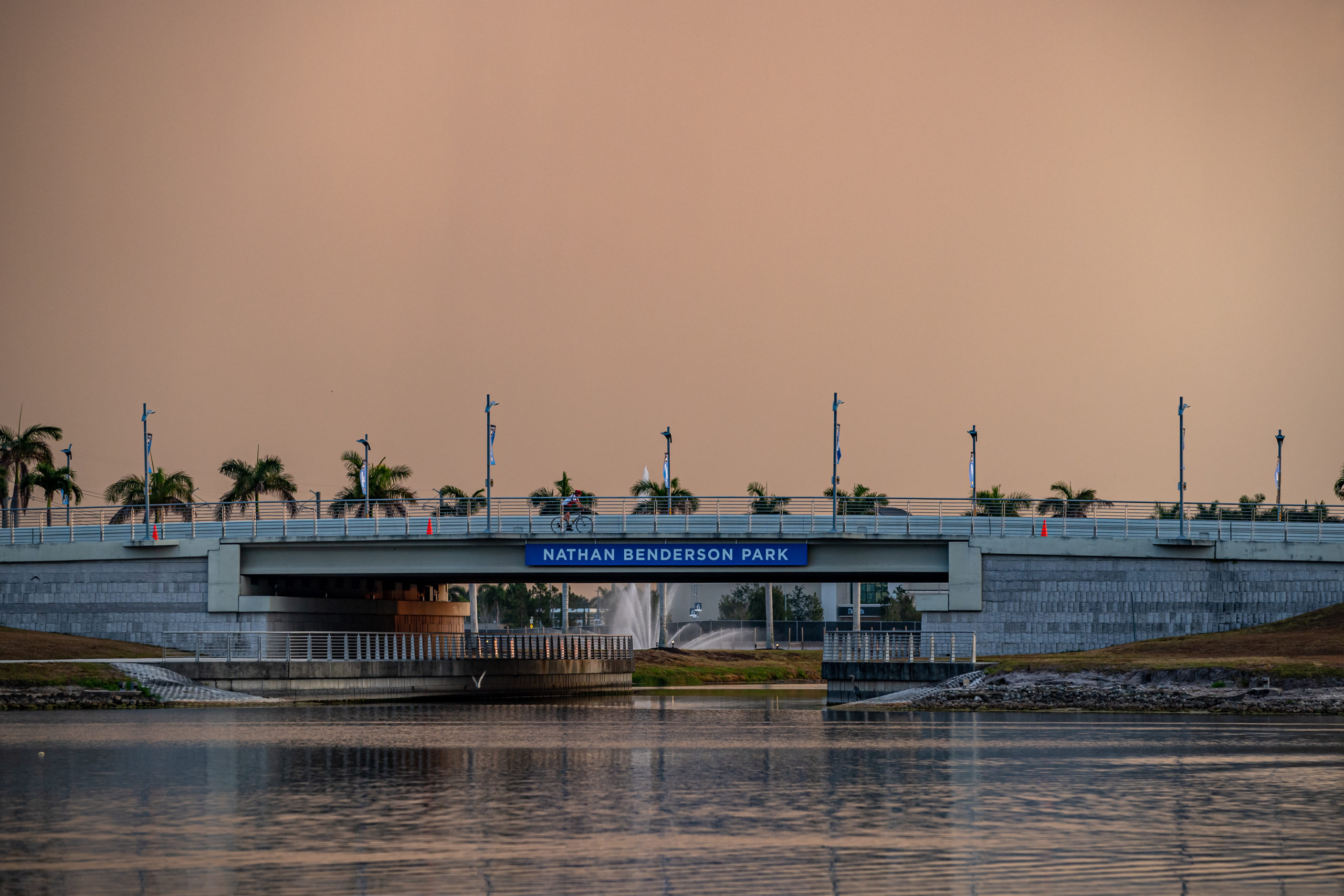
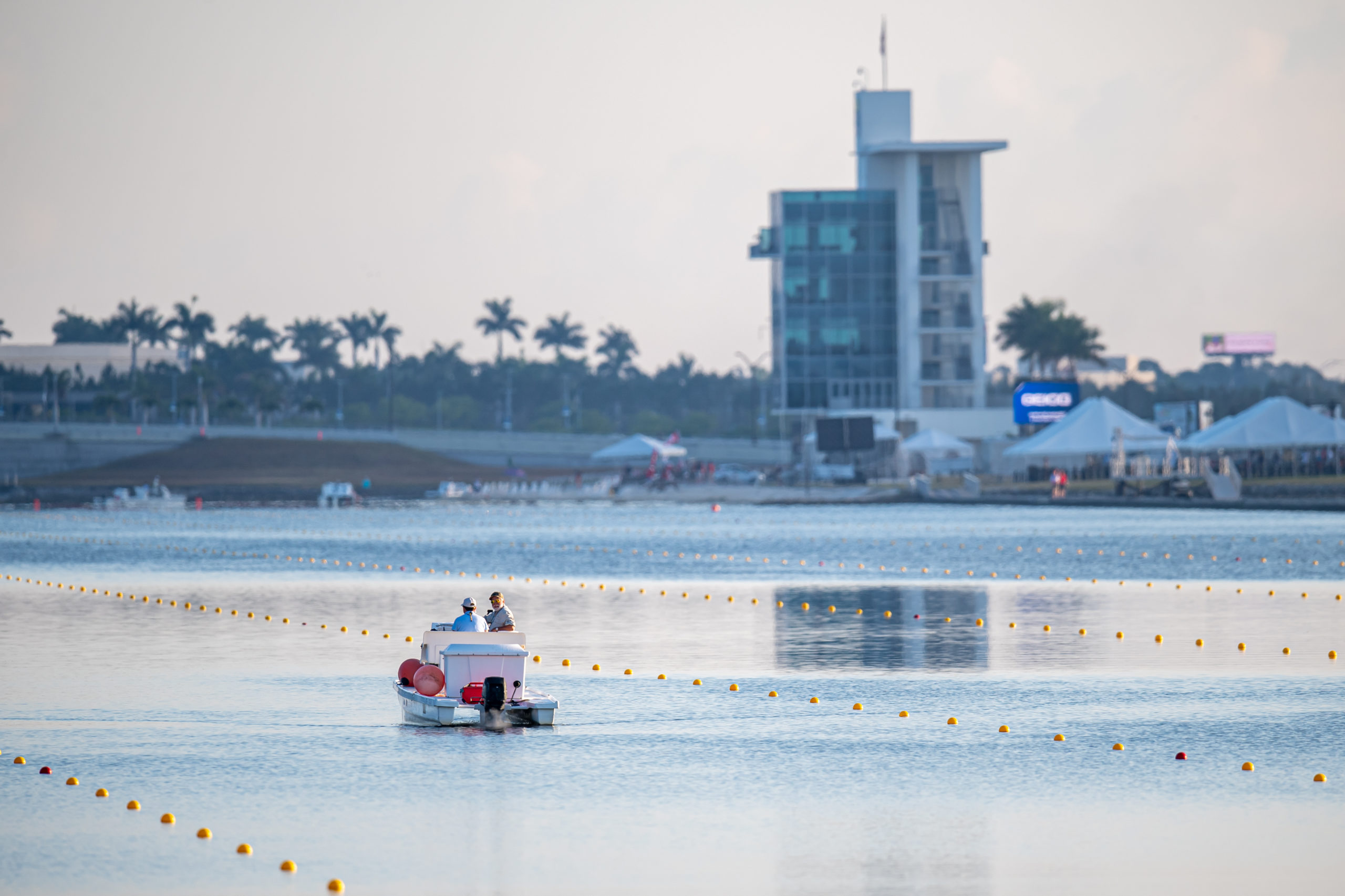
After a long day of racing on the waters in Nathan Benderson Park, the Division I and Division II semifinals as well as the Division III finals are set for day two.

After a dominant performance by the University of Texas in the morning session of racing, the afternoon repechages determined who would go head to head with the top performers who earned direct berths to the semifinals and will race on day two of racing hoping to earn spots in Sunday’s Grand Finals.

The second day of racing at the event will also result in a Division III program being crowned a national champion. The crews racing in tomorrow’s DIII varsity-eight grand final include Williams, Ithaca, Bates, WPI, Wellesley, and Tufts.

In the Division III second-varsity eight grand final Tufts, Ithaca, Bates, Wellesley, Williams, and WPI will battle for the top spot.

Racing picks back the morning of May 28 at 8:00 a.m. Full results here. Livestream here.

Longhorns Stampede Down Course, Establish Dominance on Day One of 2022 NCAA Women’s Rowing Championships

BY LUKE REYNOLDS
PHOTO BY LISA WORTHY

The University of Texas came into the 2022 NCAA Women’s Rowing National Championship at Nathan Benderson Park in Sarasota-Bradenton ranked No. 1.

After the first round of racing concluded the morning of May 27, it was clear why.

“We had a really good first day, and everyone did what they needed to do. There’s always some uncertainty heading into this weekend, so it was great to have a solid first day,” said Texas head coach Dave O’Neill. “Managing the efforts over these three days is really important, and everyone was happy with the way things went.”

The Longhorns swept all three events in women’s Division I racing picking up wins in the first-varsity eight, second-varsity eight, and four. Texas advanced all three boats directly to the A/B semifinals that will take place May 28.

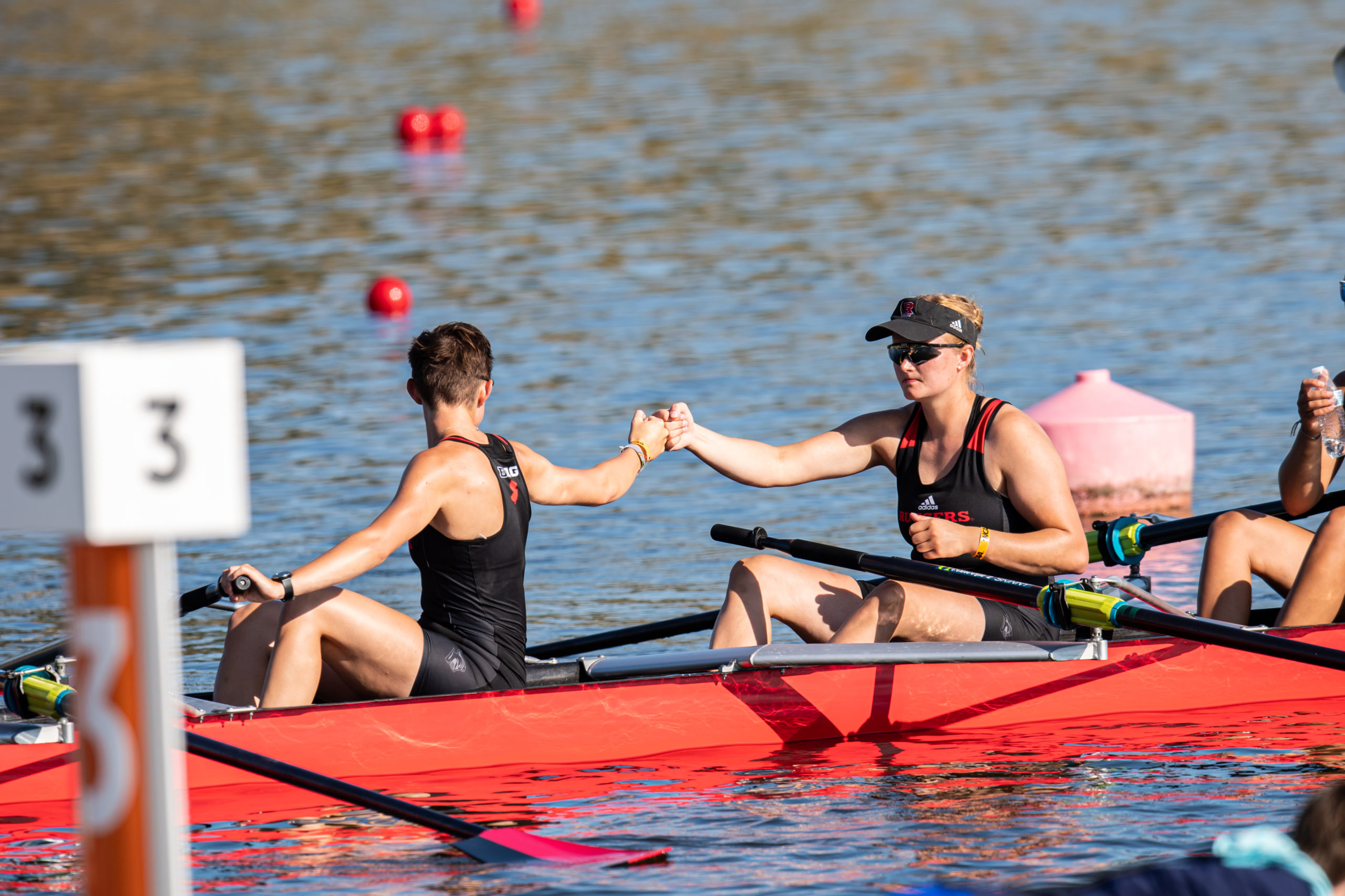
In the other three DI first-varsity eight events, Princeton, Stanford, and Brown took the top spots with the Tigers posting a time of 6:09.912—a mere second behind Texas’ 6:08.328. It’s prudent not to compare times in rowing—as most know—but with stakes this high, they’re worth keeping an eye on.

In Division II racing, No. 3 Mercyhurst defeated the defending champs from Edmond, Oklahoma, the University of Central Oklahoma, in the DII eights, earning the Lakers a direct berth to the grand finals. The Bronchos will have to duke it out in the reps to earn a spot alongside Mercyhurst and fight to defend their title.

In Division III racing, Bates won both its heats in the first-varsity and second-varsity eight events. WPI won the first-varsity eight heat one and Wellesley took the top spot in the second-varsity eight heat two.

Racing will pick back up with reps on the afternoon of May 27. Full results here. Live stream here.

NCAA’s Set to Kick Off May 27

STAFF REPORTS
PHOTO BY LISA WORTHY

The moment that so many crews have been training all season for has nearly arrived.

Rowers will take to the waters in Nathan Benderson Park and duke it out over the three-day regatta to determine which crew will be this year’s Division I, Division II, and Division III National Champions.

In Division I competition, the University of Texas holds the title of defending champion but will not have an easy road ahead as No. 2 ranked Stanford is poised to demonstrate their speed under the Florida sun. Not to be discounted either is Brown which jumped two spots from No. 5 to No. 3 in the final Pocock/CRCA Women’s Rowing Poll of the year.

In Division II competition, the defending champions, the University of Central Oklahoma, will race as an underdog coming into the regatta ranked No. 5. Seattle Pacific topped the final poll of the season with Western Washington and Mercyhurst in the No. 2 and No. 3 slots.

In Division III competition, the Bobcats will have a tough fight to defend their national title. Bates is currently ranked No. 3 and will have to dethrone No. 1 ranked Ithaca who blasted to the top of the rankings from the No. 6 position in the final DIII poll.

Racing begins May 27.

World Cup I Set to Unite Rowers in Serbia

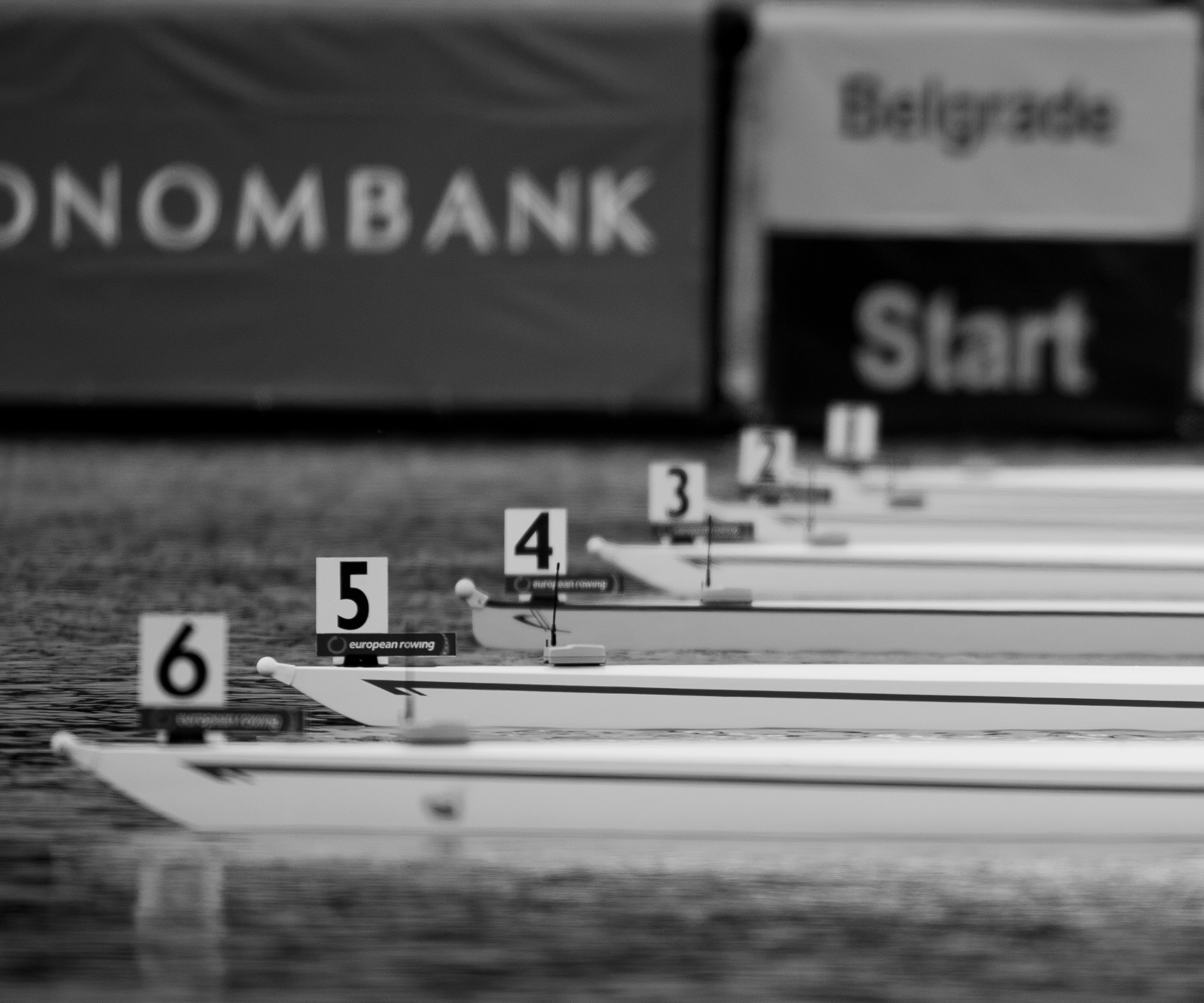
Belgrade, SERBIA,Bows lined up for the start at the 2014 FISA European Rowing Championships. Lake Sava. 12:08:22 Saturday 31/05/2014 [Mandatory Credit; Peter Spurrier/Intersport-images]

STAFF REPORTS
PHOTO BY PETER SPURRIER

Only one American is set to compete at the 2022 World Rowing Cup I May 27.

Mary Jones Nabel will represent the United States in the lightweight women’s single in Belgrade, Serbia. Jones Nabel is a five-time U.S. National Team member.

In addition to the women’s lightweight single, rowers will compete across 20 events May 27-29 on Sava Lake in Belgrade, Serbia.

Racing is set to begin at 2:00 a.m. Central time. Live stream here (Saturday 28 May – 11:00 CET until 13:20 CET, Sunday 29 May – 10:30 CET until 15:20 CET.) Entries here.