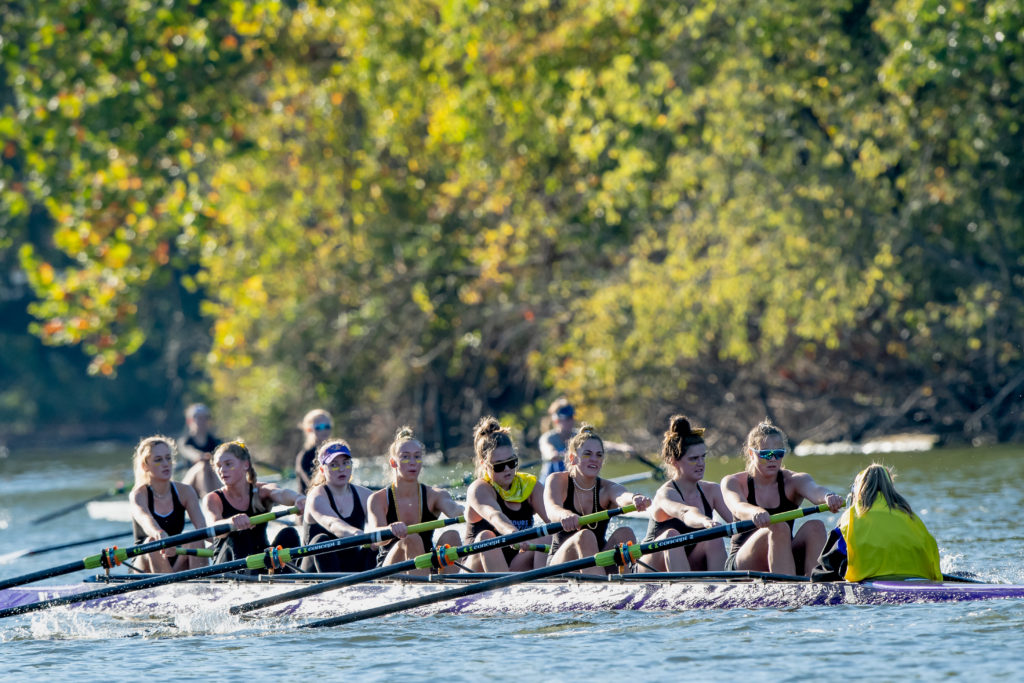
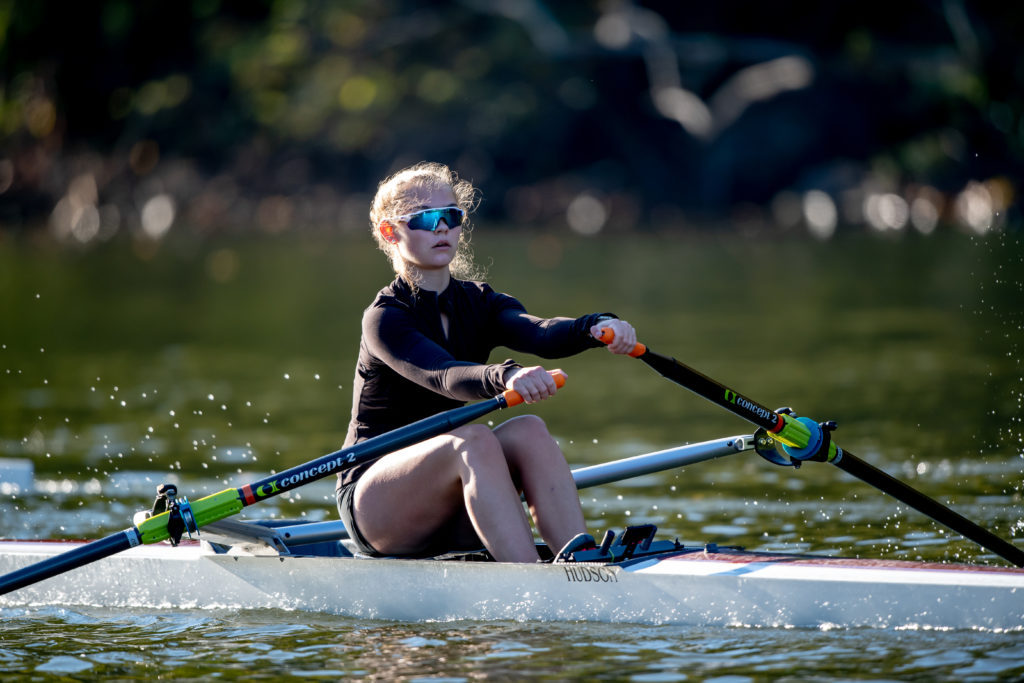
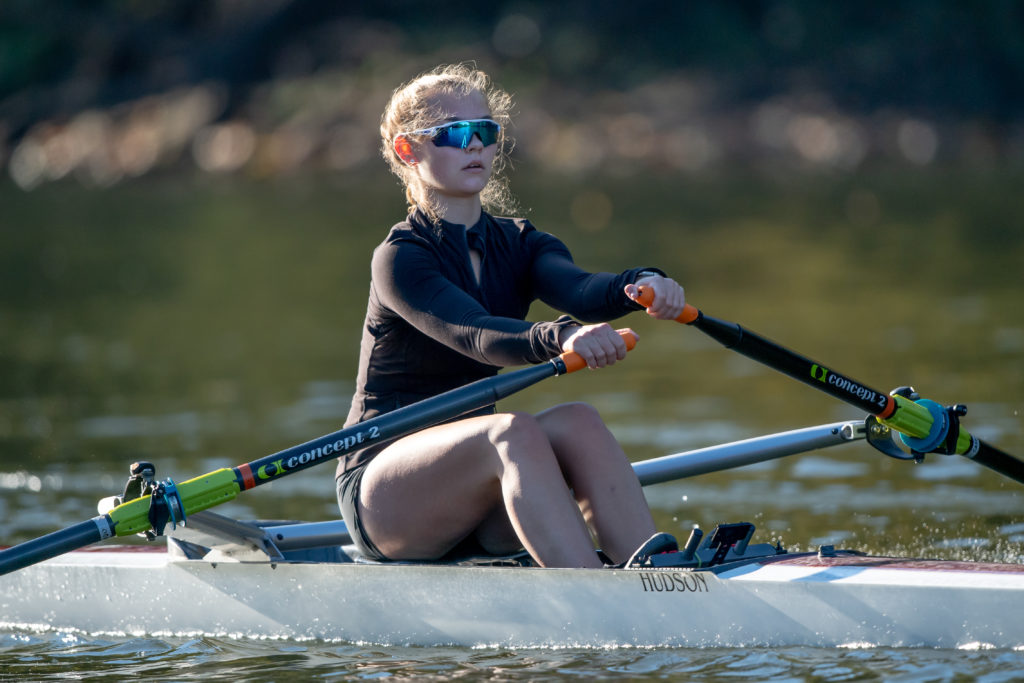
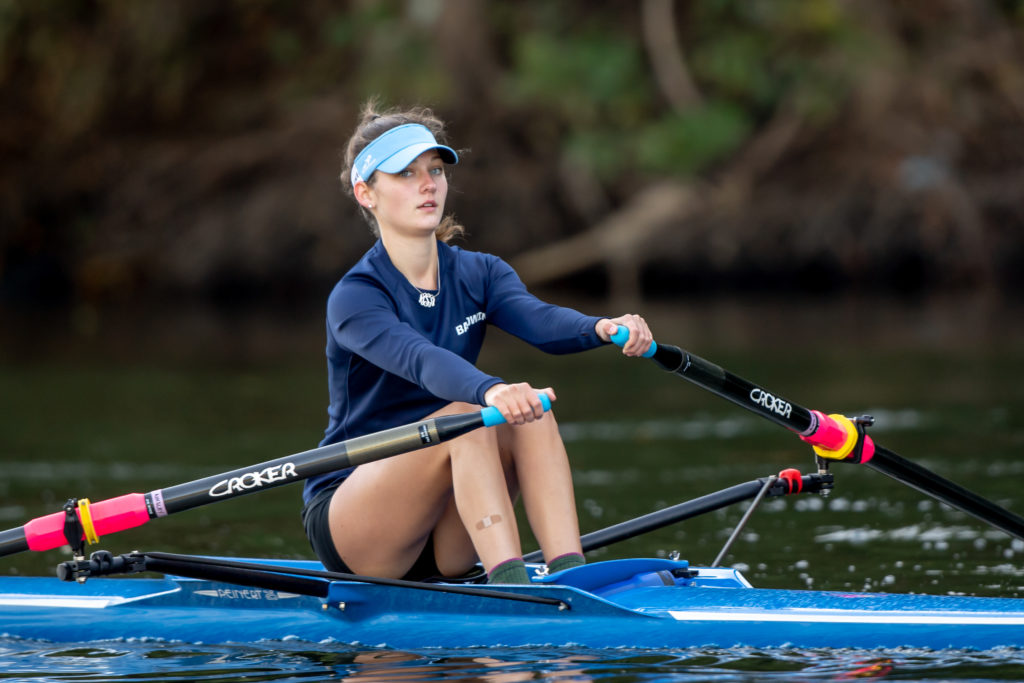
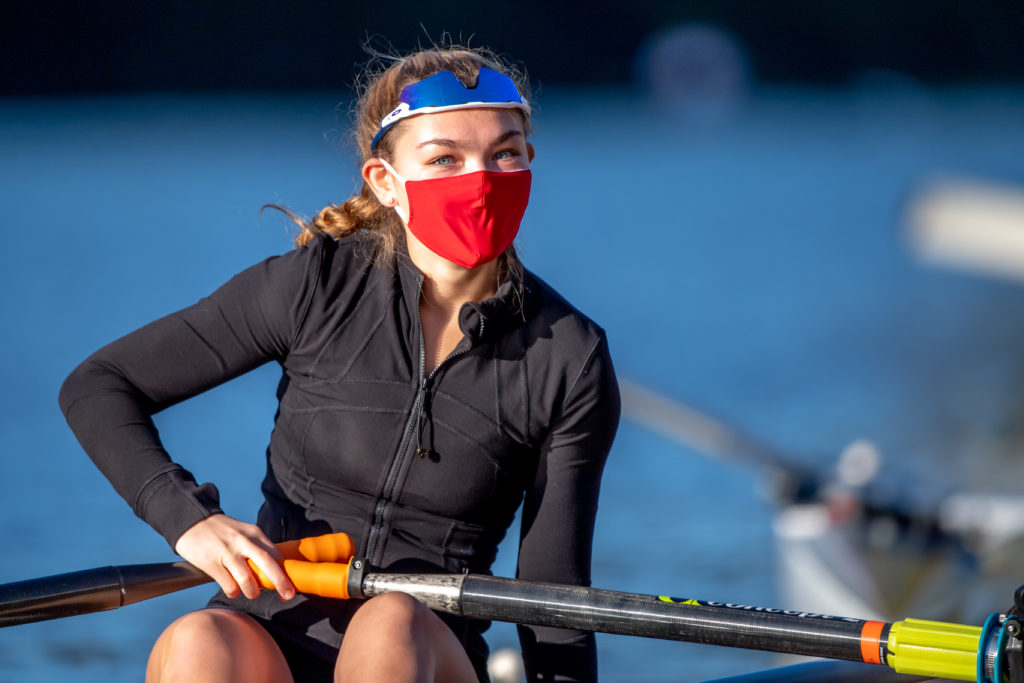
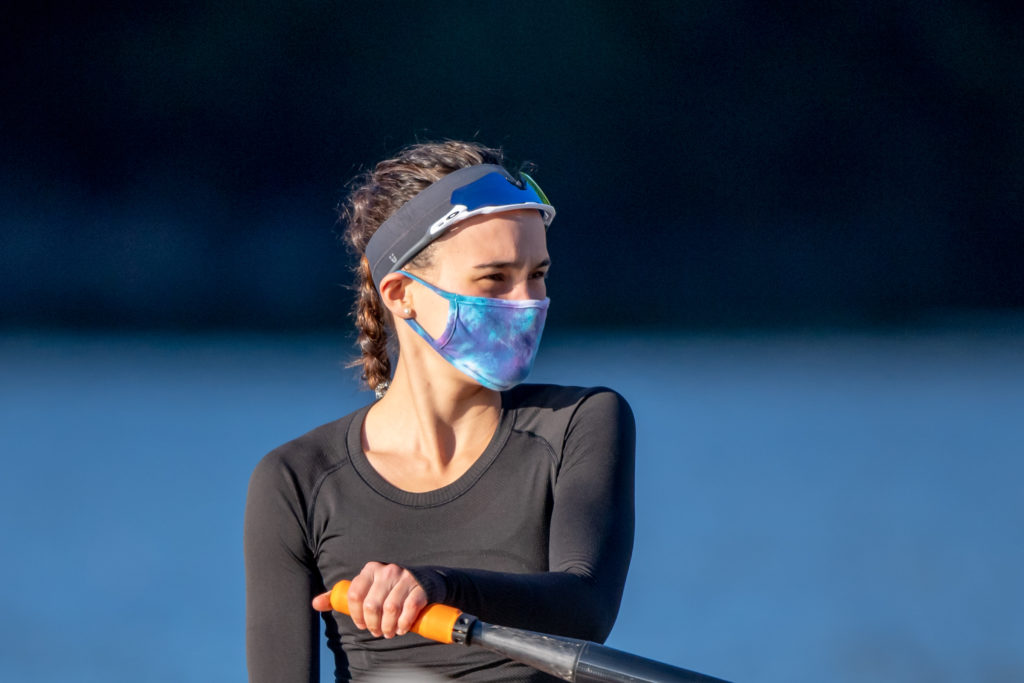
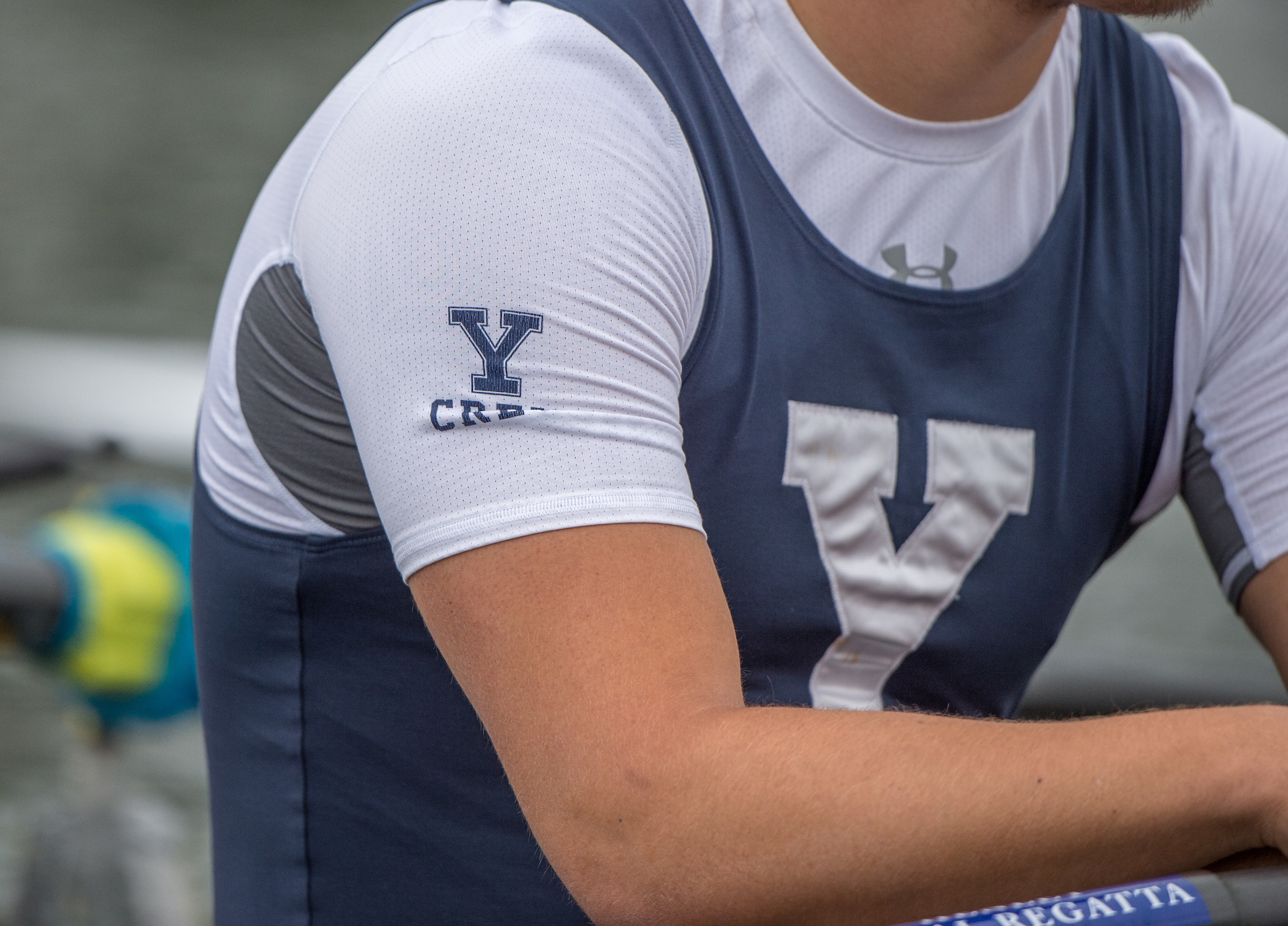
Hydrow and Fabletics have formed a new partnership. The apparel company will have a dedicated space for Hydrow on its website, as well as offering the rowing company space within its brick-and-mortar stores for shoppers to try out the machine. The move comes after Hydrow’s explosion in popularity during the pandemic. Fabletics also will be the exclusive manufacturer of apparel for the company, producing and designing all the gear worn by Hydrow athletes.
One year ago, no one could have imagined what 2020 would look like. Now, 10 months into a full-blown pandemic, there have been profound changes in what we can and cannot do.
For rowers, the pandemic hit home when, in early summer, one regatta after another, including the Olympic Games, was canceled.
Measures were introduced affecting all parts of our lives, including how we train and compete, and they were quite painful. But the measures were effective in decreasing infection rates across the globe.
Unfortunately, changing weather that led to more indoor activity, the easing of restrictions, and less careful behavior have driven infection rates up again. It’s easy to understand why people are eager to resume participating in sports and are suffering from “Covid fatigue,” but the consequences of letting our guard down outweigh the short-term benefits of forgetting about the virus.
We need to support each other in staying safe and diminishing the challenges of the various restrictions. Yes, it is difficult to stay motivated when training alone or in small groups, with limited opportunity for competition, camaraderie, and motivating goals like regattas. But look for the positive side of these challenges, as small as they may be, and set goals based on your individual ability. For a competitive rower, this may mean performance improvements; for a recreational rower, better health; for a masters rower, aging well. Find what you want to succeed at, enjoy the improvements you can make, and seek the most exciting activities that will help achieve your goals.
Think about the long-term gains you can make and that now you have more time to spend on things like yoga, relaxation, and meditation, which will pay off when hectic schedules return.
USRowing has named Sarasota Crew head coach Casey Galvanek head coach of the United States junior national team system.
Galvanek will oversee all of the athletes and coaches in the program.
According to USRowing, “Galvanek comes to the position with extensive experience working with multiple levels of successful athletes.”
“Galvanek is currently the CEO and head coach at Sarasota Crew, where he oversees a staff of 26 coaches and 434 athletes. Concurrent to his tenure at Sarasota, Galvanek has worked with the U19 team, U23 women’s squad, and the men’s and women’s senior national teams. Since 2012, Galvanek has taken 12 crews to a world championship, winning medals four times and making the A-level finals eight times. He has helped develop the U19 men’s program for 11 years, with notable success on the national and international level.”
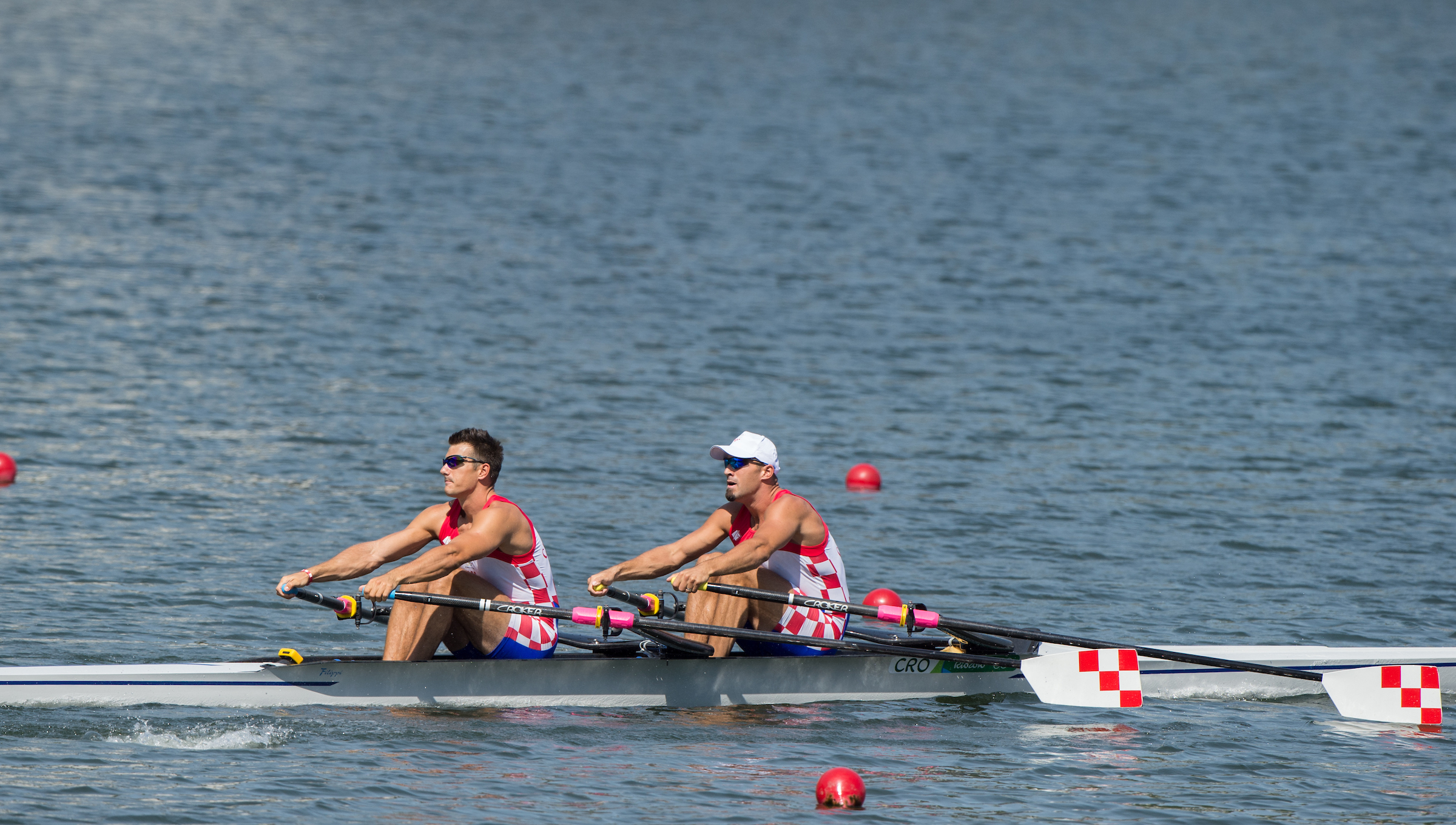
Rio de Janeiro. BRAZIL. CRP M2X. Bow. Martin SINKOVIC and Valent
SINKOVIC, 2016 Olympic Rowing Regatta. Lagoa Stadium,
Copacabana, “Olympic Summer Games”
Rodrigo de Freitas Lagoon, Lagoa. Local Time 12:06:11 Saturday 06/08/2016
[Mandatory Credit; Peter SPURRIER/Intersport Images]
BY VOLKER NOLTE PHOTO BY PETER SPURRIER
*Originally published in the April 2017 issue of Rowing News.
A large number of international coaches gathered earlier this winter for the 2017 FISA coaches’ conference in Vancouver. There were several compelling presentations, but the most interesting came from Nikola Bralić, the Croatian coach who guided Martin and Valent Sinkovic to Olympic gold in the double.
Bralić said he emphasized three points with his crew: Keep things simple, work hard, and start with balance. While the first two themes made sense to me, the fact that these highly-skilled scullers focused so diligently on balance—something that seems more appropriate for beginners—struck me as surprising.
According to Bralić, good balance is required for high-quality long-distance training, helps to prevent injury, and readies rowers for all conditions.
Training balance, however, is a complex undertaking—one that can only be done regularly in the boat and that begins with proper strength training.
To illustrate just how important balance work was to their routine, the Sinkovics would start every training session with balance exercises built into their warm-up. Bralić also pointed out that the degree of difficulty of the drills he chooses depends on water conditions. That way, impeccable execution is possible.
The vast majority of the double’s training videos that Bralić played at the conference showed perfectly flat water. These balance exercises build confidence in the crew to produce the highest speeds and to attack aggressively in all water conditions.
Above: Kym Reynolds preparing to go for a training row with Recovery on Water.
BY LUKE REYNOLDS PHOTOS PROVIDED BY ROW FOR THE CURE
When Kym Reynolds first learned of her diagnosis, it wasn’t helplessness or sadness that she felt.
It was anger.
That anger turned out to be a blessing in disguise, leading Reynolds ultimately to rowing.
“A therapist wanted me to go to anger management and release all of my feelings,” Reynolds said. “She had a friend who belonged to R.O.W. (Recovery on Water) and she wanted me to get with a group of women and talk about how I feel. I was kind of, like ‘Yeah, OK, whatever.’ So I took the card and didn’t really do anything with it.”
Over time, that apathy turned into curiosity.
“A couple of weeks later, I was up at about 4 o’clock in the morning–I wasn’t really sleeping well during the whole treatment process–and I found the card and I sent an email to Jenn Gibbons, and she emailed me back about 15 minutes later, and I thought, ‘What fool is up at 4 a.m. besides me?’ Anyway, she [Gibbons] emails me back and invites me to come. So a day or two later, I went to practice. It [erging] was one of the hardest things on Earth,” Reynolds said.
Kym Reynolds racing with R.O.W. (Recovery on Water.)
Despite the challenge, the welcoming and supportive spirit of the women of the R.O.W. community drew Reynolds back for another session.
“The next day, my car was taking me back. My whole intention was to go home after work, but I had a bag in my car, and it was like my car said, ‘We like this, so we are going back.’ After that, I started going back. They worked with me, encouraged me to be there, and it was a rough first year because rowing is a very intense all-body sport, but I stuck with it.”
Stories like Reynolds’ are plentiful in the rowing community and the reason a fundraiser spearheaded by the nonprofit Row for the Cure took place in October, with the goal of increasing breast-cancer awareness and raising money for local Susan B. Komen Foundation affiliates.
The fundraiser included a social-media campaign encouraging club members to dress in pink and tag their photos with #PinktheBoathouse as a way of connecting clubs across the country.
Row for the Cure normally has events throughout the year, including races, as well as tents and other branding at regattas to advance its cause and support survivors. But this year had to be tweaked because of all the cancellations.
“This was our first year to have a fundraiser,” said Beth Kohl, president of Row for the Cure. “We’ve had to rethink ourselves because we were not able to host events. It’s really brought a lot of people to the surface who are so committed to this cause and have never had a chance to get involved because there were not events in their market.
“One of the things we’ve seen is that more and more survivors get involved in rowing as part of rehabilitation and recovery. R.O.W is a great example of that as well as a group out of Saugatuck who actually participated in our Row for the Cure race in Poughkeepsie. They had never raced and they came, and it was one of the most powerful things I’ve seen. They all came out of Norwalk Hospital, and the hospital was looking for ways for survivors to get involved in exercise. Saugatuck stepped up and said, ‘We will work with you,’ and created an incredible program from there.”
Kohl hopes that this trend of increasing participation from both those who row as a way to enhance rehabilitation and recovery and those who support breast- cancer awareness through Row for the Cure continues. The organization plans to host more fundraisers in the future, she says.
One thing Kohl and Reynolds agree on is the freedom afforded rowers — especially survivors — when they get on the erg or the water and focus on improving themselves and working together with others.
As Reynolds has continued her journey as a rower for R.O.W., she has taken steps beyond just participating in the sport and being a breast-cancer survivor and awareness advocate by becoming an active referee for USRowing. For her, it’s not just about the sport. It’s about supporting others and being a part of such communities as the corps and Recovery on Water.
“My thing, especially for people with cancer, is that your body is going through this awful, rotten thing, and you just have to find your peace. With rowing, it’s just you against you, so it works,” Reynolds said. “For people who have cancer and have started rowing, just remember that you have to take it slow and listen to your coaches. Just put yourself out there, relax, let it go, put your feelings on that erg, and let that erg take you where you need to go. Don’t be afraid.”
As the New Year starts, I hear way too many athletes vowing to quit carbs for their nutrition resolution. The reality is that carbs should be the foundation of your sports diet. Here are five reasons why:
Carbohydrates fuel muscles. Athletes who restrict carbs pay the price: “dead legs” and an inability to exercise at their best. If you routinely train hard four to six days a week, carbohydrates should be the foundation of each meal.
Carbohydrates are not fattening. Excess calories at the end of the day are fattening, not carbohydrates. Excess calories of carbs are actually less fattening than are excess calories of fat because converting excess calories of carbohydrate into body fat requires more energy than converting dietary fat calories.
Avoiding carbs can lead to food binges. By routinely including carbs in your daily sports diet, you take the power away from them and will be less likely to binge.
Quality carbs promote a healthy microbiome. Fiber-rich carbs feed the zillions of microbes that live in your gut. These microbes have an incredible influence on your mood, weight, immune system, and overall health.
Carbohydrate adds pleasure to your sports diet. Is something wrong with eating some yummy foods, like pasta and bagels? How about chocolate milk for a fun recovery food?
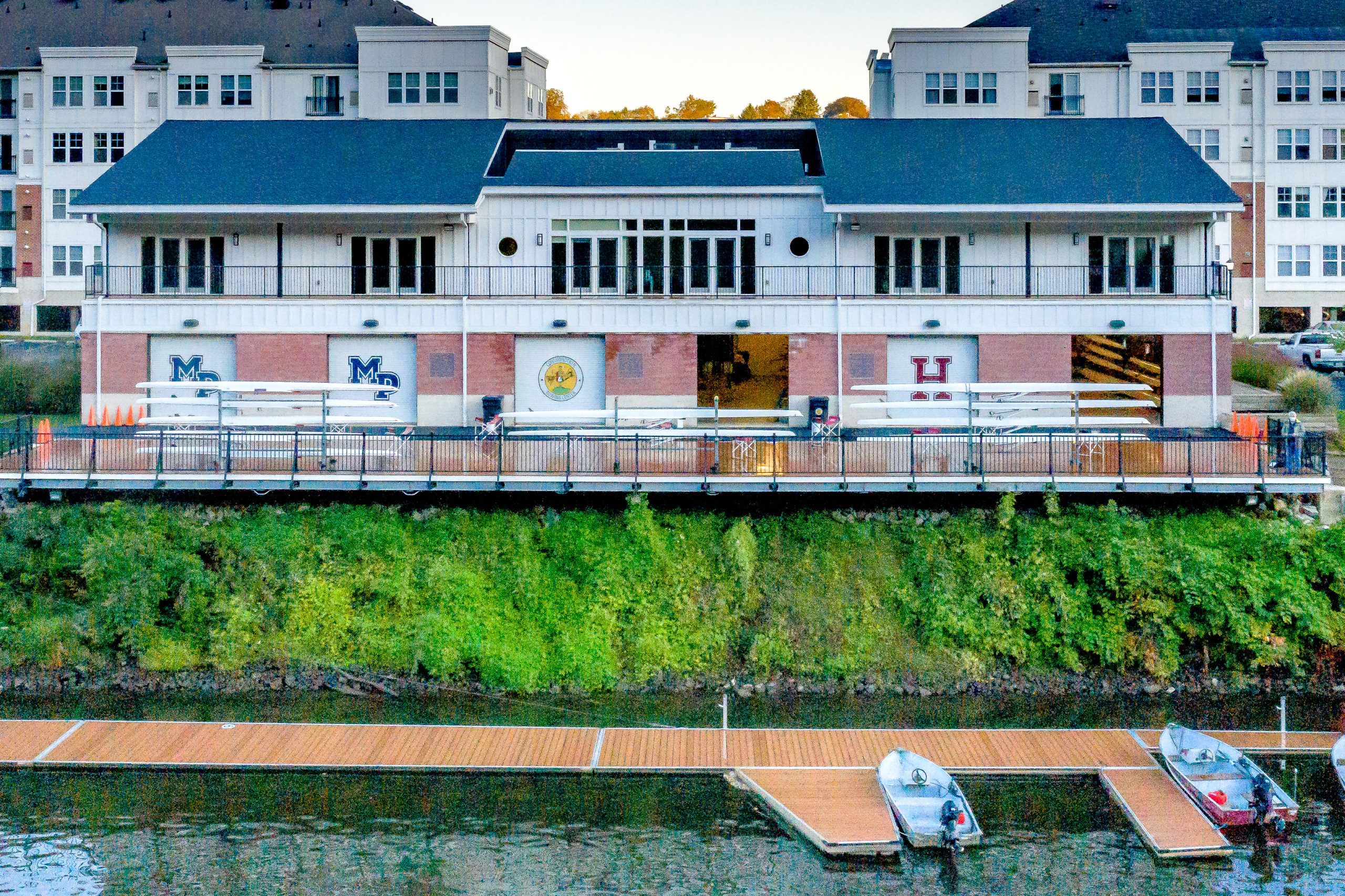
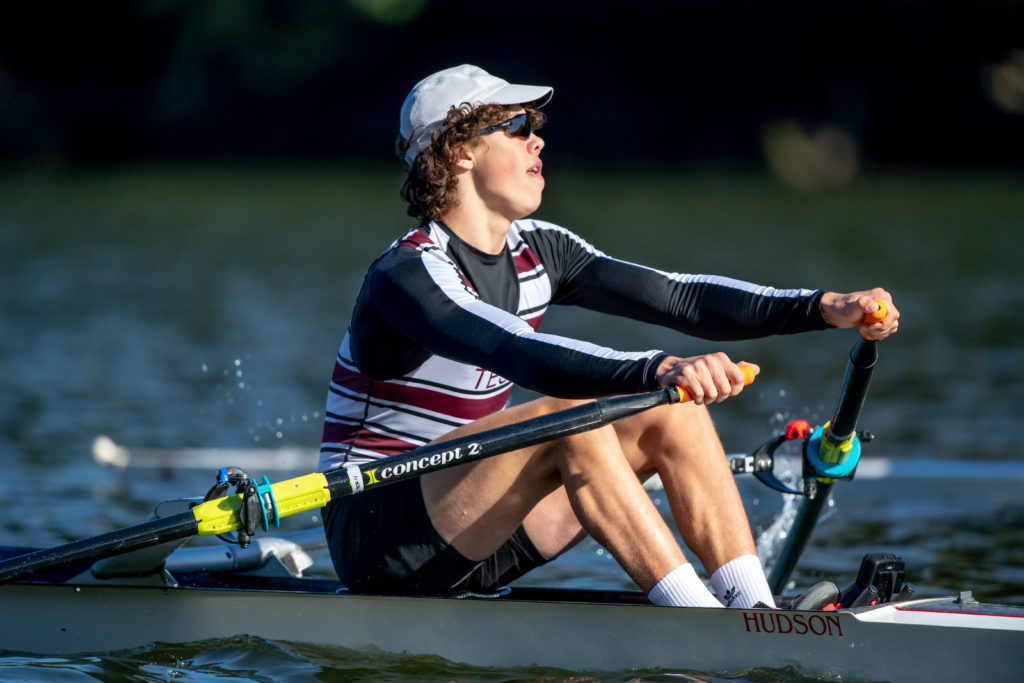
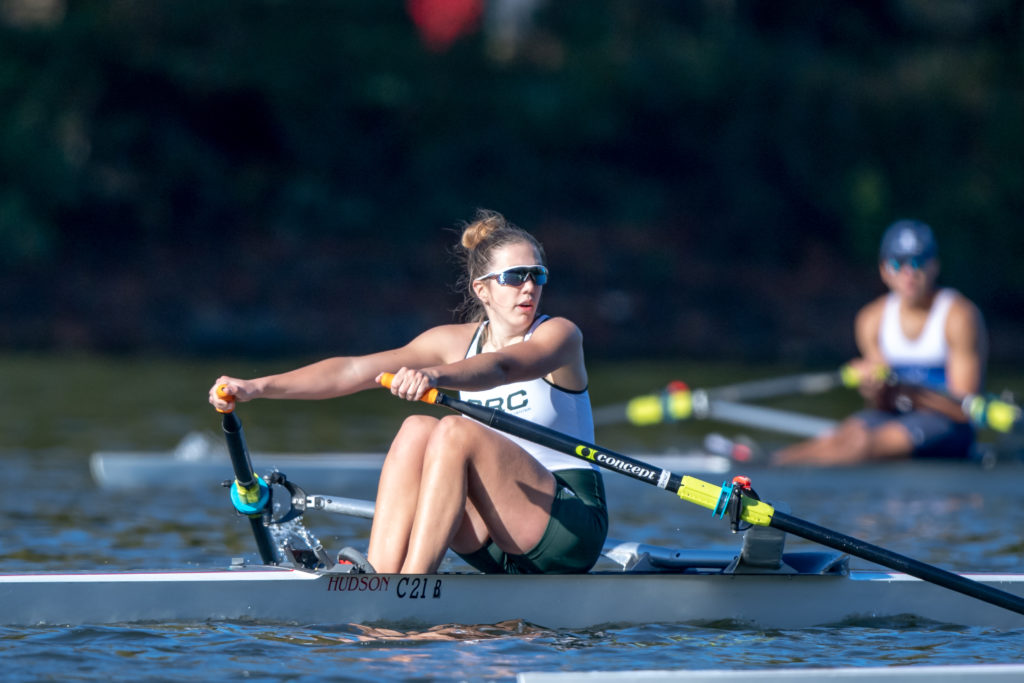
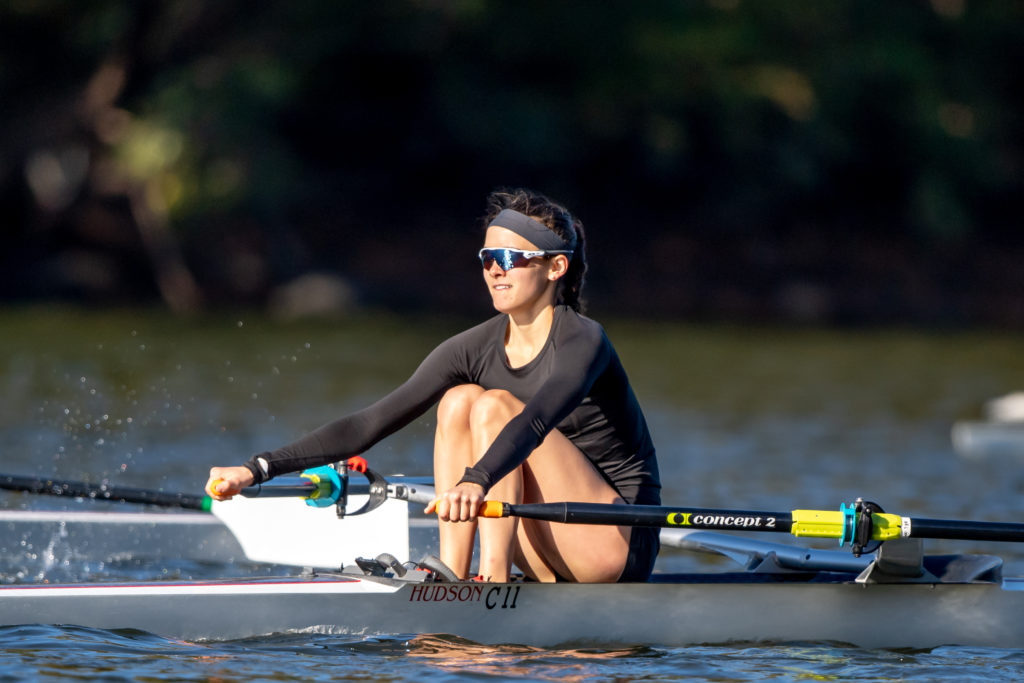
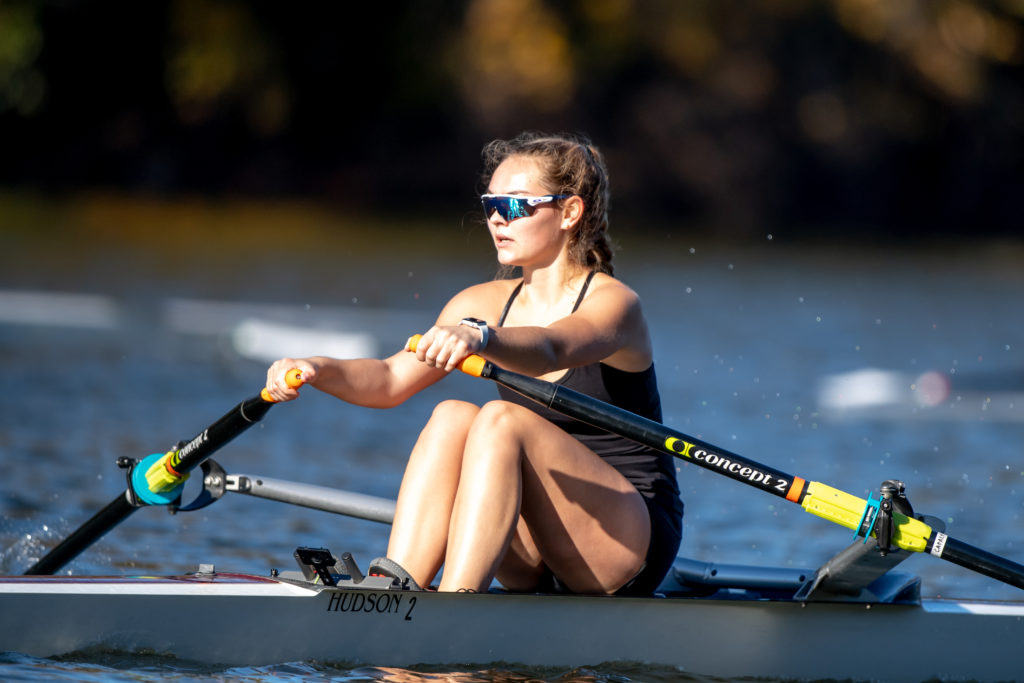
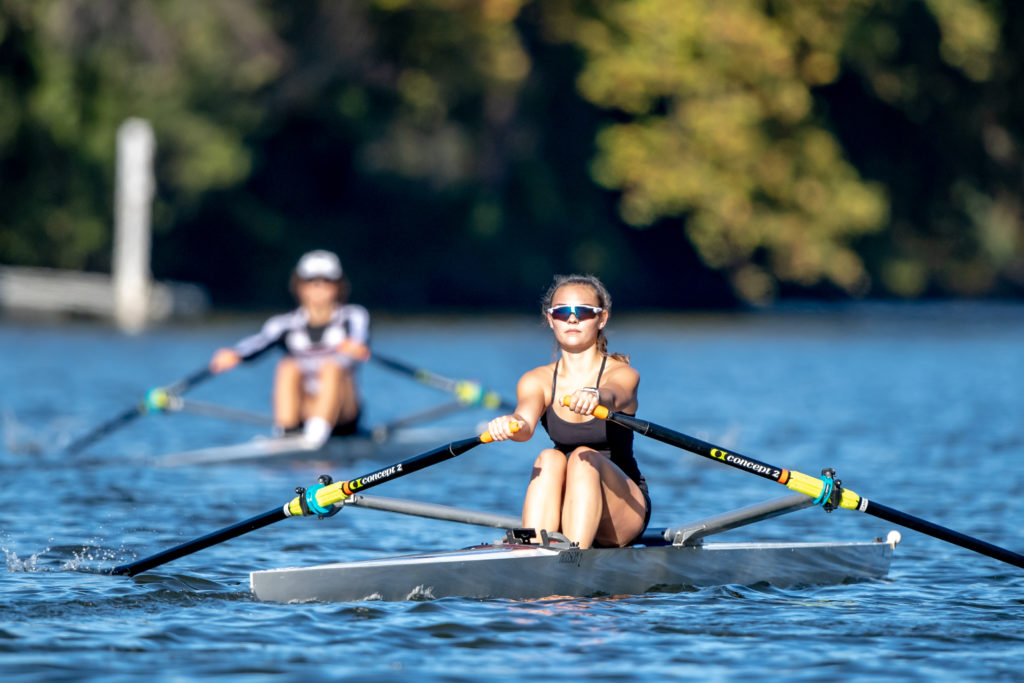
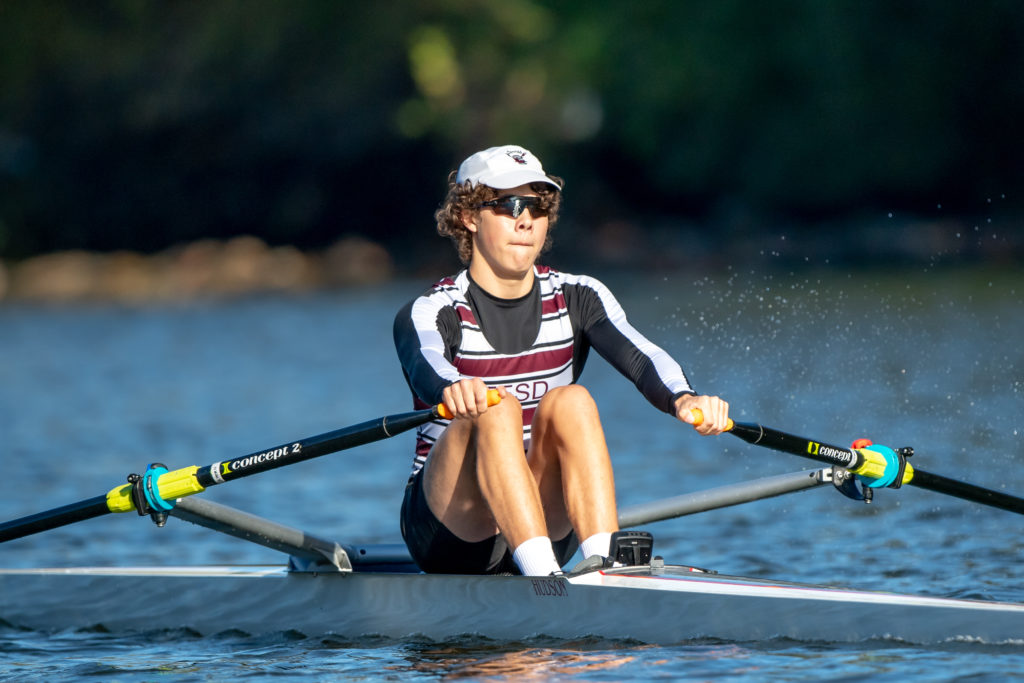
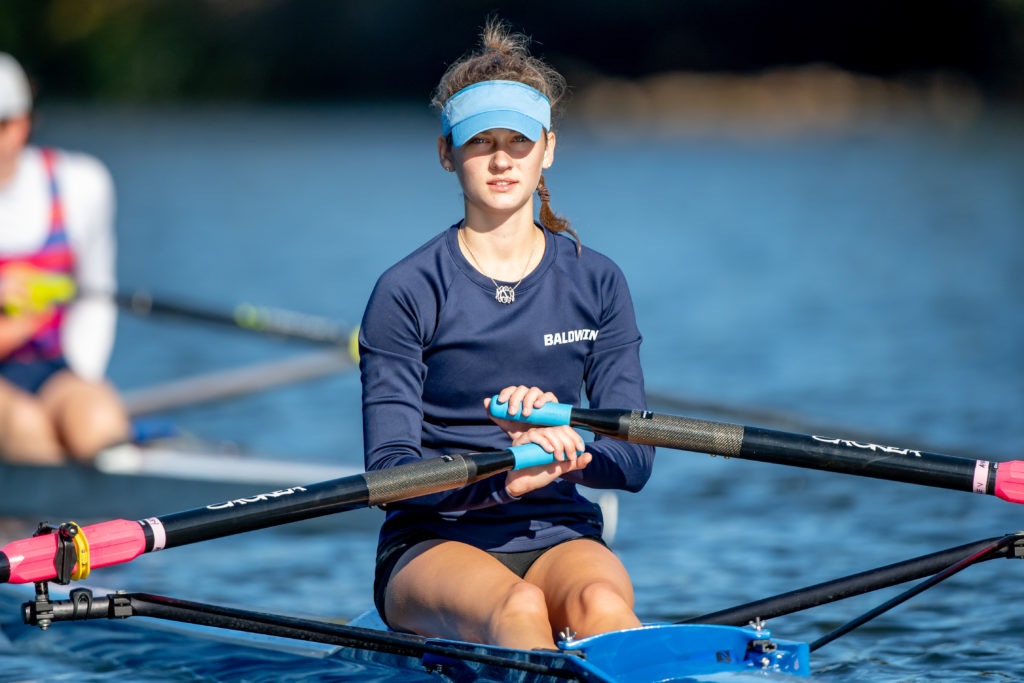
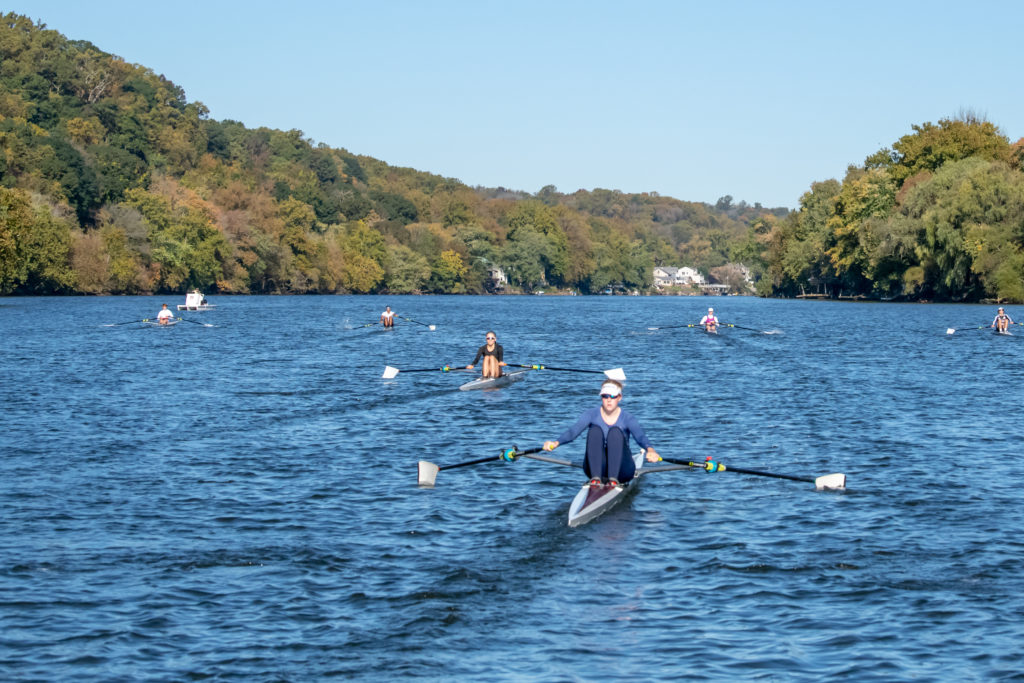
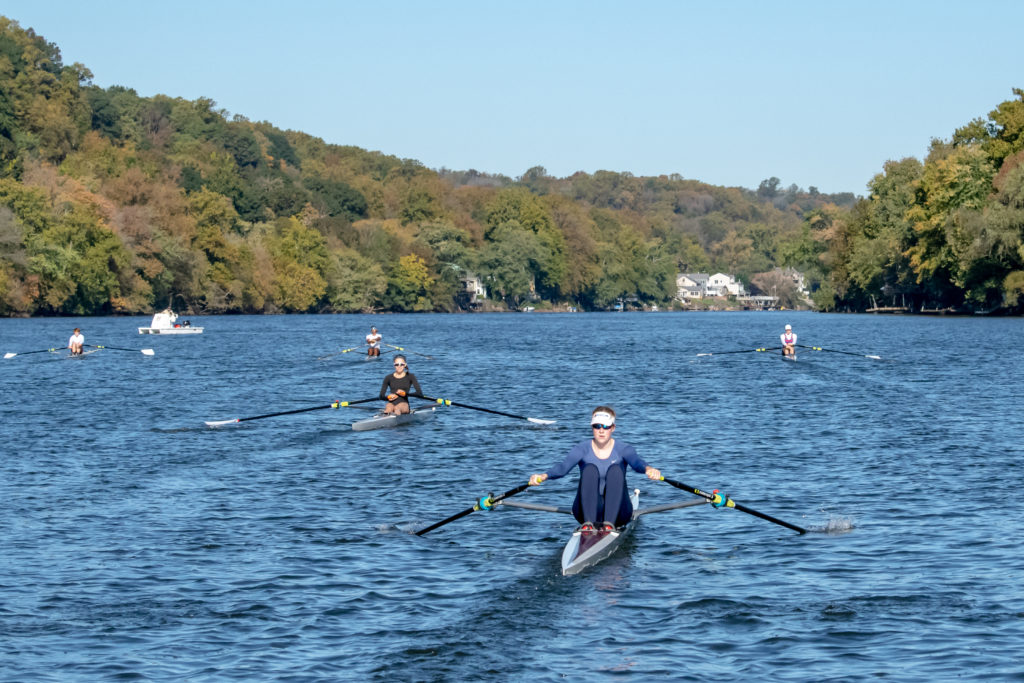
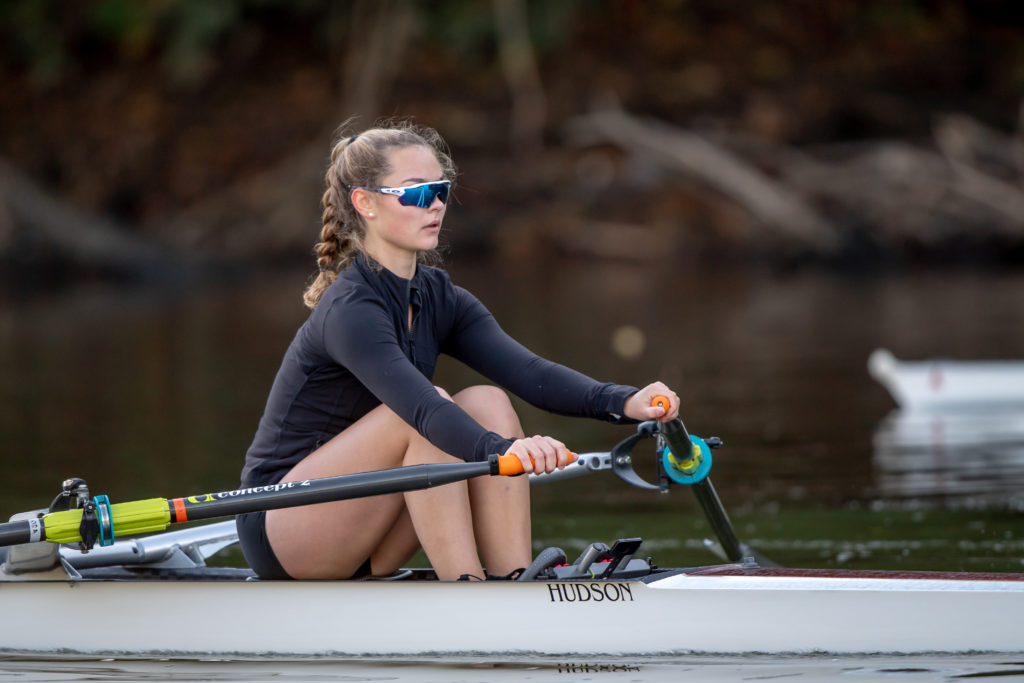
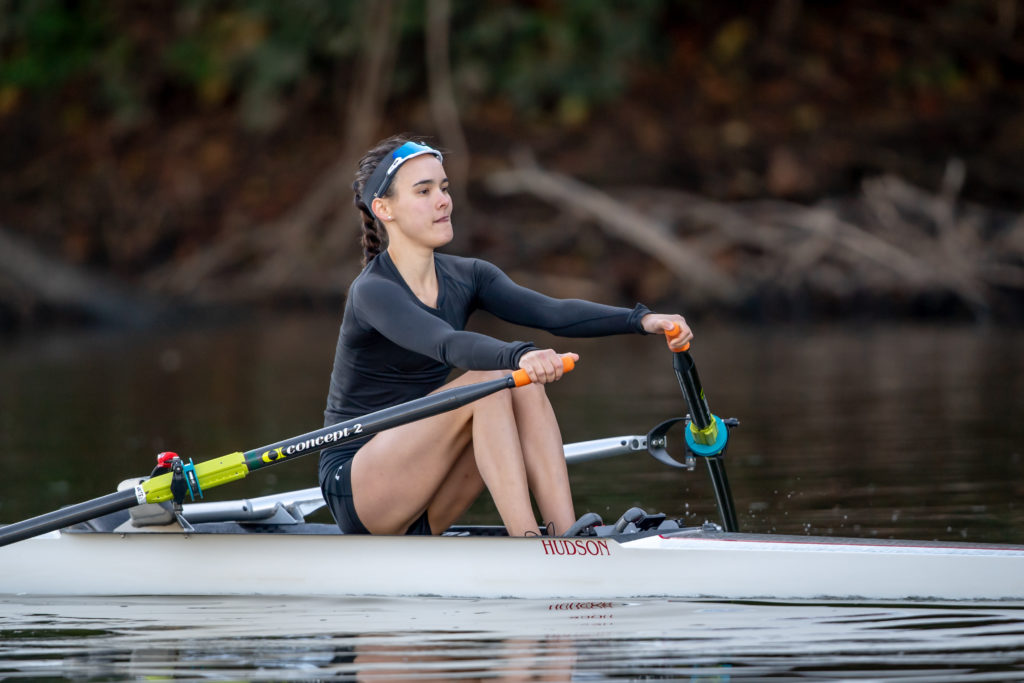
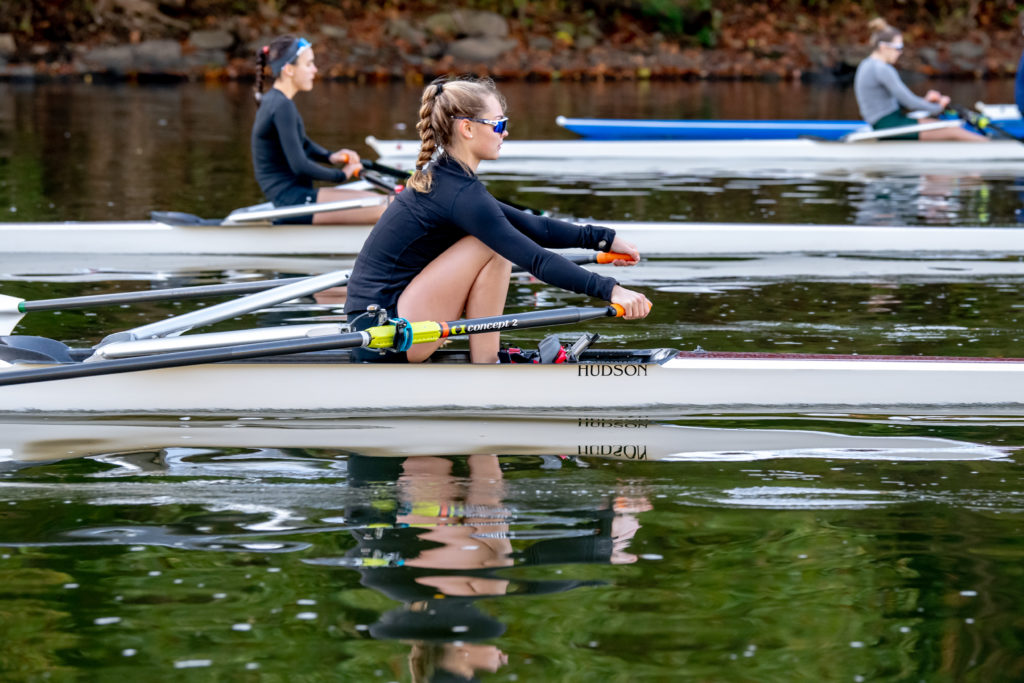
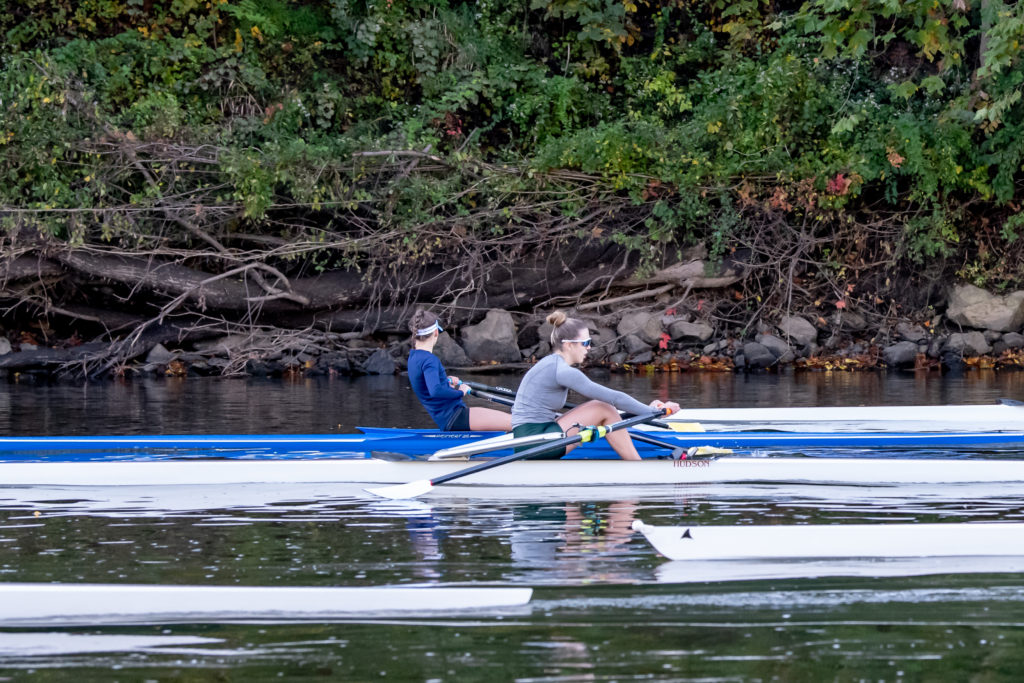
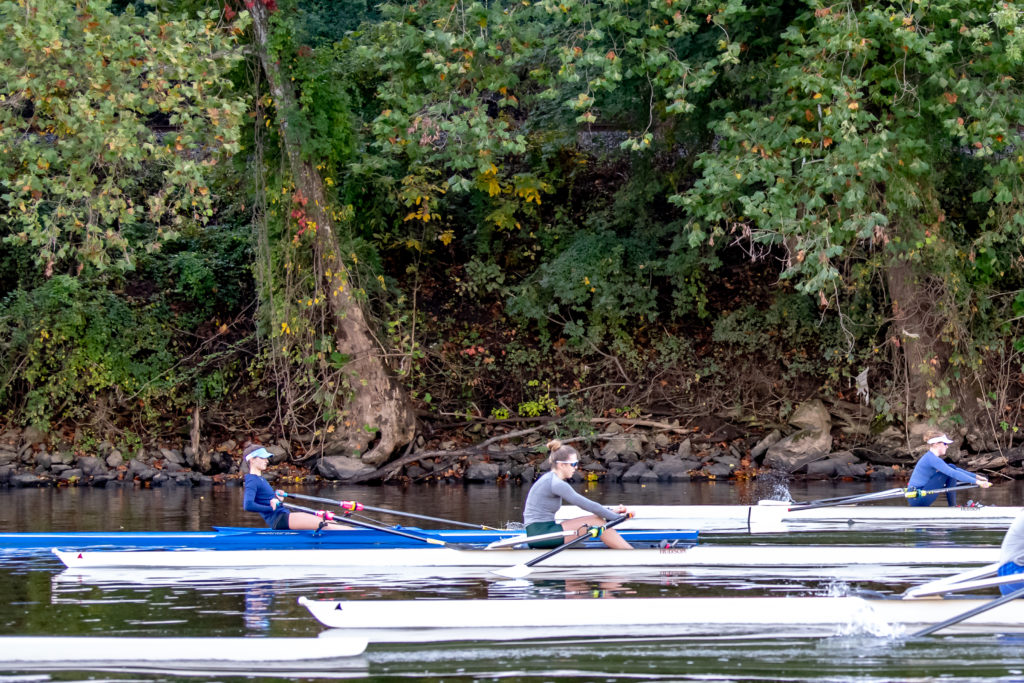
There was a time when most of the rowing done in the Philadelphia area was centered on the Schuylkill River in Fairmount Park, along Kelly Drive and Boat House Row. But in recent years rowing has blossomed on the Upper Schuylkill and with the development of the Conshohocken Rowing Center (CRC) and the 2014 opening of the new boathouse, the upper Schuylkill can some mornings rival the number of boats along Kelly Drive.
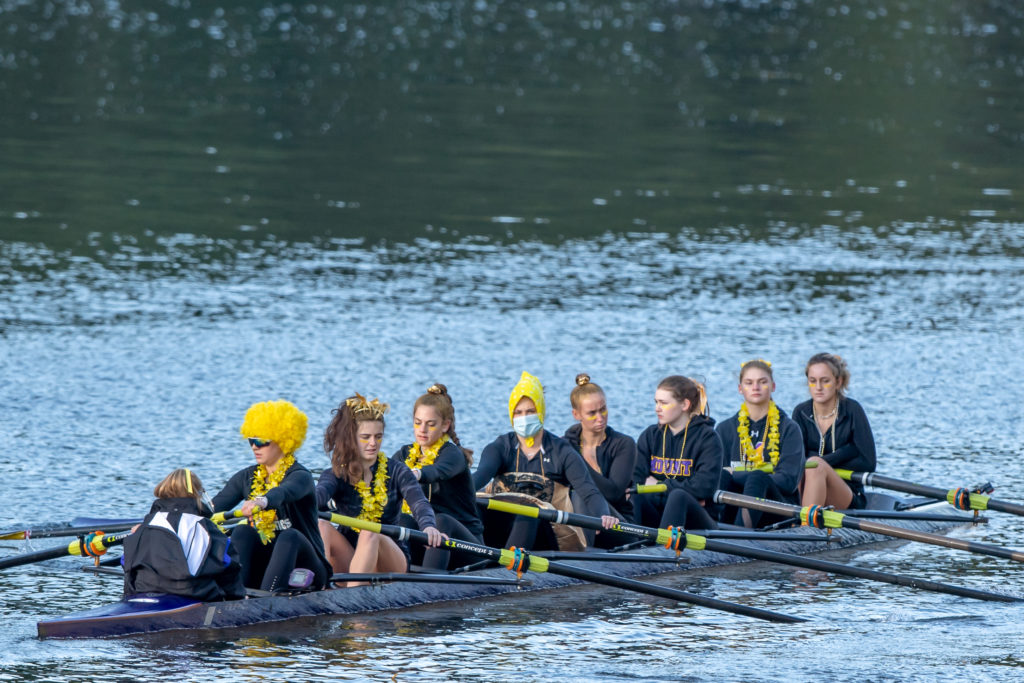
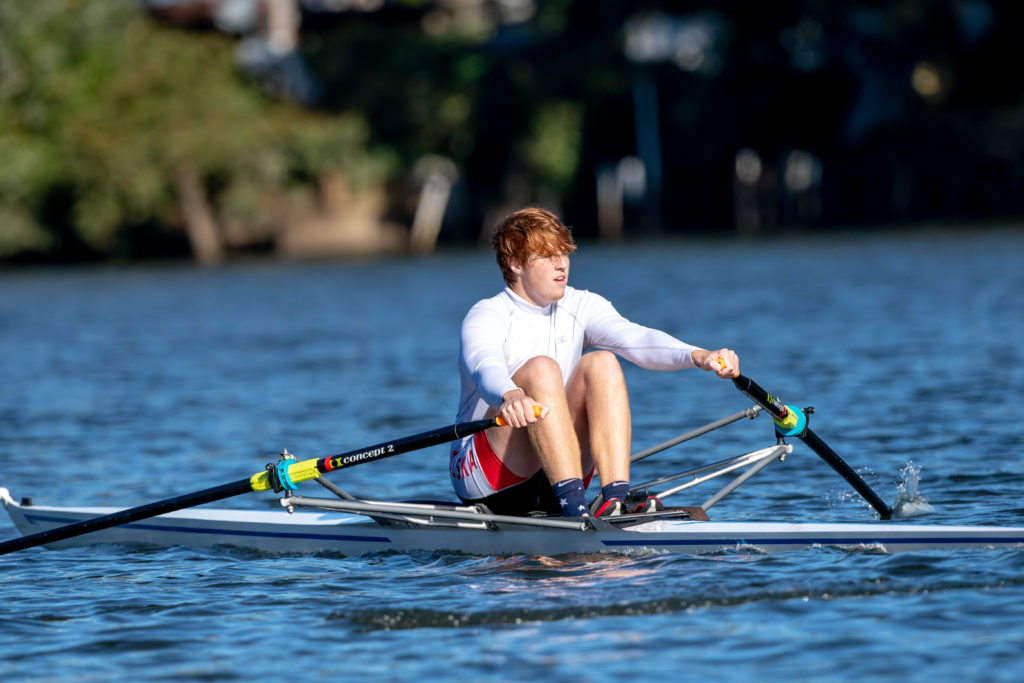
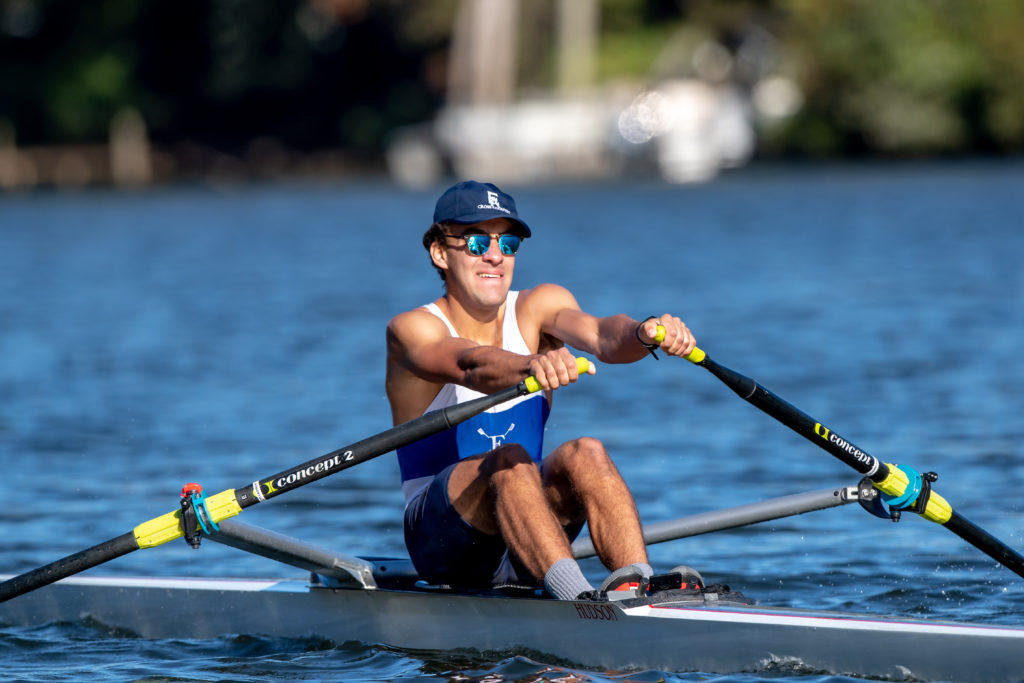
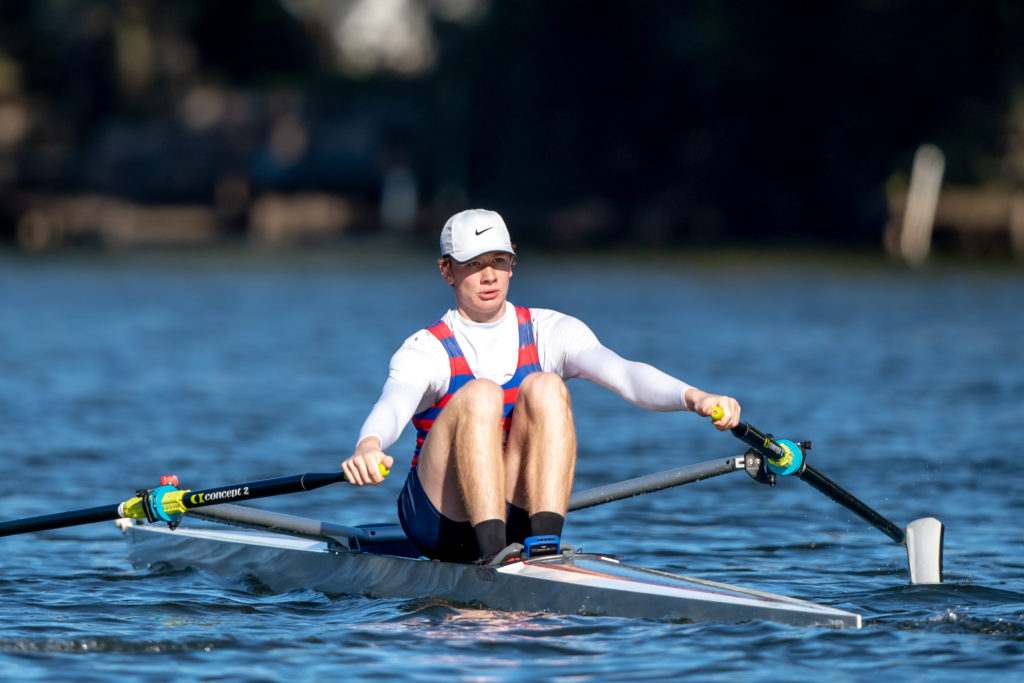
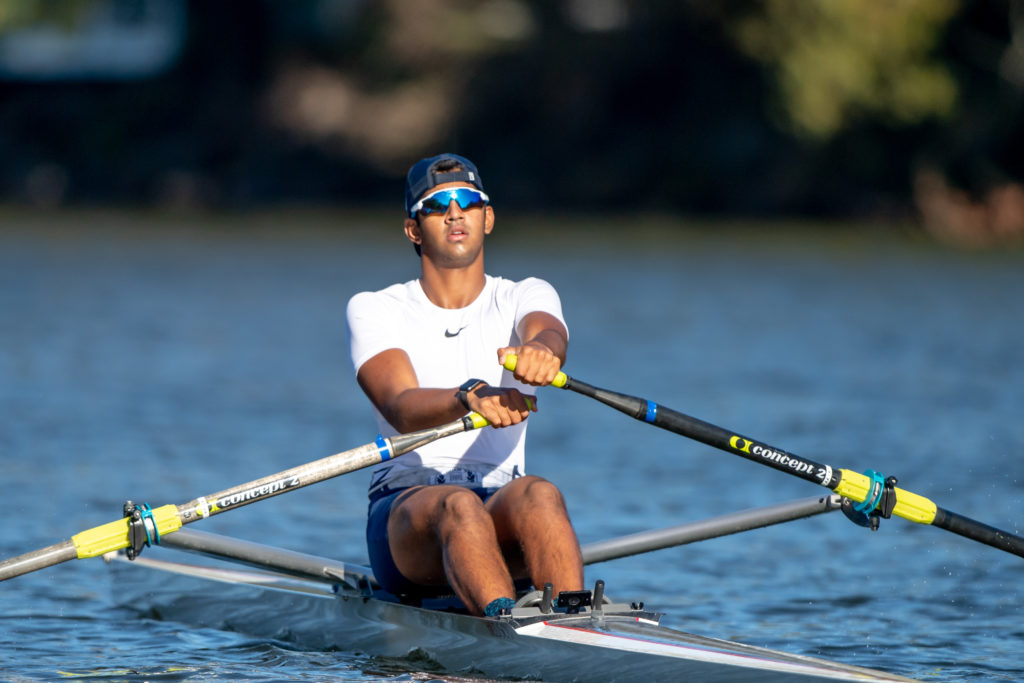
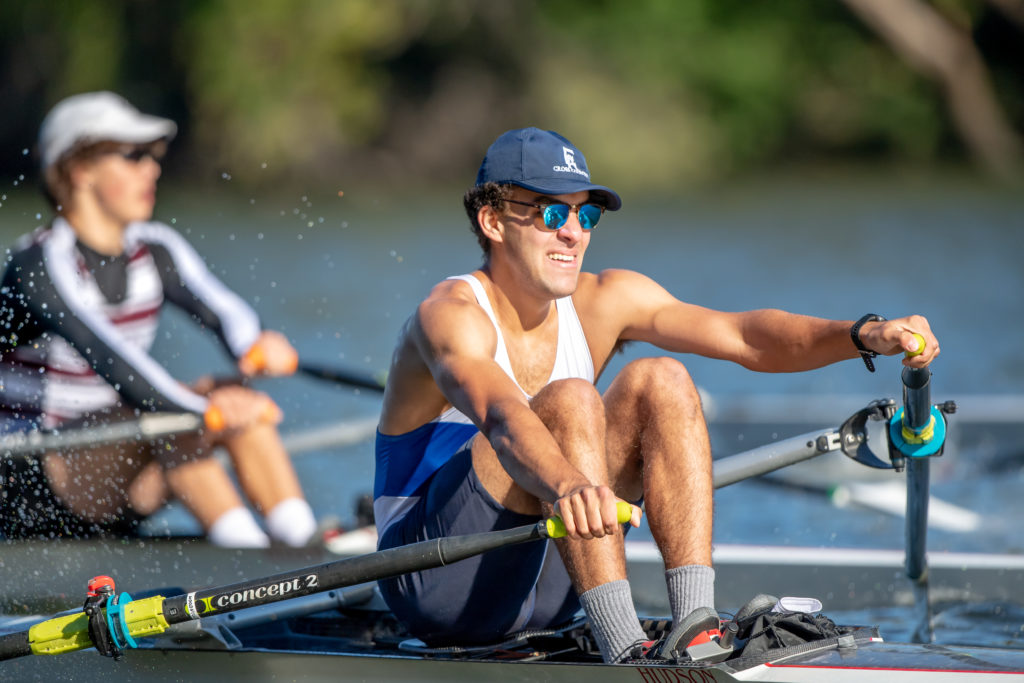
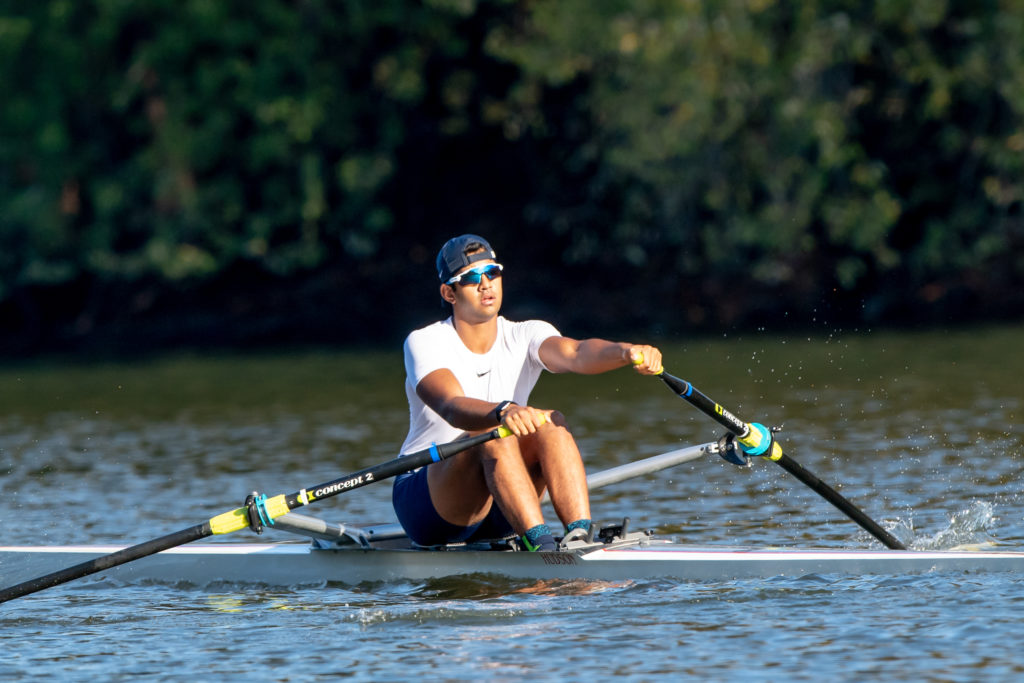
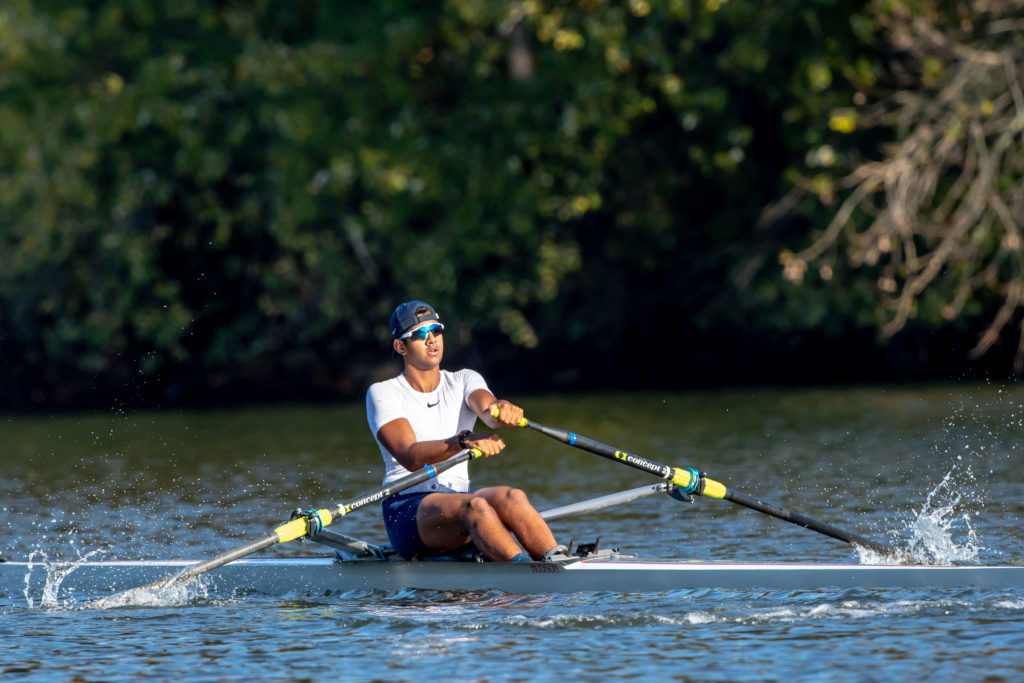
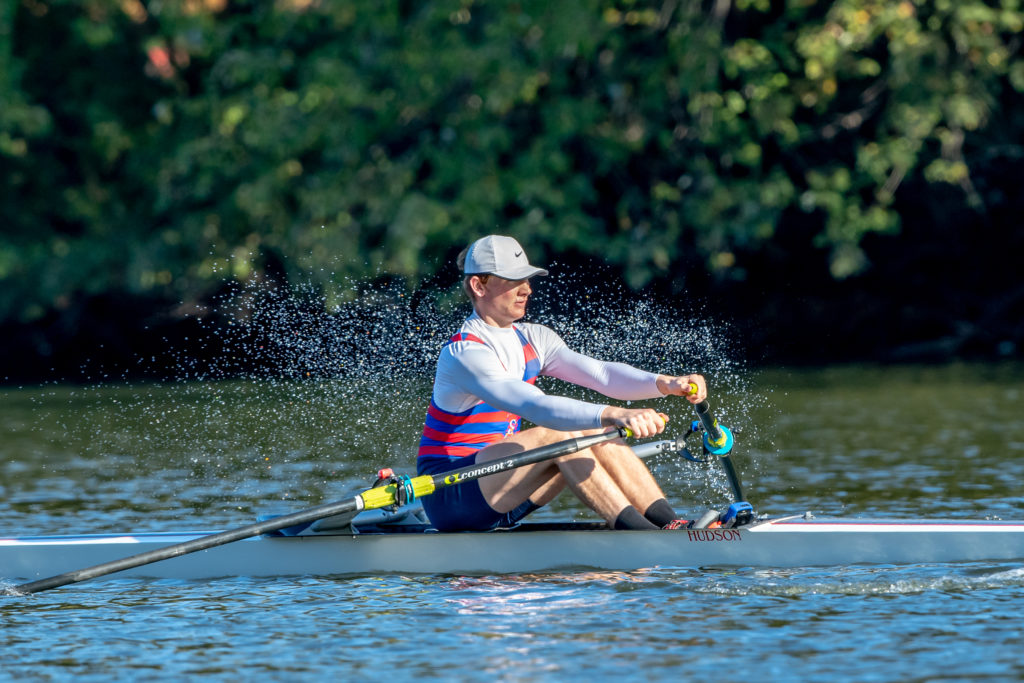
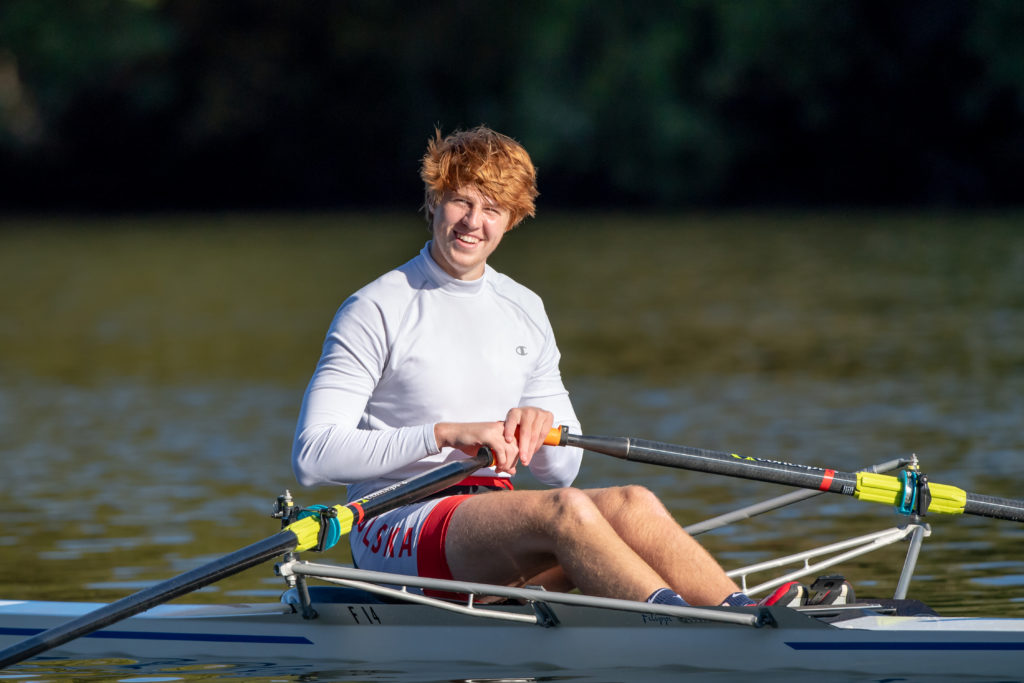
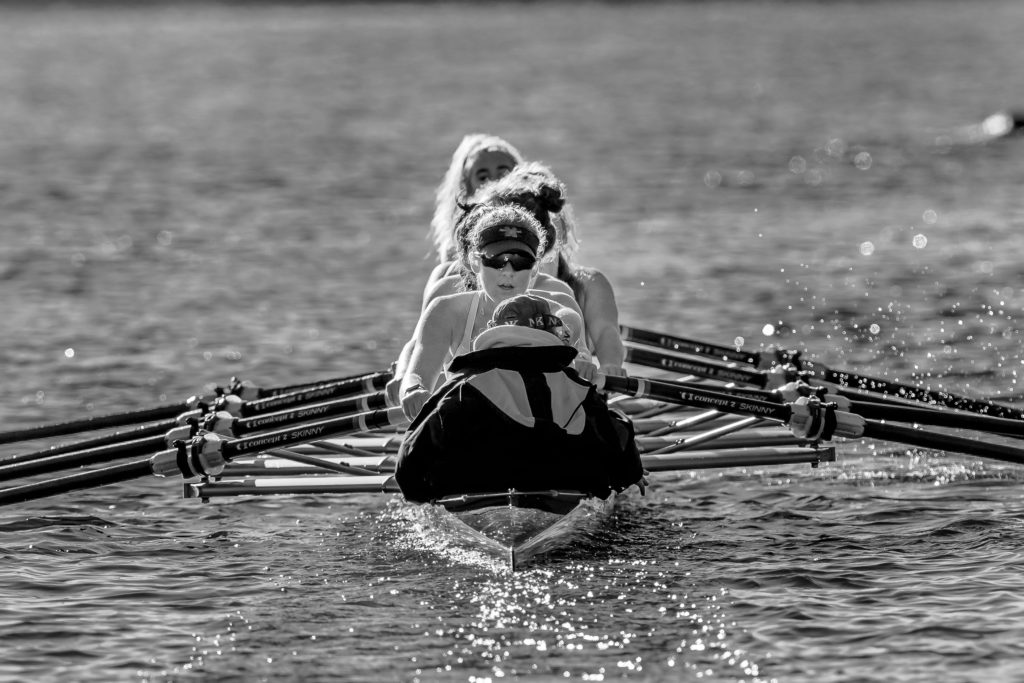
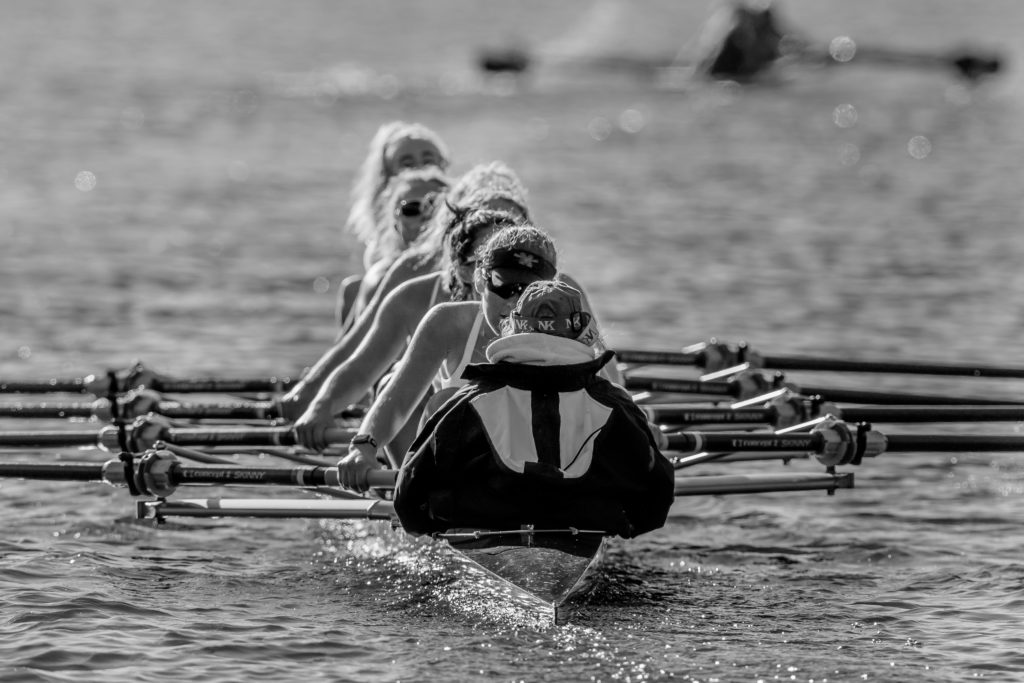
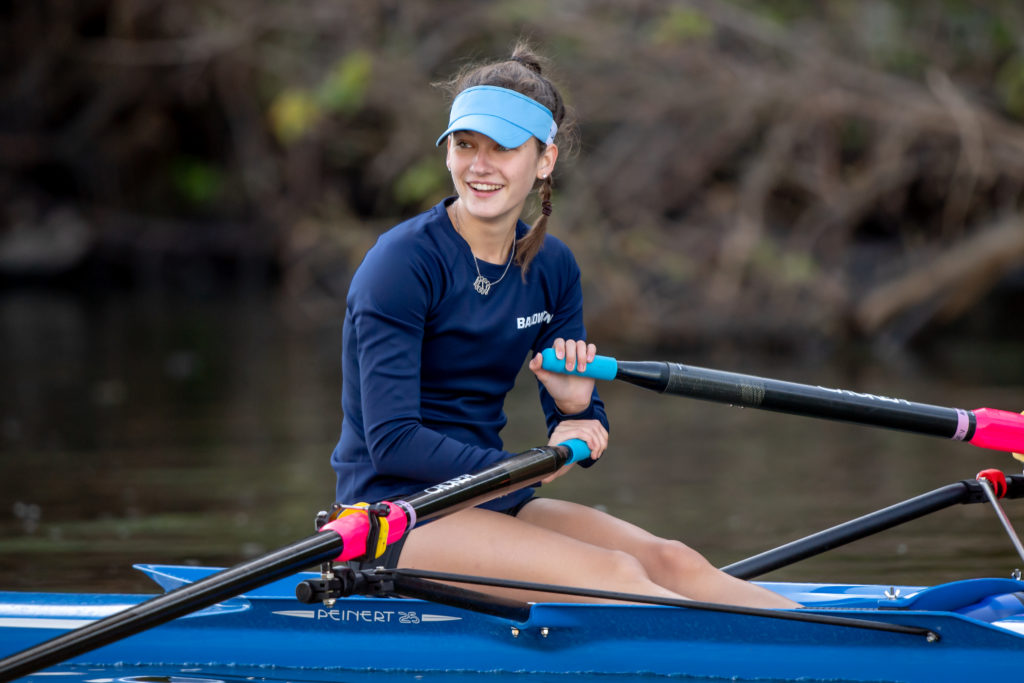
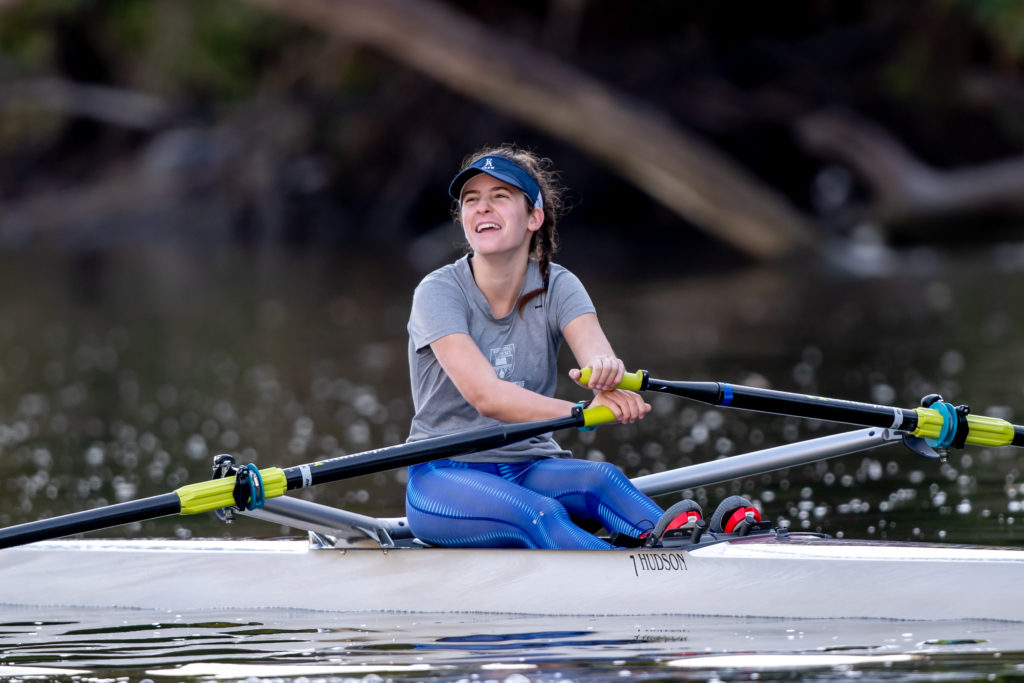
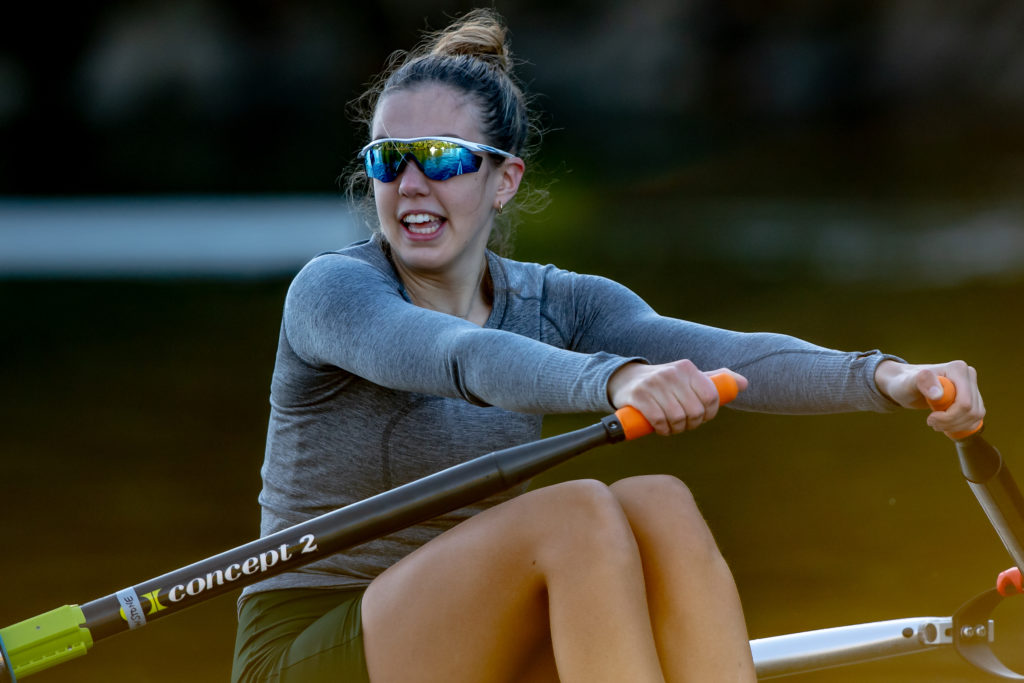
That has been especially true since pandemic related restrictions went into place in the spring and CRC responded by beginning sculling programs during the summer that attracted over 100 scullers of all developmental levels from novice to U23. As restrictions began to lift, the sculling group was joined by master and scholastic crews rowing in team boats, including some well know programs like Malvern Prep, Haverford School, and Mount St. Joseph Academy that have traditionally made the Upper Schuylkill their home. Here is a gallery from the scene on a Saturday morning in early October.
Henley-on-Thames. United Kingdom.
Temple Challenge Cup
Yale University logo. USA.
2017 Henley Royal Regatta, Henley Reach, River Thames.
10:45:25 Saturday 01/07/2017
[Mandatory Credit. Peter SPURRIER/Intersport Images.
STAFF REPORTS PHOTO BY PETER SPURRIER
The Ivy League Presidents announced Thursday evening that fall and winter sports competitions have been canceled.
Additionally, spring sports competition will be postponed until the end of February 2021. The release included that training would be permissible during the period.
With the health & wellbeing of student-athletes & the greater campus community in mind, The Ivy League Presidents decide to forego athletics competition in fall & winter sports, postpone competition in spring sports through February 2021.
“Consistent with its commitment to safeguard the health and wellbeing of student-athletes, the greater campus community and general public, the Ivy League Council of Presidents has decided that league schools will not conduct intercollegiate athletics competition in winter sports during the 2020-21 season,” read the release.
“In addition, the Ivy League will not conduct competition for fall sports during the upcoming spring semester. Lastly, intercollegiate athletics competition for spring sports is postponed through at least the end of February 2021.”