Home Blog Page 226

Better Conditions, Fast Racing on Second Day of Olympic Trials II

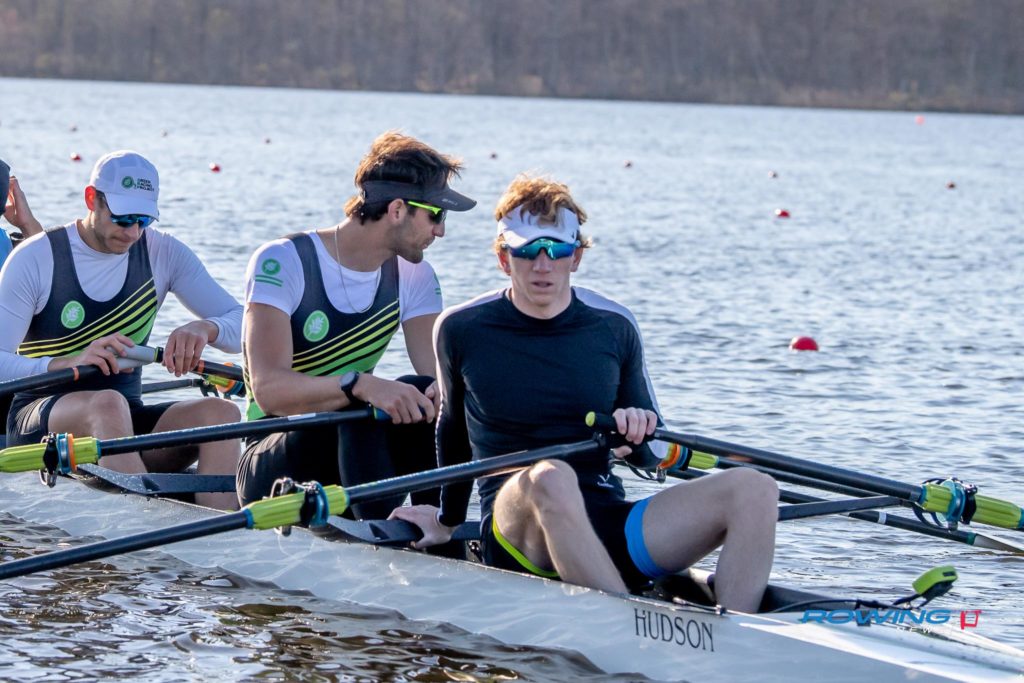
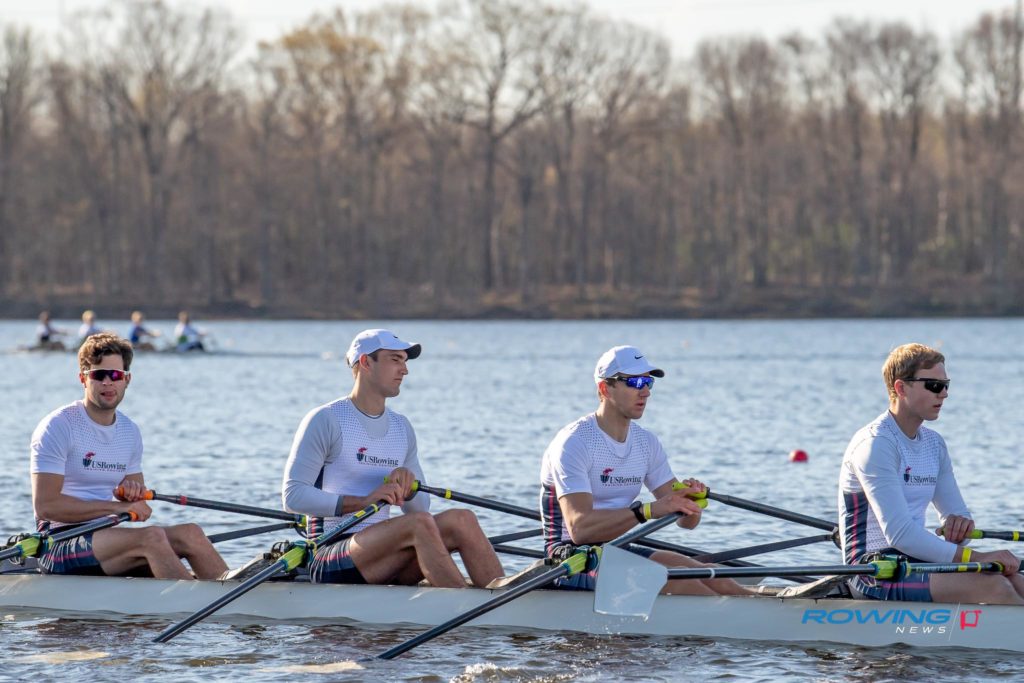
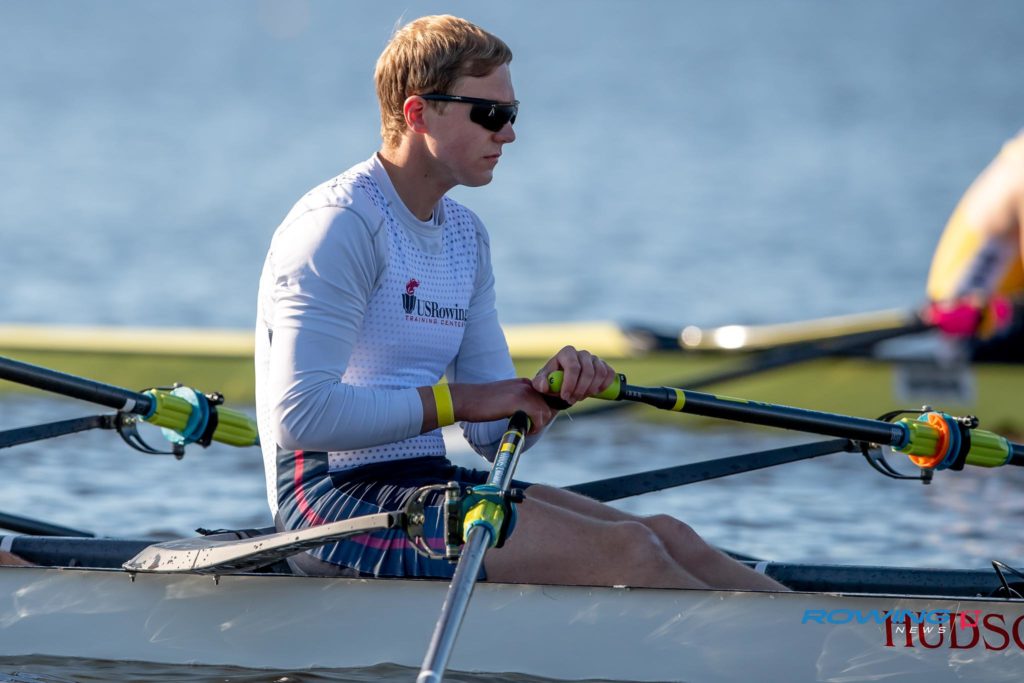
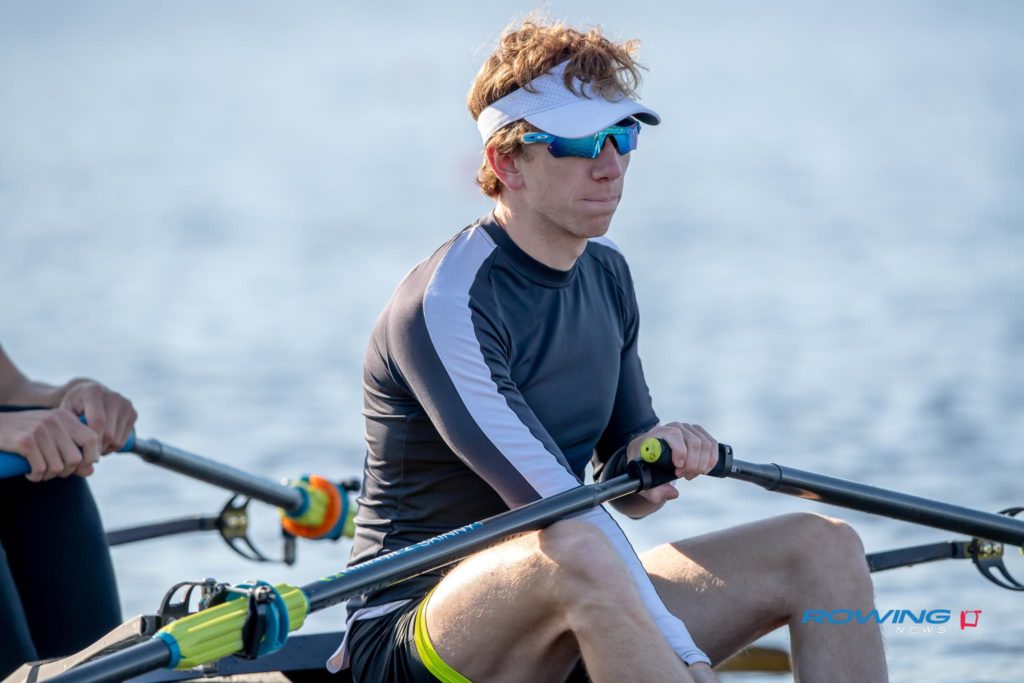
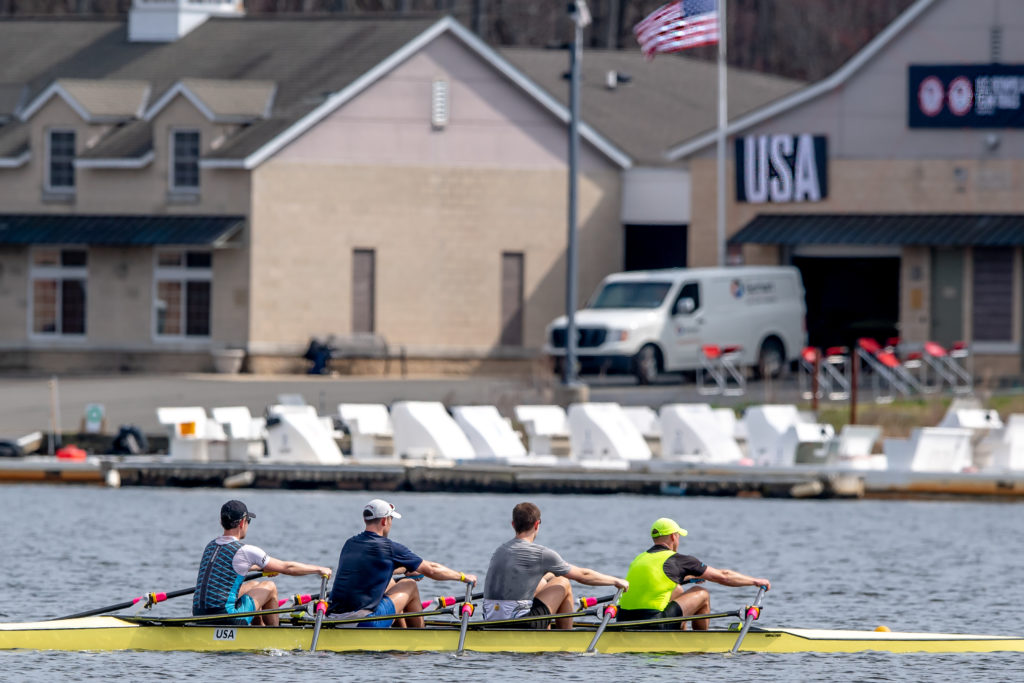
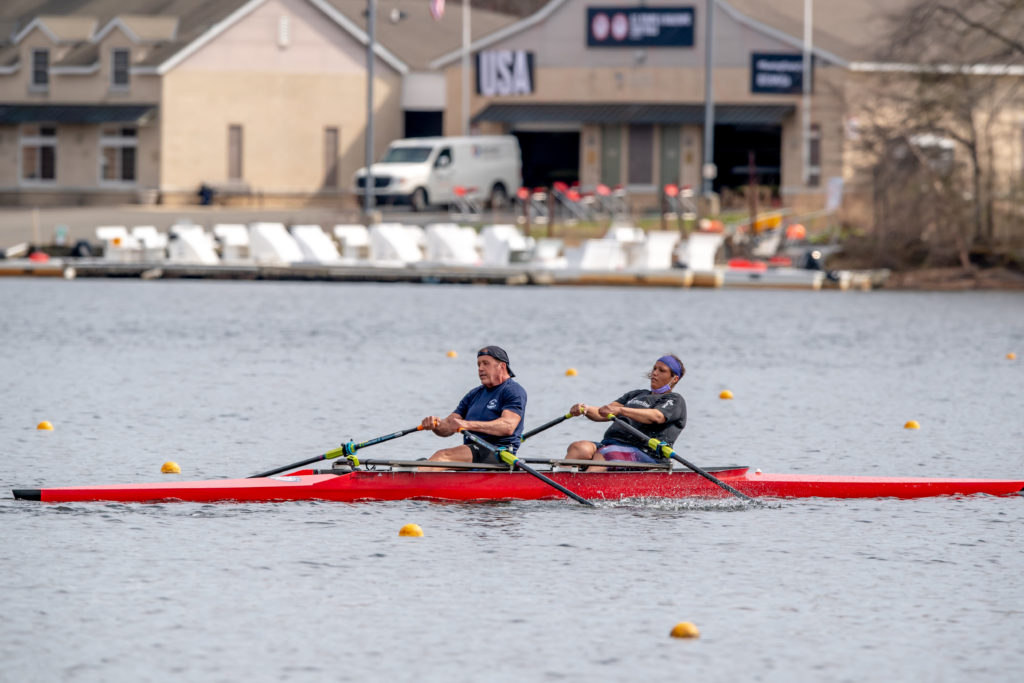
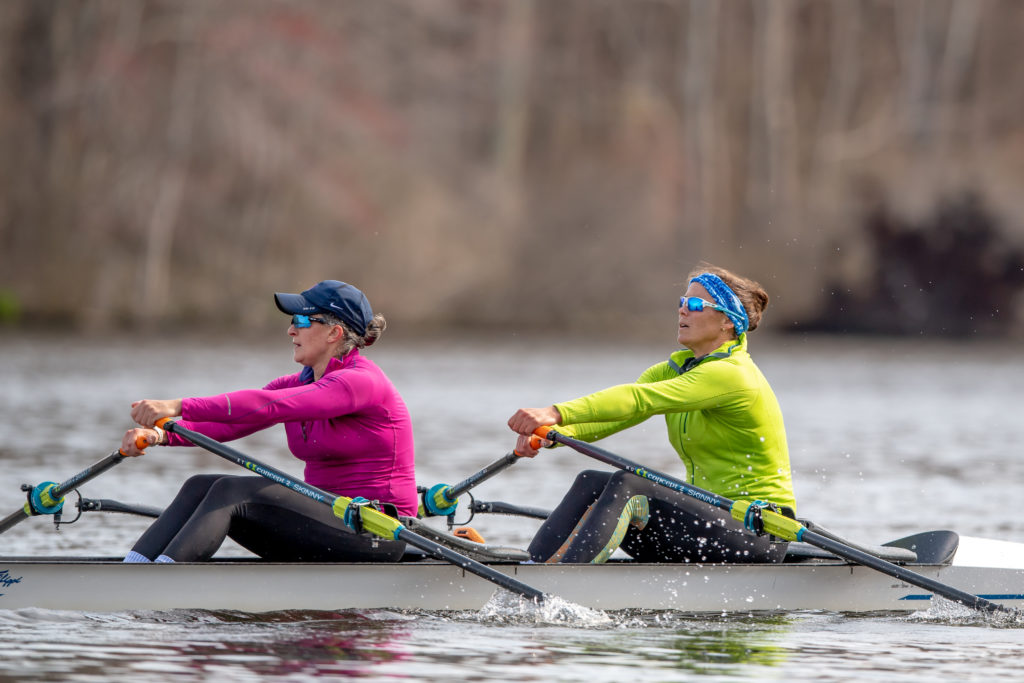
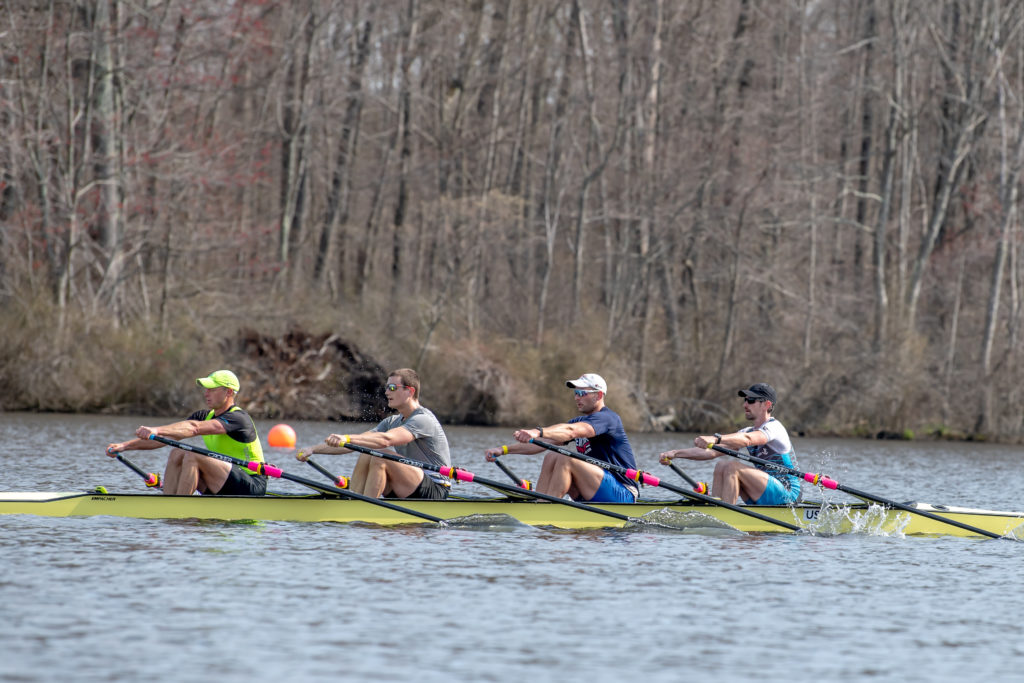
STORY AND PHOTOS BY ED MORAN

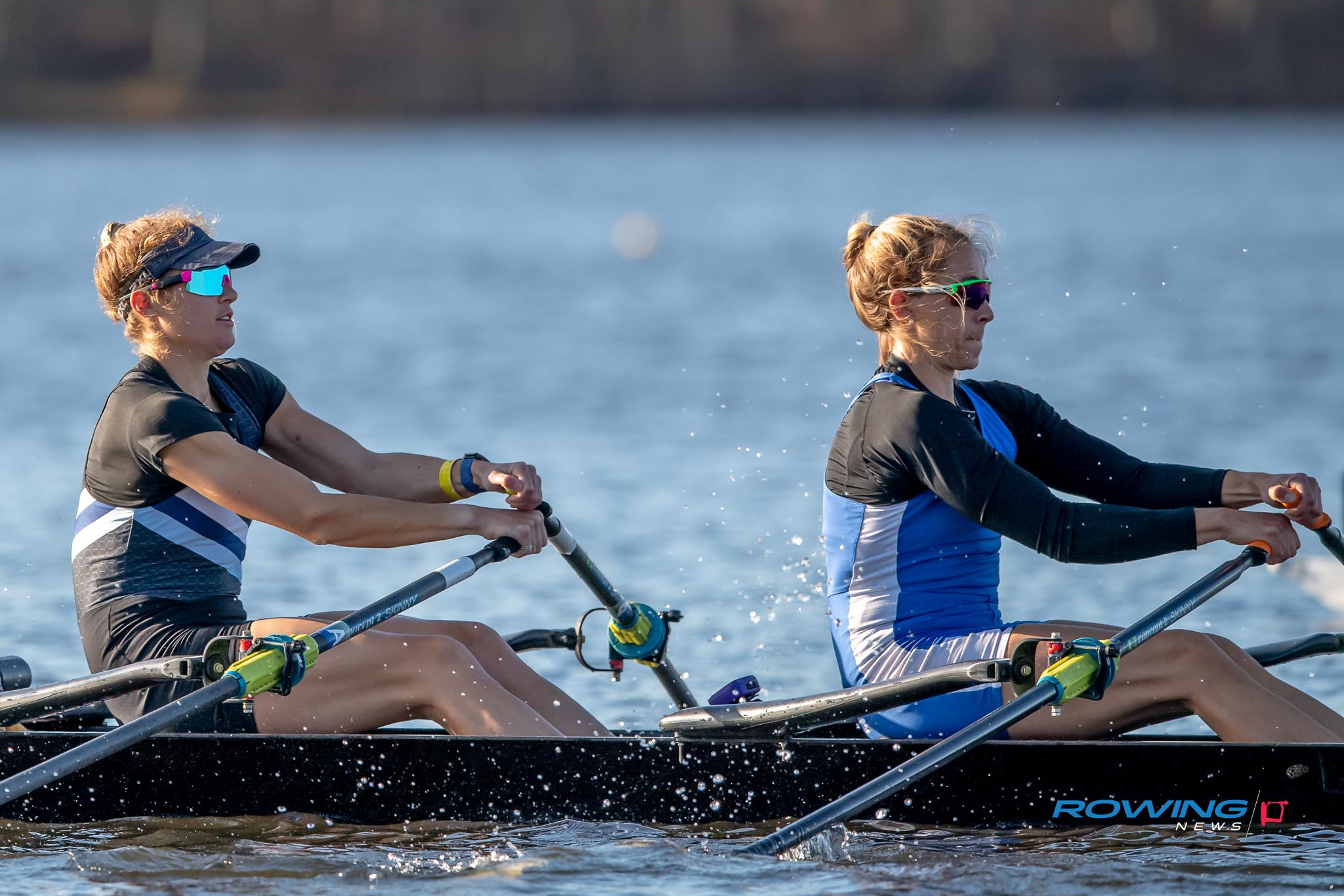
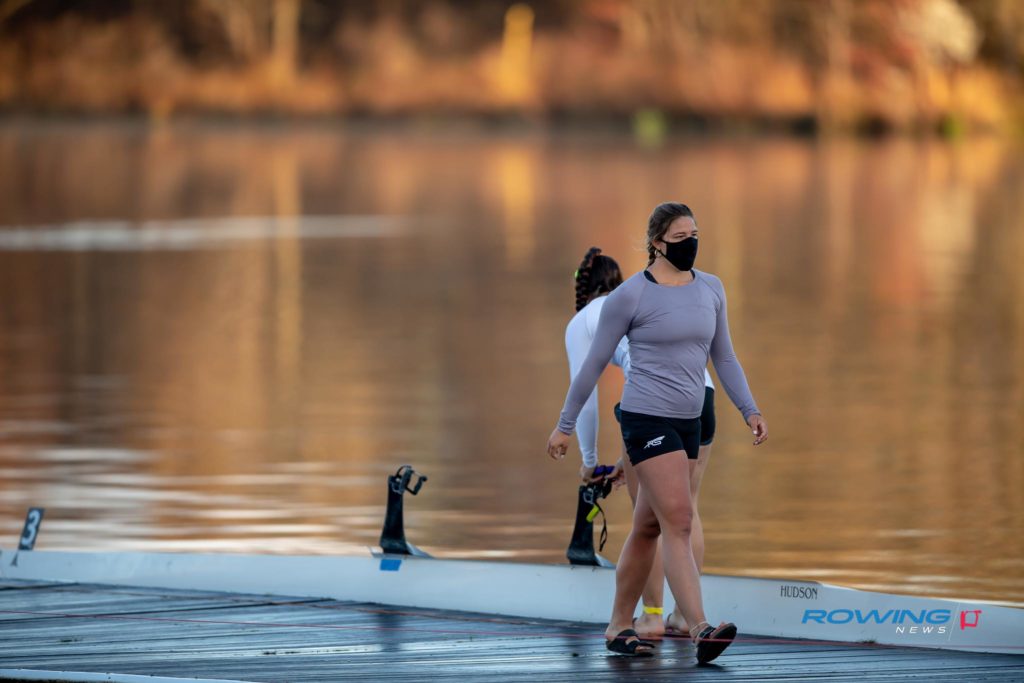
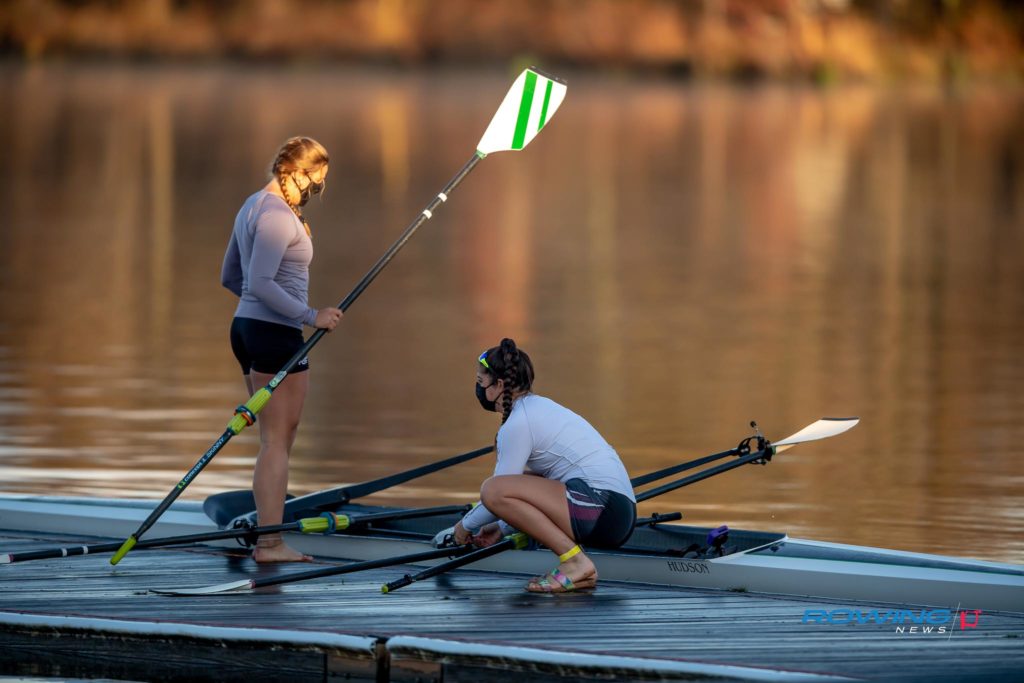
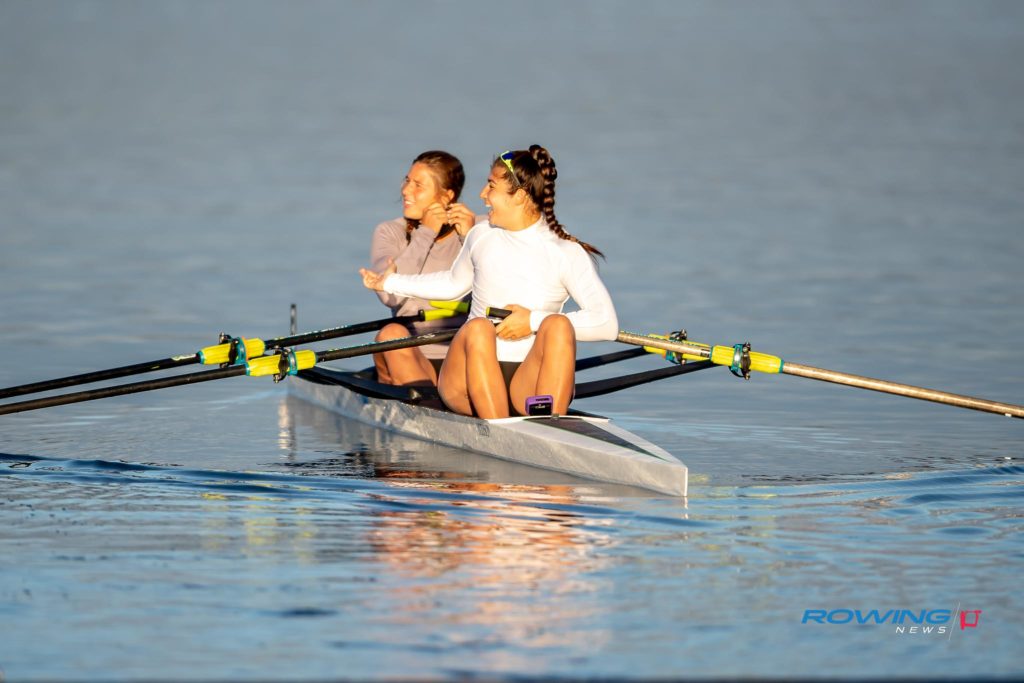
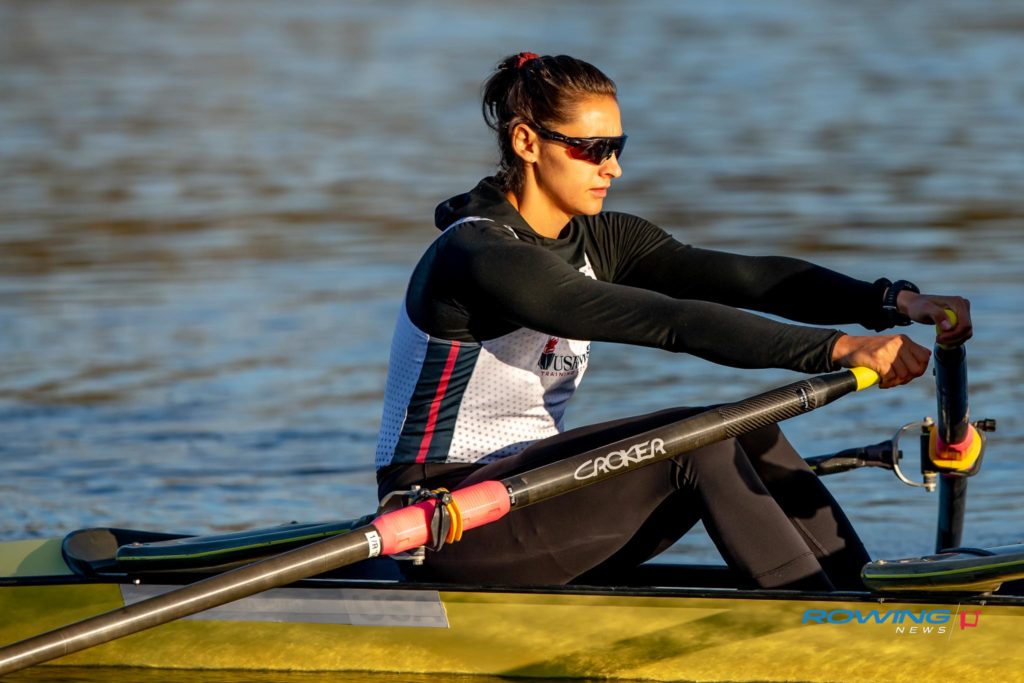
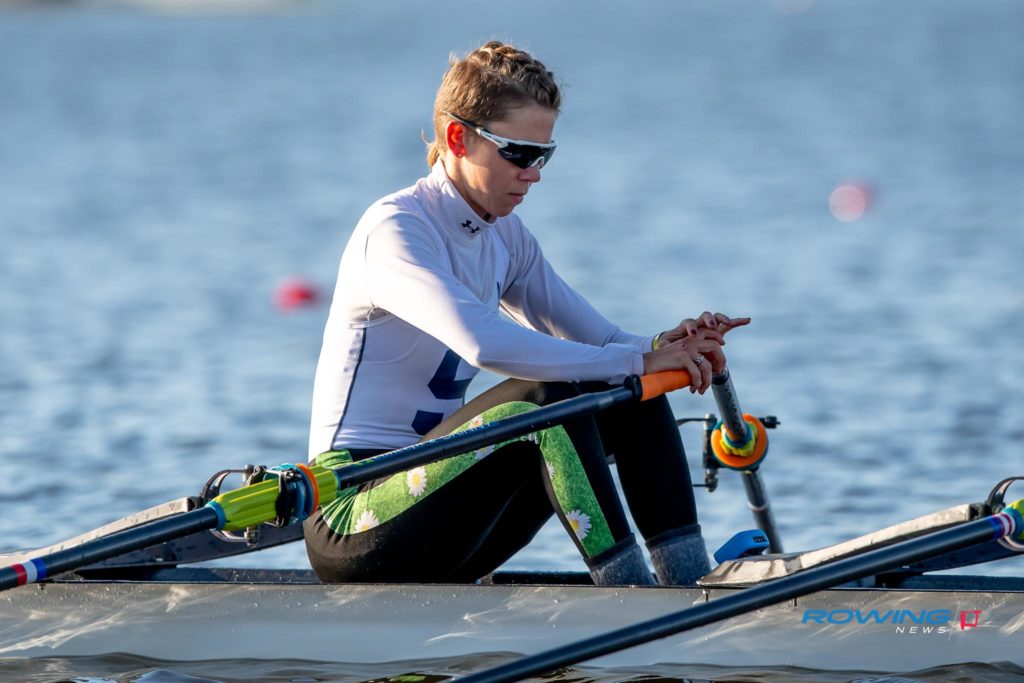
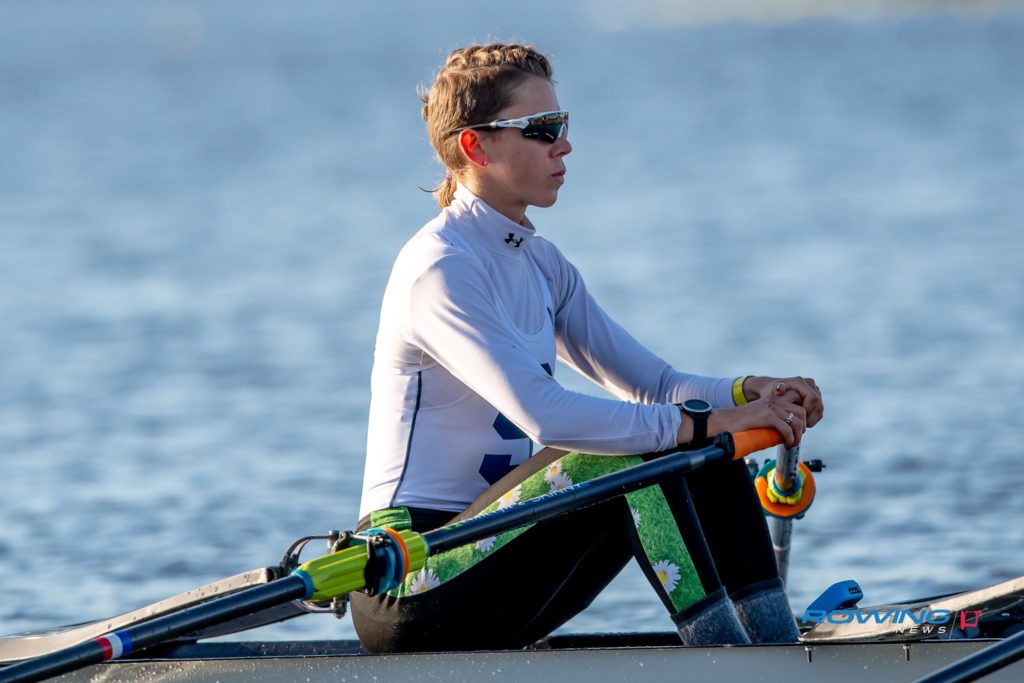
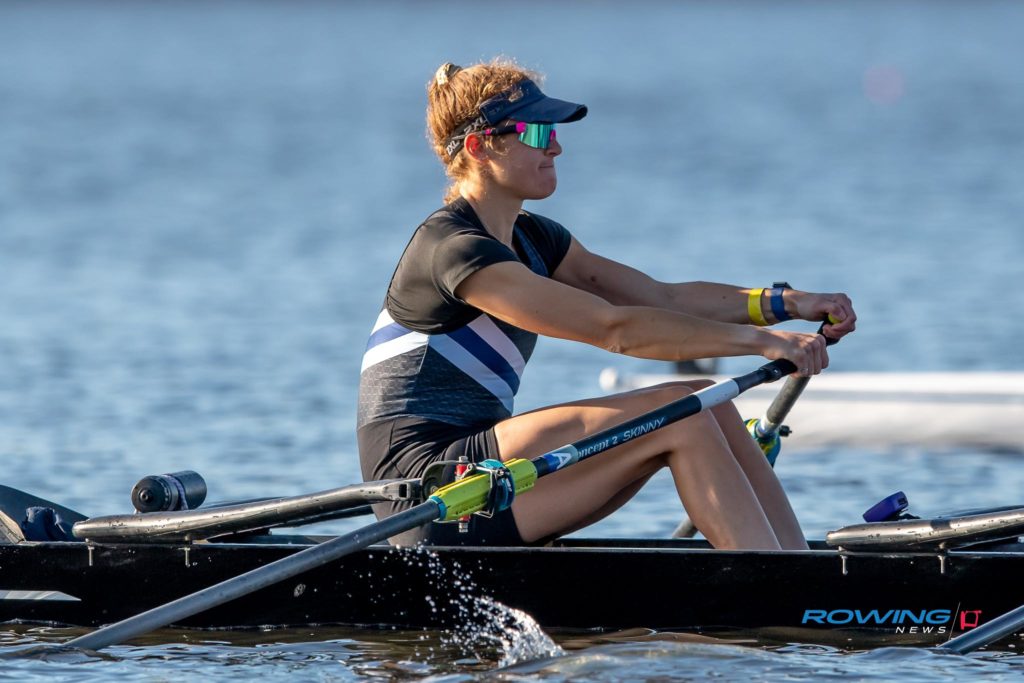
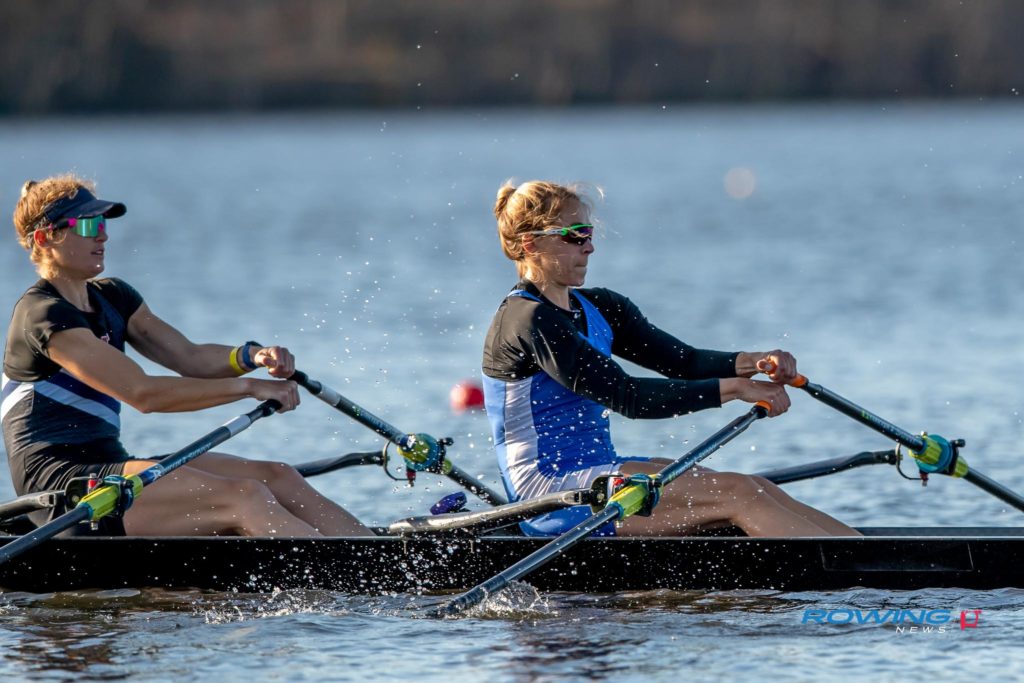
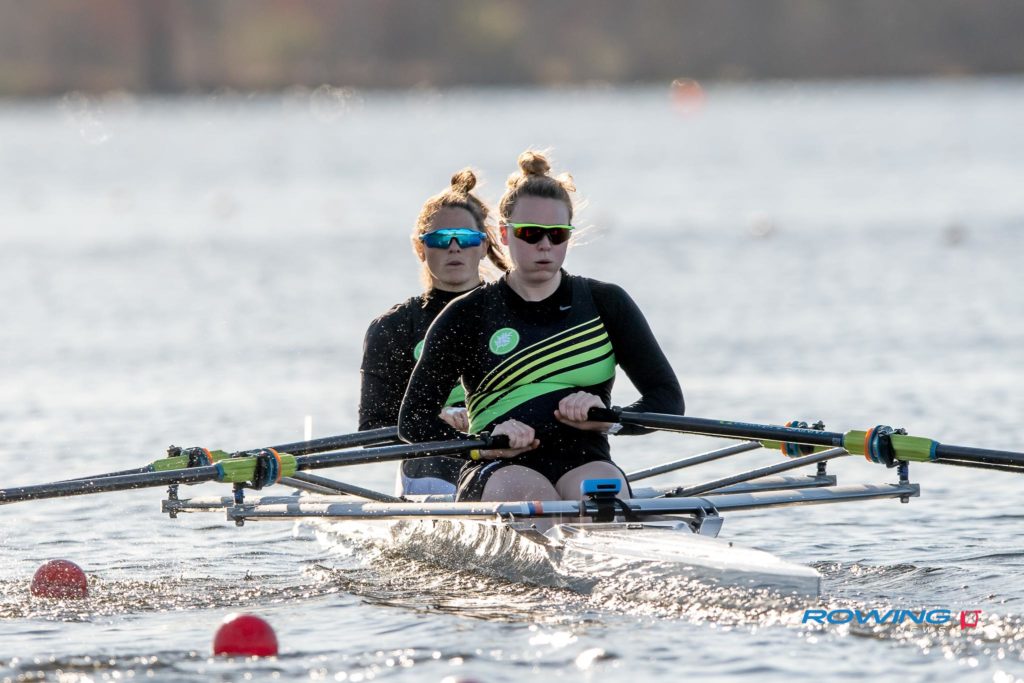
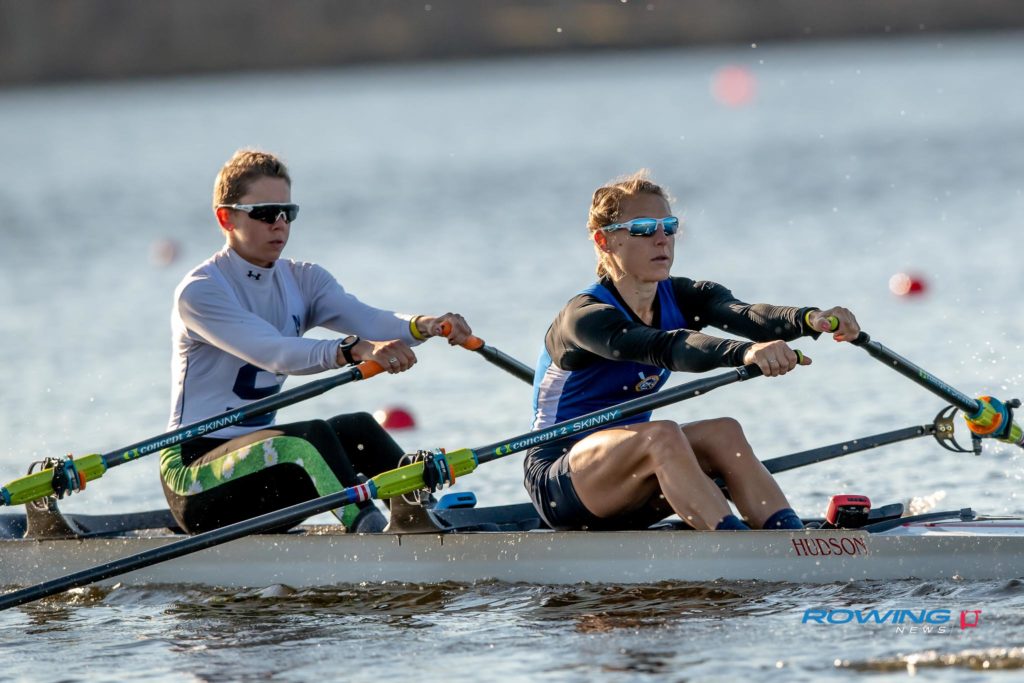
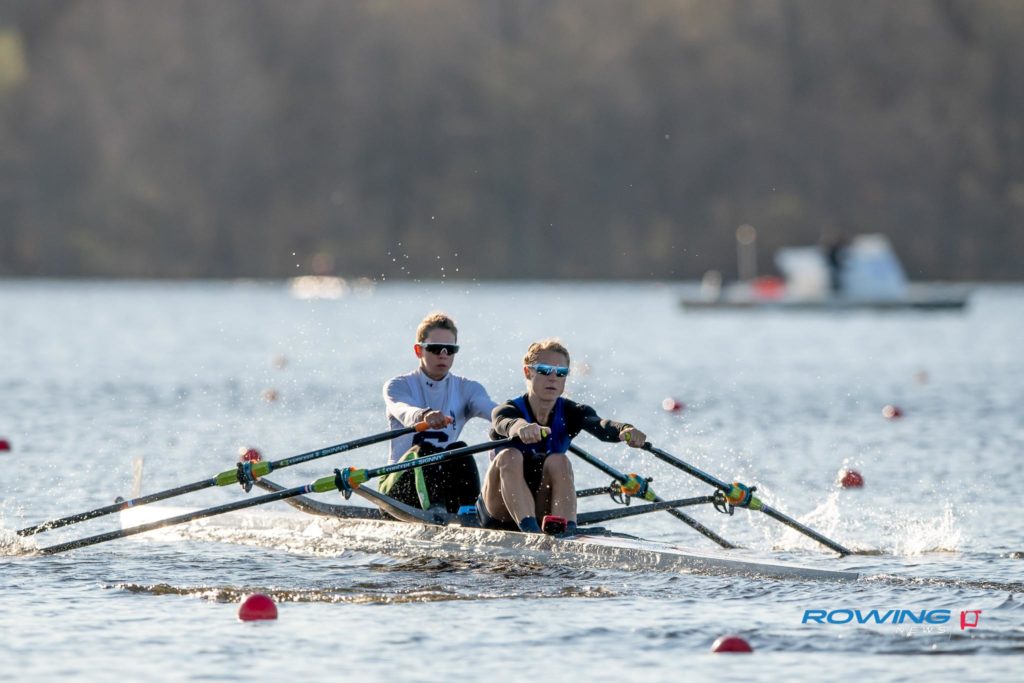
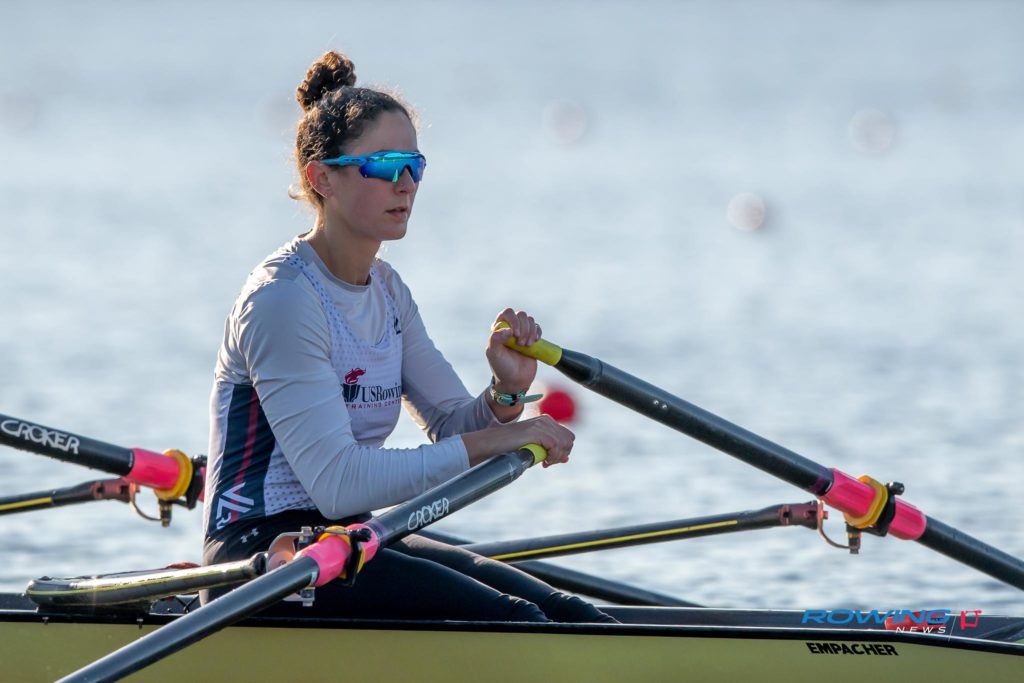
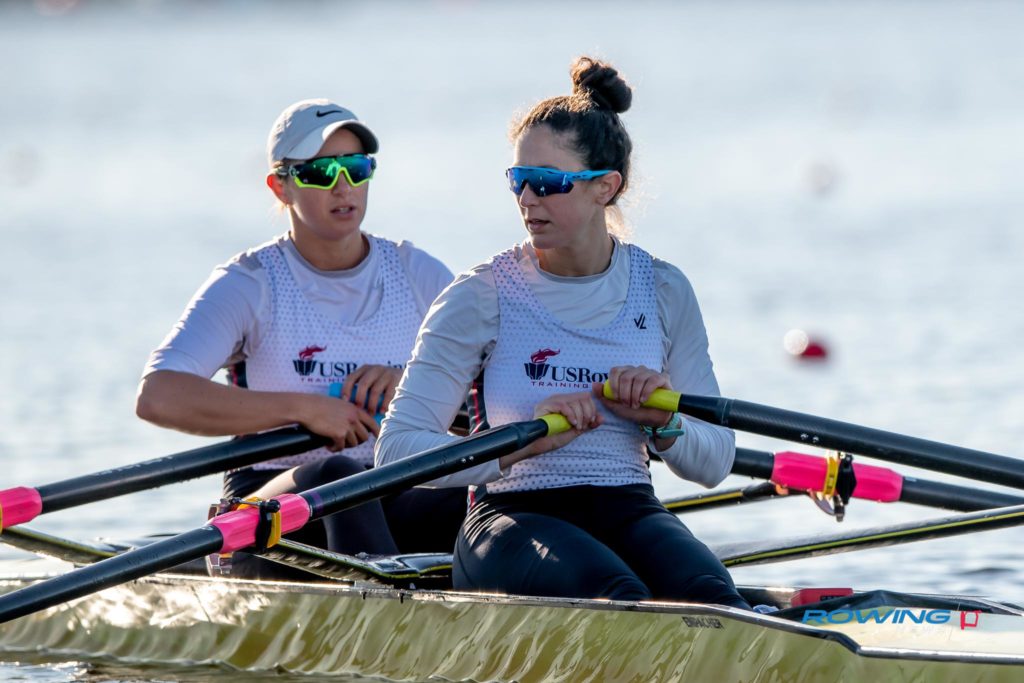
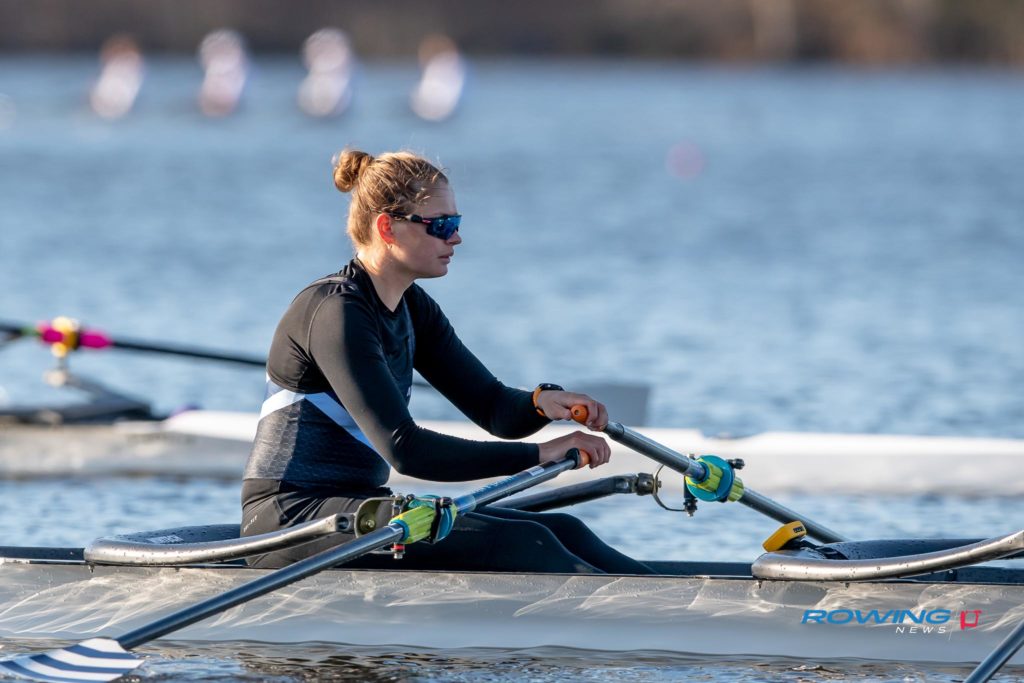
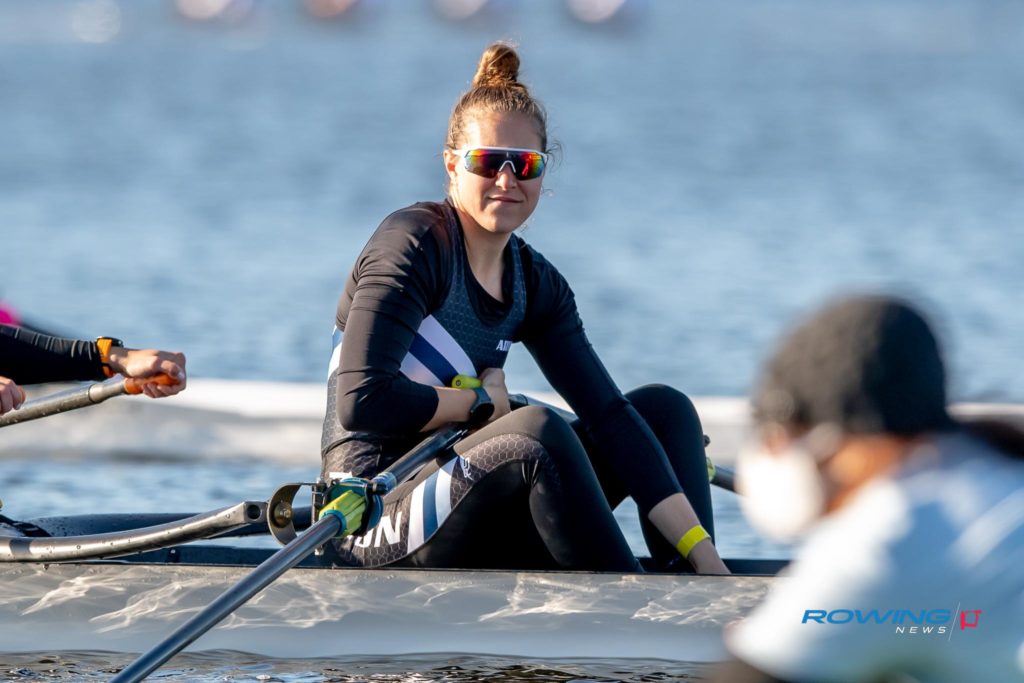
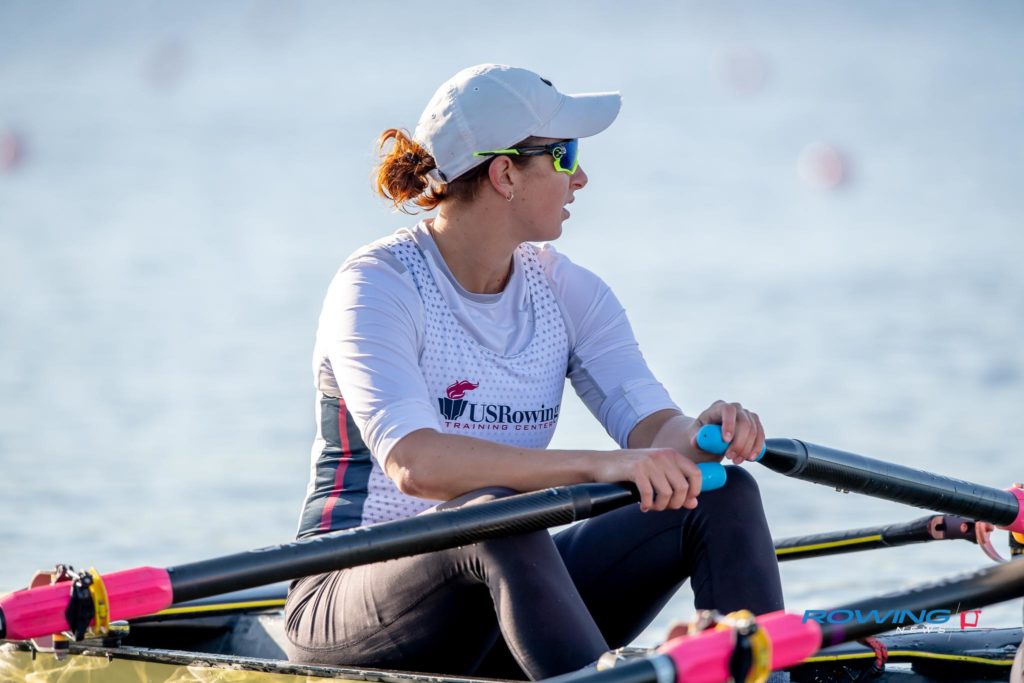
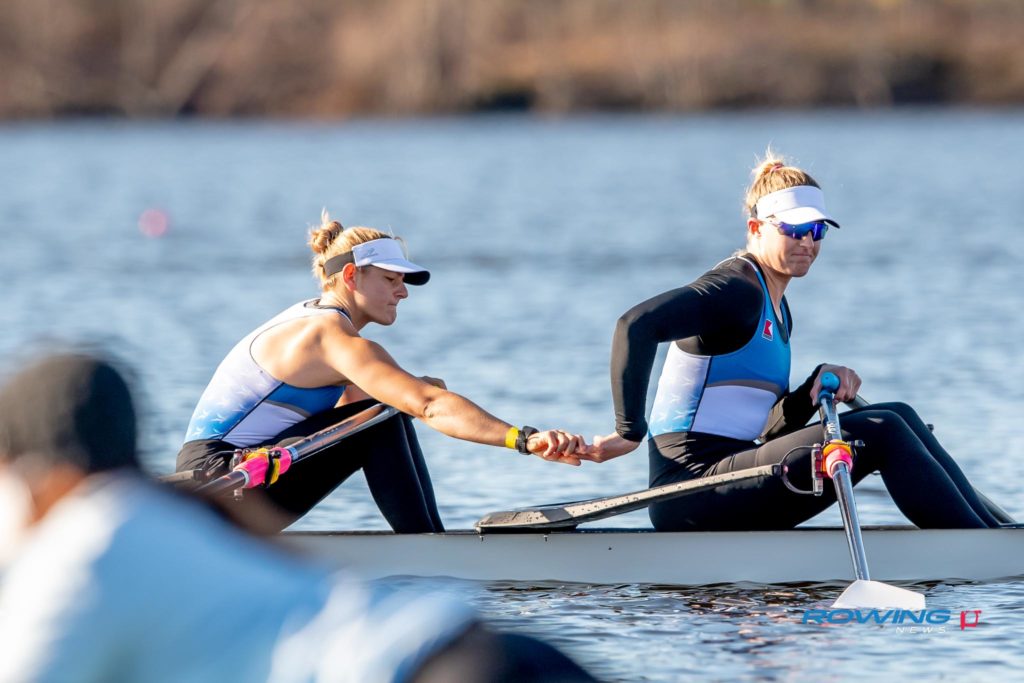
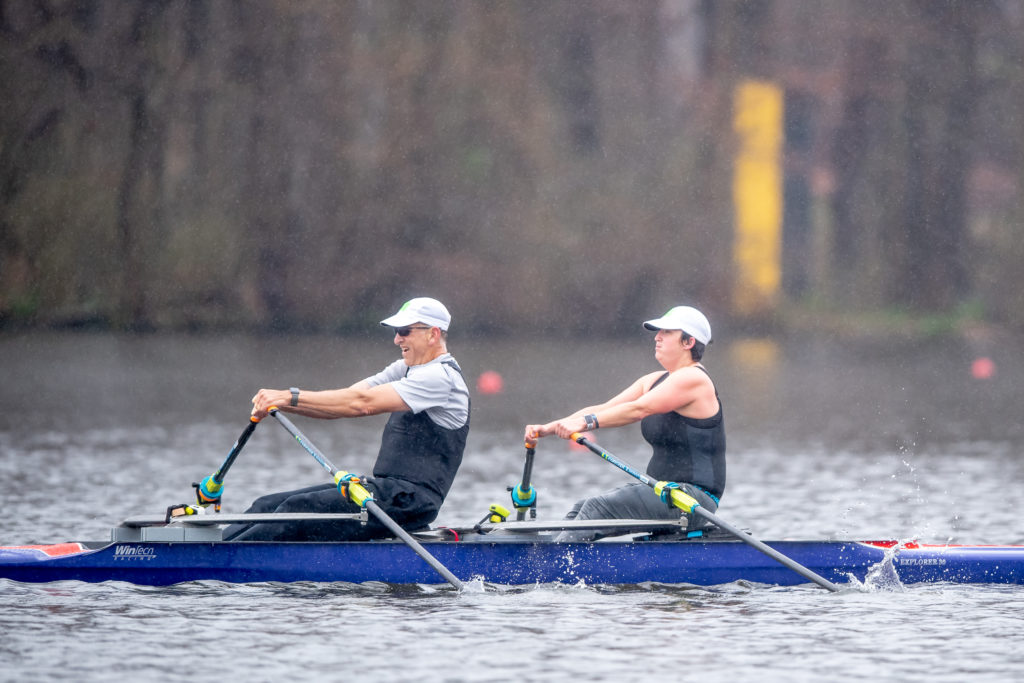
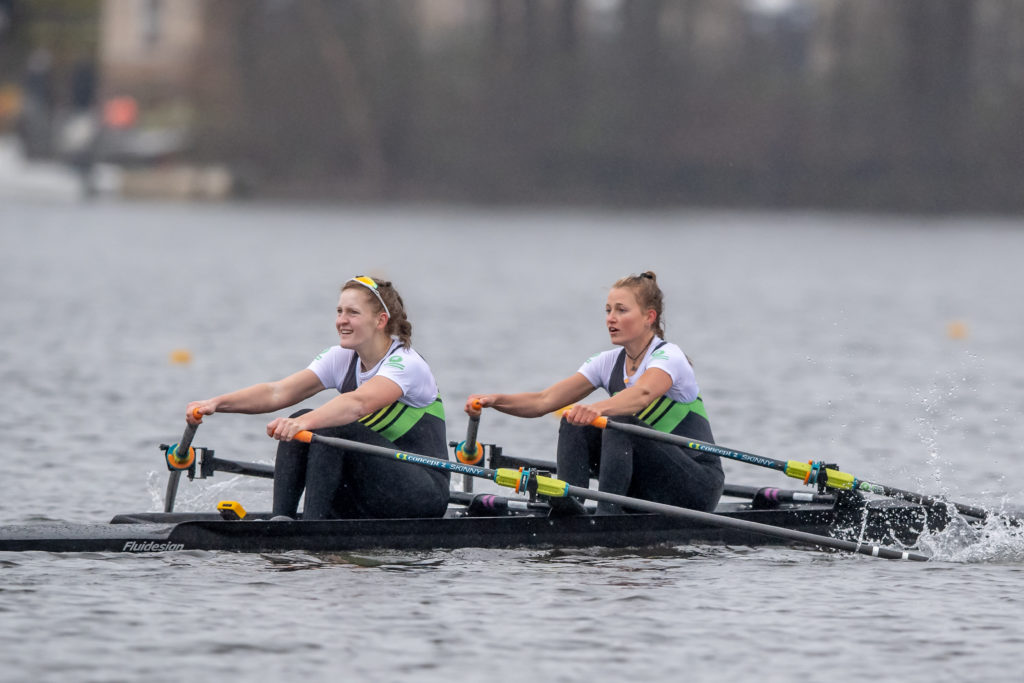
West Windsor, N.J. – After watching Michelle Sechser and Molly Reckford race the lightweight double during the first Olympic Trials in Sarasota, Florida, in February, Gevvie Stone was expecting a battle Tuesday morning on Mercer Lake.

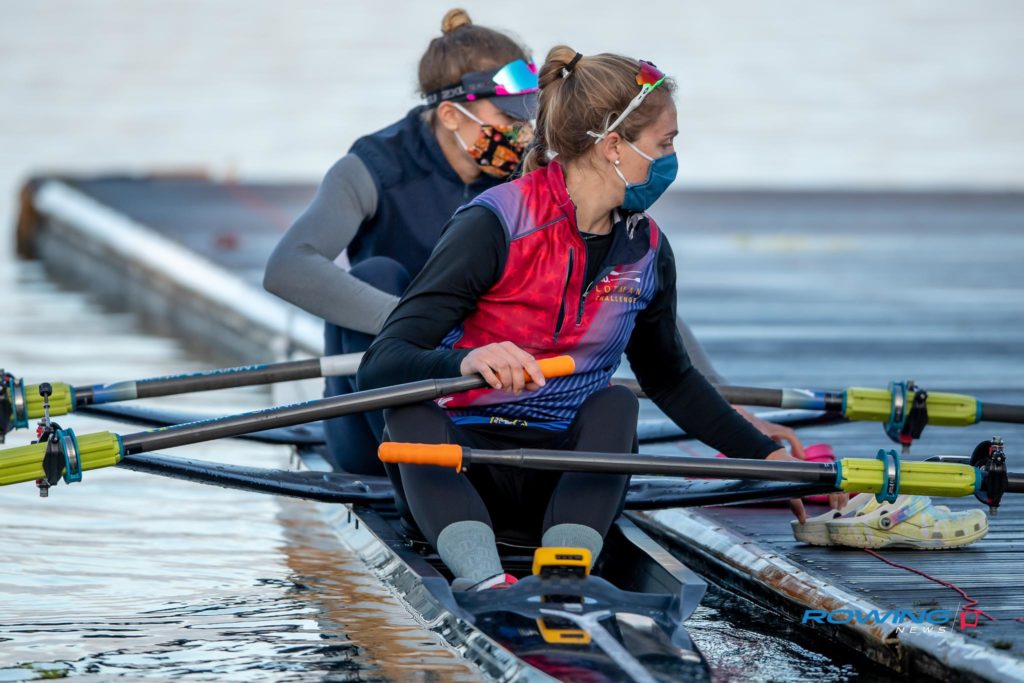
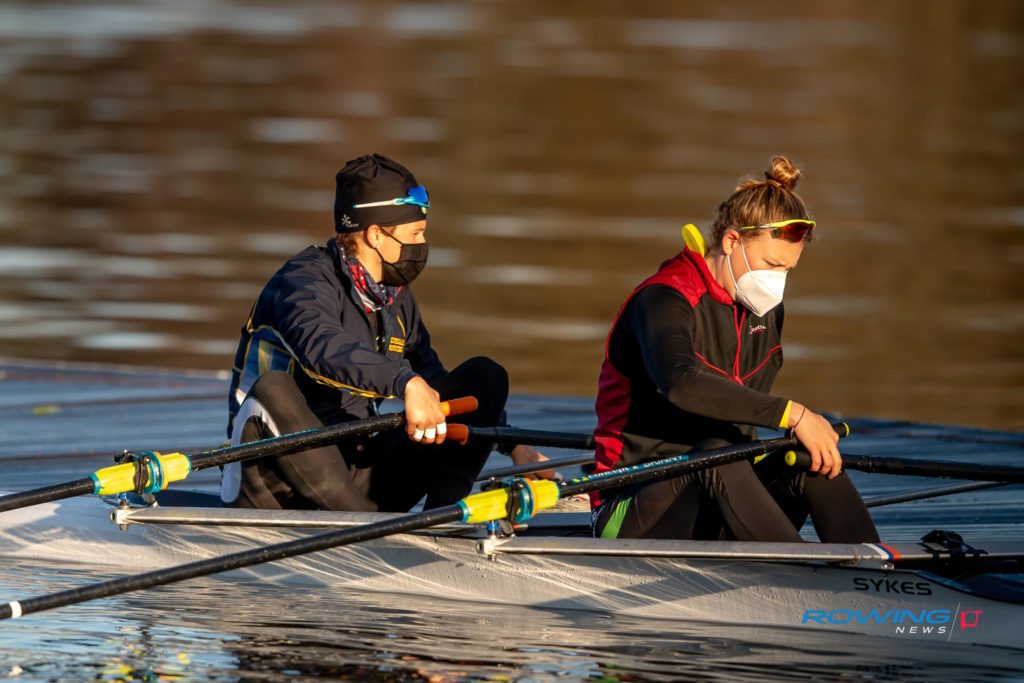
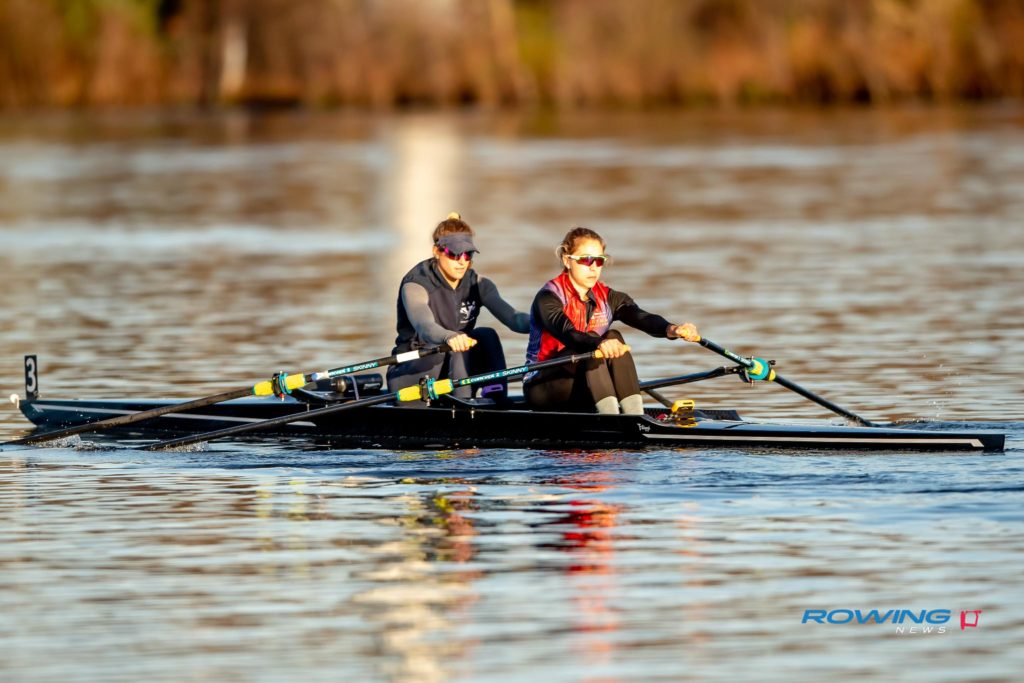
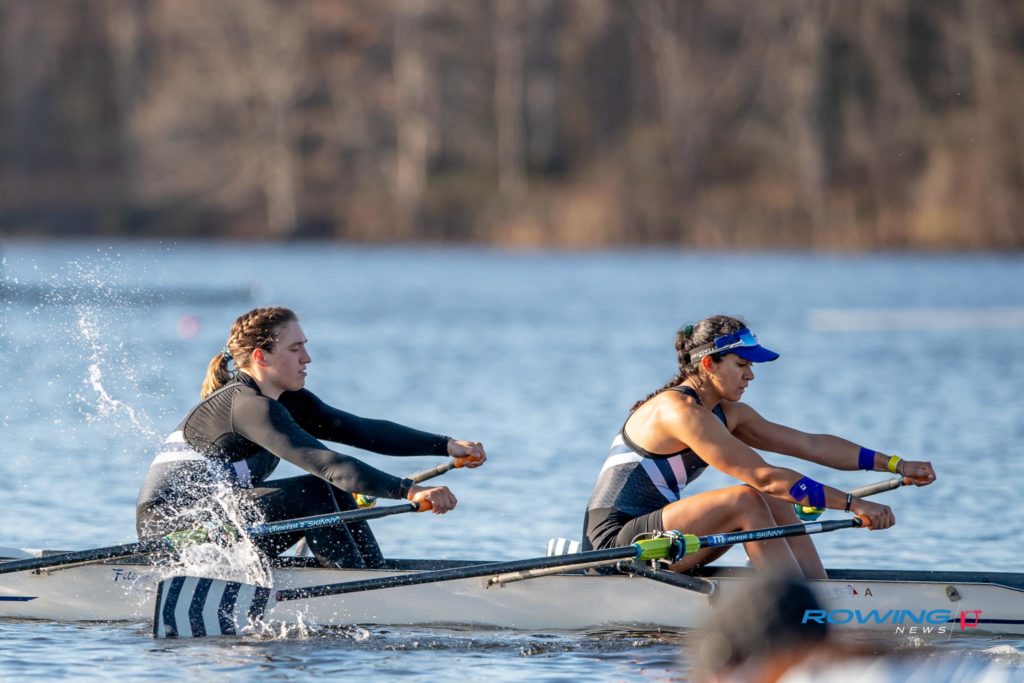
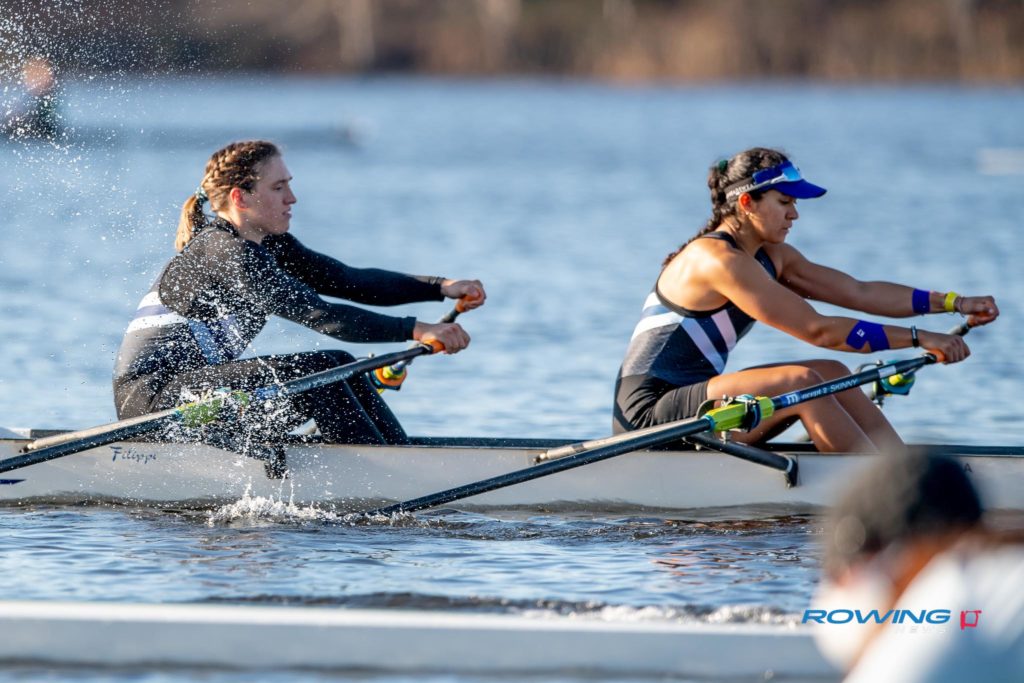
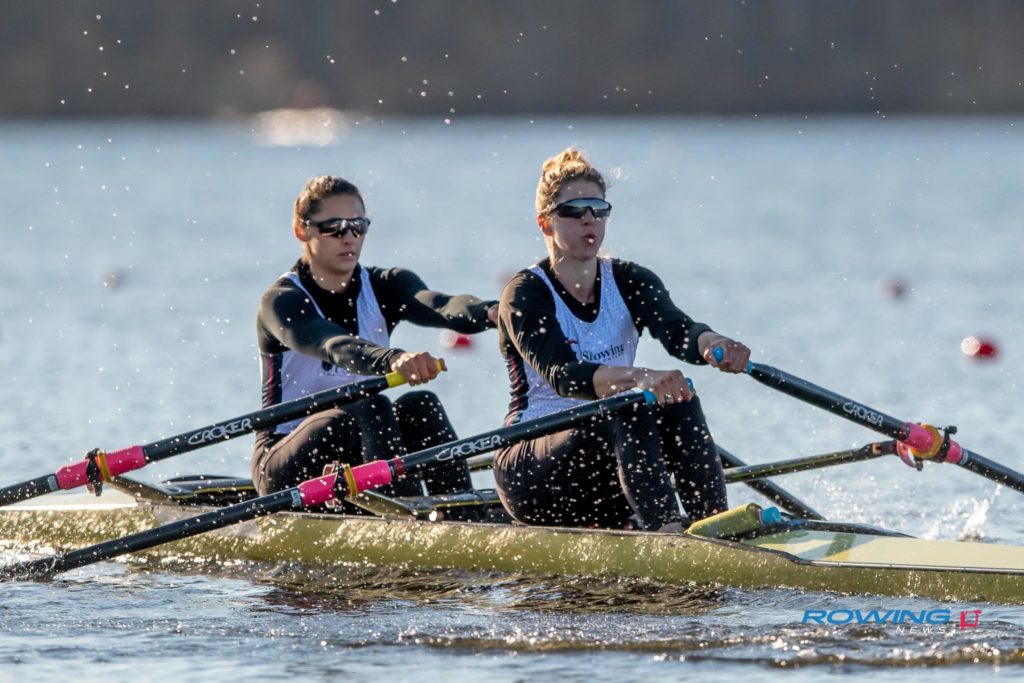
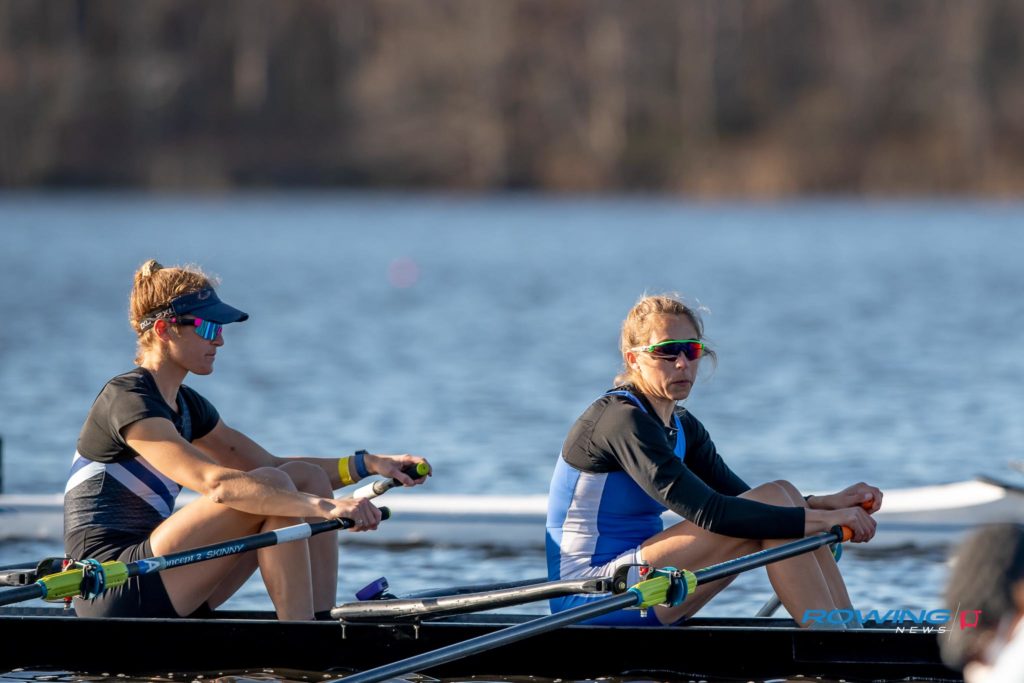
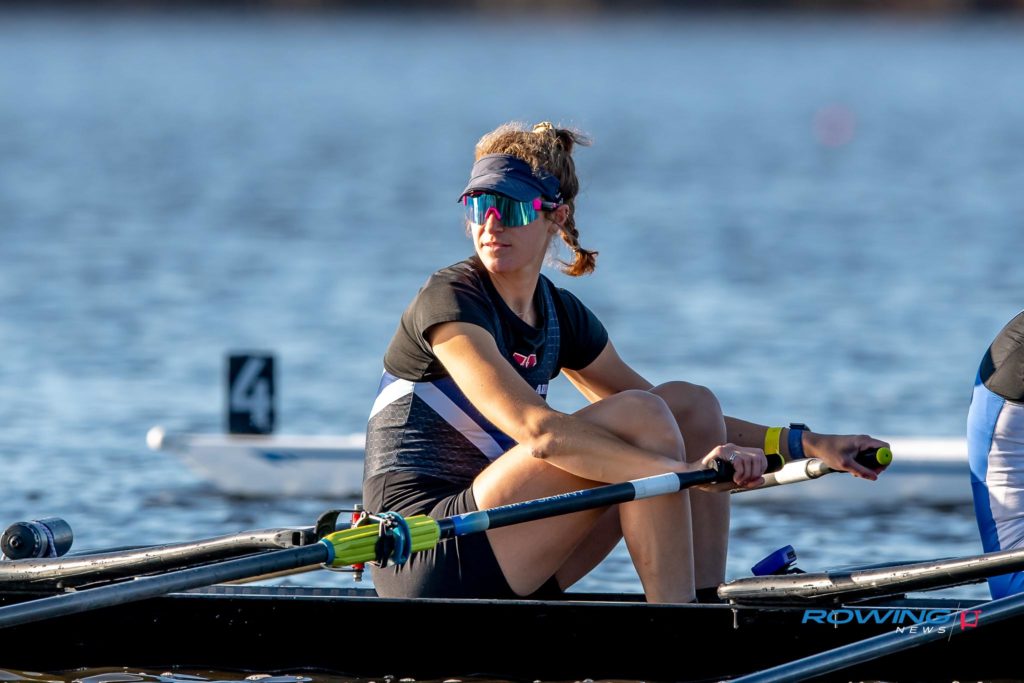
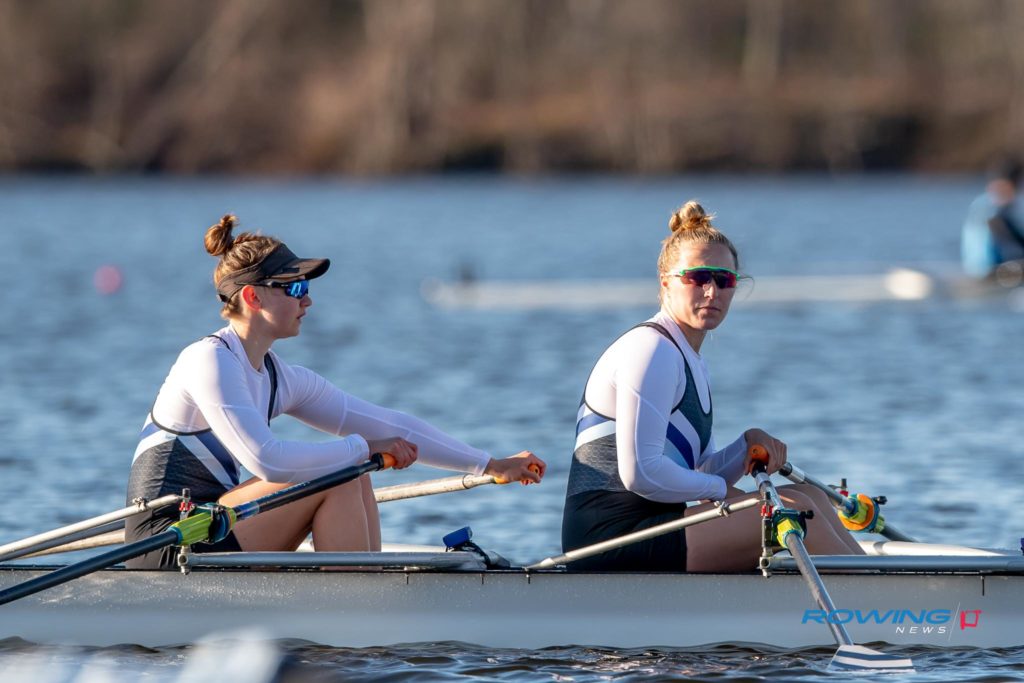
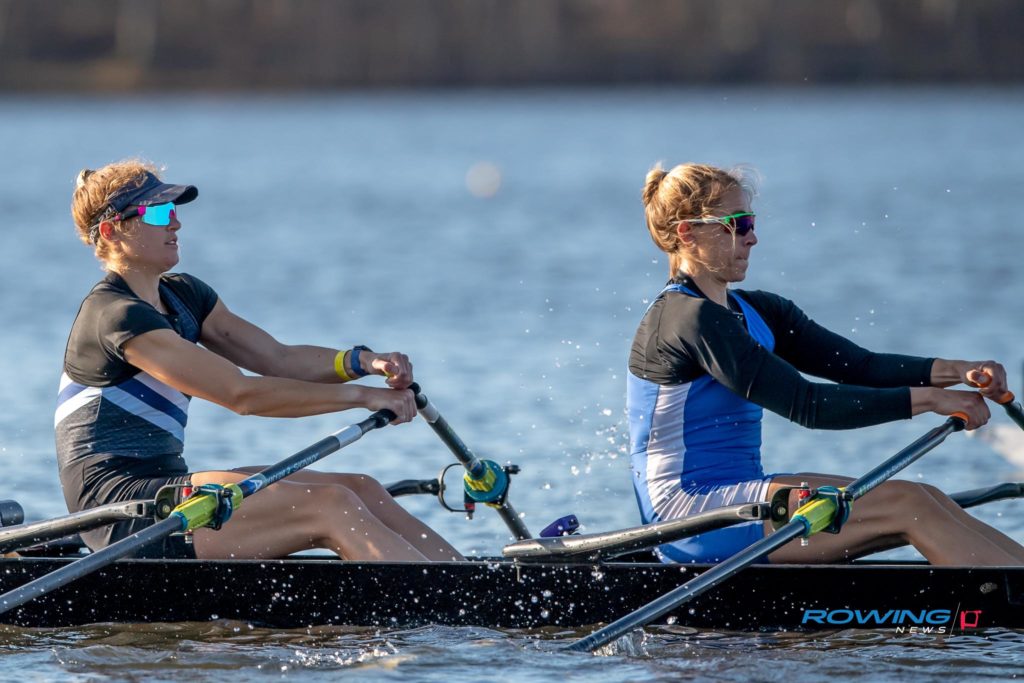
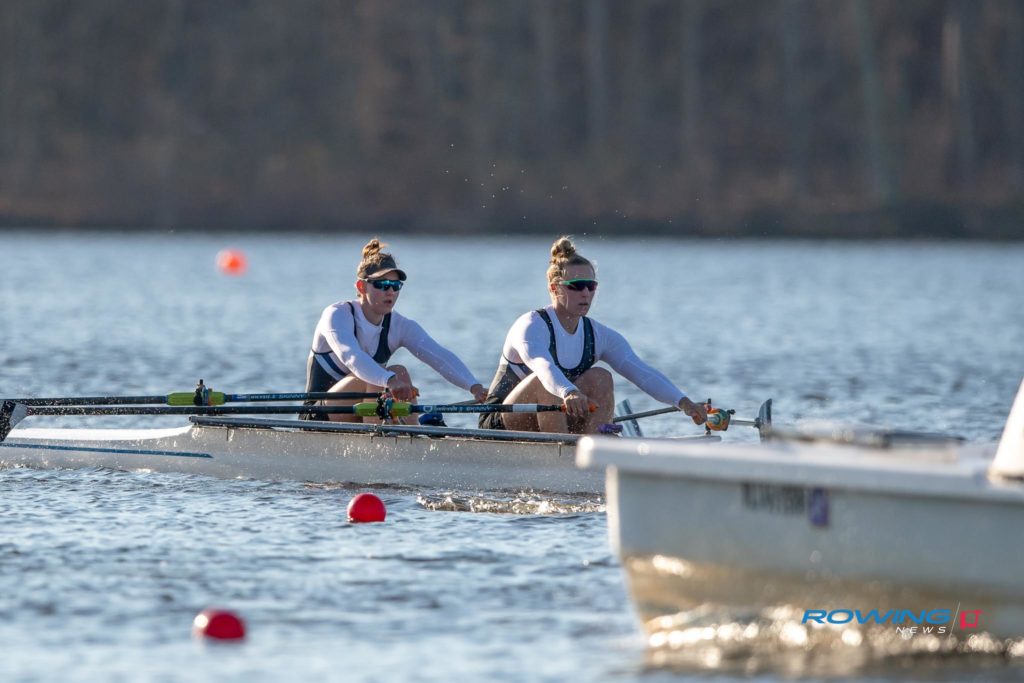
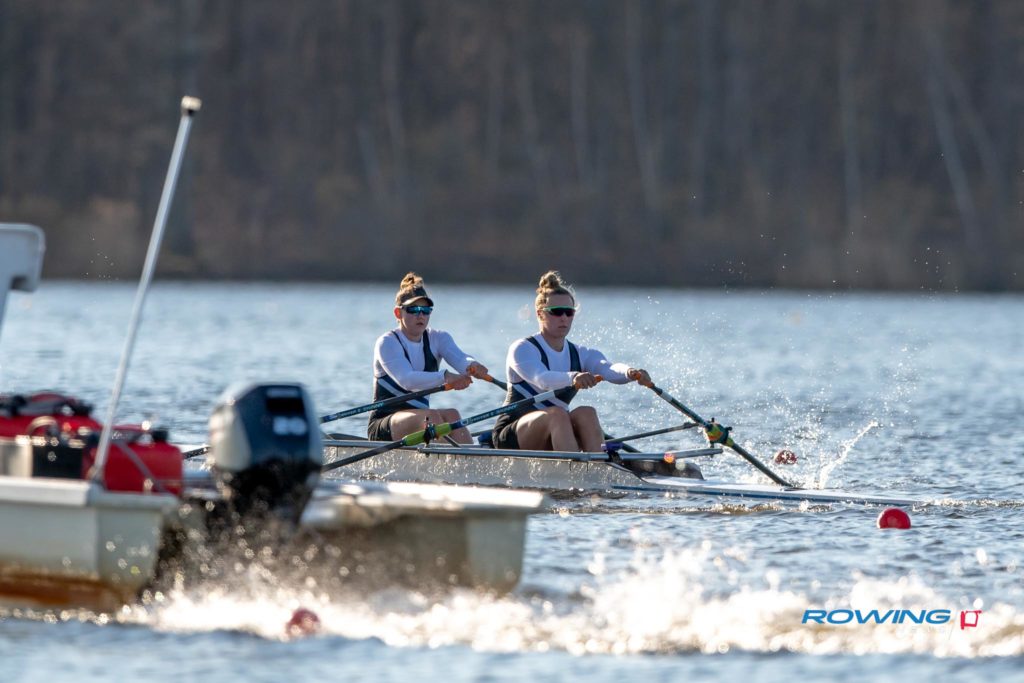
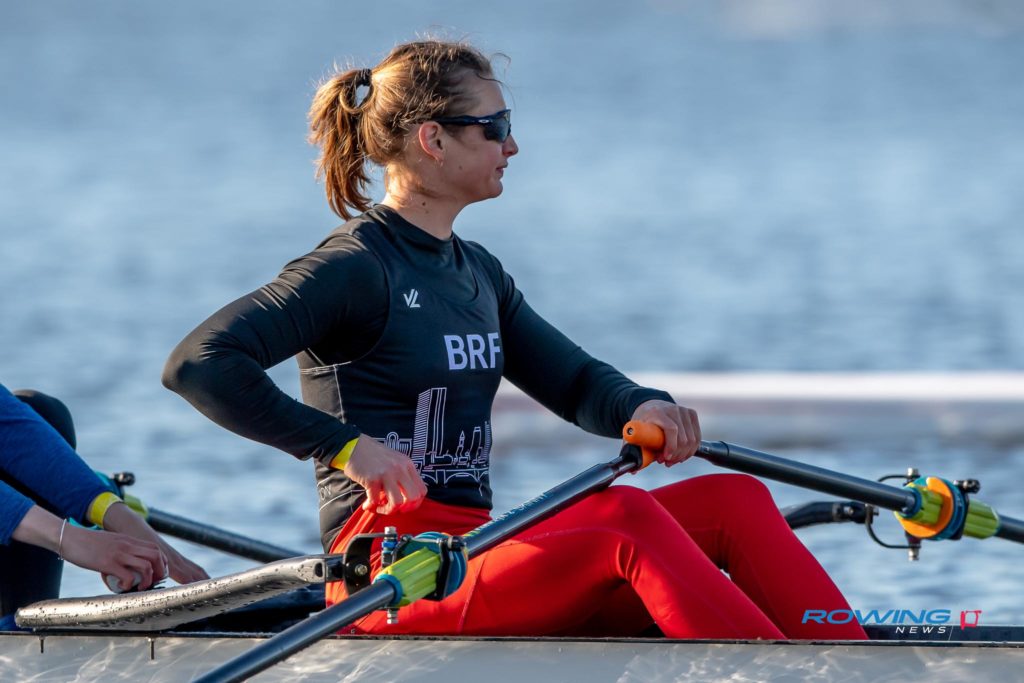
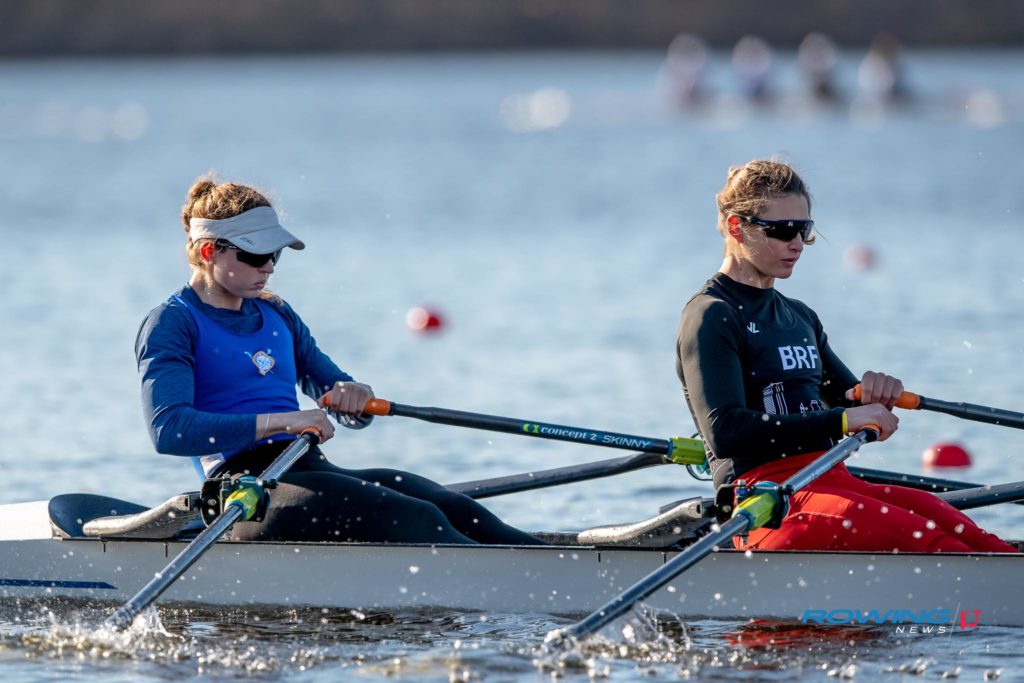
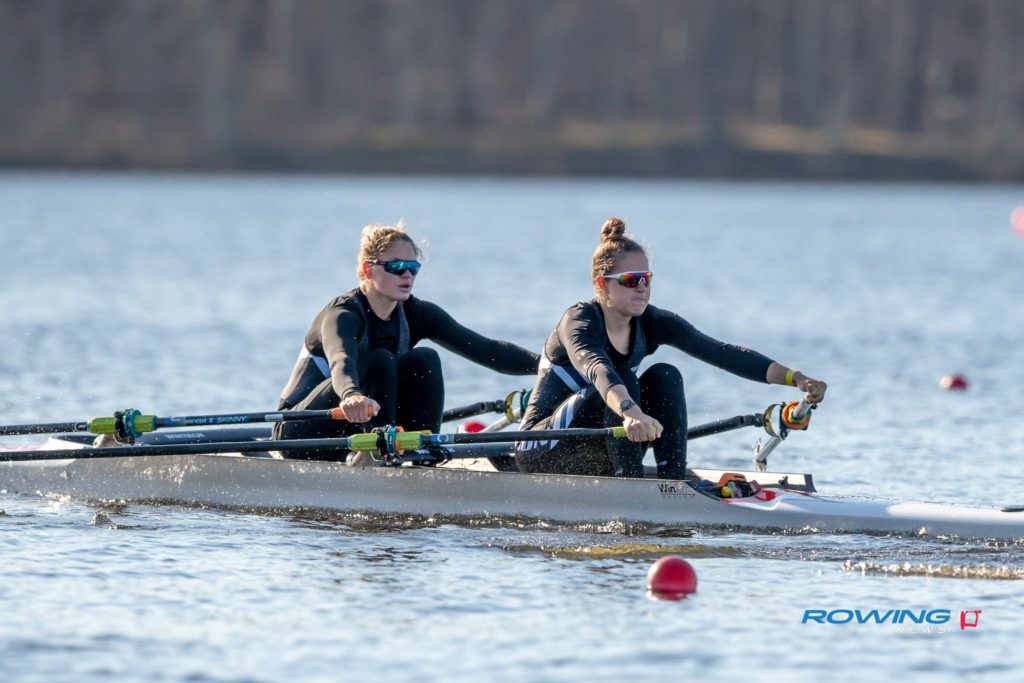
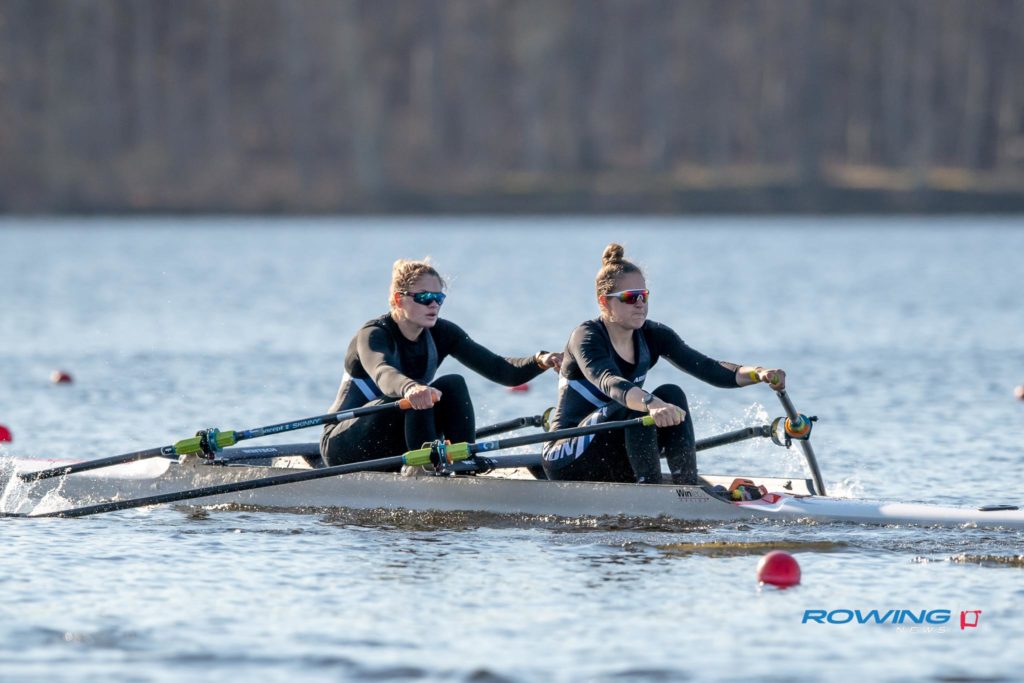
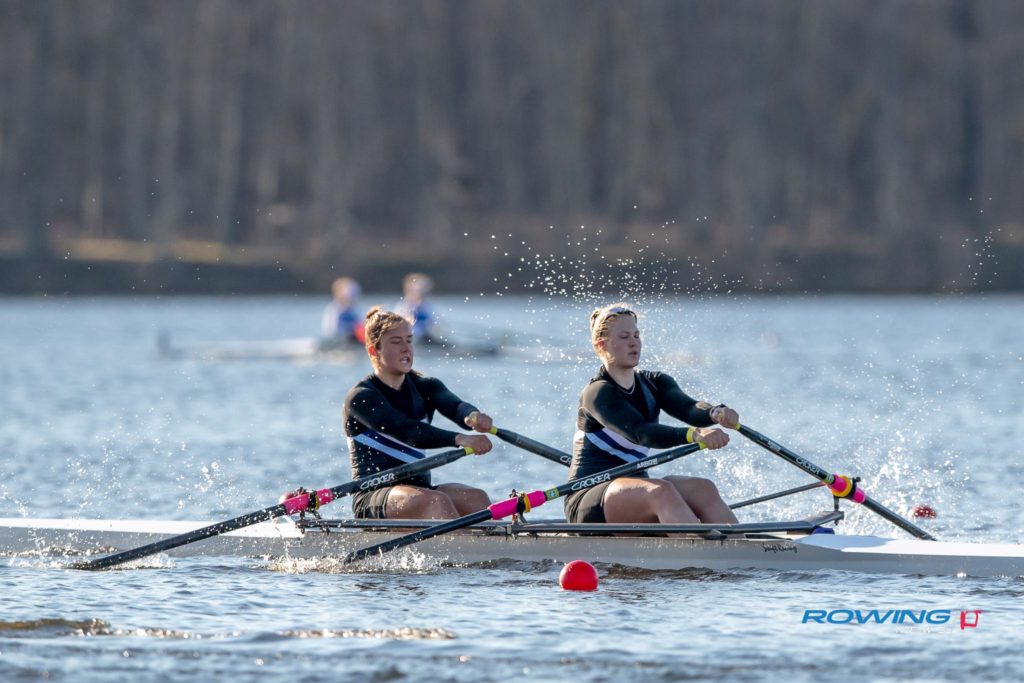
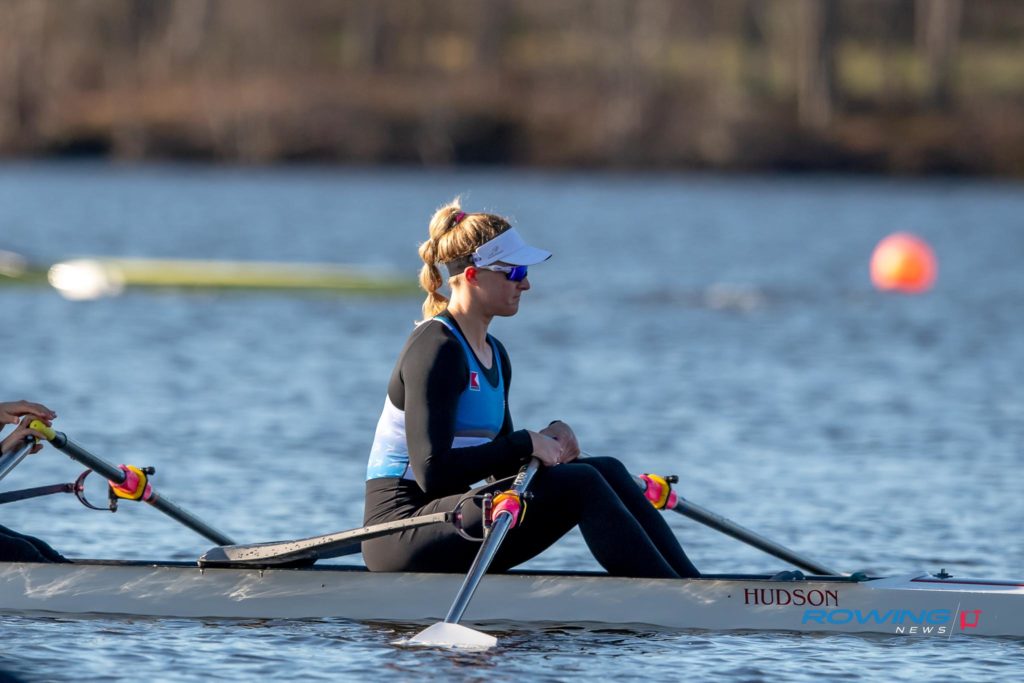
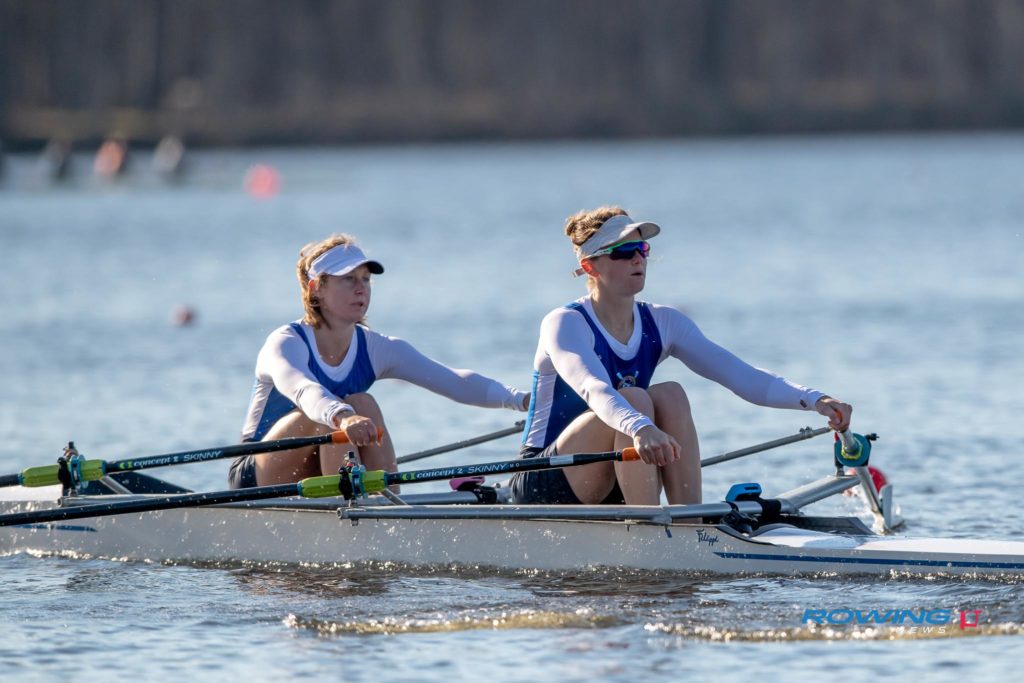
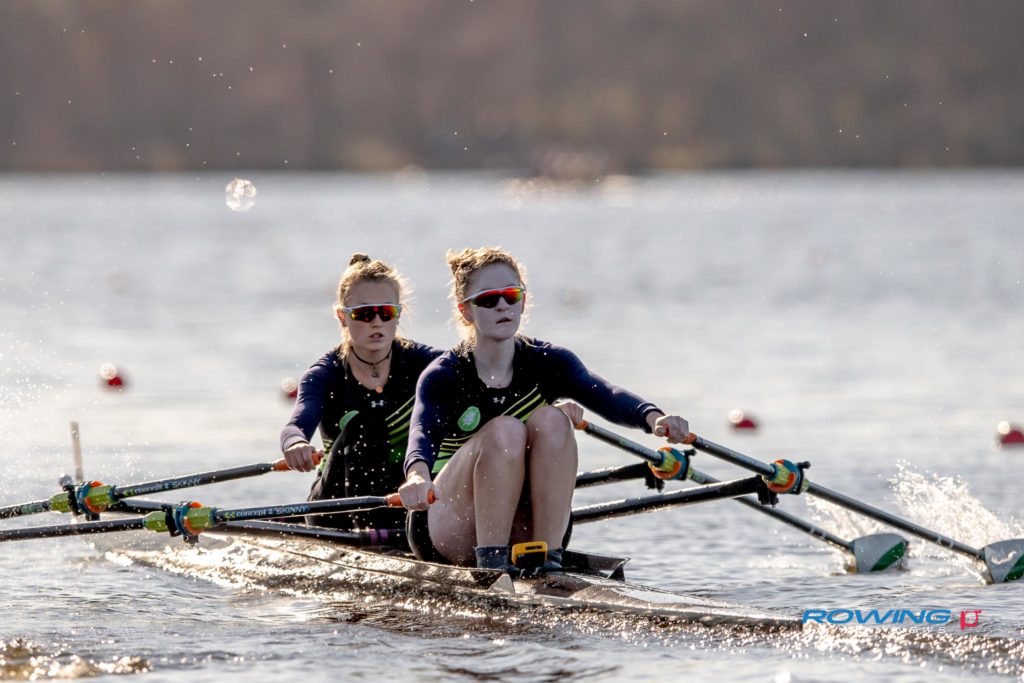
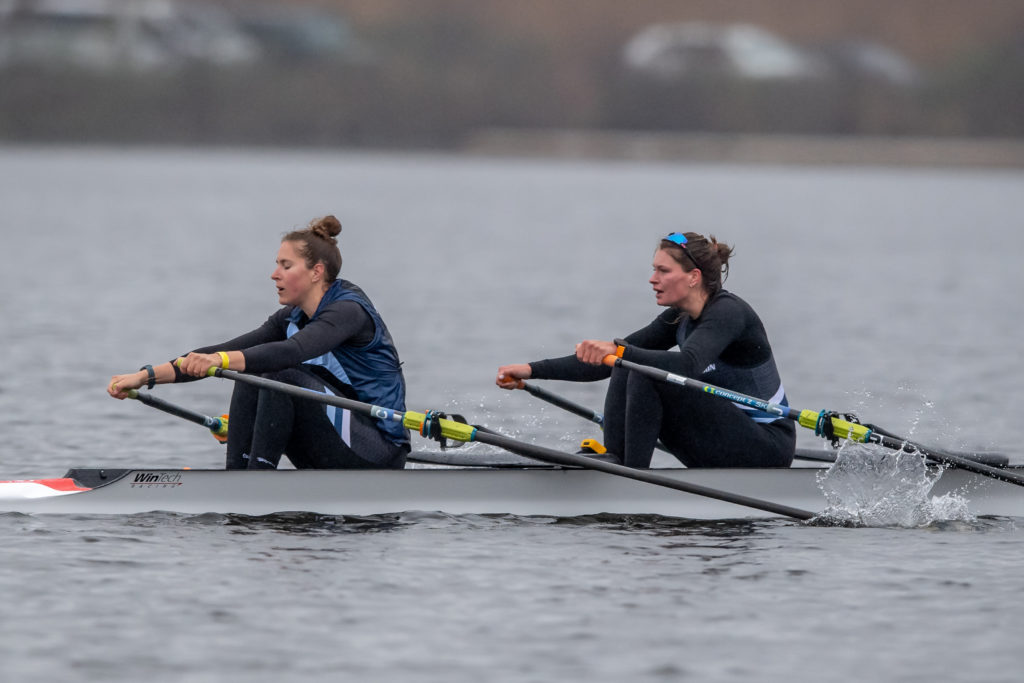
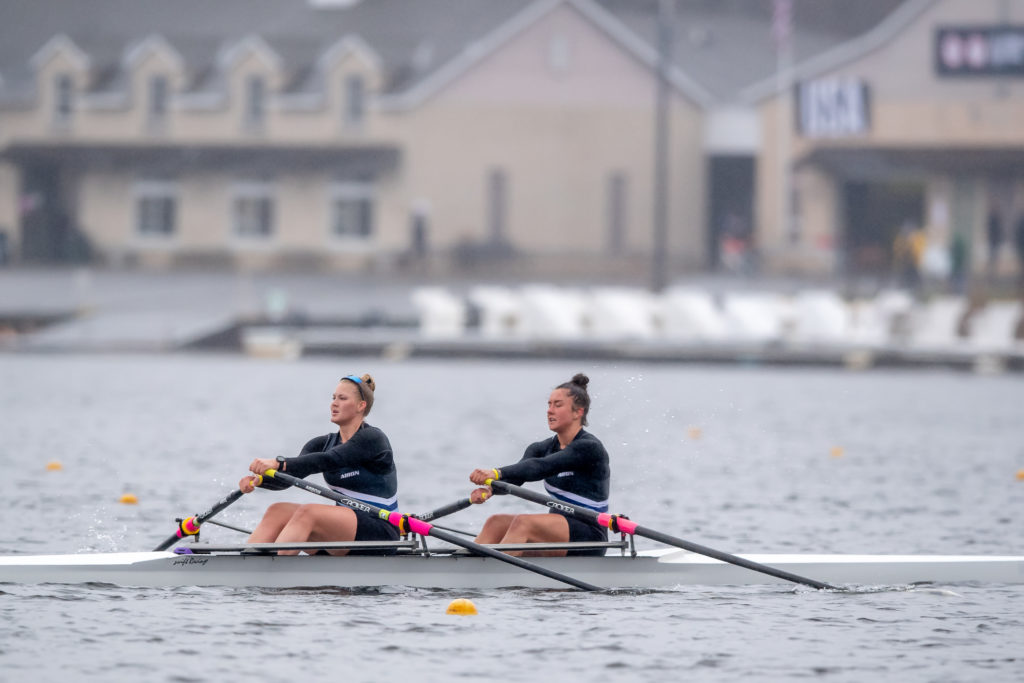
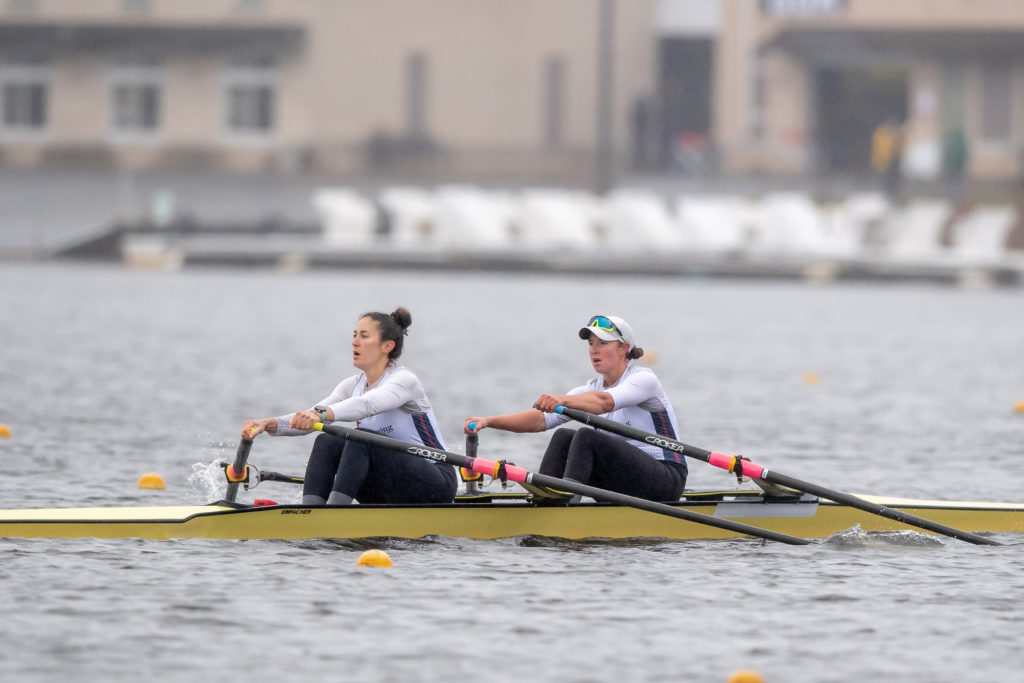
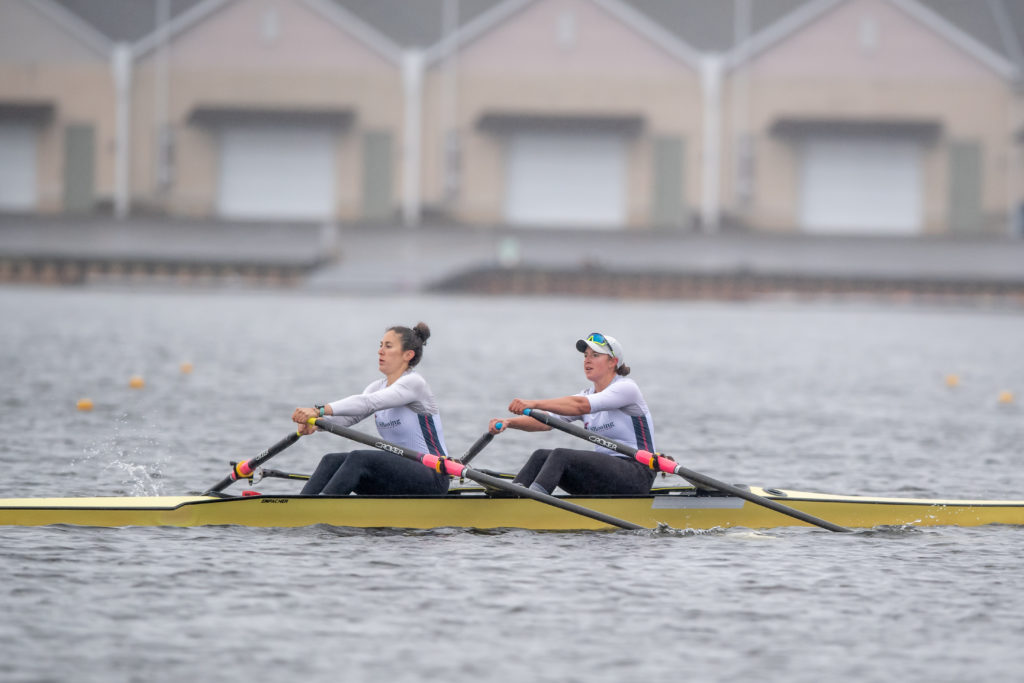
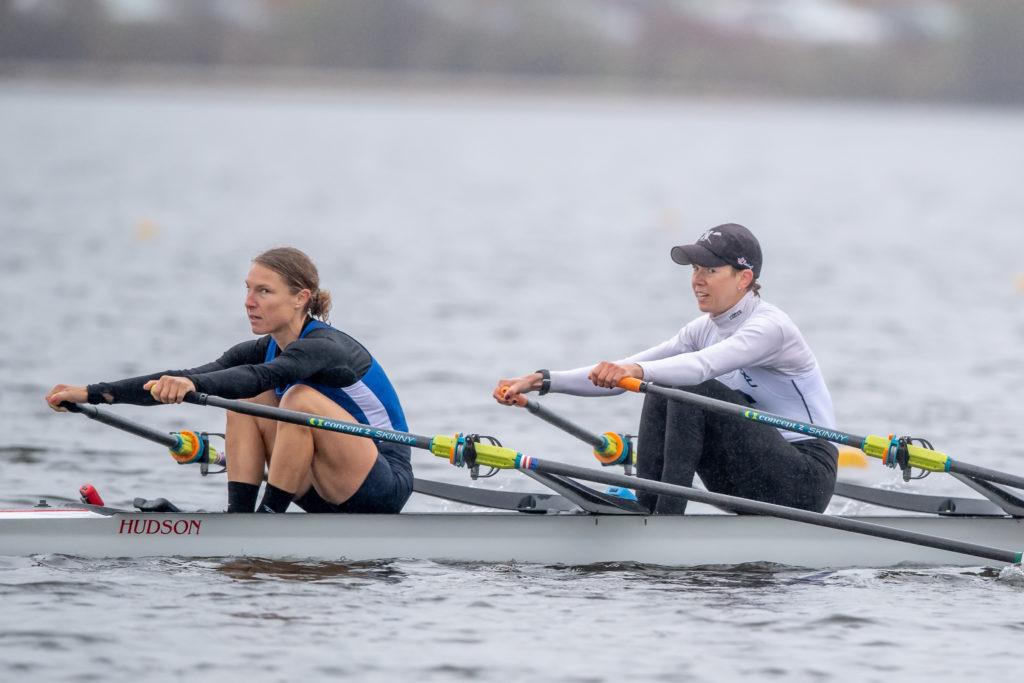
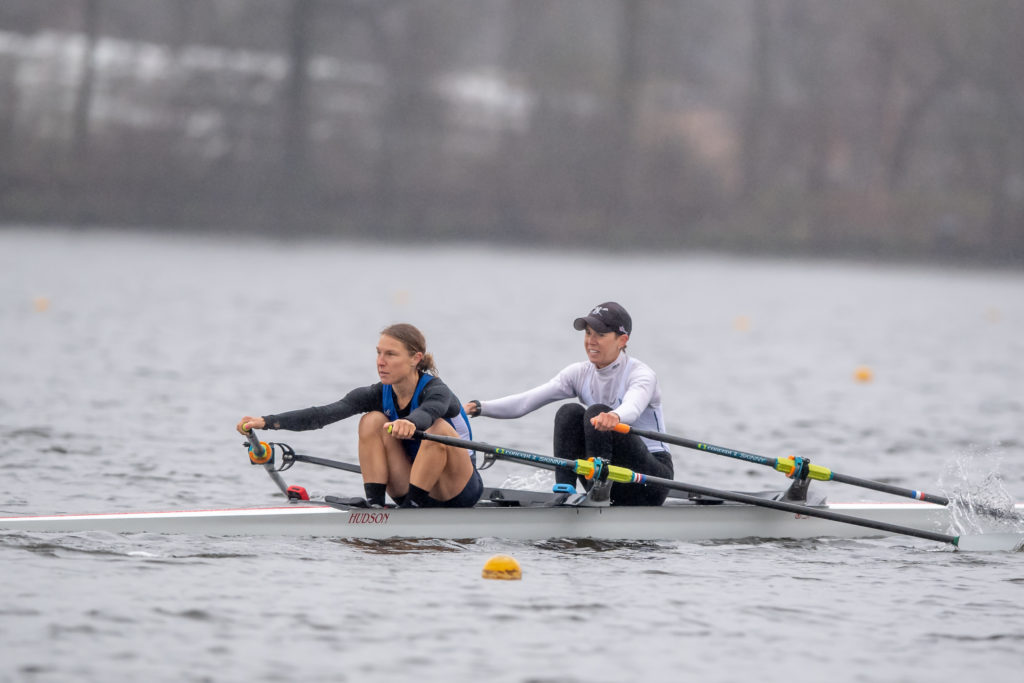
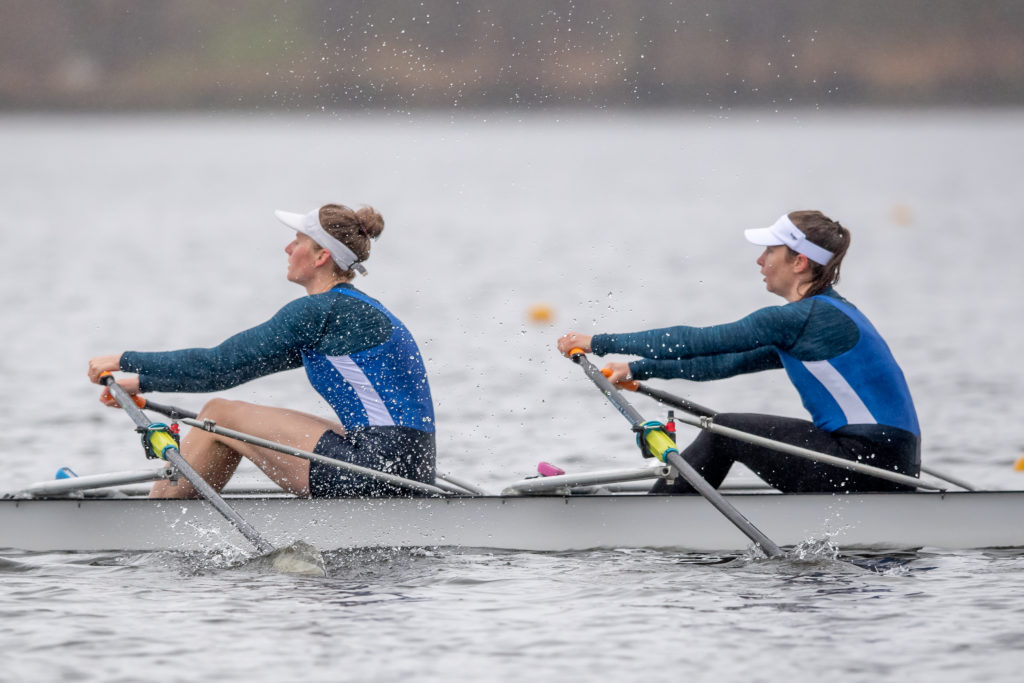
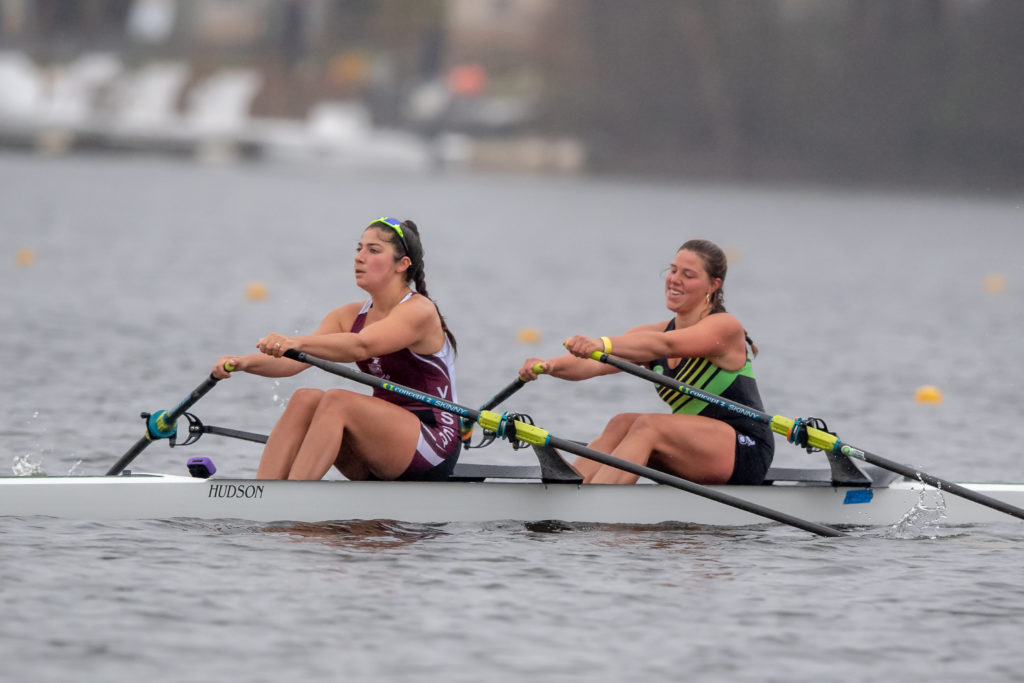
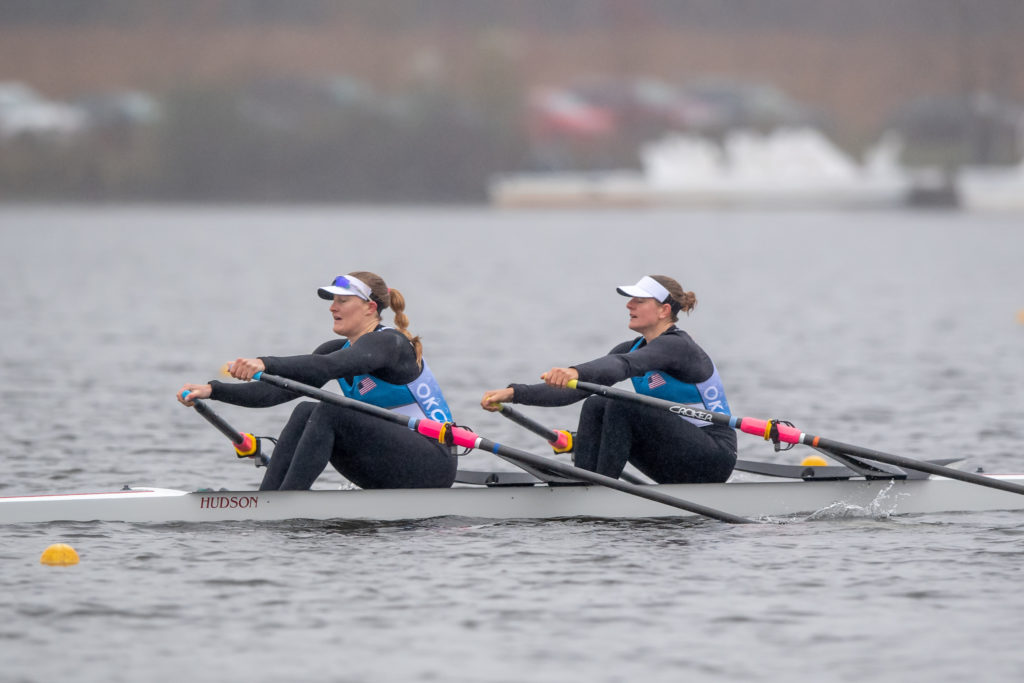
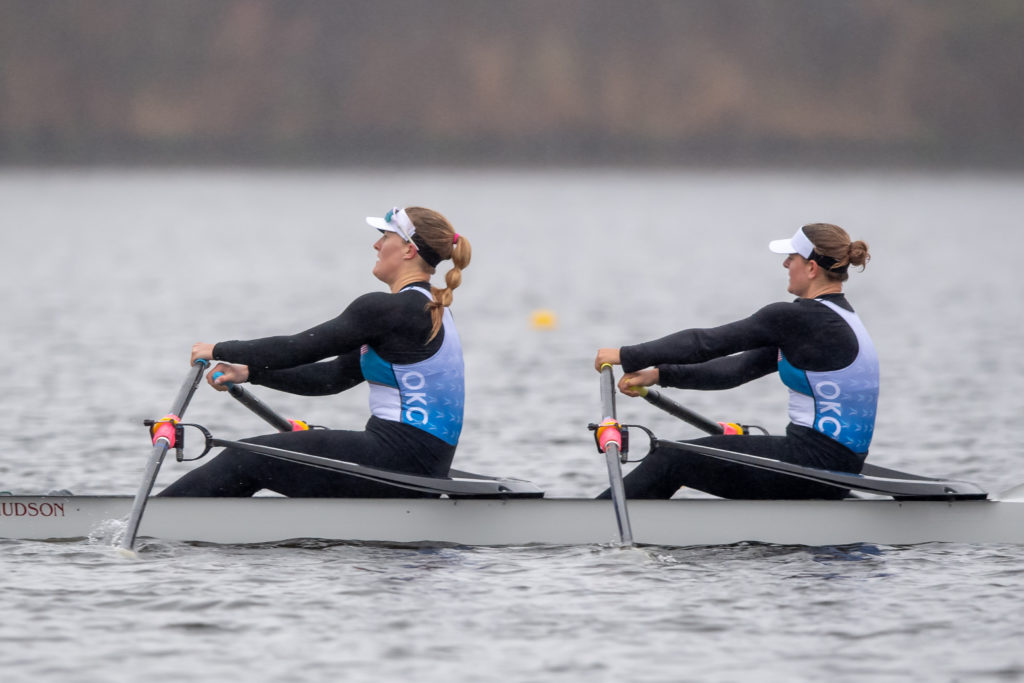
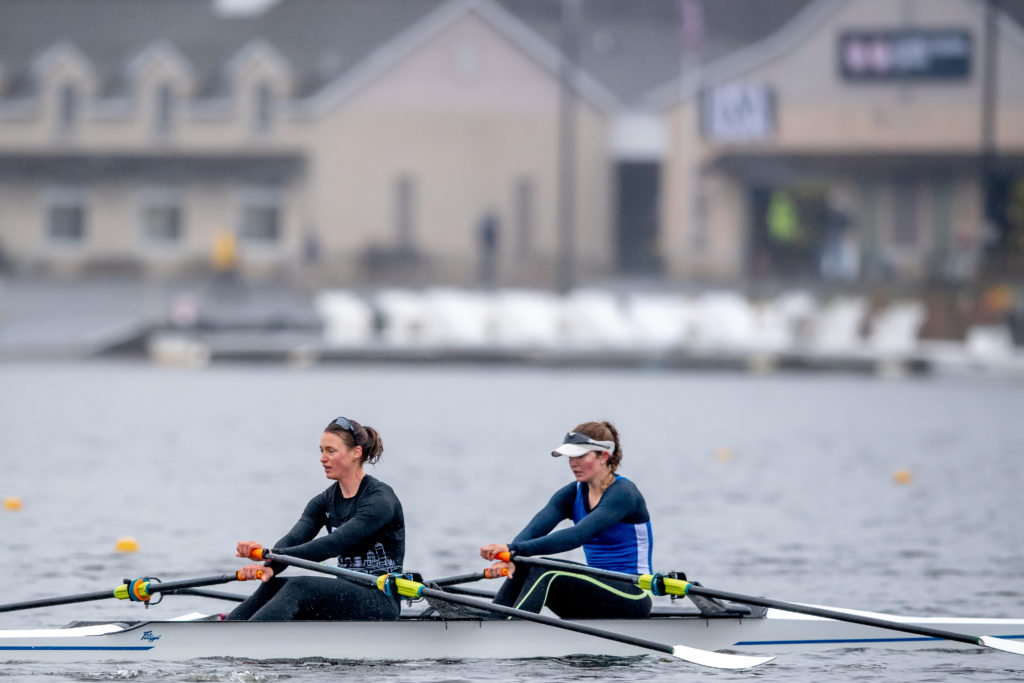
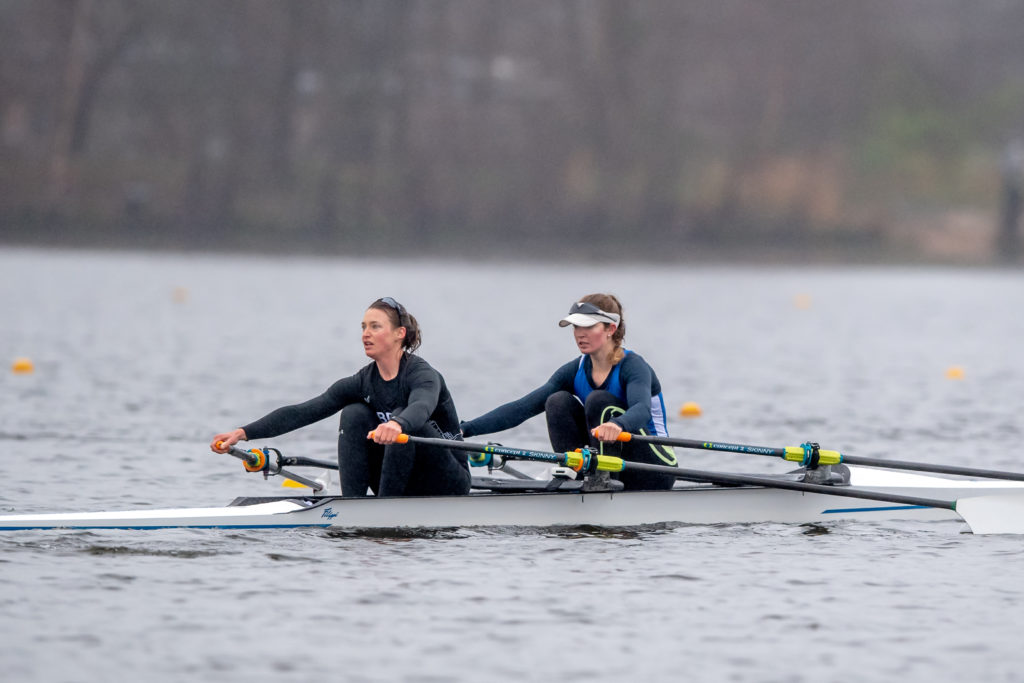
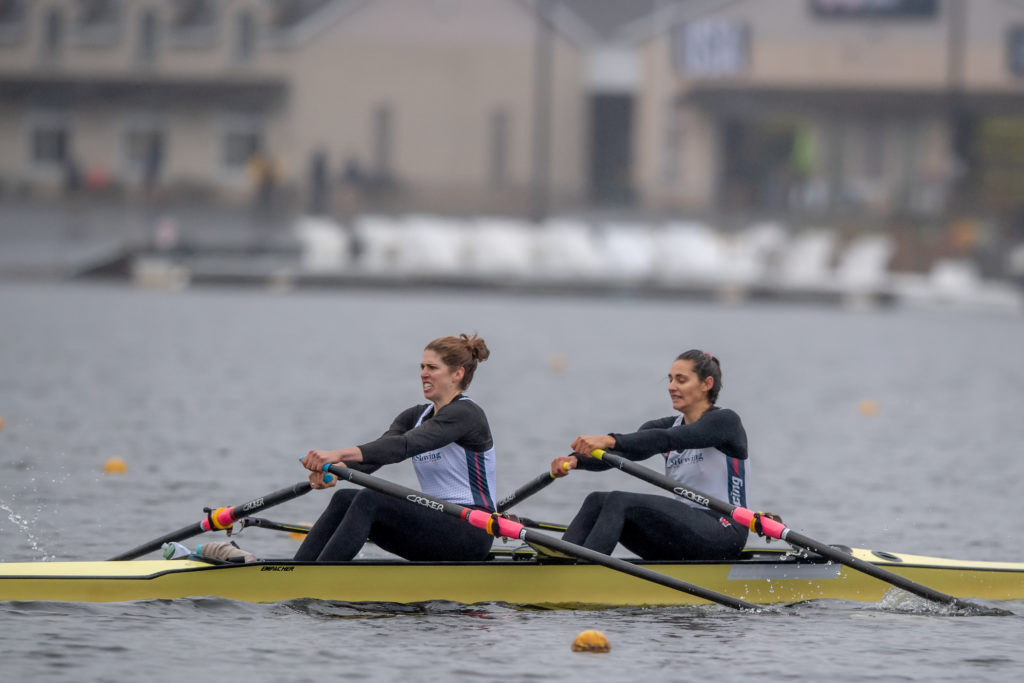
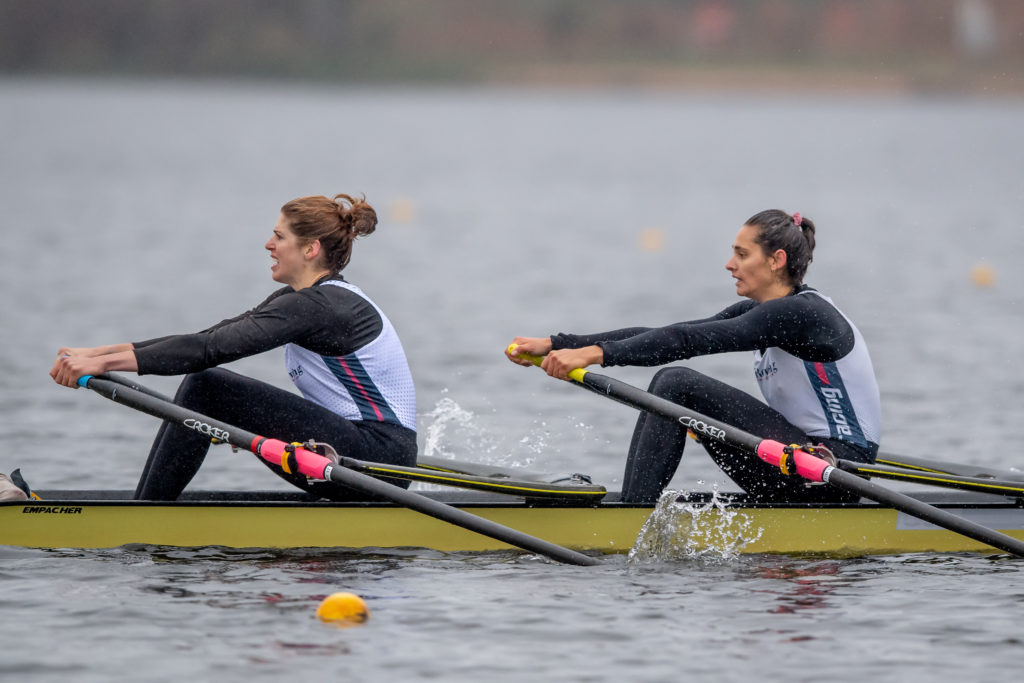
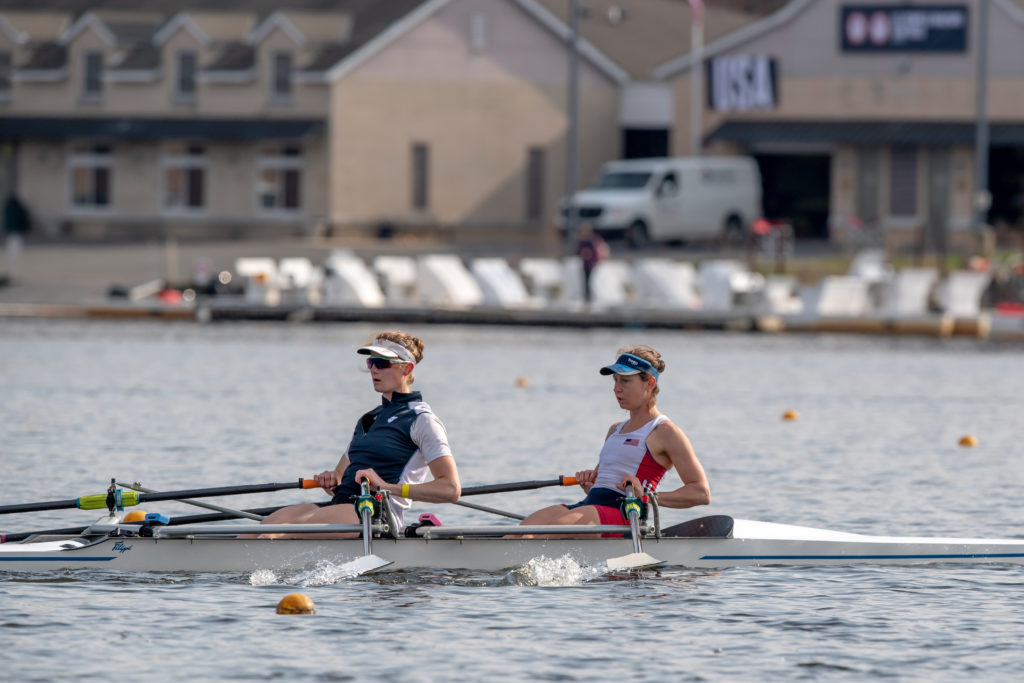
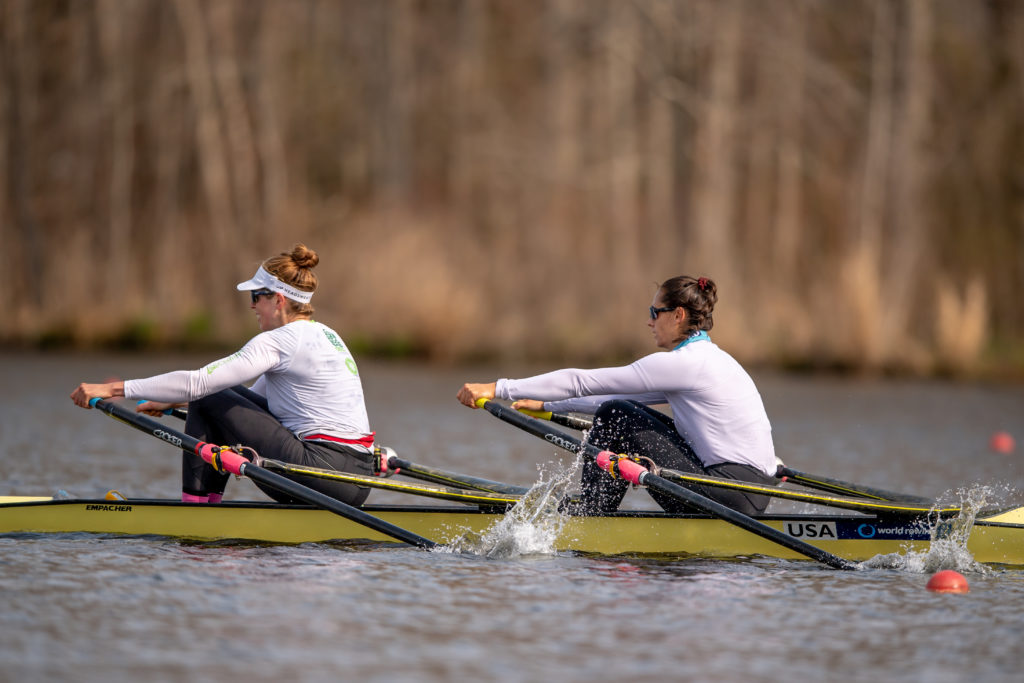
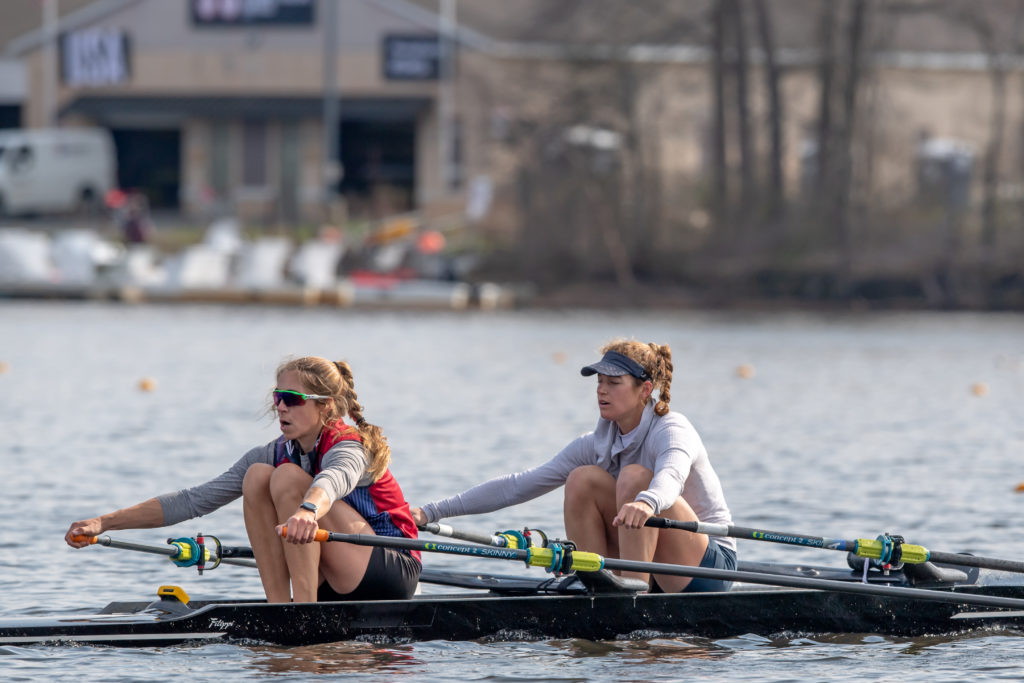
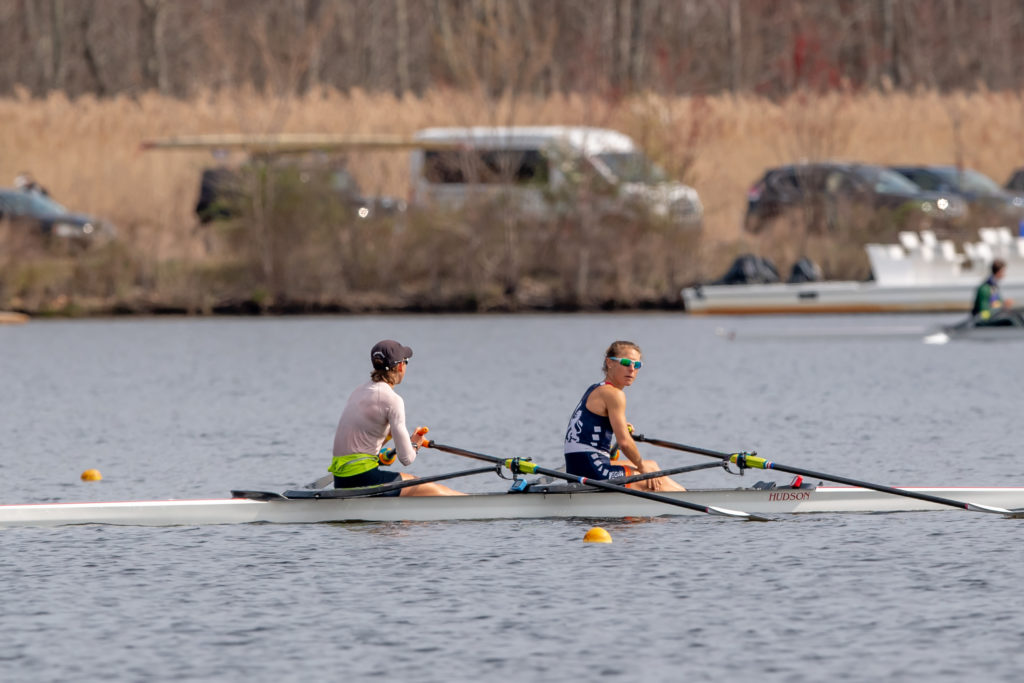
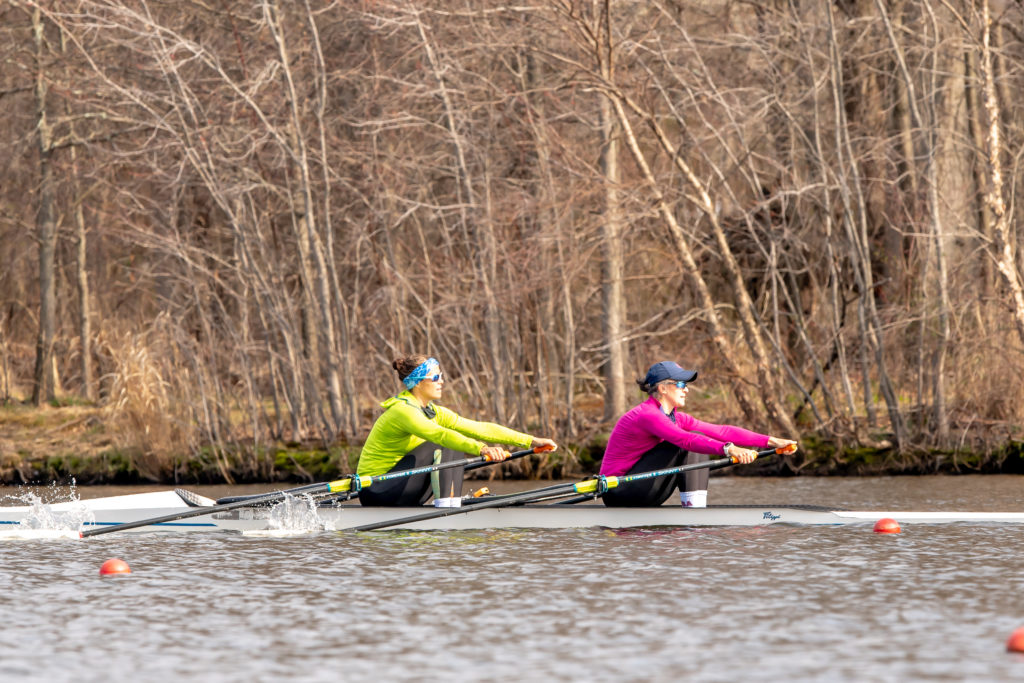
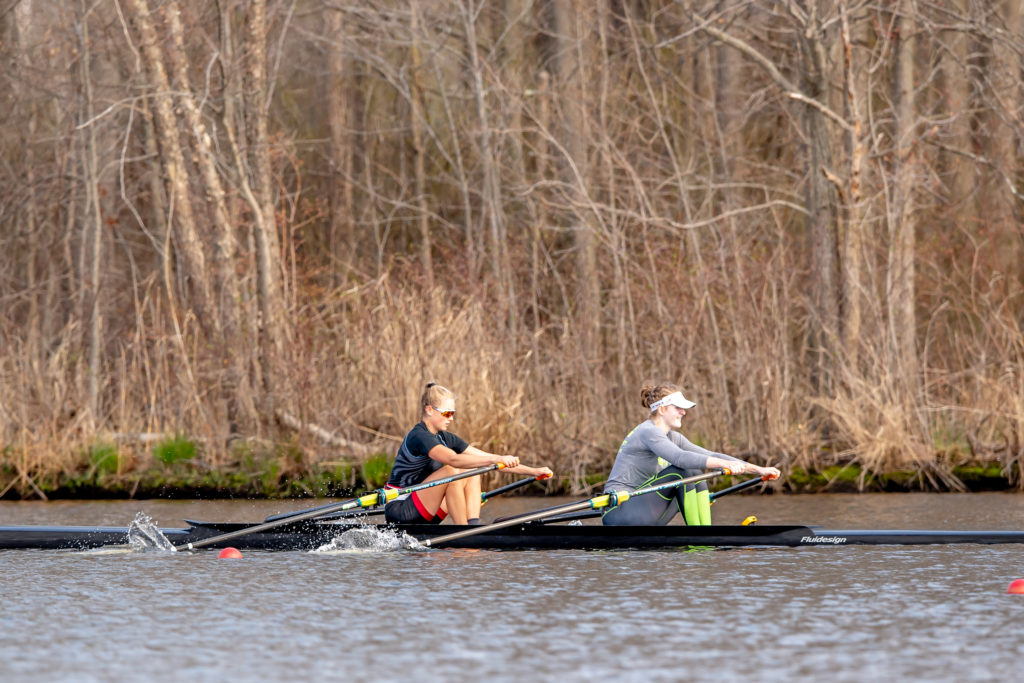
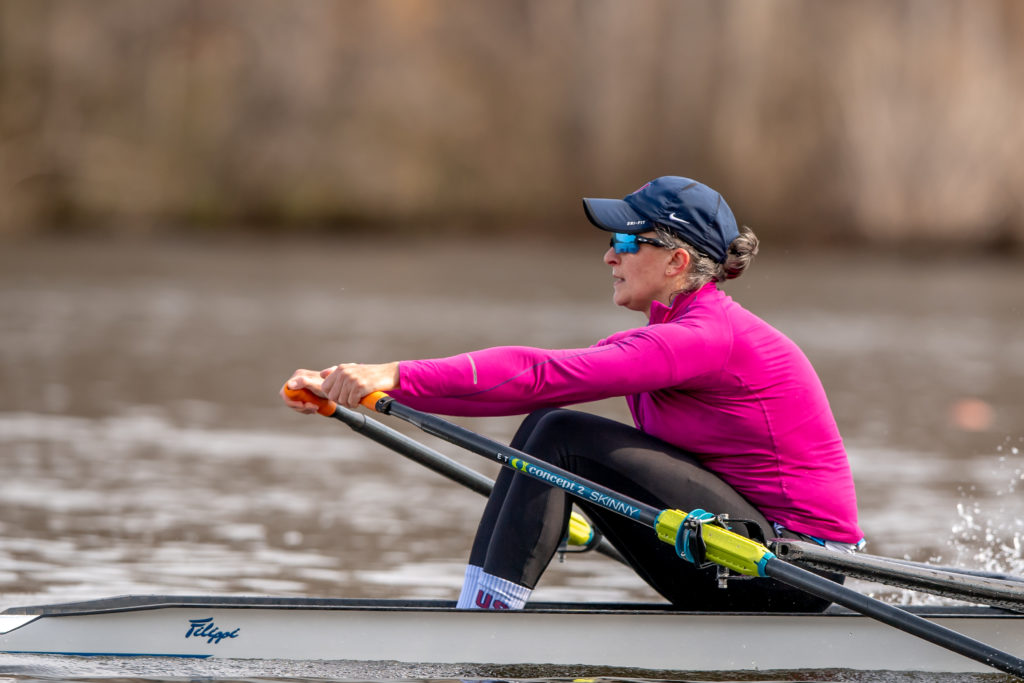
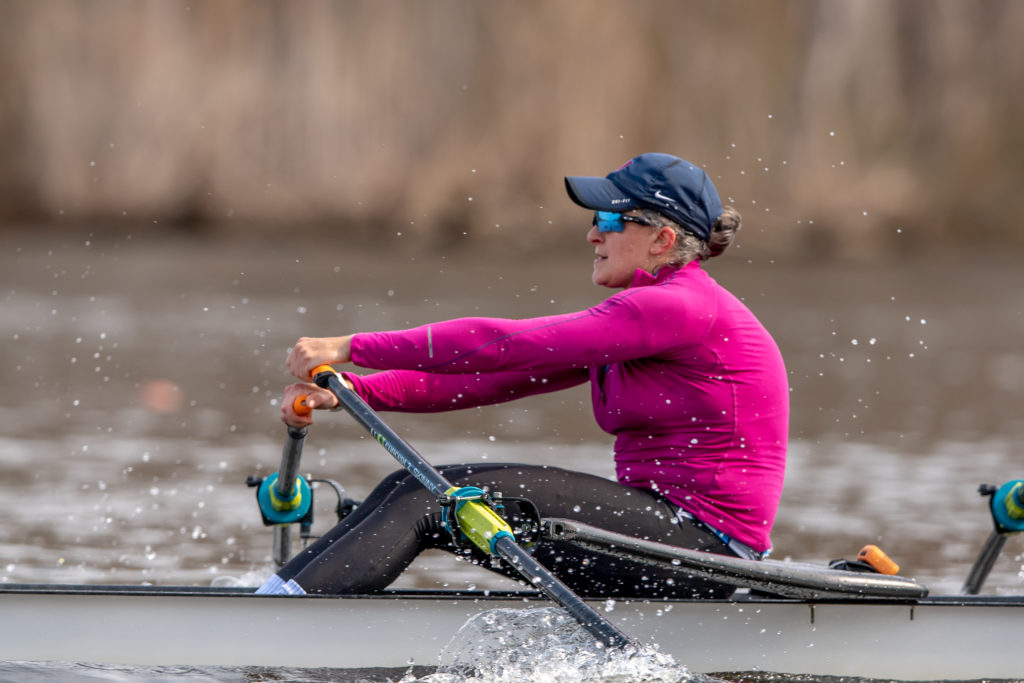
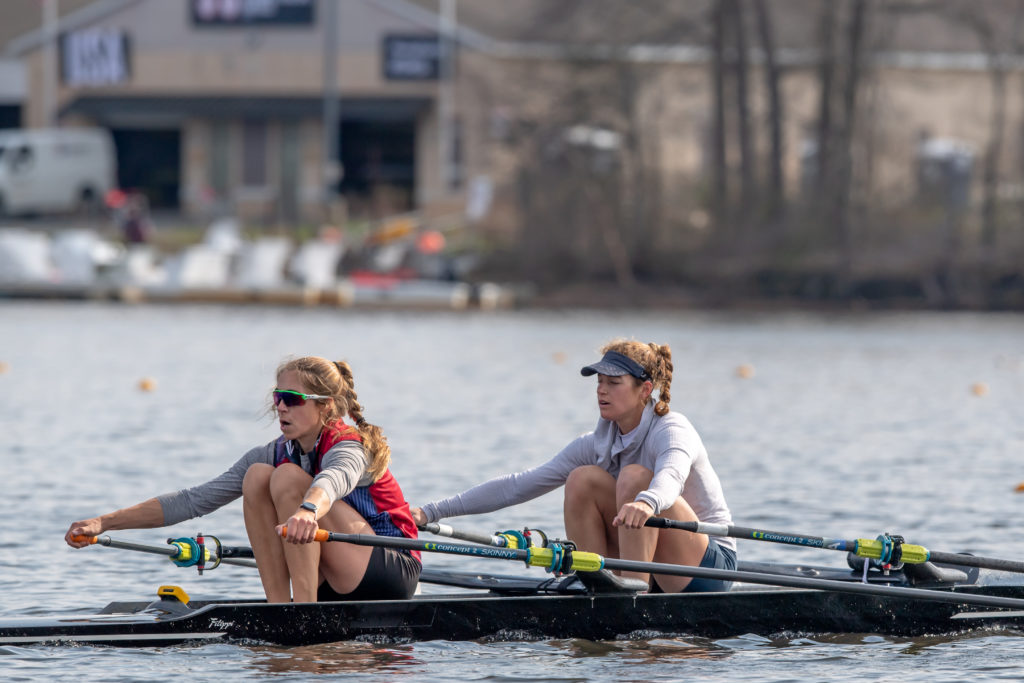
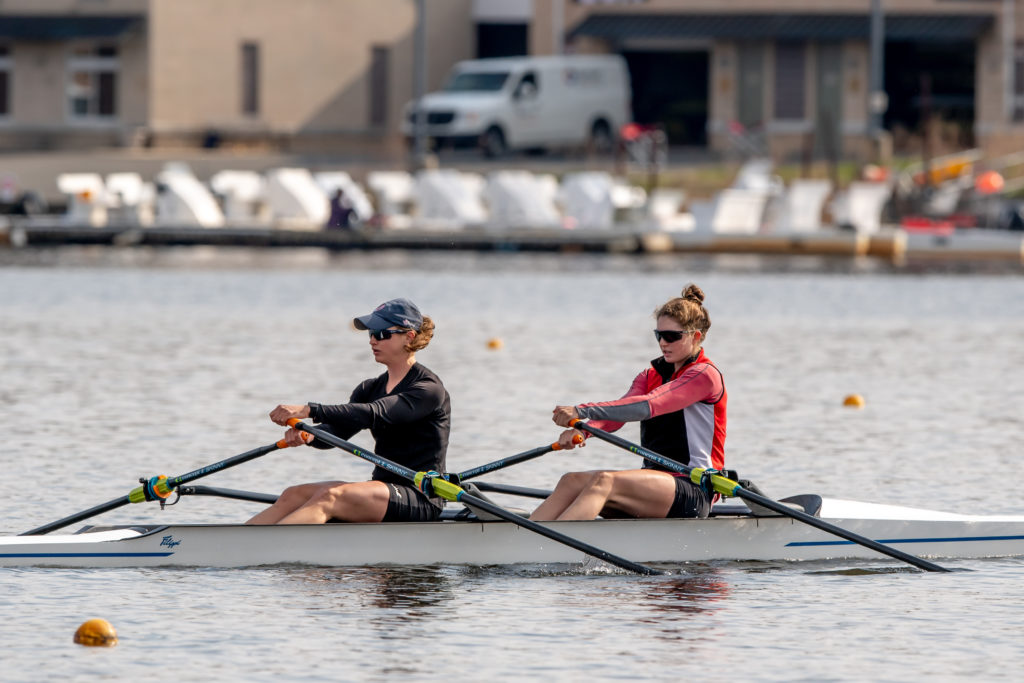
Stone, rowing with her Cambridge Boat Club partner Kristina Wagner in the women’s double, drew Sechser and Reckford in their heat and lined up next to them on the second day of Olympic Trials II.

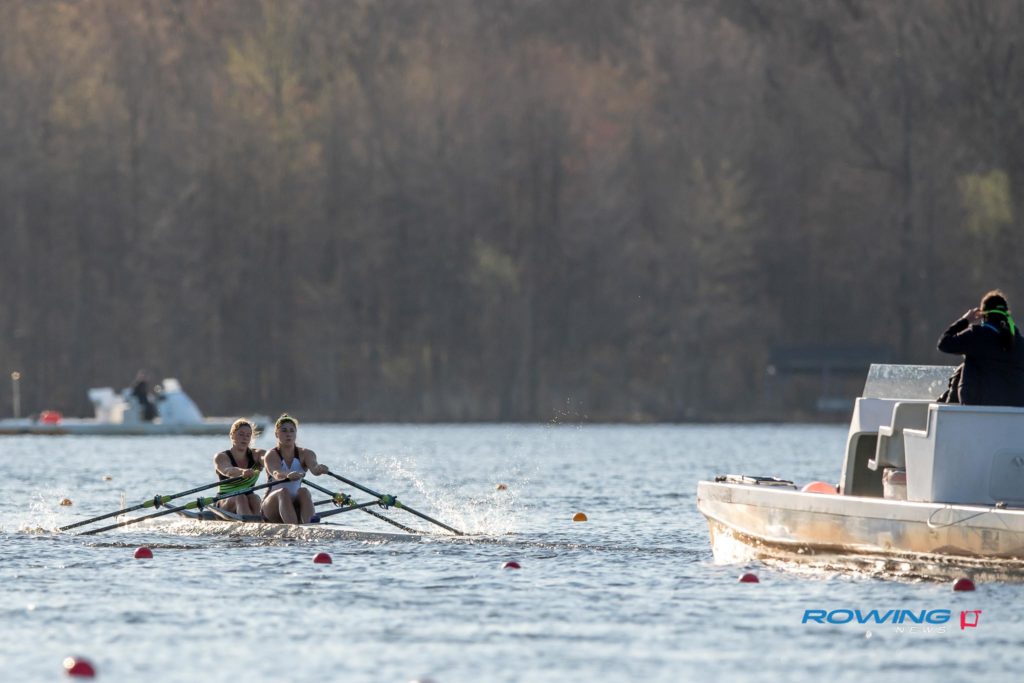
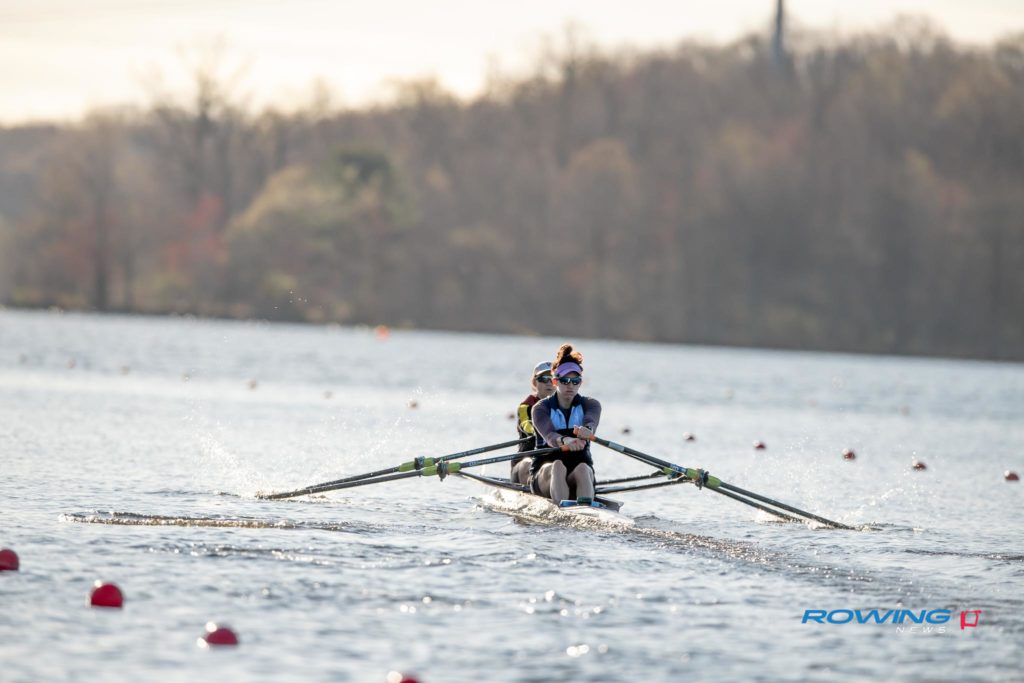
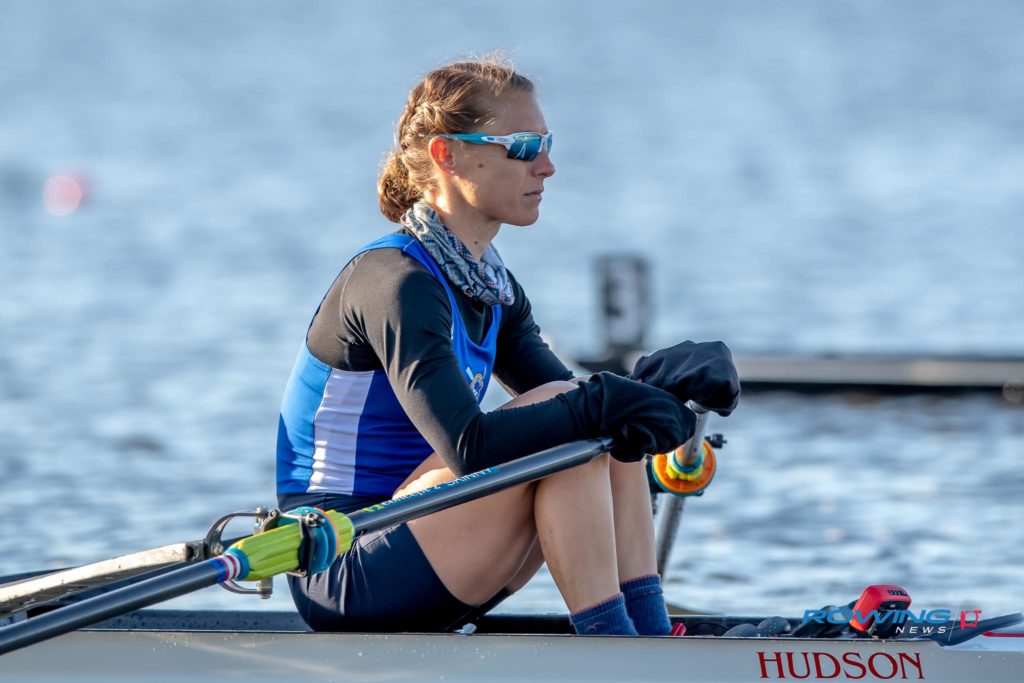
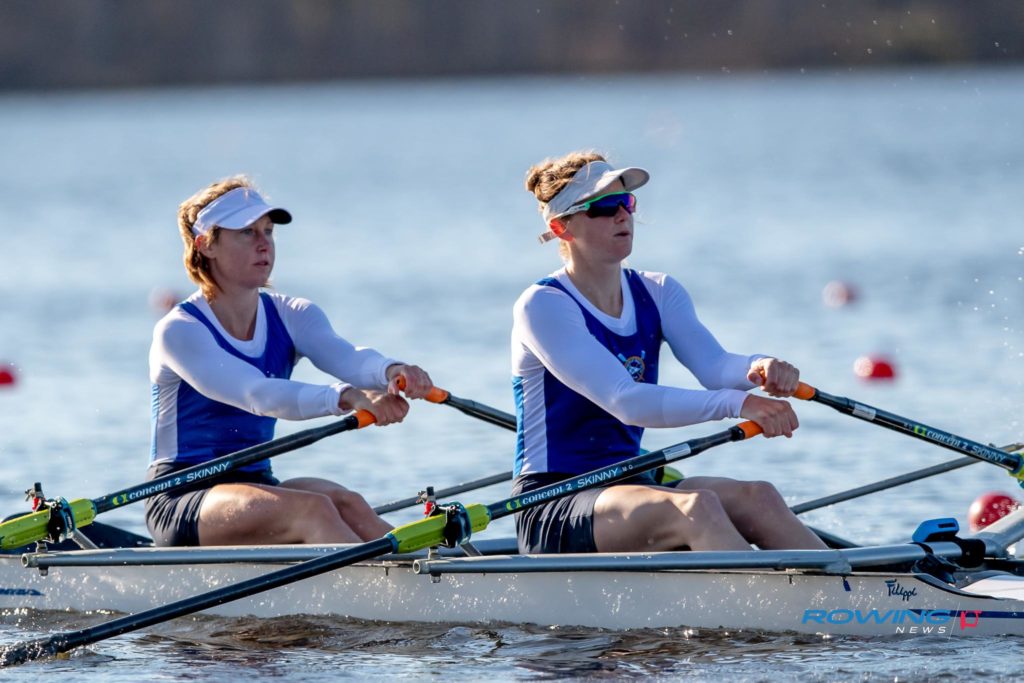
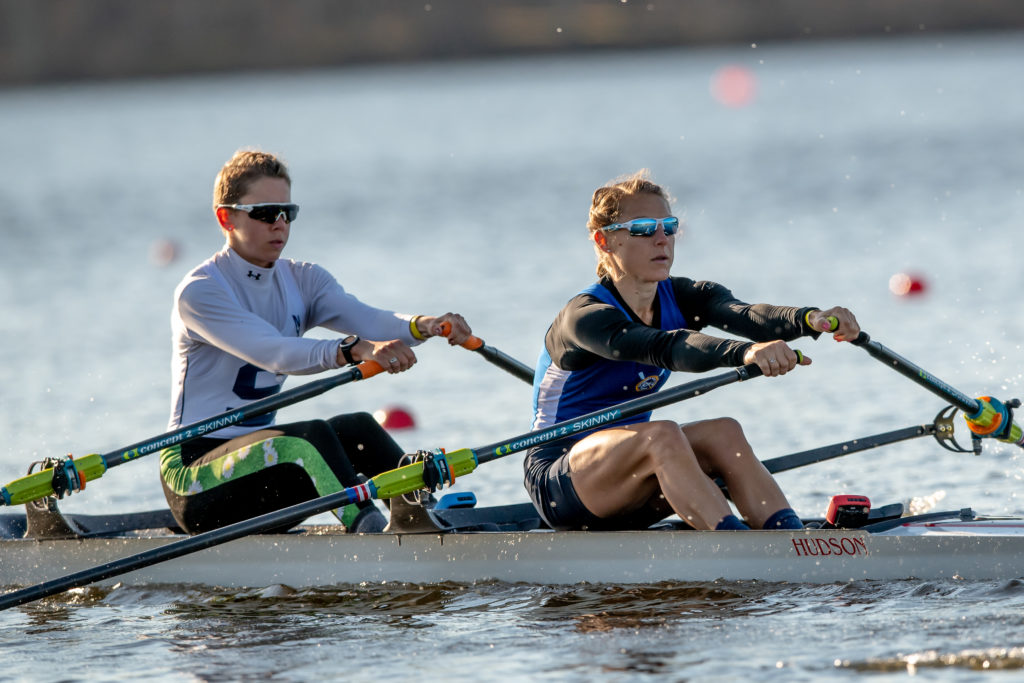
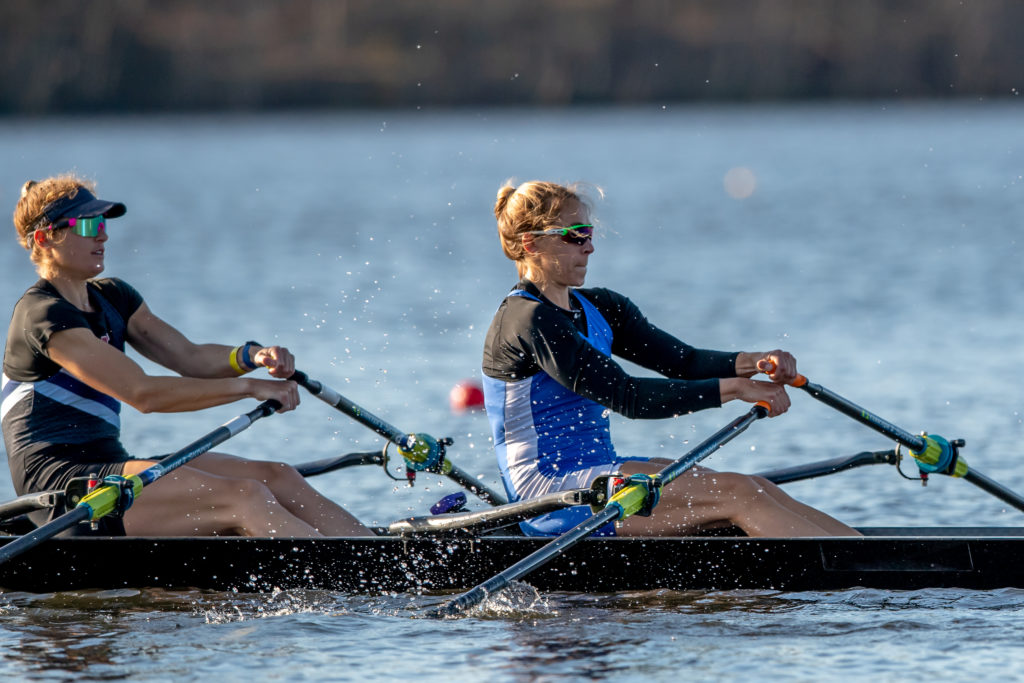
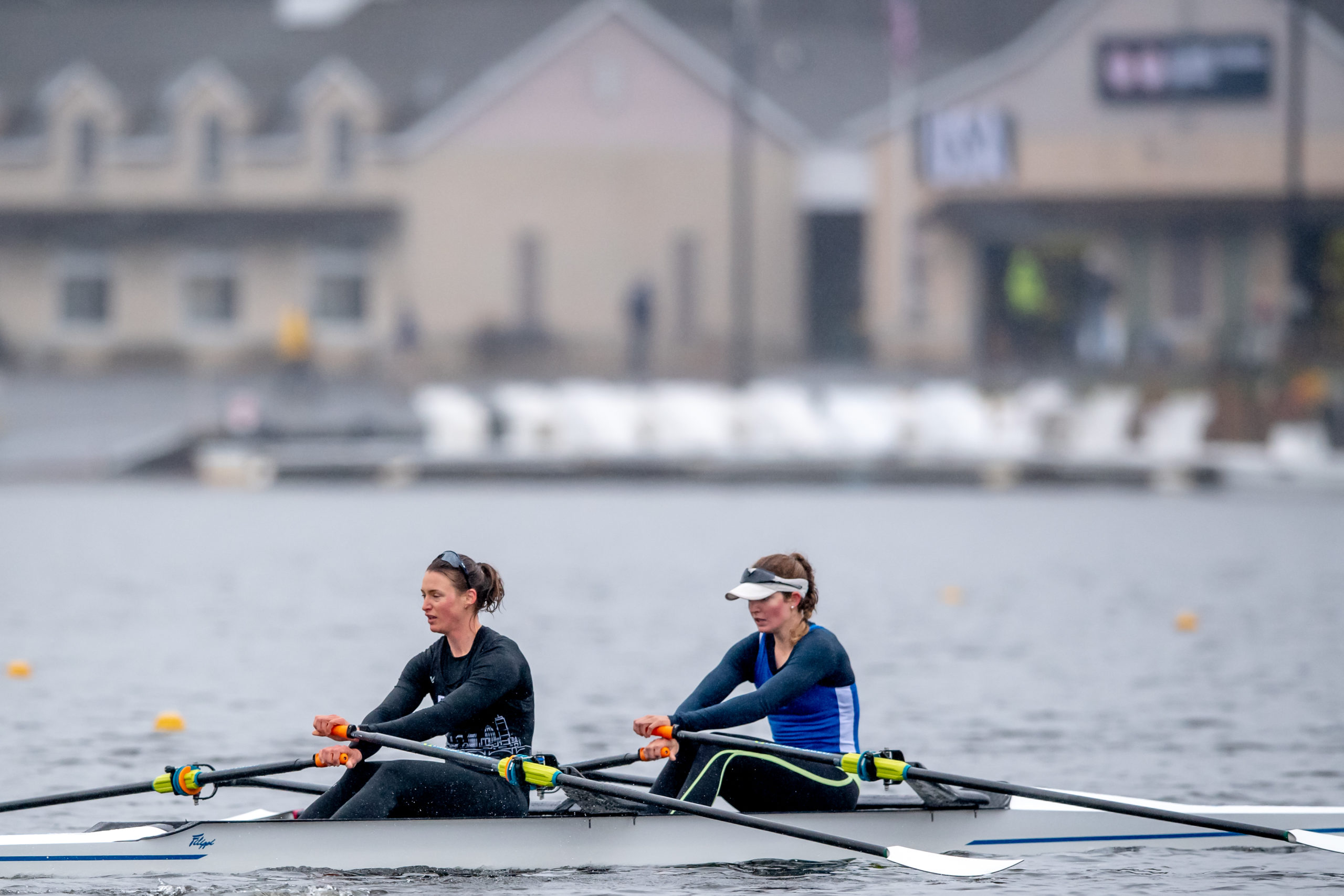
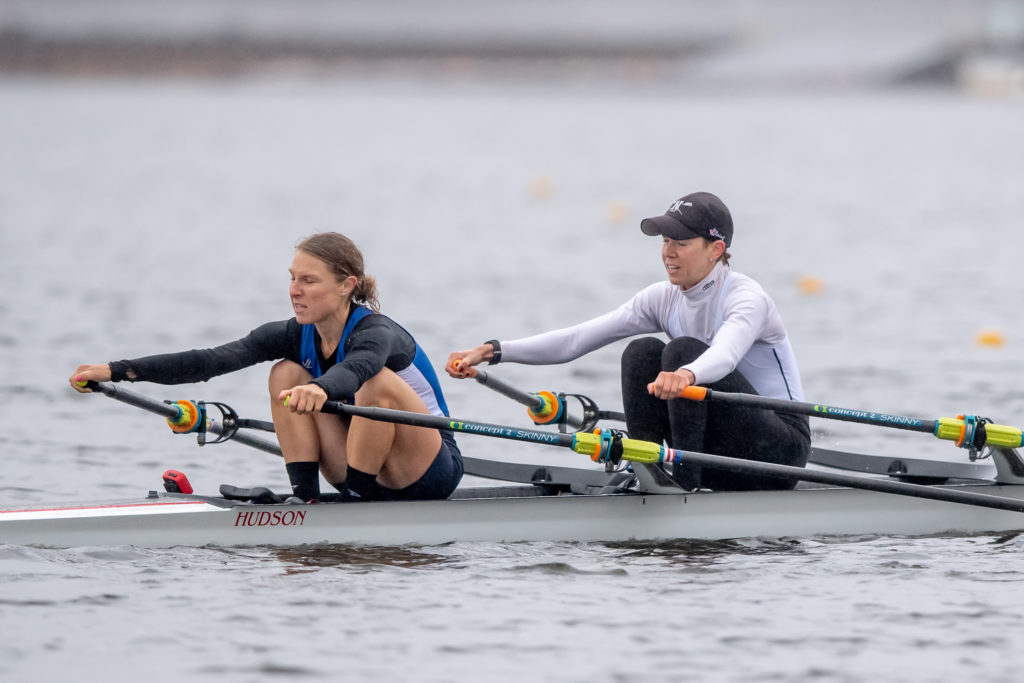
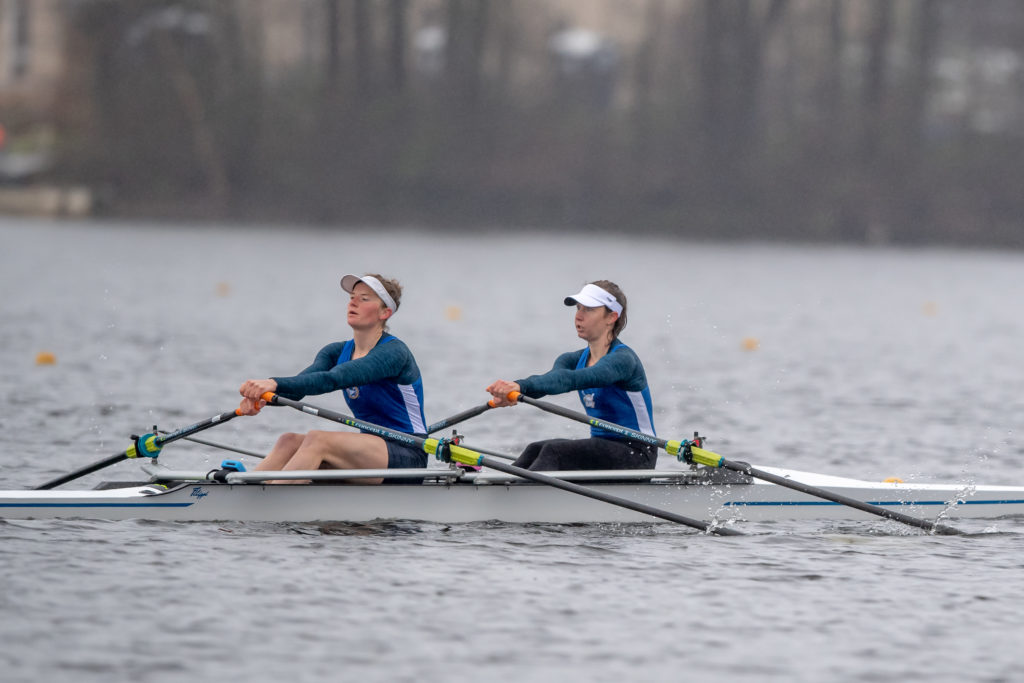
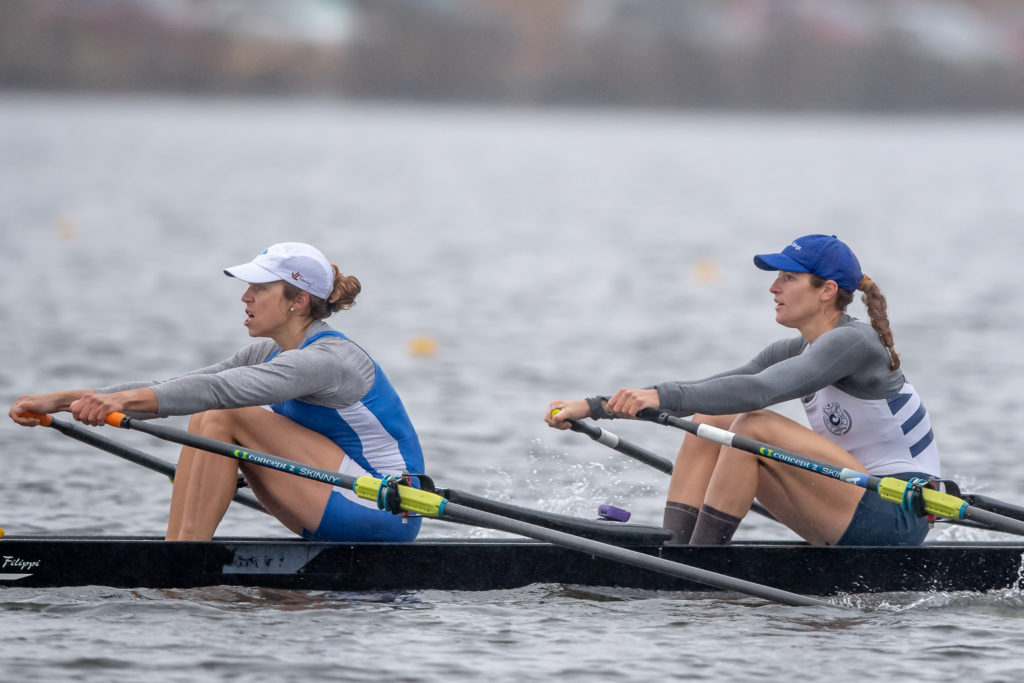
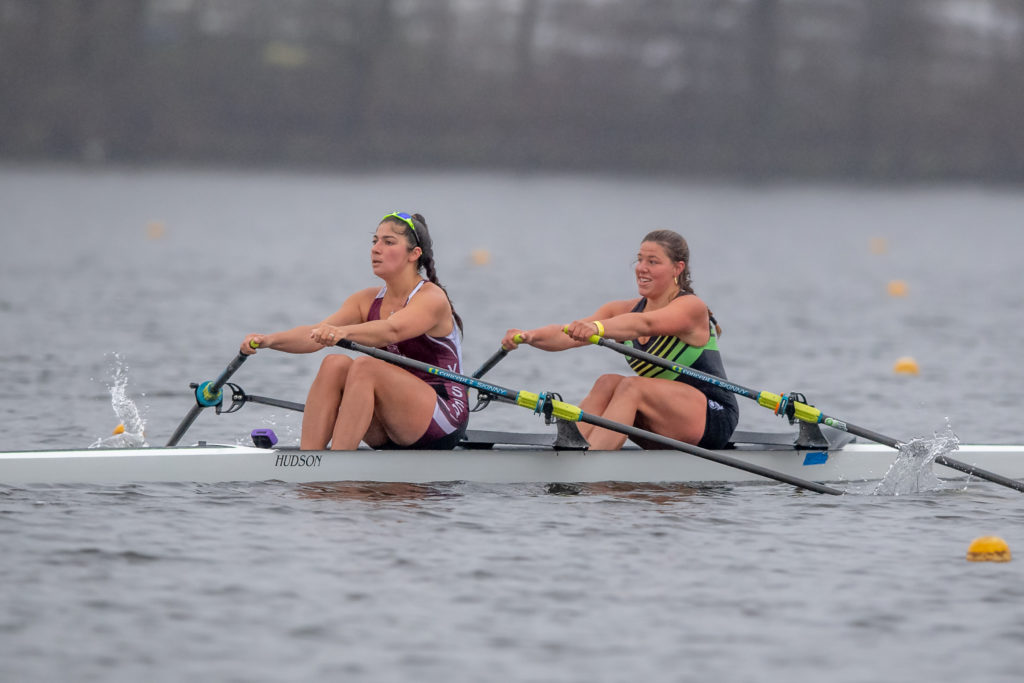
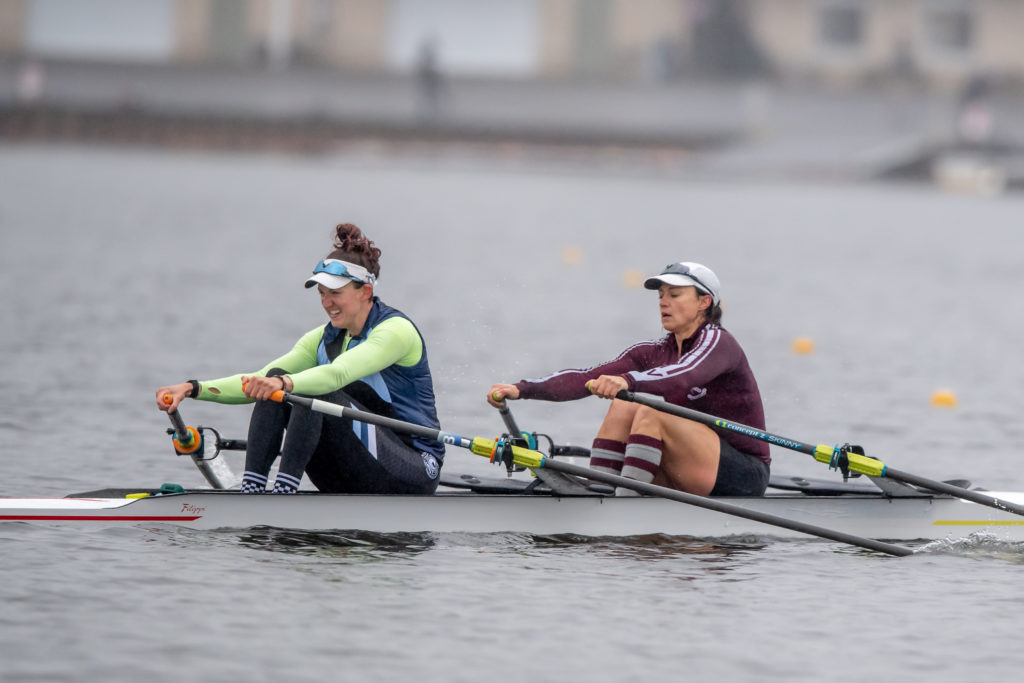
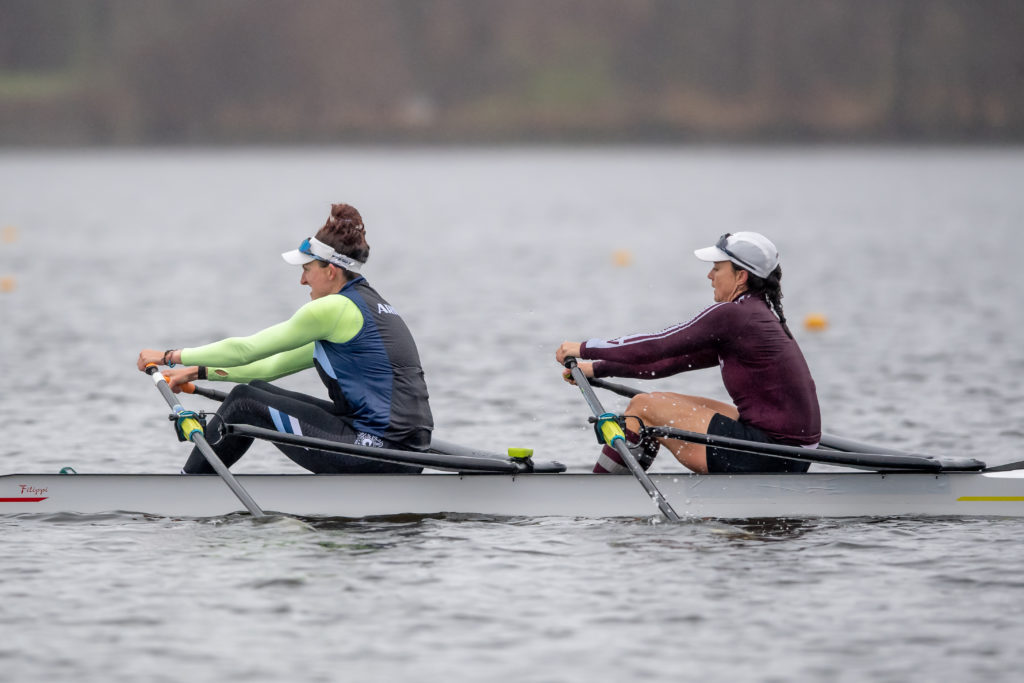
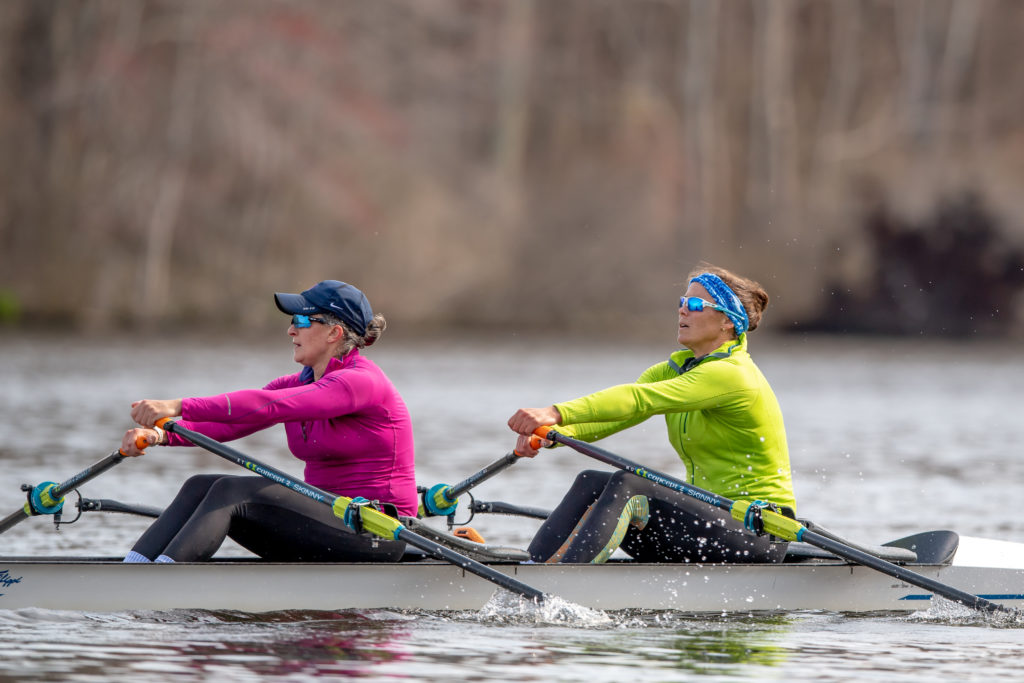
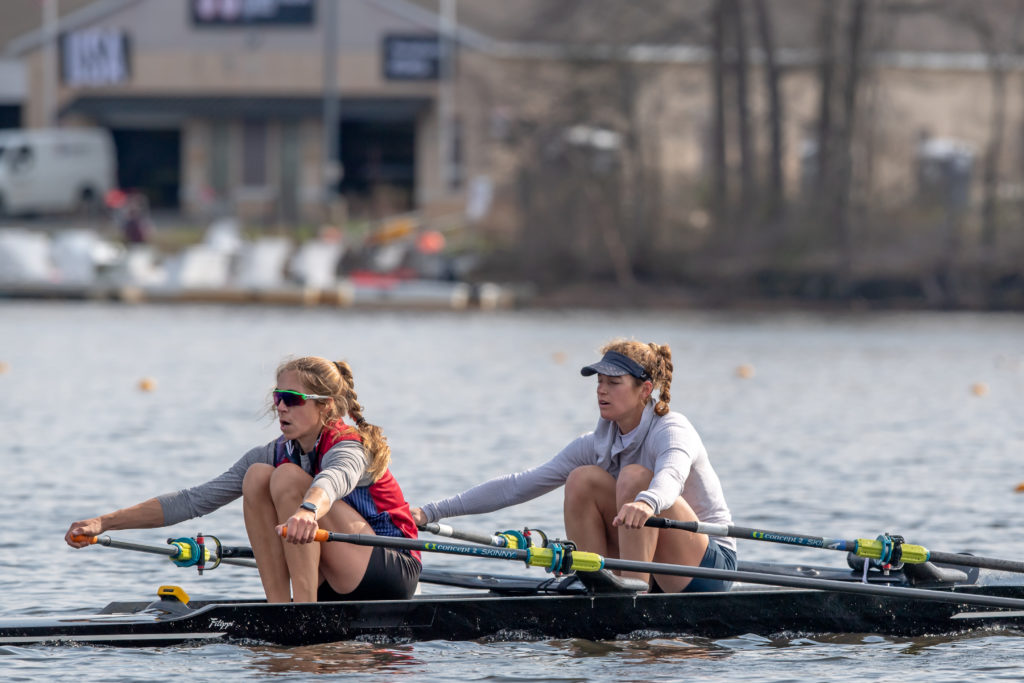
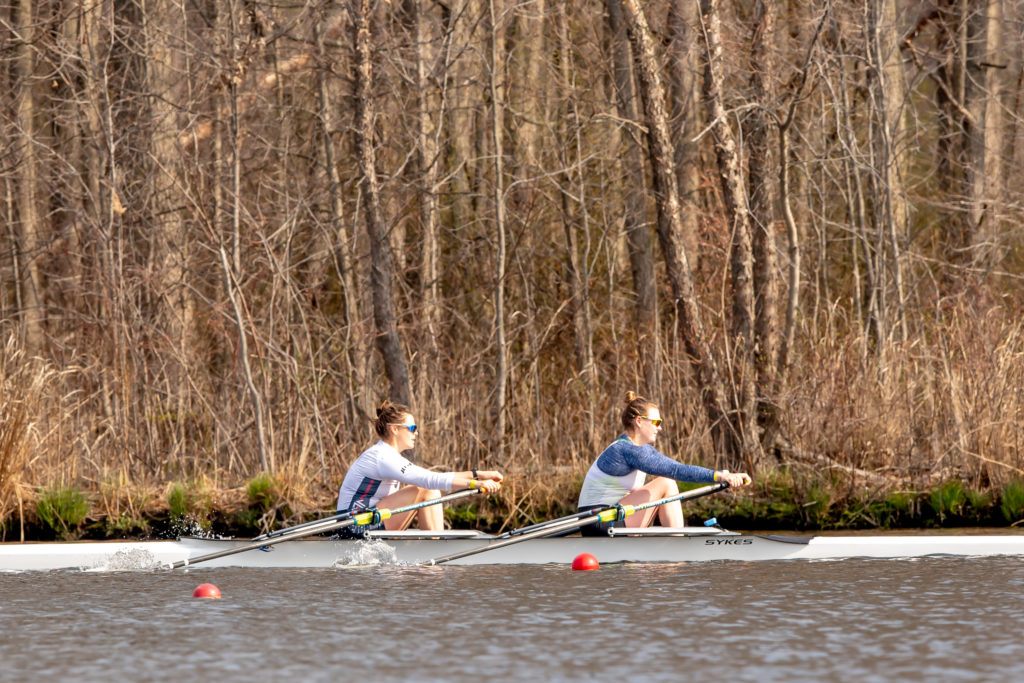
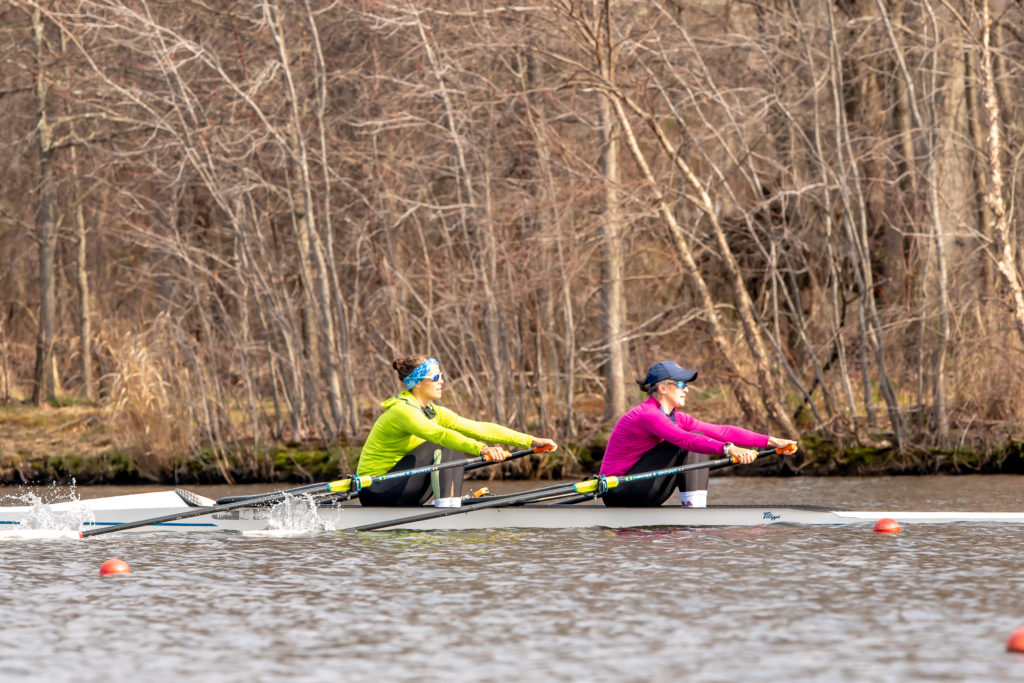
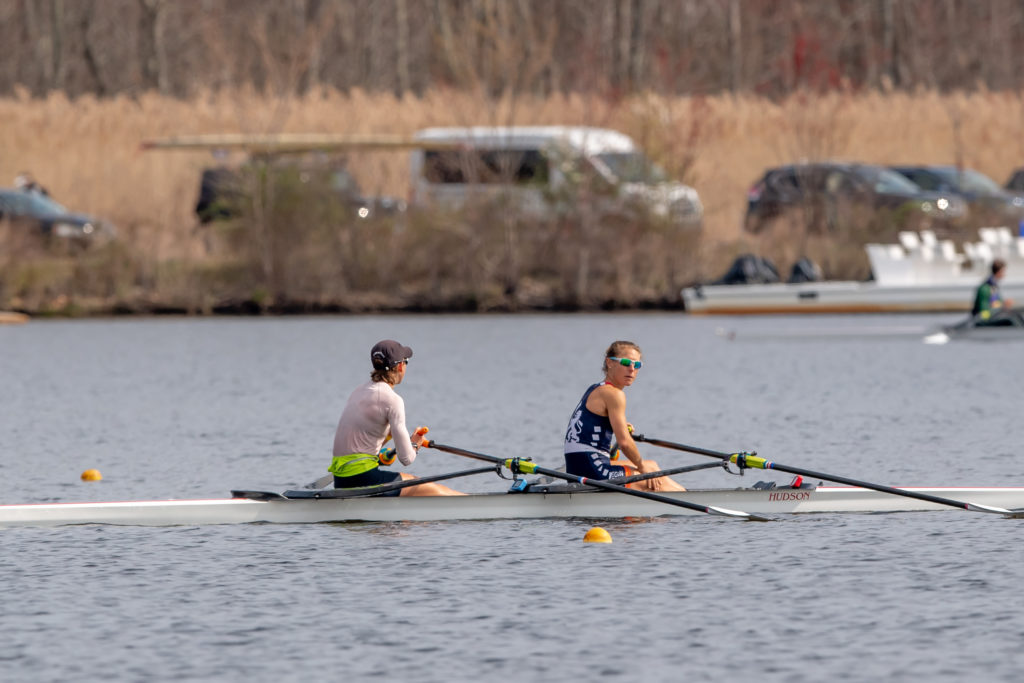
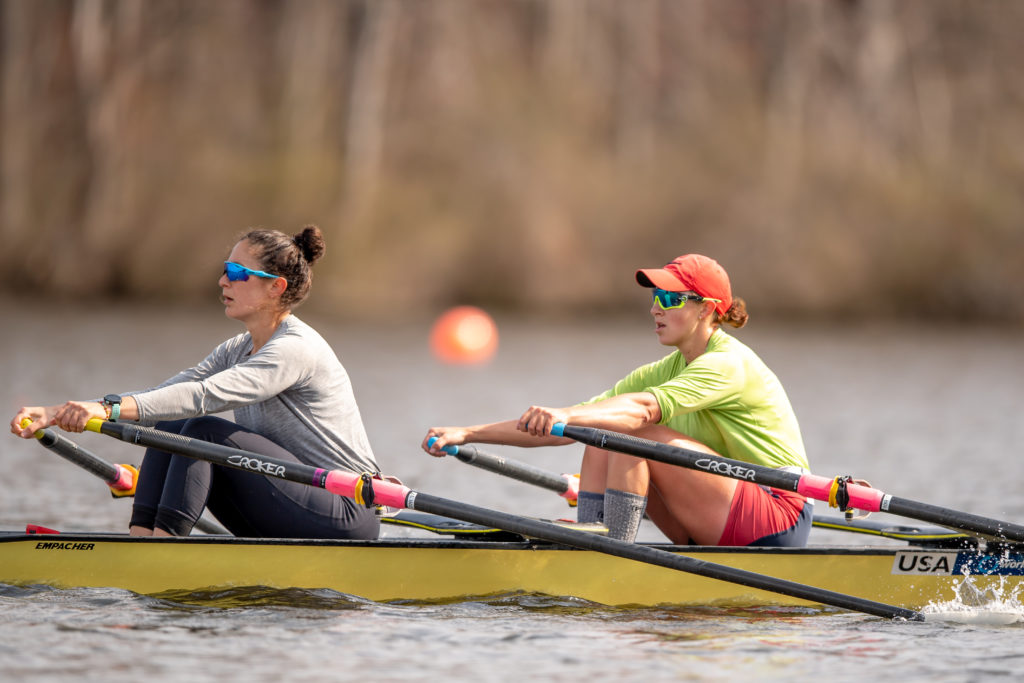
Sechser and Reckford did not disappoint. Right from the start, the two crews fought their way down the course, with Stone and Wagner crossing the finish first in 7:21.45 and the lightweight women right behind them in second in 7:23.15, the two best times of the four heats in the event.

Stone and Wagner moved directly into the Wednesday semifinals, while Sechser and Reckford had to row again Tuesday afternoon in the reps to advance.

“We expected Michelle and Molly to be fast and they proved us right,” said Stone. “We know they’re fast from what they did in Sarasota. It was fun to have a competitive enough field that you have to work hard in the heat. It’s fun to go side-by-side down the course.”

It was not as much fun for Sechser and Reckford since they had to row twice in one day just ahead of a semifinal race in the morning. The schedule was not originally set up that way, but the weather this week is challenging.

The Monday opening time trials were run in a cold rain and by Monday evening the weather forecast for Thursday forced changes in the week’s schedule. Instead of holding the reps Wednesday and the semifinals Thursday, the Thursday schedule was wiped out and everything but the Friday finals were moved up.

Still, Sechser and Reckford went to the repechage and advanced to the semifinal. 

“We’ve been training through it because our goal is [the Final Olympic Qualification Regatta] Lucerne, but I think we both like going into races with the attitude of try to win every single time you are on the water,” Reckford said.

“It’s a very exciting feeling. I don’t think I expected to have done what we did today, just in terms of percentages of times. These are all athletes I’ve looked up to for a long time and it’s very cool to get to race against them and to test our speed against them.”

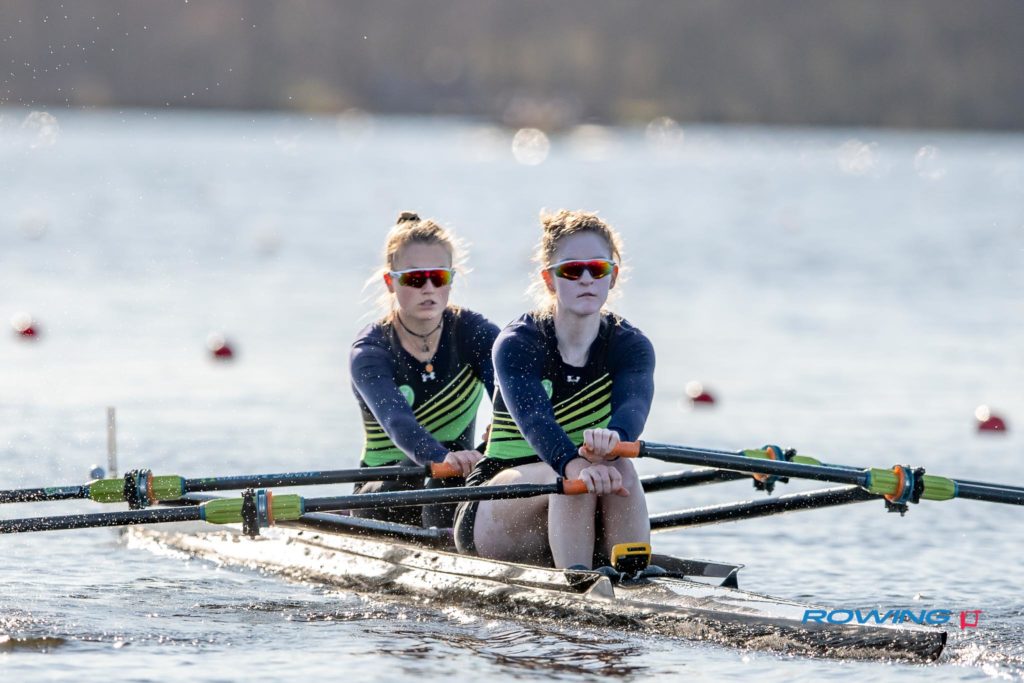
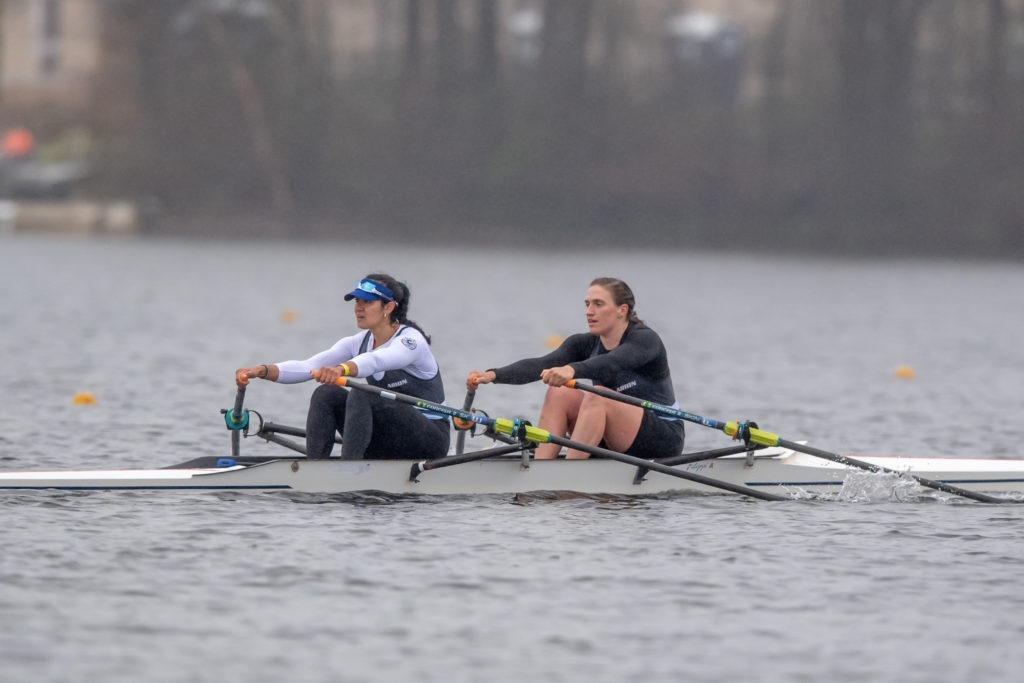
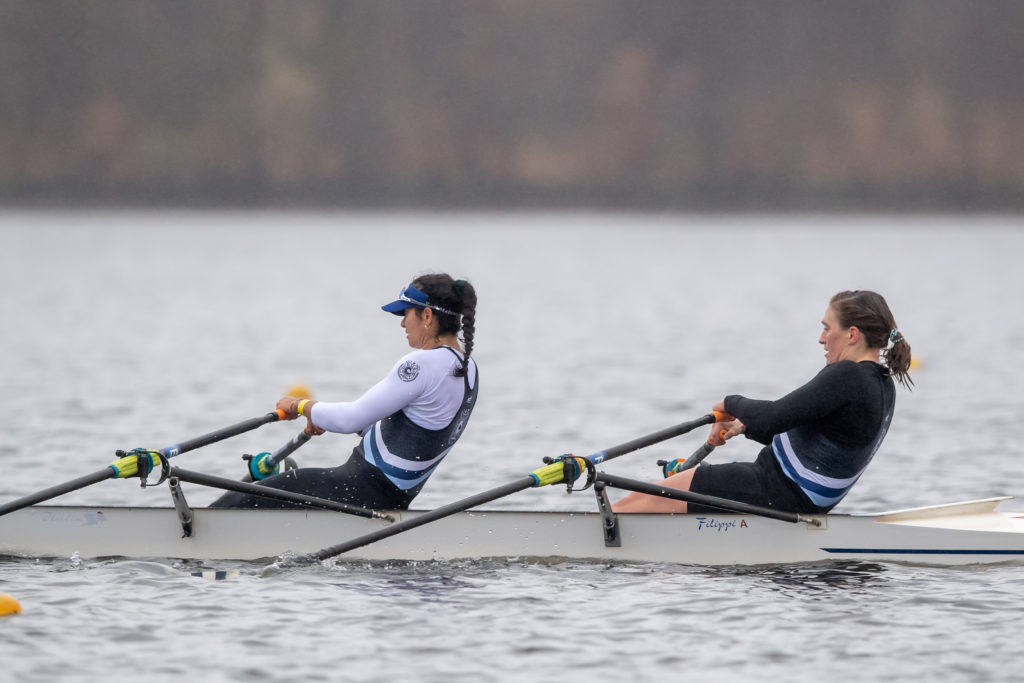
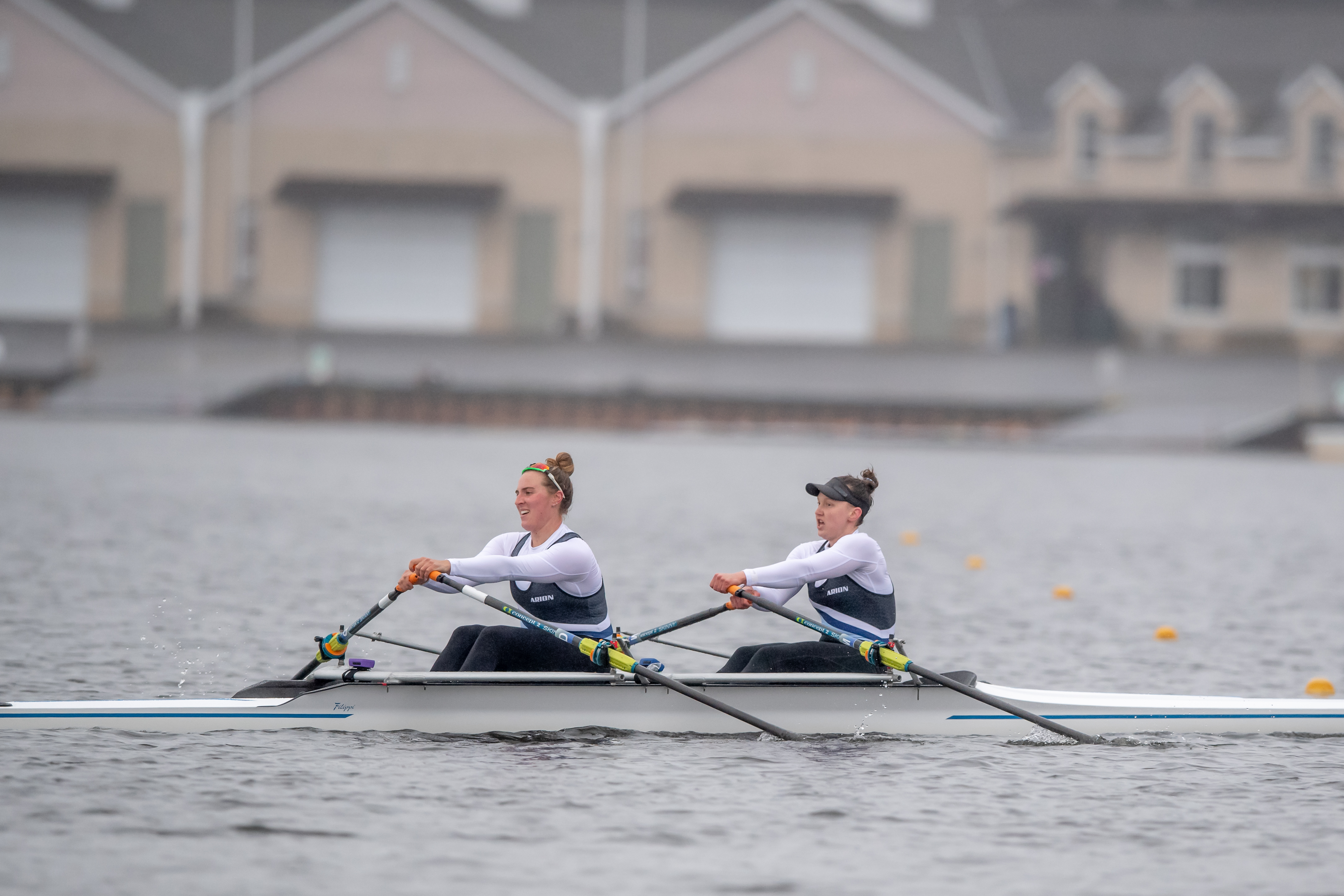
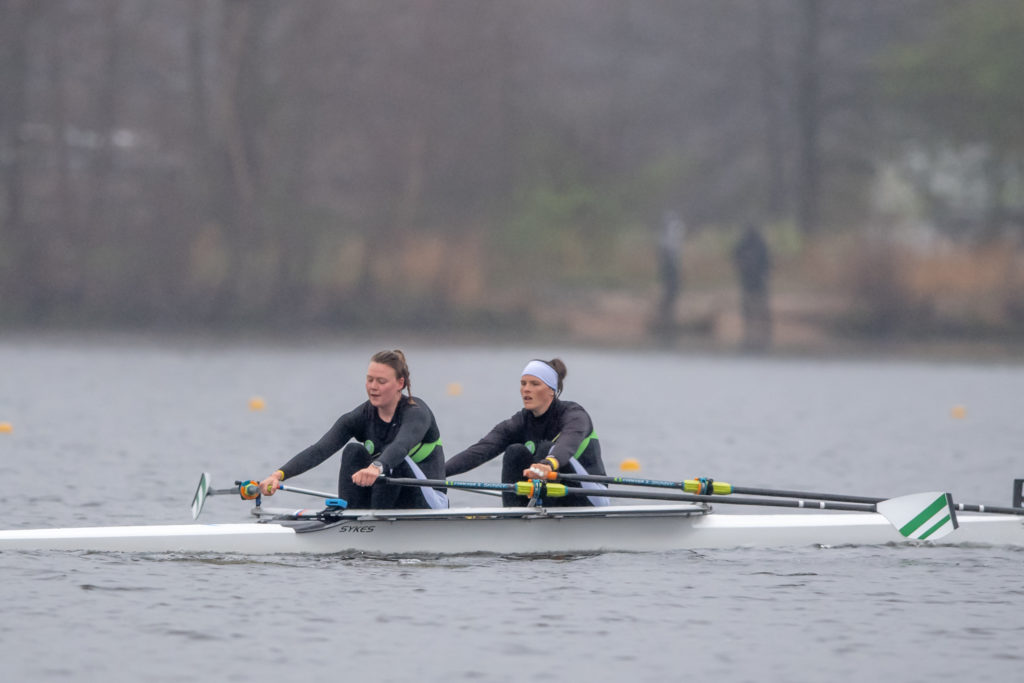
Also advancing from the reps were Ali Rusher and Mary Nabel, from Cambridge, Savannah Brija and Hannah Paynter from ARION, and the composite entry from Vesper Boat Club and Green Racing Project, Cristina Pretto and Emily Delleman.

The women’s double semifinal will take place Wednesday morning along with the repechage for the men’s quad.

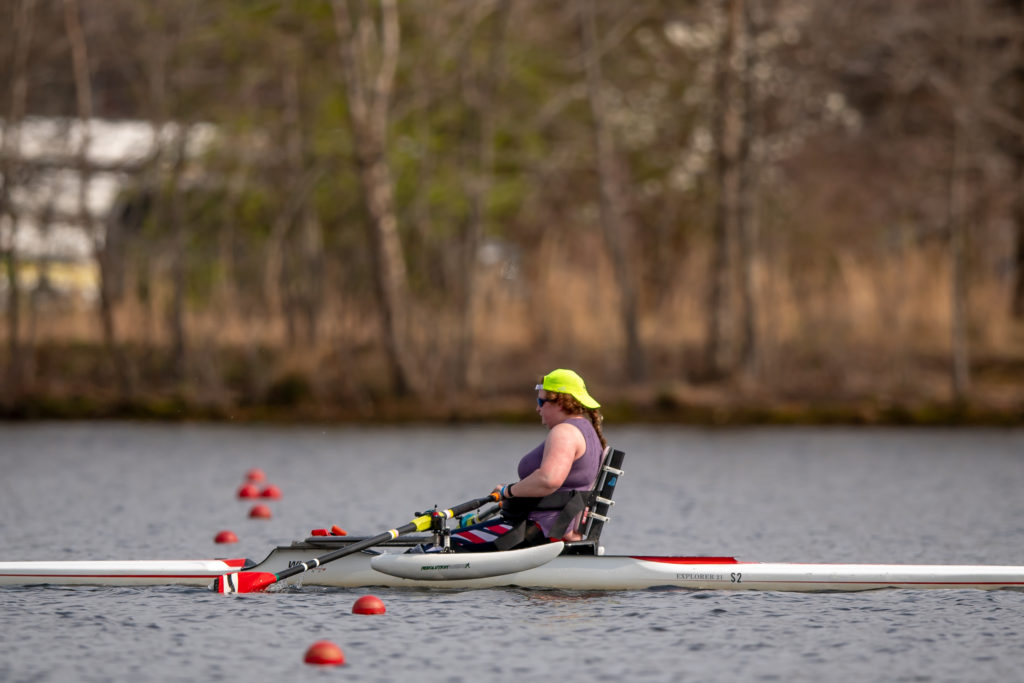
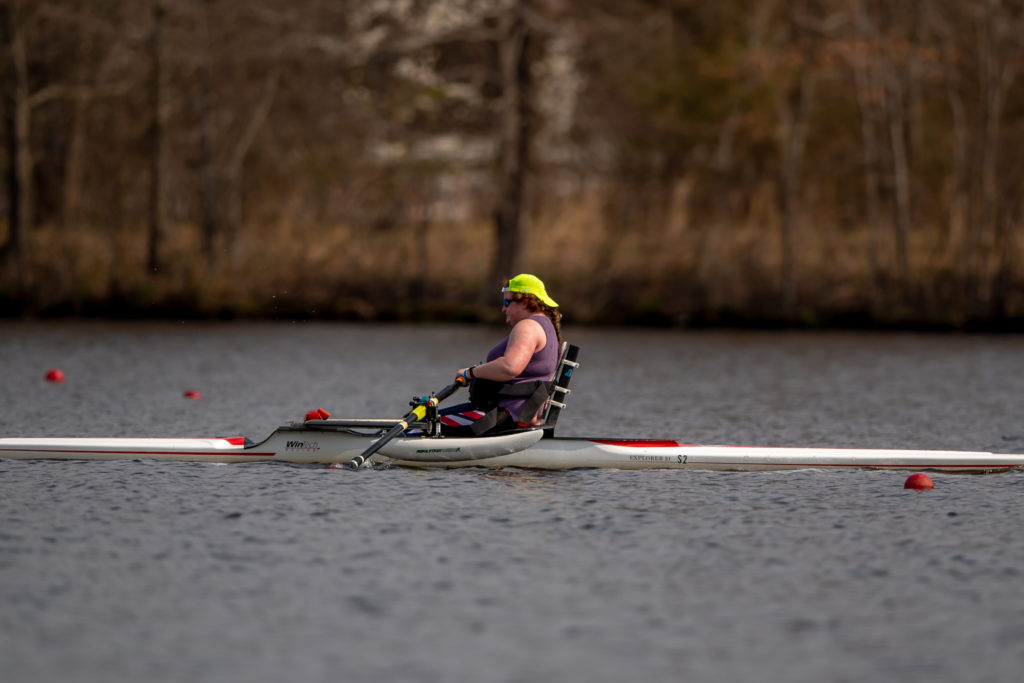
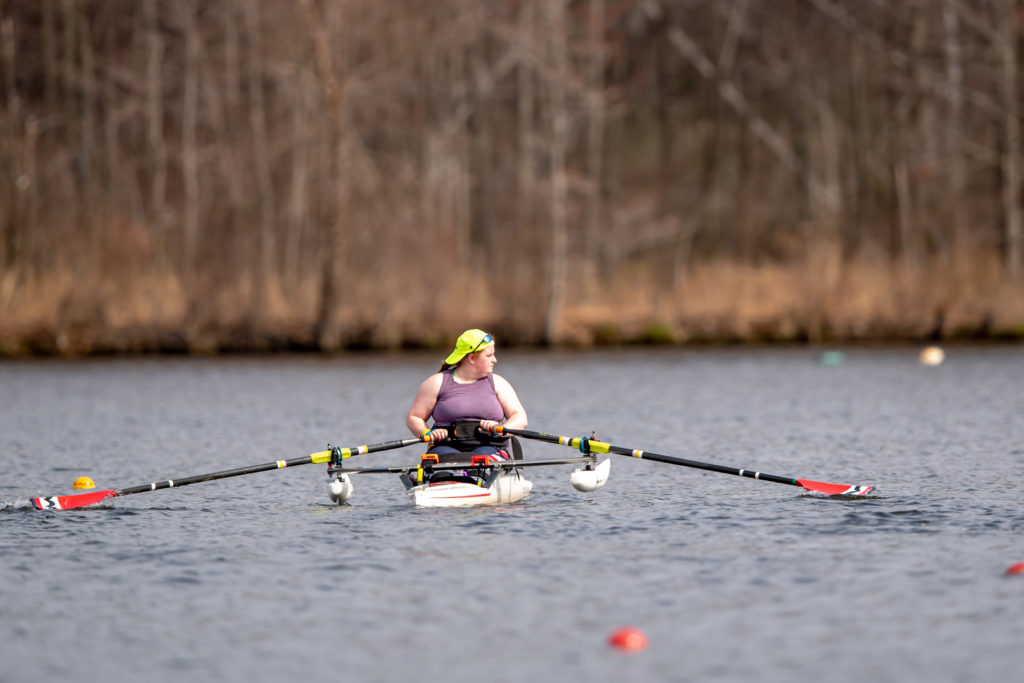
The changes also impacted the para events, which were set to race in the finals Thursday. Those three events, the men’s and women’s PR1 singles and the PR2 mixed double will take not take place Wednesday and will result in the first three crews named to the 2021 Paralympic Team.

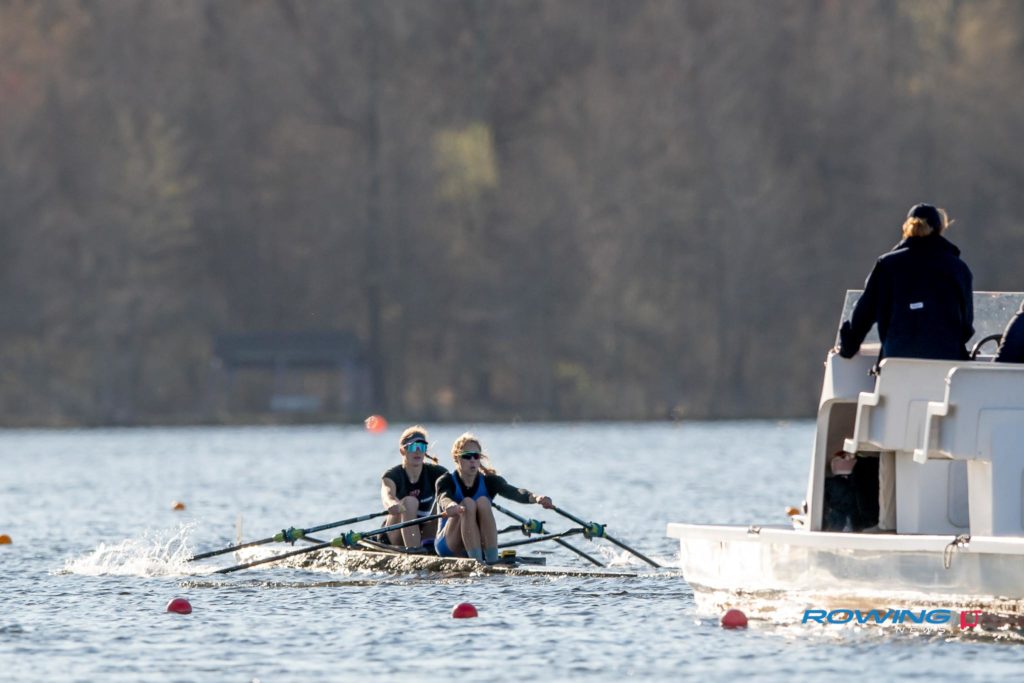
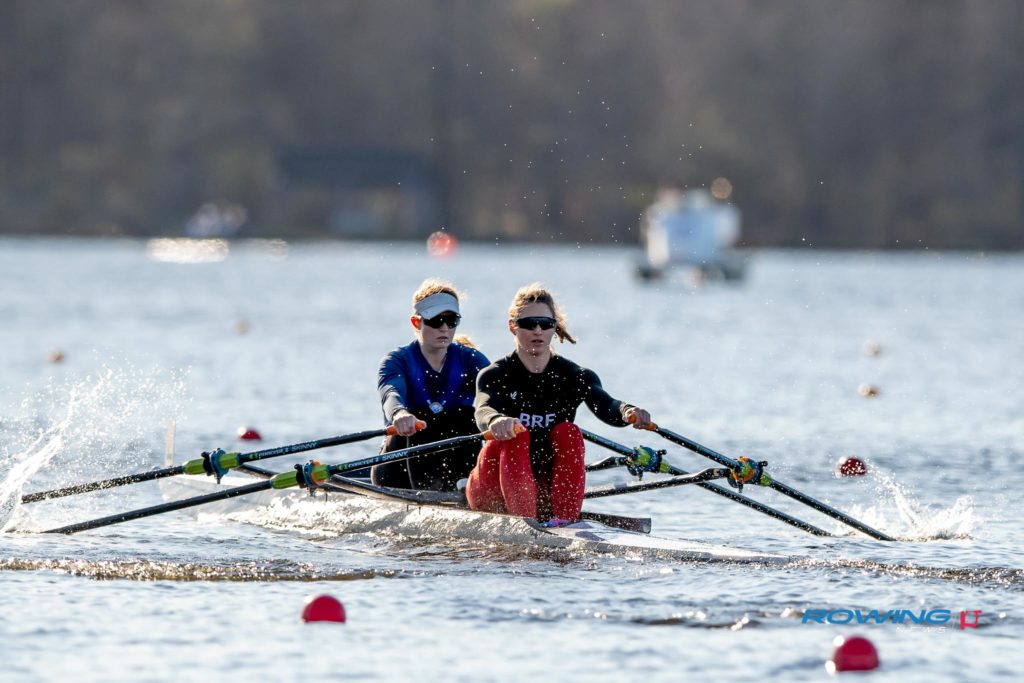
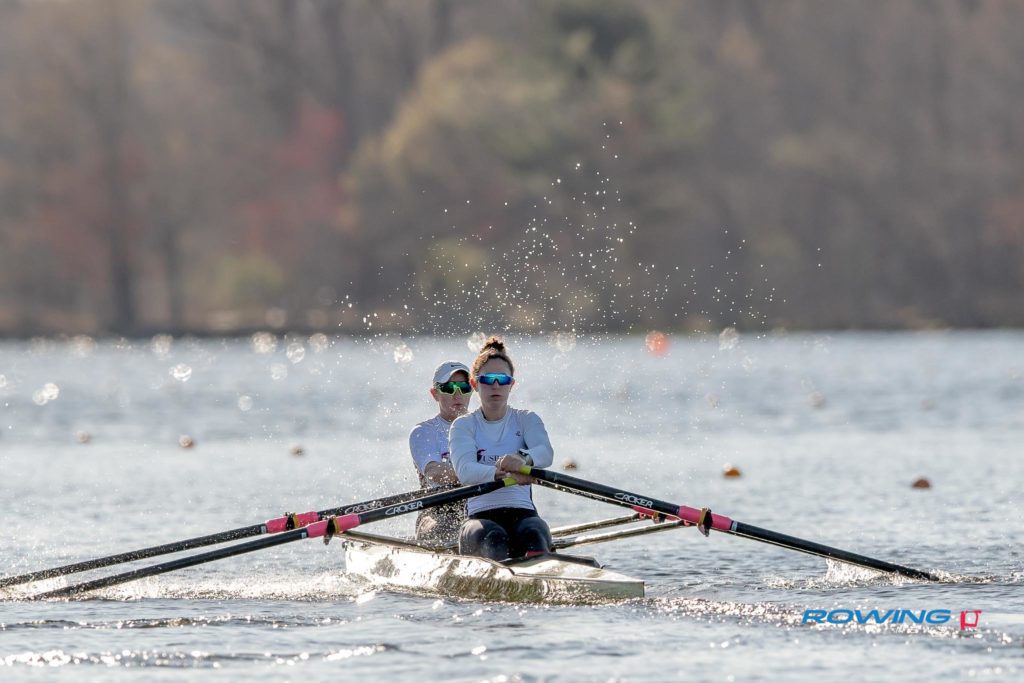
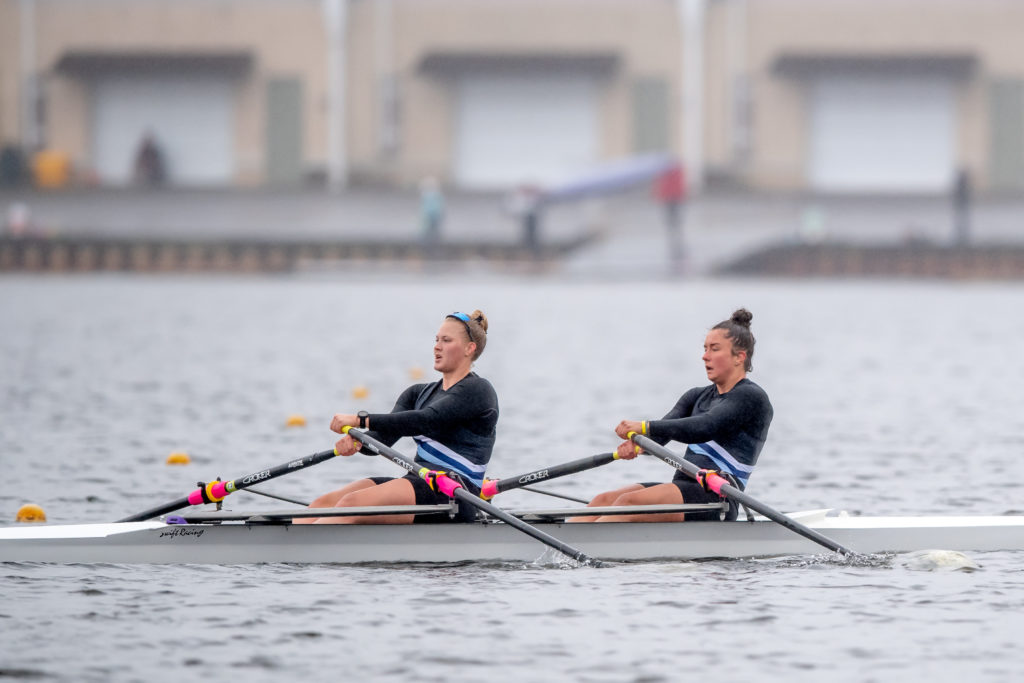
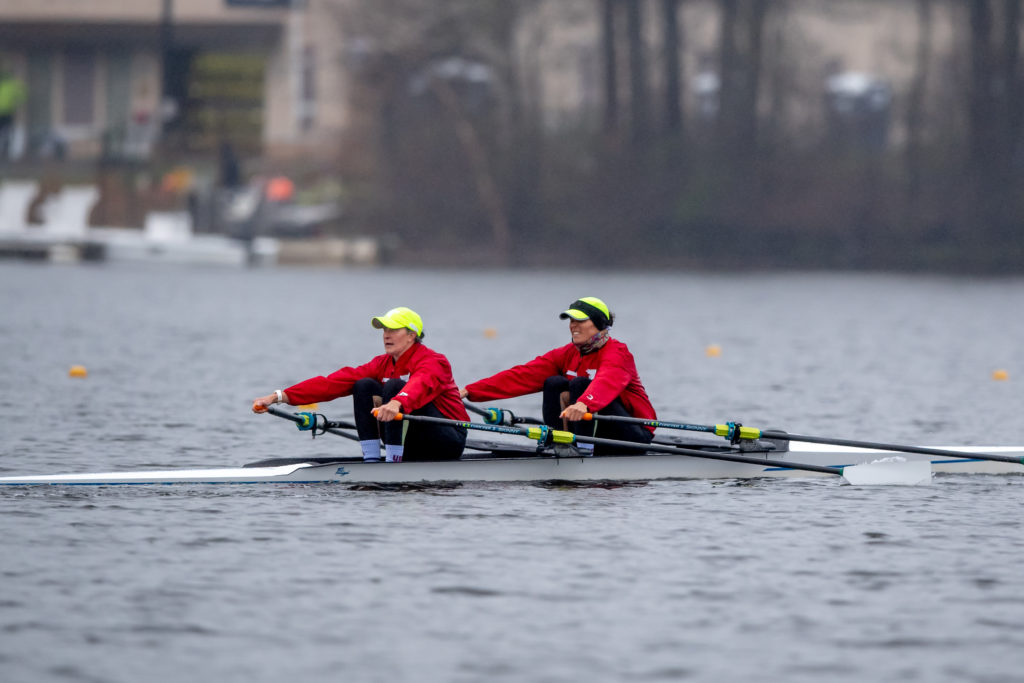
Tuesday morning saw four women’s double crews advance directly to the Wednesday semis out of four heats and four other advance from their Tuesday afternoon reps.

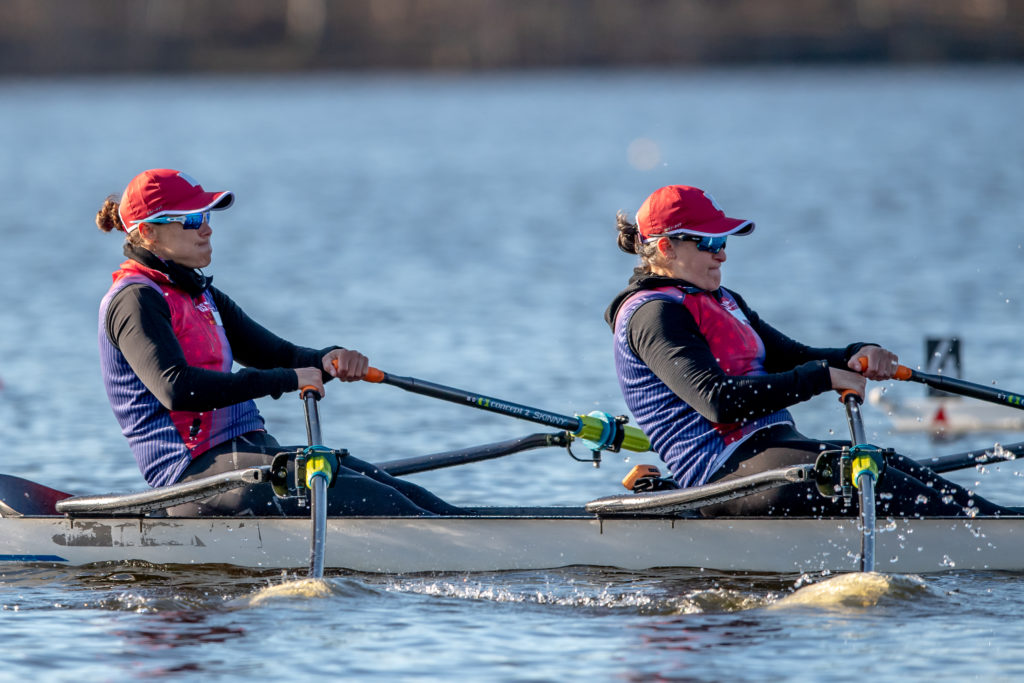
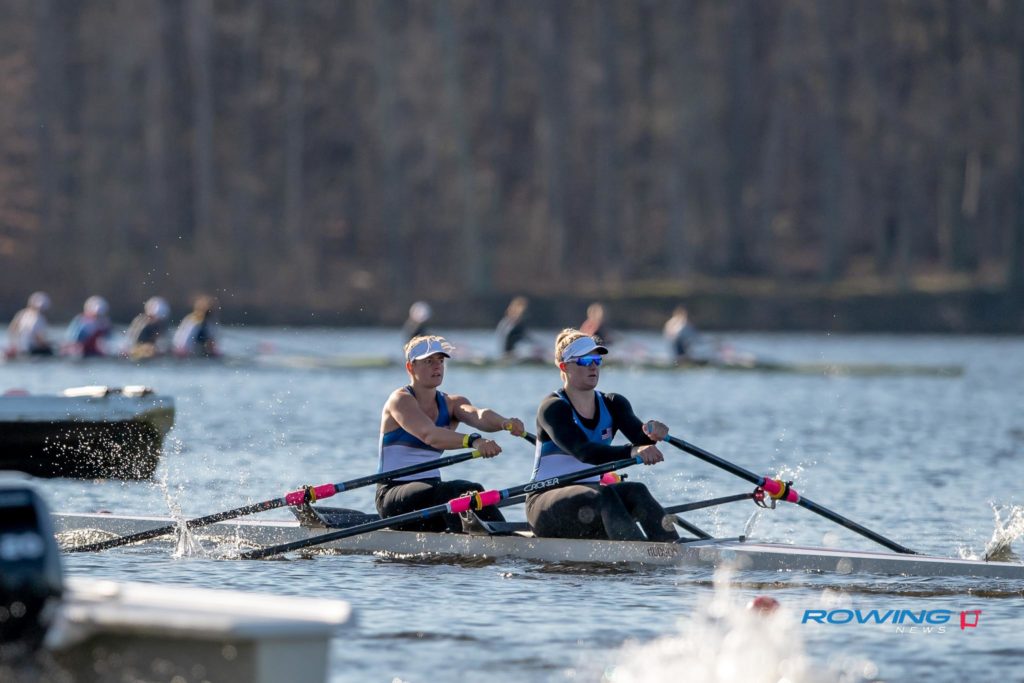
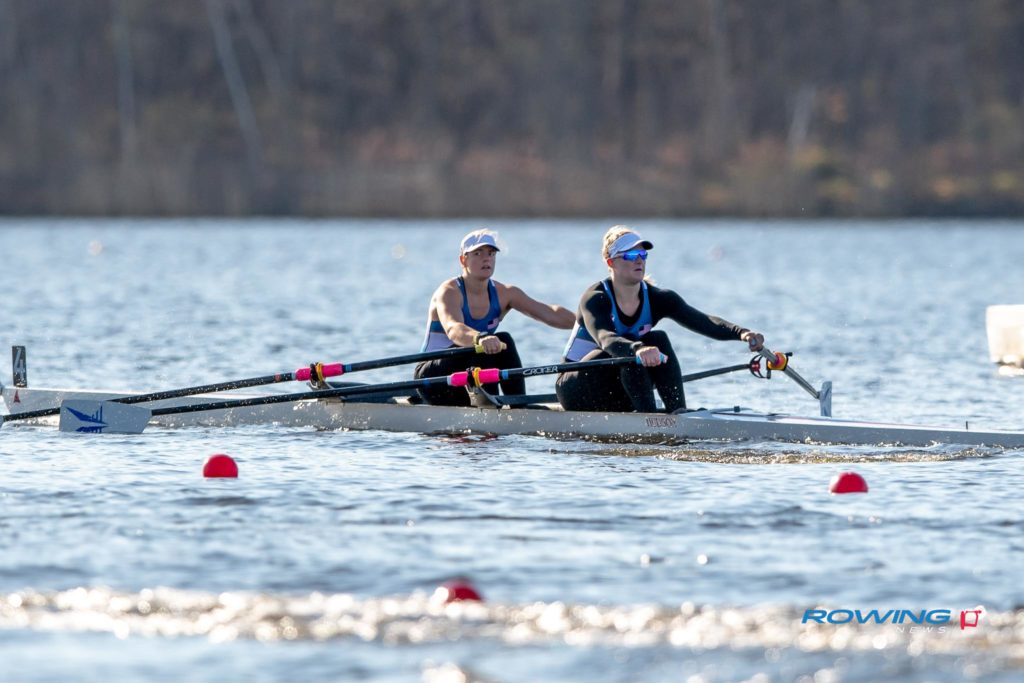
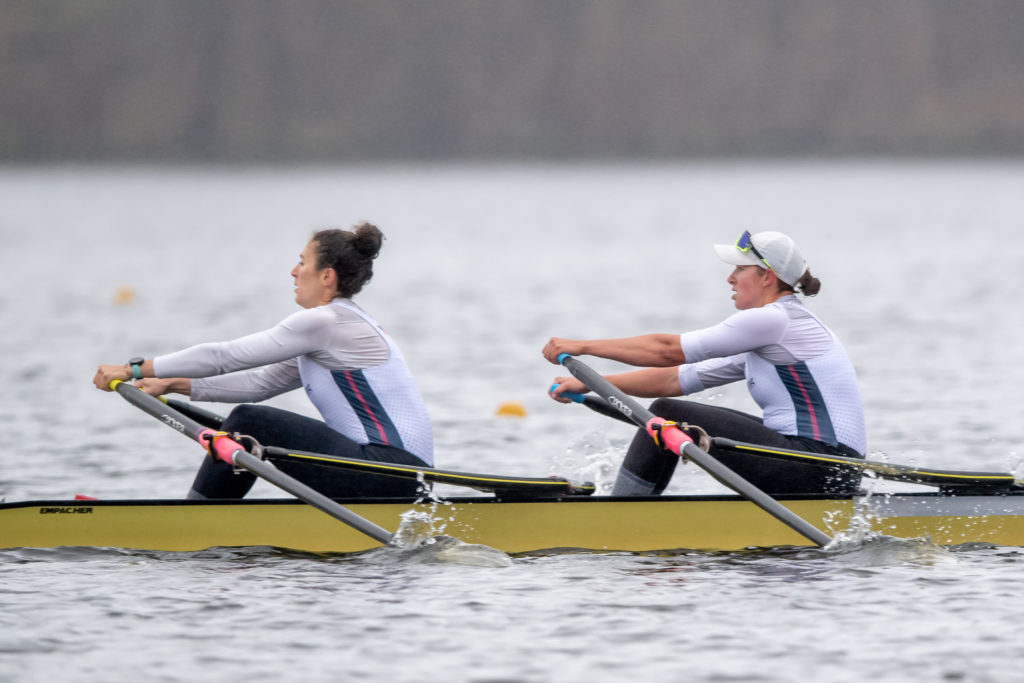
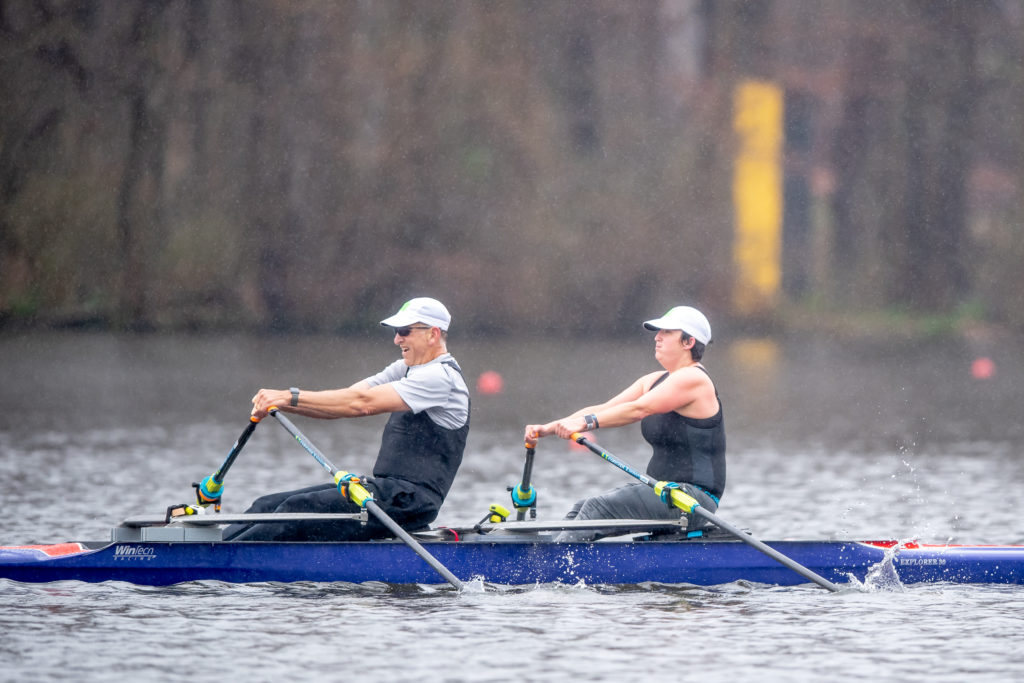
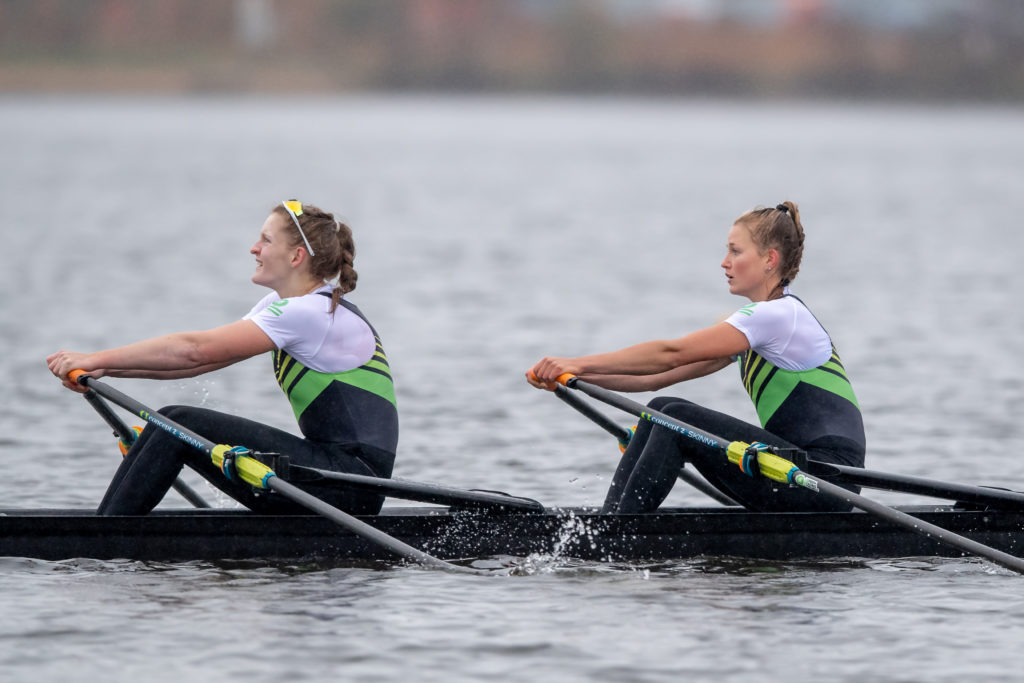
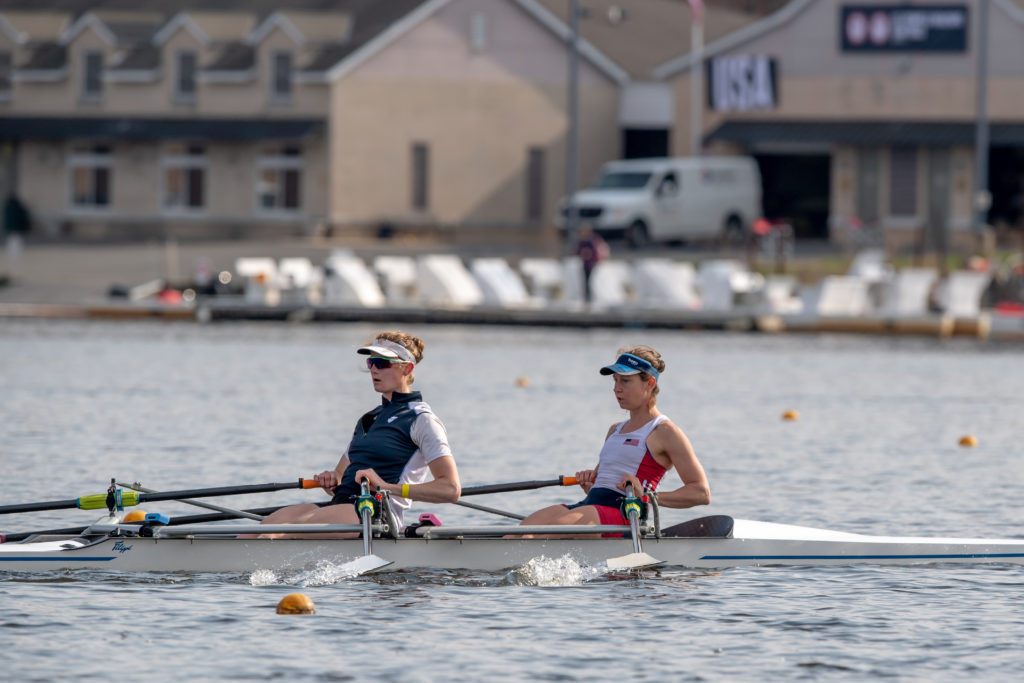
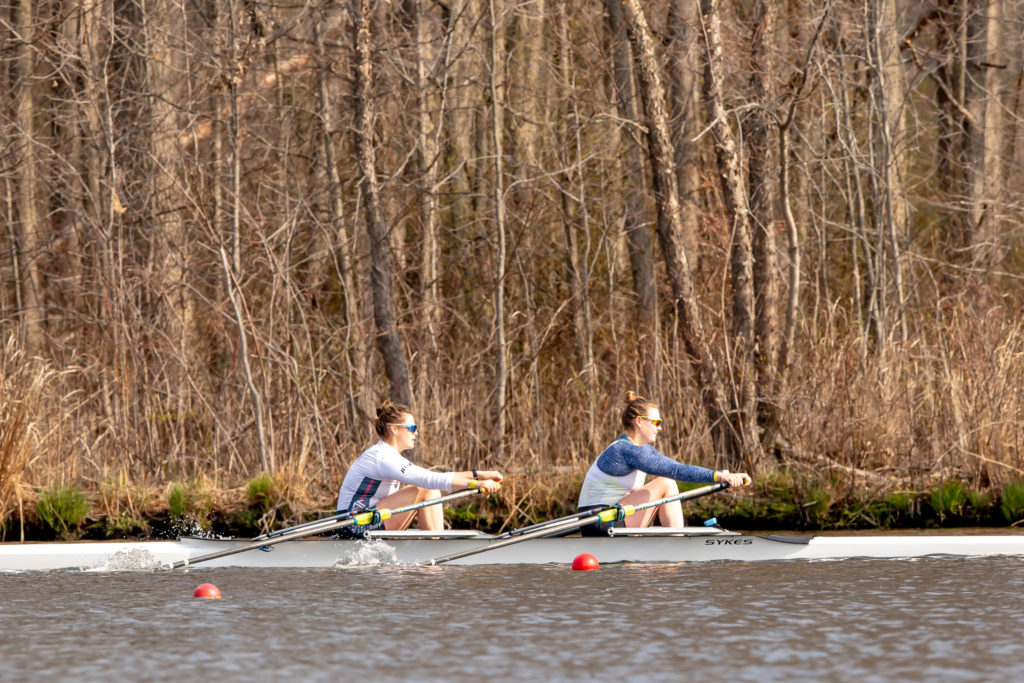
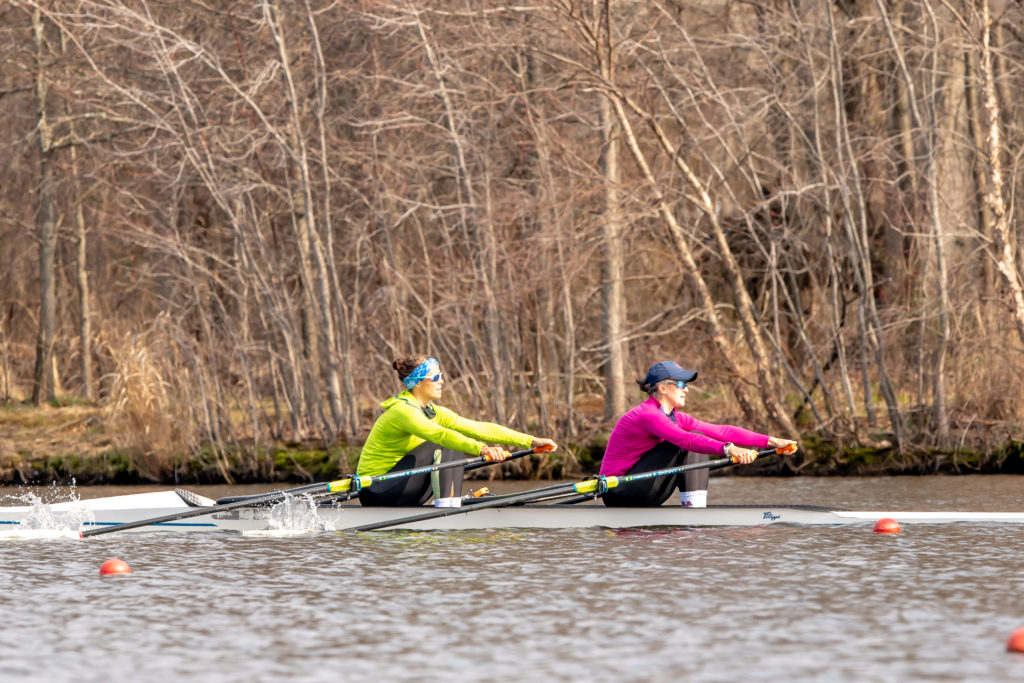
In addition to Stone and Wagner, the other crews that advanced directly were Jenifer Forbes and Sophia Vitas from the Princeton women’s U.S. training center, Cambridge Boat Club’s Margaret Fellows and Cicely Madden, and 2016 Olympians in the event, Ellen Tomek and Meghan OLeary.

“It’s been really great getting to race side by side again and especially against such a fast field” said O’Leary. “We’ve got so much talent in women’s sculling right now, and Ellen and I are excited to be racing this week.”

“It’s been really great getting to race side by side again and especially against such a fast field” said O’Leary. “We’ve got so much talent in women’s sculling right now, and Ellen and I are excited to be racing this week.”

-Meghan O’Leary

Following the women’s heat, two heats of men’s quads were run with two crews advancing to the Friday finals. The remaining two finals slots will be filled Wednesday morning.

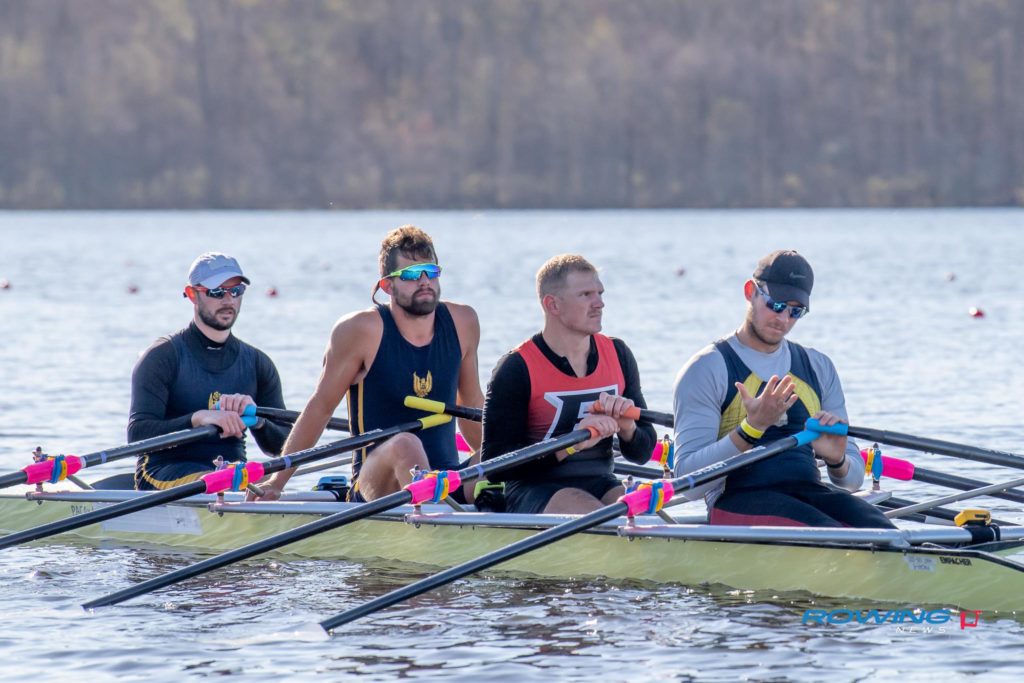
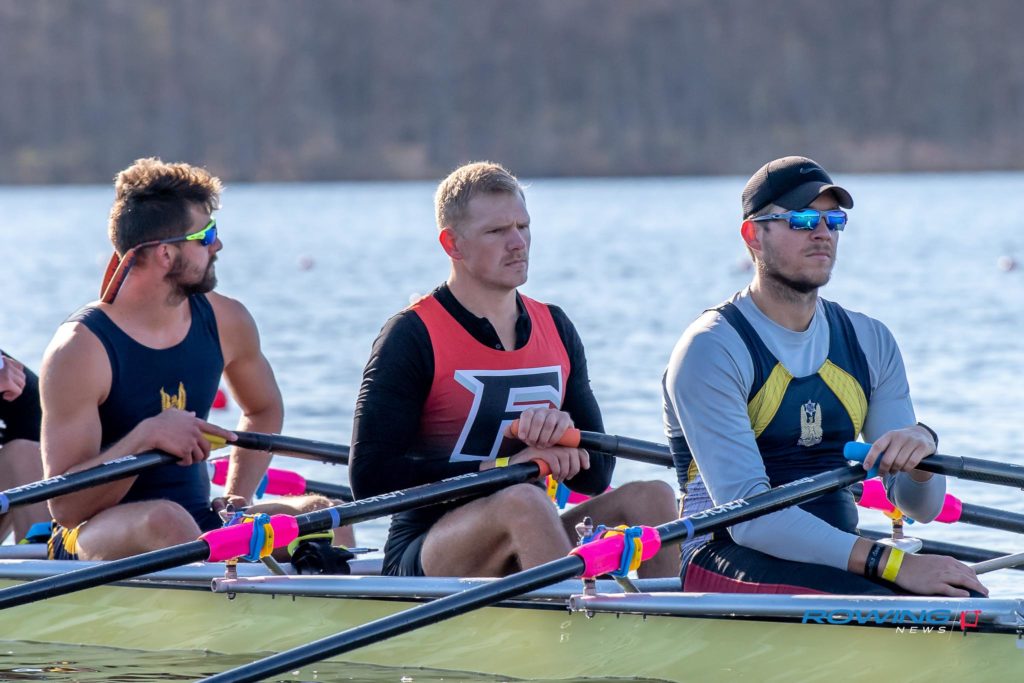
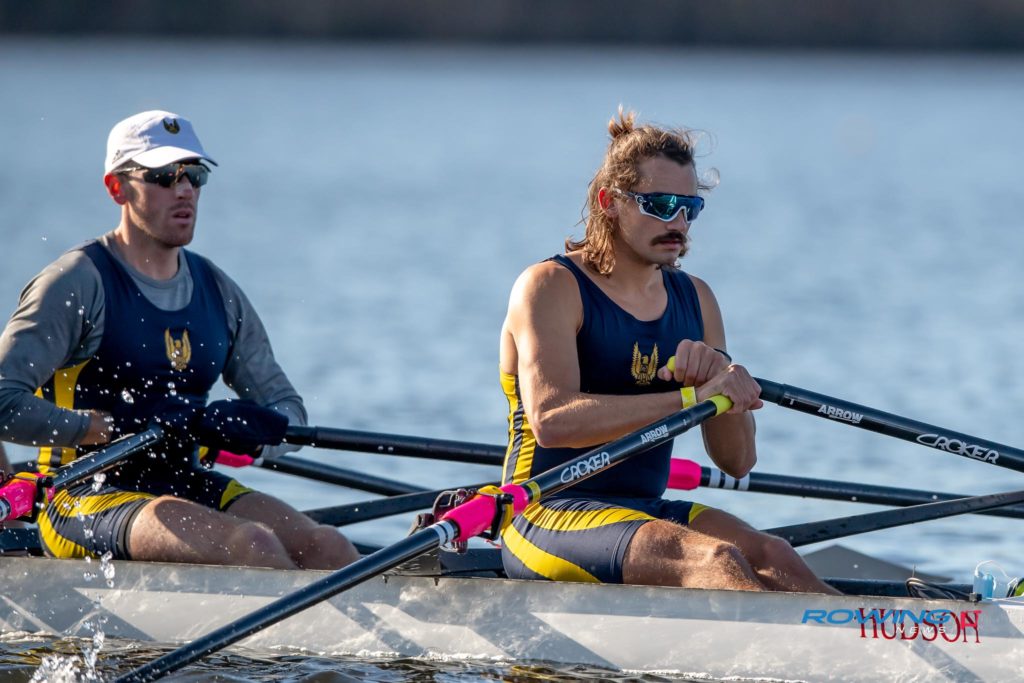
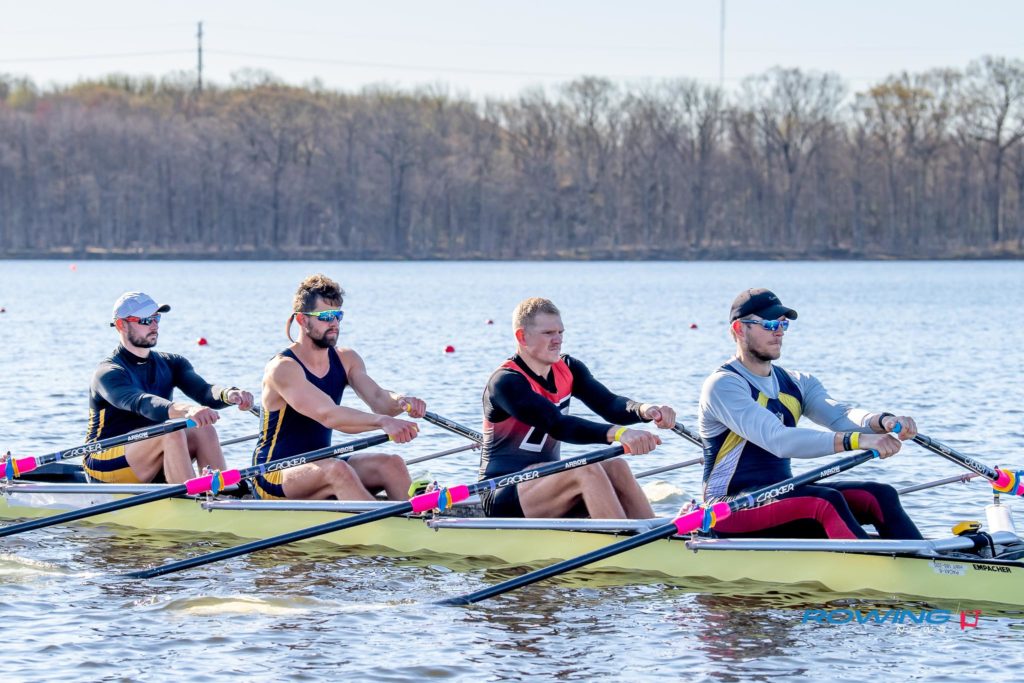
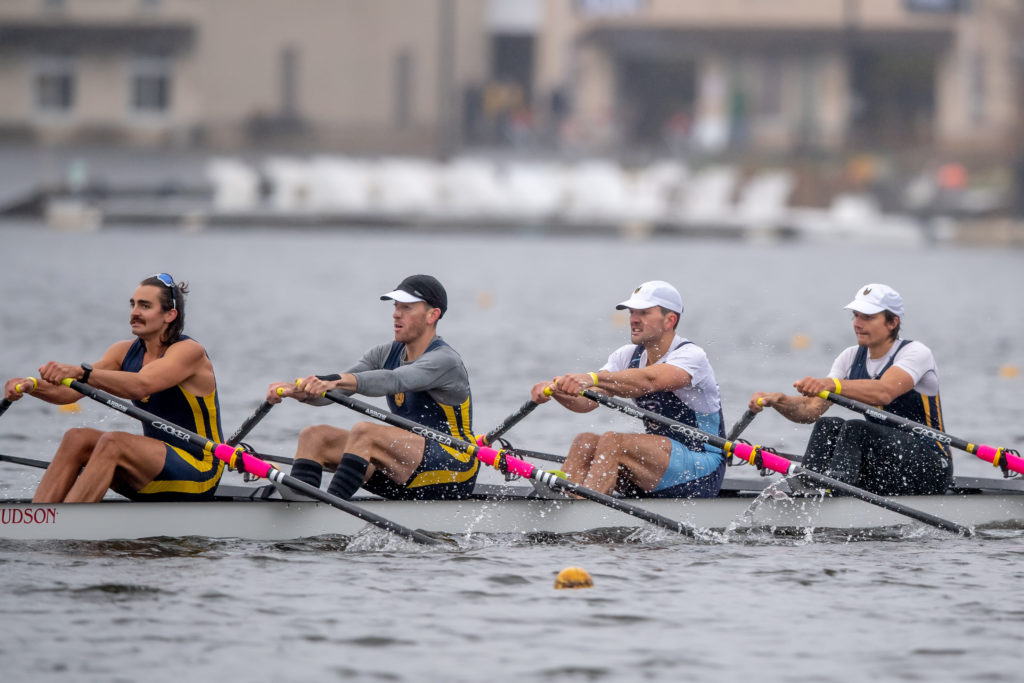
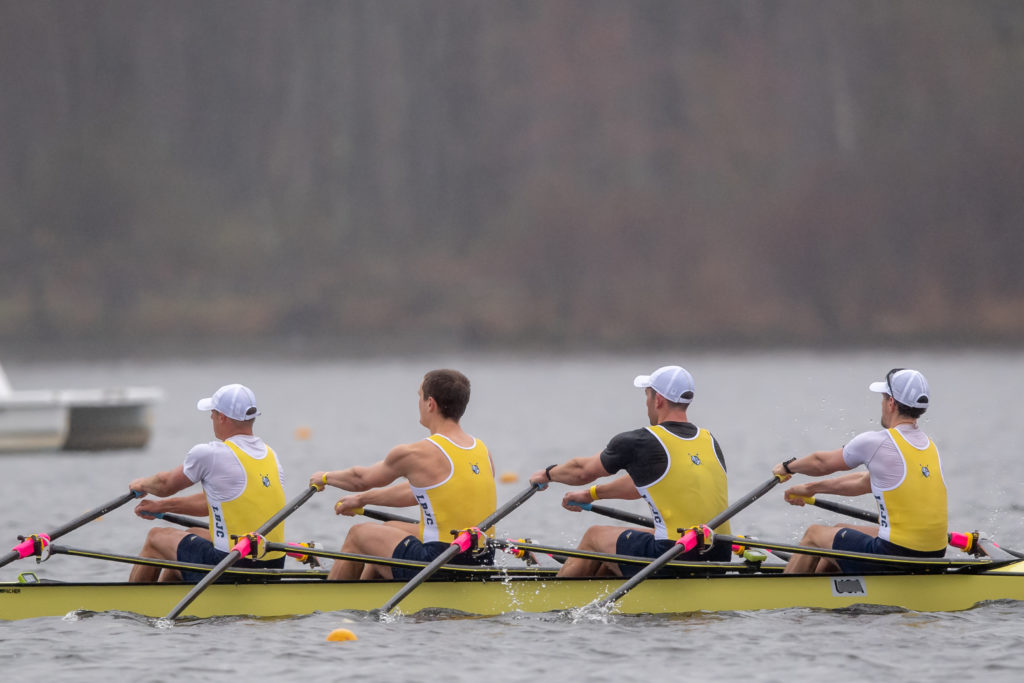
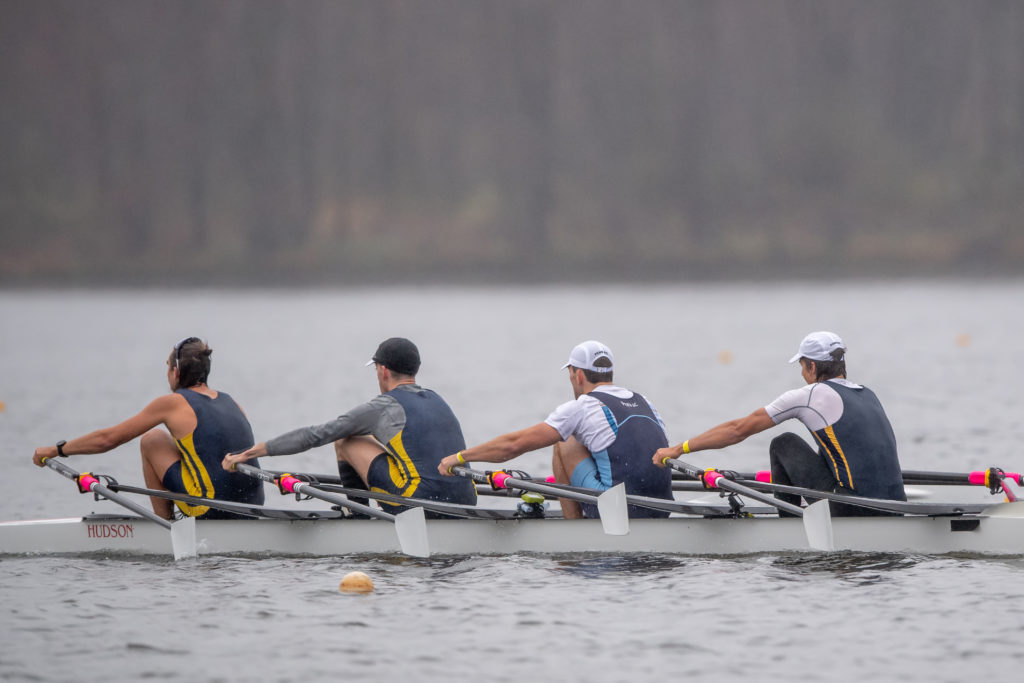
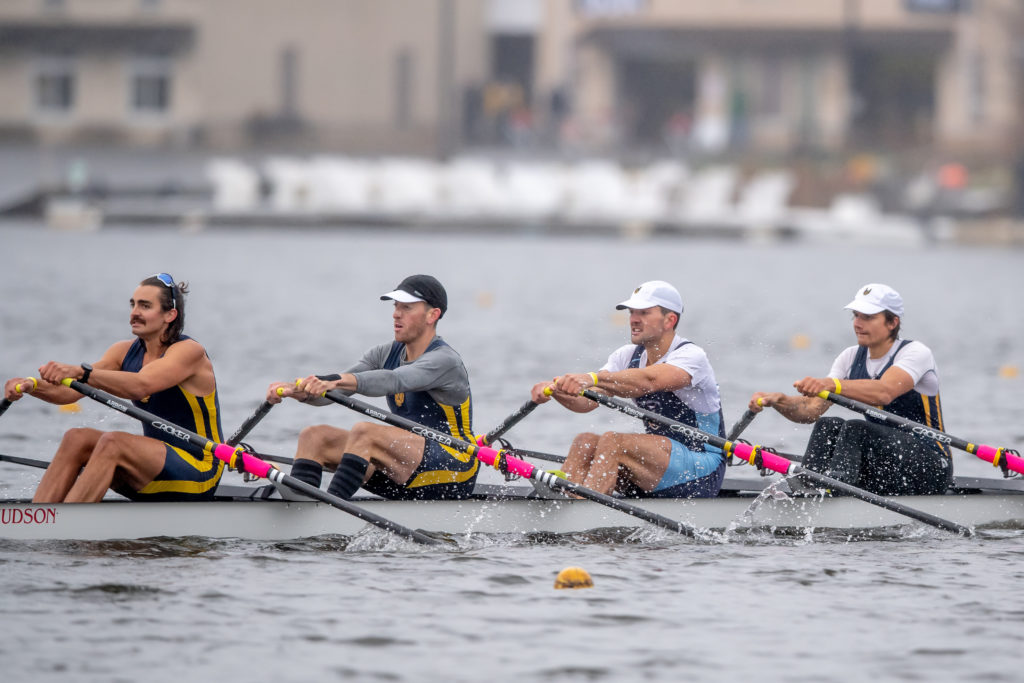
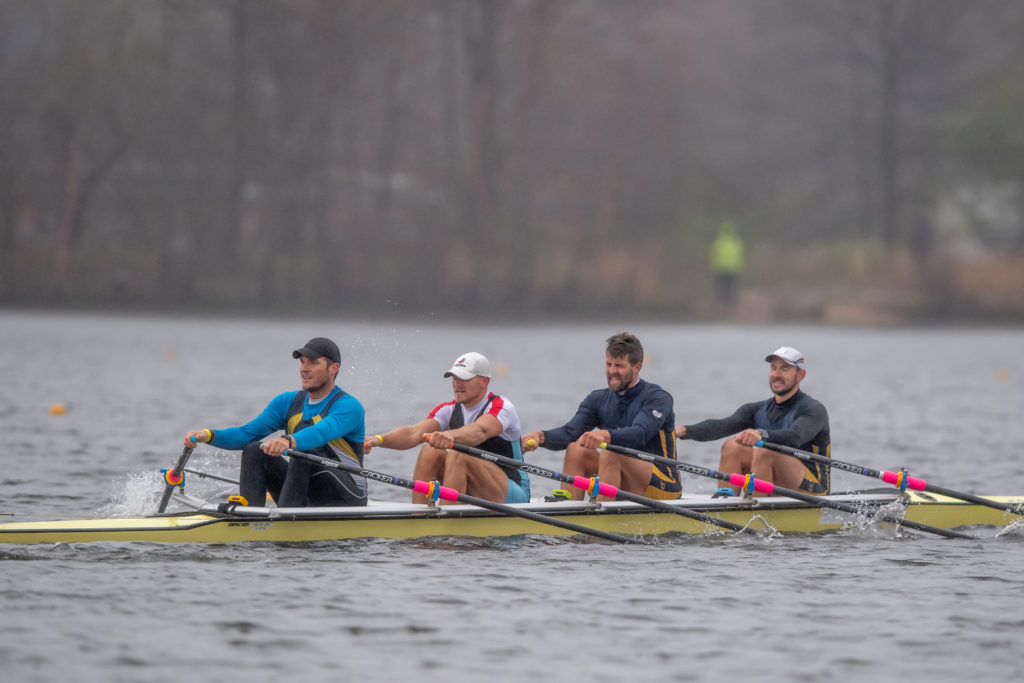
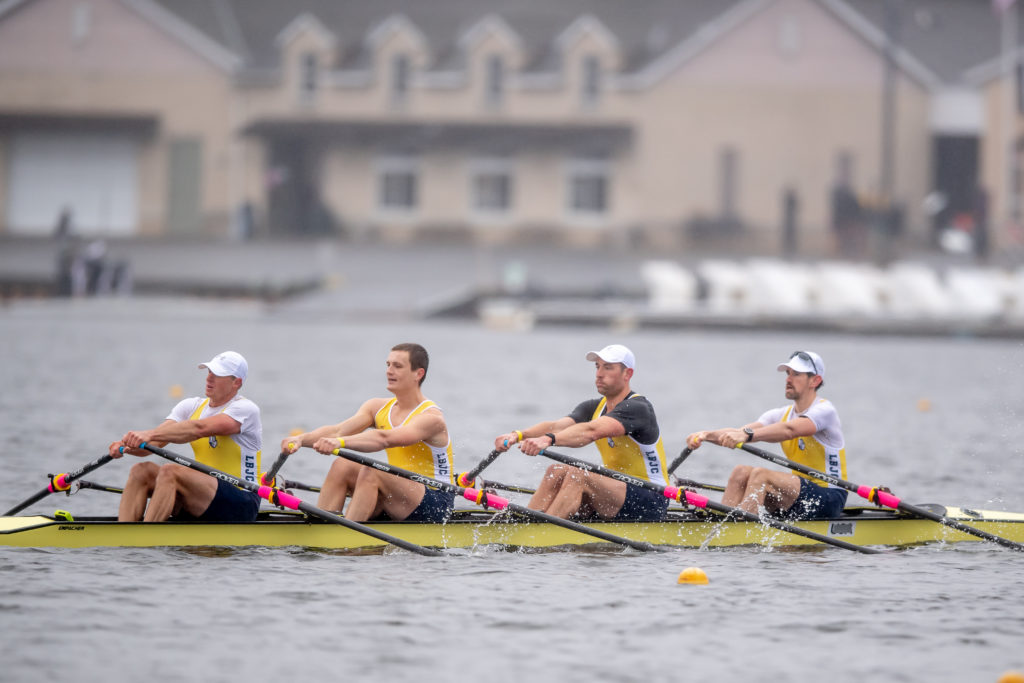
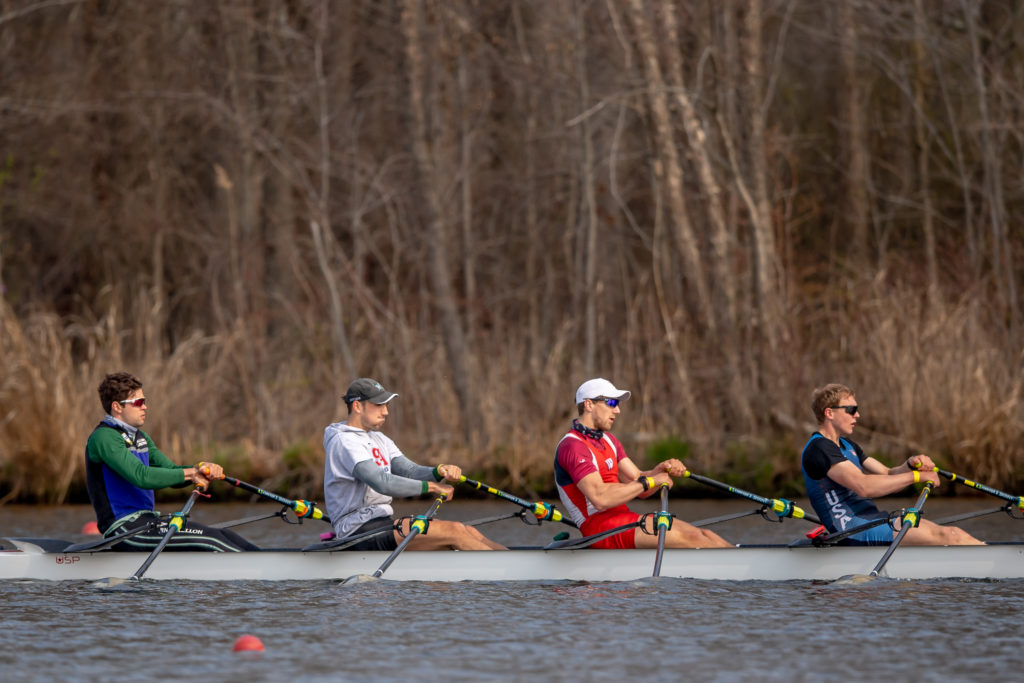
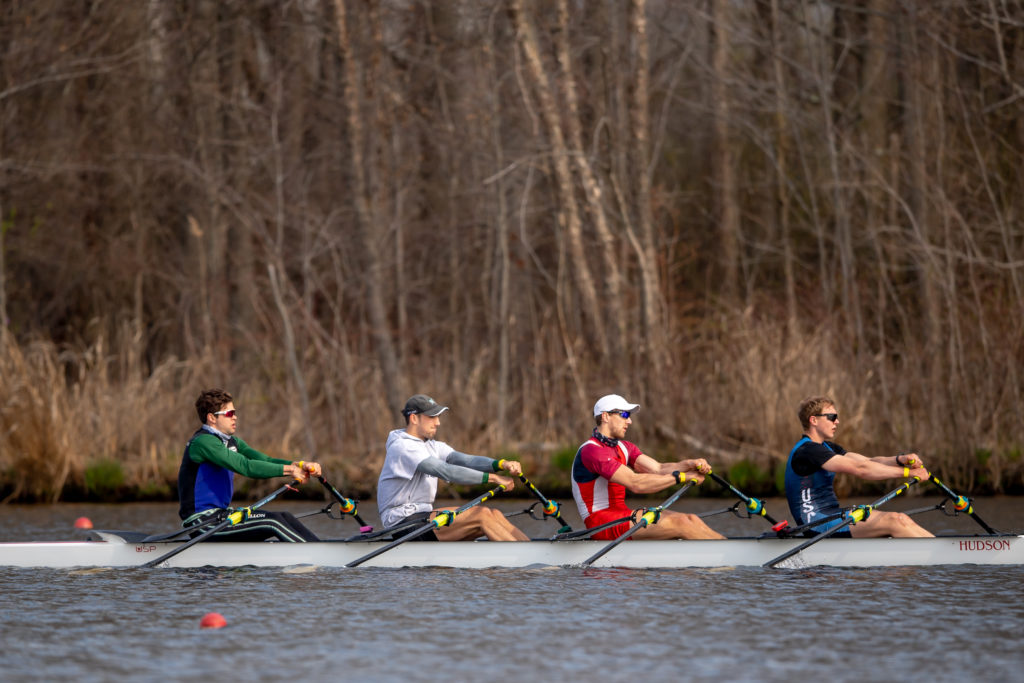
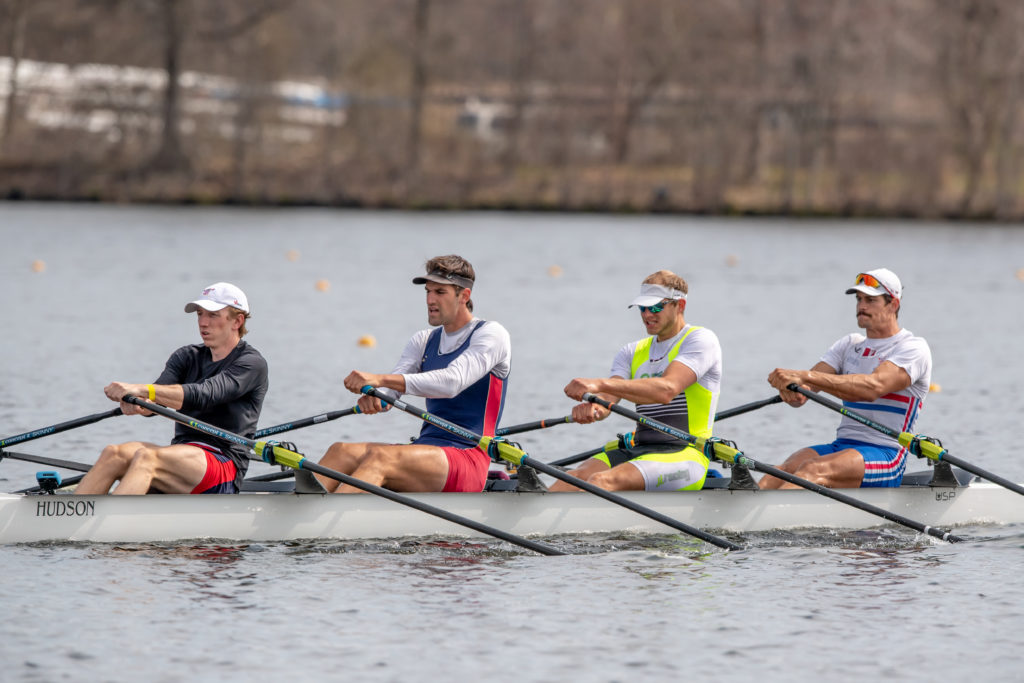
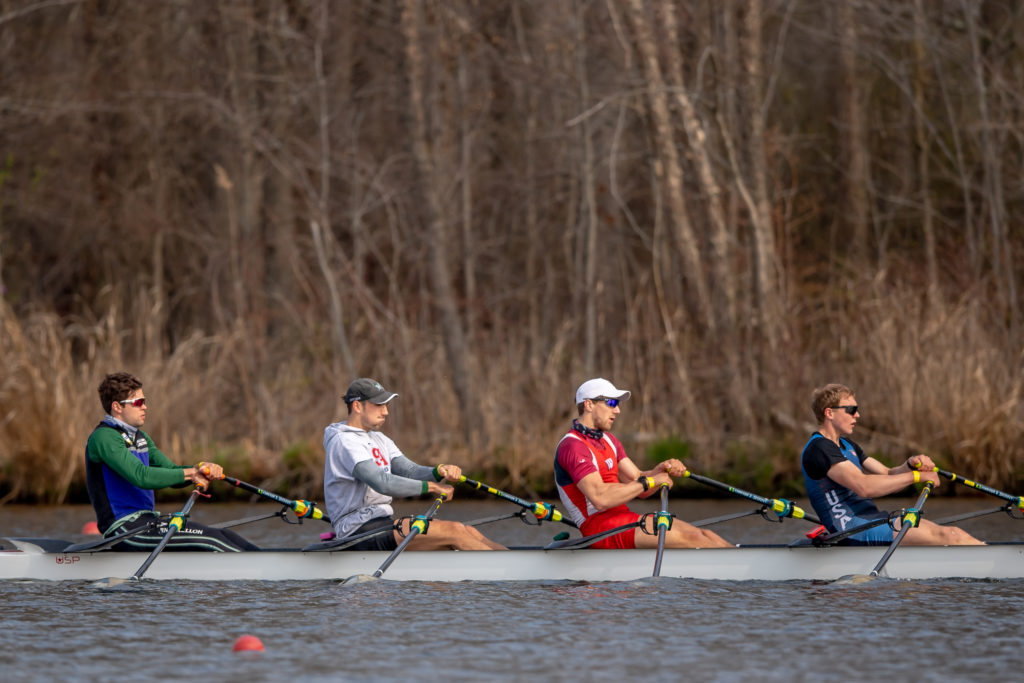
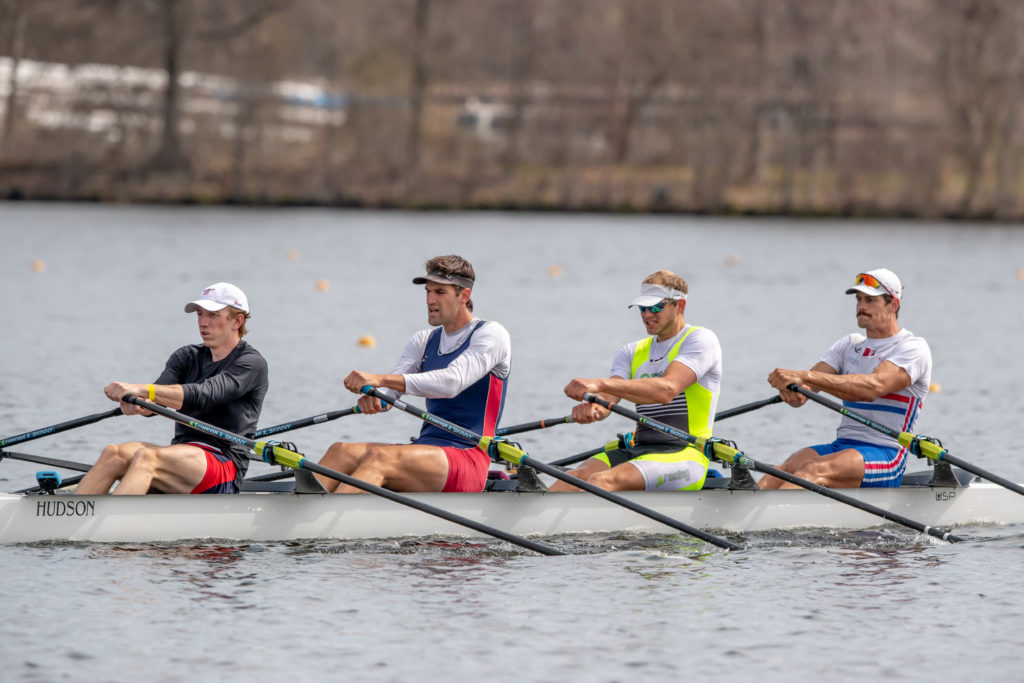
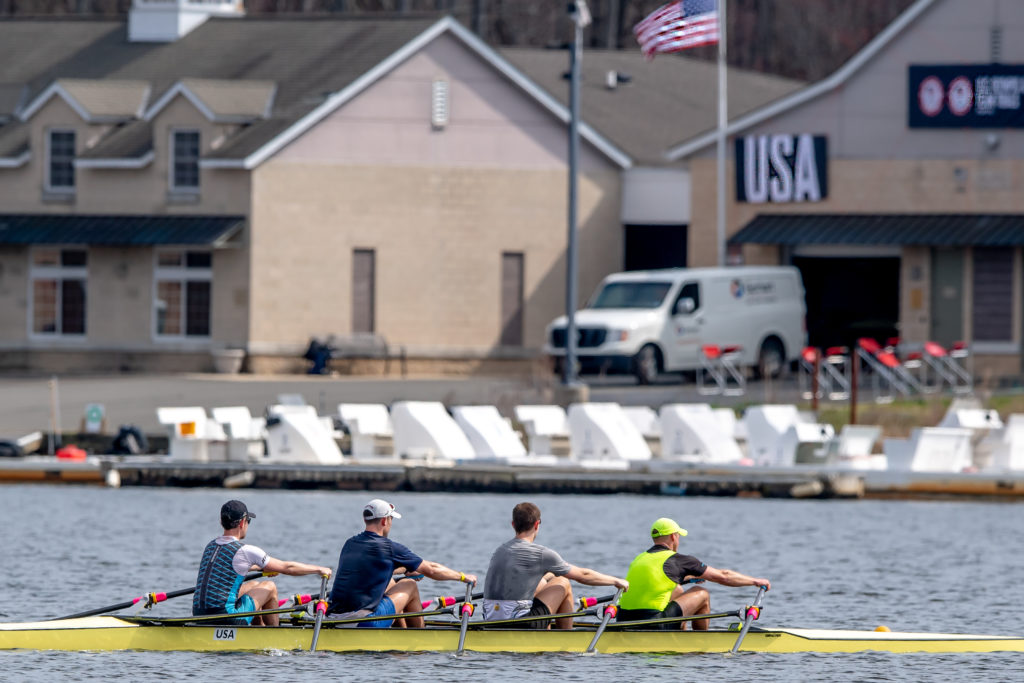
Advancing from the first quad heat was the crew from the Oakland U.S. men’s training center with Oliver Bud, Spencer Furey, Andrew Gaard and Michael Knippen. 

“It’s just getting better, race to race,” said Knippen. “We’re out here working hard and it felt good. The opening after the first 250 is always a bit breezy, and we’re starting to handle it a little better each time down the course.”

All four men were part of the Oakland sweep group, but were not selected to the sweep selection camp and opted to try rowing in a quad together. 

“We were all shooting for the sweep camp and we got our lives set up in Oakland but ultimately didn’t get the invite down to Chula Vista,” Knippen said. “We came together as a crew and put together something we thought was worthwhile to bring to trials.”

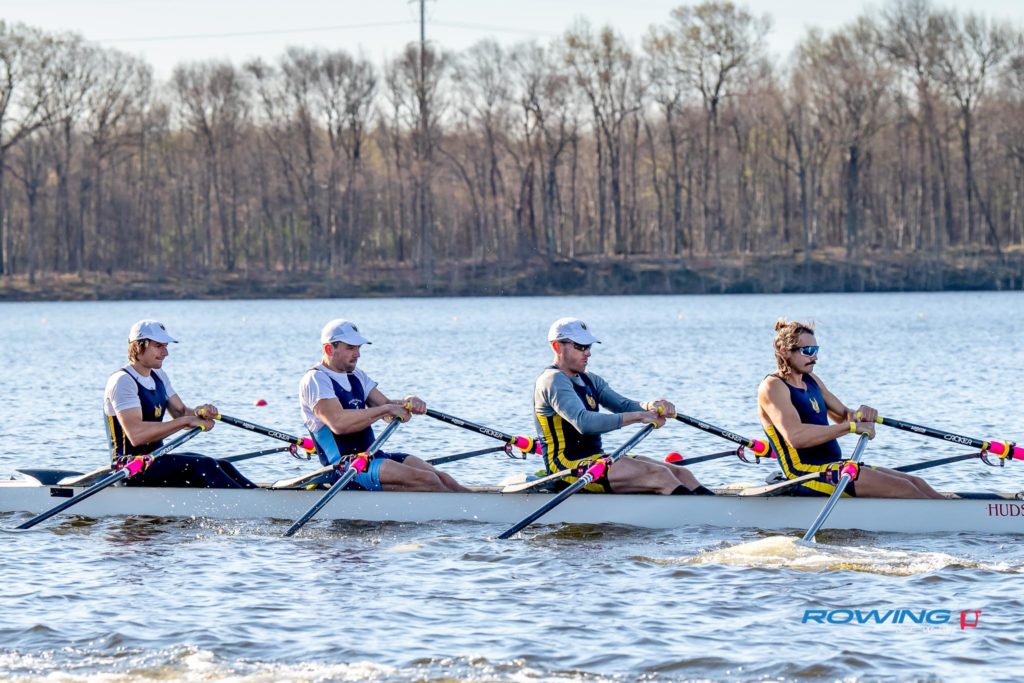
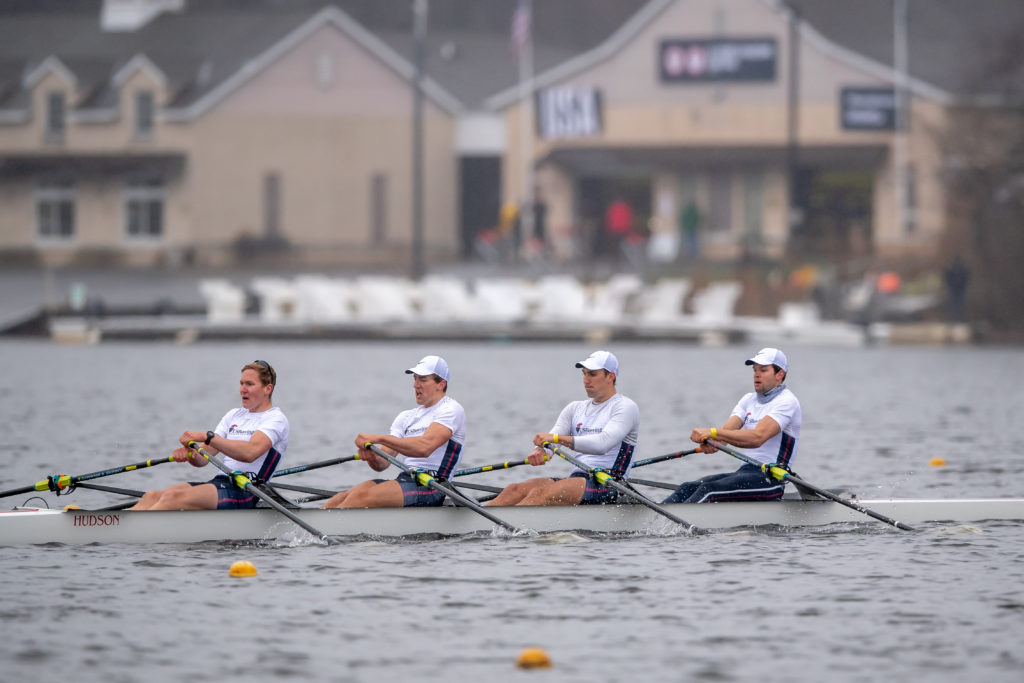
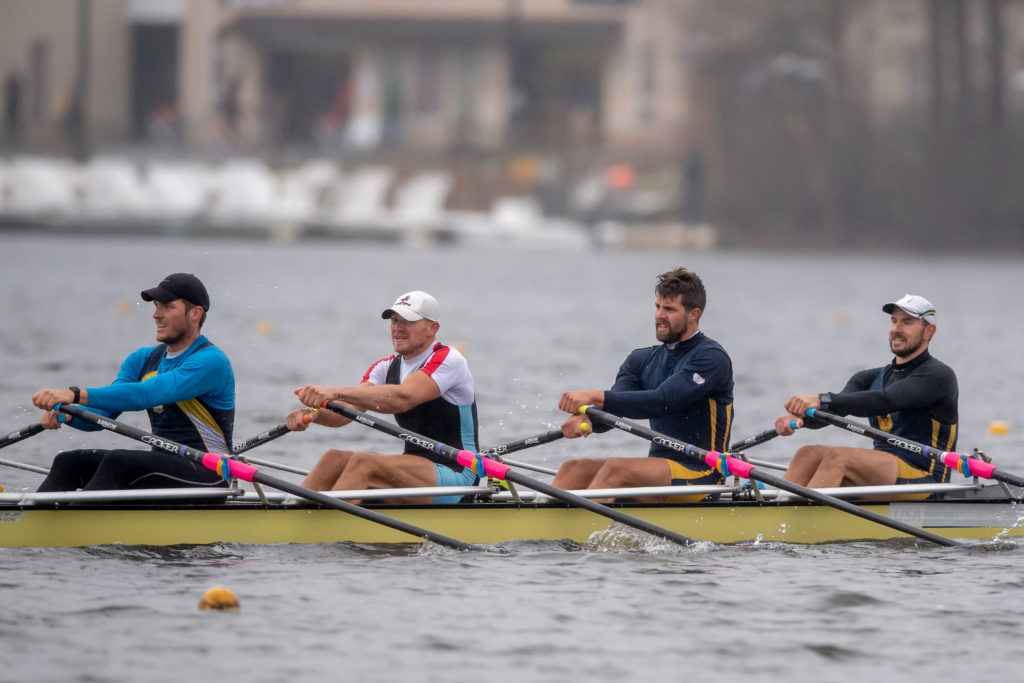
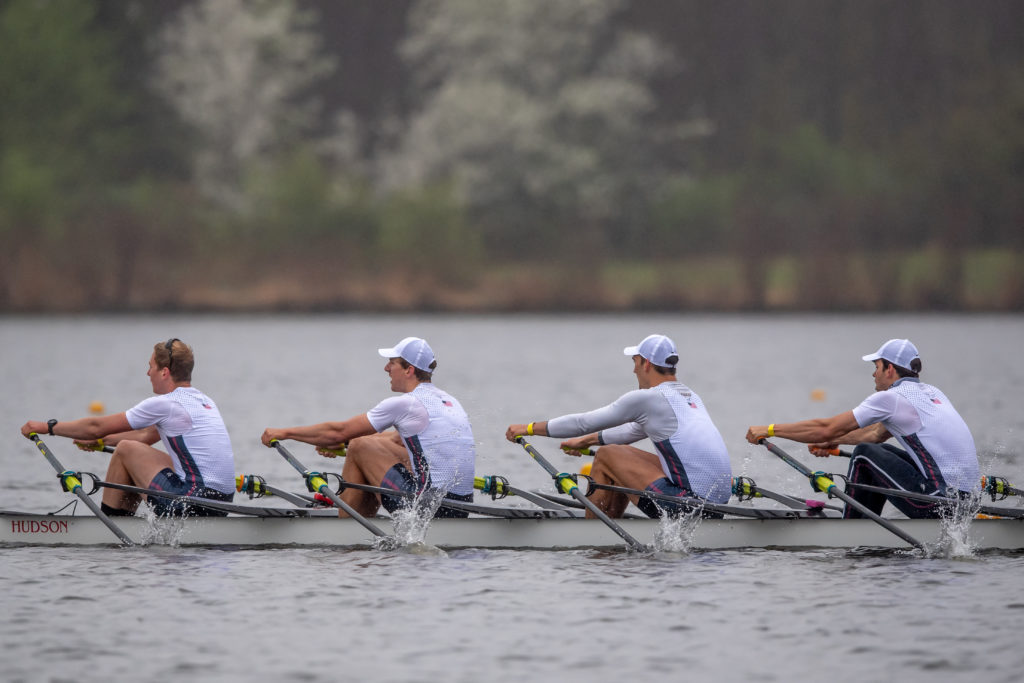
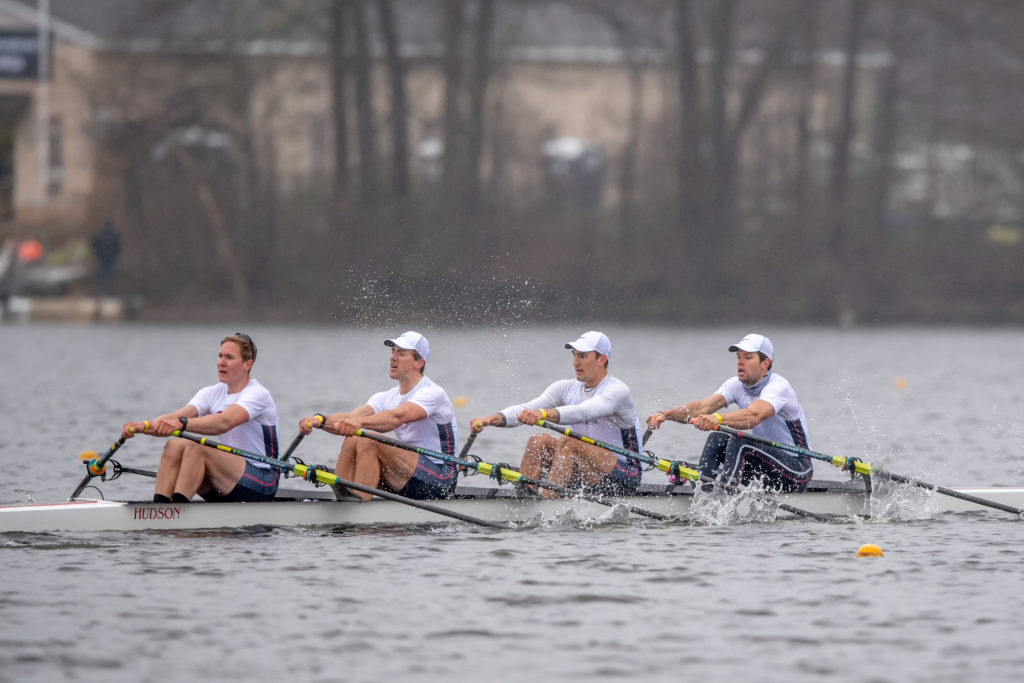
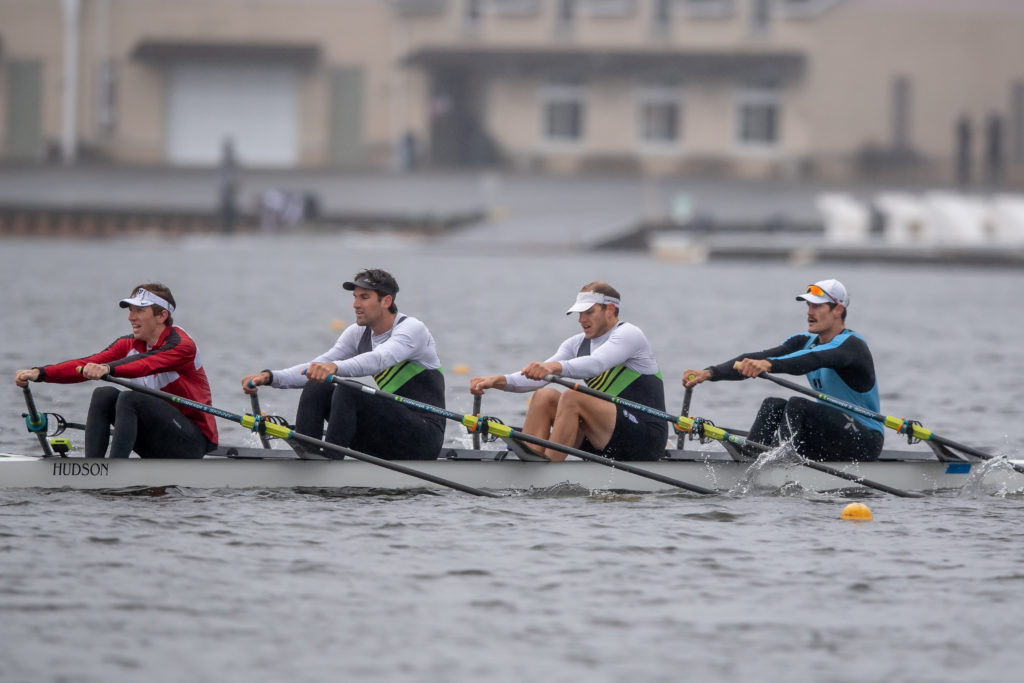
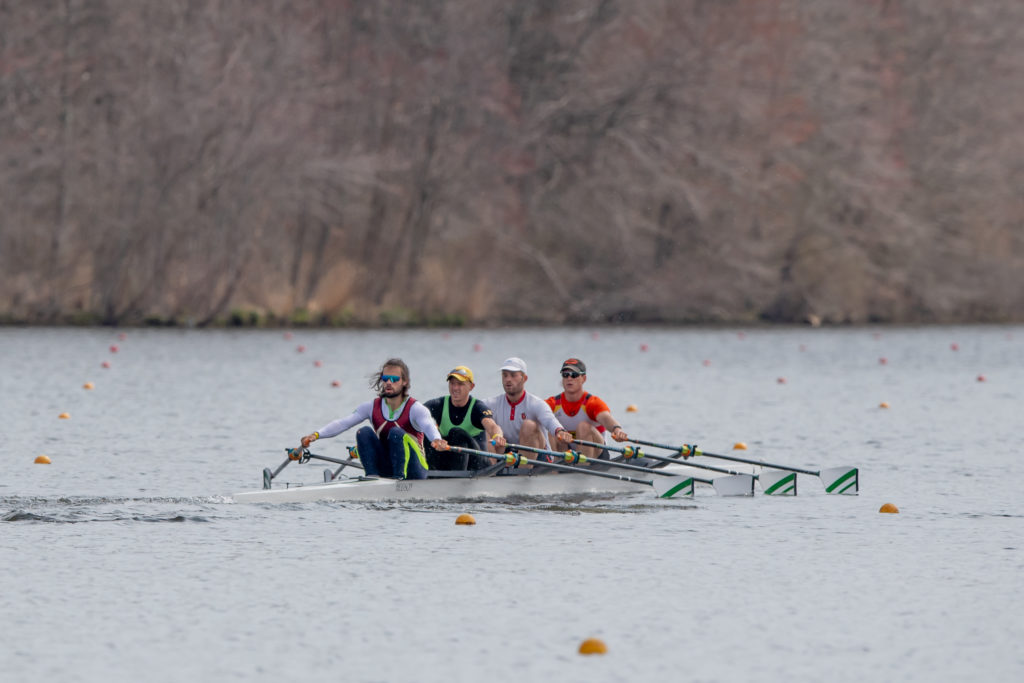
From the second heat, the composite crew from Penn AC Athletic Club and the Schuylkill Navy of Charles Anderson, Justin Keen, Eliot Putnam, and Sorin Koszyk.

A full list of results can be found here.

Inclement Weather Forces Changes at Olympic Trials II

STAFF REPORTS
PHOTO BY ED MORAN

Inclement weather is expected to move into West Windsor, New Jersey, later this week with the potential to disrupt racing at Olympic Trials II. As such USRowing has adjusted the schedule to ensure racing can take place.

The following changes will take place according to USRowing:

“Heats will take place on Tuesday morning as scheduled, with the repechages of the women’s double sculls being moved up to Tuesday afternoon starting at 2:30 p.m. Semifinals in the women’s double sculls will be moved up and raced with the men’s quadruple sculls repechage as part of Wednesday morning’s schedule. Paralympic finals have been tentatively moved up to Wednesday morning as well, but will be confirmed shortly. Finals in the Olympic events will take place on Friday morning as scheduled.”

A recap of today’s races can be found here.

A Cold, Wet Start to Olympic Trials II On Mercer Lake

PHOTOS AND STORY BY ED MORAN

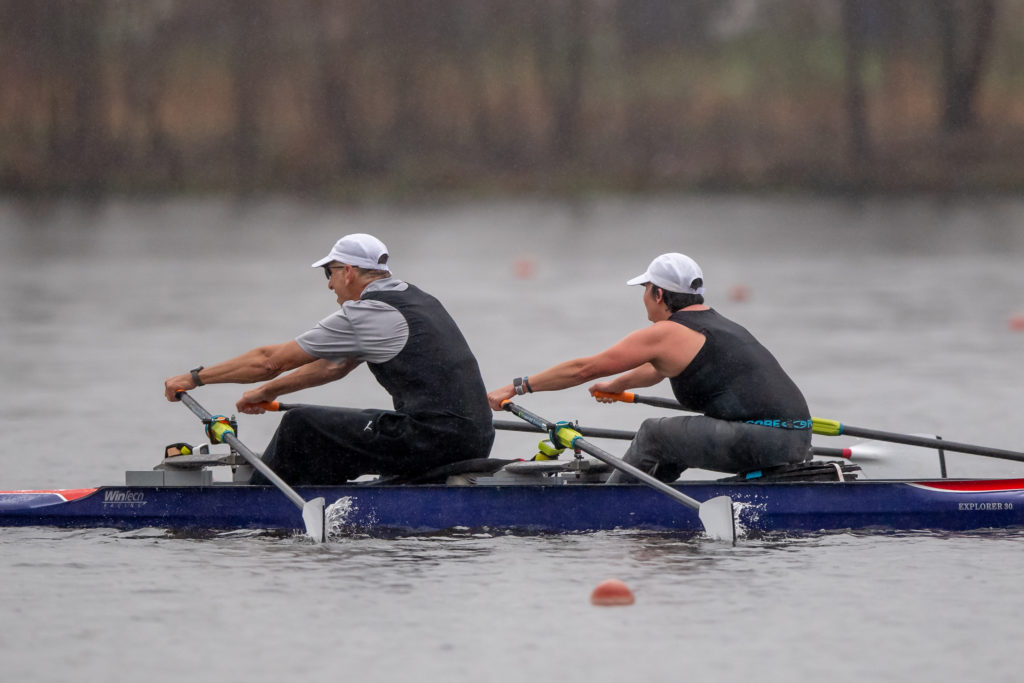
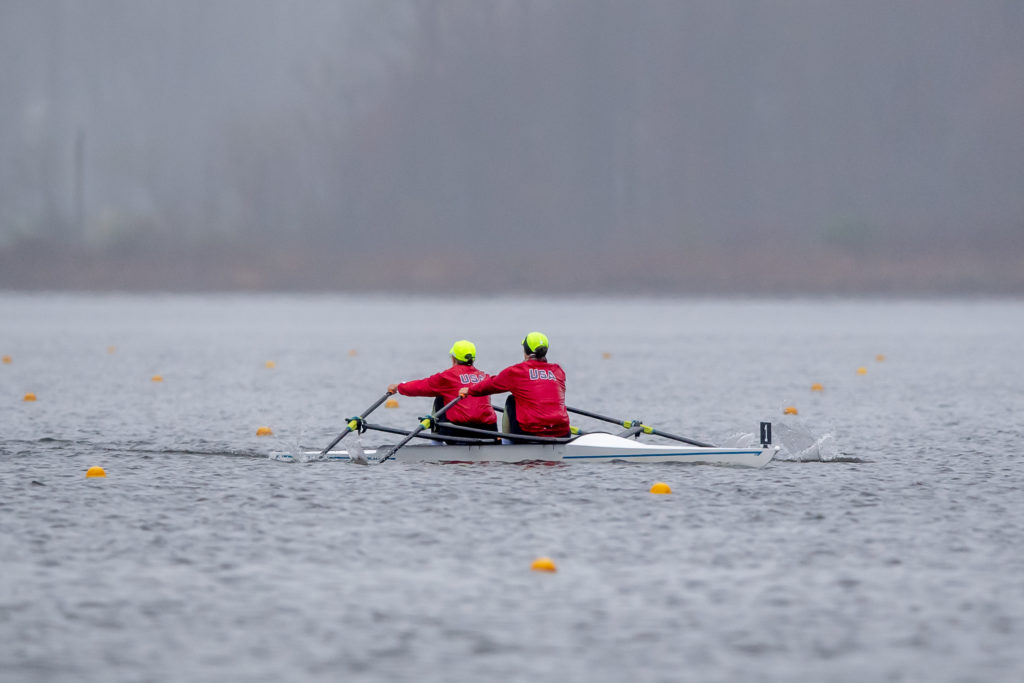
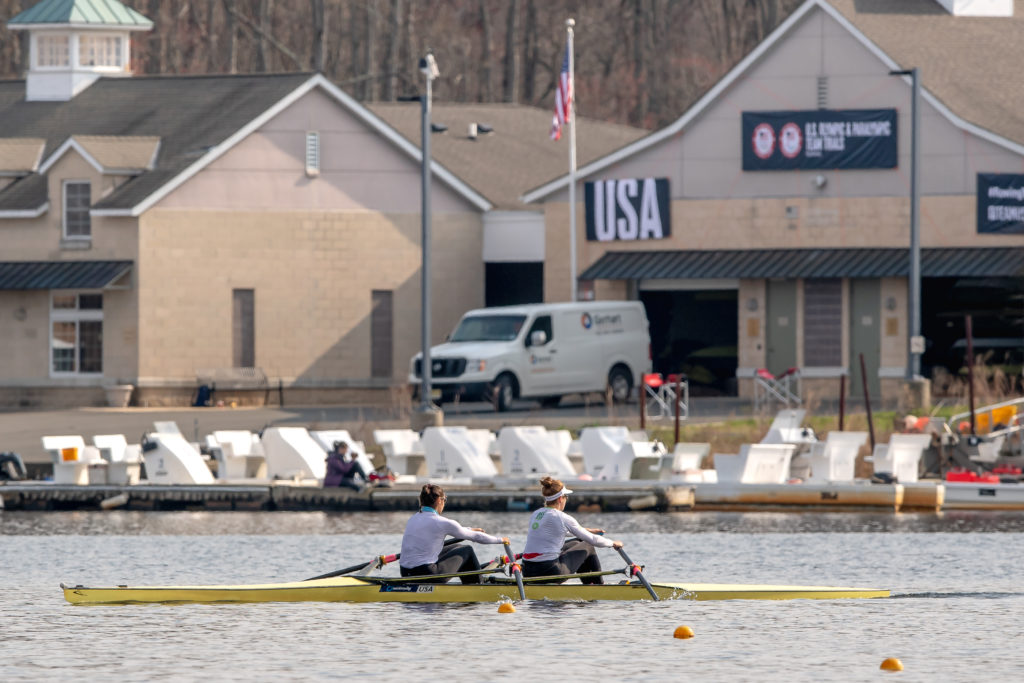
West Windsor, N.J. – With only two crews racing in the PR2 mixed double, there was really no reason to go out on Mercer Lake in West Windsor, N.J. in a cold and wind-driven rain to participate in the opening day of U.S. Olympic Trials II.

Monday morning was just a time trial to sort out the two events with multiple entries, including the women’s double and the men’s quad. All three para events, the PR1 men’s and women’s singles, which are uncontested, and the mixed double, were officially slated to go straight to a final on Thursday.

The five-day regatta will result in three para crews being named to the Tokyo Paralympics and one crew — the women’s double — being named to the Olympic team. All three para crews and the women’s double were qualified for the 2021 Games at the 2019 World Rowing Championships.

So, there was a lot on the line this week and both Bair Island Aquatic Center’s Laura Goodkind and Russell Gernaat, and Community Rowing’s Patrick Ward and Jennifer Fitz-Roy, coaches asked the crews to be allowed to row so they could see the competition and get a run on the course.

“To me, it doesn’t matter. I just row,” Gernaat said “The conditions were obviously pretty bad out there. “The water was pretty choppy, there was a crosswind and there were definitely some big gusts,” he said. “The time trial is the usual procedure, so we were following procedure.

“To me, it doesn’t matter. I just row.”

-Russell Gernaat

“I felt altogether the boat went smoothly in spite of all that.” Gernaat and Goodkind also looked smooth when they crossed the finish line more than three minutes in front of Ward and Fitz-Roy.

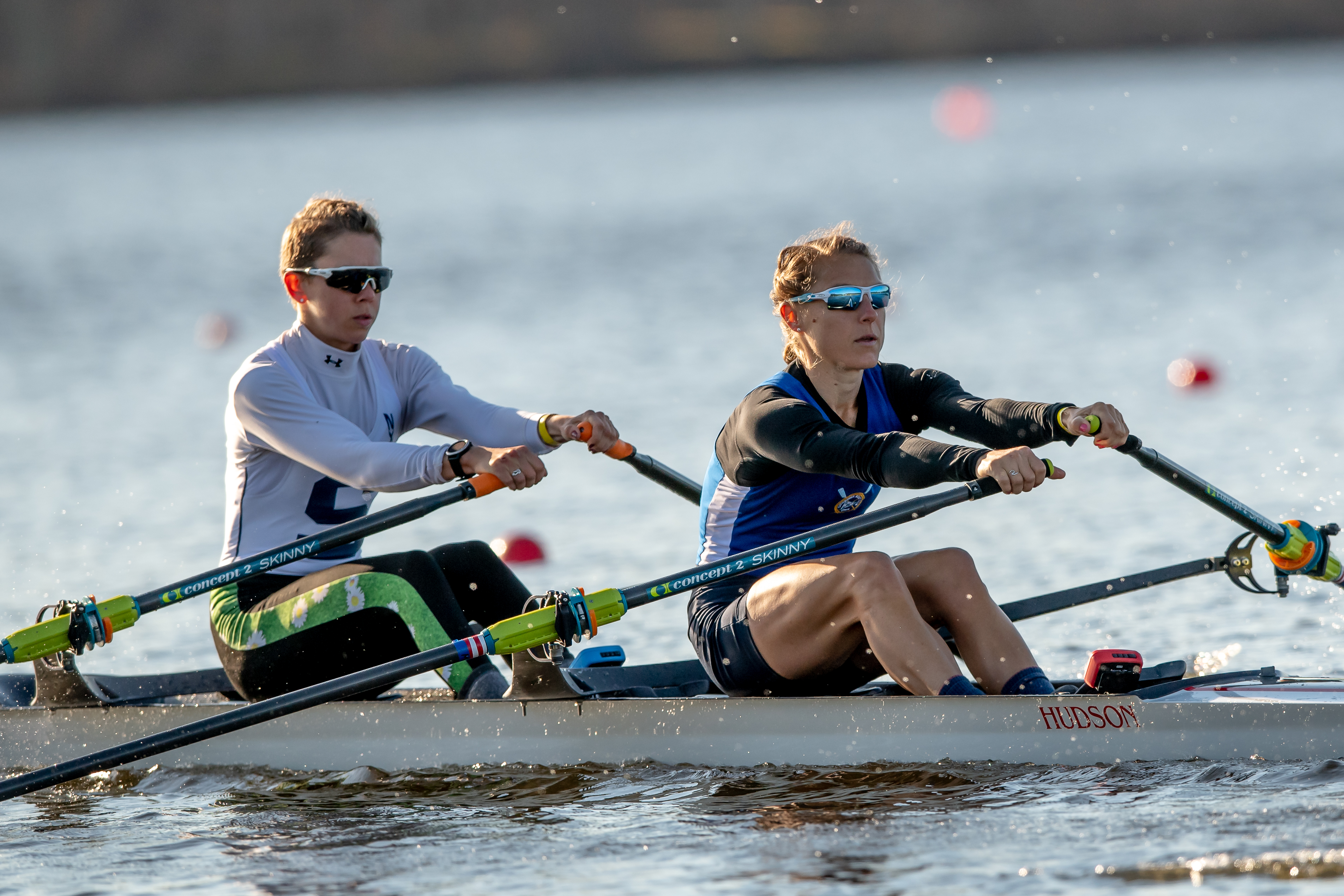
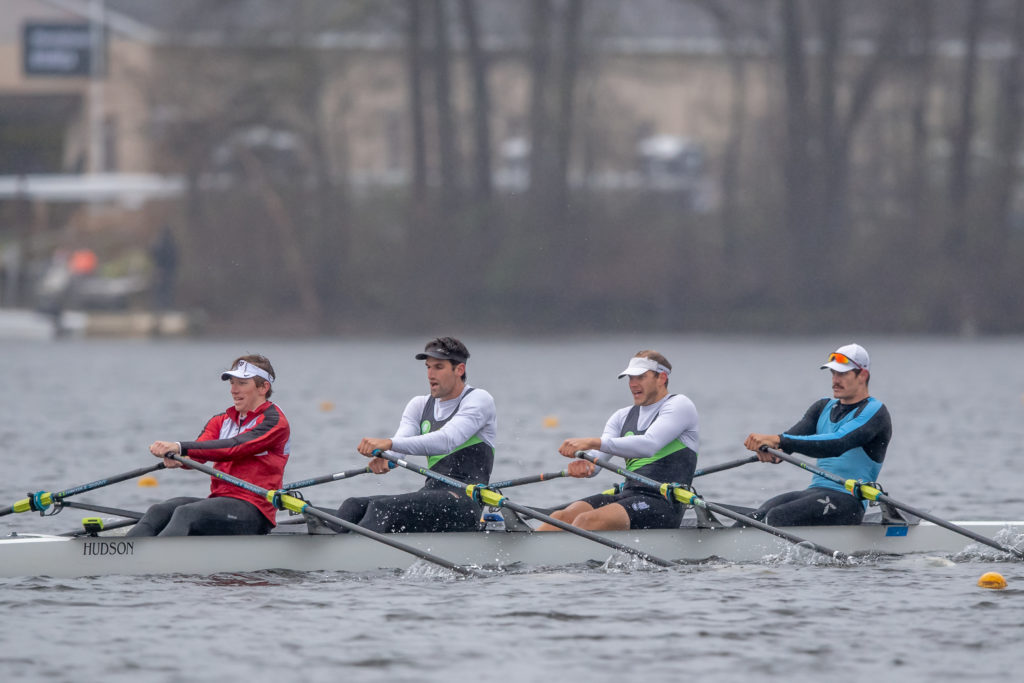
In the first race of the day, Cambridge Boat Club’s Margaret Fellows and Cicely Madden led the field of 16 women’s doubles and finished first in 7:03.50. They were followed by the U.S. women’s Princeton Training Center’s Jenifer Forbes and Sophia Vitas (7:04.19) and Cambridge teammates Gevvie Stone and Kristina Wagner (7:05.40).

“It was fun to be back at Mercer,” Madden said. “It was a good first step, and now we’re on to the heat and we’re excited. I didn’t realize how cold it was. At each part of the course we had to adapt to the conditions because it changes.”

Fellows and Madden will go to Tuesday’s heat as the top seed in the first of four heats. The top two finishers of those races will move directly to the Thursday semifinals. The bottom two crews will race in the reps on Wednesday.

For the six men’s quads that rowed Monday morning, the time trials sorted out the seeding for the two Thursday semifinals.

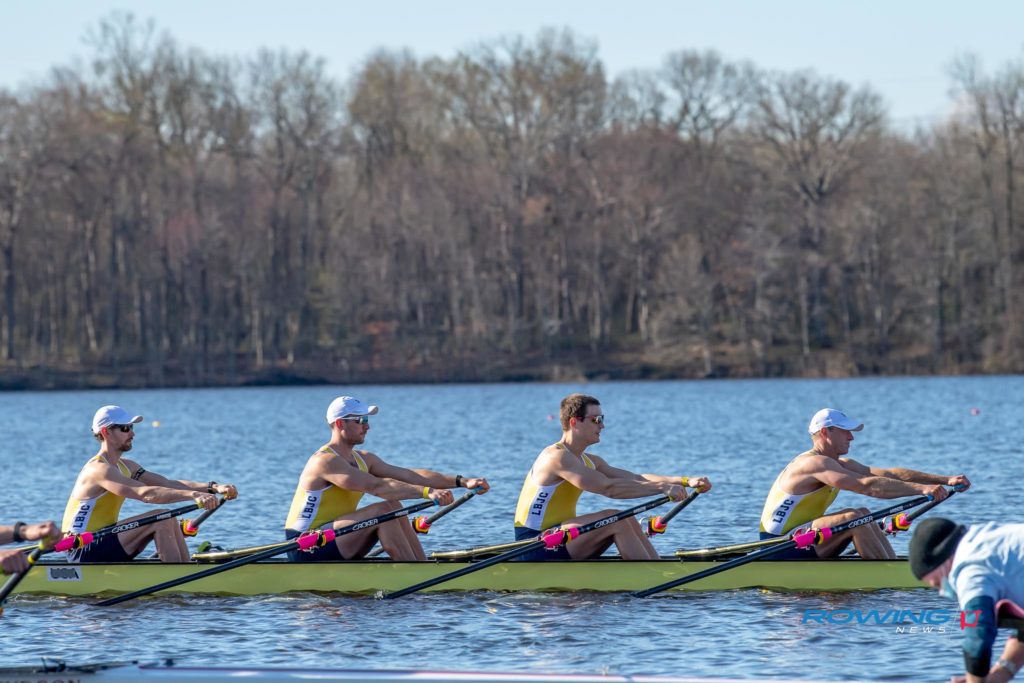
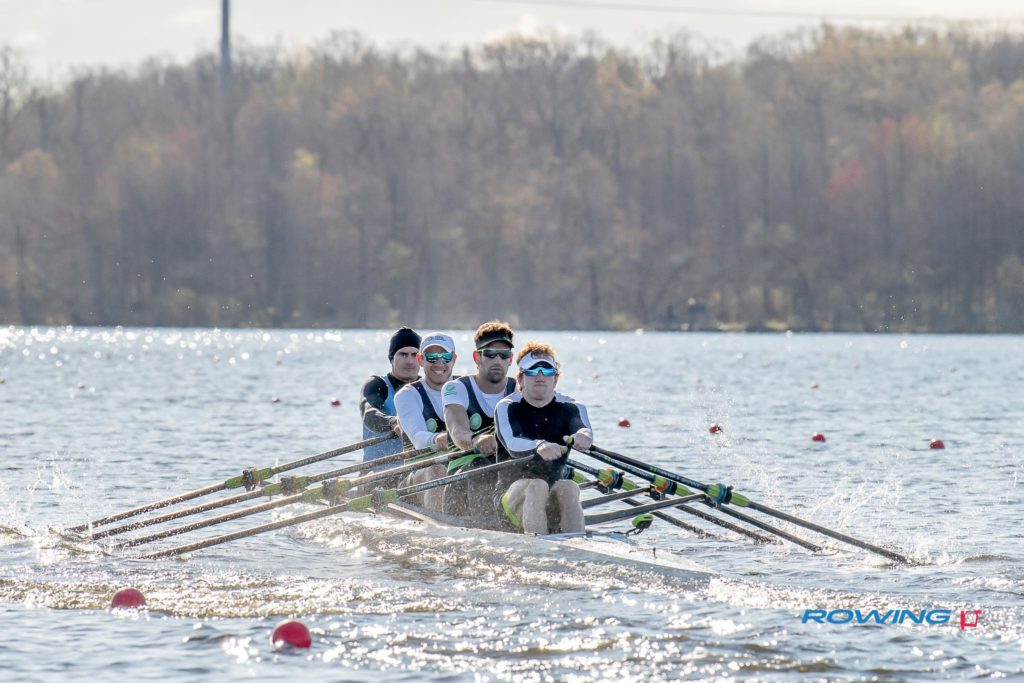
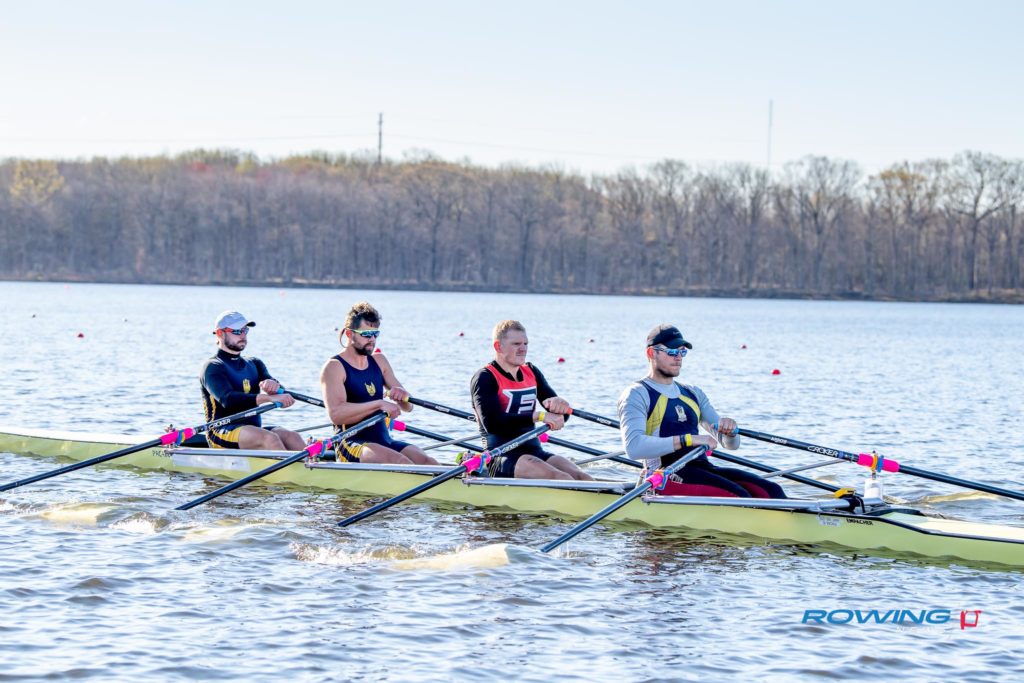
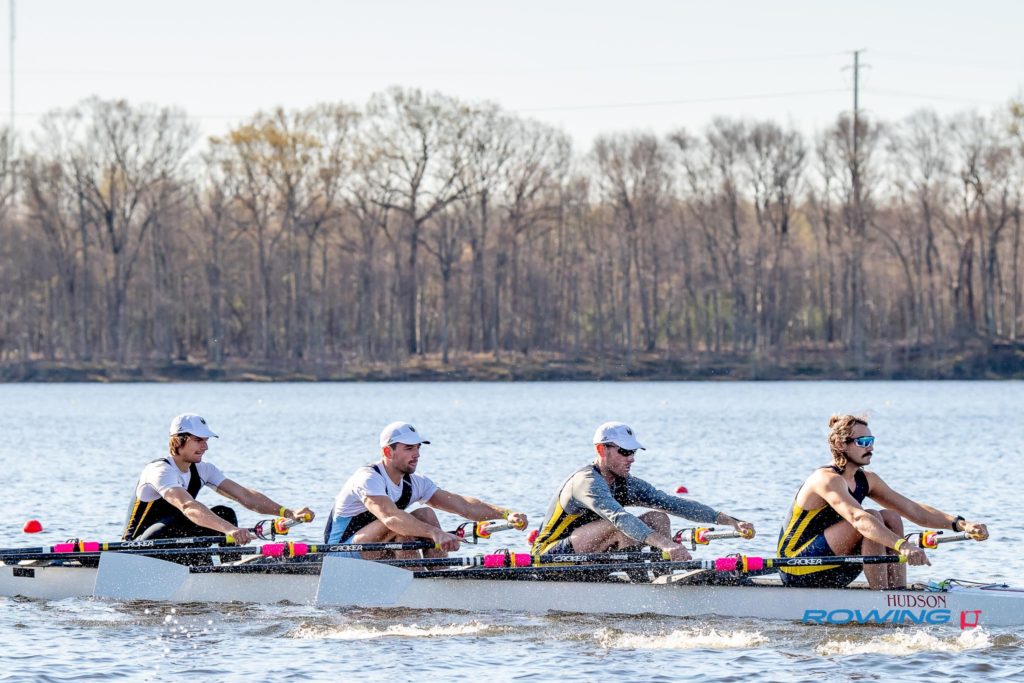
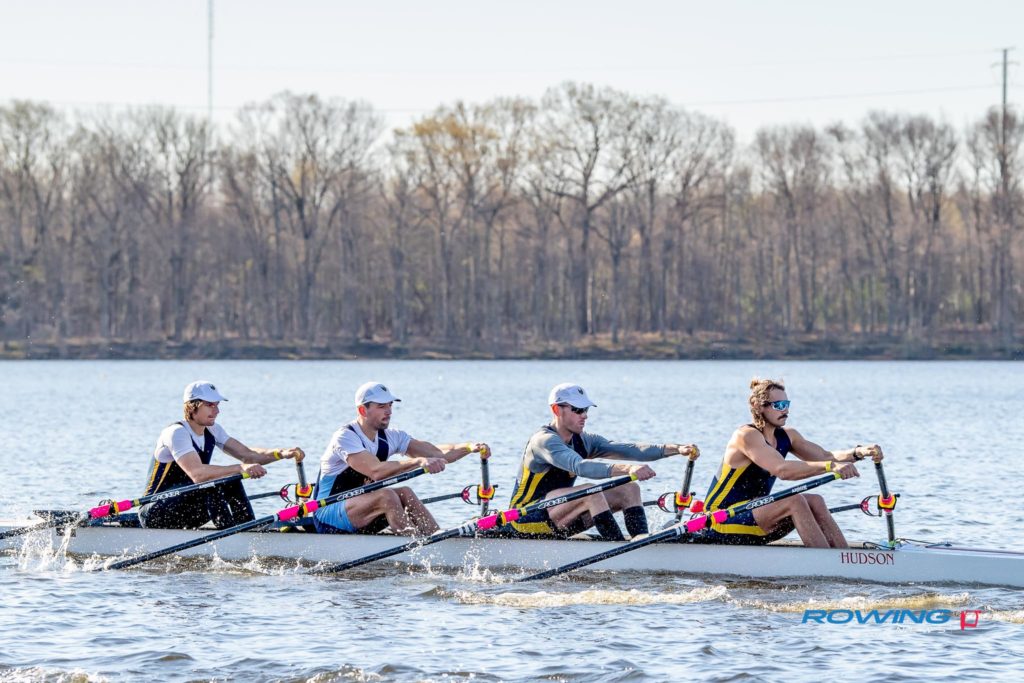
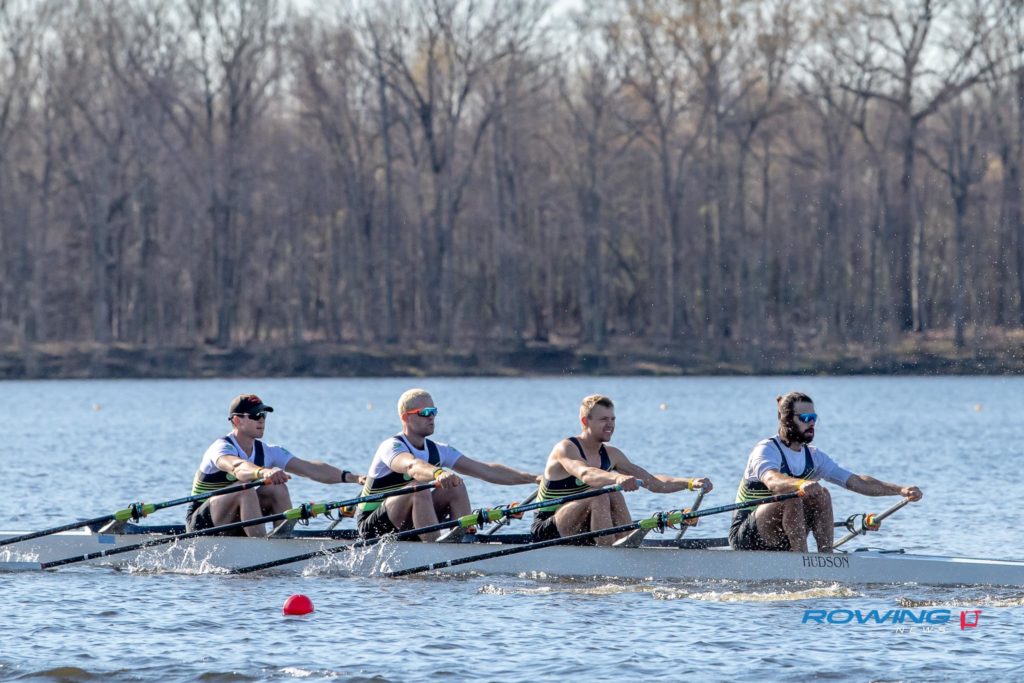
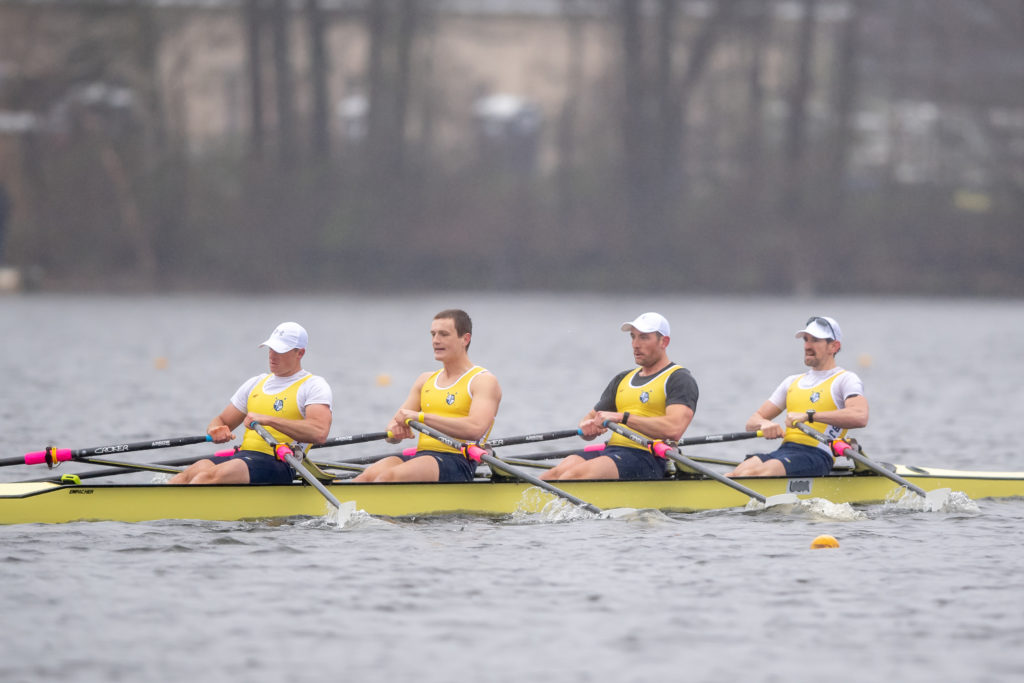
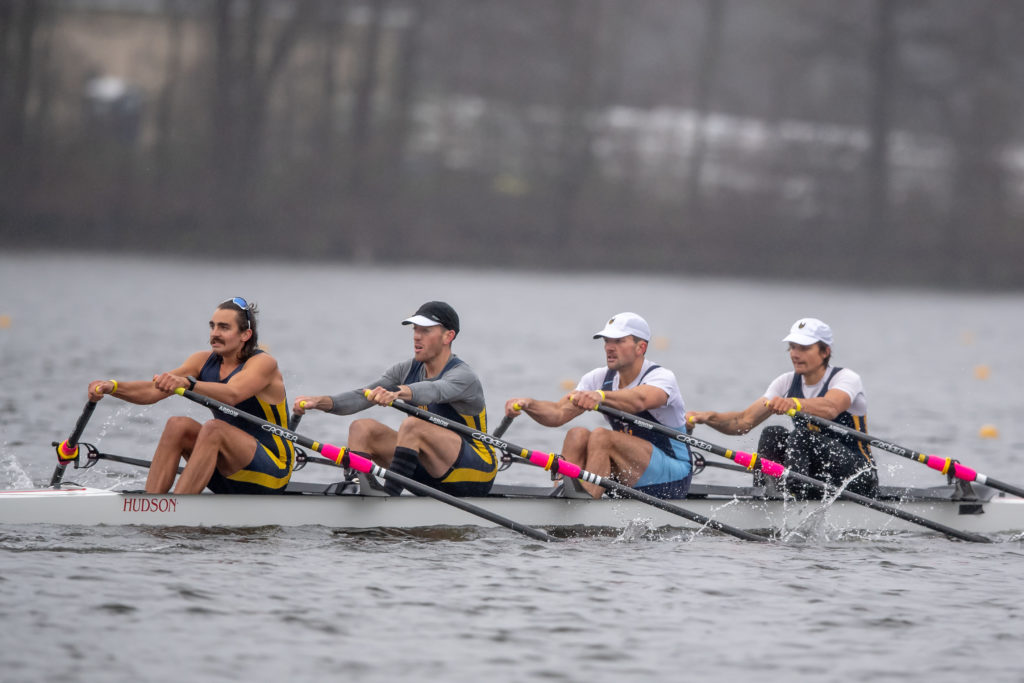
In that event, the composite crew from Penn AC Athletic Club and the Schuylkill Navy of Charles Anderson, Justin Keen, Eliot Putnam, and Sorin Koszyk finished first in 5:58.29, ahead of the crew from the U.S. men’s Oakland Training Center (5:59.89) and the Green Racing Project/Keble College Boat Club/Gainesville Area Rowing composite entry of Matt O’Leary, Jacob Plihal, Lucas Bellows, and Travis Taffe (6:12.40).

Charles Anderson, Justin Keen, Eliot Putnam, and Sorin Koszyk.

“It was tough out there, pretty cold at the starting line, pretty stiff crosswind,” said Keen. “But we found a pretty good rhythm in the second one thousand and now we’re just trying to get faster each day. 

“We’ve been doing really well coming into this race,” he said. “We had a three-month camp in Florida and a couple of good rows in Philly so we’re feeling good. We’re taking it one day at a time. We have the heats tomorrow, and then we have a couple of days between that to tune-up for the finals.”

The quads and the men’s pair are rowing for the chance to compete at the Final Olympic Qualification Regatta in Lucerne, Switzerland next month. The men’s pair is an uncontested event being rowed by Tom Peszek and Michael DiSanto from the U.S. men’s training center.

Results can be found here.

Olympic Trials II Begins Monday

STORY AND PHOTOS BY ED MORAN

West Windsor, N.J. – When rowers were finally able to return to the water last year, team boats were out of the question due to Covid mitigation mandates. Across the country, sculling in singles became the only option.

The question then was, would so many sweep rowers in singles benefit the development of men’s sculling? Many coaches and athletes said they thought it would, but unlikely the impact would be felt this season.

Maybe not.

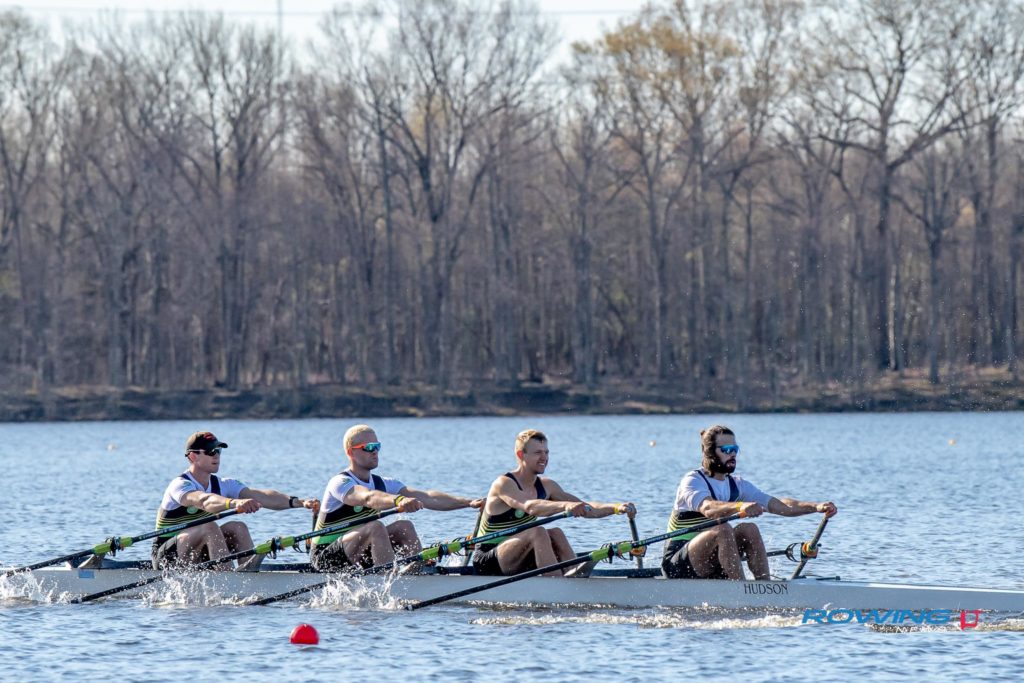
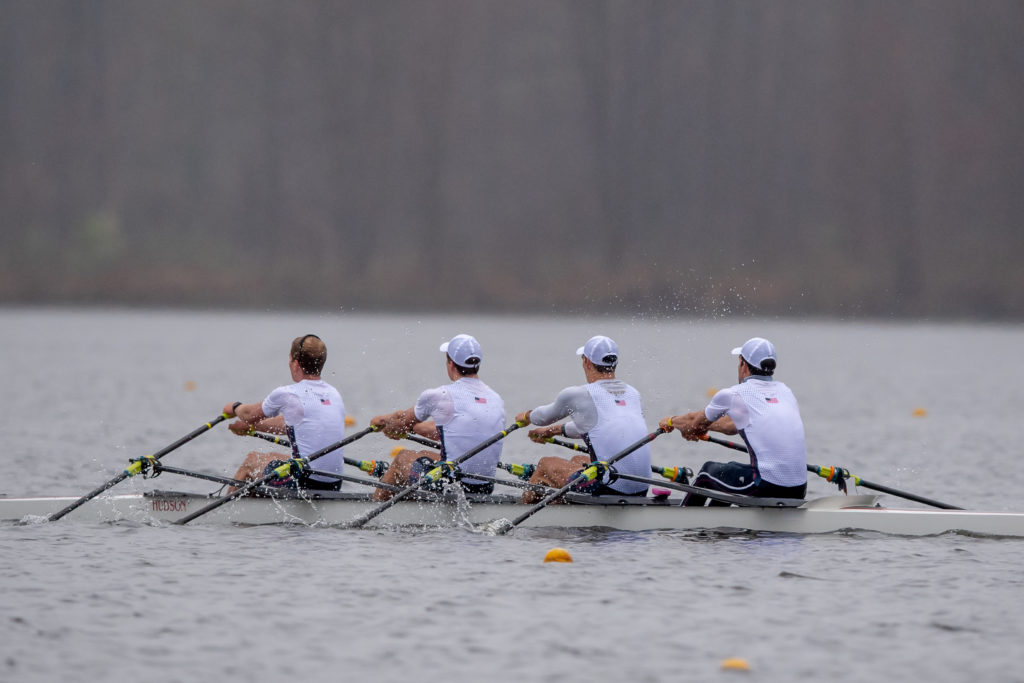
When U.S. Olympic Trials II begins Monday, there will be six men’s quads competing for the single chance to go to the Final Olympic Qualification Regatta in Lucerne next month to race for a spot on the Tokyo Olympic team.

Five of those crews are from clubs that have always featured elite men’s sculling, including two from the Craftsbury Green Racing Project, two composite entries from Philadelphia clubs, and one from Long Beach Junior Crew.

But in a surprise entry, the U.S. Men’s Training Center sent a crew from its Oakland sweep camp. Most of those athletes are from the sweep program, and only one, Michael Knippen, is an experienced elite sculler. The rest — Andrew Gaard, Spencer Furey, and Oliver Bub — began sculling in earnest in Oakland.

And now they are rowing in trials as the first quad entered in a national team trials from a men’s training center since 2012.

“It wasn’t by design,” said training center coach Nathanael Kielt. “These athletes organized it themselves. They asked if they could train for this and put together a boat, so we supported them and they’ve done good work. I don’t think it was our intention to do it, but here we are.”

Kielt said increased interest in sculling may also be part of the reason the men’s pair is an uncontested race. While there were 10 crews competing in the 2016 Olympic trials, and the pairs event is usually a well-subscribed field in all national team trials, the training center entry of Tom Peszek and Michael DiSanto is the only crew in the event.

Having the boat already qualified for the Rio Games likely had something to do with the number of entries in 2016, but out of a country where pair rowing is normal for collegiate training and international men’s racing, this is unusual.

“I think those two athletes saw a good opportunity for themselves and that’s why they are here,” Kielt said. “But it also looks like all the other elites around the country are looking at sculling apparently. There are a lot of quad entries. There were a lot of singles entries and a lot of double entries in trials one. I was surprised at how many quad entries there are here.”

Both the quad and the pair are not qualified for Tokyo and to gain a place in the 2021 Games, they will have to finish in the top two positions at the upcoming Final Olympic Qualification Regatta in Lucerne, Switzerland next month.

That is not the case for the women’s double, which is qualified for Tokyo.

Gevvie Stone and Cicely Madden qualified the boat with a fifth-place finish in Linz. Both are rowing in these trials but in different combinations.

Cambridge Boat Club is sending three crews, all six of whom rowed in the single at the first trials this year where Stone finished second to Kara Kohler. Kohler’s win earned her a spot on the Tokyo roster.  

Two of the 16 crews entered will feature three Olympians — 2016 women’s single silver medalist Stone, and 2016 Rio finalists, Meghan O’Leary and Ellen Tomek.

Ellen Tomek and Meghan O’Leary practicing Friday on Mercer Lake.

O’Leary and Tomek finished sixth in the double in Rio, and then came back for the following two world championships where they won silver in 2017 and bronze in 2018.

“Ellen and I are excited to race in our second Olympic trials together,” said O’Leary. “The women’s double field is going to be incredibly fast, and we look forward to putting together the best regatta we can.”

O’Leary and Tomek finished second in the 2019 World Championship trials to Stone and Cicely Madden.

This time around, Stone will be rowing with Kristina Wagner, who had a strong performance in the singles trials in Sarasota in February, placing third in the final.

Madden is rowing with Margaret Fellows, fourth in the singles final. Madden was eliminated from the event in the semifinal.

All six Cambridge athletes returned to Boston and held a camp to select the best three combinations. “The whole group is going fast, which provides a lot of great competition,” said Stone. “One of the fun things in a new combination is you try to make improvements every day.

Dr. Gevvie Stone and her partner Kristina Wagner practicing on Friday on Mercer Lake.

“I think we know that our boat has a lot of potential, and it’s a matter of how much we can improve between now and when racing begins, how much faster we can get. Obviously, we’re going to try and win it. But if you ask Cicely and Maggie, or Mary and Ali, they would say they are going to try and win it too.”

Also rowing in the women’s double event are Michelle Sechser and Molly Reckford, who won the lightweight women’s double at Trials I and will be racing at the Olympic qualifier next month.

The regatta will be spread over five days, but it won’t take that long for all the results to be known. Finals for the three para events are scheduled for Thursday. The PR1 men’s and women’s singles are uncontested. There are two crews in the PR2 mixed double. All three crews were qualified at the 2019 World Championships in Linz, Austria.

That the para singles are uncontested is not a huge surprise. There are not many trunk and arms single scullers in the U.S., and both 2016 Paralympian Blake Haxton, and Hallie Smith are experienced national team athletes who qualified their boat classes for the U.S.in 2019.

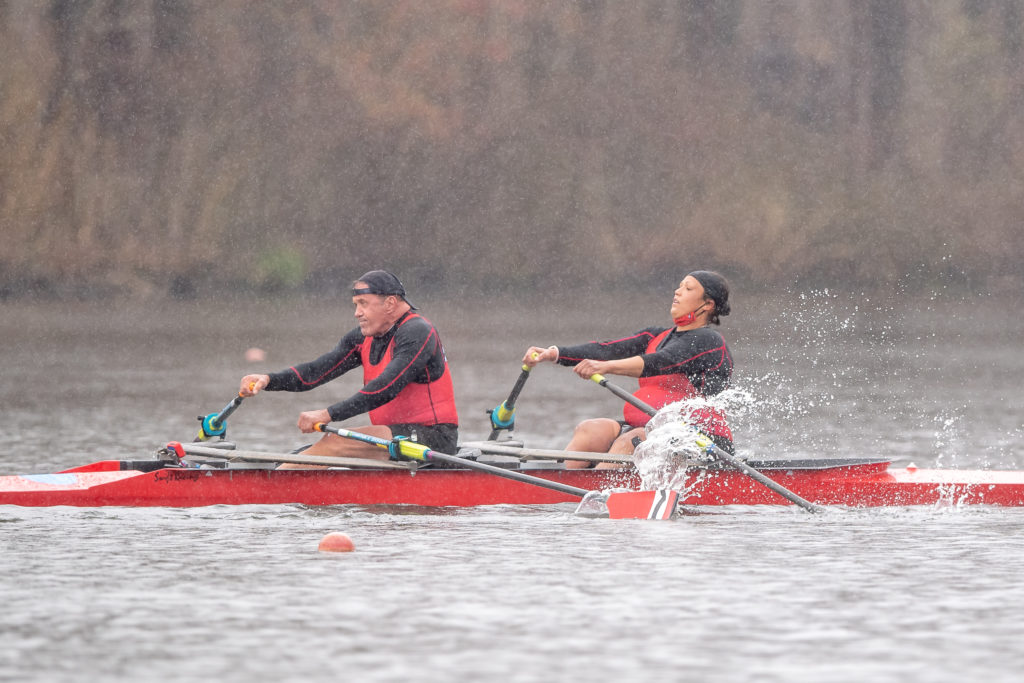
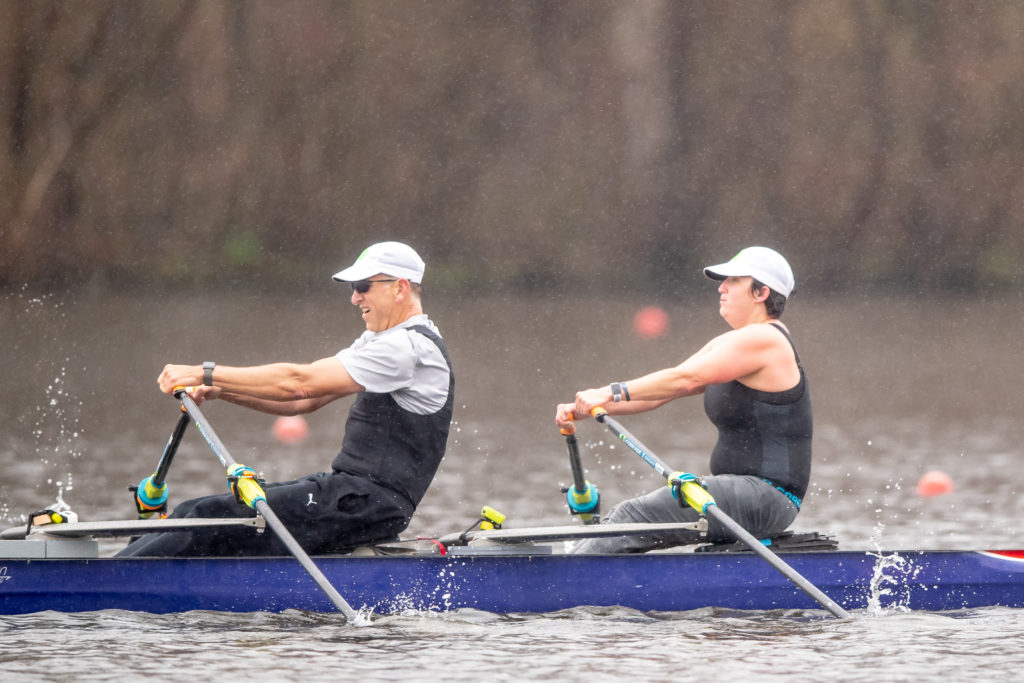
The para mixed double field includes, Bair Island Aquatic Center’s Laura Goodkind and Russell Gernaat, who finished eighth at the 2019 World Rowing Championships and qualified the U.S. for Tokyo. They are challenged by Community Rowing entry of Patrick Ward and Jennifer Fitz-Roy.

Changing Lives, One Stroke at a Time

BY COLLEEN SAVILLE
PHOTOS PROVIDED

It was a warm and seemingly quiet night on July 19, 1998, when the life of Dwayne Adams changed forever. Having just pulled up to his mother’s house in North Philadelphia minutes before, Adams was sitting outside on her steps to take in the summer air when a stray bullet entered his left eye and lodged behind his right eye. Adams was caught in the crossfire of a shooting, and the incident would leave him with only one eye, partial sight in his right eye, and no sense of smell. That’s how it started, but that’s not how it ends.

In fact, that’s not even the story Adams tells me at the beginning of our conversation. When I ask about his life and the series of events that led him to become the founder and executive director of Breaking Barriers Rowing & Fitness in Newark, Del., Adams inhales and tells me a different story: about the moment he fell in love with rowing.

“I was watching the Olympics, track and field, and right after that, they showed a rowing event. I thought, ‘What is this?’ The boats were lining up, they named the countries, and then pow! the boats took off. My eyes opened up, and my heart started racing. I found myself swaying back and forth. When they got to the finish line, it was like a drug. I wanted more. The coverage switched back to track and field. and I just wanted them to show more rowing. That was it for me.”

This happened well before his accident, but as fate would have it, that glimpse of rowing would profoundly change his future.

“I spent a month in the hospital after my accident. And when I got out, I had to go to rehabilitation to help me learn how to use a cane, because, at the time, they didn’t know how much vision was going to come back.

“They also wanted to teach me braille, how to type so I could continue to use a computer, and how to cook safely.

 “One woman came to talk to us about fitness programs for people with disabilities. She said they had tandem bike riding, but I didn’t want to be on the back of someone else’s bike. She said they had tandem roller skates, but I didn’t want to be on the back of someone else’s roller skates. Weightlifting? Eh. And then she mentioned rowing. ‘Rowing!’ I said, ‘What kind of rowing?’ And she said, ‘Have you ever watched the Olympics?’ and it just clicked.” 

Adams’s life was about to change again, and this time his altered path would enable him to change the lives of over a thousand inner-city kids in Philadelphia and Delaware.

Adams begged his mother to take him to the boathouse where the Philadelphia Rowing Program for the Disabled trained on the Schuylkill.

“The coach explained what we were going to do, and I got into the boat and just started pulling like crazy. I don’t know what I’m doing, so I’m just pulling. And he says, ‘Hold on, Adams. Slow down! We’re going to get you there, but first, we have to teach you the basics.’

“I said OK, so we rowed up the river and back, nice and slow. I got out of the boat and into my mother’s truck and I said, ‘Mom, I love this. I want to keep doing this.’

“As a member, you could go down to the boathouse only a few times a week. I was going down four. And so they got to know me. The coach would see me on a day I wasn’t supposed to be there and say, ‘Okay Adams, we don’t have a lot of people today. C’mon.’ Nine months after I got out of the hospital, I had my first race.”

Adams was 40 at the time. “People say, ‘Why didn’t you start when you were younger? And I say: ‘God didn’t have me row at that time. It wasn’t time for me.’”


The way Adams approaches racing is the way he approaches everything (it’s the “Michael Jordan syndrome” he explains, referring to Jordan’s refusal to be beaten). In his first race, which was 1,000 meters, he and his doubles partner finished second.

“It bothered me. My uncle, a police officer, said, ‘Congratulations!’ and I remember just standing there pissed off. He said to me, ‘What’s wrong with you!’ and I told him ,’ I got second place.’ He said, ‘You’ve never done this before! That means you’ve won.’ and I said, ‘No, I got second place. One of my teammates beat me.’ I looked him in the face and I told him: ‘From this day forward no one will ever beat me. And if they beat me, no one will ever beat me twice.’ That started the burn and desire to better understand the sport and how to get my body prepared to compete with both disabled and able-bodied athletes.” 

Adams would go on to row on both adaptive and able-bodied teams in Philadelphia, eventually earning a spot on the U.S. National Adaptive Rowing Team. In 2002, Adams won a bronze medal at the World Rowing Championships in Seville, Spain. Coaches from other countries took an interest in him, charmed by his curiosity, and took time away from their own teams to teach him more about the sport.

Adams would go on to row on both adaptive and able-bodied teams in Philadelphia, eventually earning a spot on the U.S. National Adaptive Rowing Team. In 2002, Adams won a bronze medal at the World Rowing Championships in Seville, Spain.

 “They would talk to me. They would teach me stuff and tell me things, and I loved it. It was an education. When I came back to the States, I was able to help others with disabilities because I understood rowing in that context. But I could also help able-bodied people as well. And that was a blessing right there.”

After the world championships, Adams coached for various nonprofit programs, including an organization in Philadelphia called The Bridge that helps adolescents and their families decrease substance abuse and live healthier lives.

 “They gave me eight boys, so I made two quads,” Adams says. “I would sit with them, talk with them. One day, a Spanish boy said to me, ‘I don’t like him.’ I said, ‘Who?’ and he pointed to a Black kid. I asked him why, and he said, ‘I just don’t like him. If I see him outside, I’ll kill him.’

“So the next day, I put them in the quad together. We had three races. Each boat won one race, and they tied the last. At the end of practice, we’re waiting for the van to come. I’m talking to my rowing coordinator and I see the Spanish boy walking up behind the Black kid. I froze. I couldn’t move. As soon as he got up to him, he put his hand on his shoulder. The Black kid turned around to him and said, ‘You know what? Tomorrow, we’re gonna get them. I got your back.’ A tear fell down my face. Right then and there, I knew that my dream of having my own nonprofit, what would become Breaking Barriers, was going to work.”

“I see the Spanish boy walking up behind the Black kid. I froze. I couldn’t move. As soon as he got up to him, he put his hand on his shoulder. The Black kid turned around to him and said, ‘You know what? Tomorrow, we’re gonna get them. I got your back.’”

Adams eventually took the same group of eight high-school boys to Boathouse Row, so they could learn how to row on the water after months of training indoors at the local YMCA. He recalls a day when the boys were outside the Y and yelled to some young women across the street.

“I said, you’re with Breaking Barriers. You’re a reflection of me. So what you just did? I’m not going for it. You have to control yourself. When you go to Boathouse Row, you’ll have to control yourself there, too.’

“When we got to Boathouse Row, they conducted themselves well. And that’s what these kids need. You cannot take a kid, regardless of race, from the streets right down to the river. It won’t work. When they come to my facility, they’ll get stronger, they’ll learn technique, but they’ll also get the discipline they need for when they go out there. They’re not a Black kid, they’re a rower going to row.”


In 2004, Adams formed his business plan for Breaking Barriers, and by 2005 it was officially established as a nonprofit.  Over the next several years, Adams would work tirelessly to secure grants and donations to fund the program, which enabled him to buy equipment and rent space in a building in Philadelphia.

For assistance, he hired and worked with several trainers. Typically, they’d join, then leave for another opportunity, which took a toll on Adams and the program.

“I started working with a local gym teacher who had always wanted to train on his own. He asked if we could work together, and I said, ‘Sure.’ He would help me with the kids and train clients on the side using our equipment, which was a source of income for me and, in turn, the program.

“I had been going to the building every day, and one Saturday when we didn’t have practice, I decided not to go. Around that time, this trainer had stopped paying me. I had told him that if he didn’t pay me, we would have to dissolve the relationship.

“That Monday, I walked into the Breaking Barriers building, clicked on the light, and the only thing I saw was the quad I had purchased on the floor. They took everything. This trainer and his friend took $175,000 worth of equipment that belonged to me, that I had funded over the years through grants and donations. The only thing they left me with were a few rowing machines, spin bikes, and computers.

“The police came and dusted everything. I told them to speak with the council members, state reps, politicians, parents, everyone who had donated over the years to validate that the equipment was mine. Eventually, a detective working on the case told me, ‘It’s his word against yours. It’s a matter of going to small-claims court.’”

He and the building owner mutually decided to break the lease, Adams says, which meant that by the end of its final day he was required to remove all his remaining equipment.

“I needed to get all of my stuff out before they closed the building, because once they put that door down, whatever is in there is theirs. I’m sitting in front of this building, and the U-Haul truck is late. People were walking by asking me if it was a yard sale. It was one of the lowest points of my life. I wasn’t going to do Breaking Barriers anymore. I was that boxer who went for the championship, got beat up, and you never hear from again. That was me.”

But Adams got back up. He eventually moved to Delaware and, encouraged by a good friend and college rowing coach, began rebuilding the program in Wilmington, Del. He reached out to new council people, state representatives and senators, but this time, Adams says, no one stepped forward to provide funding.

“No one wanted to give me money–and this is my opinion–because I’m a Black man from out of state and ‘we don’t know you.’ I can understand and respect that.”

Unsurprisingly, he found another way. With a grant from the state Division for the Visually Impaired, he opened Breaking Barriers again, first in Wilmington, and then, after a move, in Newark, where it operates today.

The mission of Breaking Barriers is to help children, adults, and seniors lead better, healthier lives through education and hard work. His fitness plans involve a thoughtful mix of rowing and cardio with a foundation of strength training customized to each individual’s needs and goals.

“I’m trying to help that kid move onto the next step,” Adams says. “It brings so many challenges, and there are nights I don’t sleep. But there’s a drive within me that tells me to keep going. You have to consider, especially when you don’t see immediate success, all the lives you wouldn’t be able to touch if you stopped. You have to continue to do that. You have to. I have to.” 

July marks the 16th anniversary of Breaking Barriers, and next December, Adams will celebrate his 62nd birthday. While Covid has been challenging, he remains committed to his vision and intends to expand to another three to five cities.

“That’s the future of Breaking Barriers. Stay alive now, stay open, fight through COVID and grow.”


Women’s Division I Pocock CRCA Poll presented by USRowing – April 7

2018_5 May NCAA's Women's Rowing

PROVIDED BY USROWING
PHOTO BY SPORTGRAPHICS

The University of Washington continues to earn the top ranking in the week four Women’s Division I Pocock CRCA Poll presented by USRowing, but there was some movement in the top five.

The Huskies received 19 of 25 first-place votes to top this week’s poll, with the University of Texas continuing to rank second, earning the remaining six, first-place votes. Ohio State University moved up three spots into third position, cracking the top five. University of Virginia ranked fourth, with the University of California, Berkeley ranking fifth.

Division I Rankings

RankTeamTotal VotesPrevious Ranking
1.University of Washington (19)4941
2.University of Texas (6)4542
3.Ohio State University4046
4.University of Virginia4033
5.University of California, Berkeley3814
6.Stanford University3595
7.University of Michigan3357
8.University of Alabama3079
9.University of Tennessee3058
10.Duke University27210
11.Rutgers University21811
12.Indiana University21012
13.Southern Methodist University20913
14.University of Wisconsin17014
15.University of California, Los Angeles14916
16.University of Iowa14415
17.University of Minnesota12118
18.Syracuse University7217
19.Washington State University65NR
20.Oregon State University4919

Others Receiving Votes: U.S. Naval Academy (41), University of Southern California (22), University of Tulsa (17), University of Central Florida (16), University of Notre Dame (13), University of San Diego (10), Northeastern University (5), Clemson University (3), University of Louisville (1), University of Oklahoma (1).

The Basics: A Rowing Regatta

STAFF REPORTS
PHOTO BY LIZ HINLEY

One of the first words a new rower might learn when they pick up the sport is regatta.

A regatta is the term used to describe the series of races that comprise a rowing competition. There are several different types of regattas from duals and scrimmages to championship races. The word is used broadly to describe most competitive rowing races.

Traditionally, there are two seasons identified by their distances on the North American rowing calendar.

In the fall, regattas are usually referred to as “head” races. These races are longer distances usually between 4,000 and 6,000 meters. The spring is known as the formal racing, or sprint, season with most races the Olympic distance of 2,000 meters. With that being said, some races are a smaller distance if there are limitations due to the length of the river and other factors.
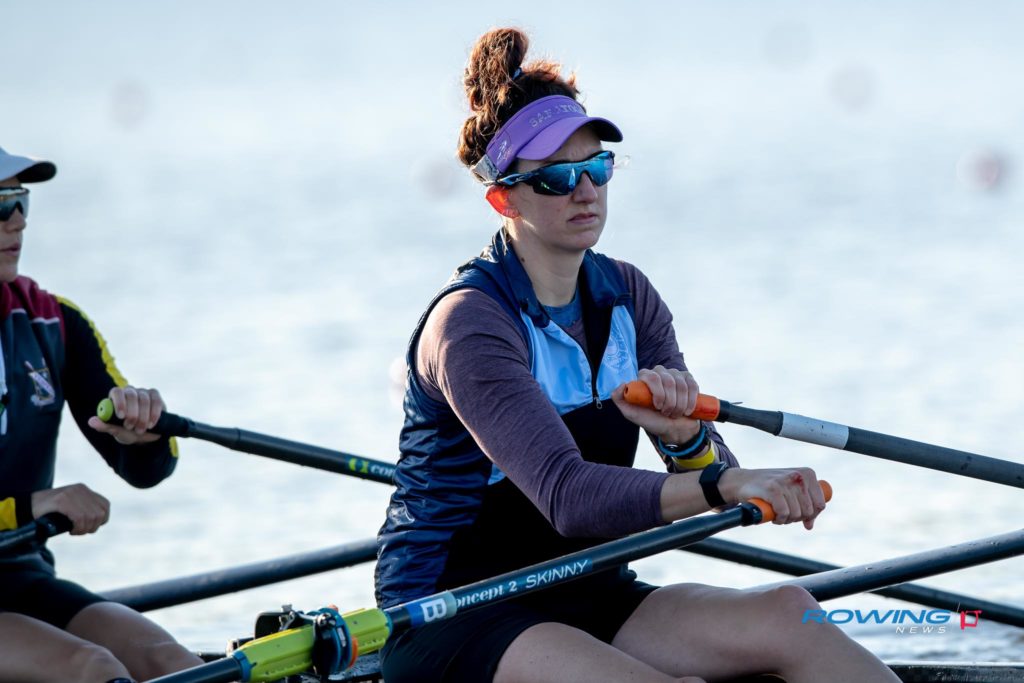
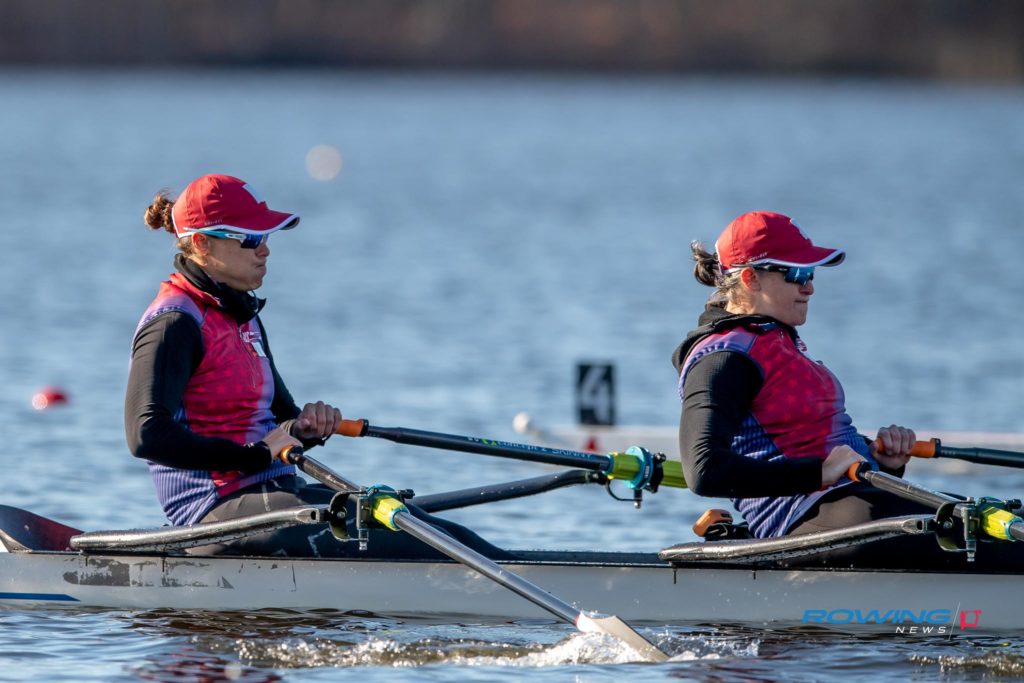
Head racing is typically done by sending crews one at a time with officials using timing systems to determine the winner. In the spring crews race head-to-head by lining up next to one another. Barring any penalities, the winner is the first crew to cross the finish line.

How to be a Great High School Coach

BY OLIVIA COFFEY
PHOTO PROVIDED

I’ve known Kathryn Lucier Green a.k.a. “Luc” since I was four years old. She coached all three of my older sisters in high school and, by the time that I arrived at Phillips Academy, she felt more like family than faculty. 
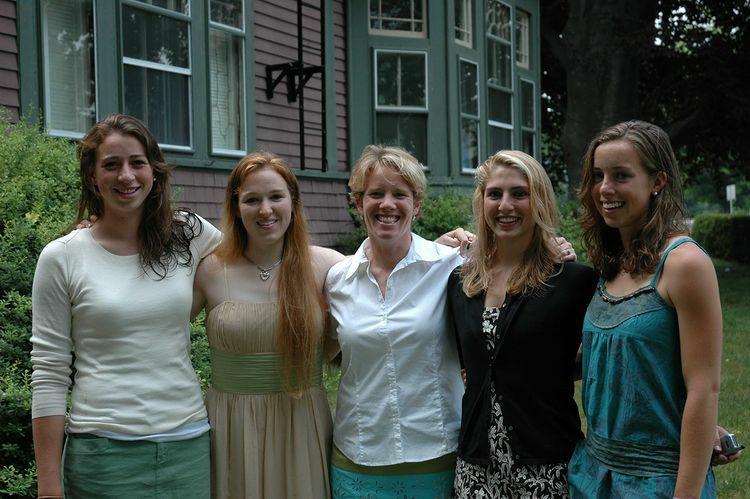
     Though I’m biased, I consider Luc one of the best high-school rowing coaches in the country. She consistently produced top recruited athletes, the most famous being double Olympic champion Caroline Lind, though her influence was felt by every athlete on her team. She taught us how to be tenacious racers, dedicated teammates, and compassionate leaders. Of the six seniors in my boat, five of us went on to become captains of our respective collegiate teams.     

     Everything about Luc was cool. Her short blond hair, which was usually down while she was teaching during the day, would be tied up in the front at practice so that her bangs pointed straight towards the sky, like a character out of a Dr. Seuss book. Her usual greeting to athletes as we loaded onto the bus for practice was, “Sup, my little chickadees?” and, once we got on the water, she always found a way to make the best out of difficult situations. To this day, every time I row in rough water, I think of Luc and the song she used to sing to us at the top of her lungs over the megaphone to the tune of “Chitty Chitty Bang Bang,” with a bit of water wordplay and profanity thrown in to make it entertaining and distract us from miserable conditions. 

     I’m especially reminded of Luc over this past year, an unexpected addition to the 2020 Olympic cycle. In high school, Luc would occasionally throw a “bonus piece” in at the end of practice, an extra opportunity to dig a little deeper, even though you felt you had already emptied the tank. She would do this only once or twice a season, but it’s something my crew came to celebrate because it allowed us to realize how strong we really were. These last 12 months have felt like a “bonus year” of training and, much like my high school teammates, I’ve been impressed by my fellow national teamers and their ability to lean into the extra work and come out stronger and faster because of it.

     But Luc wasn’t a great coach because of bonus pieces, cool hair, or how she talked. She didn’t make fast rowers because she trained us super hard (we did two erg pieces a season), and we didn’t win races because of a special race plan (she used to read us excerpts from inspirational books as a pre-race warm up). She was a great coach because she loved us, and we knew it. I’m lucky to have had her as my coach.

1,500-Meter Prep Workout

2 x (4×2’ on/1 off)

  • 24-30 spm on first set; 26-32 spm on second set
  • Additional bonus piece at 34 possible