Home Blog Page 196

1976 US Women’s 8+ Hall of Fame Row

VIDEO BY ADAM REIST

“I think one of the things that united us when we got to the National Team camps was that none of us had easy access to the sport… We were beating our way into the boathouse to even be allowed to row and so that competitiveness carried with all those women into the first National Team camps. We really appreciated having the chance to row.”

Kiosoglous Named President of Coaching Center

STAFF REPORTS
PHOTO COURTESY
DREXEL

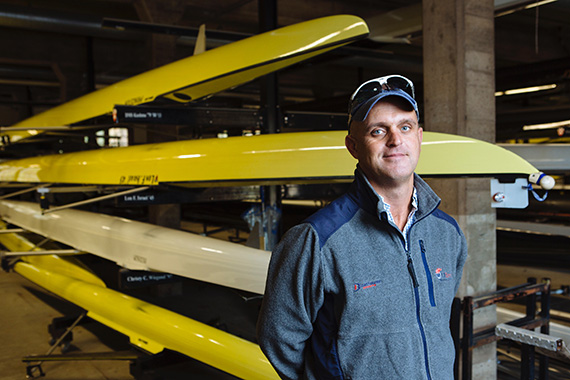
Long-time rowing coach Cam Kiosoglous, a clinical assistant professor and director of Drexel University’s Sport Coaching Leadership Program, has been named president of the United States Center for Coaching Excellence, which aims to strengthen the quality of coach education through guided program development, training, and support for coach developers. The organization also accredits coach-education and training programs based on cutting-edge practices.

2022 Royal Henley Regatta Set to Begin June 28

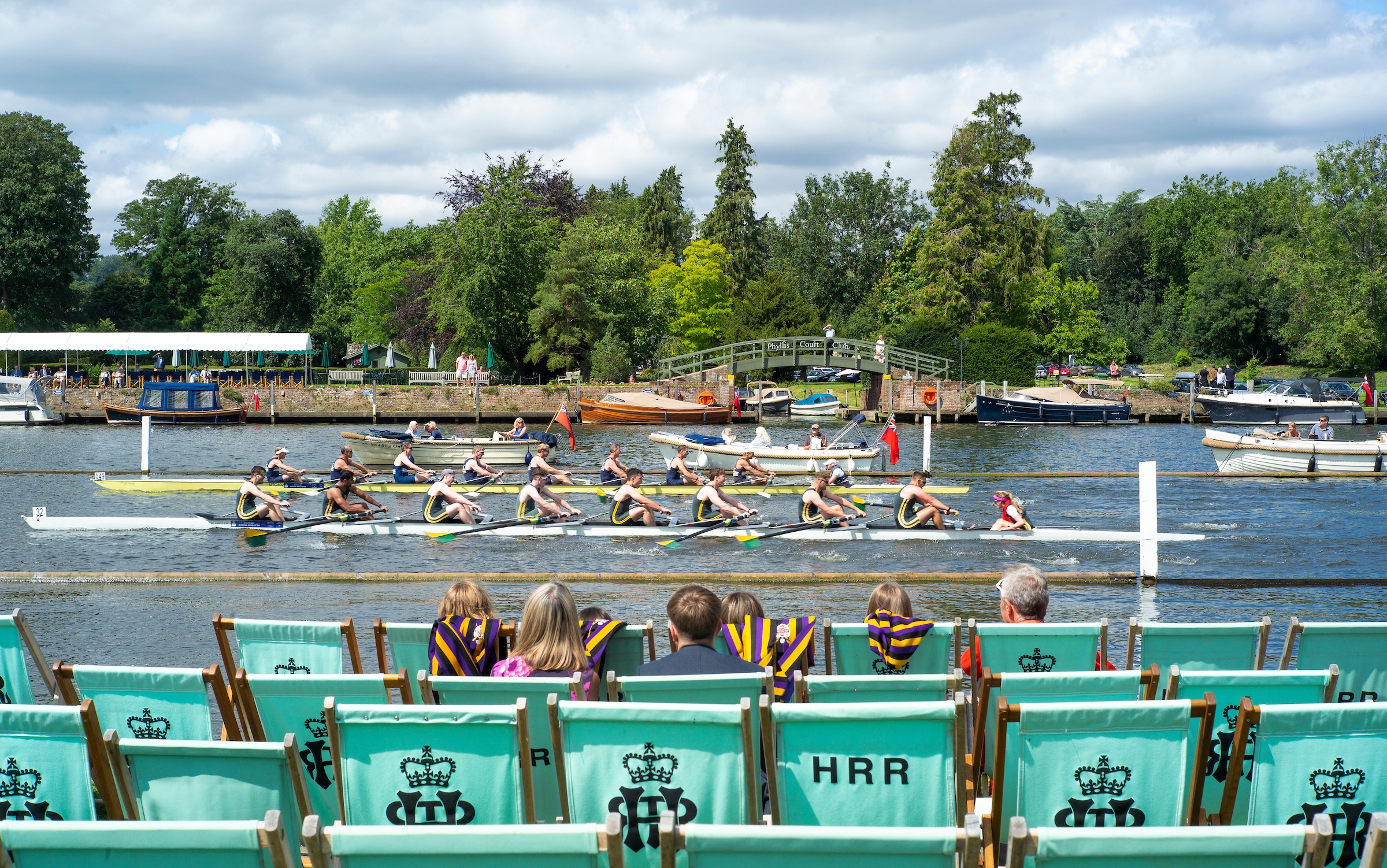
Henley-On-Thames, Berkshire, UK., DOW}, 11.08.21, Heat of the Thames Challenge Cup, passing the Hole in the wall, Bucks Station Upper Thames RC vs Northwich RC, 2021 Henley Royal Regatta, [Mandatory Credit © Peter Spurrier/Intersport Images],

STAFF REPORTS
PHOTO BY PETER SPURRIER

A historic Henley Royal Regatta will soon be underway. The annual event is set to begin June 28 and will feature the most entries in its 183-year history.

More than 17 nations will be represented at the event including Great Britain.

“The Stewards of Henley Royal Regatta are delighted with the entry,” Sir Steve Redgrave, Chairman of the Committee of Management, said. “We’ve missed the scale of the Regatta – with a smaller one last year and the cancellation the year before – and judging by the number of entries it looks like the rest of the rowing world has missed it as well.

“In the summer of the Platinum Jubilee, we are looking forward to continuing that spirit of celebration and the record number of crews entered is being matched by the spectators coming to welcome them.”

A list of full entries can be viewed here.

Longtime OU Women’s Rowing Head Coach Retires

STAFF REPORTS
PHOTO COURTESY

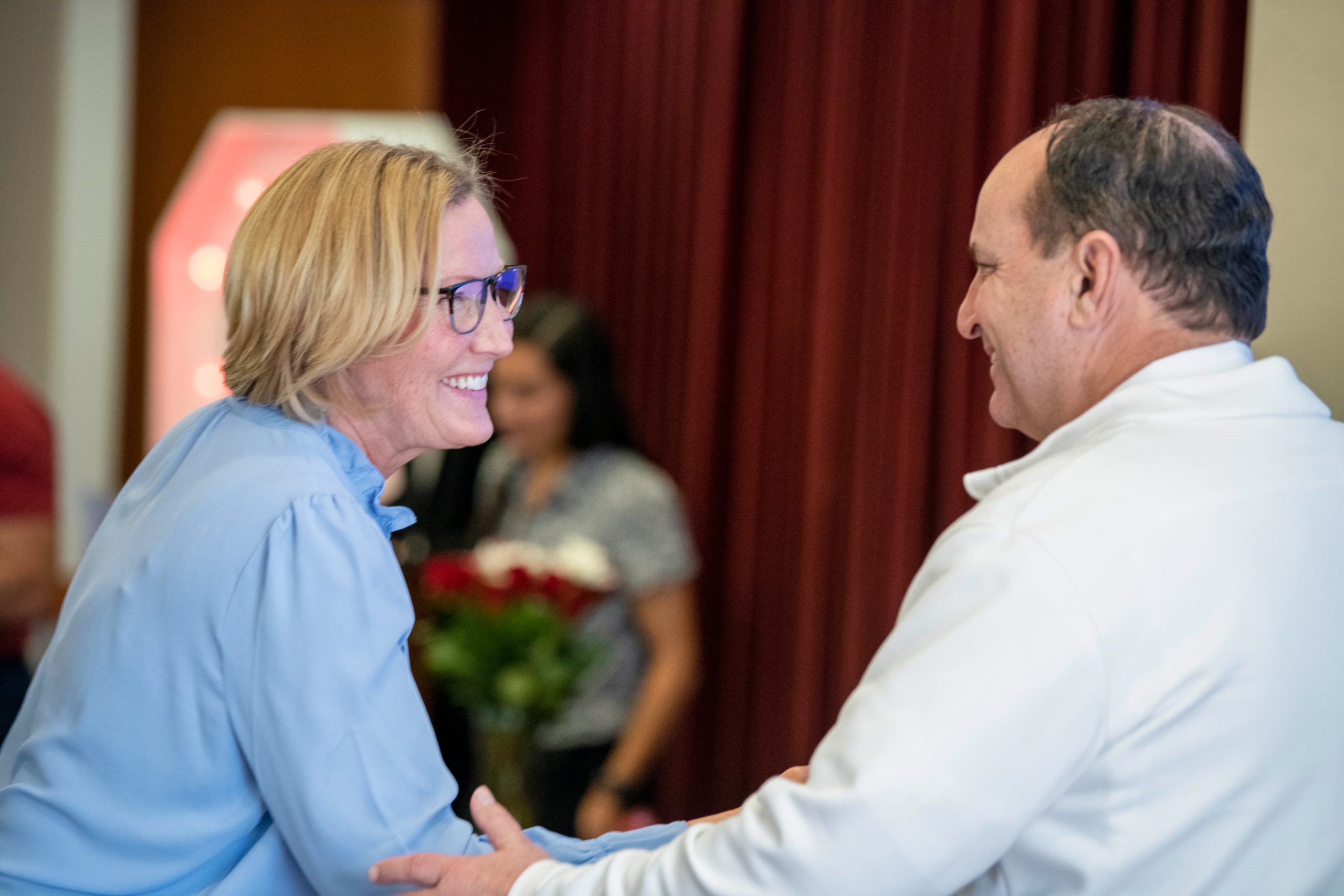
The University of Oklahoma announced that Leeanne Crain—the only person to have held the position of women’s rowing head coach at the university—has stepped down from her post.

“It’s been an incredible 14-year journey and I’m so grateful for my time at the University of Oklahoma,” said Crain. “I’ll forever cherish the experience of building the OU program from the ground up and having the opportunity to coach so many inspiring young women.”

Crain was named to the position in 2008 by OU Vice President and Athletics Director Joe Castiglione. Under her coaching the Sooners to back-to-back Big 12 and Conference USA titles in 2013 and ’14, as well as NCAA Championship appearances those seasons. The Sooners finished in the top two at the Big 12 Championship in 10 of the 12 years the program has competed in the event.

“We can’t thank Leeanne enough for all she’s done during her time at OU, most notably, of course, helping to launch our rowing program and presiding over it so admirably for almost a decade and a half,” said Castiglione.

“It was fun watching her teams get better and better those first several years, culminating with conference championships and NCAA Championship appearances. And the academic prowess of her student-athletes was second to none in our department, as evidenced by the nearly 300 academic all-conference selections during her tenure. We congratulate Leeanne on a job well done and certainly wish her the best in the next phase of her life.”

OU reports that the search for Crain’s replacement is underway.

Canada’s Men’s Eight Tests Positive for Covid, Misses Final

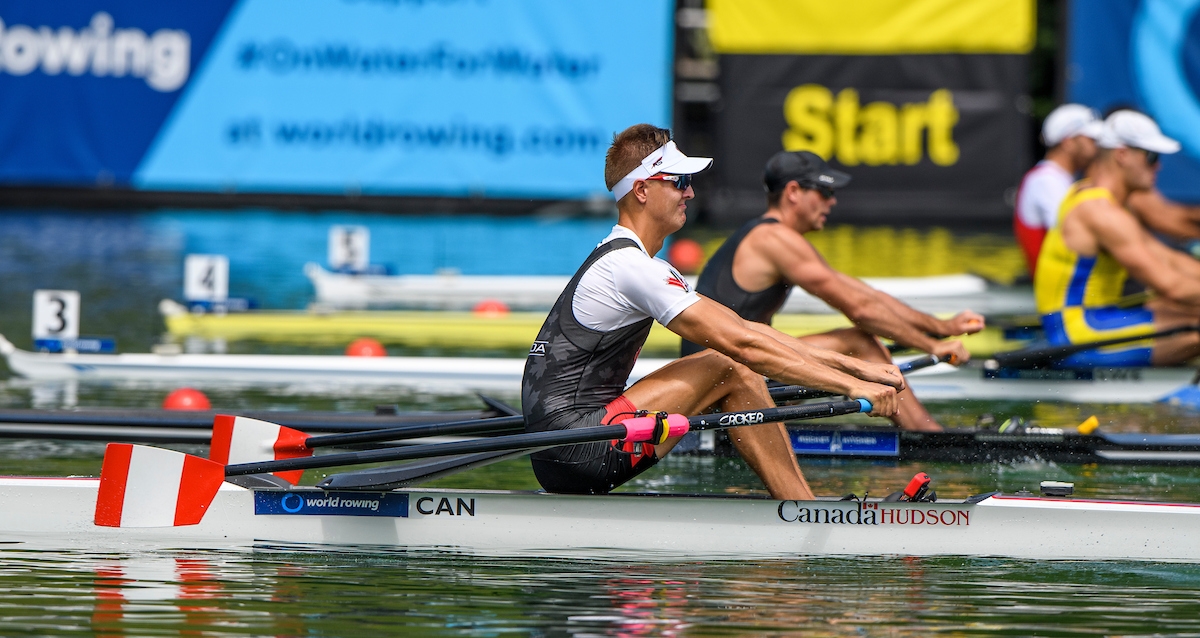
Lucerne, SWITZERLAND, Friday, 07/07/2017, CAN M1X, Trevor JONES, moving away from the start, 2017 FISA. Rowing World Cup III. Venue: Lake Rotsee, Rowing Lake [Mandatory Credit. Peter SPURRIER/Intersport Images] 12:59:59

STAFF REPORTS
PHOTO BY PETER SPURRIER

Canada’s men’s eight did not start in their final at Rowing World Cup II in Poznan, Poland, June 19, due to several members of the crew testing positive for Covid, according to Rowing Canada Aviron.

Canadian crews were competing in the World Cup for the first time in three years.

Canada advanced four other boats to A finals. Jill Moffatt and Karissa Riley finished fourth and sixth, respectively, in the lightweight women’s single A final. Trevor Jones made the A final in the men’s open single, finishing sixth, as did the women’s open four of Kirsten Edwards, Sydney Payne, Jessica Sevick, and Avalon Wasteneys.

“It felt so great to get back on the starting line with the team,” said Payne. “We learned a lot over the weekend and are excited for our next opportunity in Lucerne. It’s always fun to get to race different boat classes.”

Canada’s seven-boat World Cup squad races next in Lucerne, Switzerland at Rowing World Cup III, July 8-10.

Results from World Rowing Cup II can be found here. Information on World Rowing Cup III can be found here.


Sugar Substitutes: Good, Bad, Ugly?

Varese. ITALY. Crews racing at the 2013 FISA World Masters Championships. Lake Varese. Lombardy Thursday 05/09/2013 [Mandatory Credit. Peter Spurrier/Intersport Images Veteran Rowers and Scullers. Orientation. Landscape.

BY NANCY CLARK
PHOTO BY PETER SPURRIER

Today’s rowers are confronted with a plethora of foods and beverages containing low or no-calorie sweeteners (LNCS): Diet Pepsi, Halo-Top ice cream, Gatorade Zero, Nuun. Questions arise: Are these products a better option than their sugar-containing versions? Will they help you lose weight? Are they safe? Should athletes eat them or avoid them?

The goal of this article is not to advocate for or against LNCS sweeteners, such as Equal (aspartame), Sweet ’N Low (saccharine), and Truvia (stevia) but rather to offer science-based information to help you decide whether or not they are safe to include in your sports diet.

Background info    

The 2020-25 U.S. Dietary Guidelines for Americans state that we should limit added sugars to less than 10 percent of our daily calories. The average (i.e., unfit, fat) American consumes about 270 calories (17 teaspoons, 13 percent of total calories) of added sugars a day. Soft drinks, other sweetened beverages, cookies, candy, and desserts are common culprits. For a sedentary person who may require 1,800 calories a day, 10 percent of calories equates to 180 calories (45 grams) of added sugars a day that displaces wholesome foods. Given that exercise enhances our ability to metabolize sugar, rowers and other active people are less likely to end up with health issues (pre-diabetes, Type 2 diabetes) related to sugar consumption. For them, added sugars can be a useful source of muscle fuel. Ideally, the sugar comes surrounded by nutrients, such as a post-exercise recovery chug of chocolate milk or flavored Greek yogurt.

Today’s serious rowers often select their foods more wisely than the average American. Their hope is not only to enhance performance but also to reduce their risk of injury and invest in their longevity. For a rower eating more than 3,000 calories a day, the guideline of less than 10 percent of total calories from added sugars equates to 300 calories (75 grams) of added sugars a day. That leaves plenty of space for some sugary sports foods and treats, if desired. 

Rowers’ bodies tend to use sugars readily (they appear in the blood as glucose) to replenish depleted muscle glycogen stores. During long hard workouts, sugar-filled gels and sports drinks can enhance performance. So why would a rower want to choose a Gatorade Zero, Nuun, or Propel with LNCS? 

Well, if rowers are weight-conscious, LNCS can help them save a few calories (though doing so while exercising can hurt performance). With meals and snacks, swapping a can of sugar-sweetened soda for a diet soda allows the rower to enjoy 150 more calories of nutrient-dense foods, such as fruits or veggies. (We know what often happens, however. The saved calories go towards cookies. Ha!)

Are foods sweetened with LNCS a way for rowers to have their cake and eat it, too? The media have certainly stigmatized LNCS, leading many to believe they are mysterious chemicals, contribute to obesity, and bolster one’s sweet tooth. Are they really bad for you? Let’s take a look at what science says. 

Aren’t they nothing but (scary) chemicals?
All foods are made of chemicals: carbon, oxygen, nitrogen. Aspartame (brand names are NutraSweet and Equal) is made of two amino acids that taste 200 times sweeter than table sugar. You need very little of it. The powder in the blue packet is mostly a harmless filler that keeps the few molecules of sweetener from getting lost in the packaging.

Are they safe to consume?

Sugar substitutes are among the most highly studied ingredients out there. The FDA, WHO, and other global health organizations have confirmed the safety of these products in doses well above the amounts commonly consumed by humans. Studies that reported a link to cancer were done with animals given absurd amounts of no- or low-cal sweeteners and are not relevant to humans in real life.

That said, the FDA has established Acceptable Daily Intakes (ADI) for these sweeteners. ADI is the amount of a LNCS humans can consume every day during their lives—with a built-in 100-fold safety factor below which no adverse effects have been seen. For aspartame, the ADI equates to 107 of those little blue packets a day (19 cans of diet soda every day of your life). So yes, some rowers could overshoot the ADI—but it’s highly unlikely! 

Do low- and no-calorie sweeteners lead to weight loss?

LNCS is one tool in a dieter’s toolbox. They can help dieting rowers lose weight if they displace calories the dieter does not replace. For example, one athlete told me he lost 30 pounds in a year just by trading in his lunch and dinner-time can of Pepsi for Diet Pepsi. That one simple change shaved off 300 calories a day that he did not replace. That said, research indicates people can easily compensate for the calories by eating more or other foods.

Do low- and no-calorie sweeteners lead to weight gain? 

No. People who drink diet soda are more likely to be overweight, but diet soda did not cause weight gain. Rather, people who live in large bodies are more likely to use LNCS to save some calories.

Don’t these sweeteners trick the body into thinking it’s getting sugar—and trigger a spike in blood glucose, followed by a crash and hunger?

Well-controlled, randomized studies indicate the answer is no. Nor do LNCS make people feel hungrier. Some animal studies have shown that LNCS might increase appetite, but those studies were conducted with large amounts of LNCS that we would never consume. This has not been replicated in humans.

Do no- or low-cal sweeteners have a negative impact on the microbiome? 

Questionable research with mice who consumed very large amounts of saccharin suggests it might impact the microbiome of rodents. But no conclusive evidence to date indicates LNCS negatively impacts the human gut microbiome. Stay tuned.

The bottom line

We are all born with an innate desire for sweet tastes, starting with breast milk. We have many options for satisfying that sweet tooth in good health. Take your choice!

Sports Nutritionist Nancy Clark, M.S., R.D., counsels both casual and competitive athletes in the Boston area (Newton, 617-795-1875). Her Sports Nutrition Guidebook can help you figure out how to eat to perform well and stay healthy. Visit www.NancyClarkRD.com. 

Sechser, Reckford Secure Gold Medal on Final Day of World Rowing Cup II

STAFF REPORTS
PHOTO BY ED MORAN

The United States had a strong showing at the 2022 World Rowing Cup II finishing the regatta with seven medals.

Michelle Sechser and Molly Reckford took the top spot in the women’s lightweight double and will be bringing a gold medal back to the States.

In addition to the women’s lightweight double, the United States also won a silver medal in the women’s pair, and bronze in the men’s pair, women’s double sculls, men’s four, and men’s single sculls on Sunday. Mary Jones Nabel won the gold medal in the lightweight women’s single sculls for the United States on Saturday.

Full results from the event here.

United States Continues Streak of Success at World Rowing Cup II, Jones Nabel Wins Women’s Lightweight Single

STAFF REPORTS
VIDEO COURTESY WORLD ROWING

For Mary Jones Nabel, make that a two-peat.

The American sculler finished first in the women’s lightweight single at World Rowing Cup II June 18 on Lake Malta in Poznan, Poland, which is her second straight win on the World Rowing Cup circuit after winning the same event at World Rowing Cup I.

Jones Nabel wasn’t the American with a successful day of racing.

Molly Reckford and Michelle Sechser won the women’s lightweight double semifinal to advance to the A final, both U.S. women’s double’s advanced to tomorrow’s A finals, Ben Davison advanced to the A finals in the men’s single, Justin Best and Michael Grady advanced to the A final in the men’s pair, the women’s four advanced to the A final, and the men’s lightweight double of Jasper Liu and Zach Heese advanced to the A final.

In addition to the boats that qualified today, three other U.S. crews will race in the A finals on June 19. Full results from the event here.