

To continue reading…
This article is exclusively for Rowing News subscribers. For as little as $5 a month, you can get access to the best quality, independent reporting on all the issues that matter to the North American rowing community.
As the president of World Rowing, Jean-Christophe Rolland might have the toughest job in rowing. Fortunately, he’s an Olympic-champion oarsman, so he has the grit, determination, and resilience to endure discomfort, to work cooperatively, and to keep going when others quit.
The affable Frenchman, frustrated and infuriated—as he says in the Rowing News interview in the June issue—by the failure of most national teams to support the World Rowing Cup by showing up and racing, has managed to keep rowing’s place in the Olympic Games through his work on the International Olympic Committee.
Unfortunately, that “go along to get along” approach has cost lightweight rowing’s place in the Olympics as well as undermining the integrity of Olympic rowing by shortening the race distance to 1,500 meters for the LA 2028 Games.
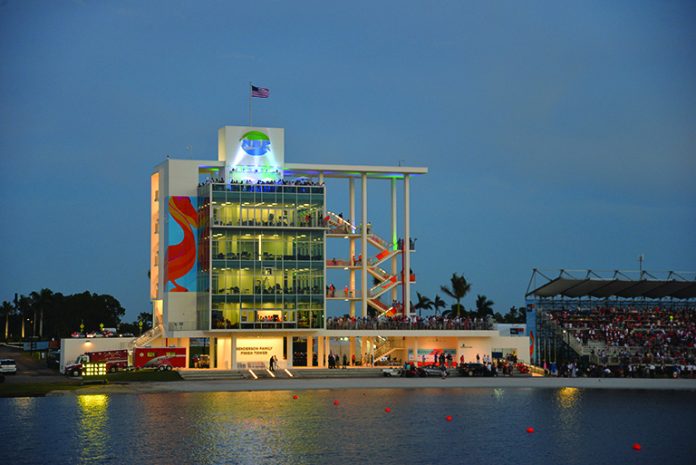
Because so much work went into arriving at that bad decision, Rolland says, the decision must stand. That’s Old World thinking at its worst, especially since a proper Olympic regatta could be held on the purpose-built world-class venue at Nathan Benderson Park in Sarasota (just as the LA 2028 whitewater canoe and kayak events will be held in Oklahoma City, and the Paris Games surfing events were held in Tahiti).
As reported throughout the June issue of the magazine, rowing is thriving and more popular than ever, just not at the international elite level. But as I write in the June issue of Rowing News, our sport faces a big challenge—the coming “demographic cliff.” The good news is that on both the Olympic and domestic levels, there are solutions. I offer 10 of them, including “row-up music” and crews picking their own lanes before the start, to make our sport even better.
These potential improvements build on what is already a great sport. Tom Matlack’s exciting recollection of the journey that his Wesleyan crew took to victory in 1986 tells the story of what rowing has to offer all of us: Hard work and working together lead to success.
