

To continue reading…
This article is exclusively for Rowing News subscribers. For as little as $5 a month, you can get access to the best quality, independent reporting on all the issues that matter to the North American rowing community.
Already a subscriber? Login
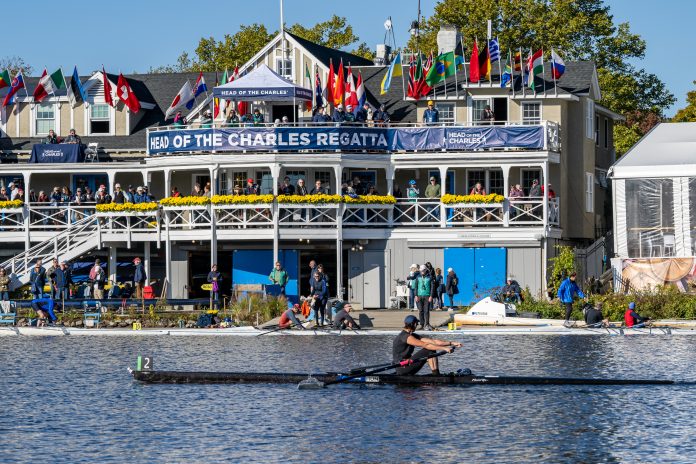
After two consecutive years of trying to enter one of my athletes who has proven to be one of the top youth scullers in the country into Head of the Charles, only to have her waitlisted both times, it dawned on me: Why can’t HOCR use a merit-based system for youth single events? It’s the only event in rowing where the rower represents the entry 100 percent.
In addition to “10 Ways to Save Rowing” (June issue), I suggest adding an 11th: Make singles entries based on merit. Though I’m referring specifically to Head of the Charles, this could be applied to other races where entries are at a premium, and it may make some regattas more attractive to faster single scullers.
Head of the Charles boasts of being the most prestigious regatta in the country and hosts athletes and teams from across the nation and around the world. Why wouldn’t the regatta committee want the most diverse group of fast athletes racing for medals in this event? As it stands, there are typically about 45 spots available for women’s and 50 spots for men’s youth single entries at the Charles.
The athlete at my club rows on a very small team in a part of the country where rowing isn’t well known, and she has dedicated a lot of extra effort because of her love of the sport. She has put in countless hours with the team and on her own to become the best athlete she can be. Unlike the Charles River, there are no rival boathouses on our body of water, no early-morning rows alongside other strong competitors to inspire our athletes to get faster every day. I would argue that it’s more difficult to train without a large team pushing you on.
At HOCR, there are five more entries available in the boys’ singles event than in the girls’, which are allocated specifically for local clubs along the Charles River. These club members have the opportunity to row this iconic river every day. Why not reward a well-deserving female athlete who has overcome the disadvantage of her geographic location and who may never have another chance to race in such a legendary event?
To make this a merit-based system, there’s a simple solution. The committee would gather the names of the athletes who made the grand finals at USRowing Youth Nationals in the youth and U17 singles, and the grand final from Scholastic Rowing Association of America nationals in the senior single. HOCR organizers would extend invitations to those athletes directly or wait to see who registers and make sure they are priority entries. That would mean monitoring 18 to 22 athletes of each gender.
I imagine there would be some overlap with guaranteed entries, and several athletes would have graduated to college programs or wouldn’t be interested in racing. With 10 to 15 merit-based entries for each gender, there still would be plenty of entries available for the regatta’s traditional lottery system.
HOCR invitations would be an honor to receive and a goal for which rowers could strive. The impact of such an opportunity for small-club rowers would be far-reaching. Beyond the incredible rowing experience for the athlete, it would bring attention to the rowing club, thereby motivating other young rowers to strive for such success, inspiring others to try the sport, and stirring regional interest in the sport through media coverage.
Imagine what a handful of these fast rowers from all corners of the country could do to promote this niche sport, increase participation, and help strengthen USA sculling as a whole on the national stage.
Ted Riedeburg
Director, Head Coach
Rock City Rowing and
Episcopal Collegiate School
Little Rock, Ark.
