BY CONNOR WALTERS
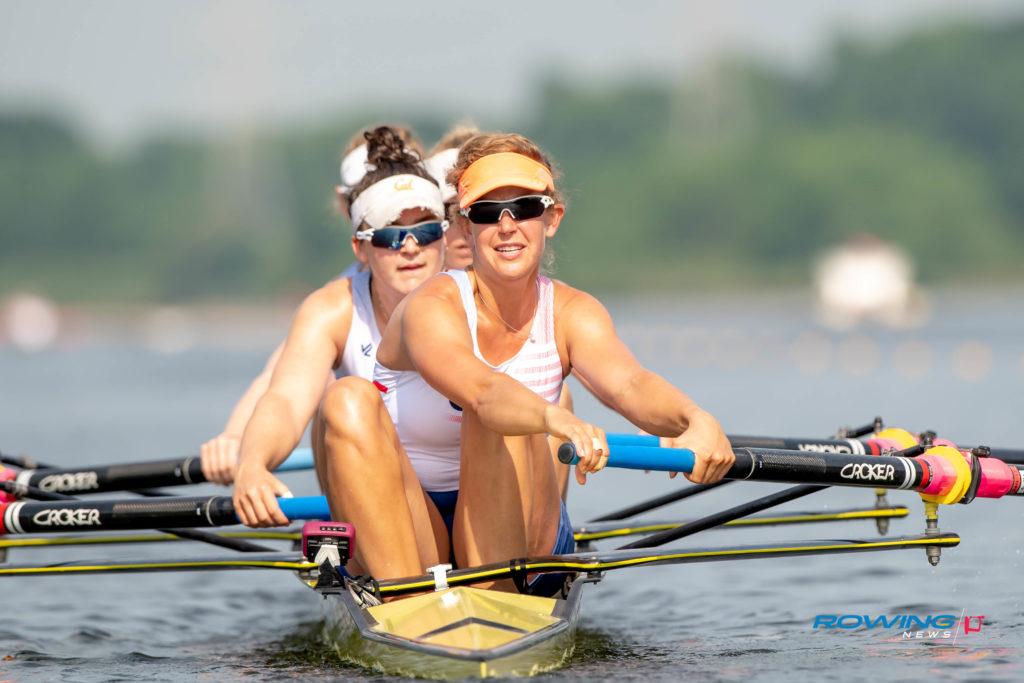
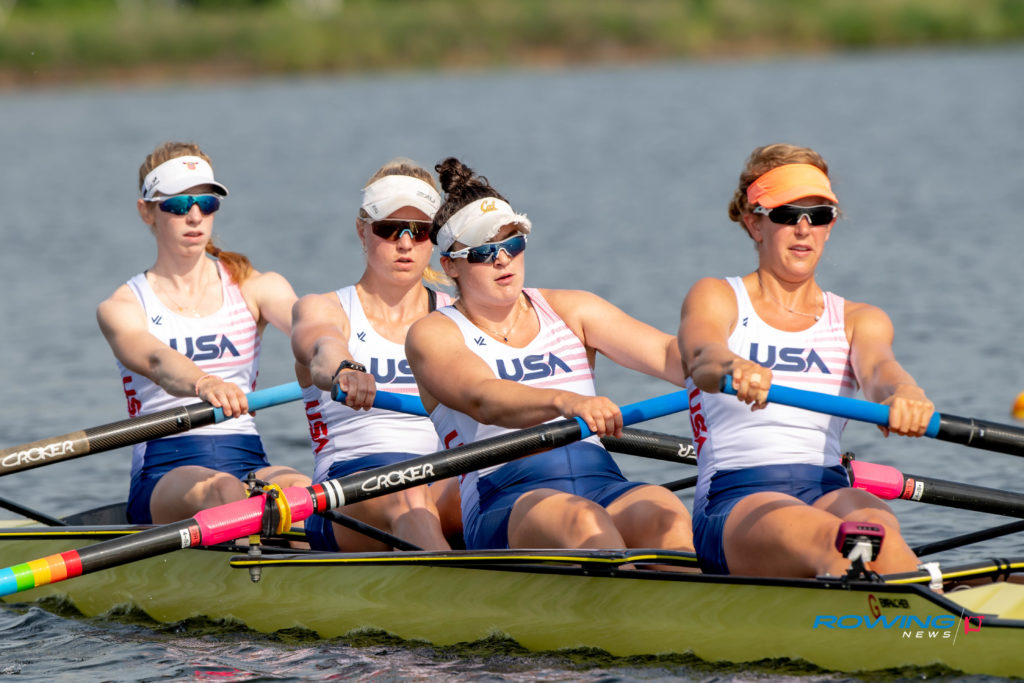
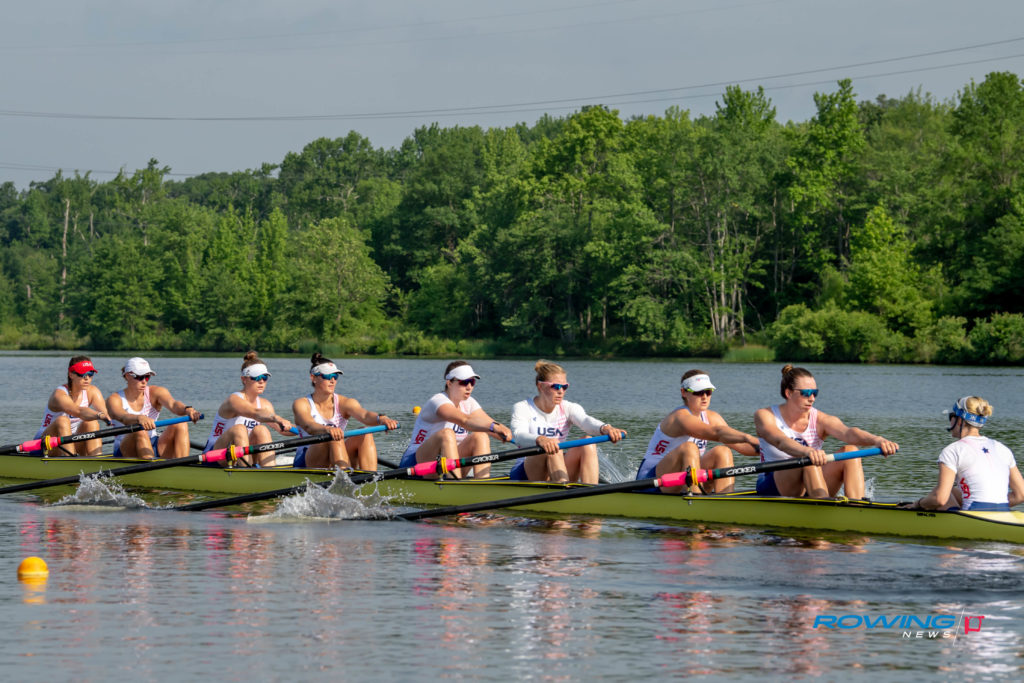
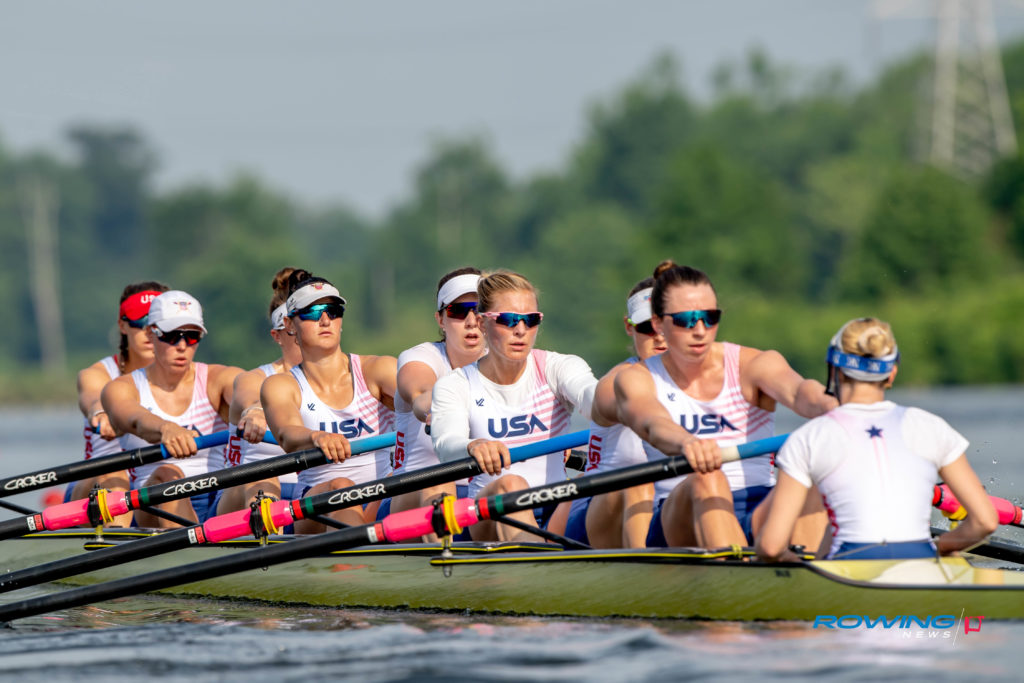
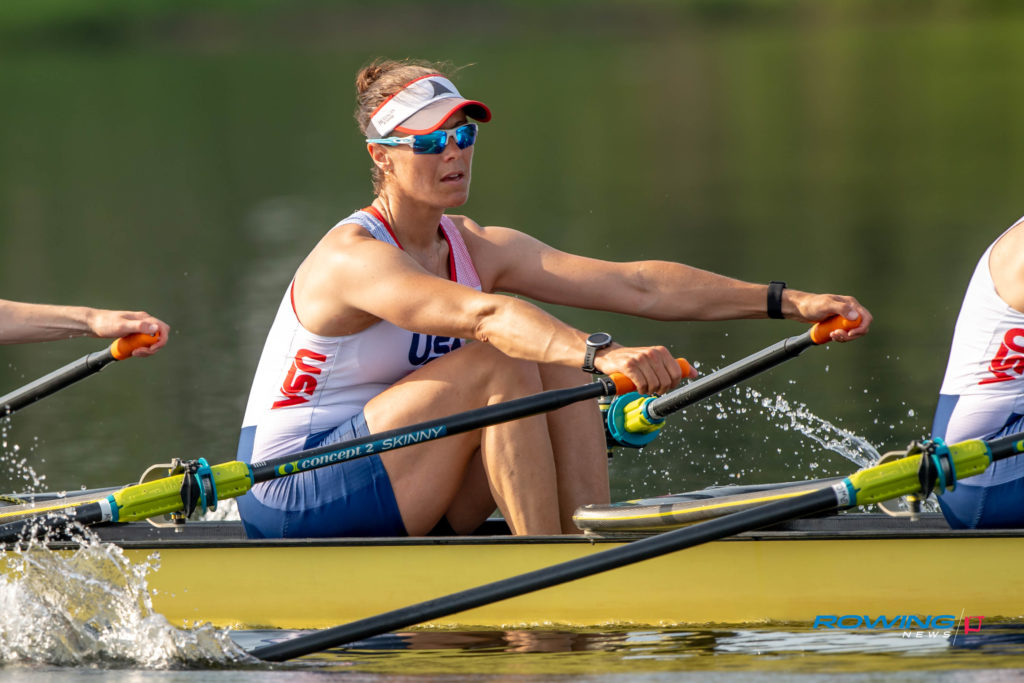
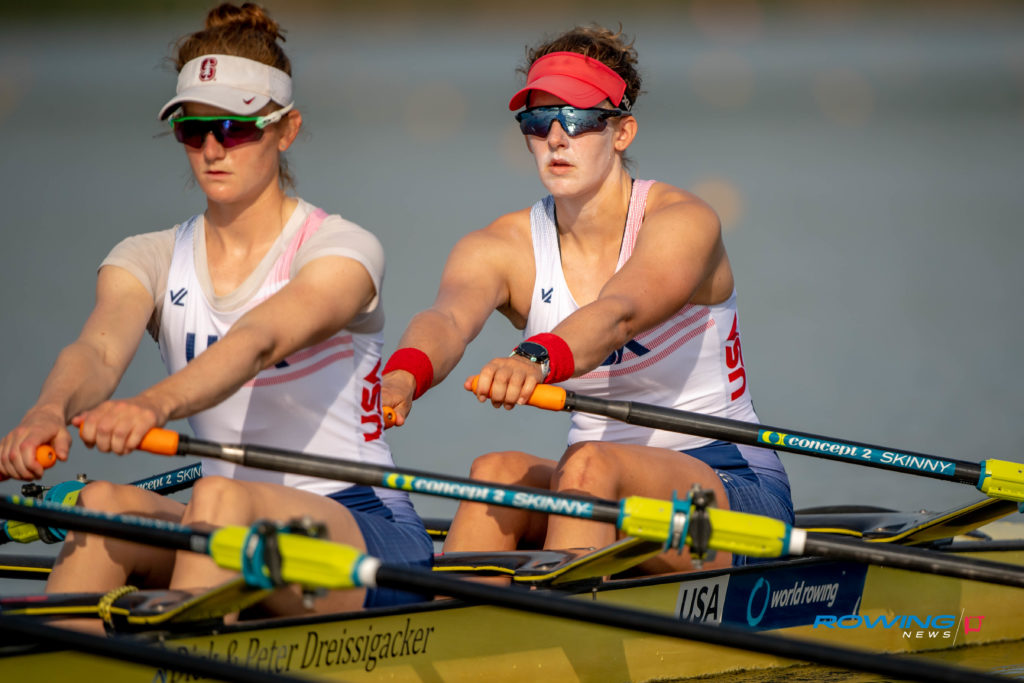
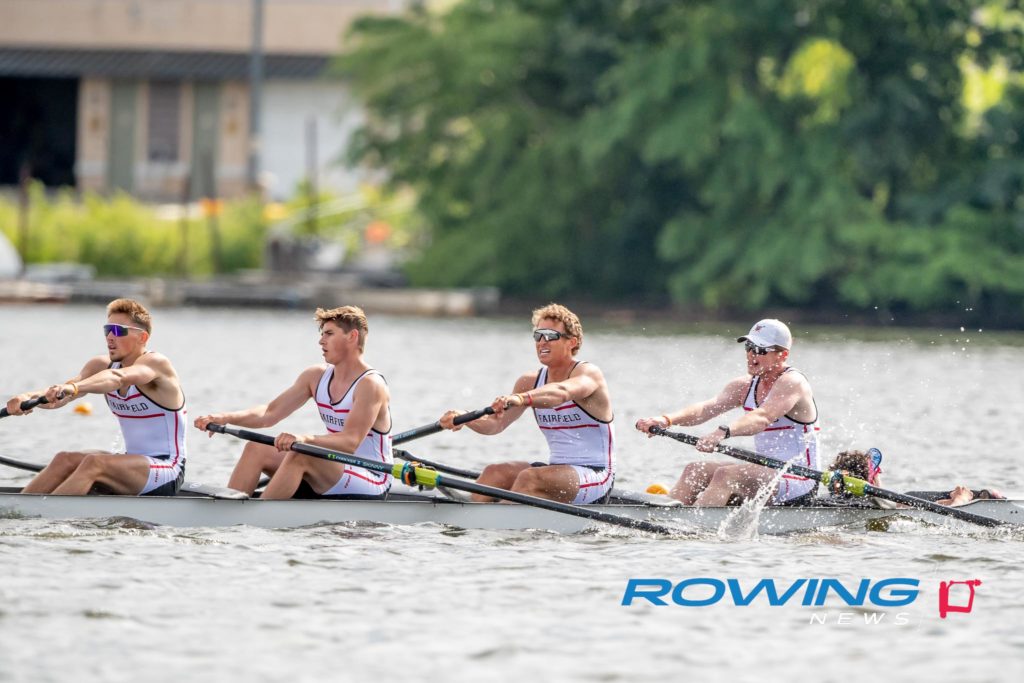
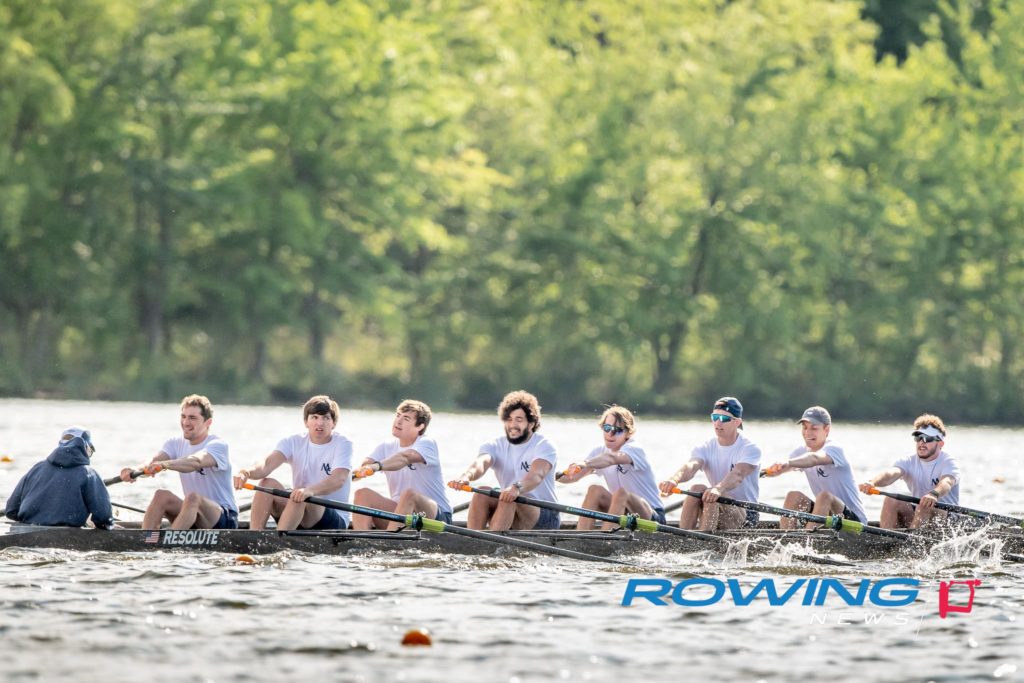
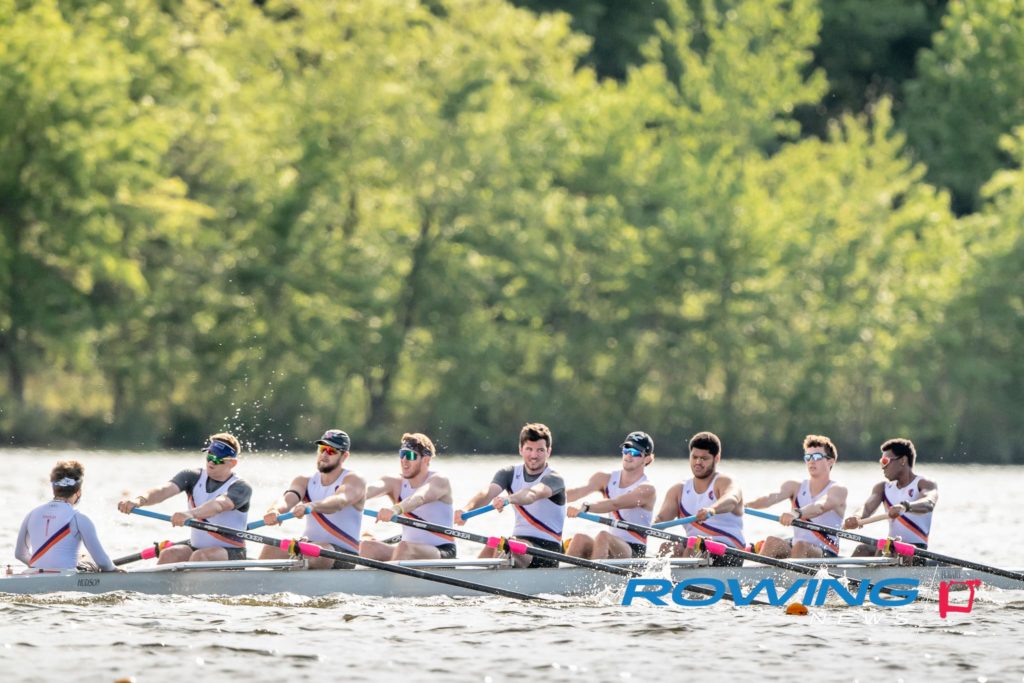
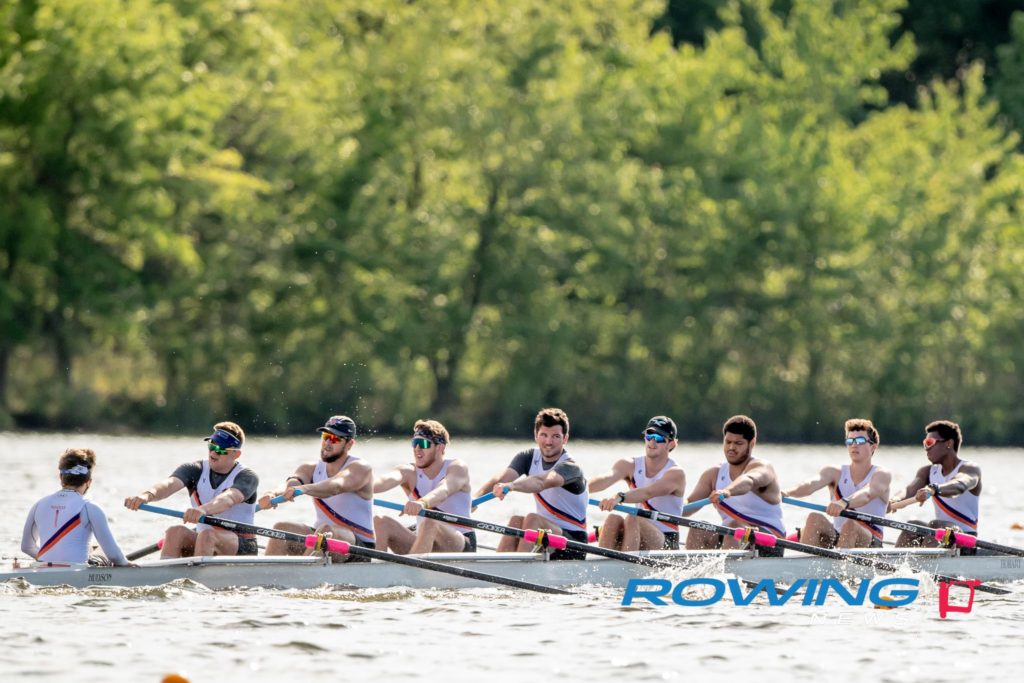
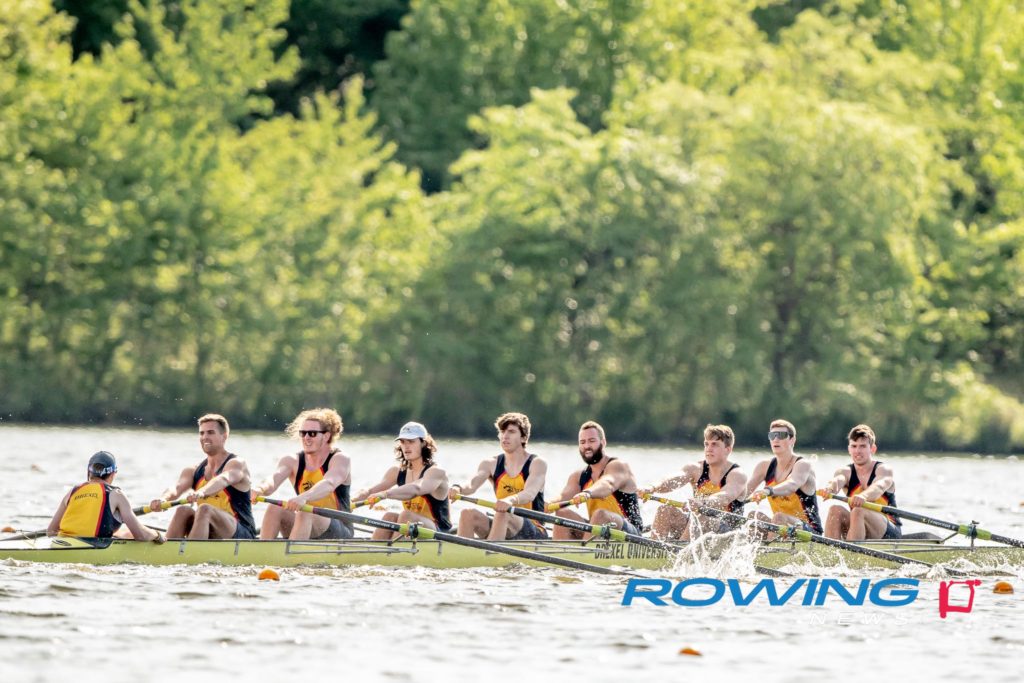
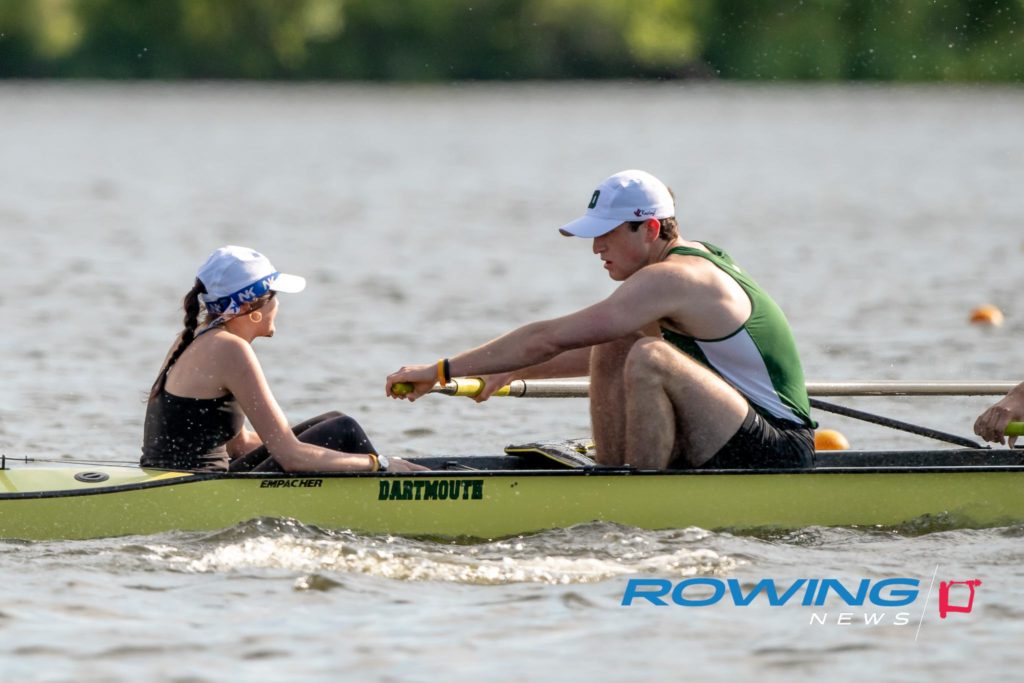
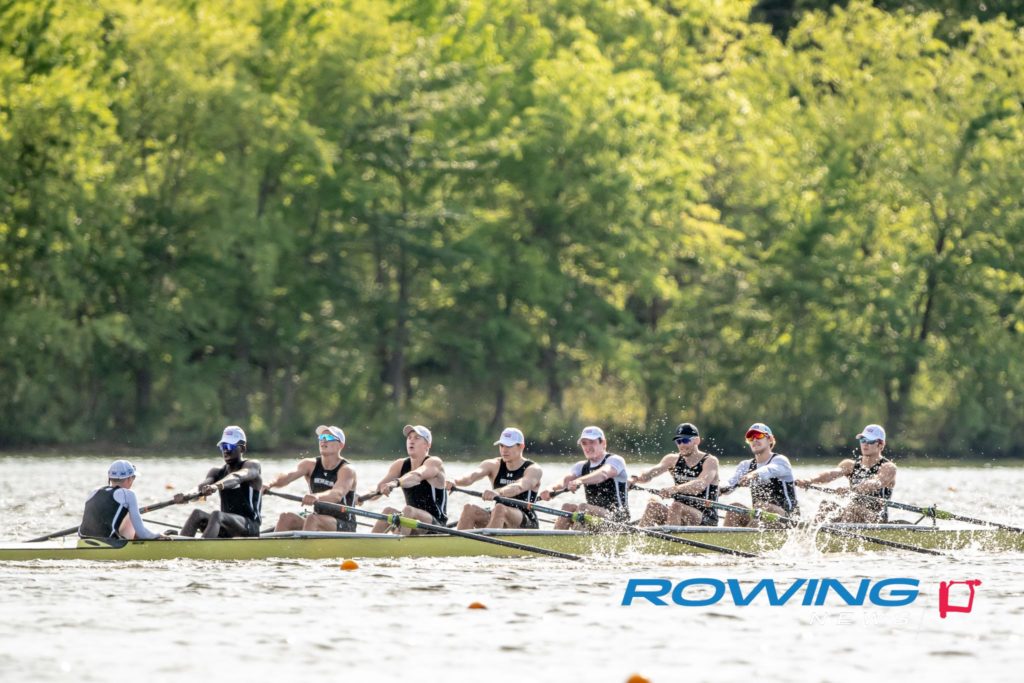
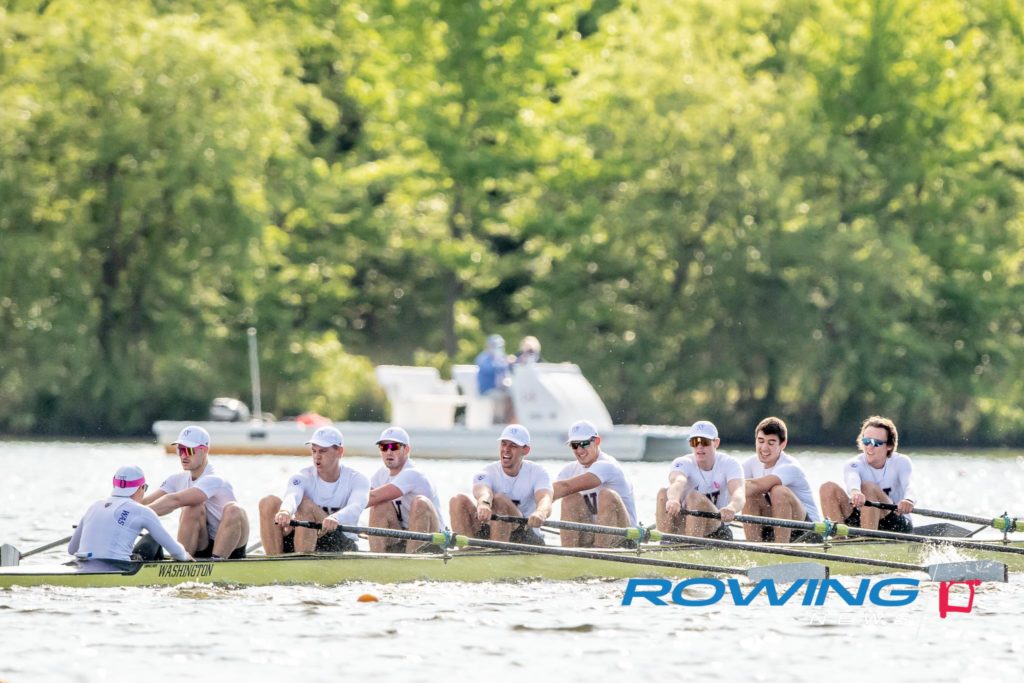
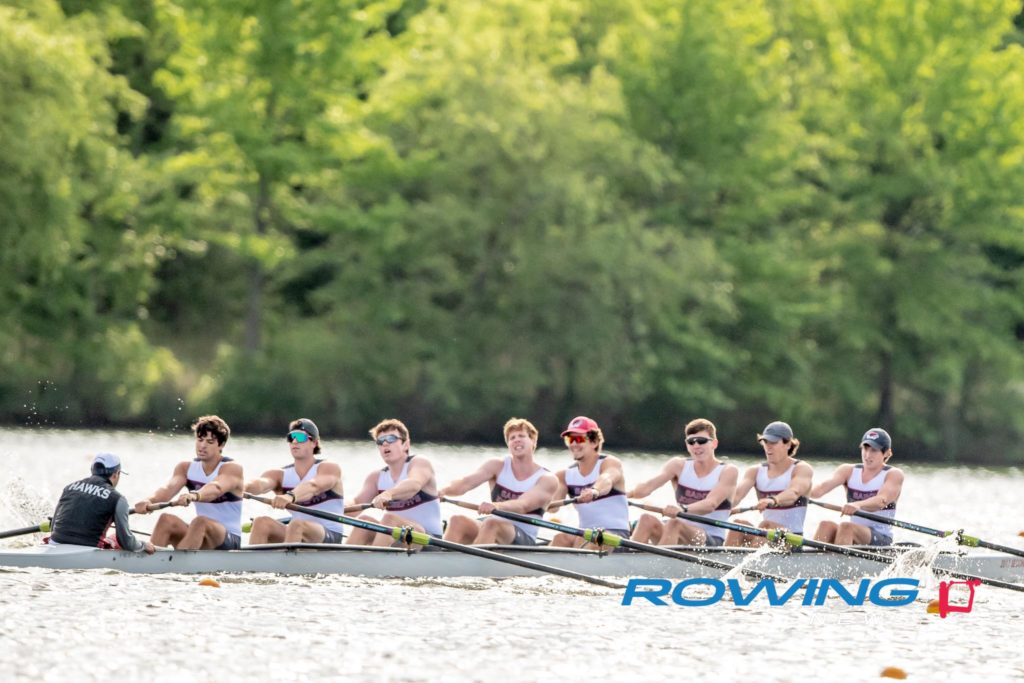
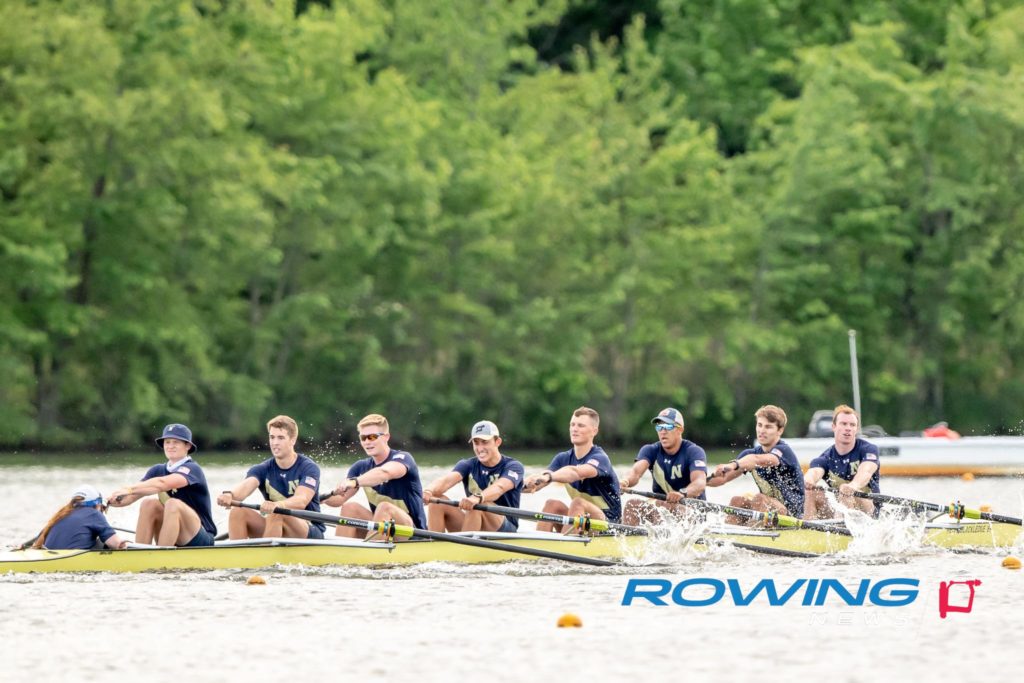
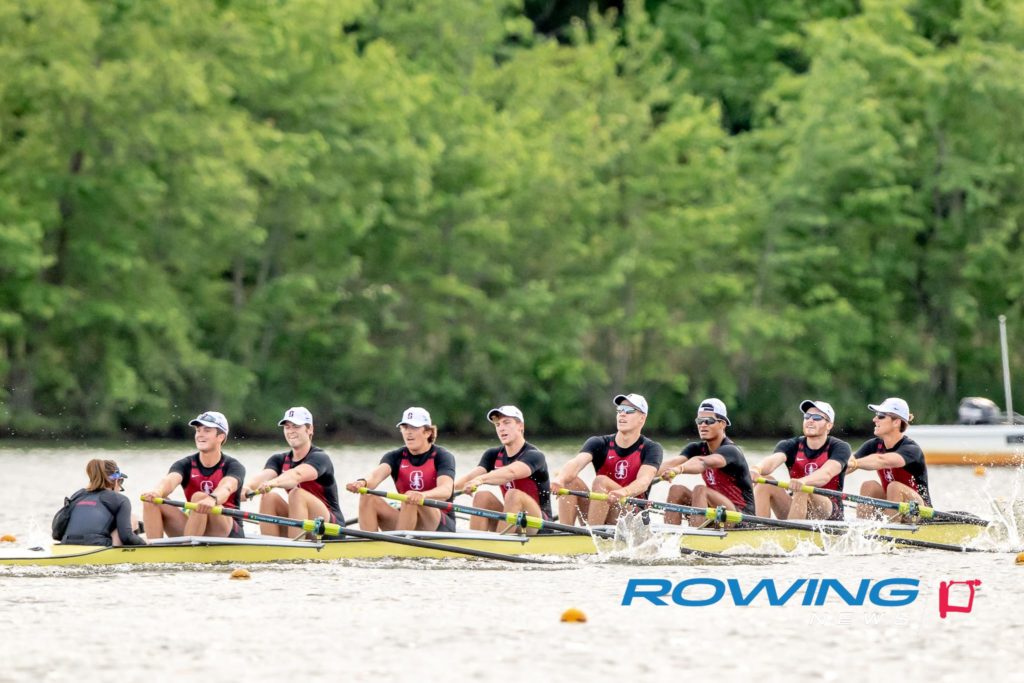
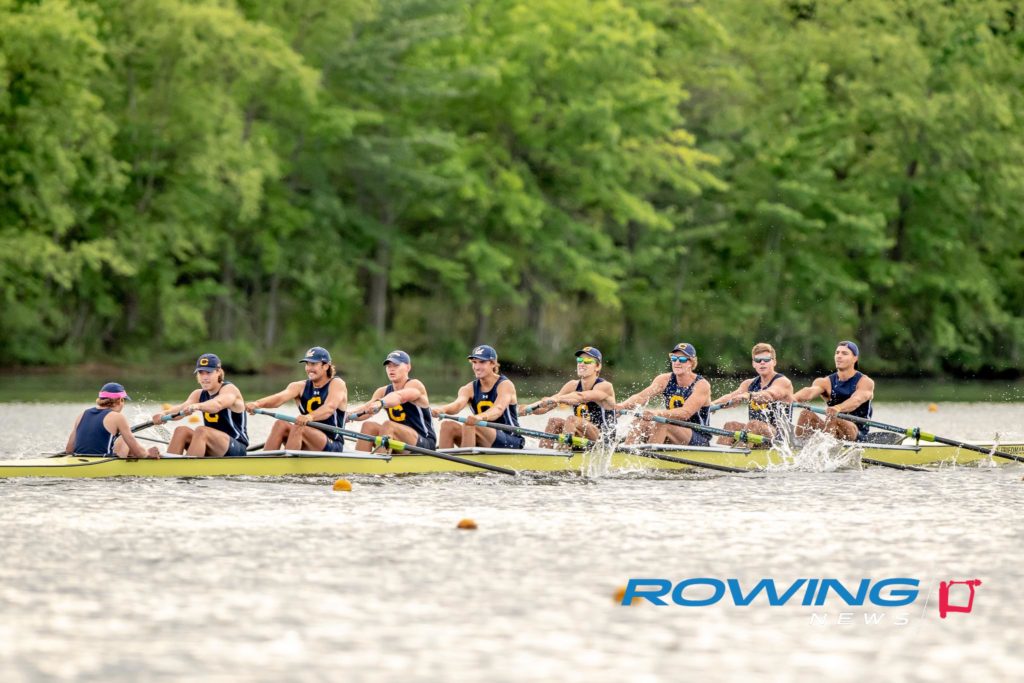
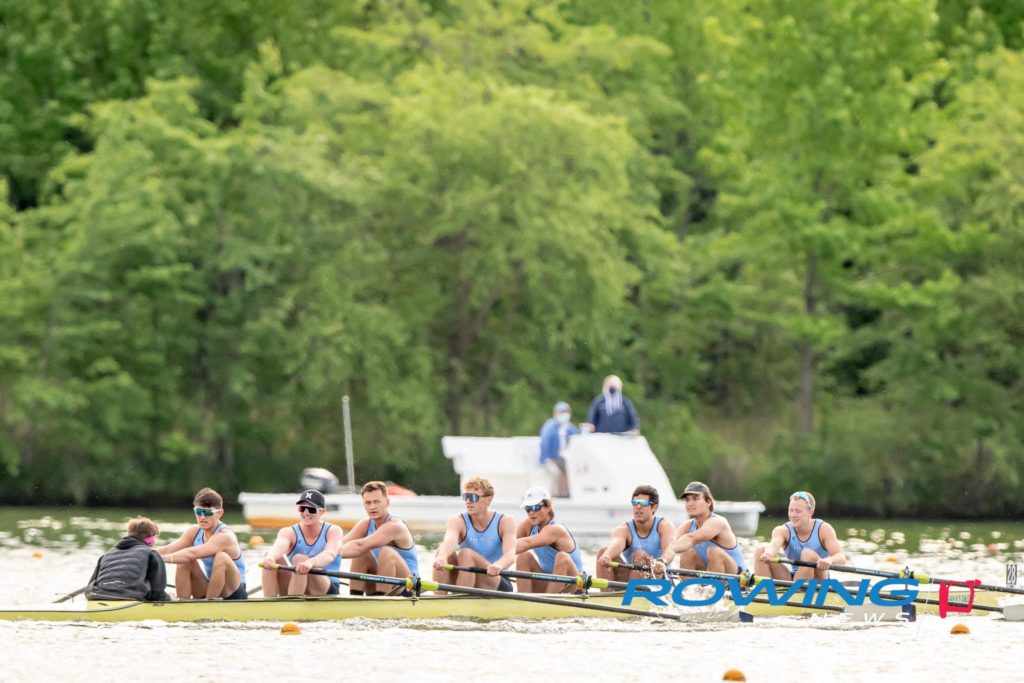
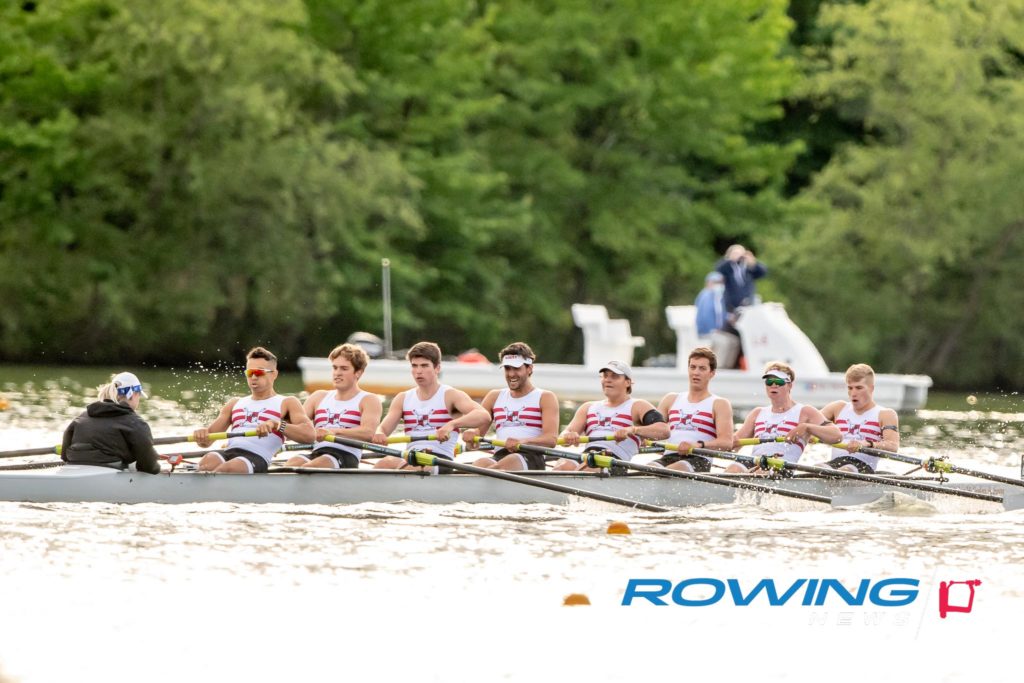
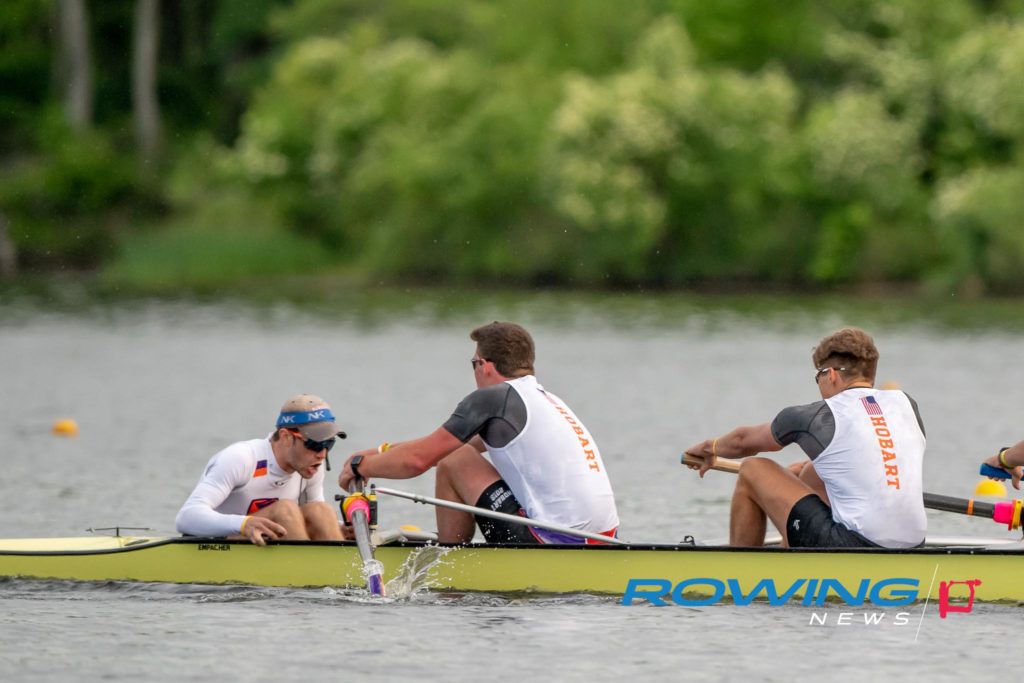
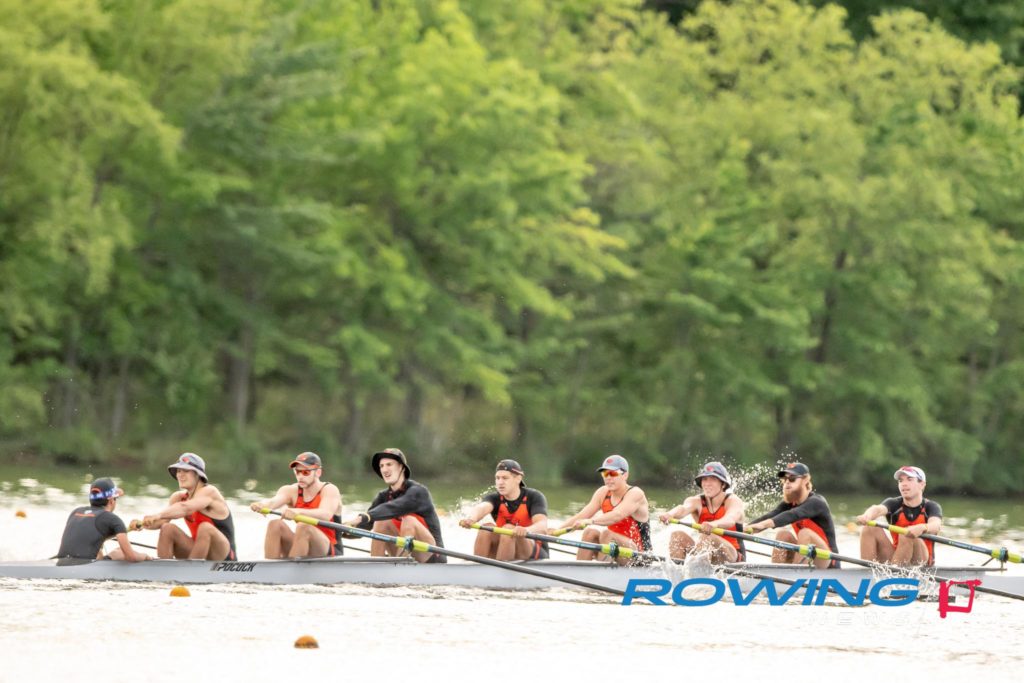
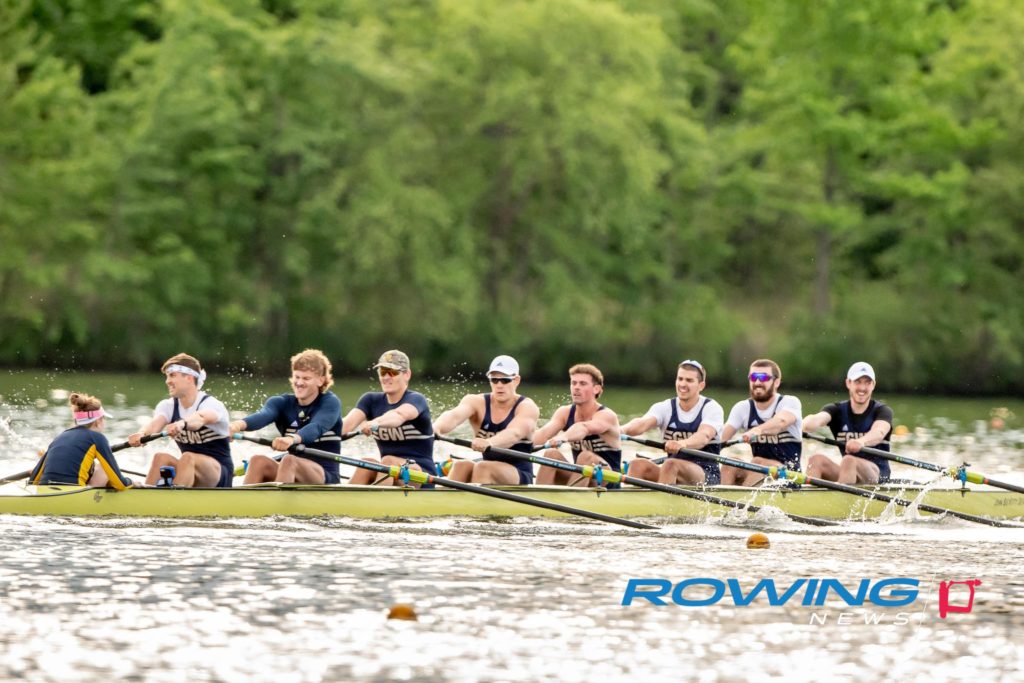
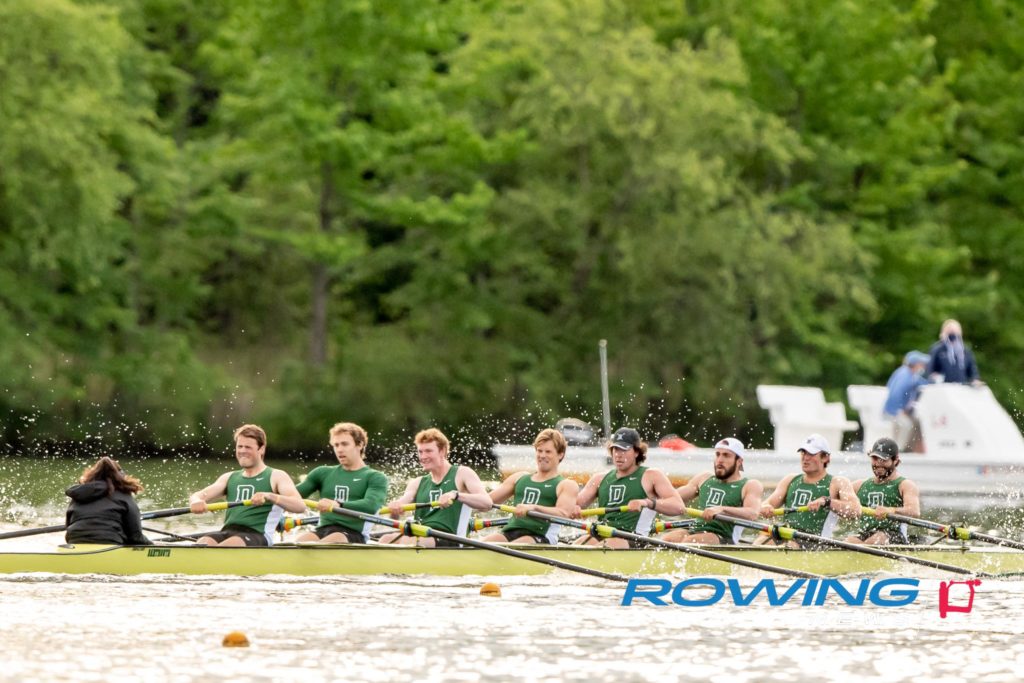
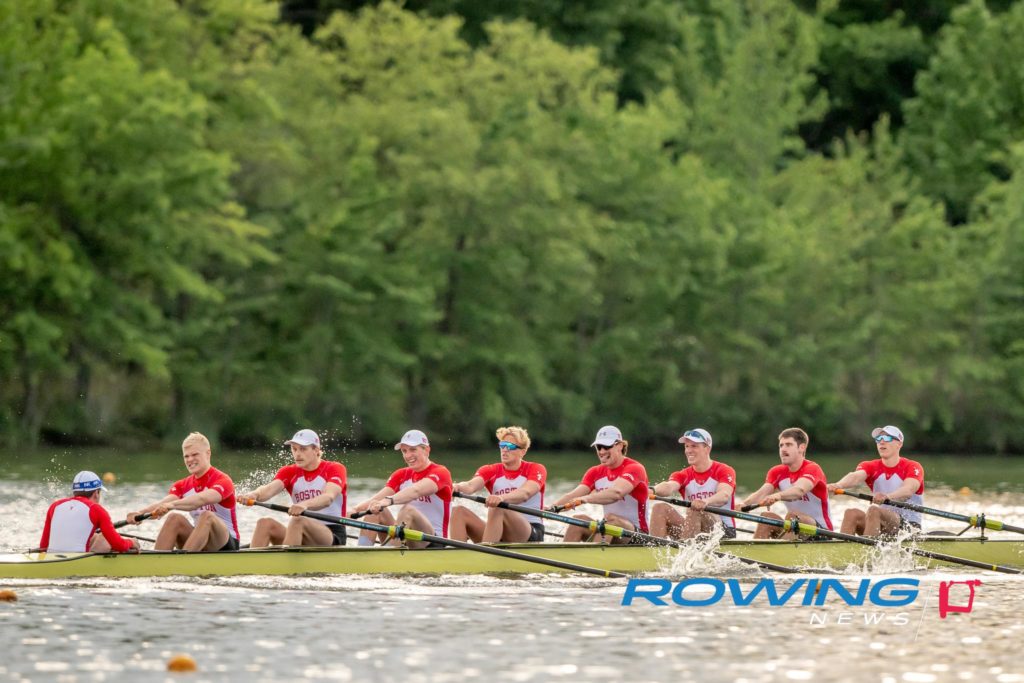
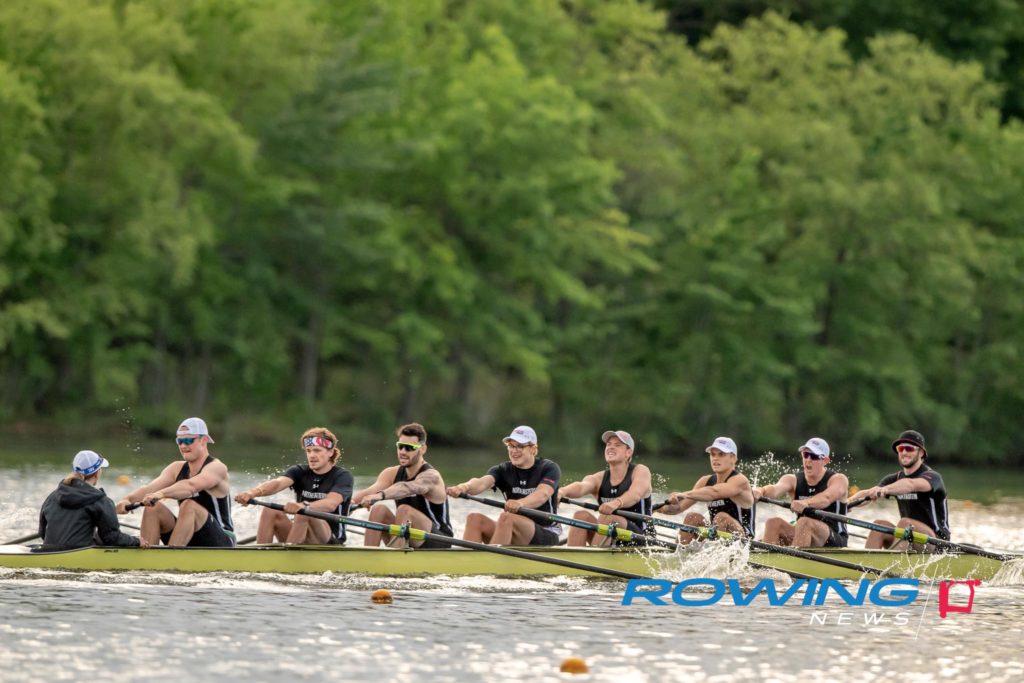
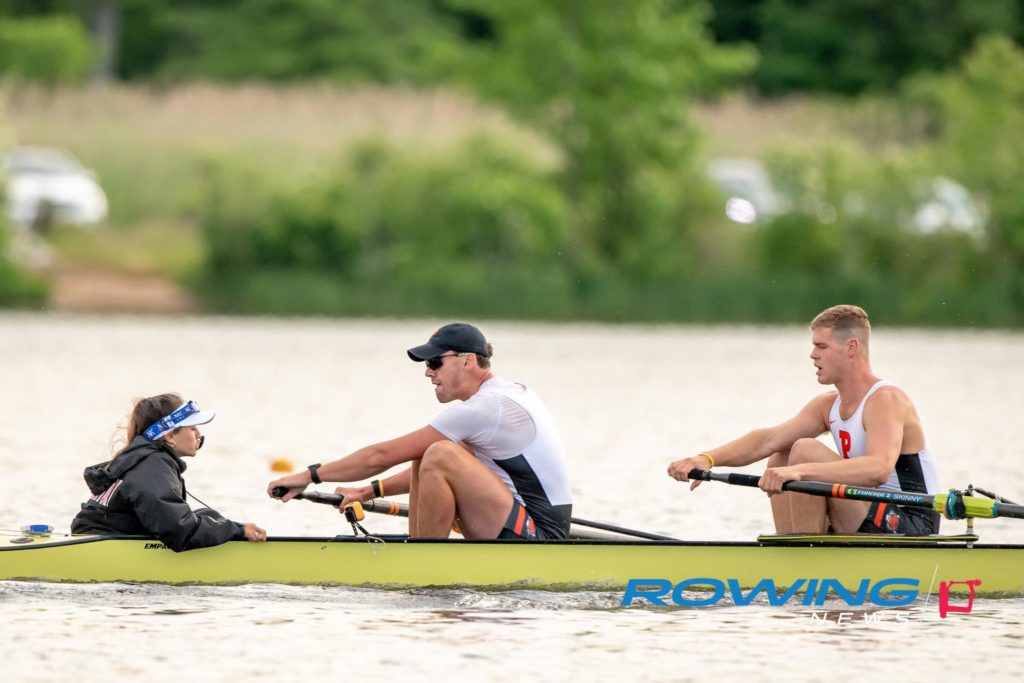
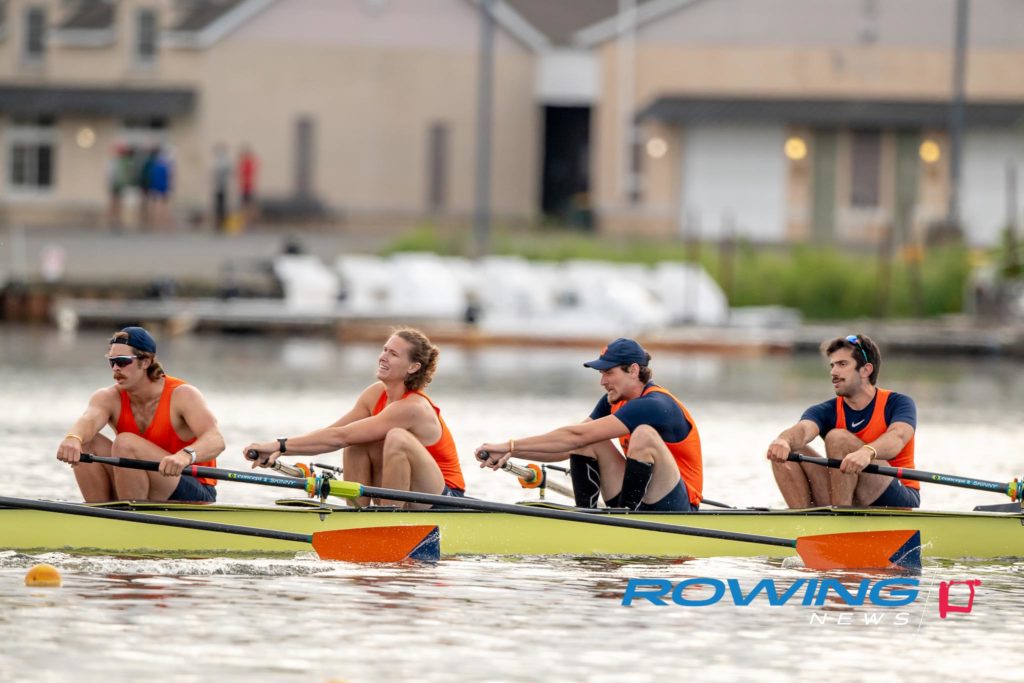
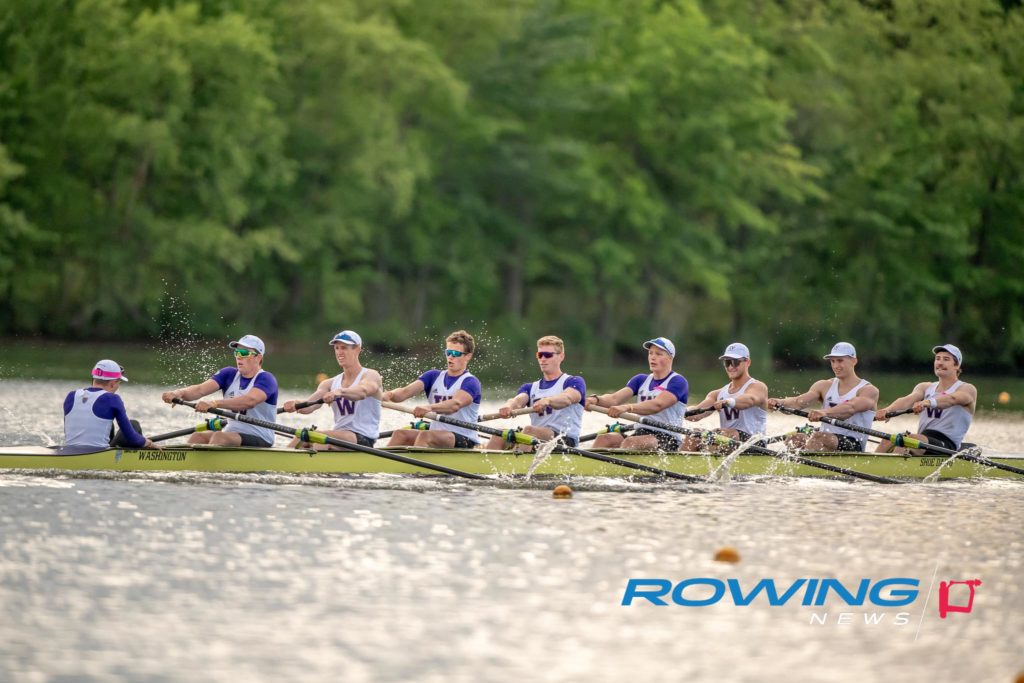
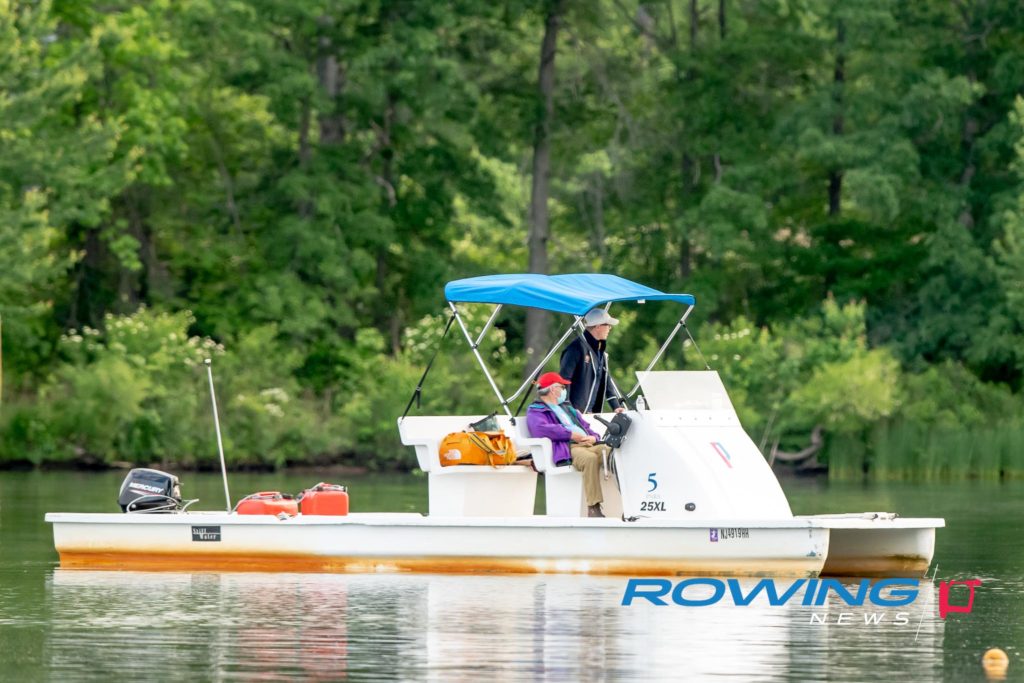
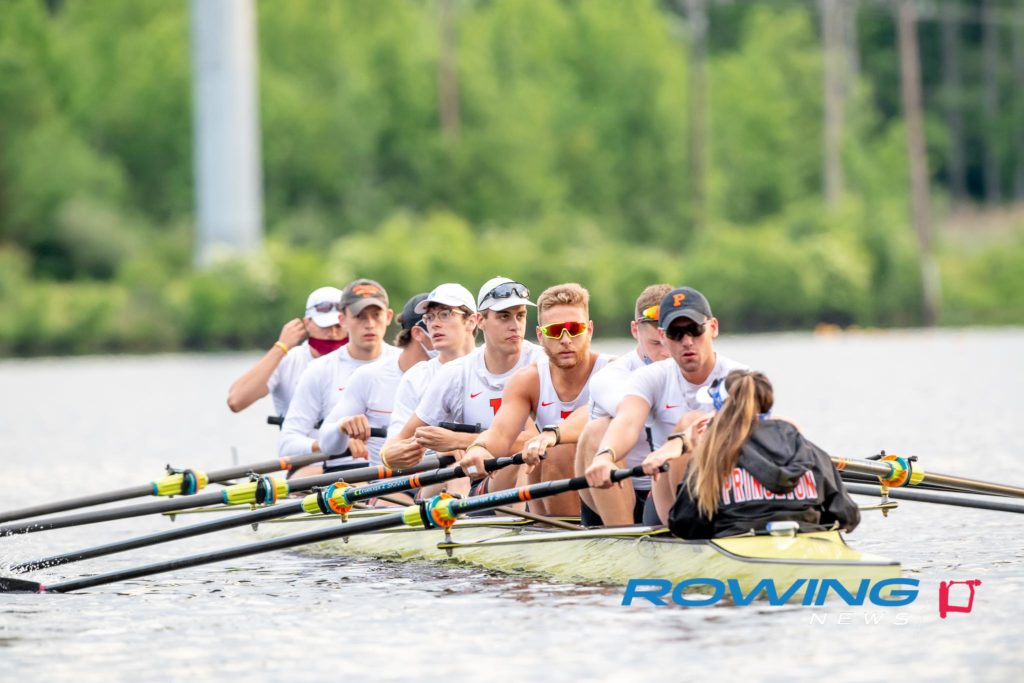
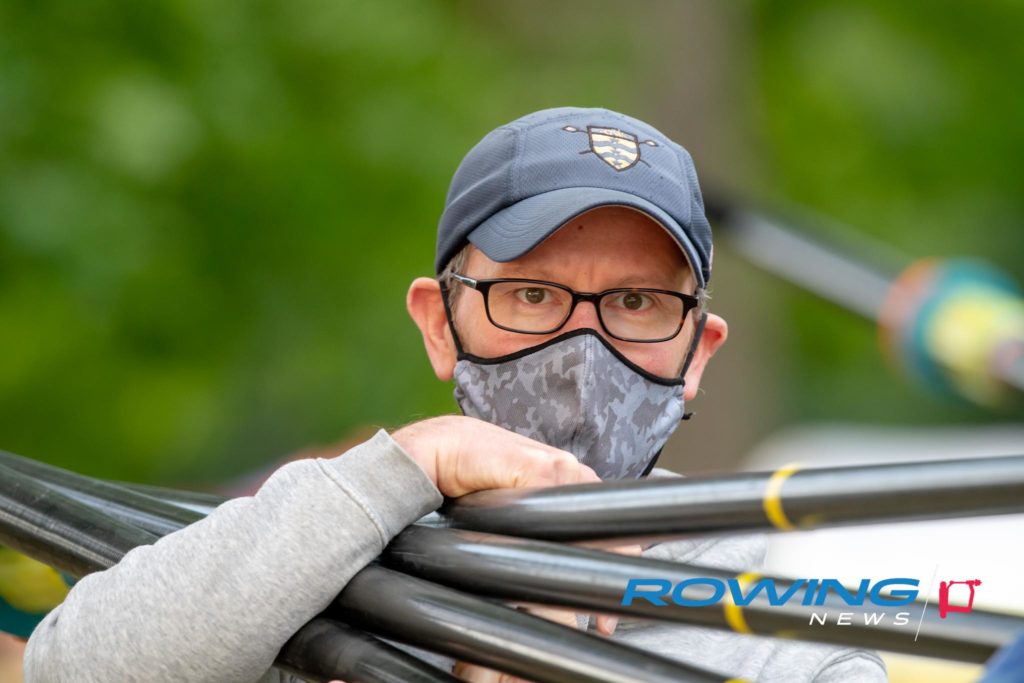
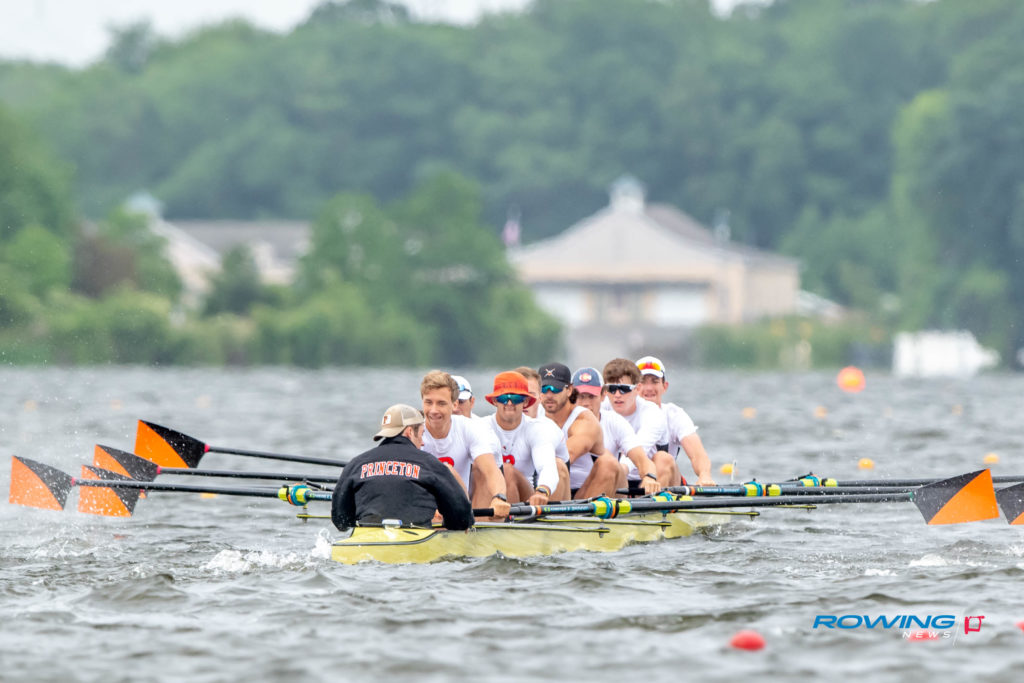
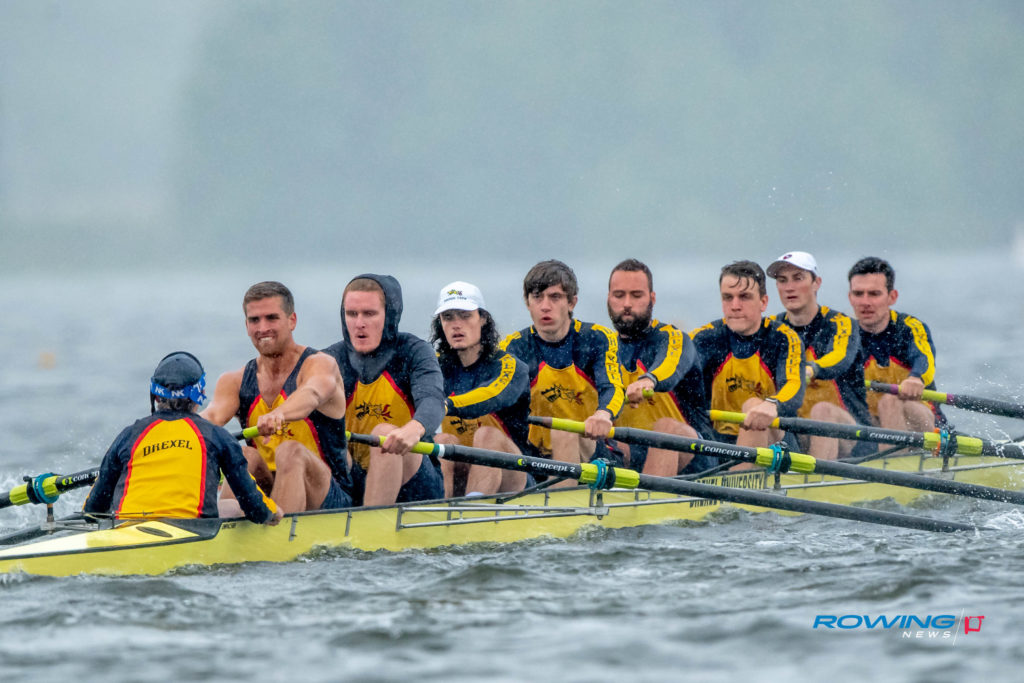
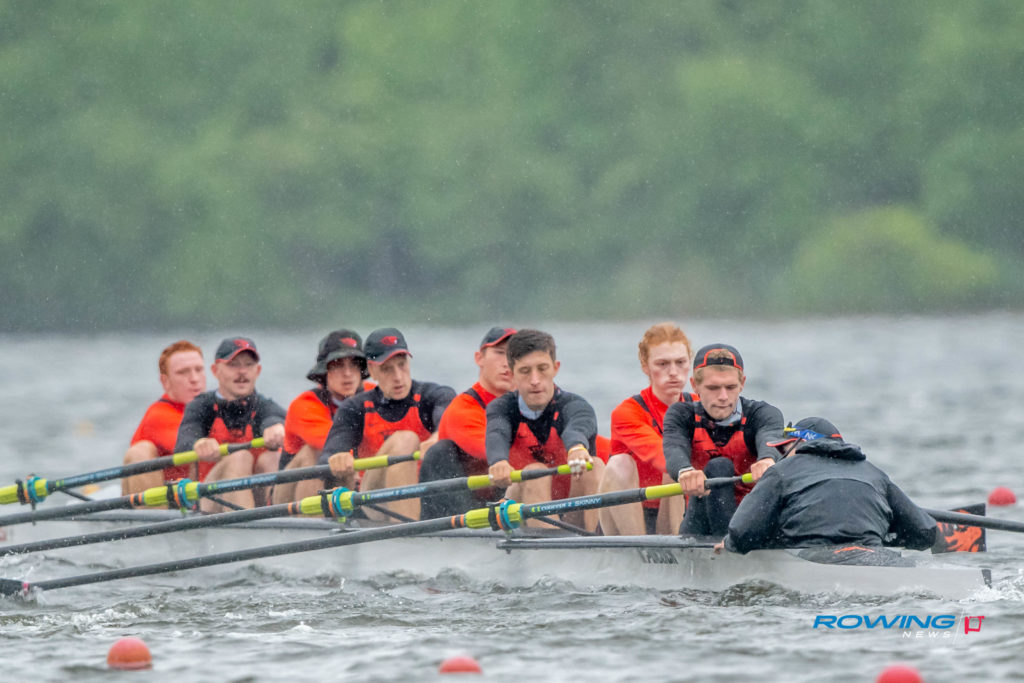
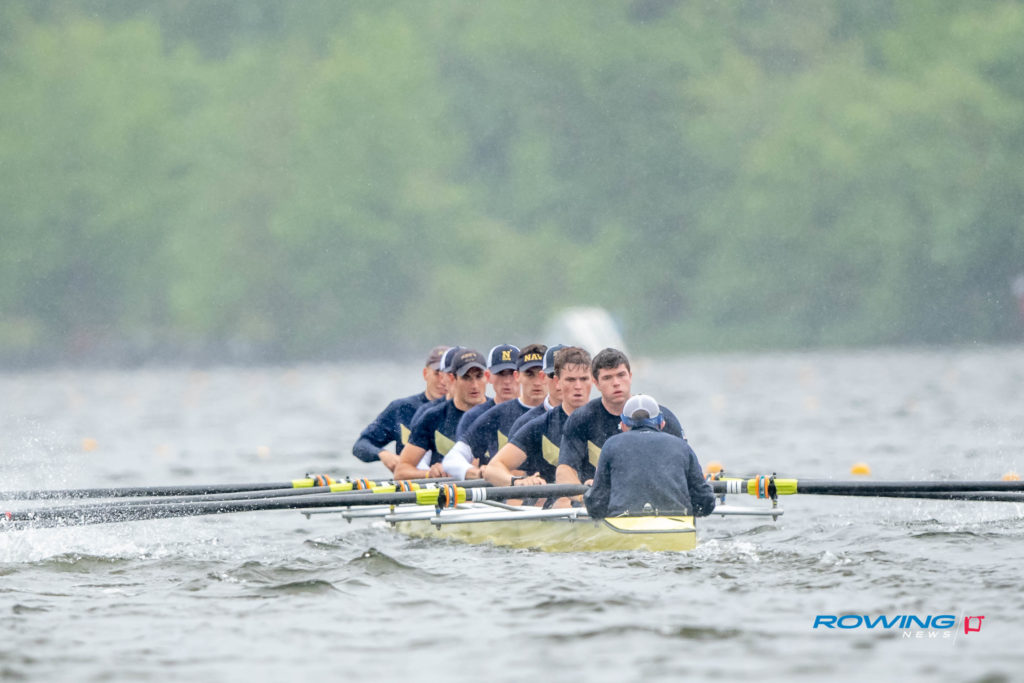
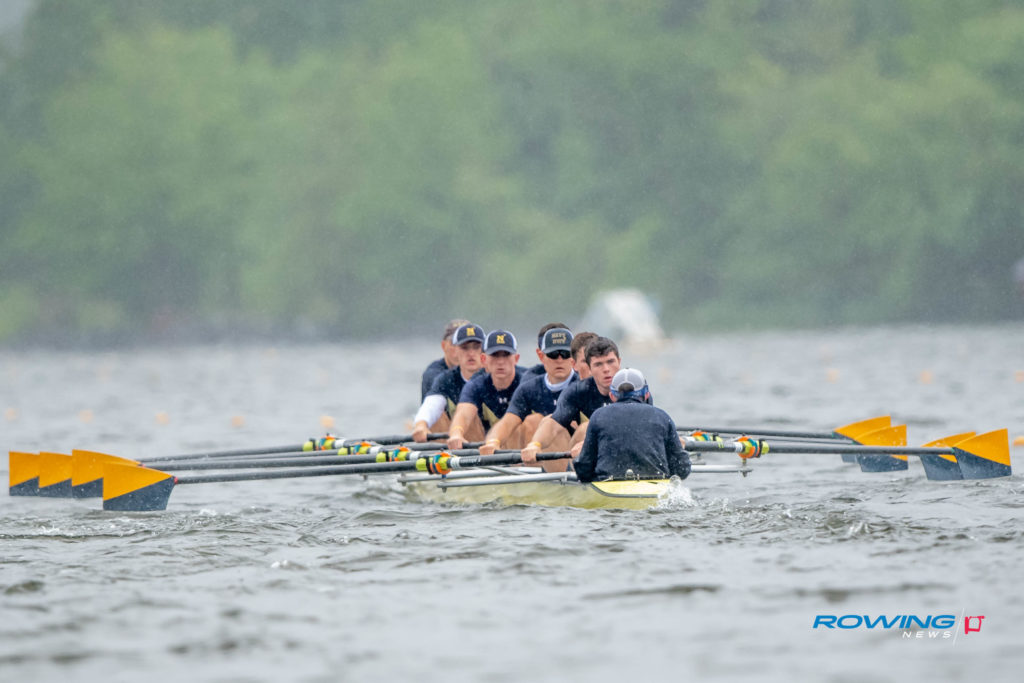
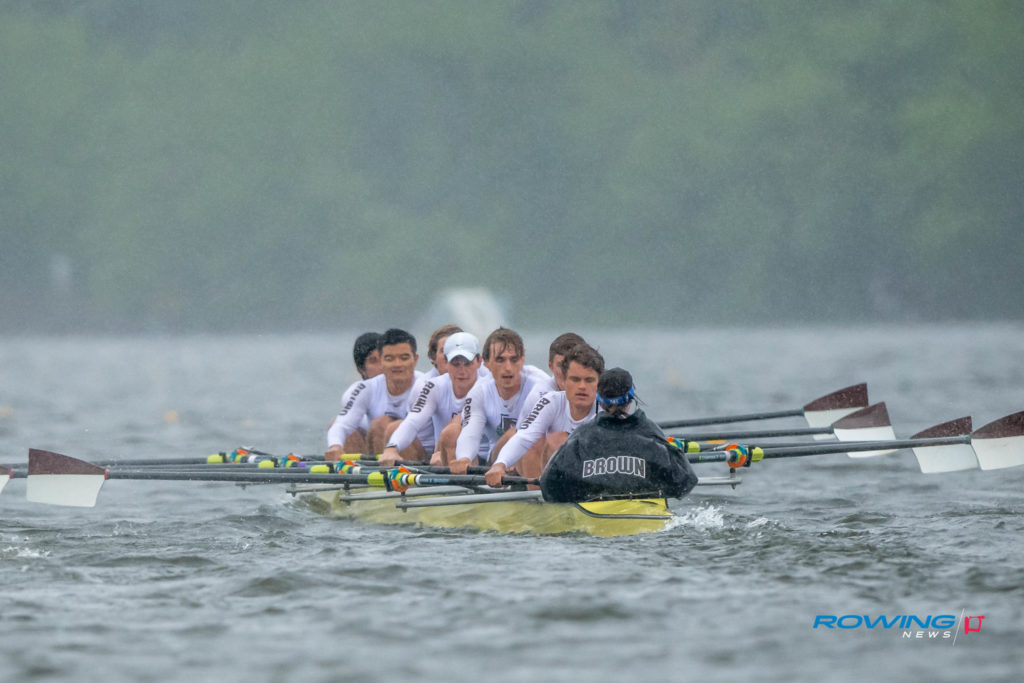
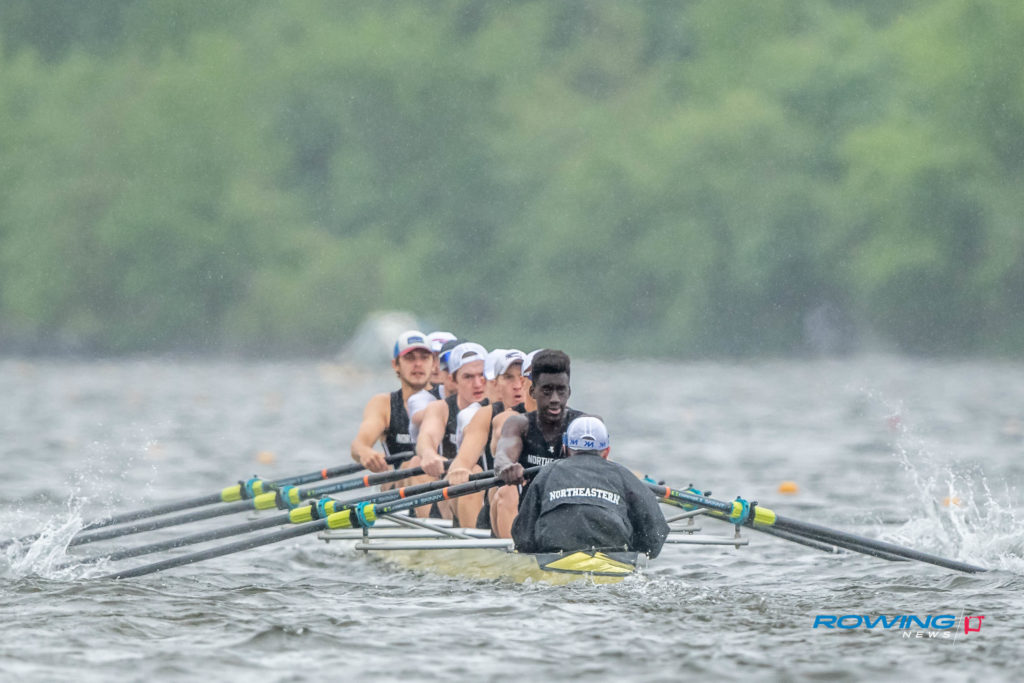
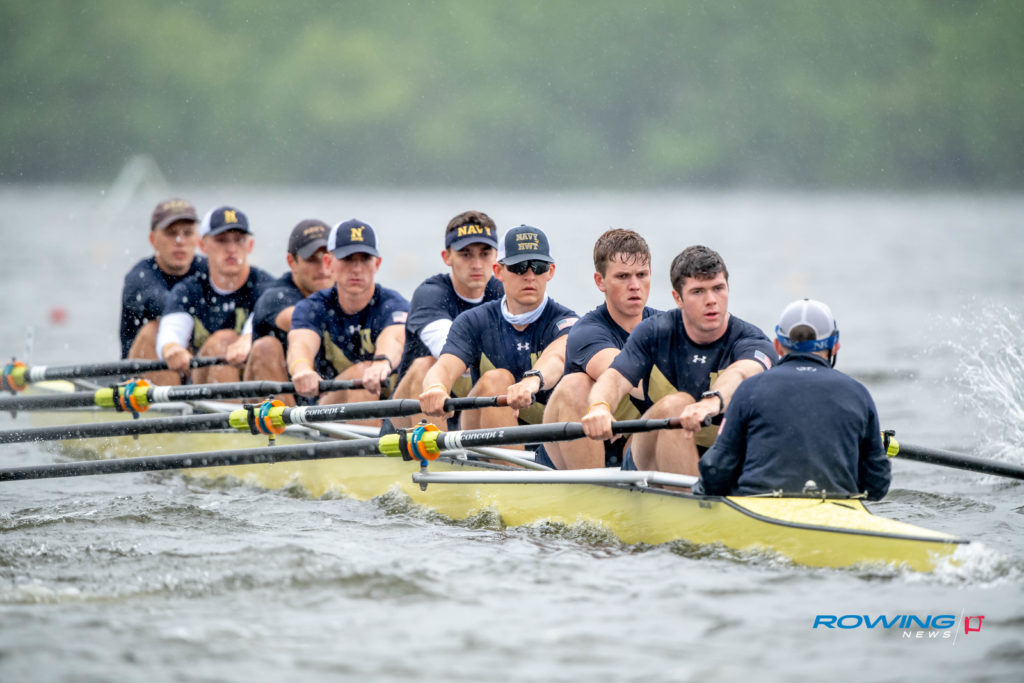
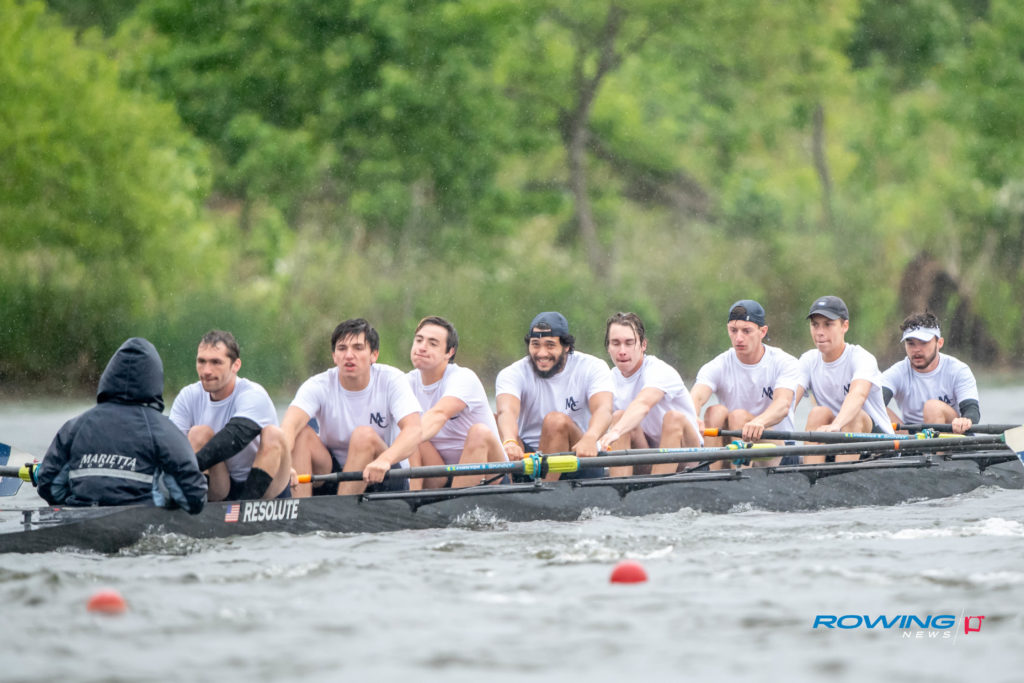
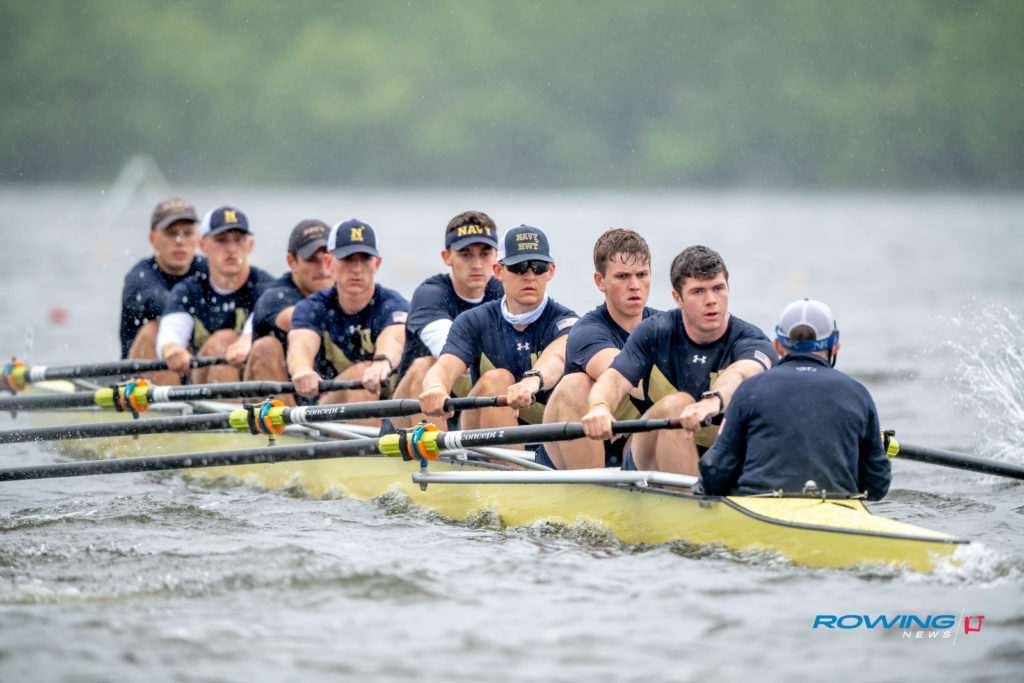
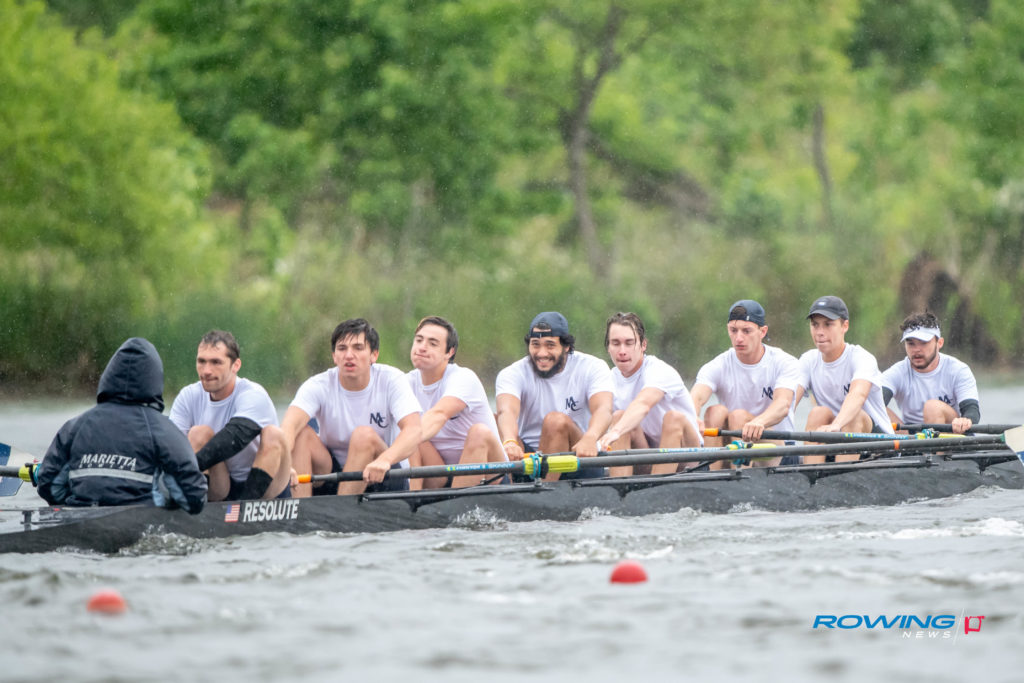
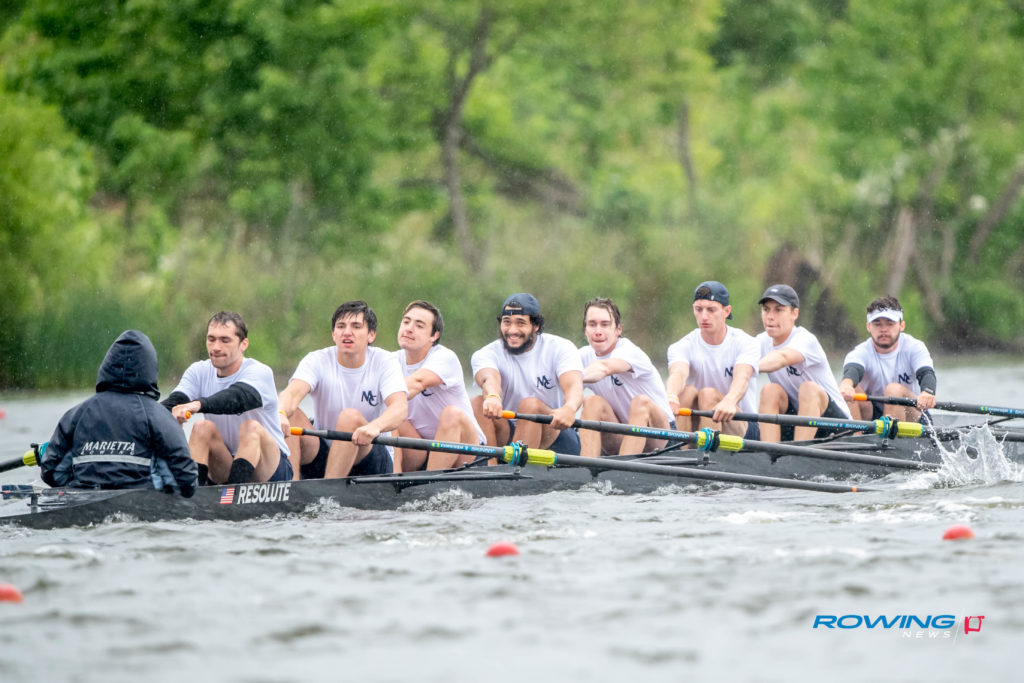
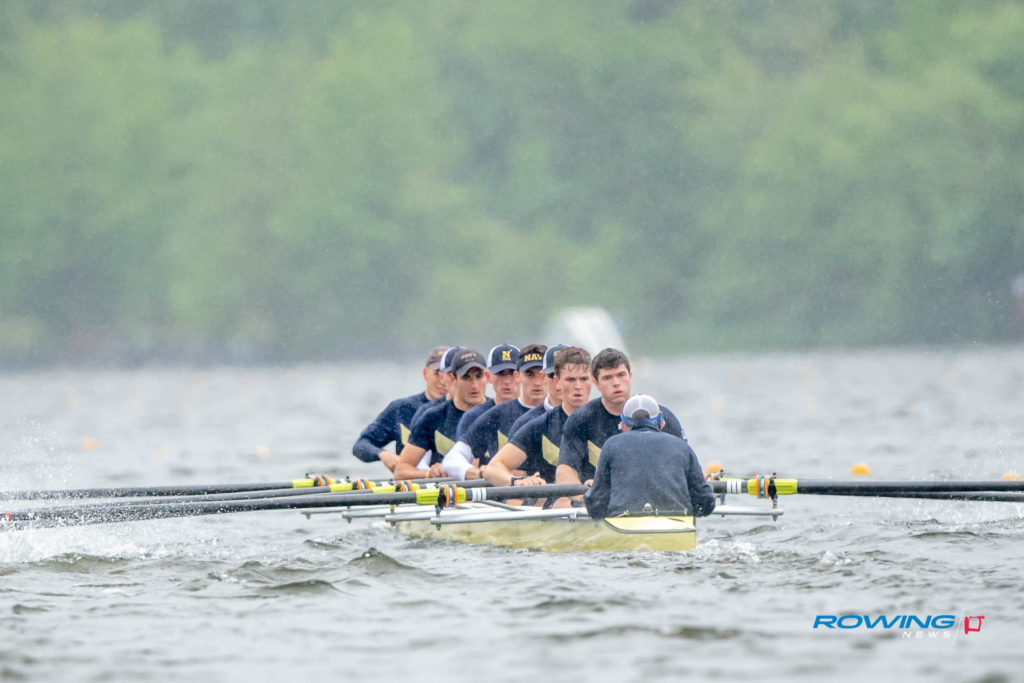
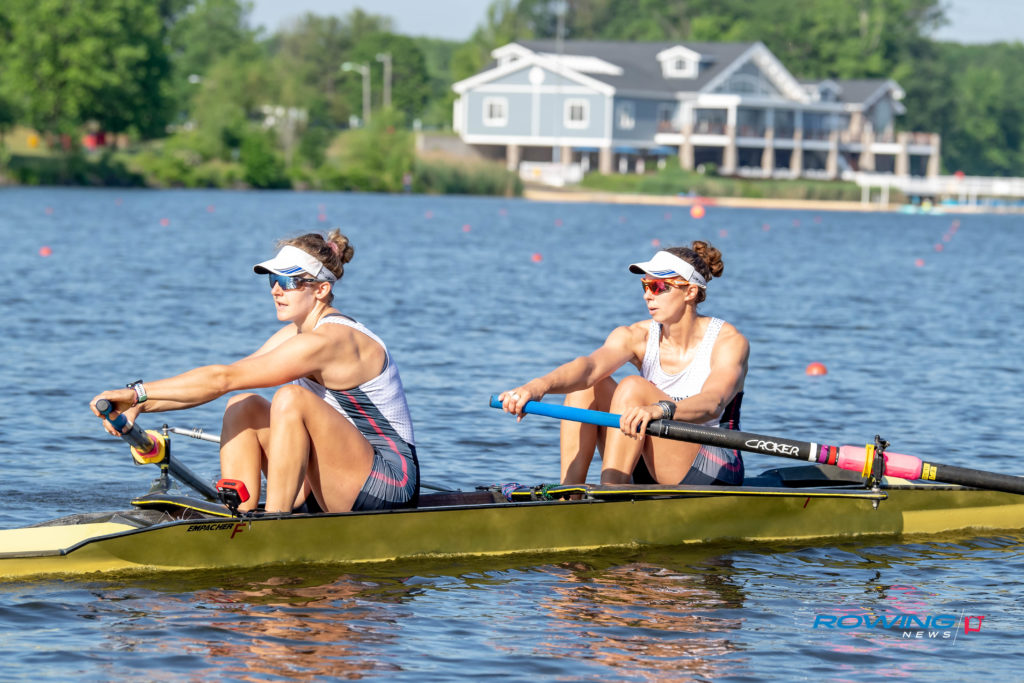
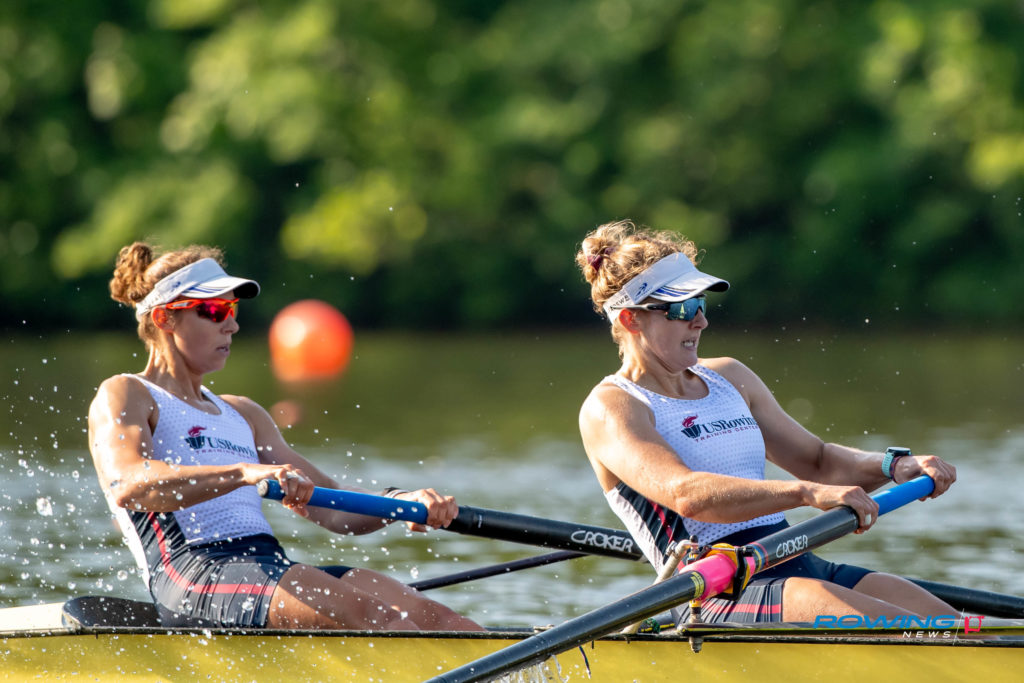
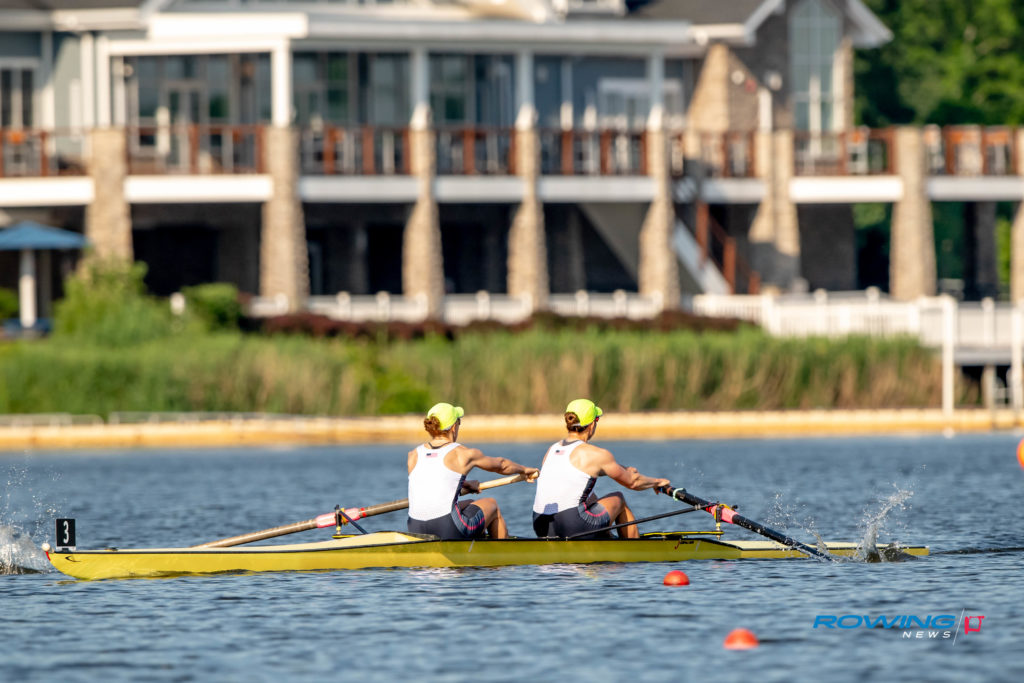
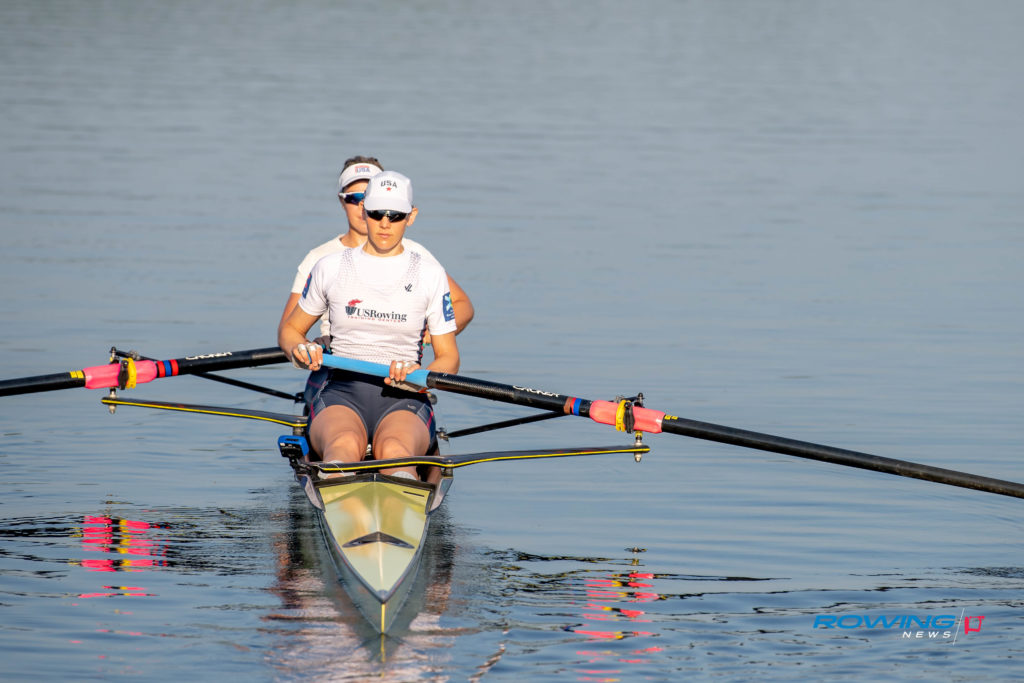
PHOTO BY ED MORAN
Do not waste this crisis.
Have you heard someone say those words during the past year? Have you wondered what that could possibly mean? Have you considered that the world-changing events of the past year might provide, in some ways, a blank slate, or a reset, or a first page of a new chapter–all waiting to be acted upon?
Consider not just the pandemic, but also a nationwide reckoning with racial injustice. Consider not just the cancellation and postponement of the Olympics and racing seasons, but also the wholesale elimination of rowing programs.
Do not waste this crisis. Do not miss the lessons these unprecedented events have provided. Do not leave untapped the opportunities these changes can present. Do not forget that our brightest hours often follow our darkest days.
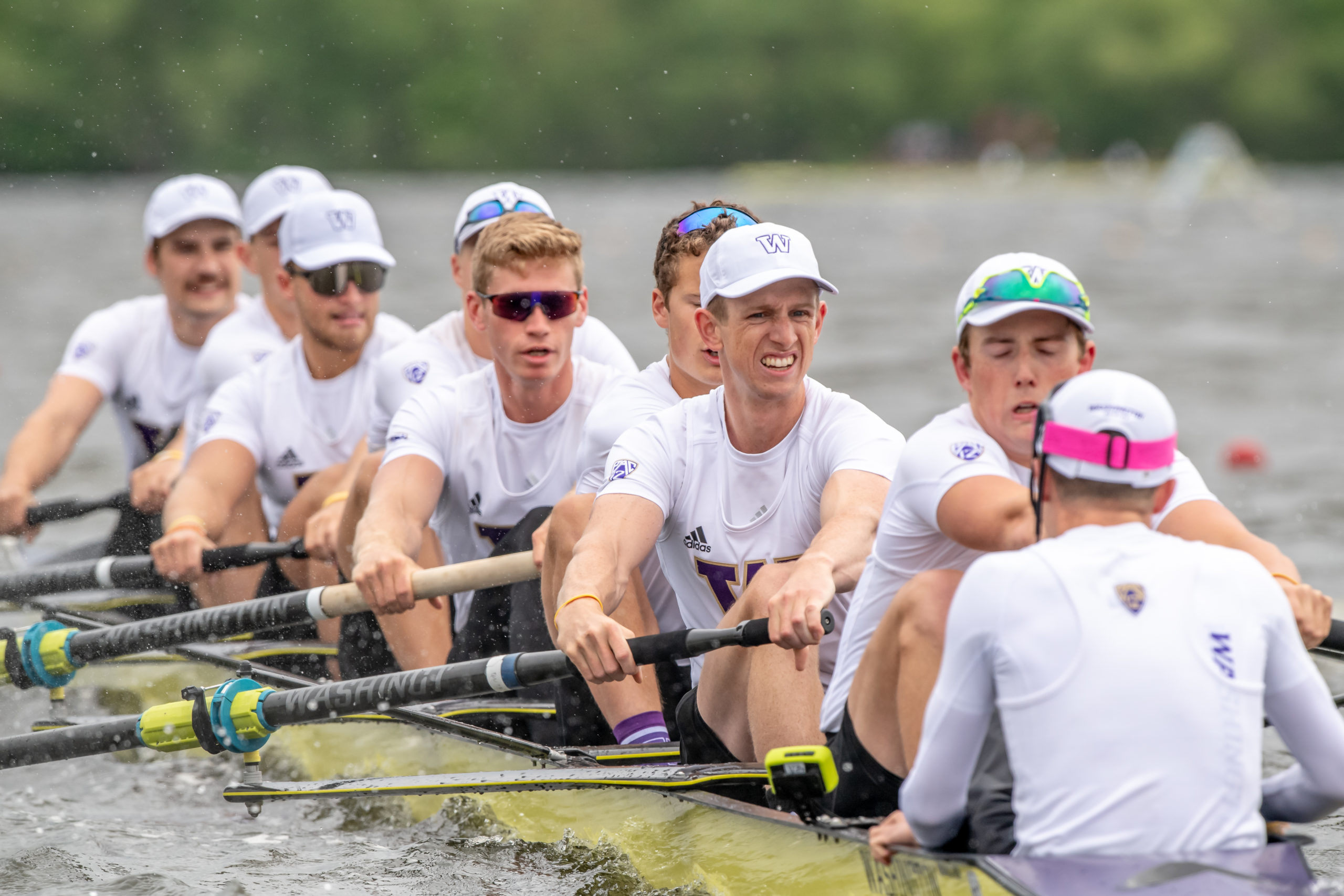
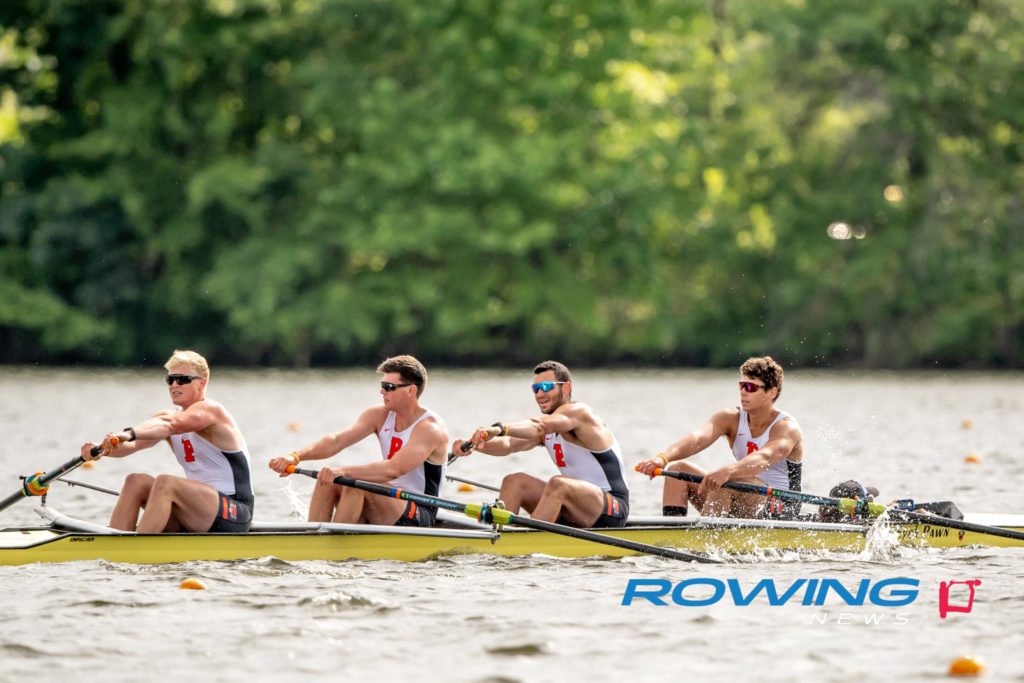
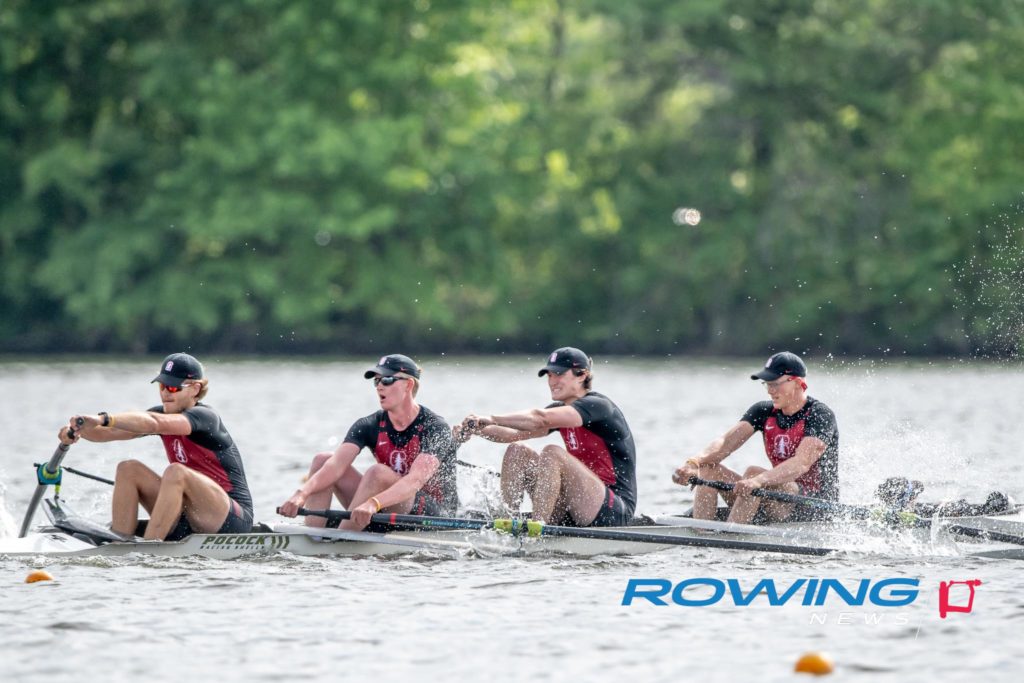
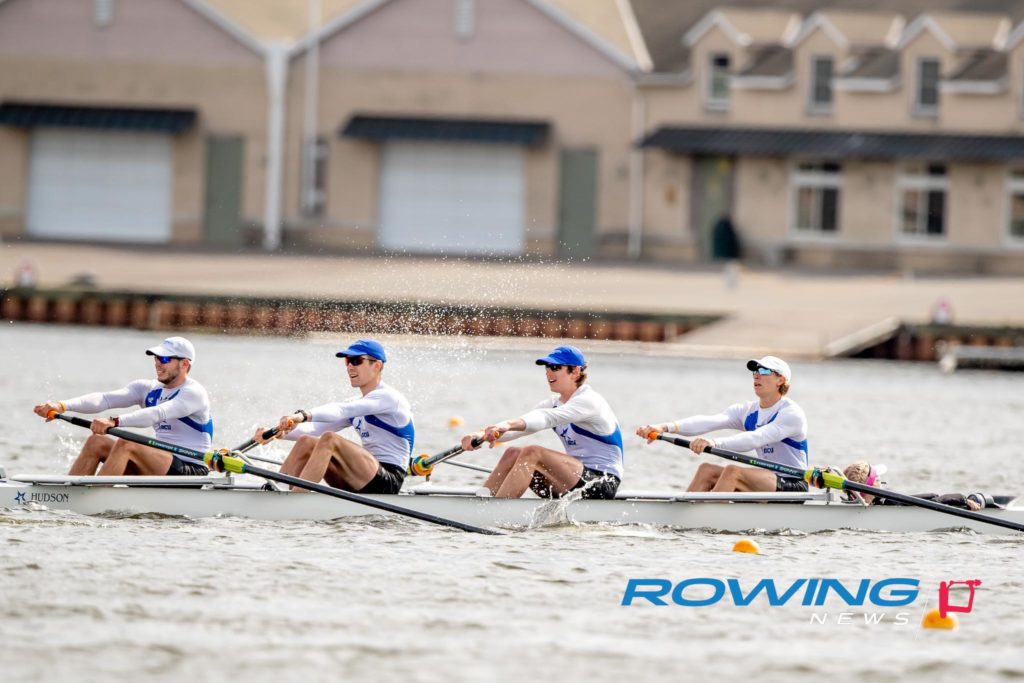
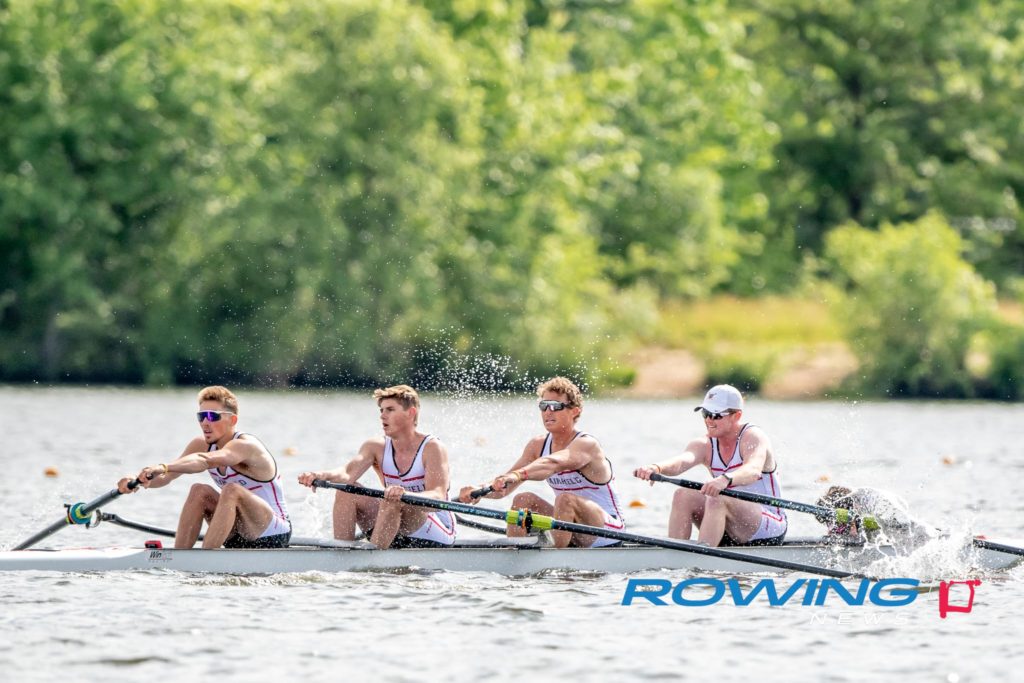
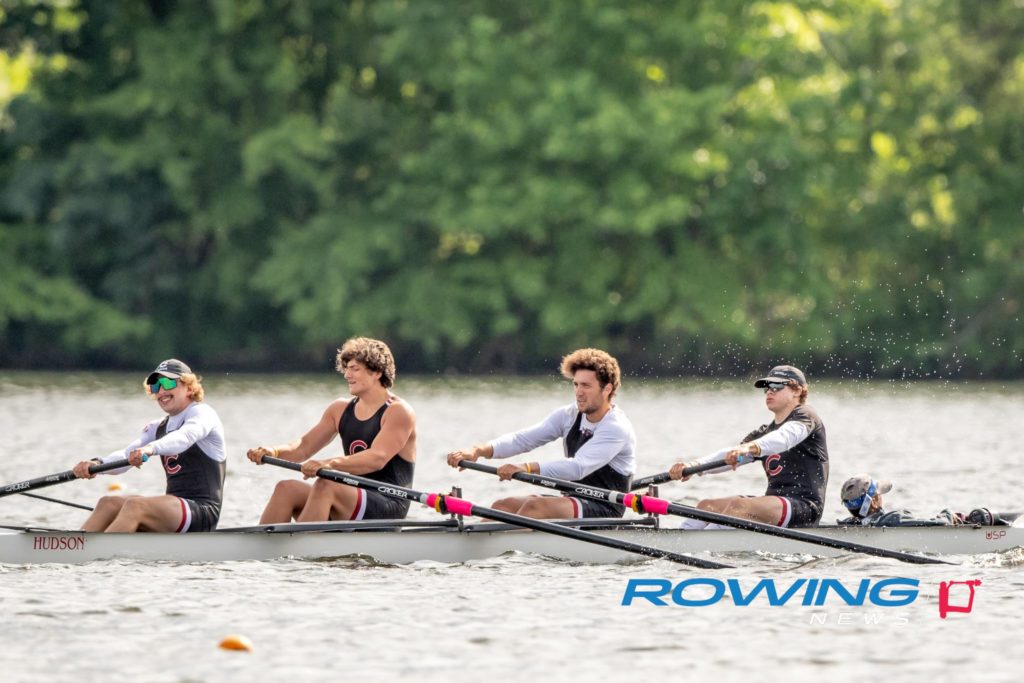
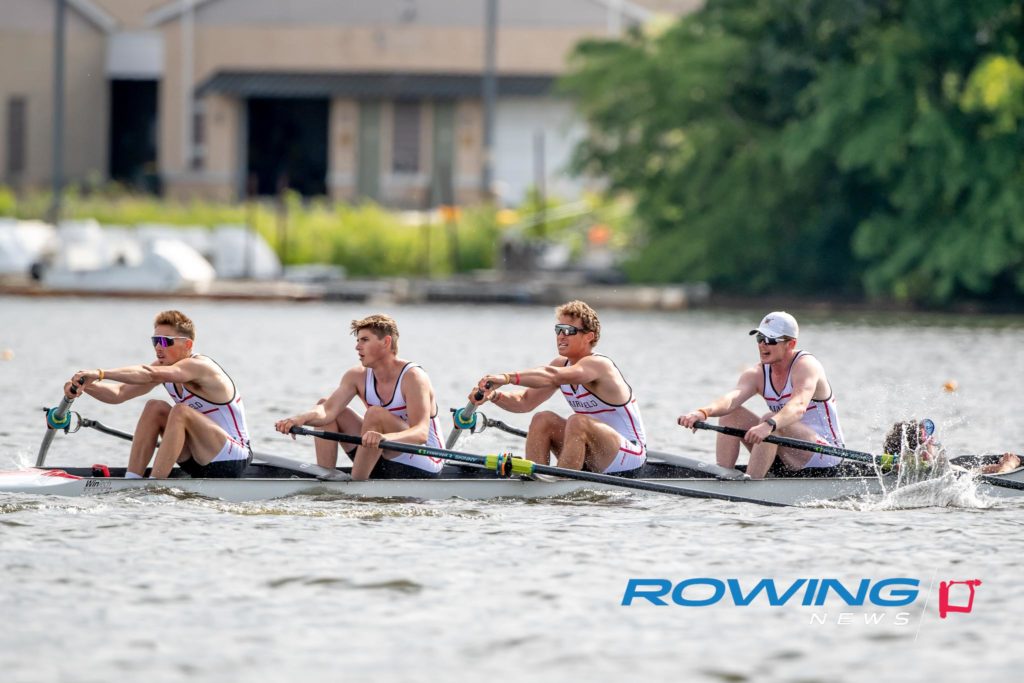
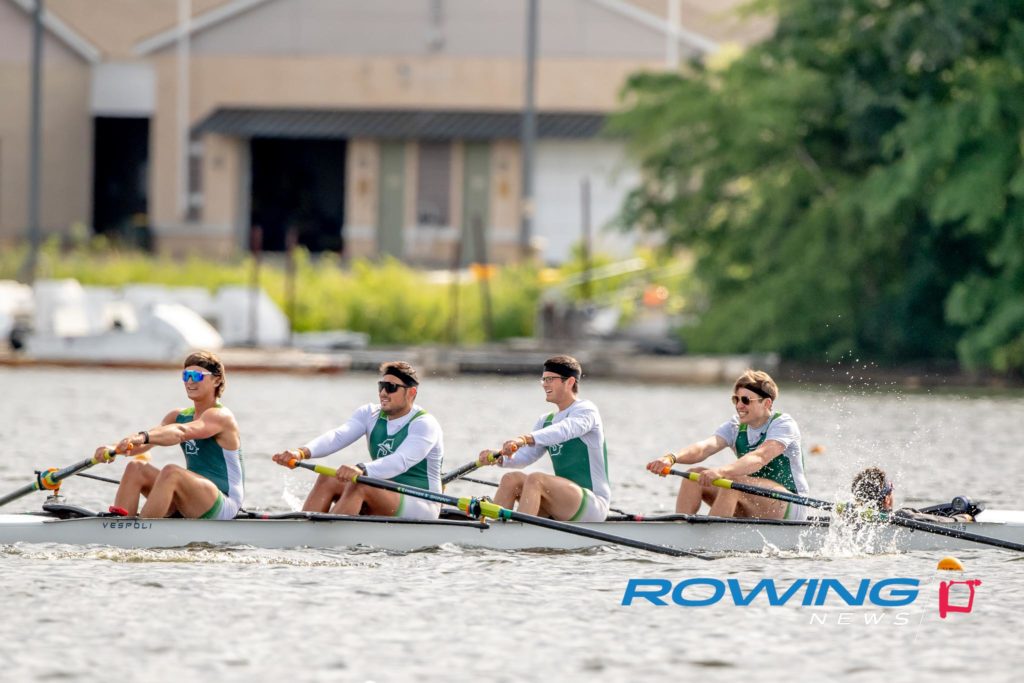
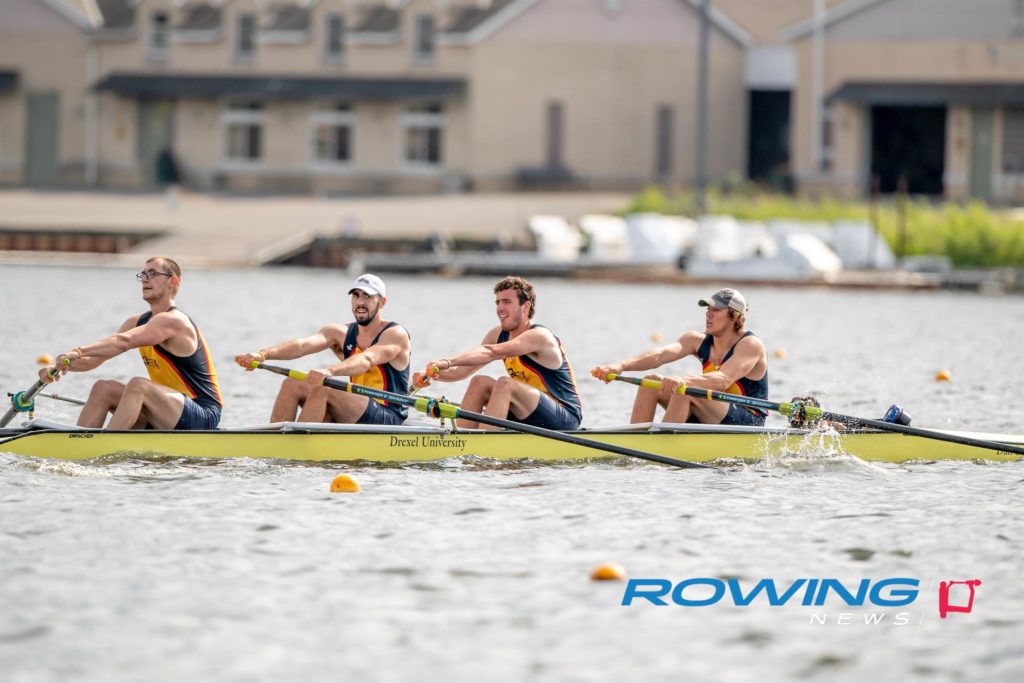
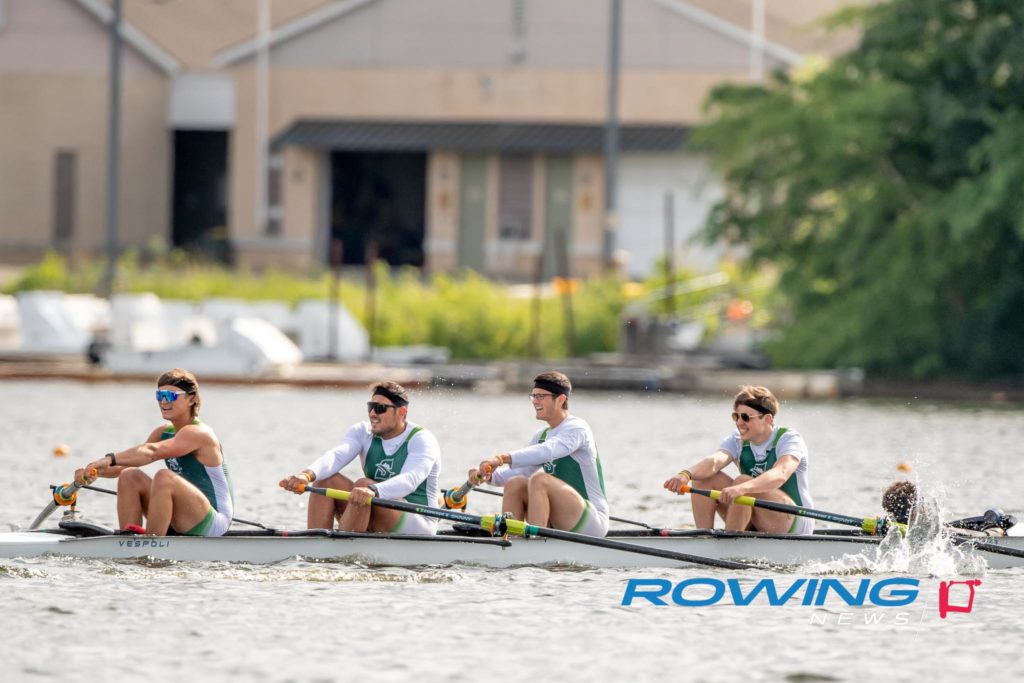
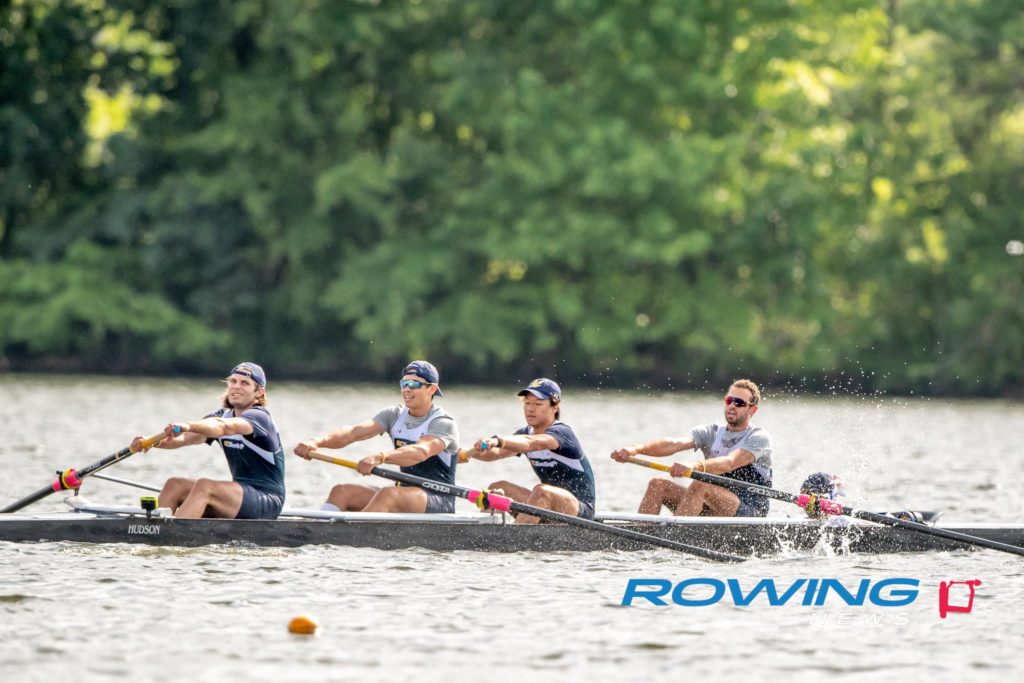
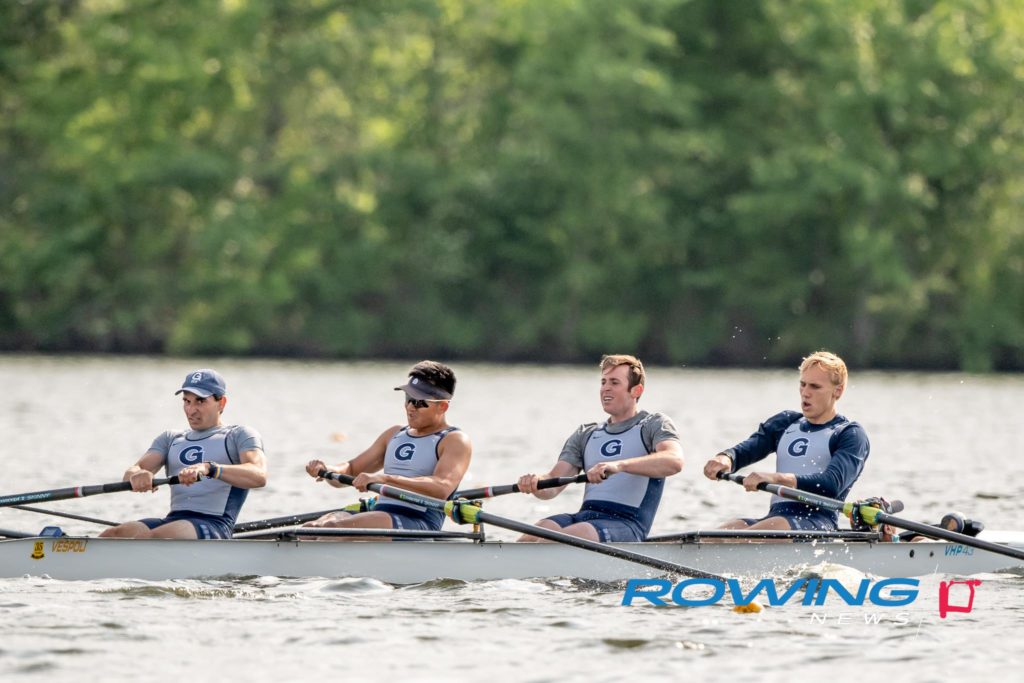
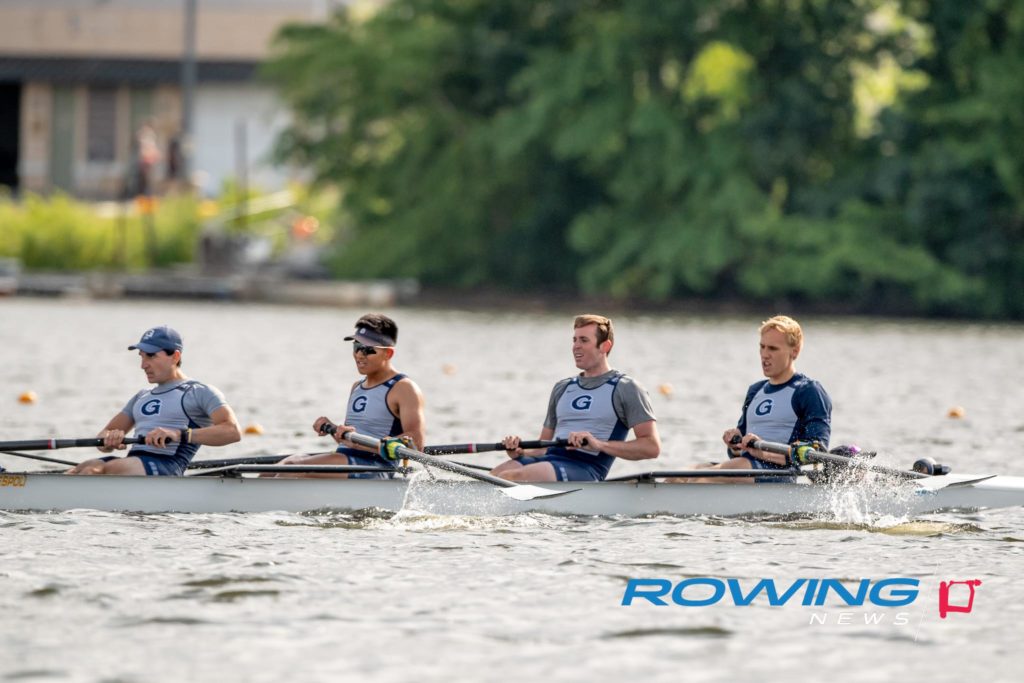
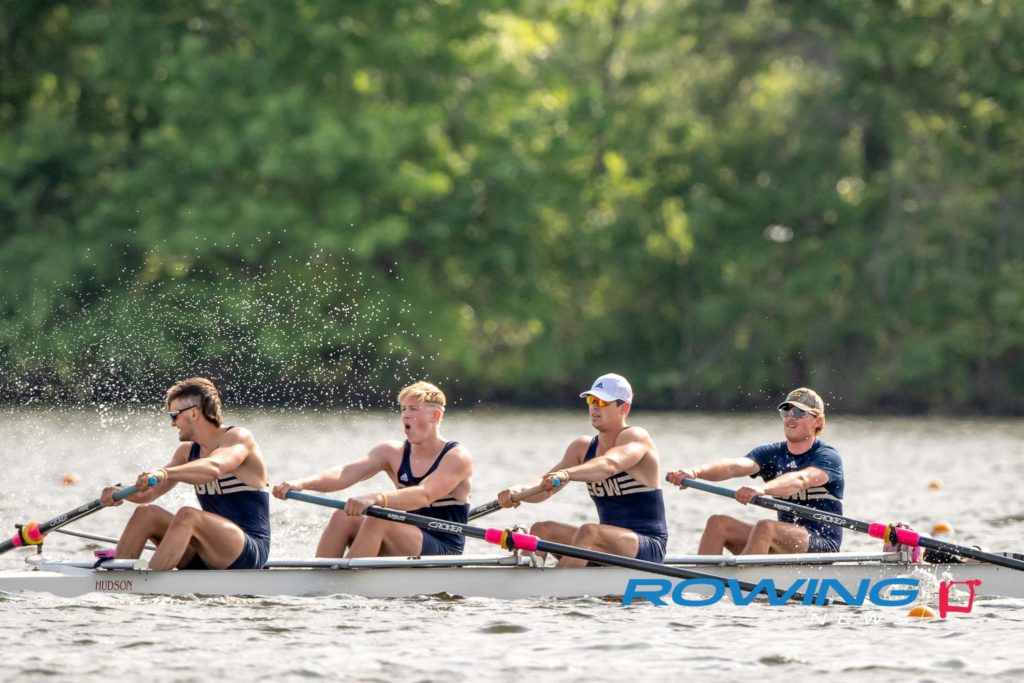
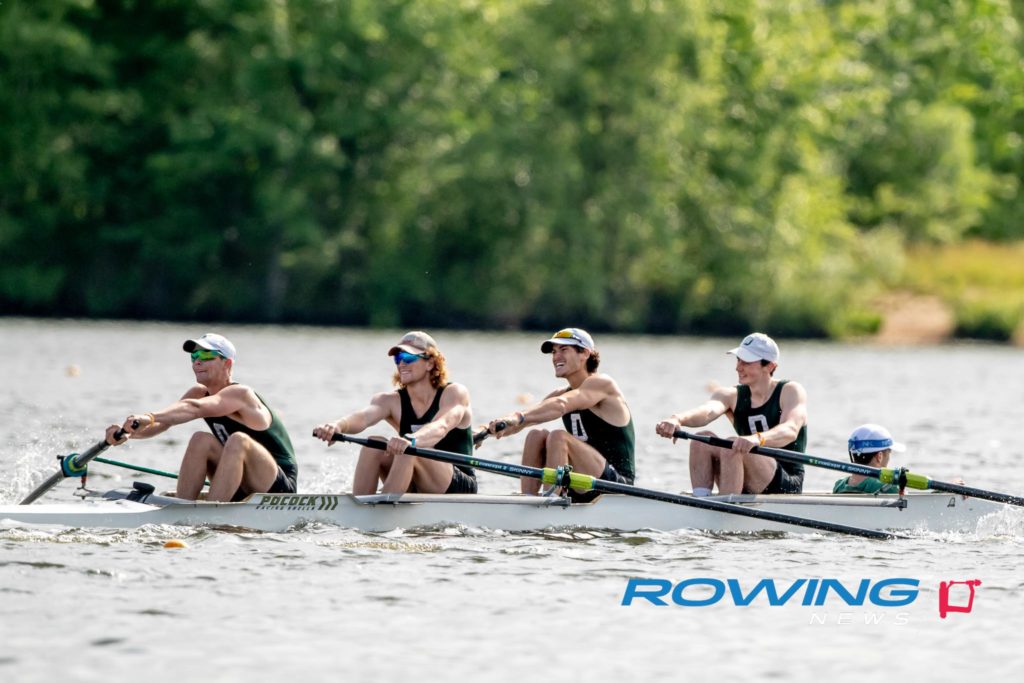
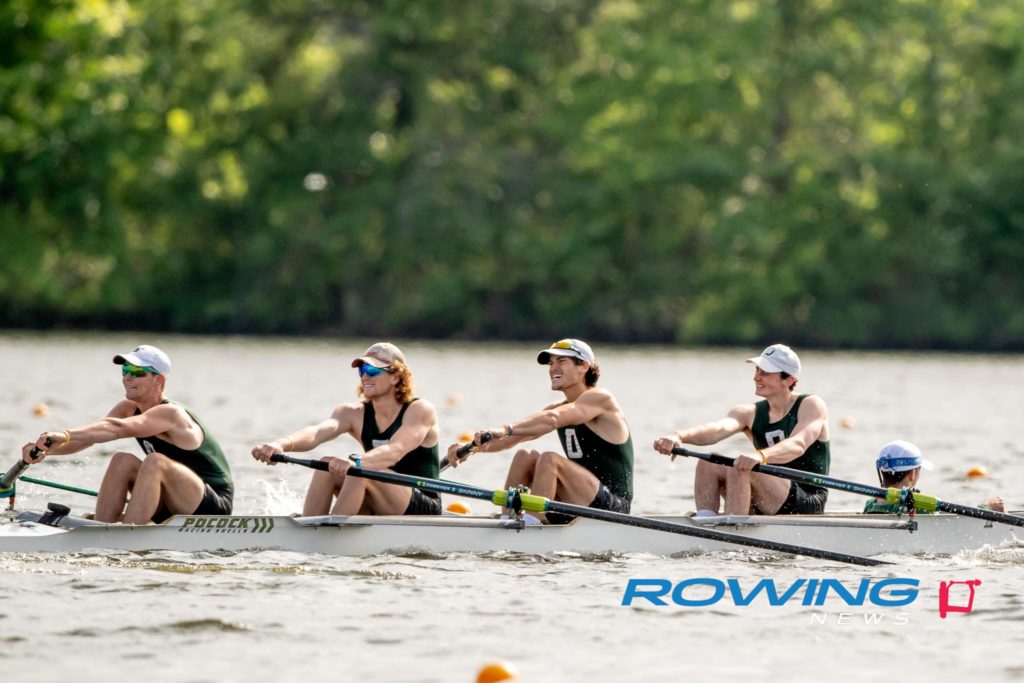
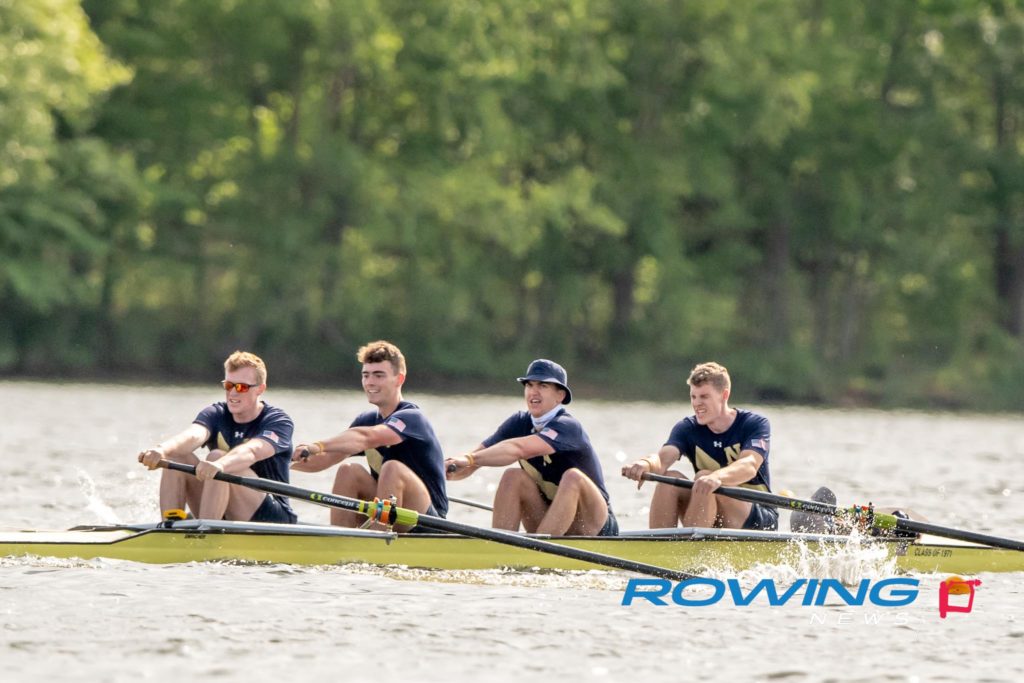
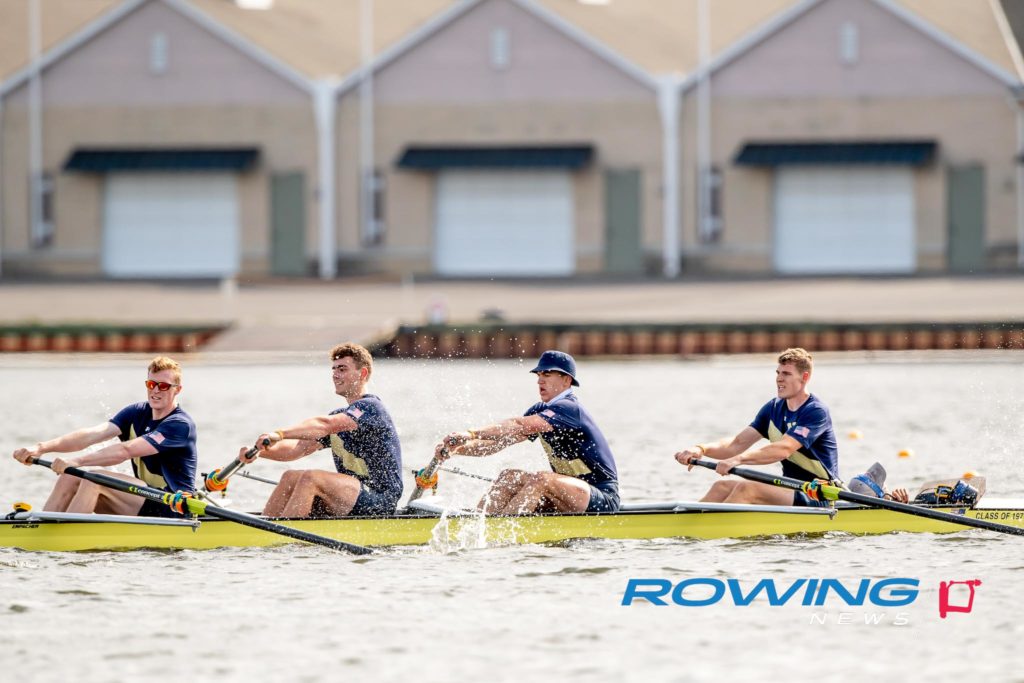
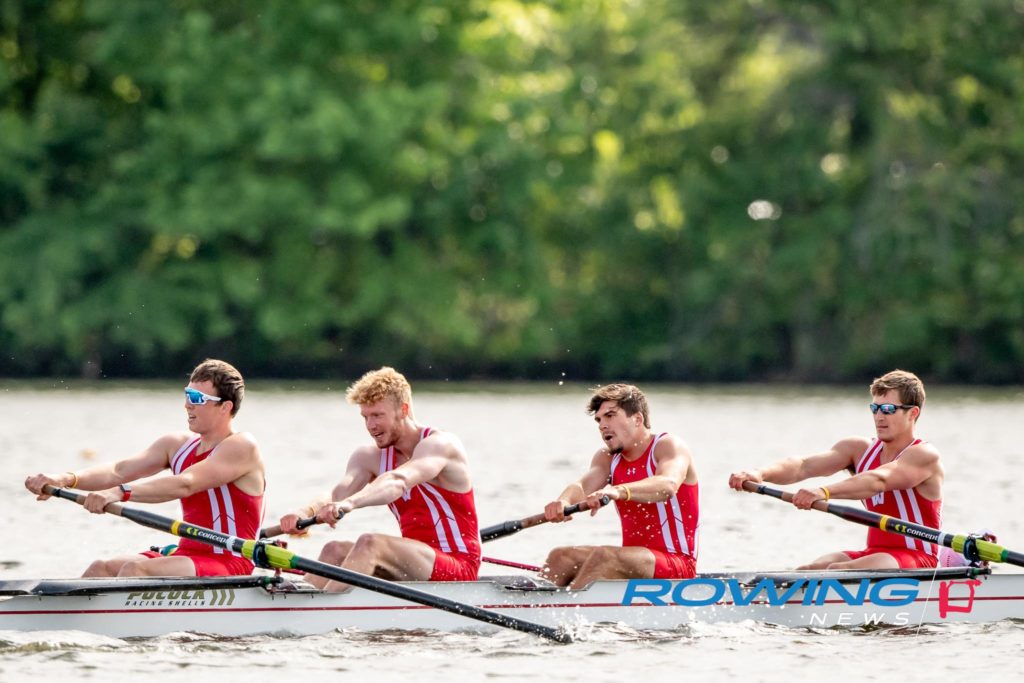
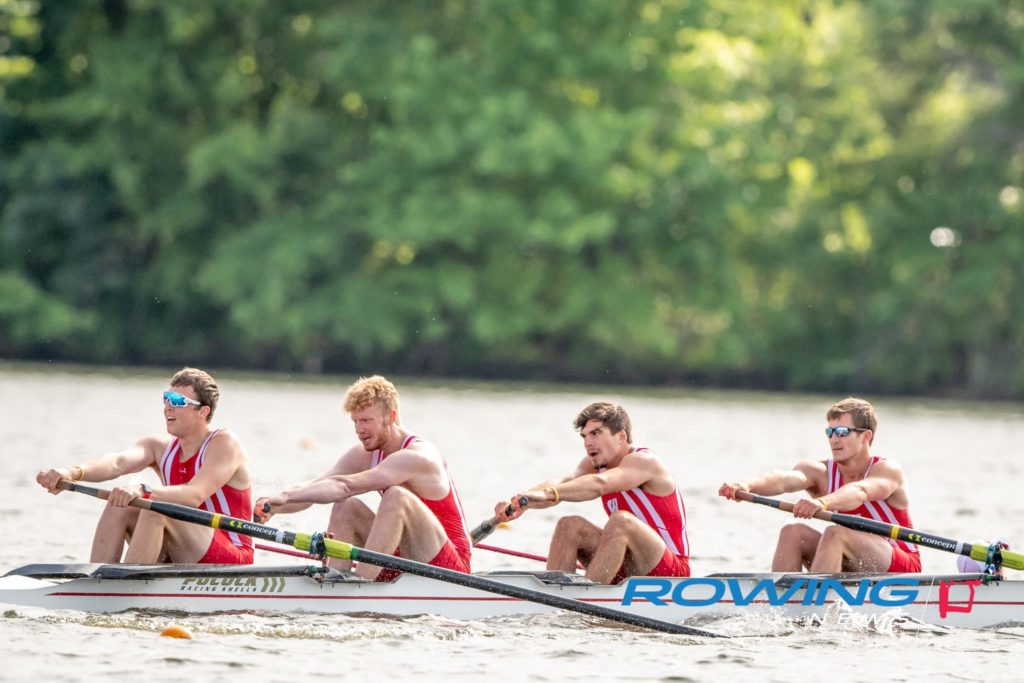
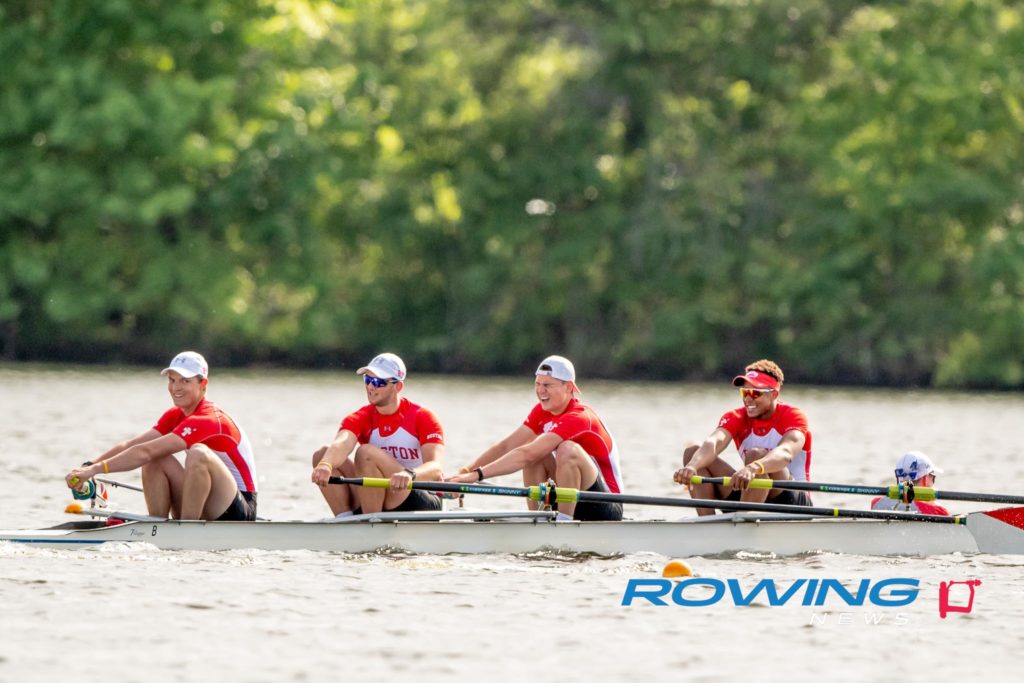
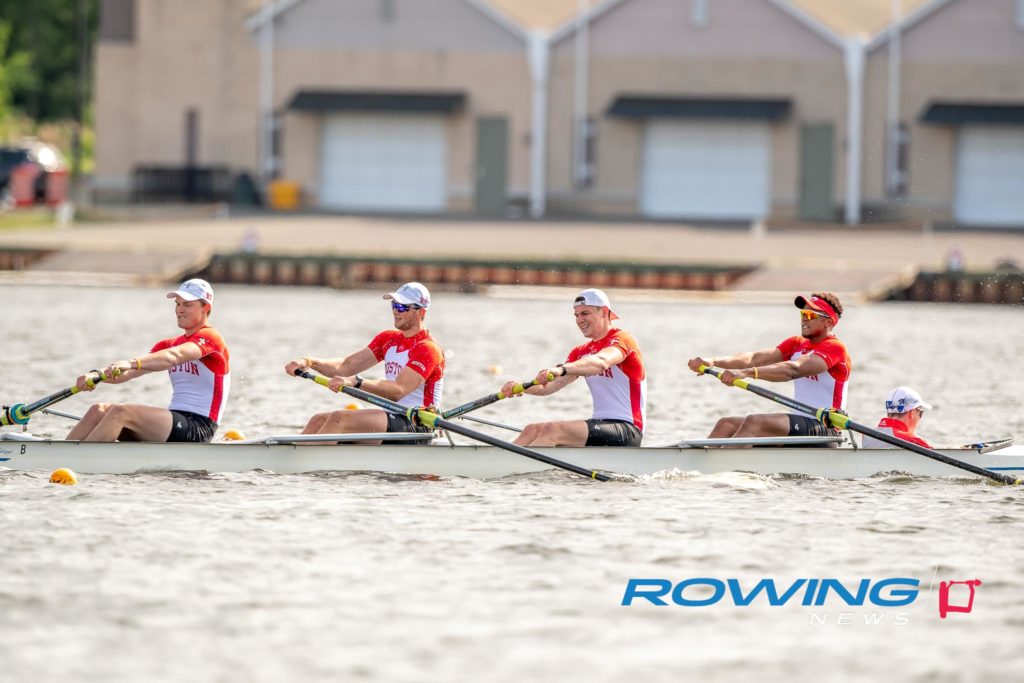
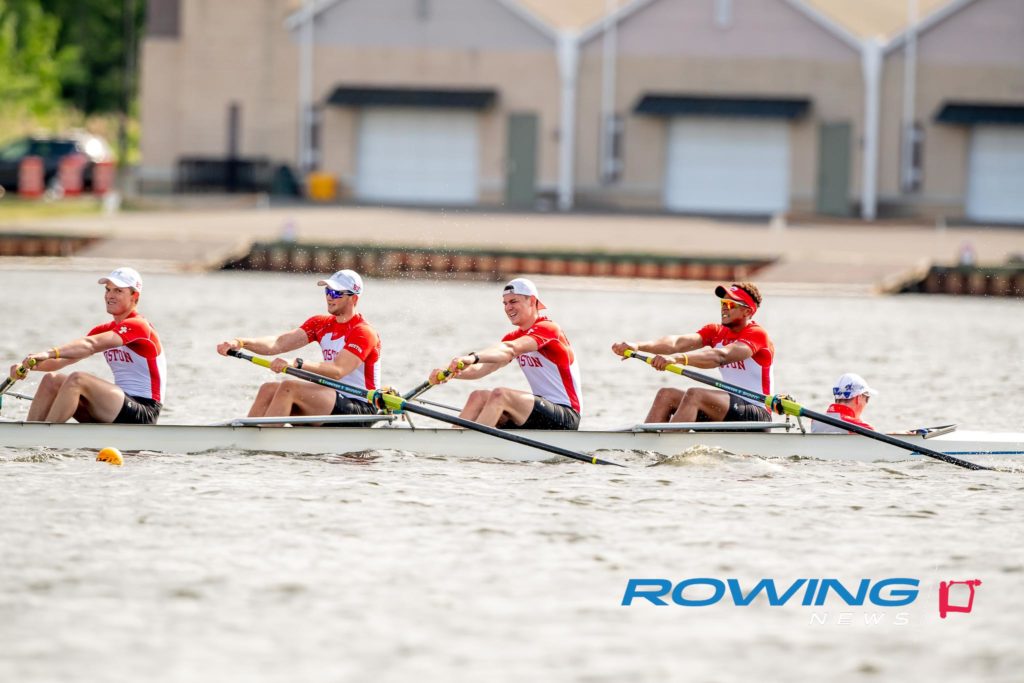
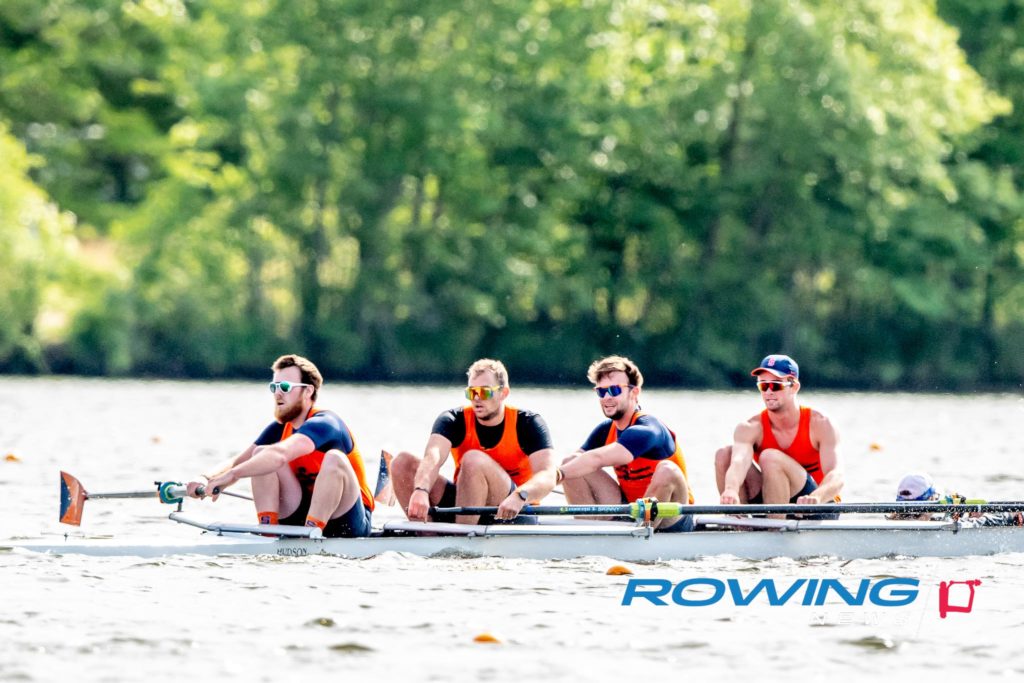
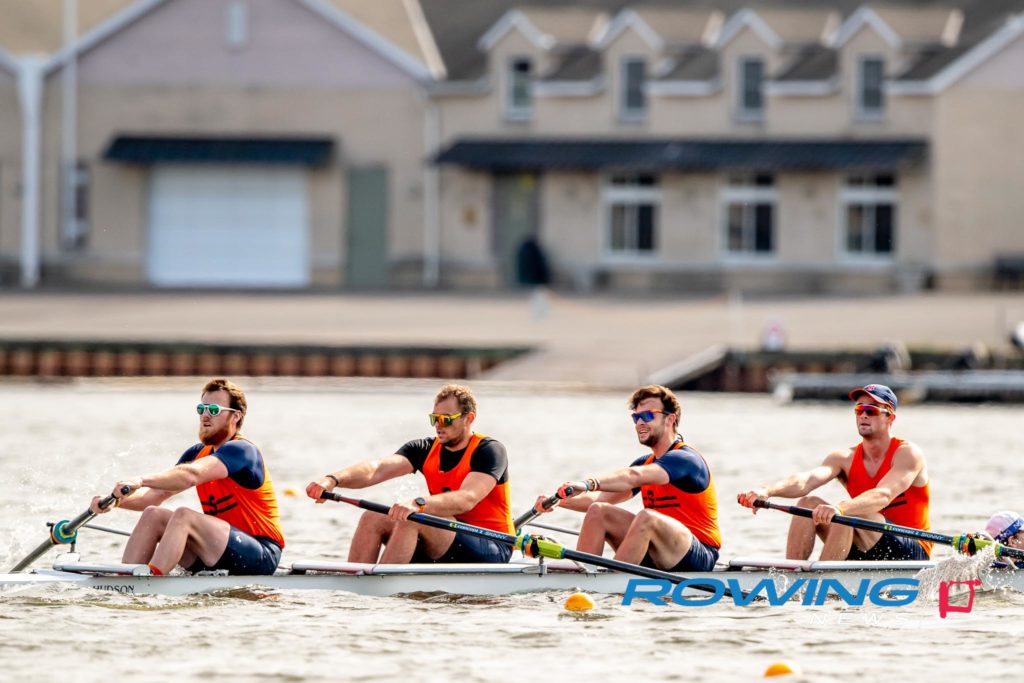
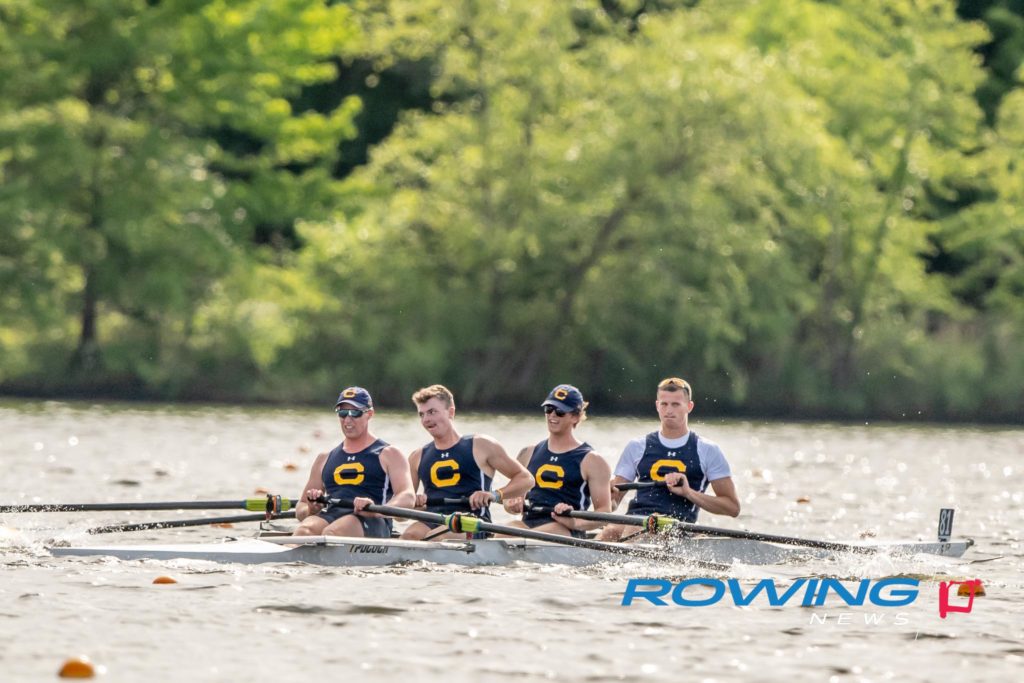
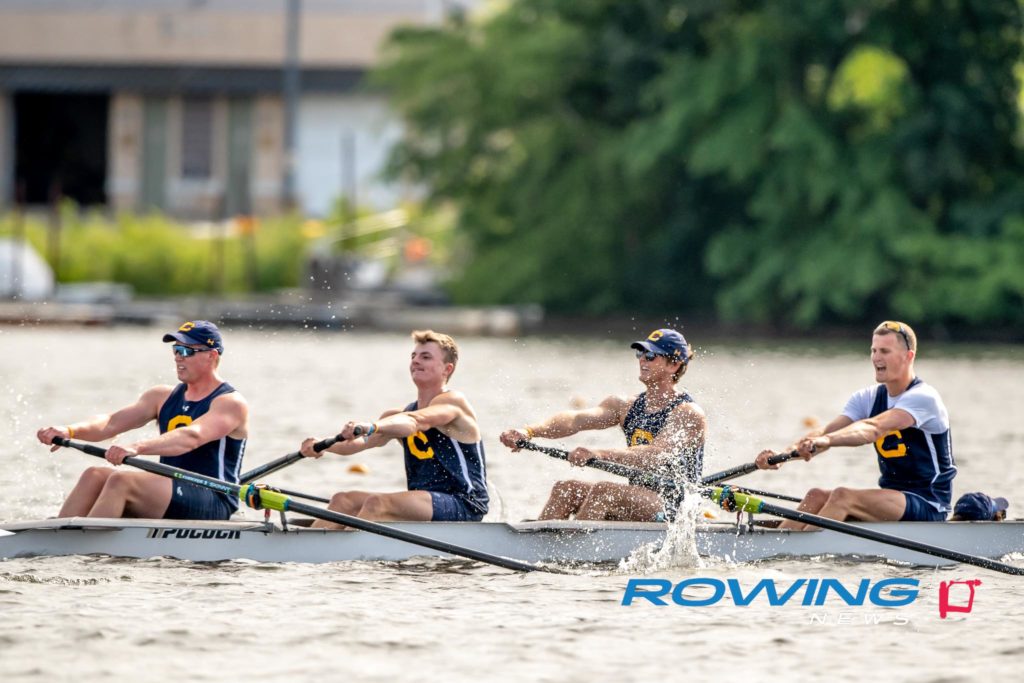
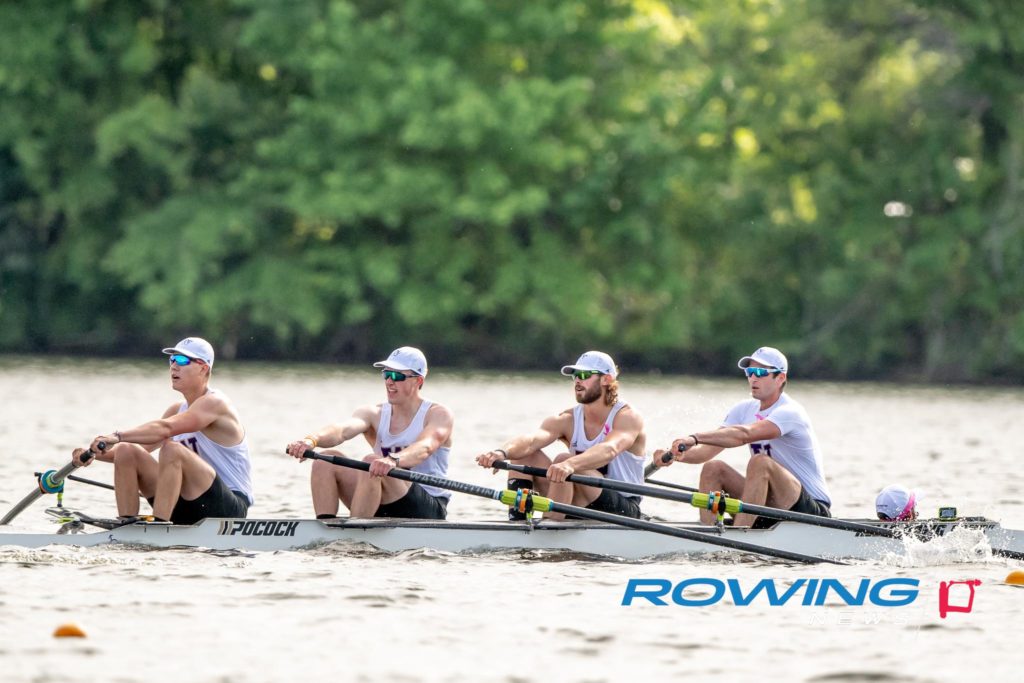
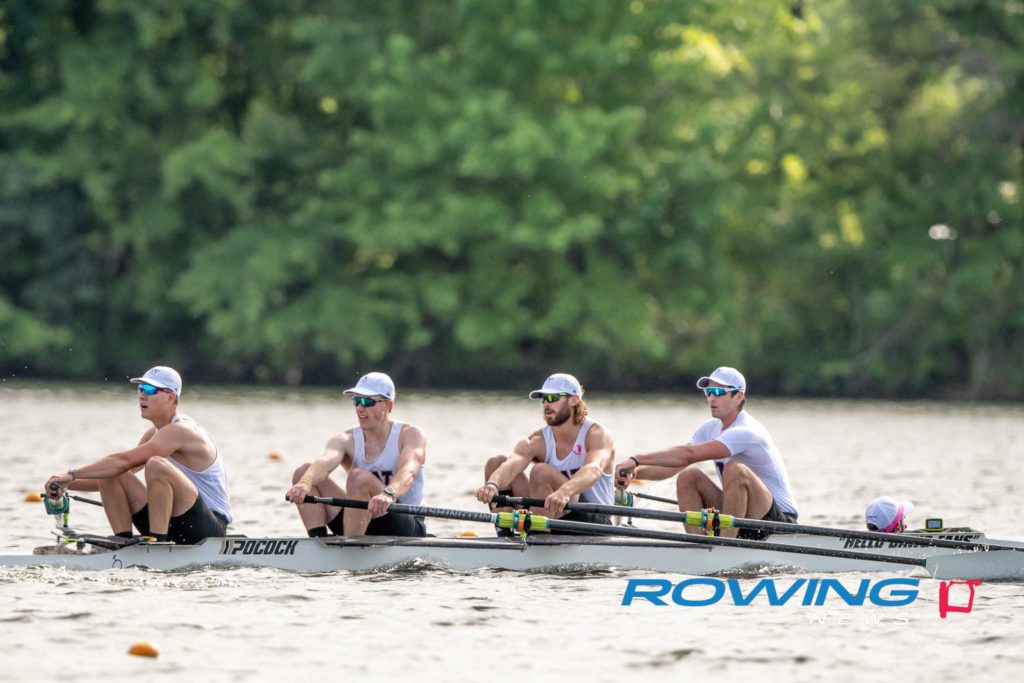
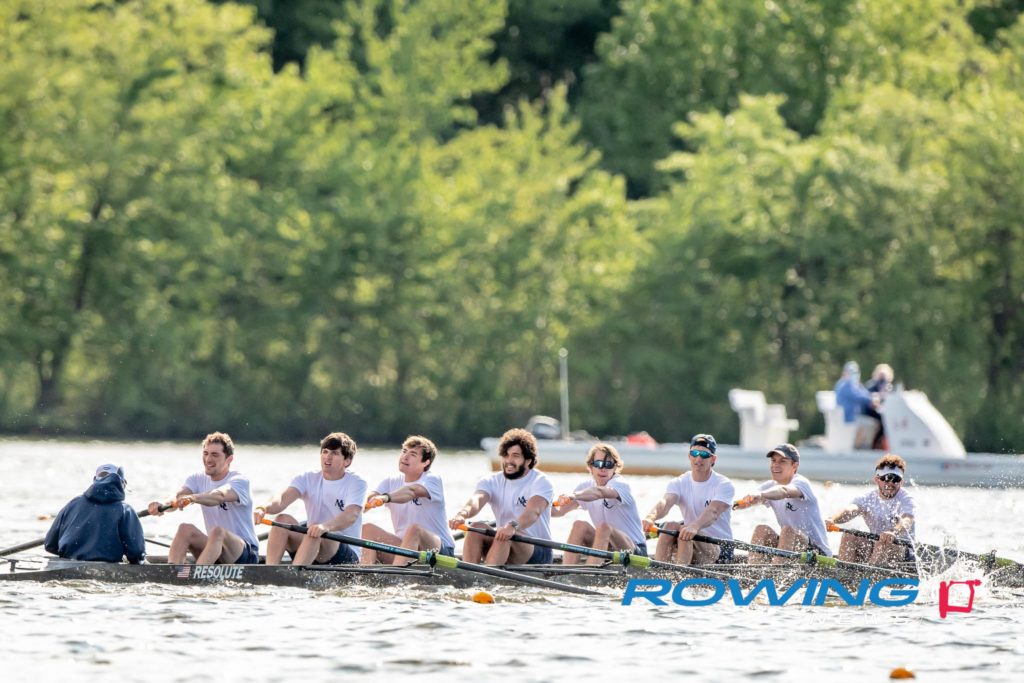
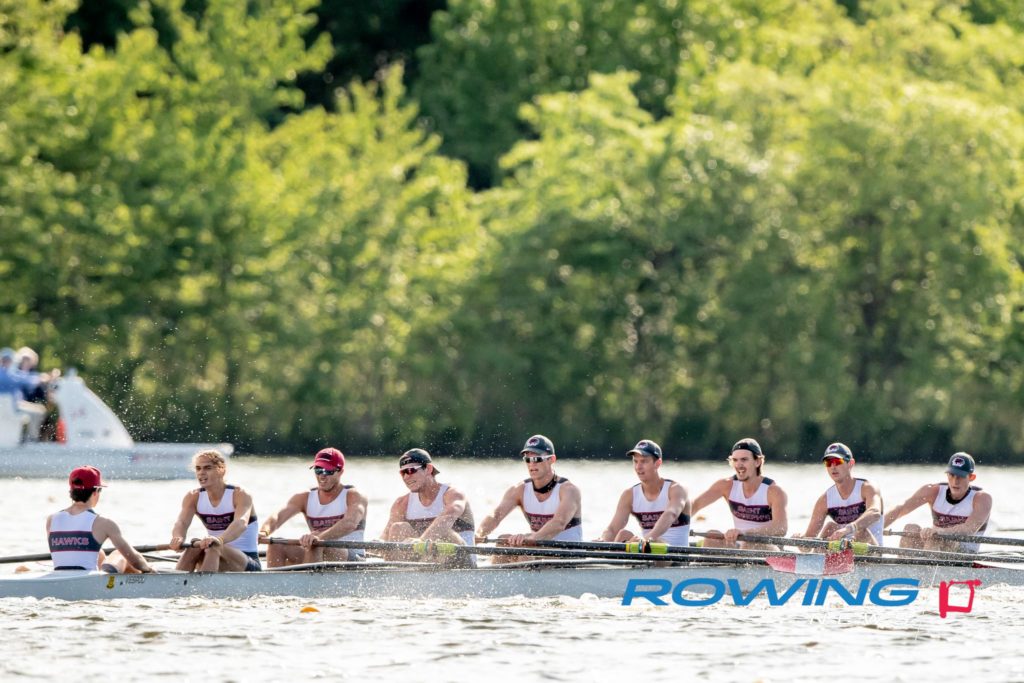
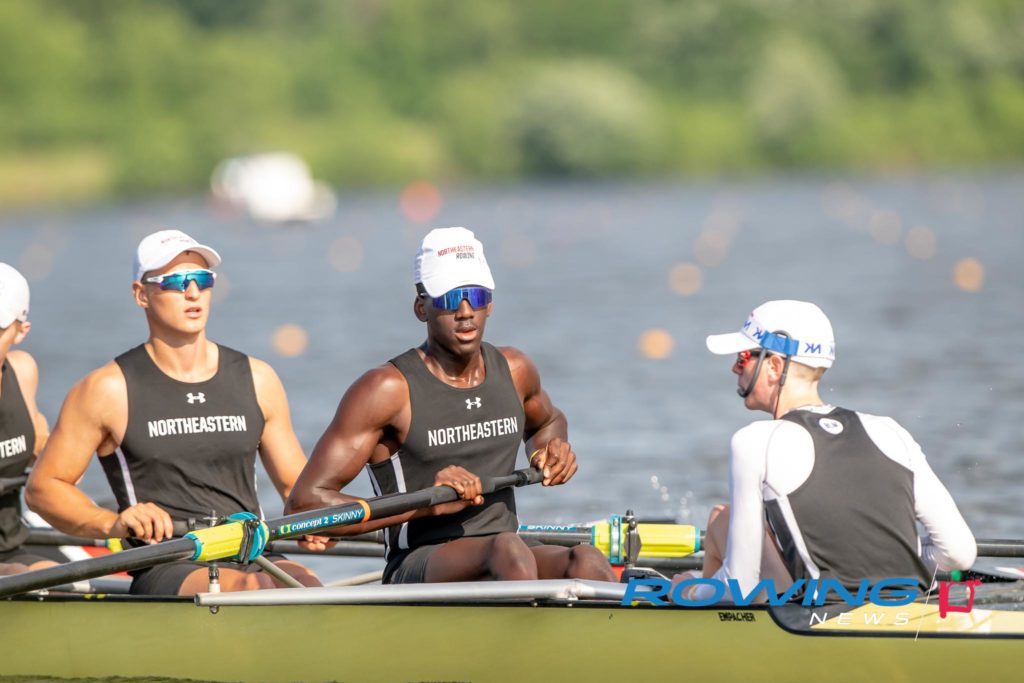
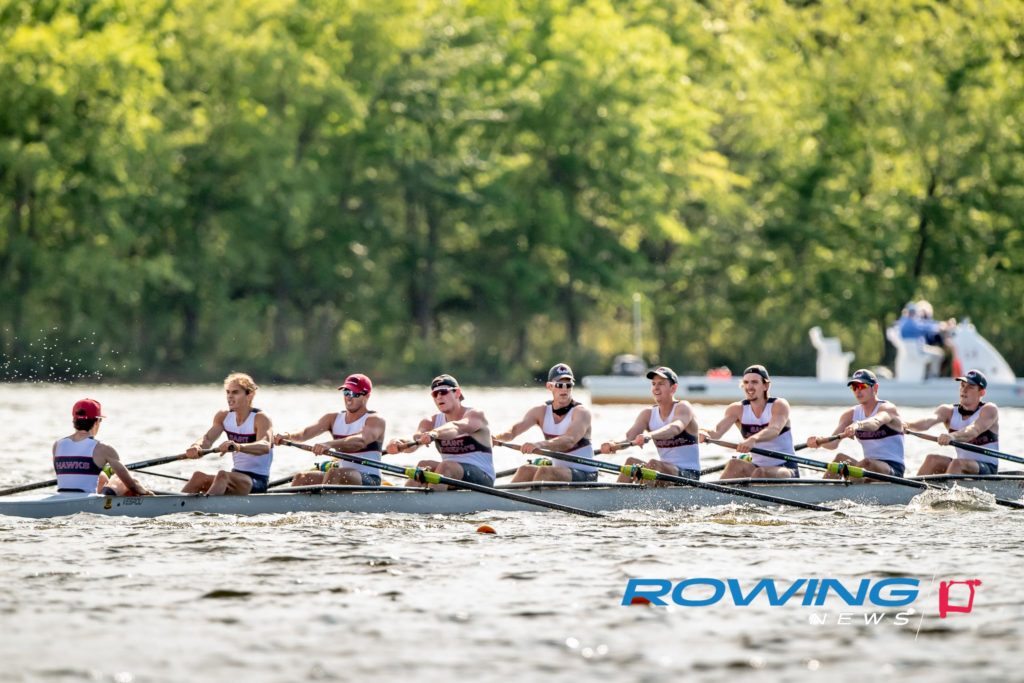
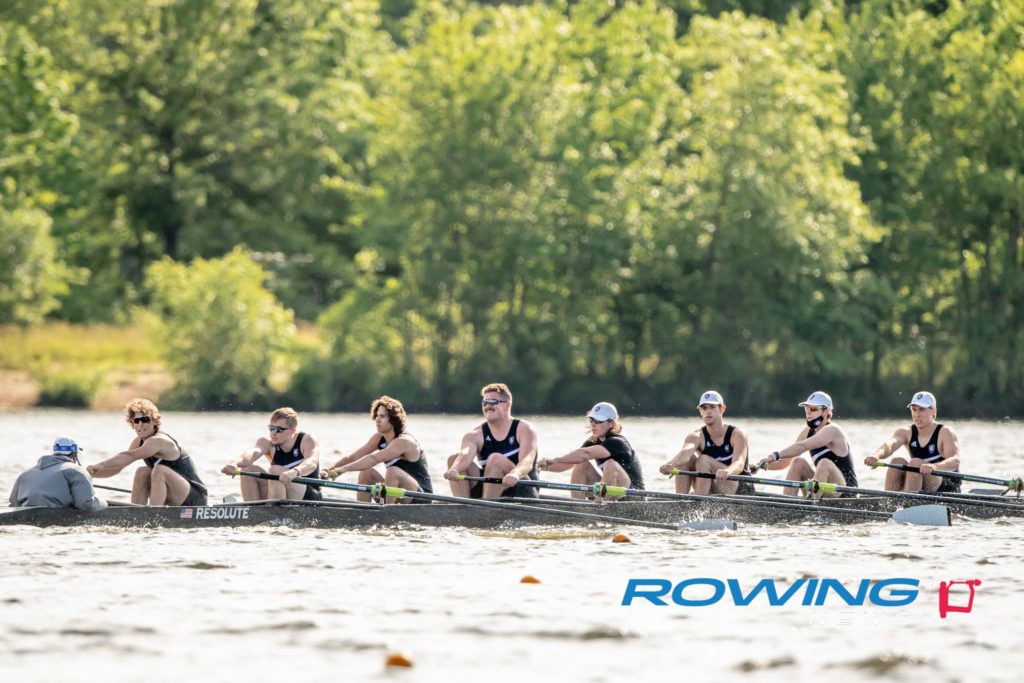
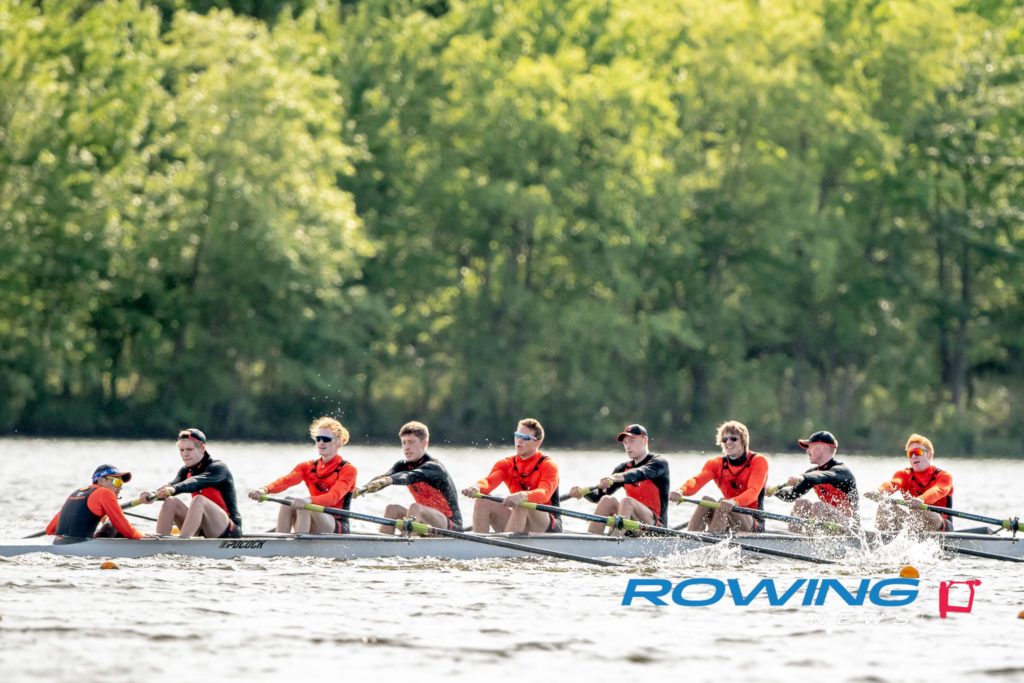
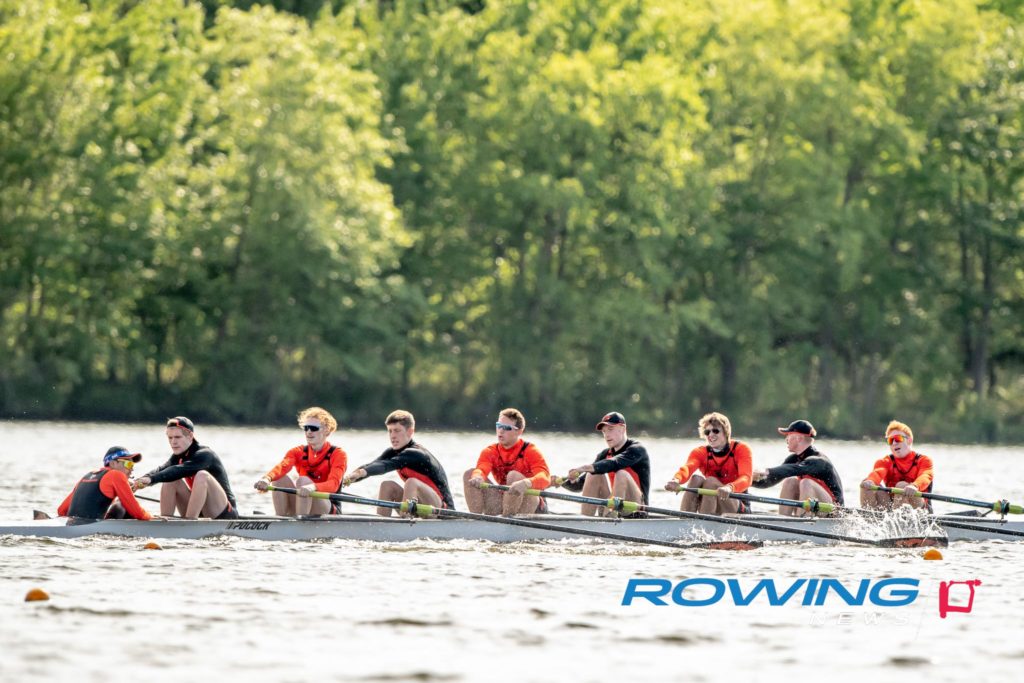
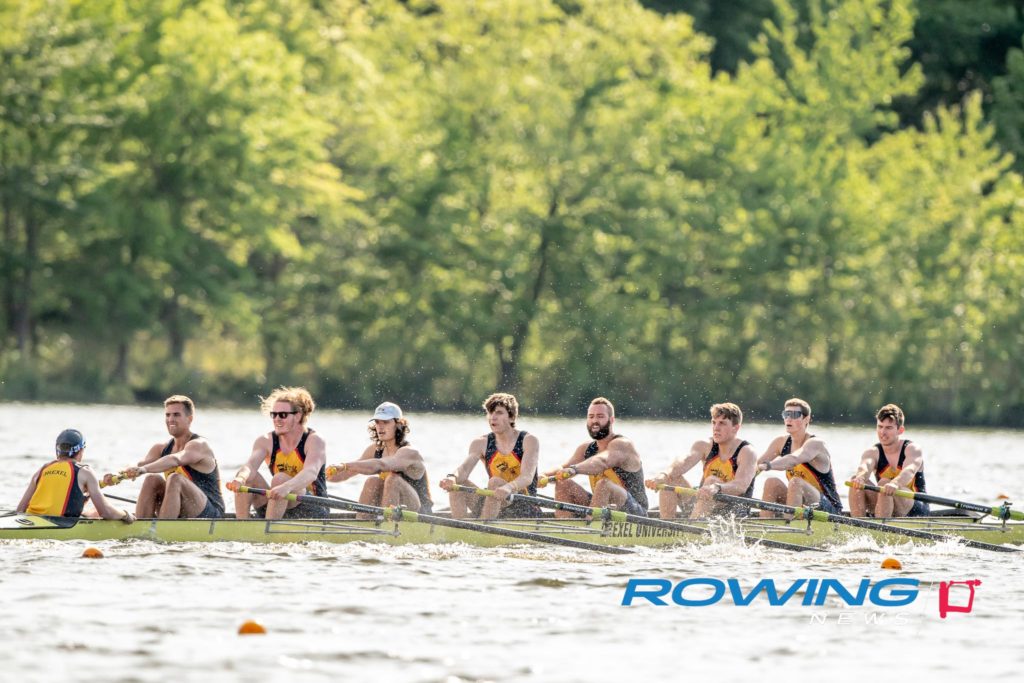
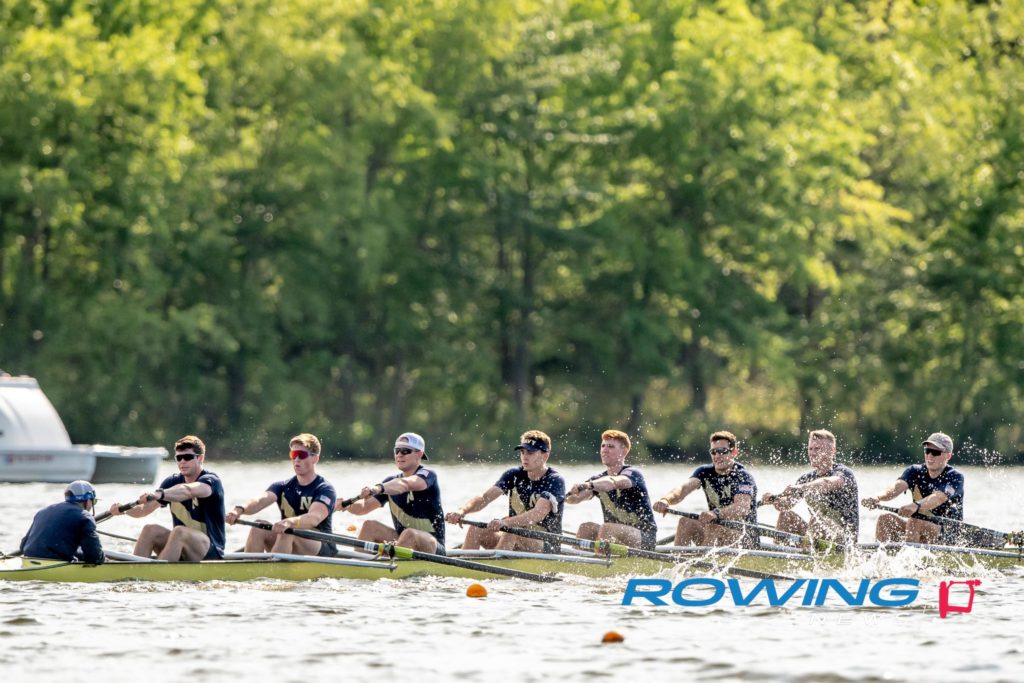
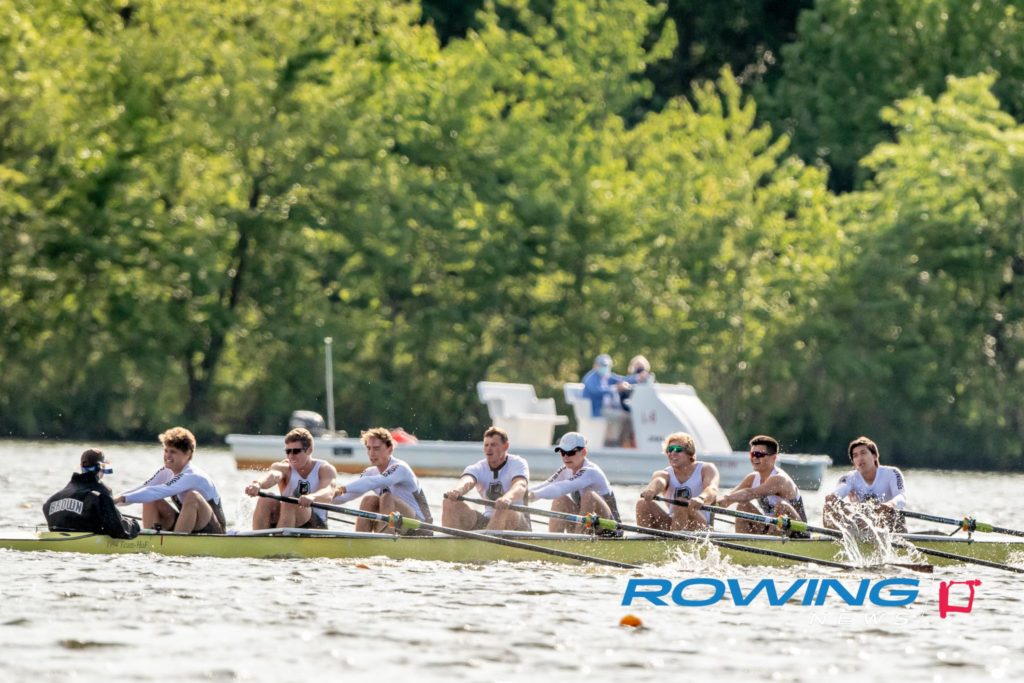
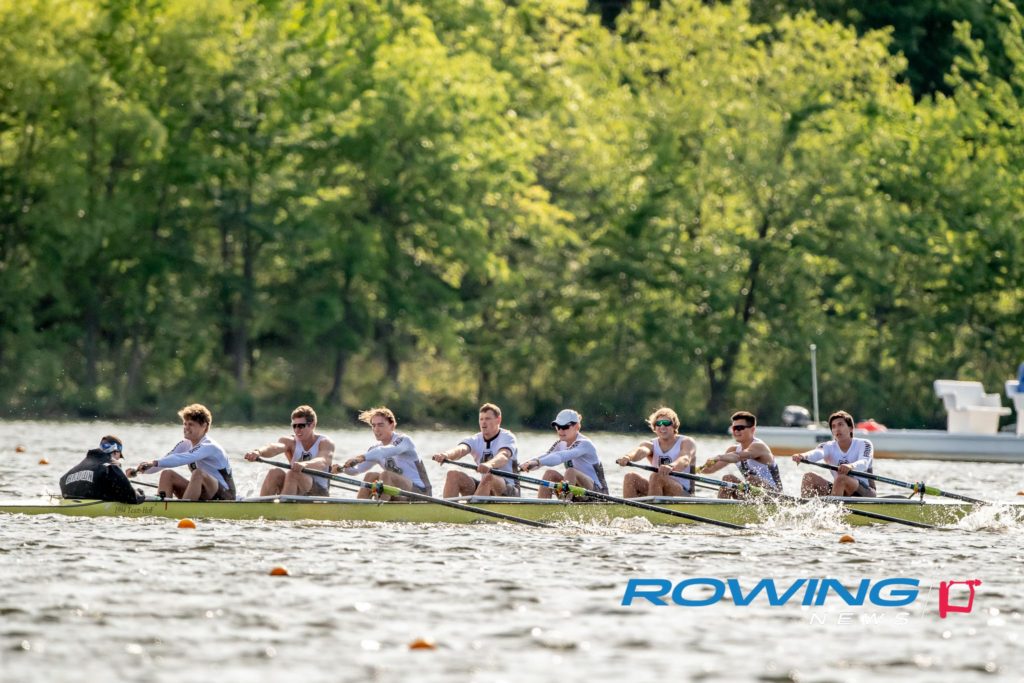
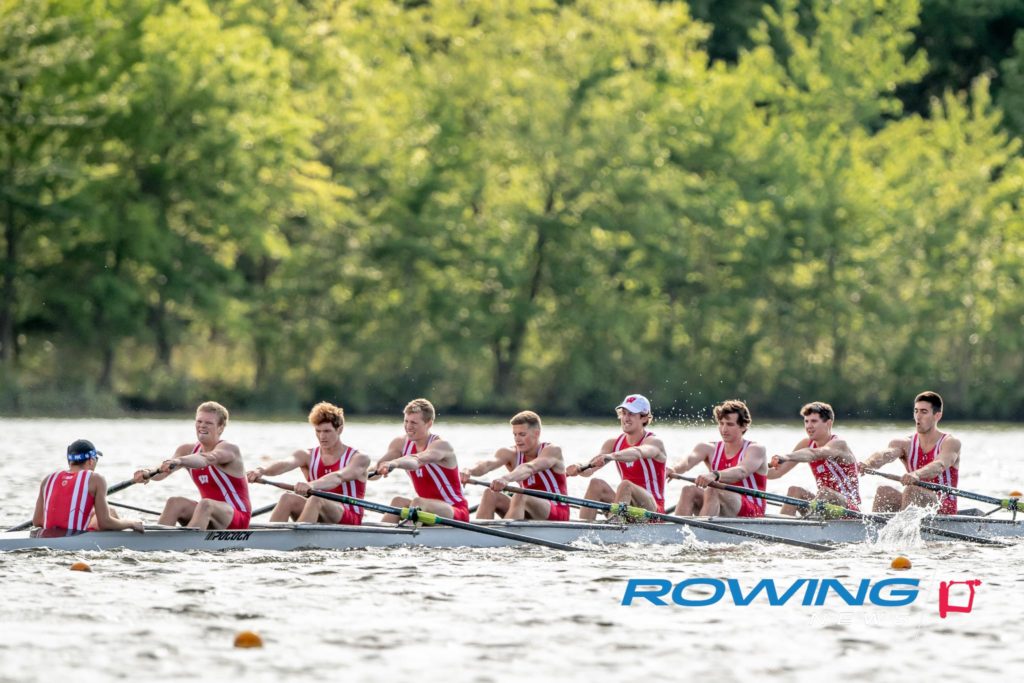
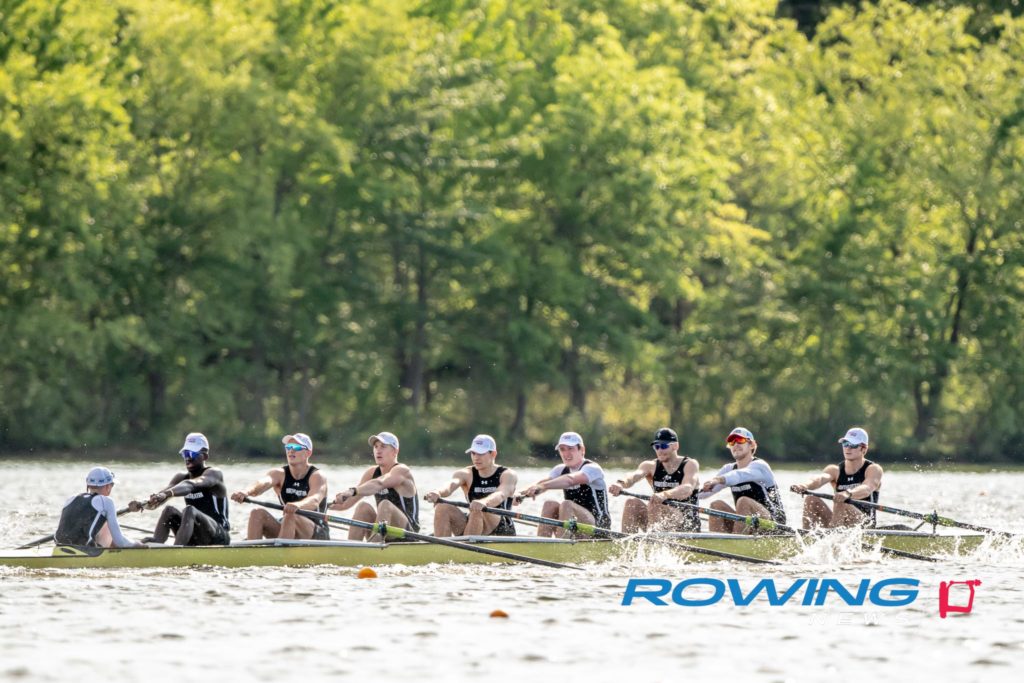
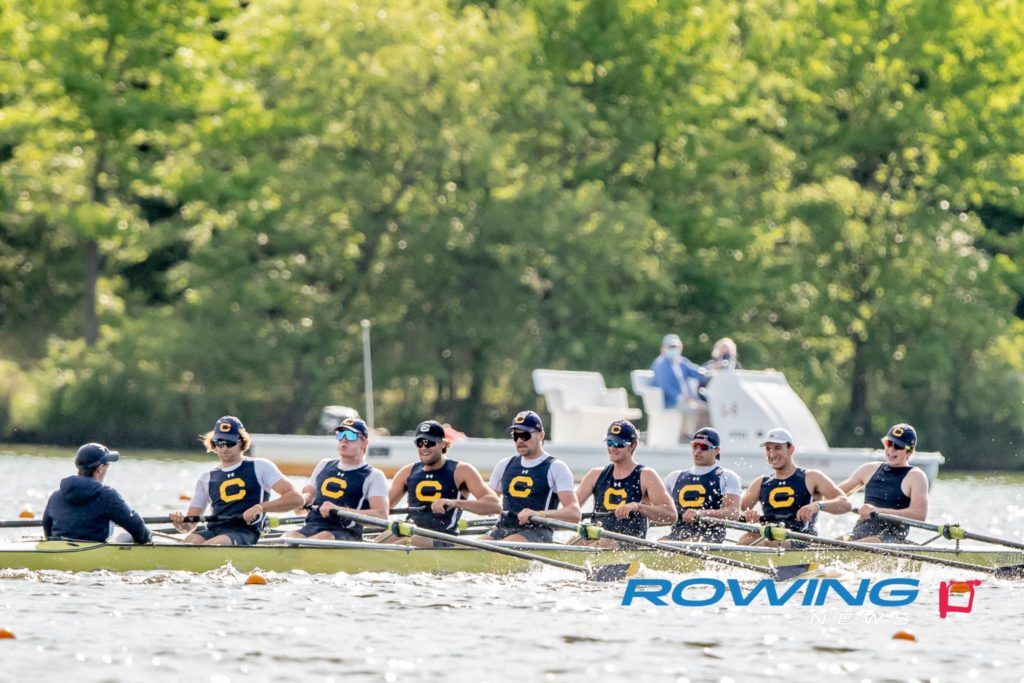
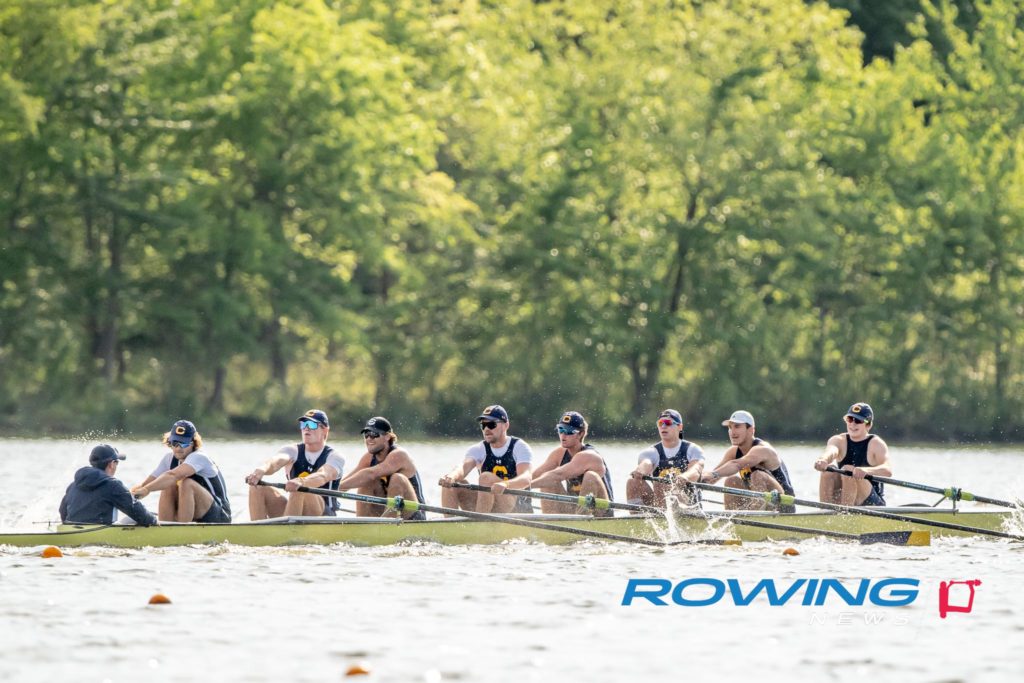
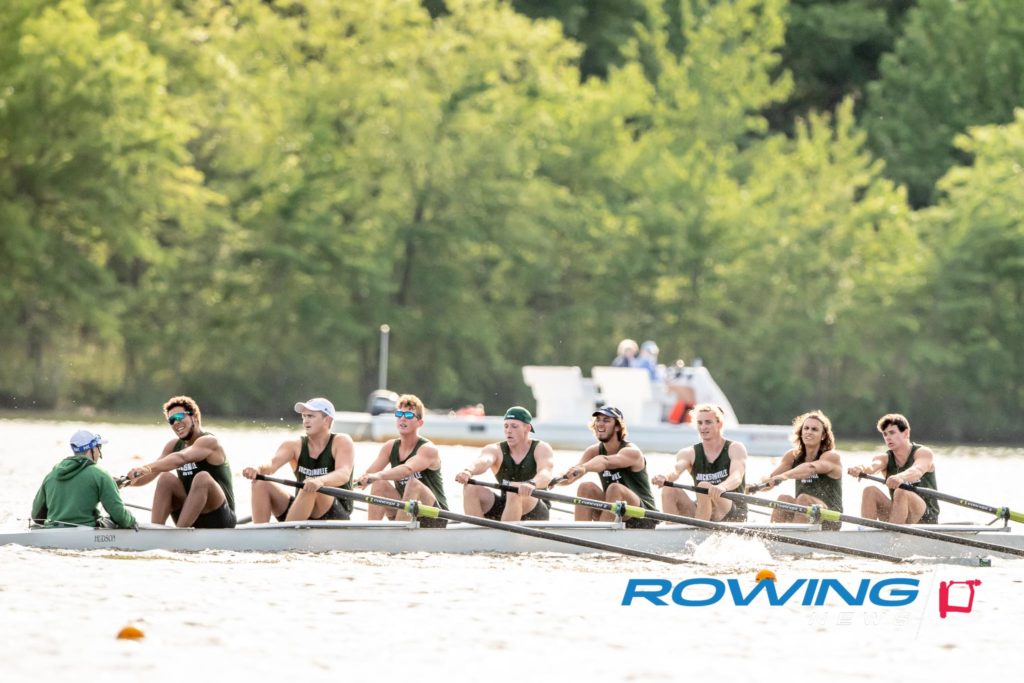
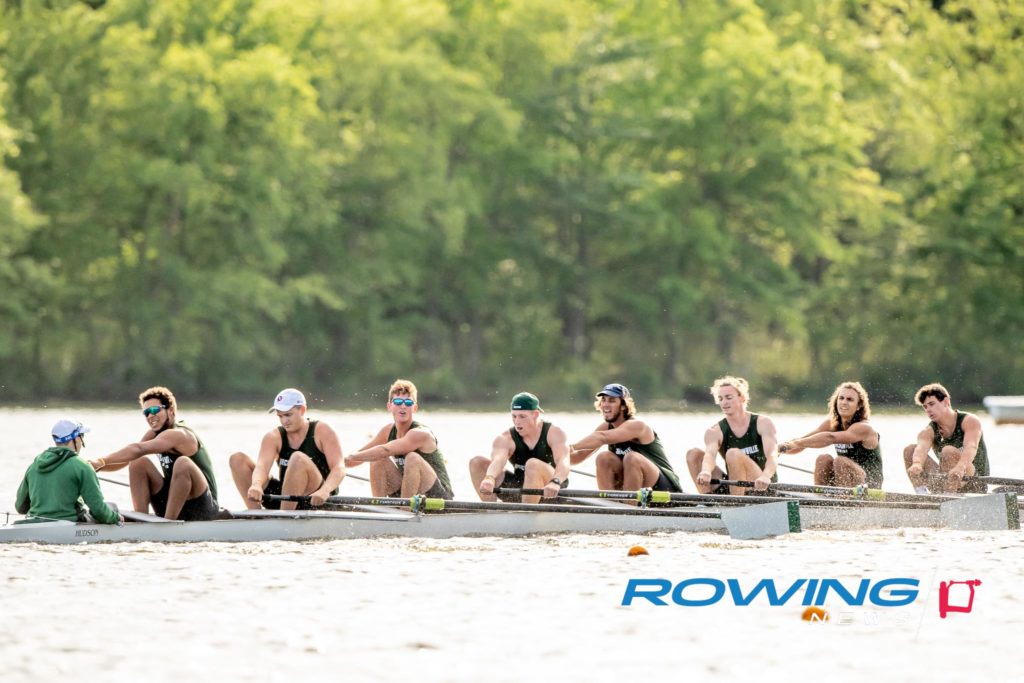
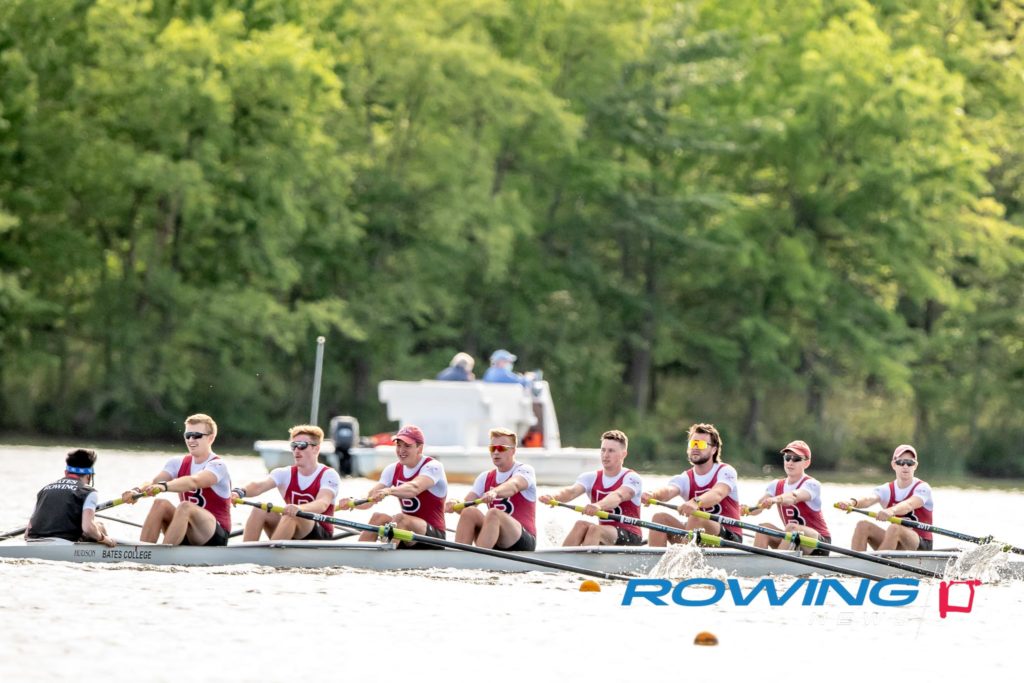
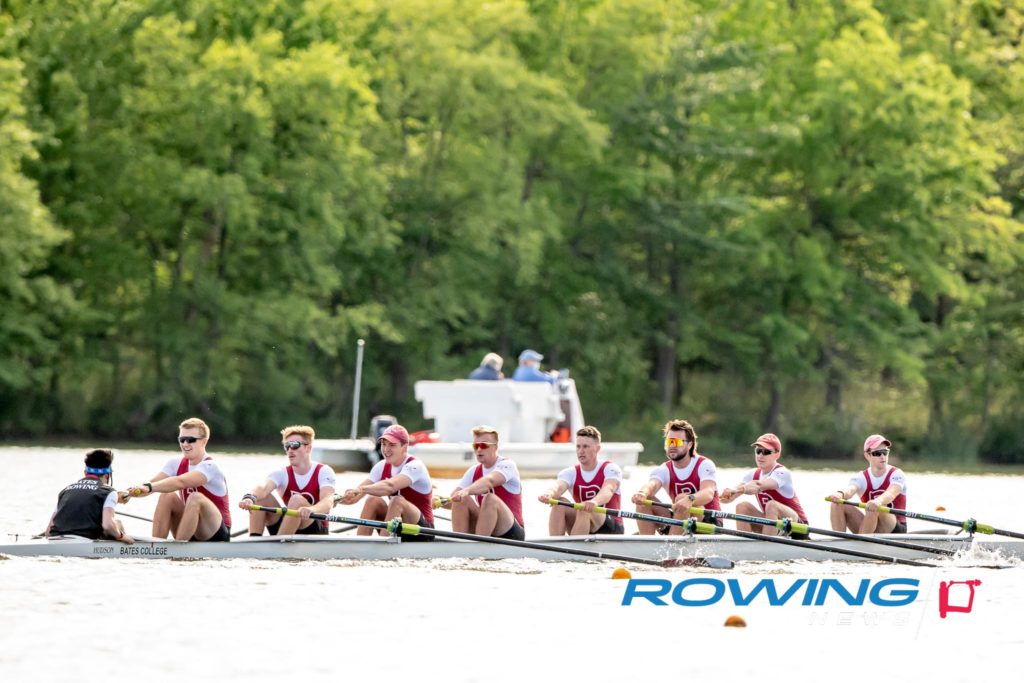
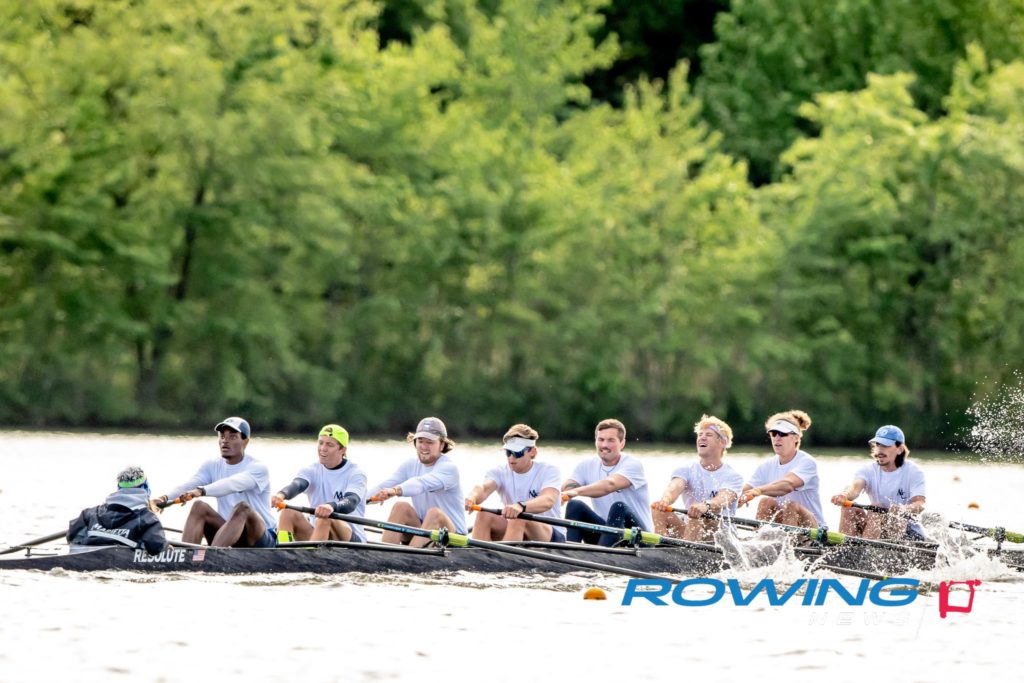
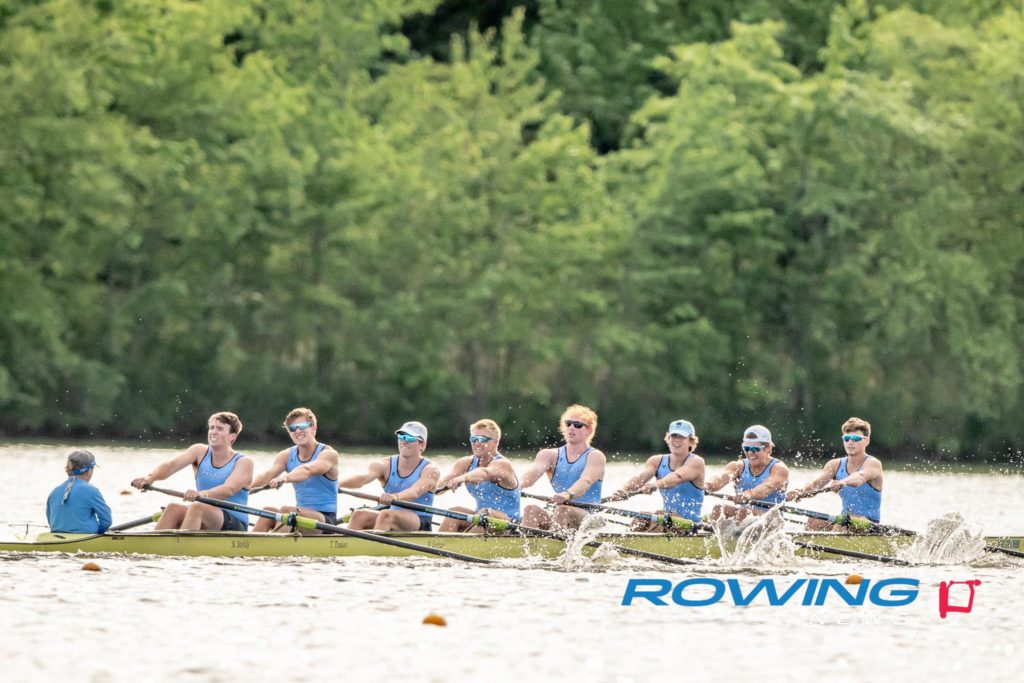
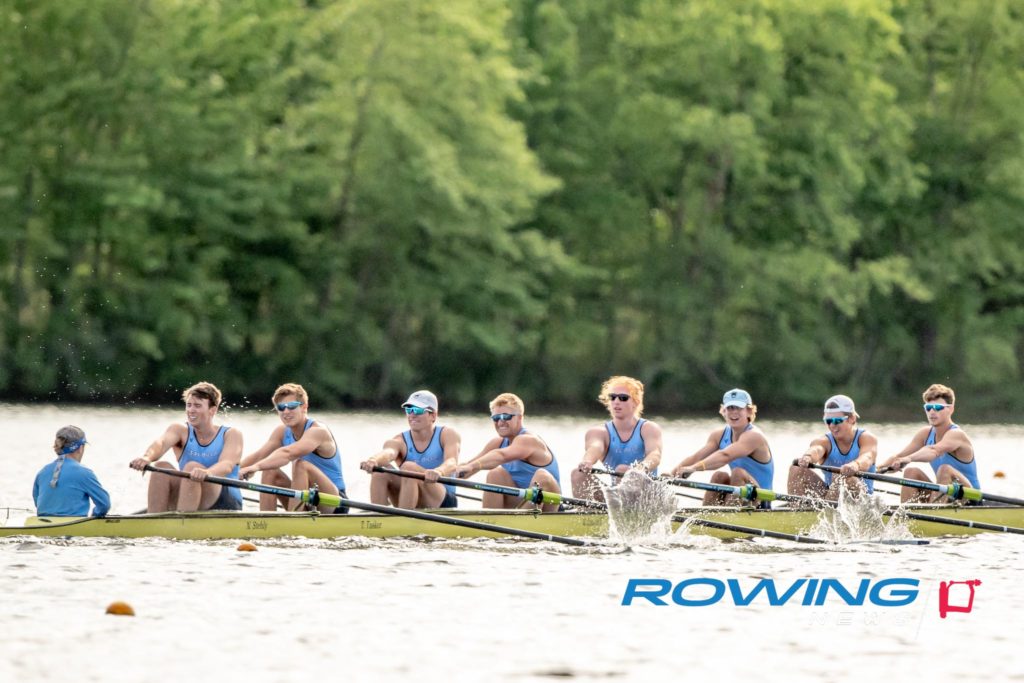
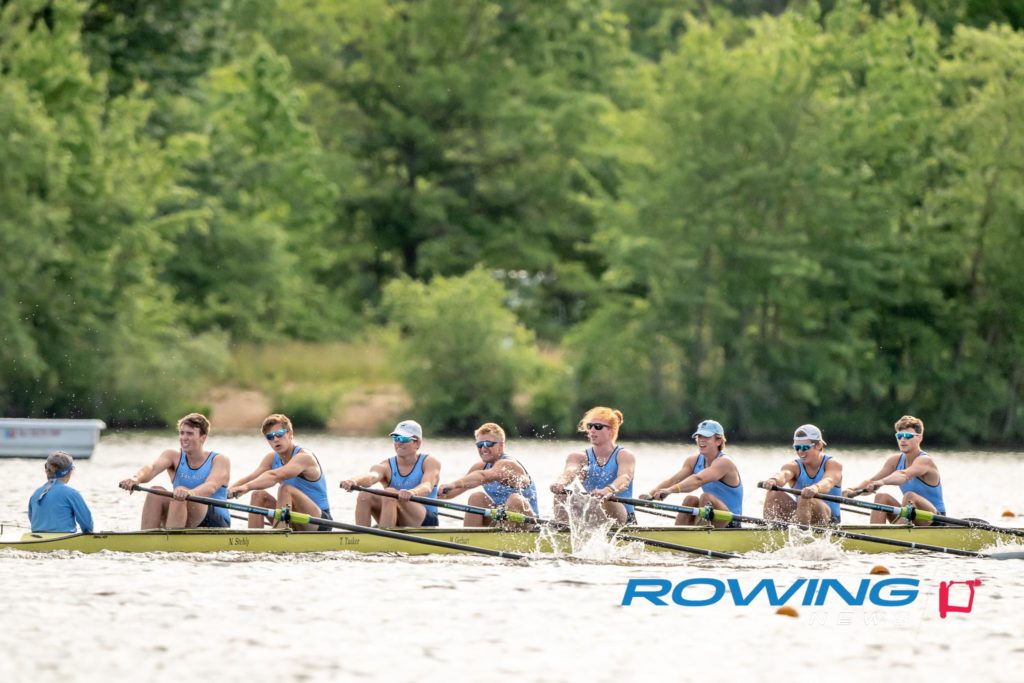
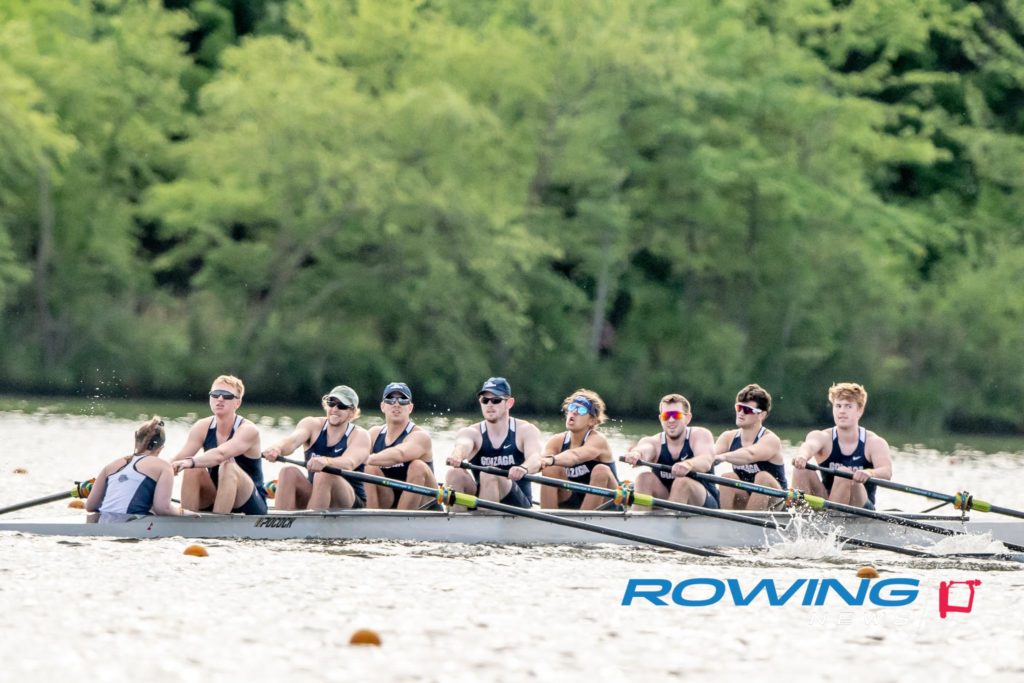
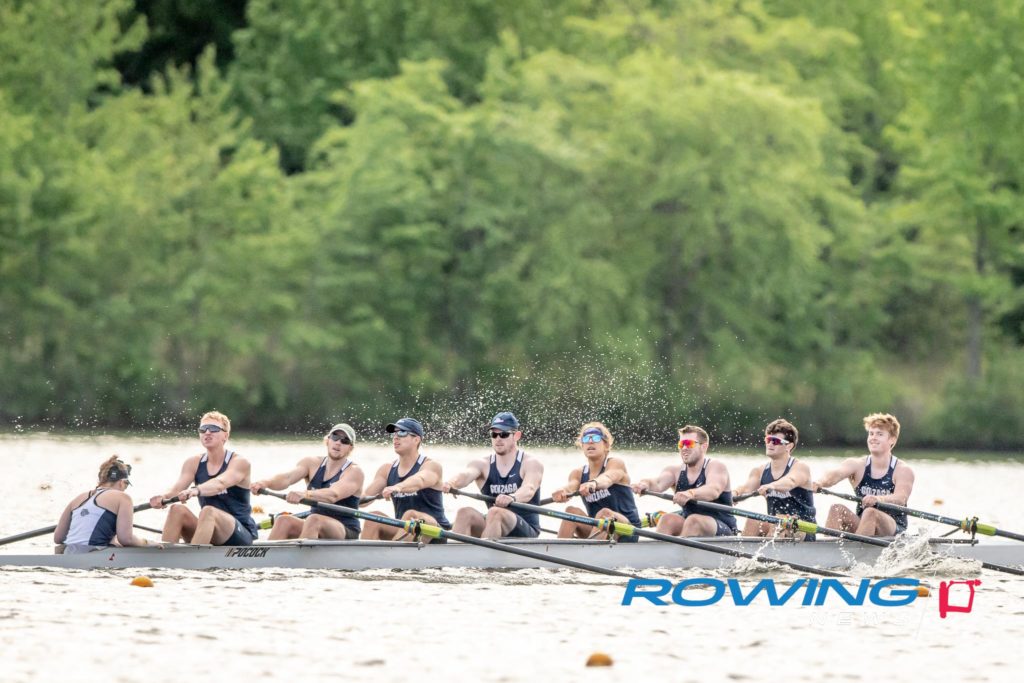
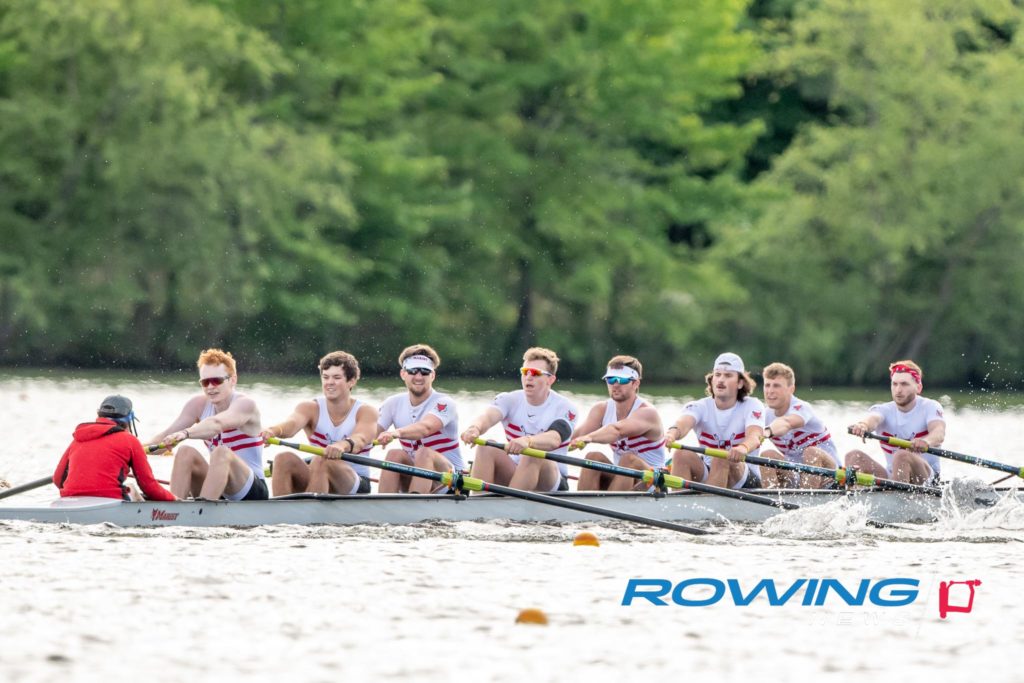
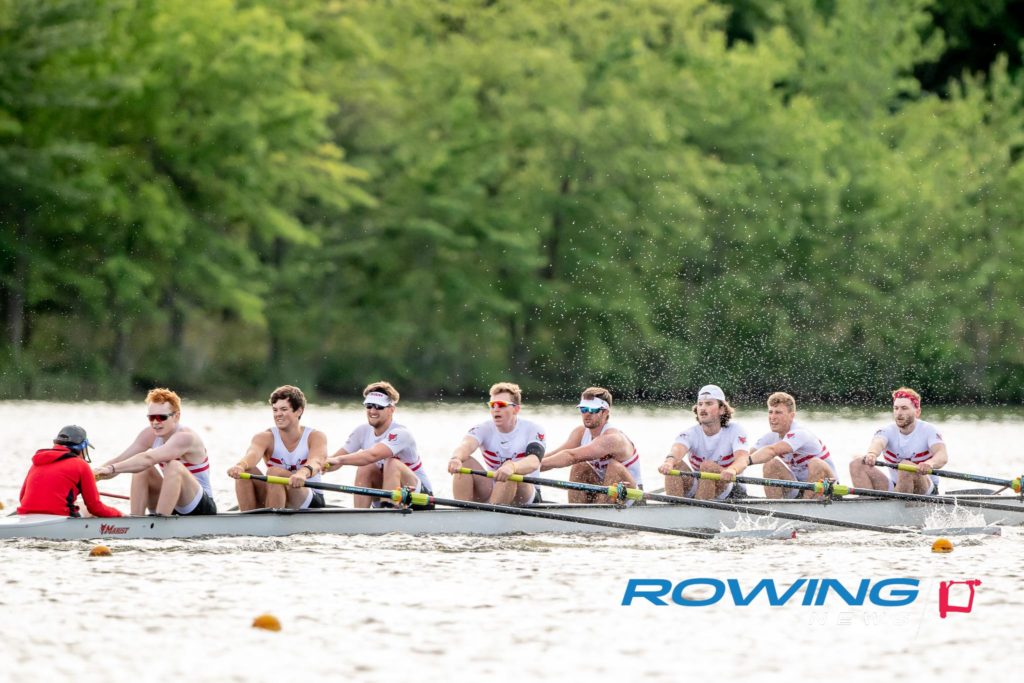
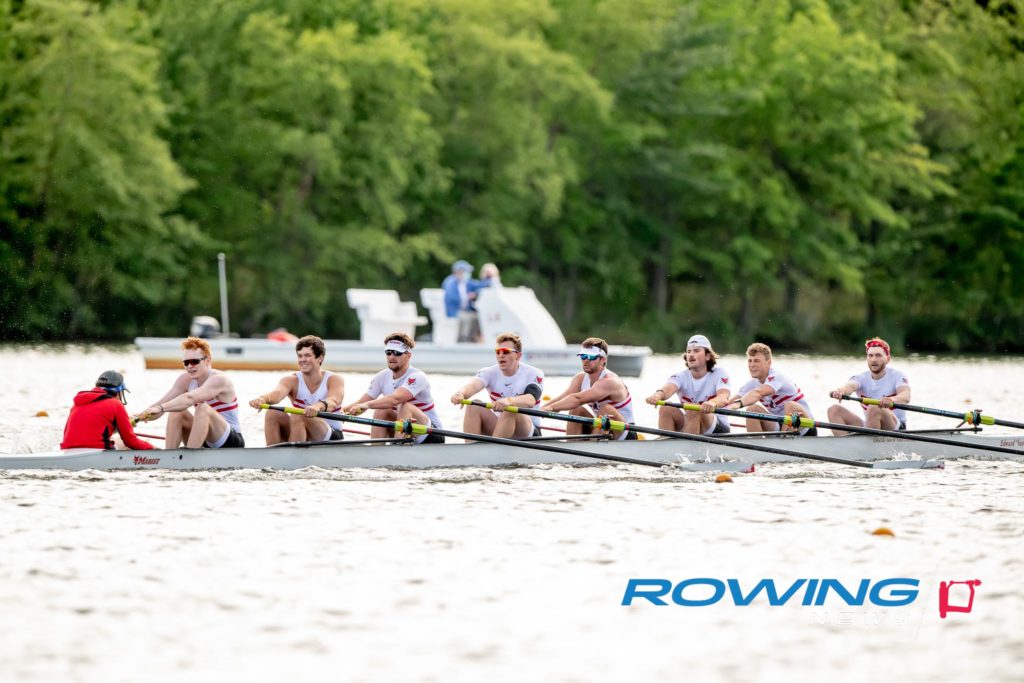
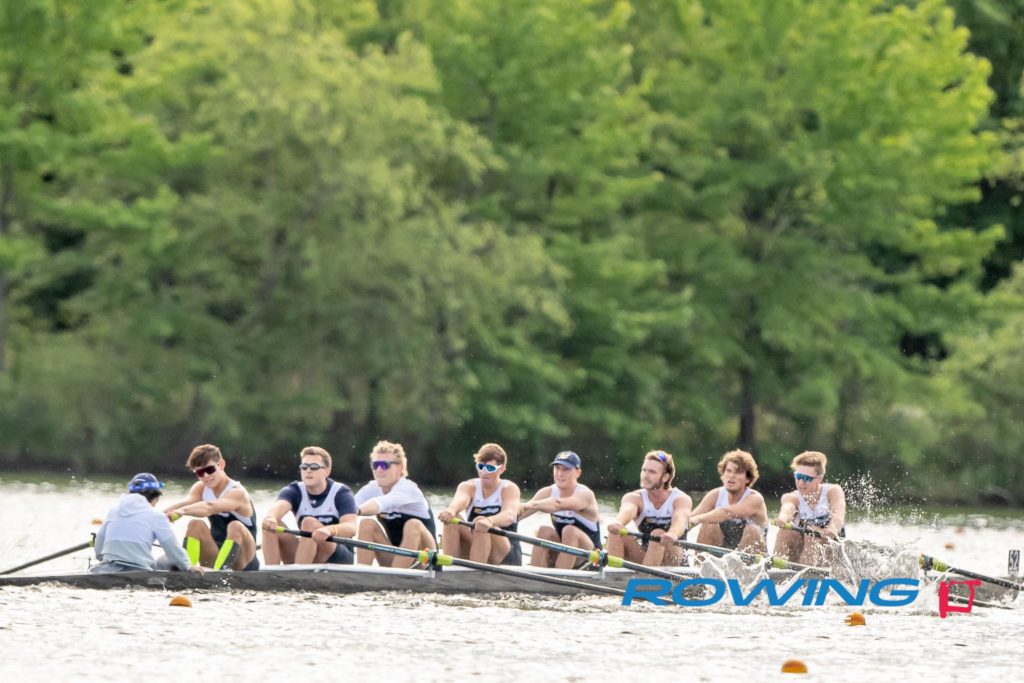
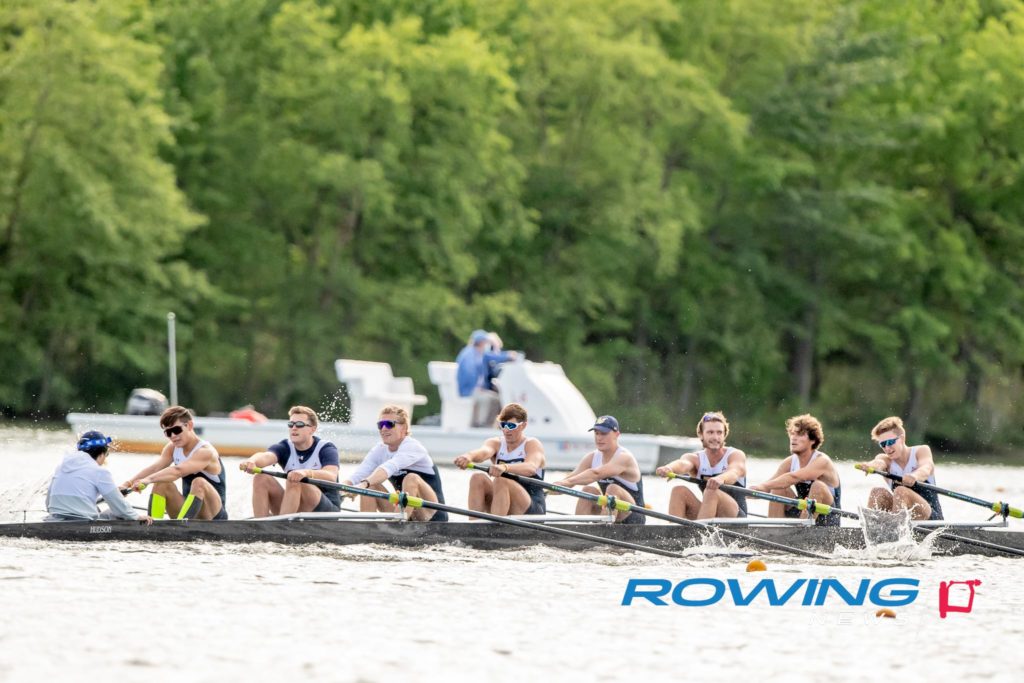
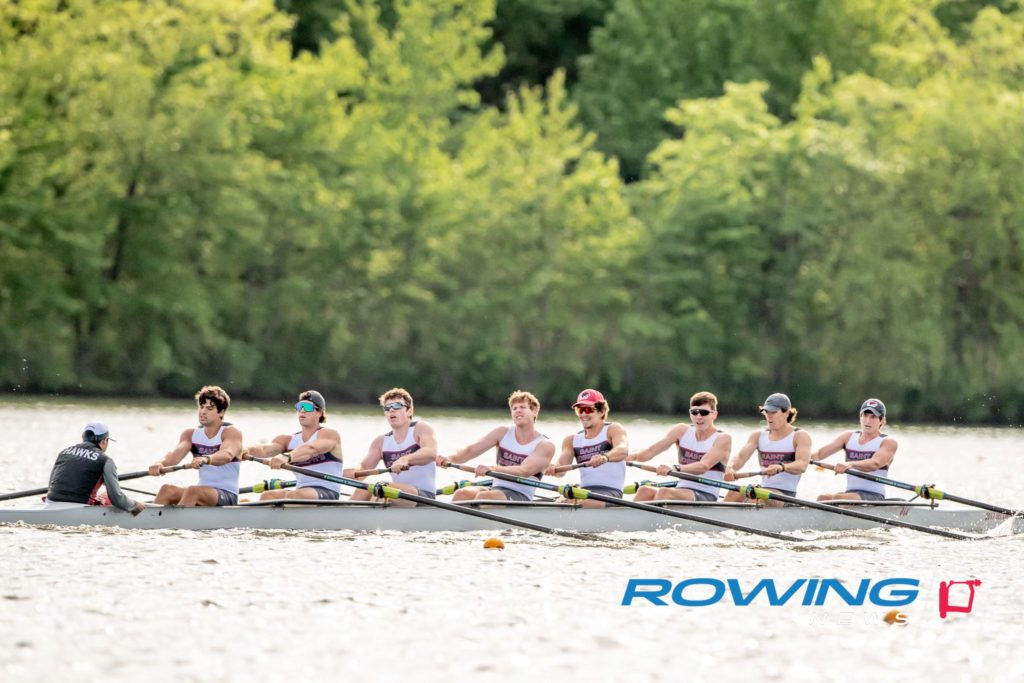
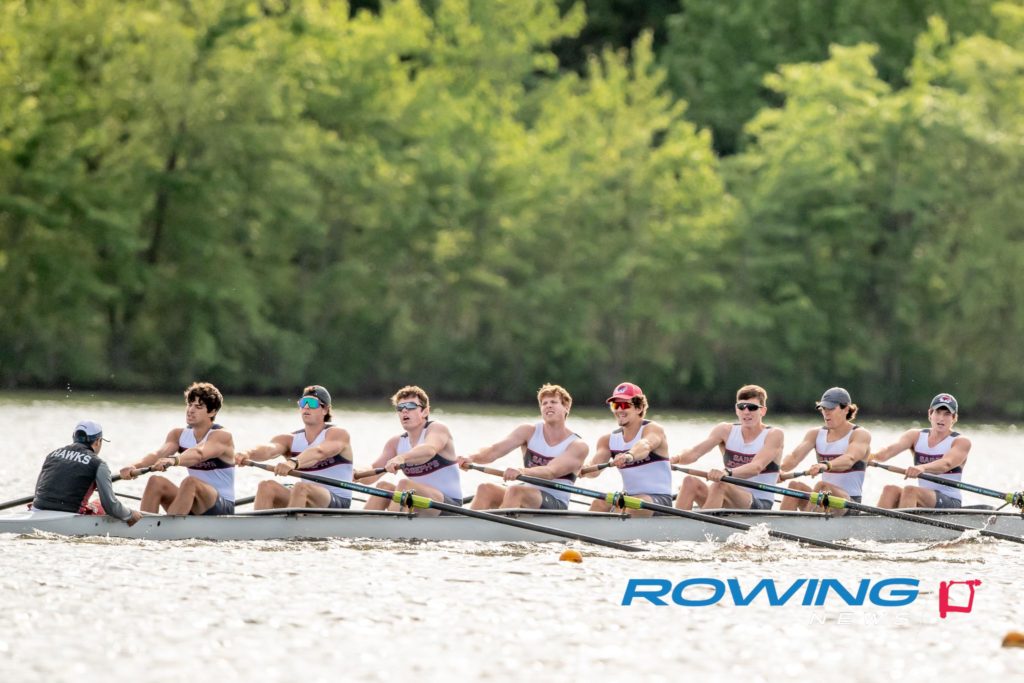
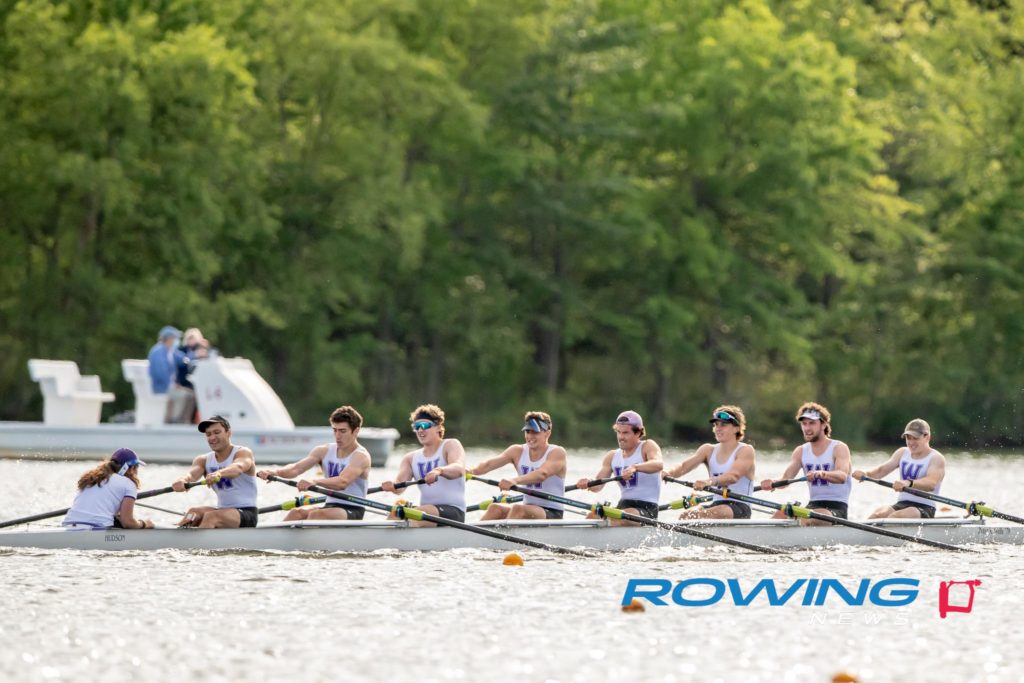
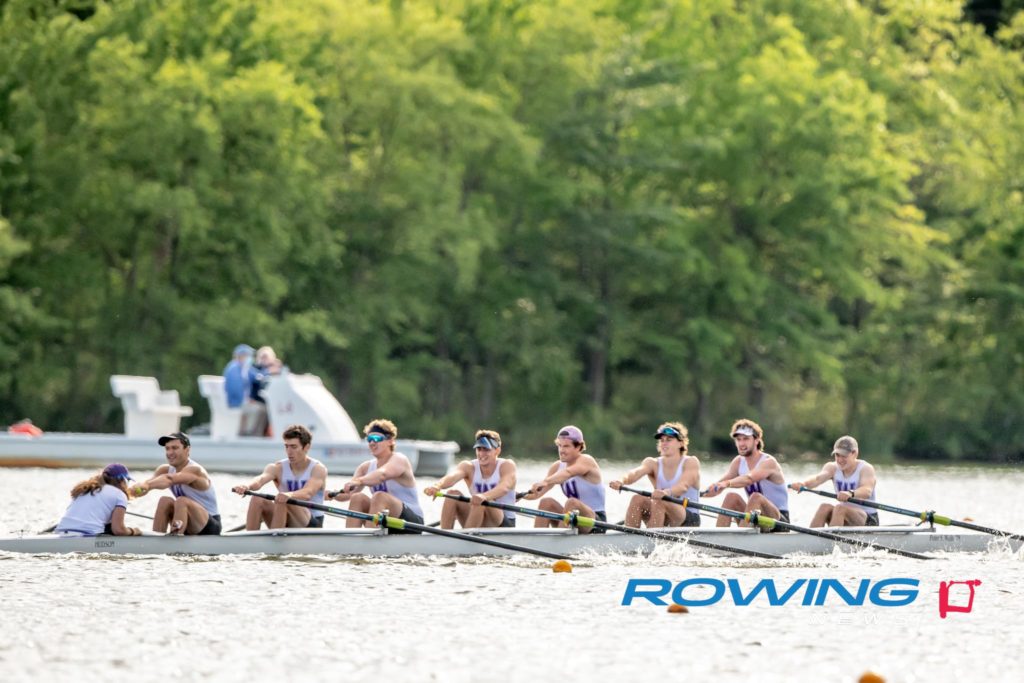
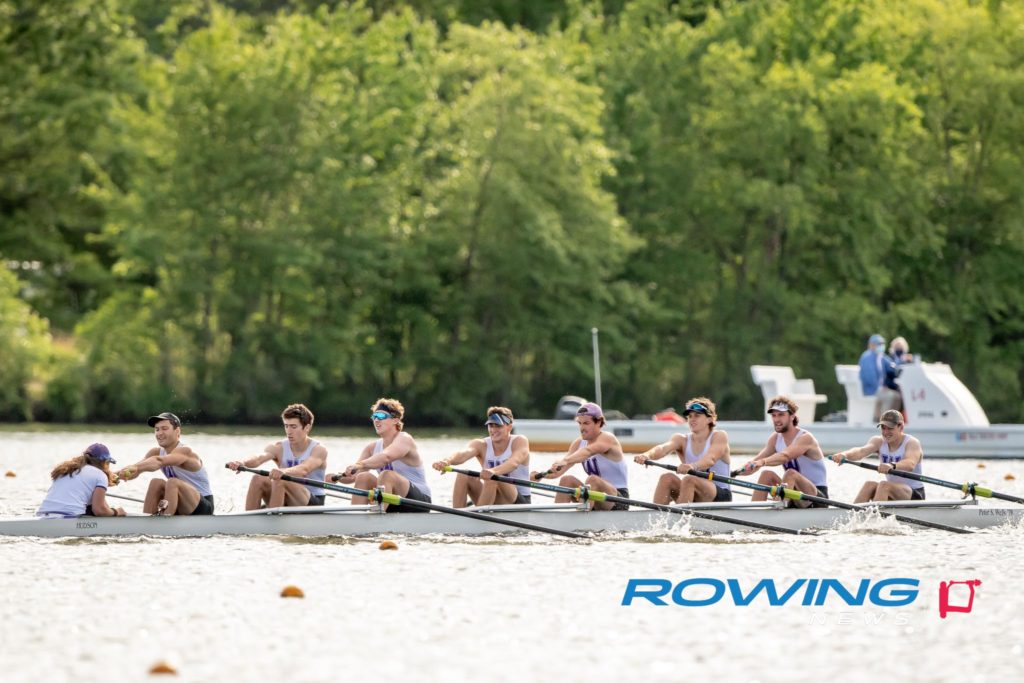
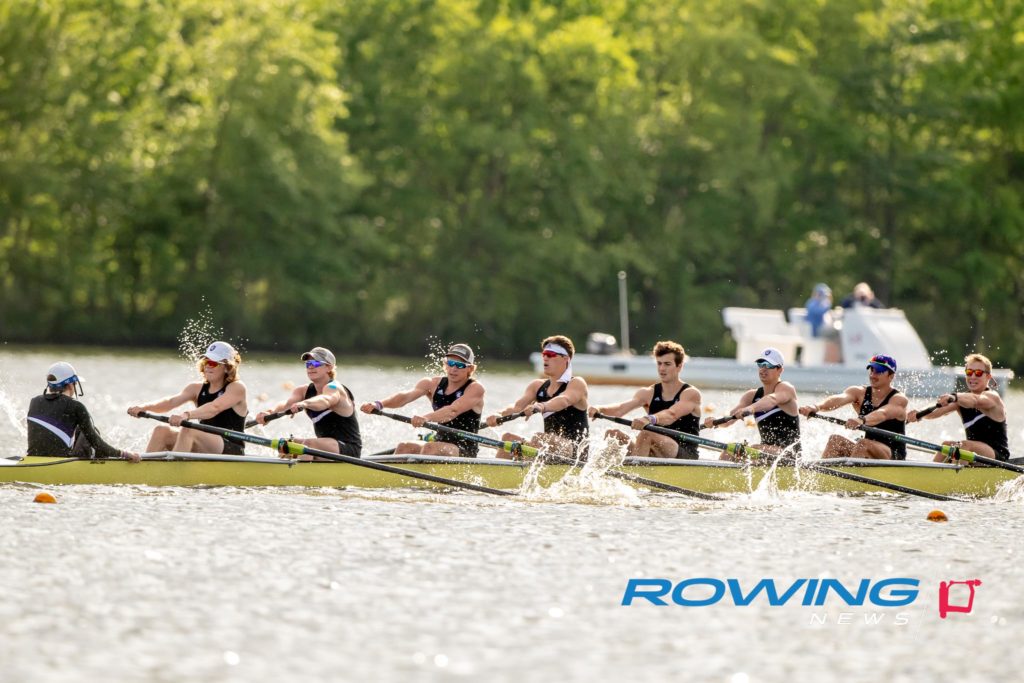
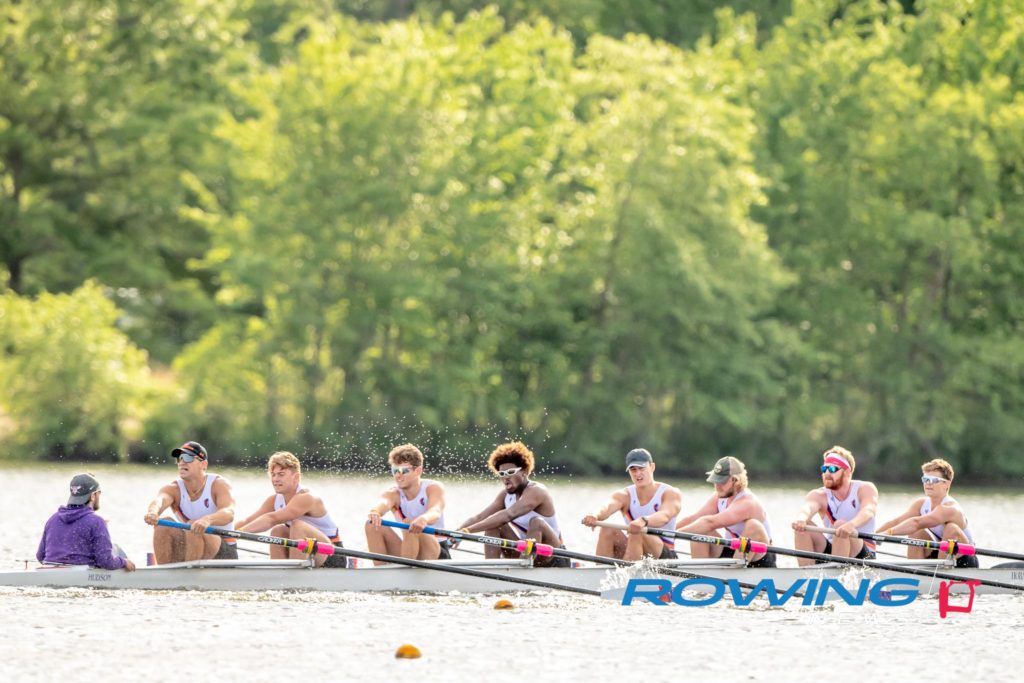
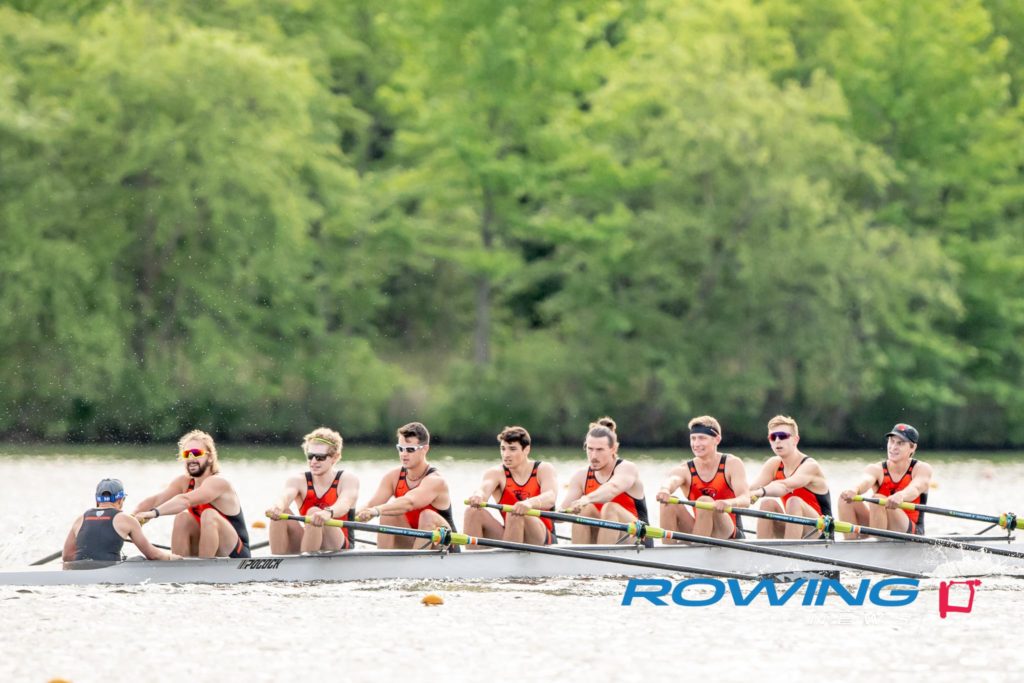
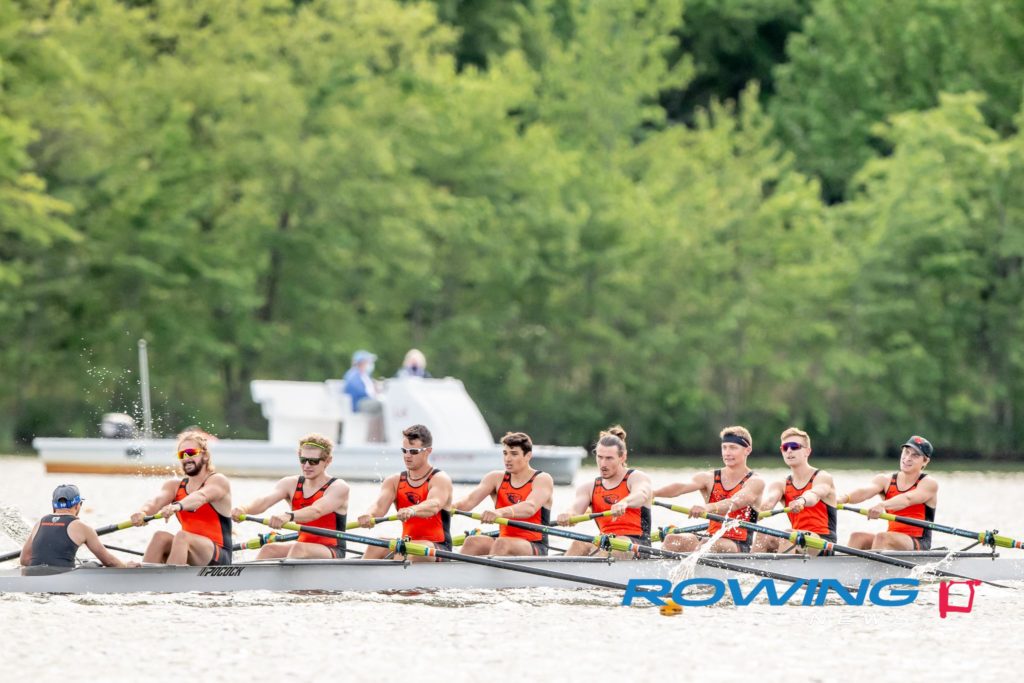
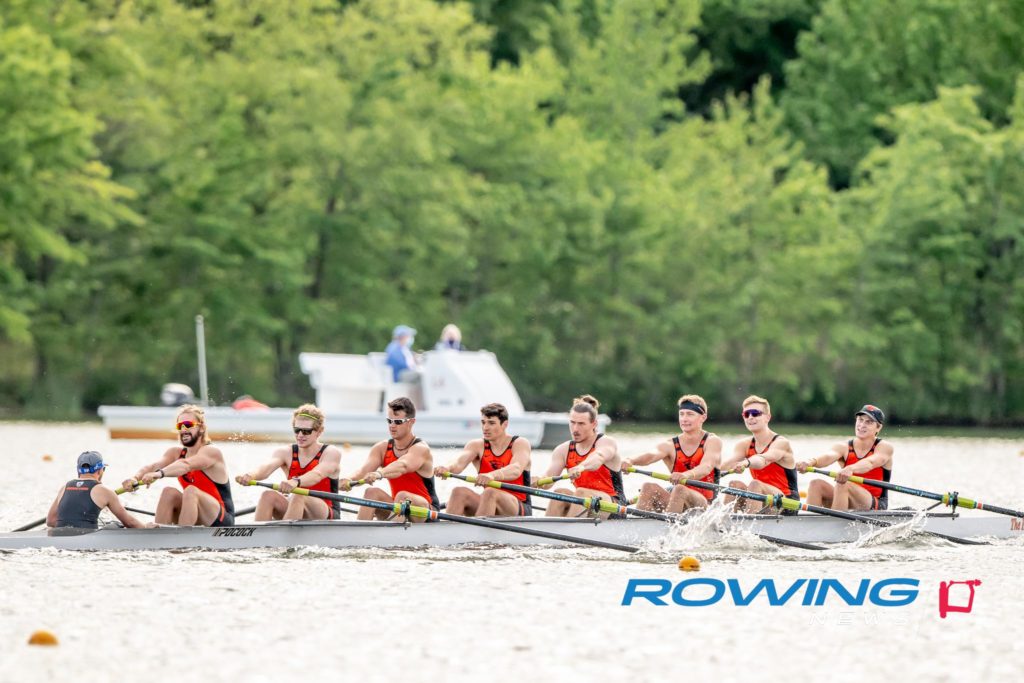
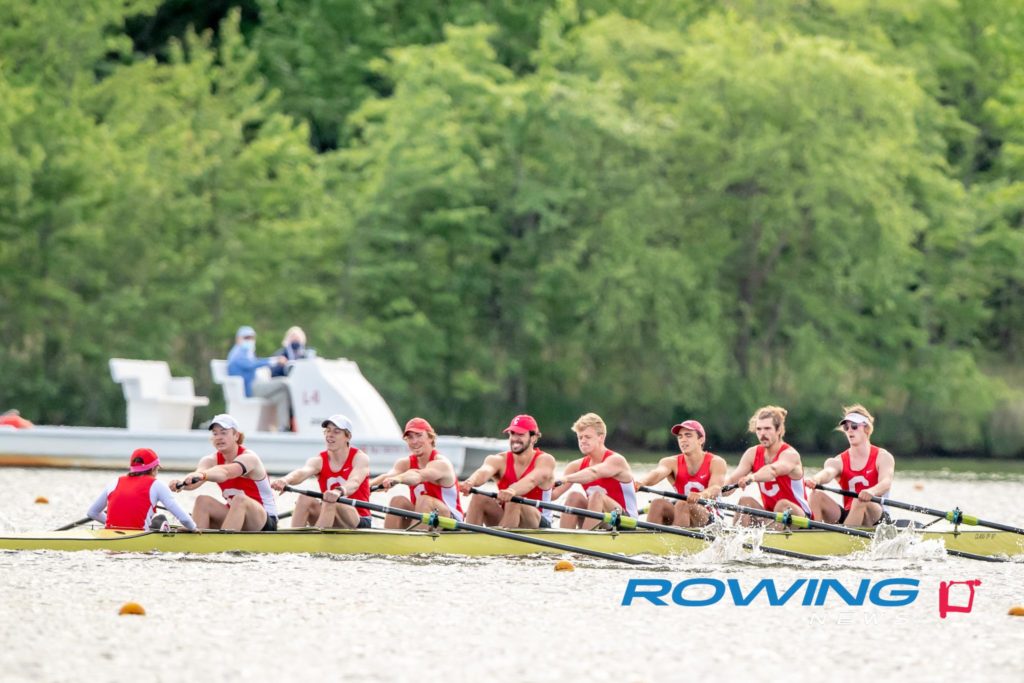
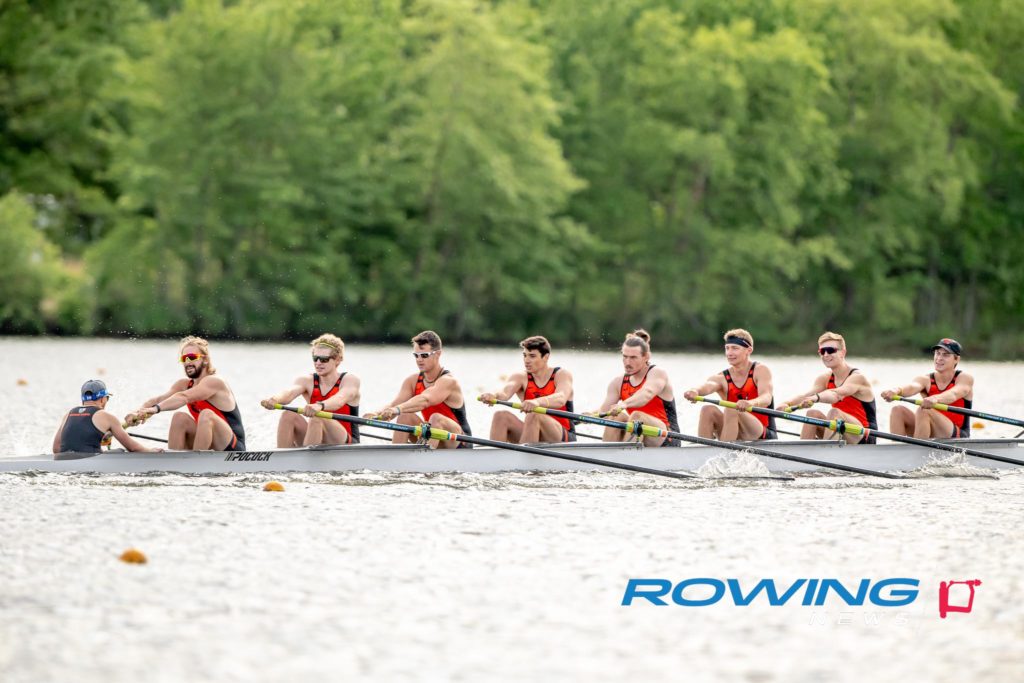
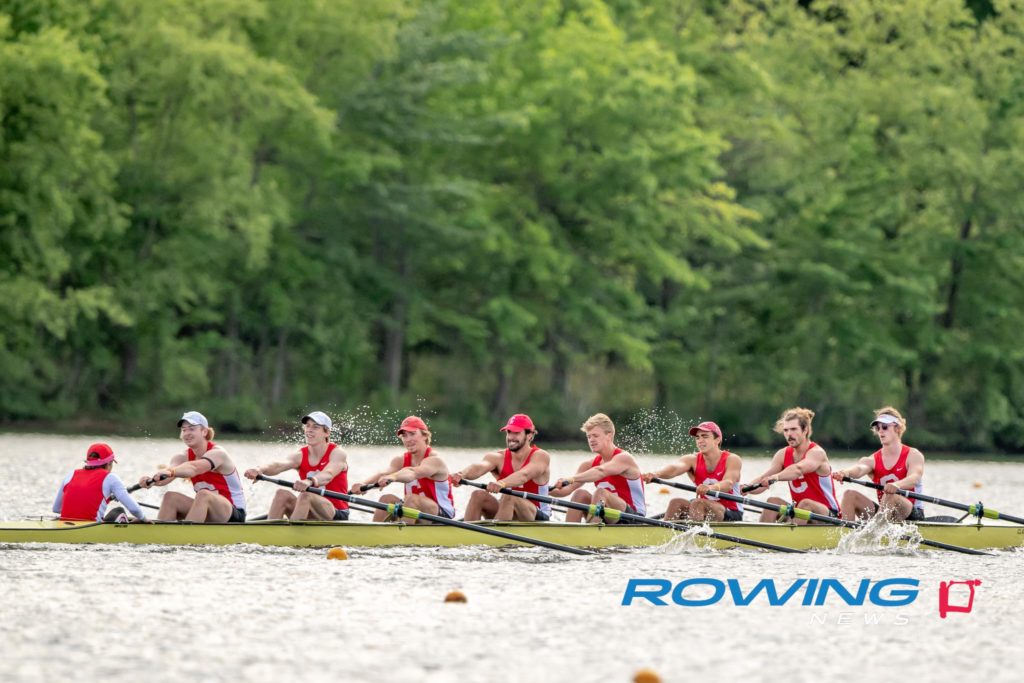
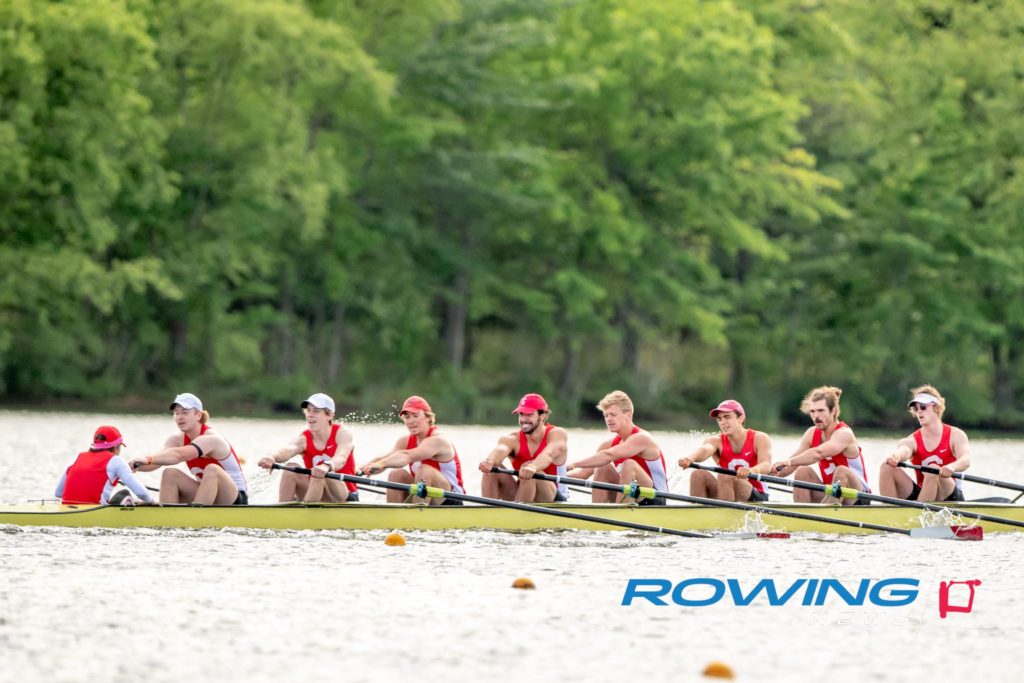
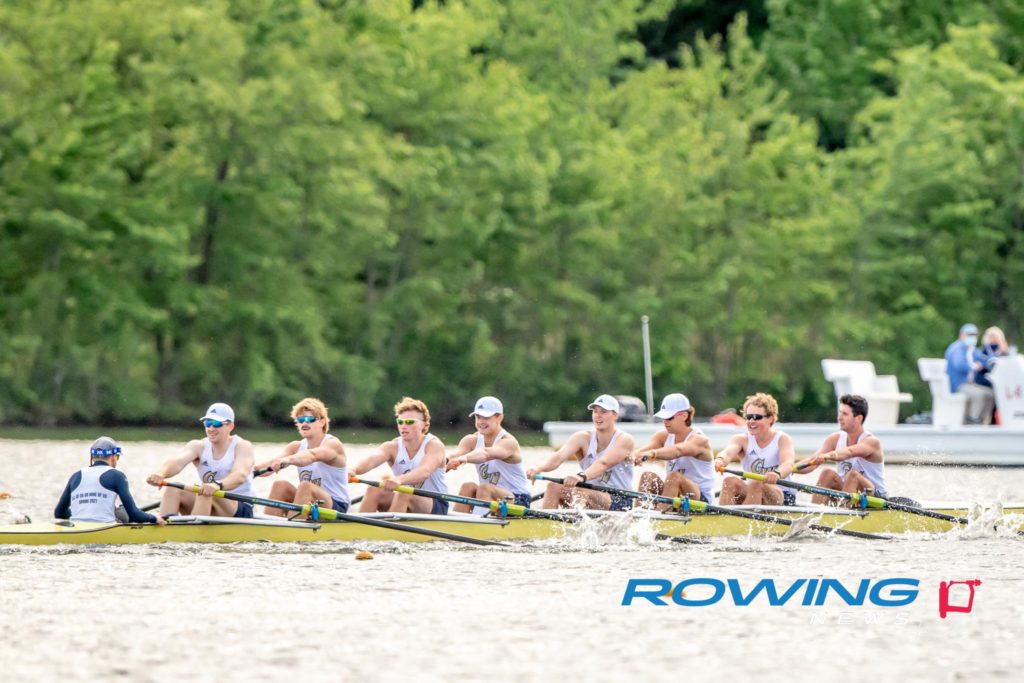
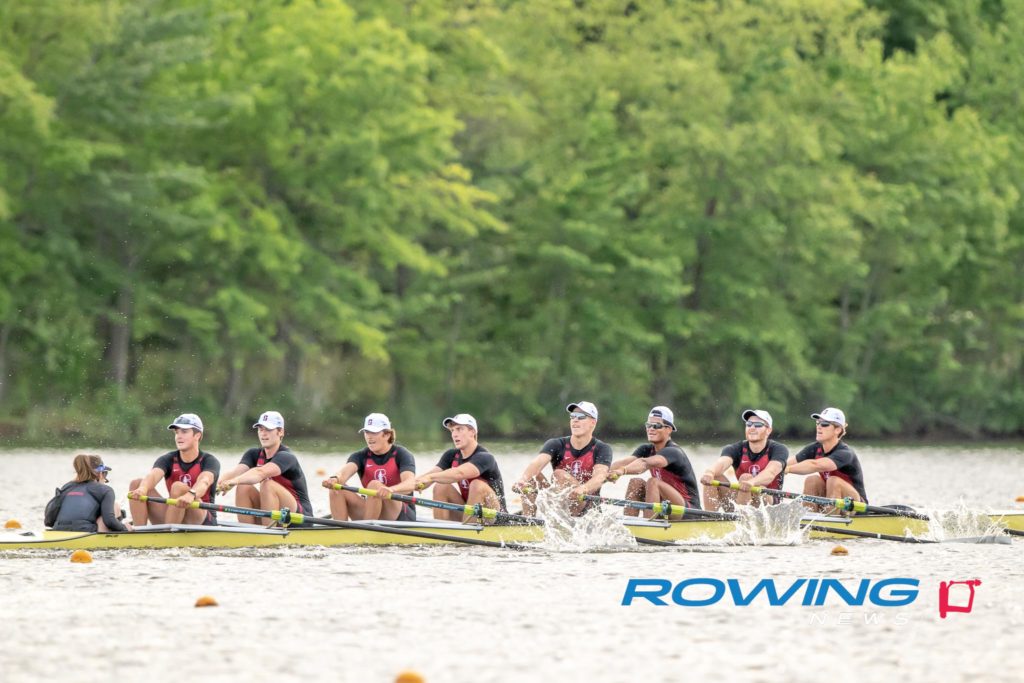
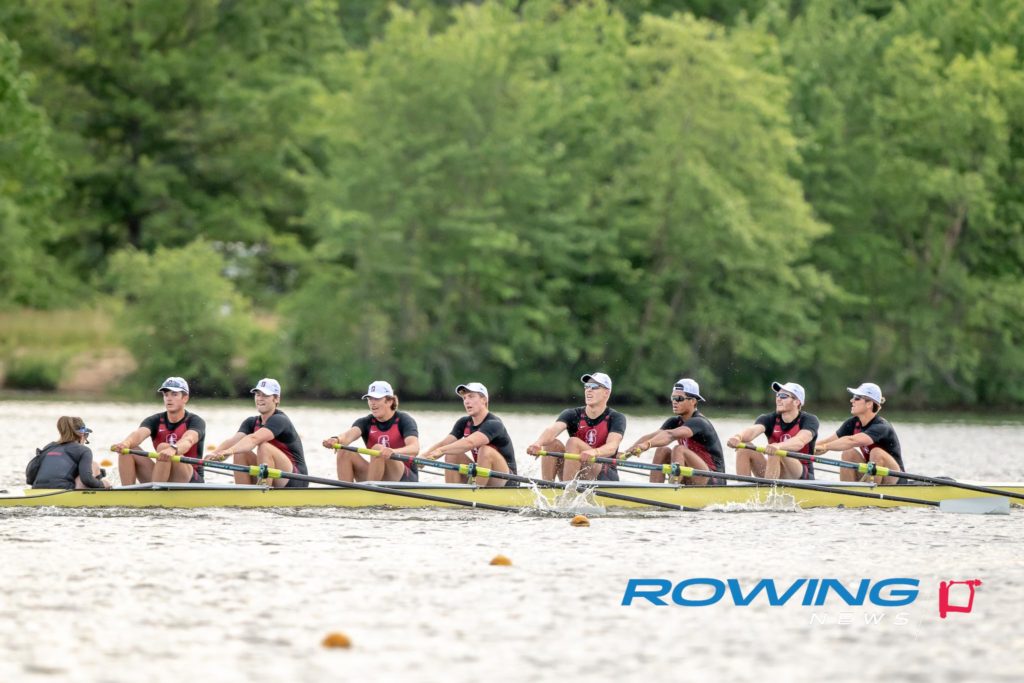
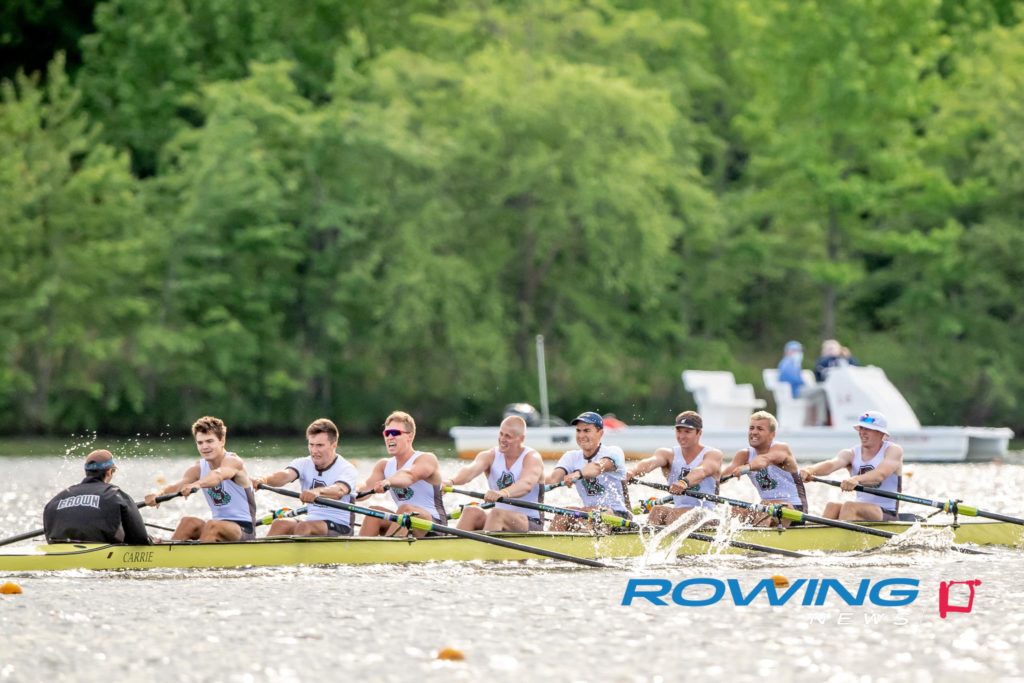
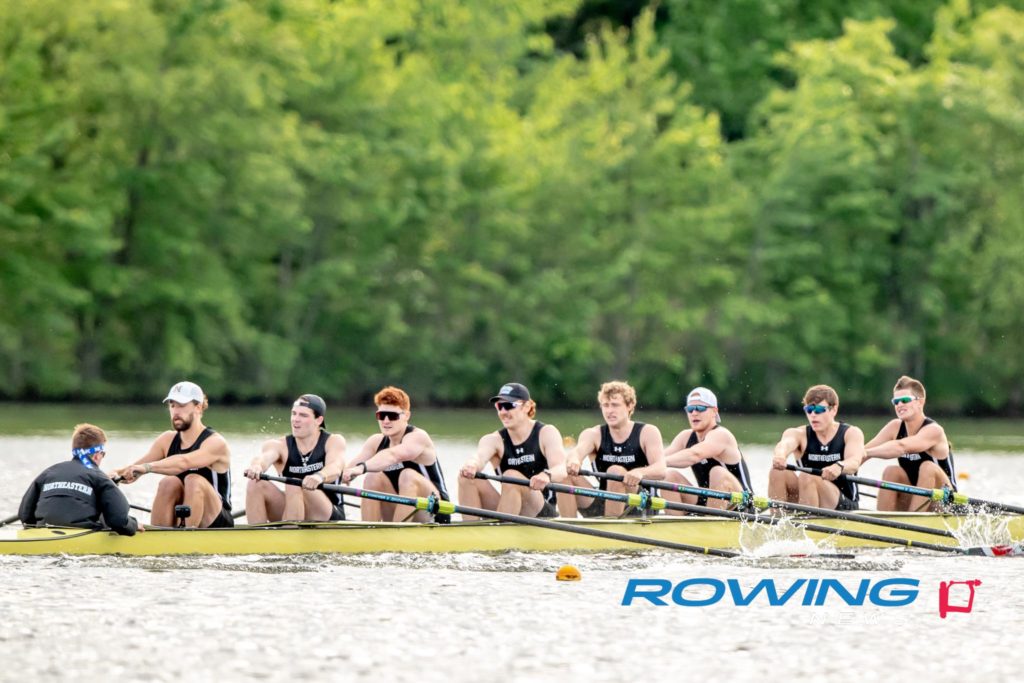
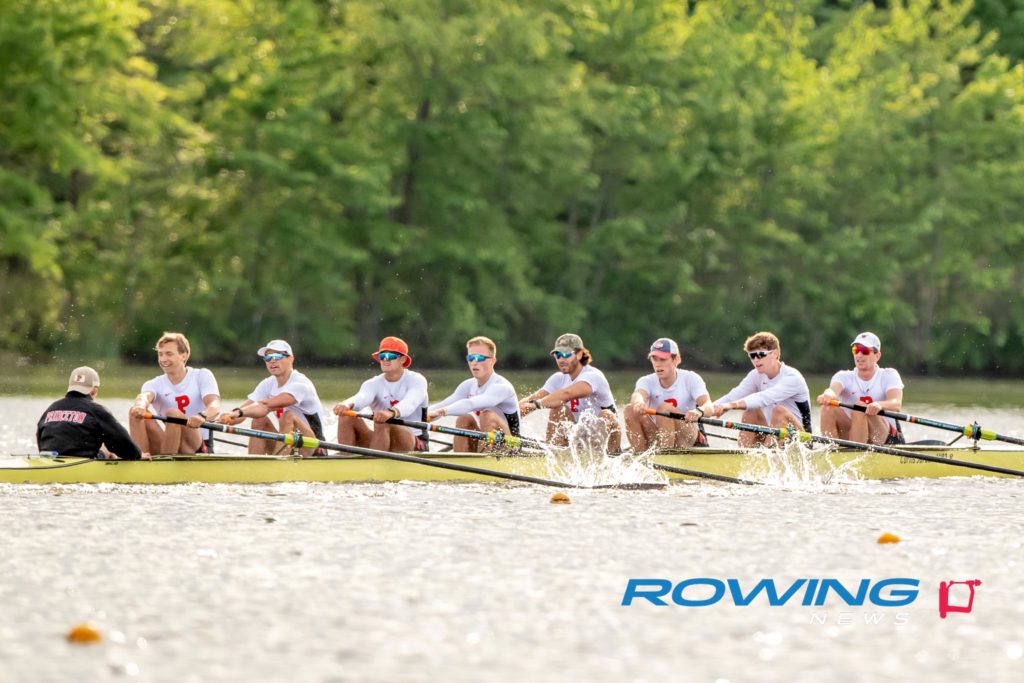
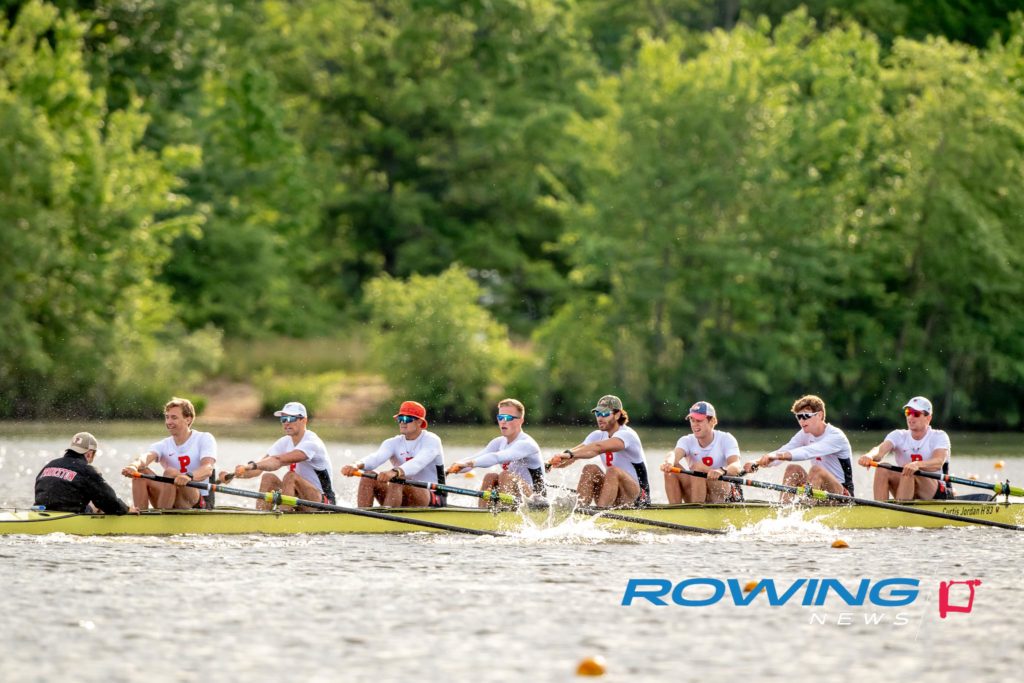
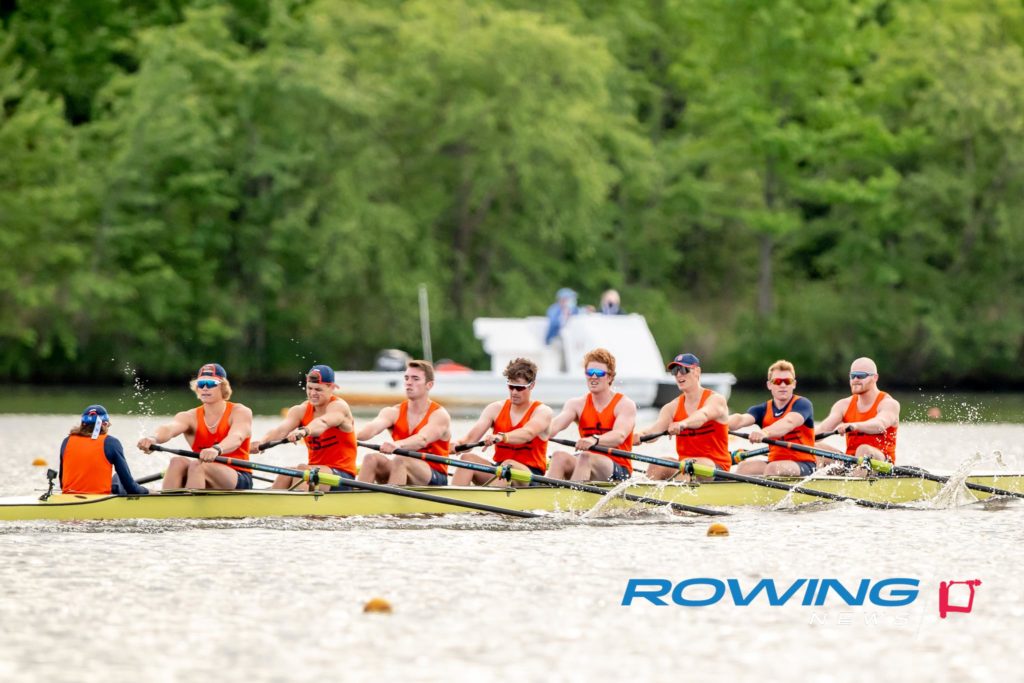
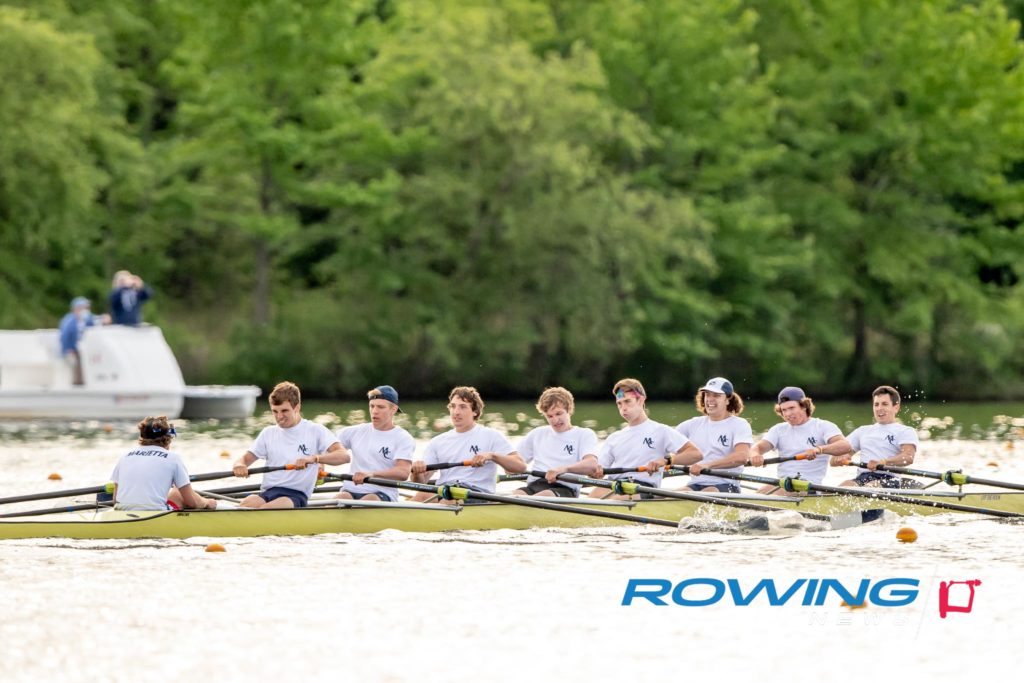
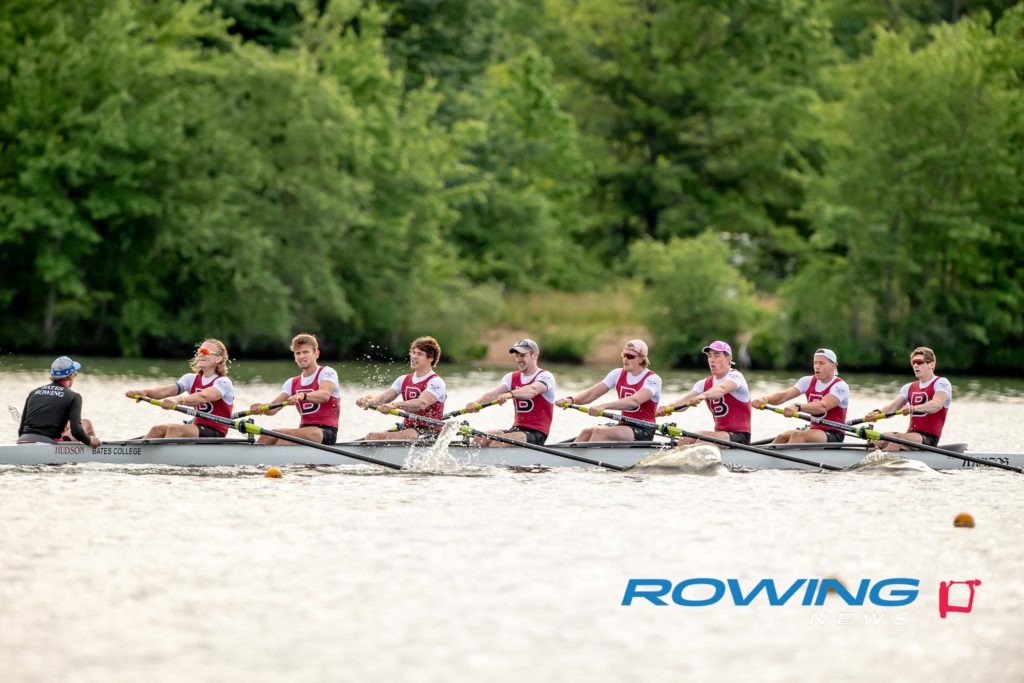
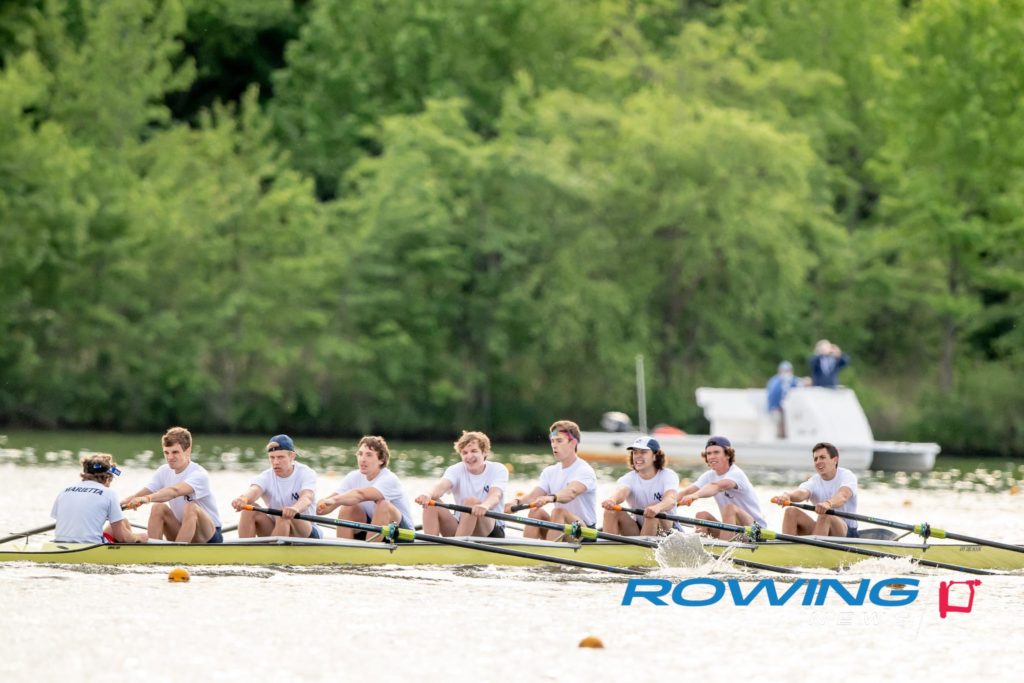
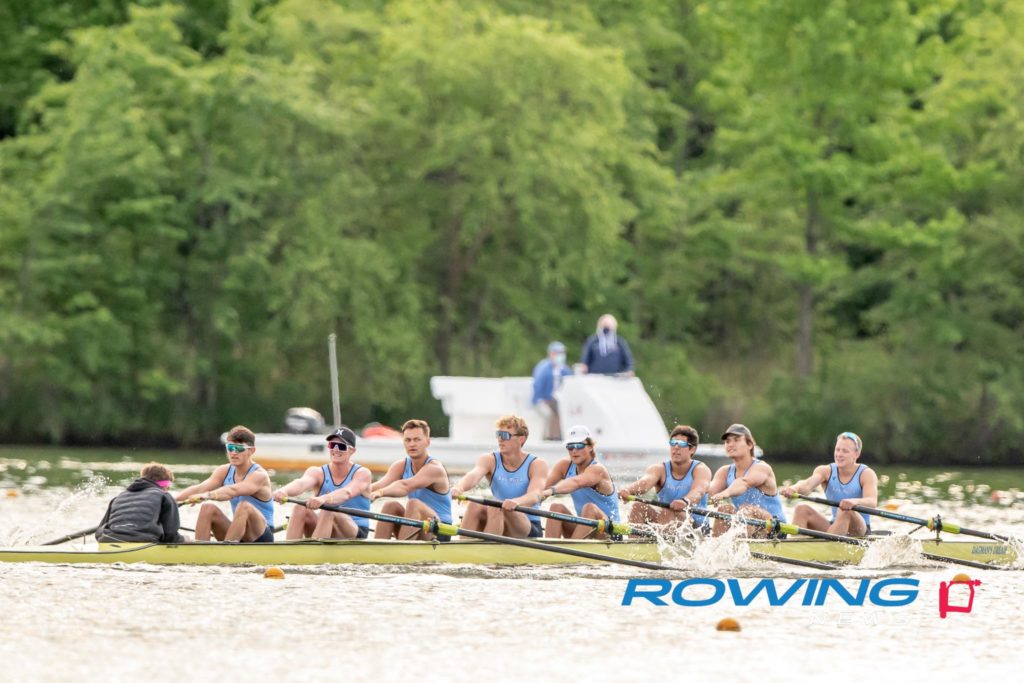
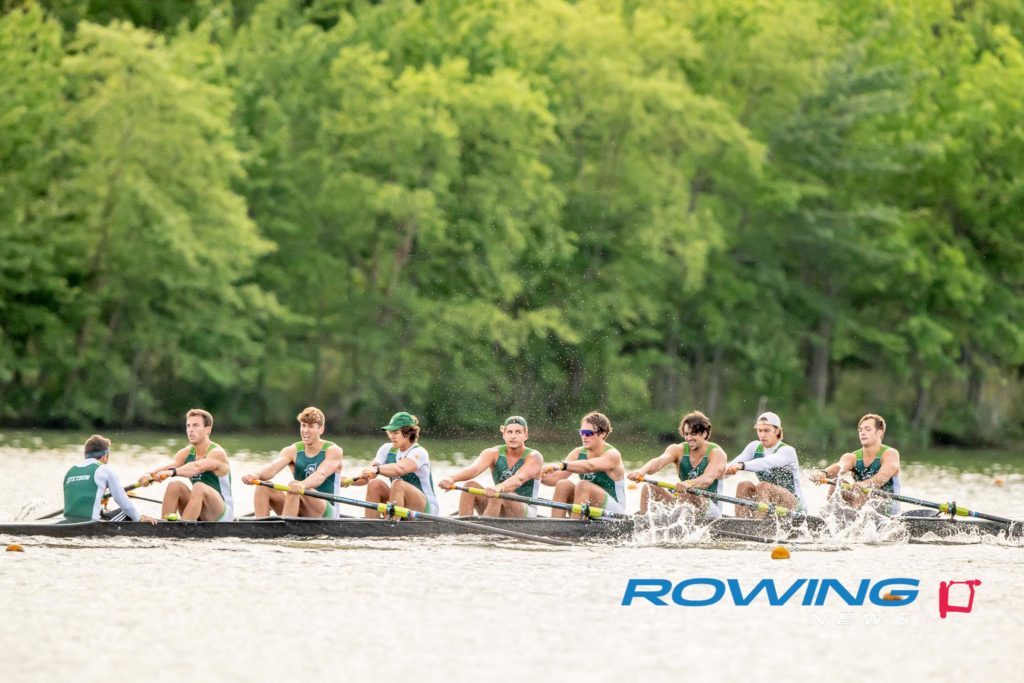
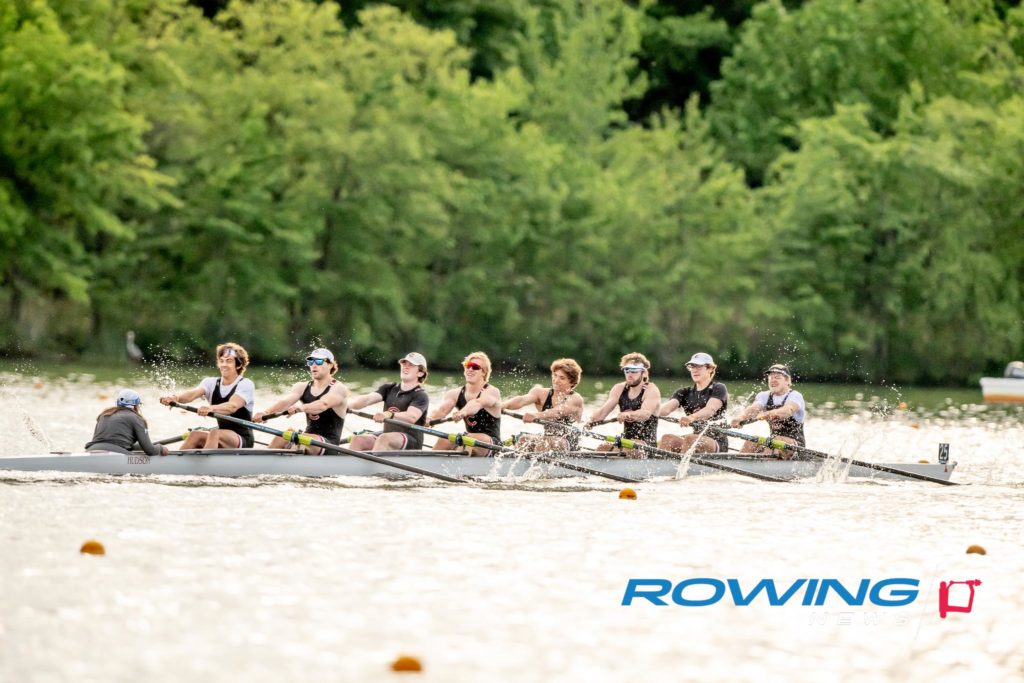
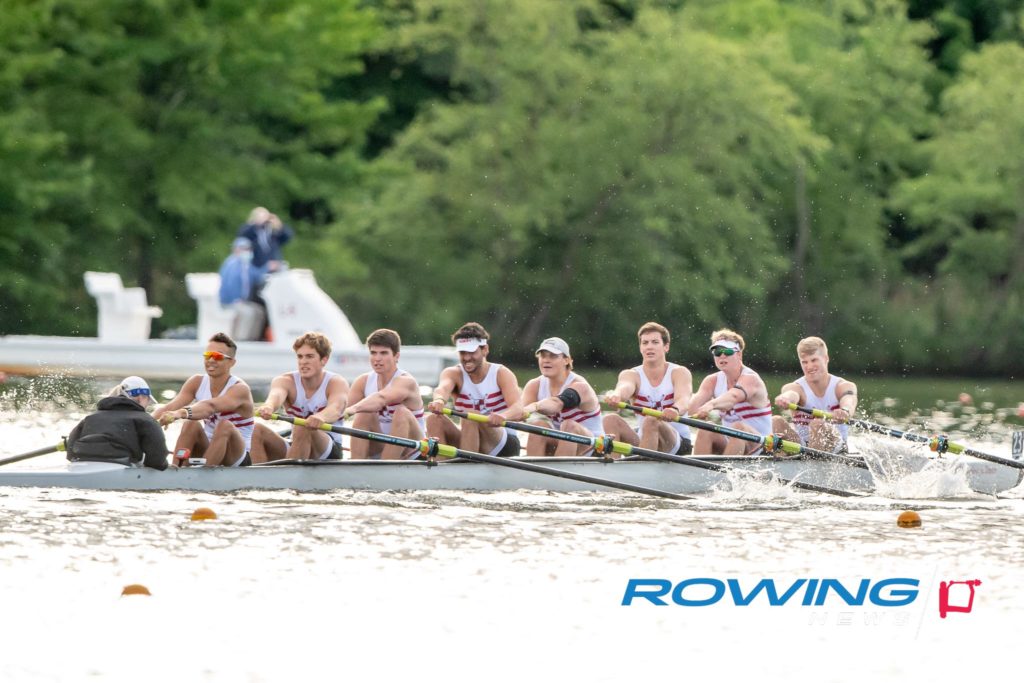
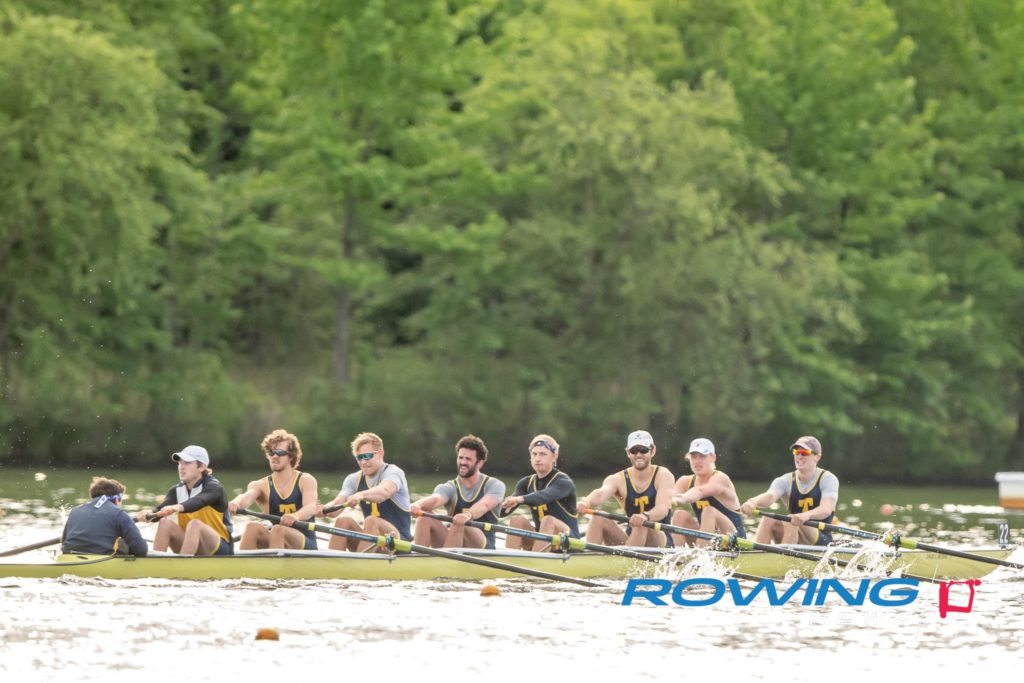
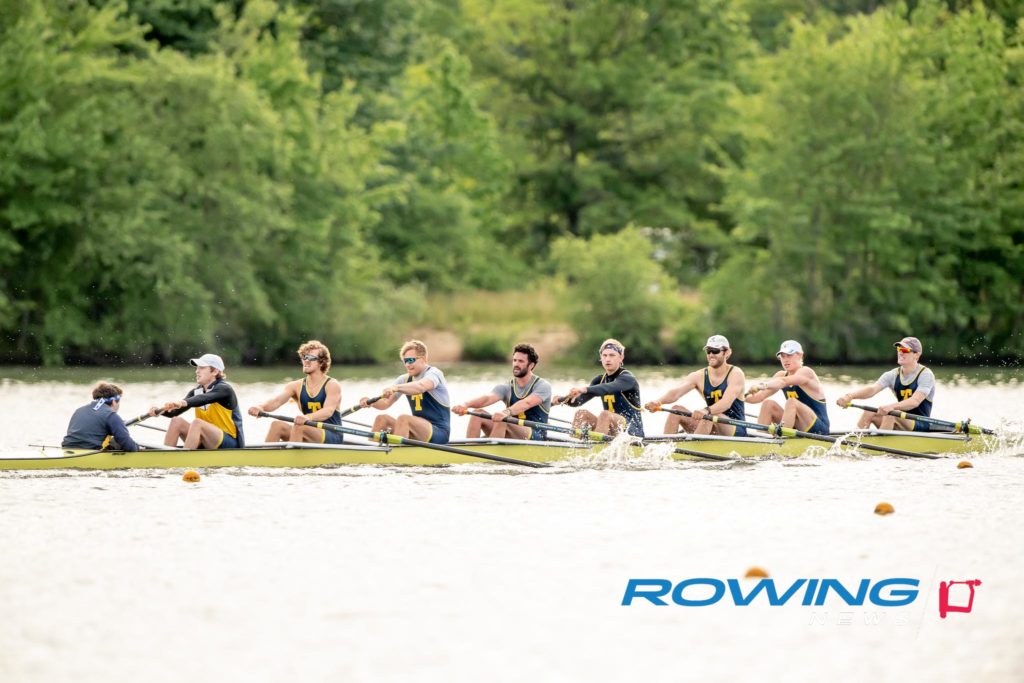
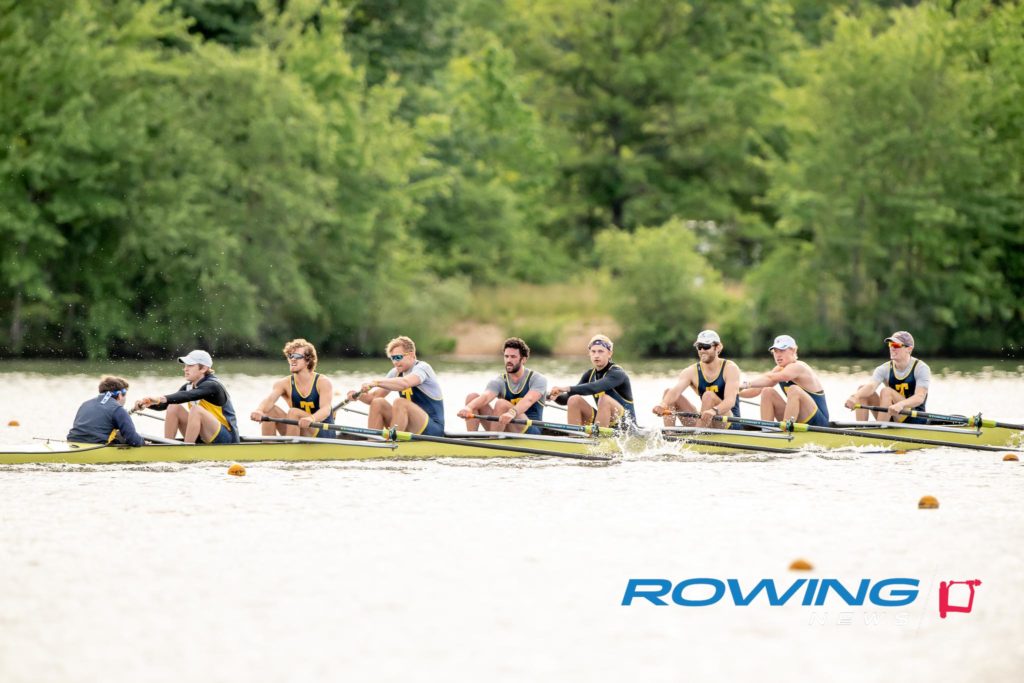
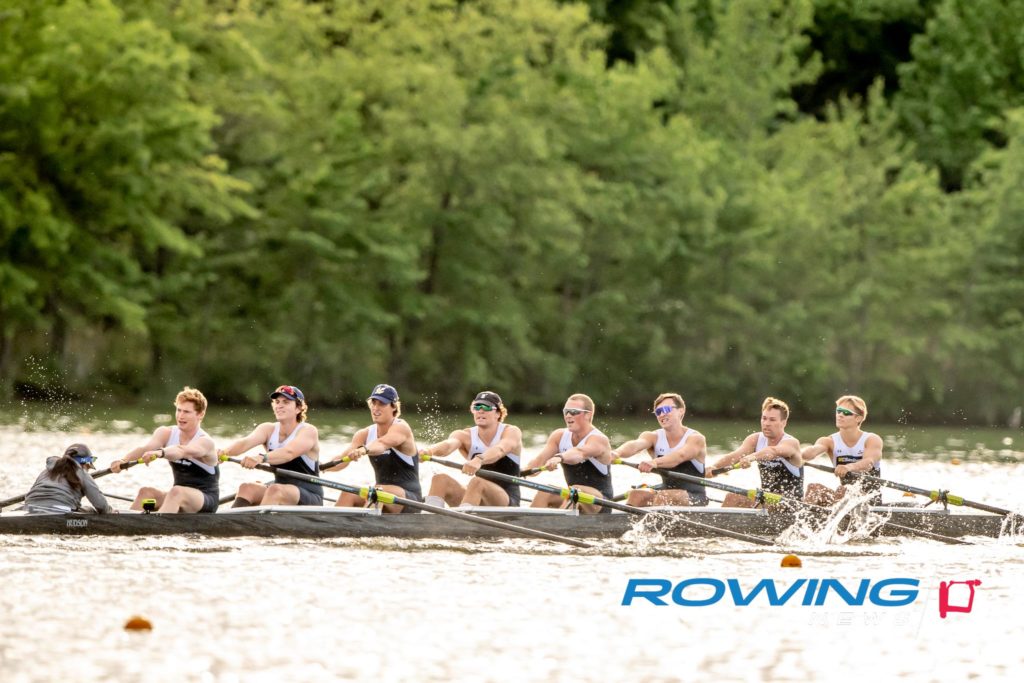
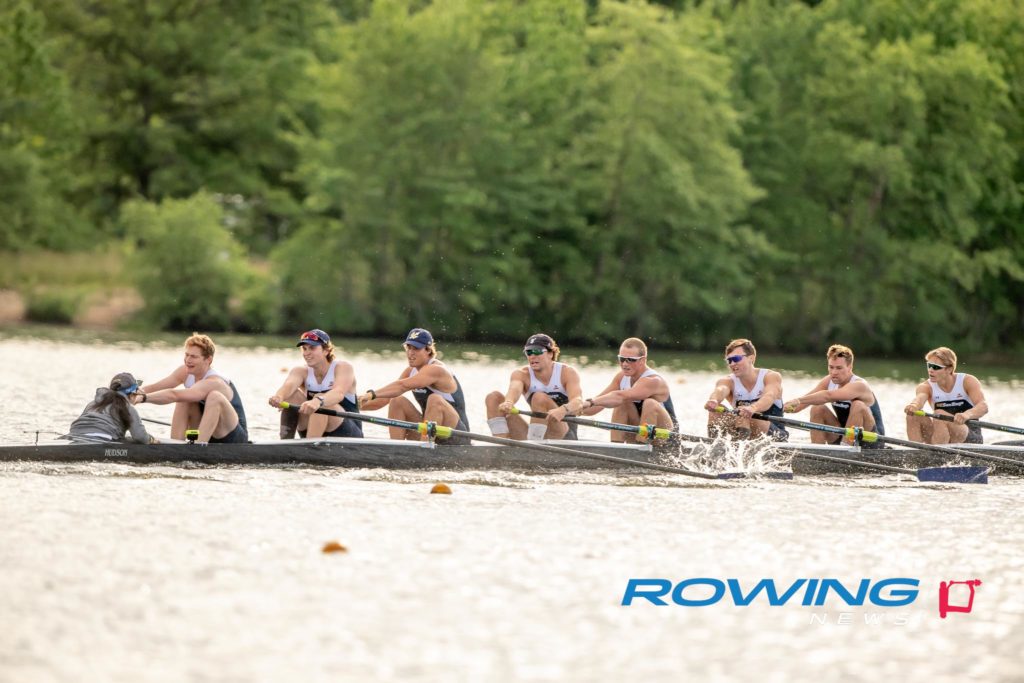
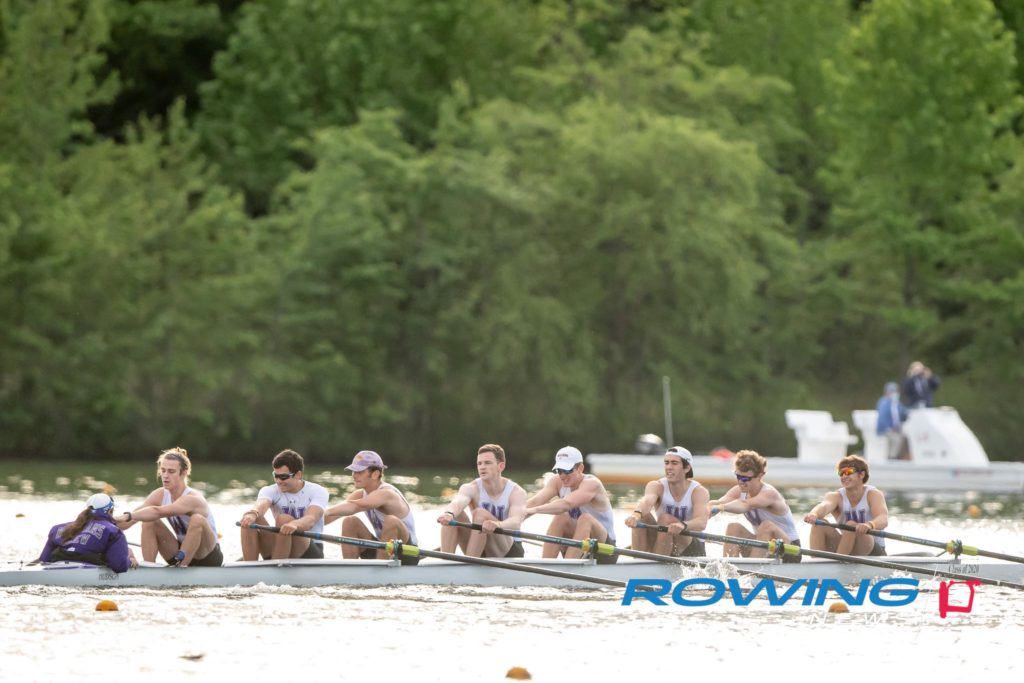
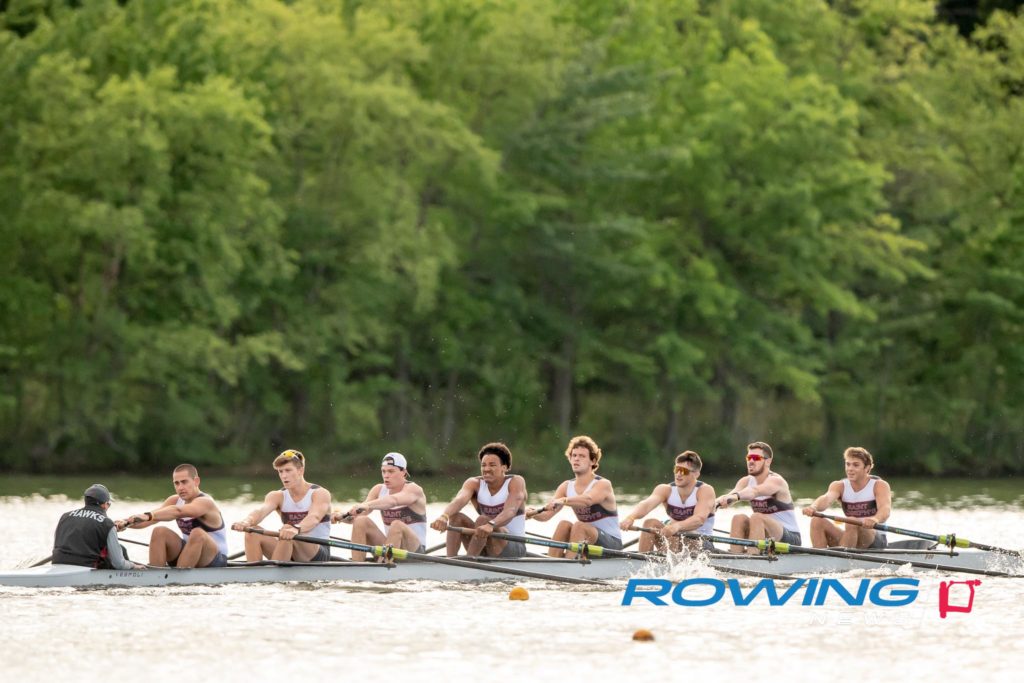
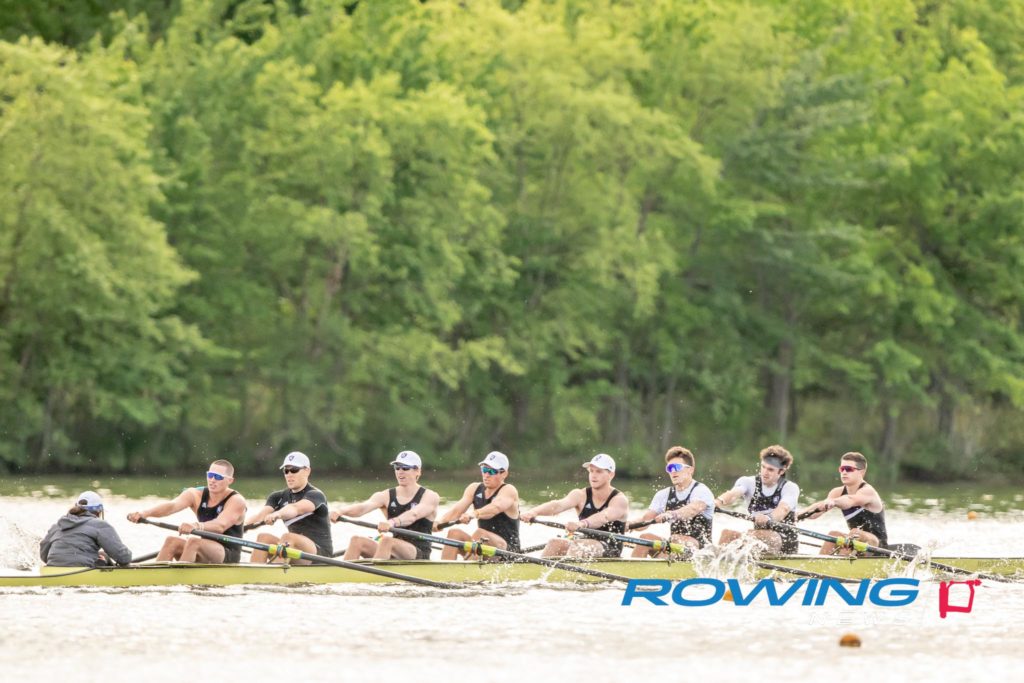
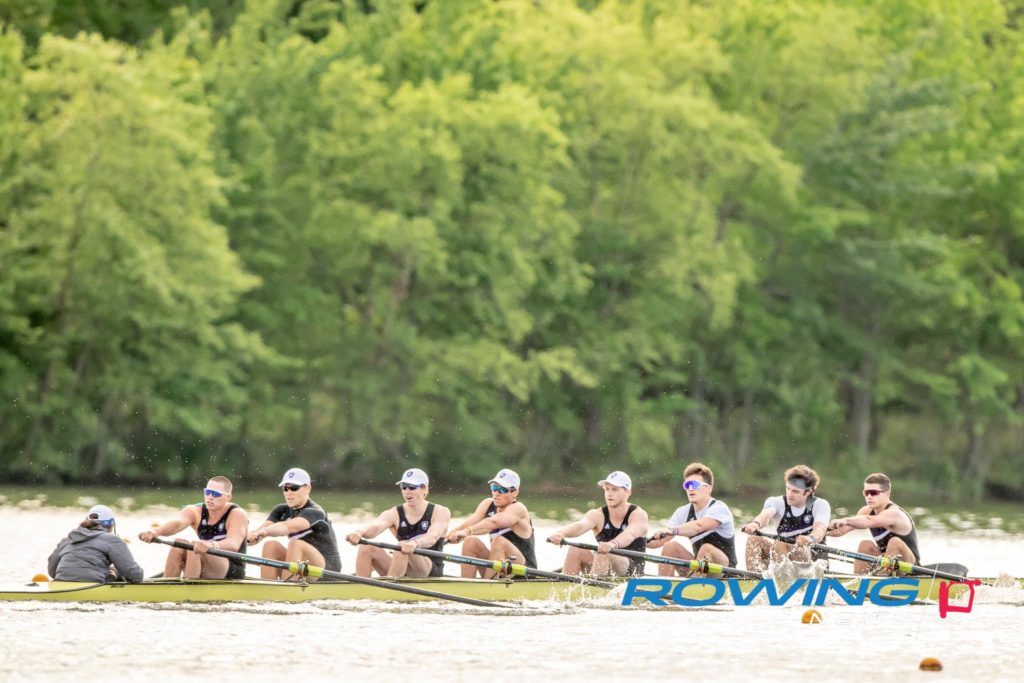
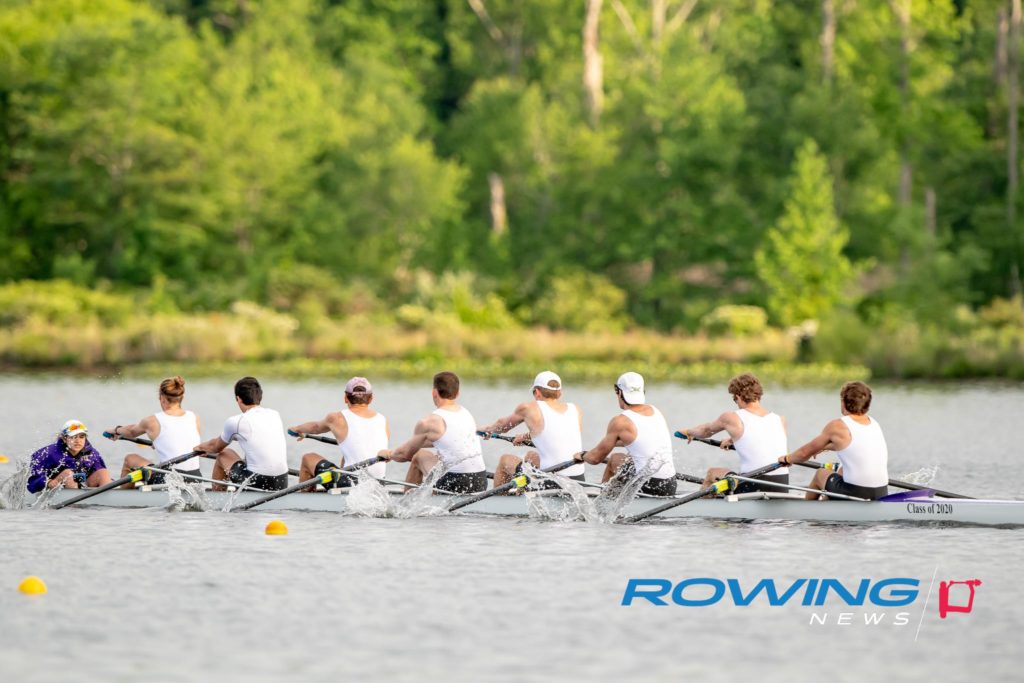
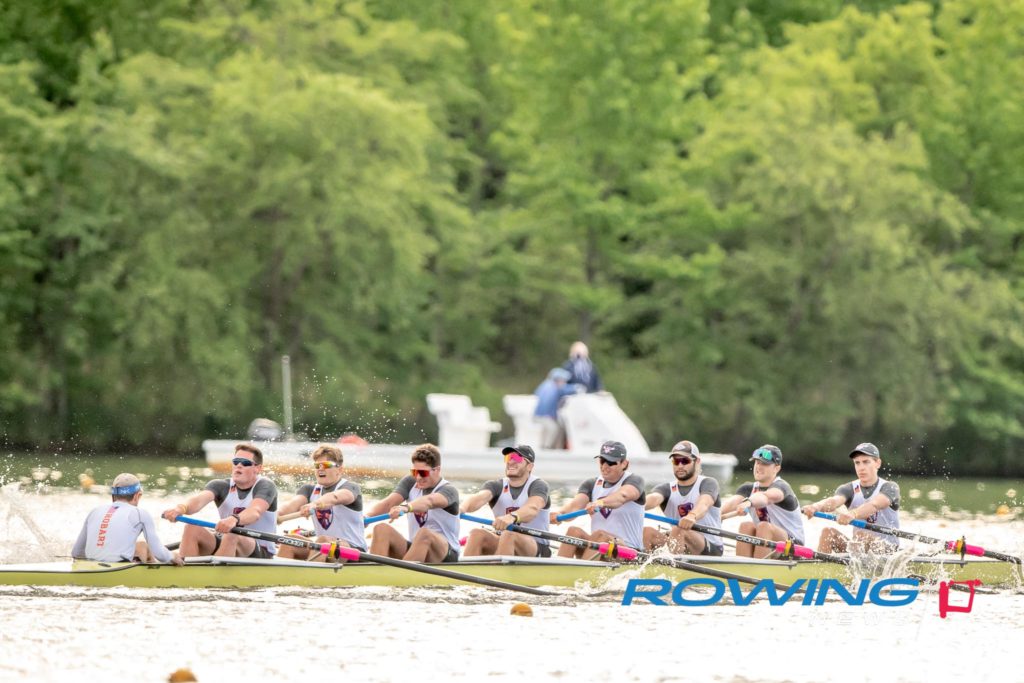
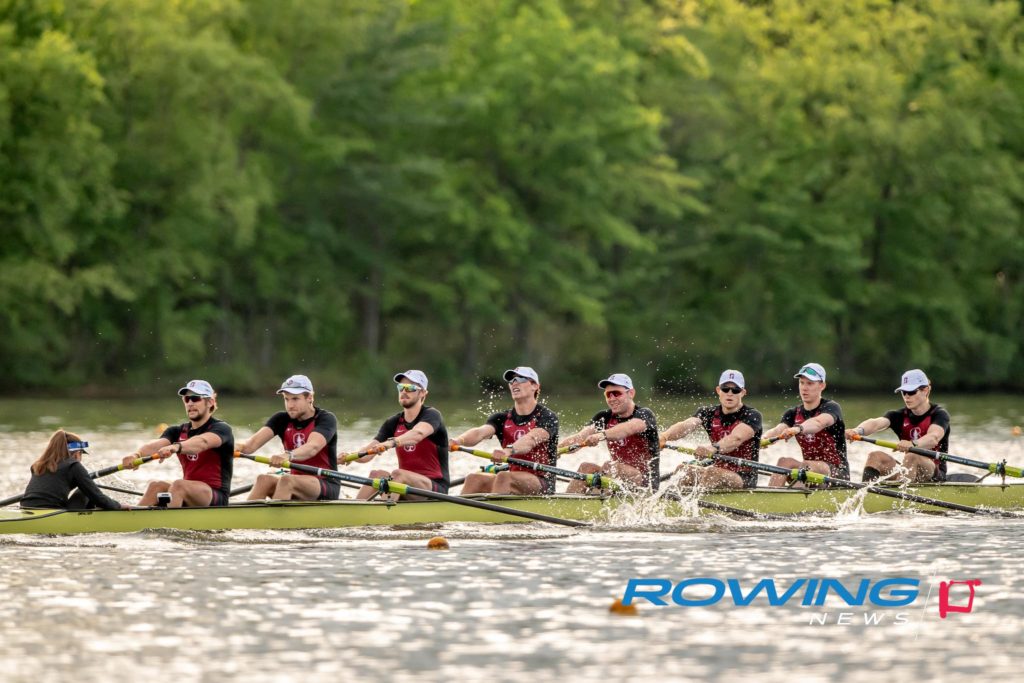
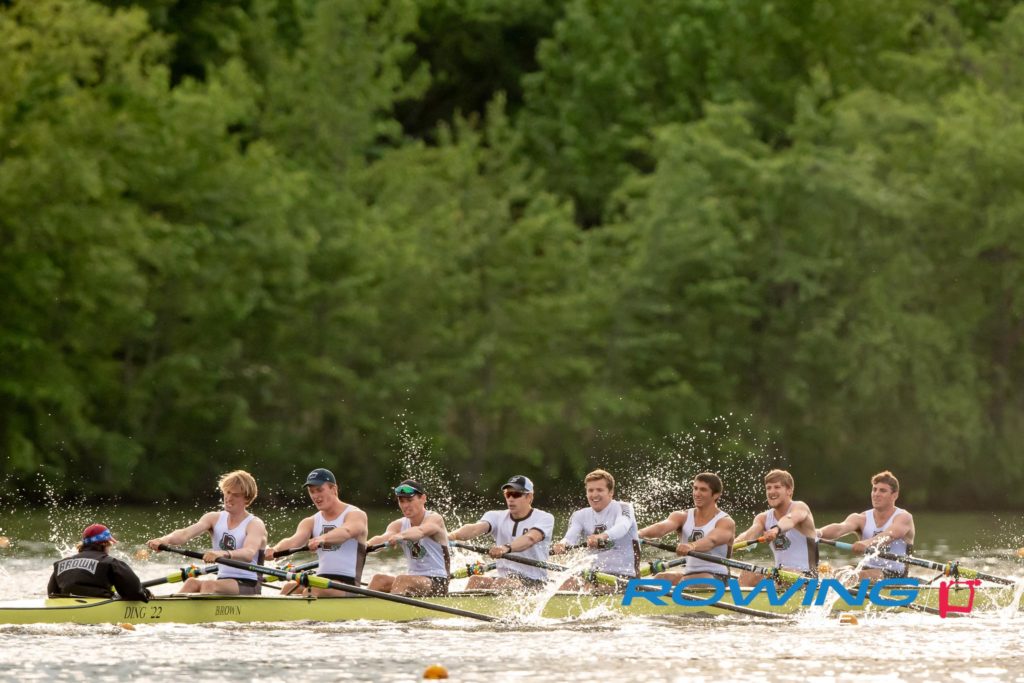
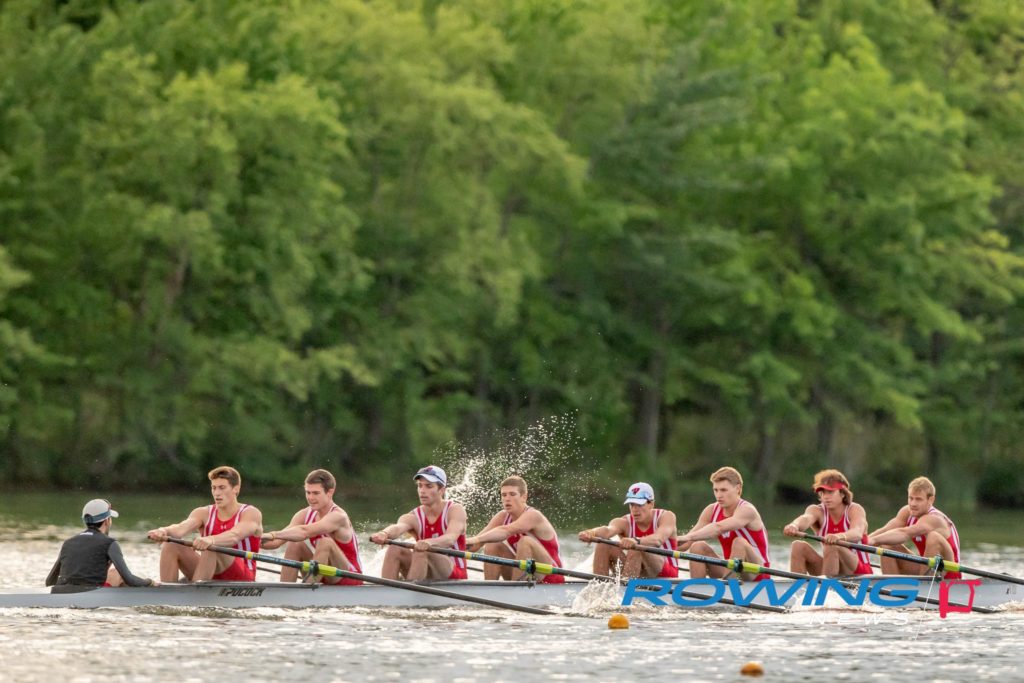
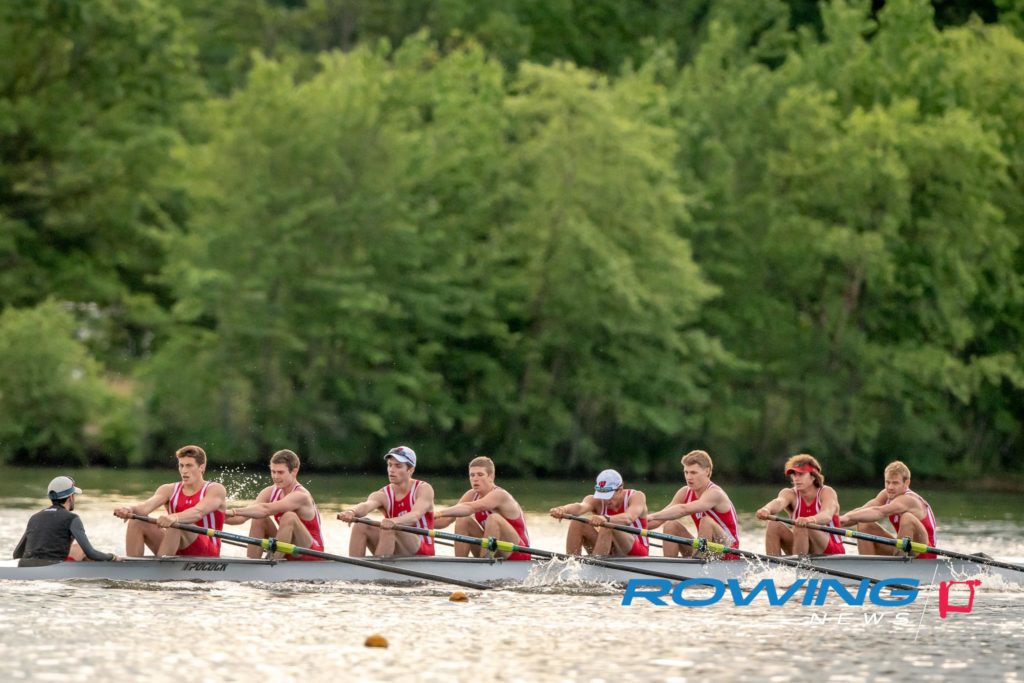
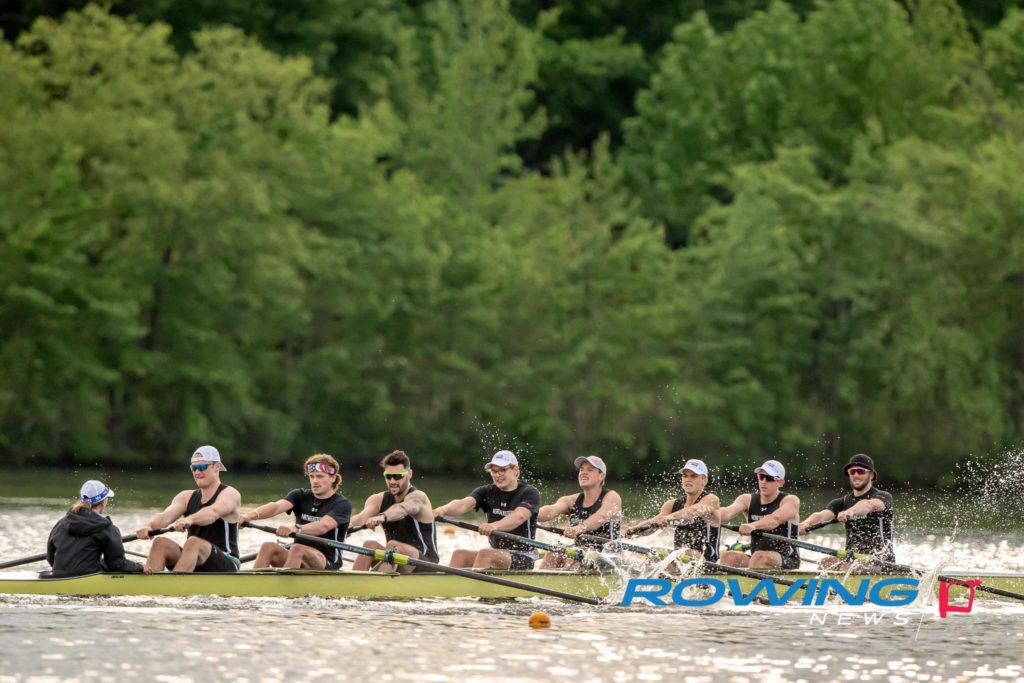
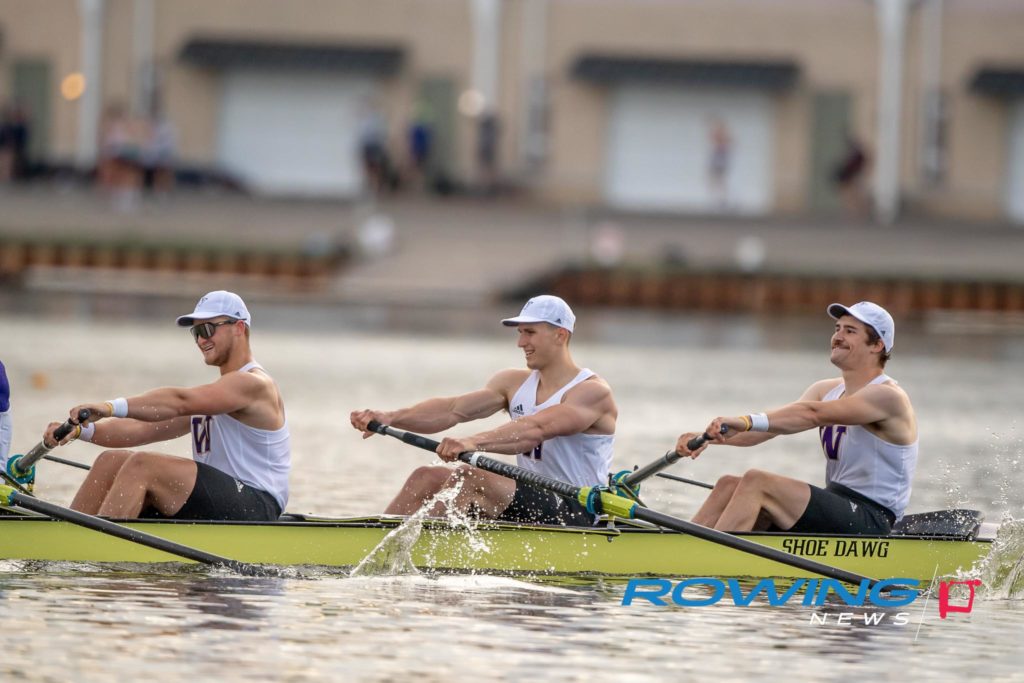
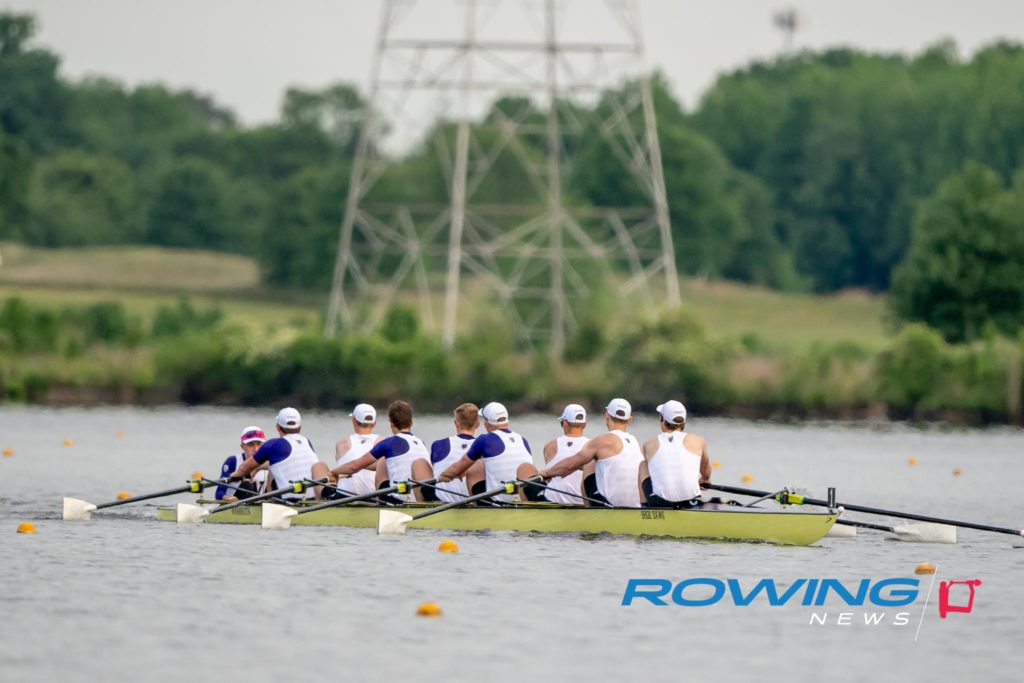
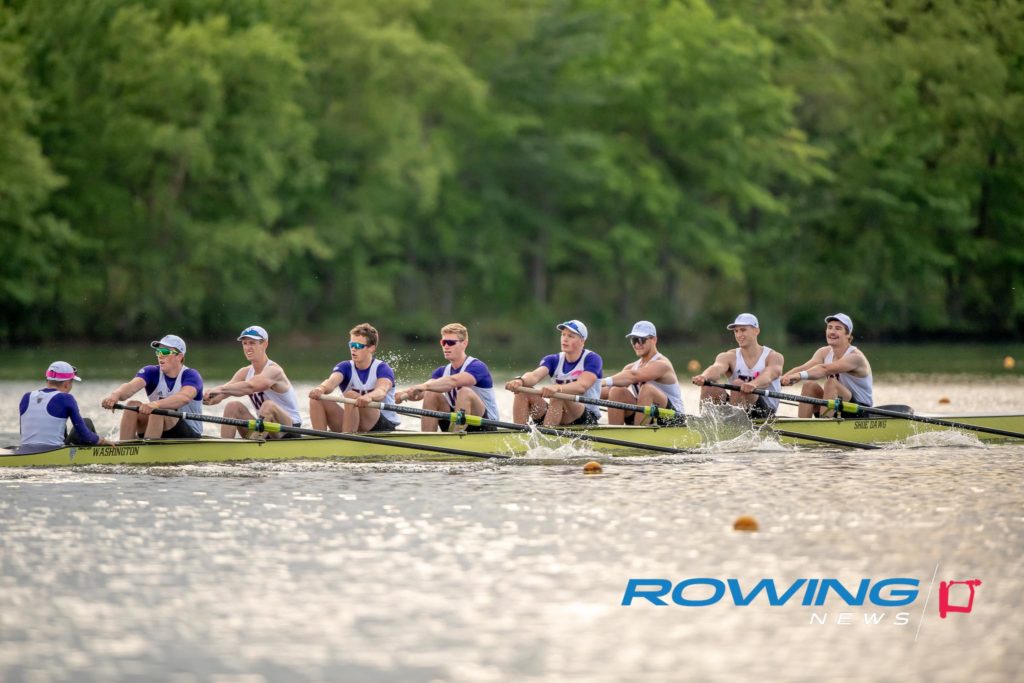
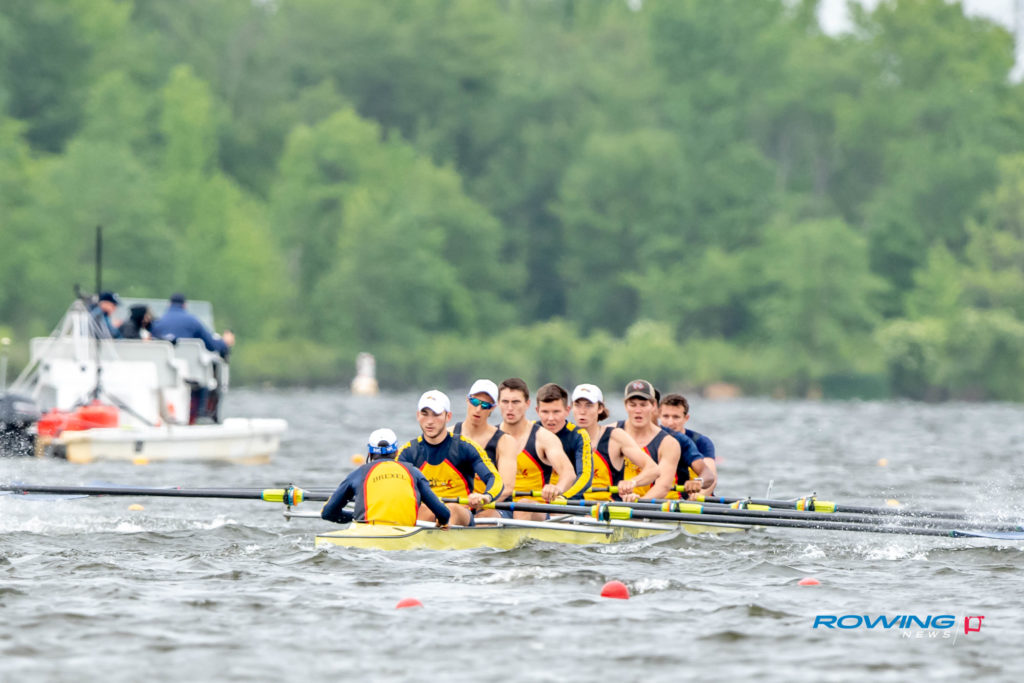
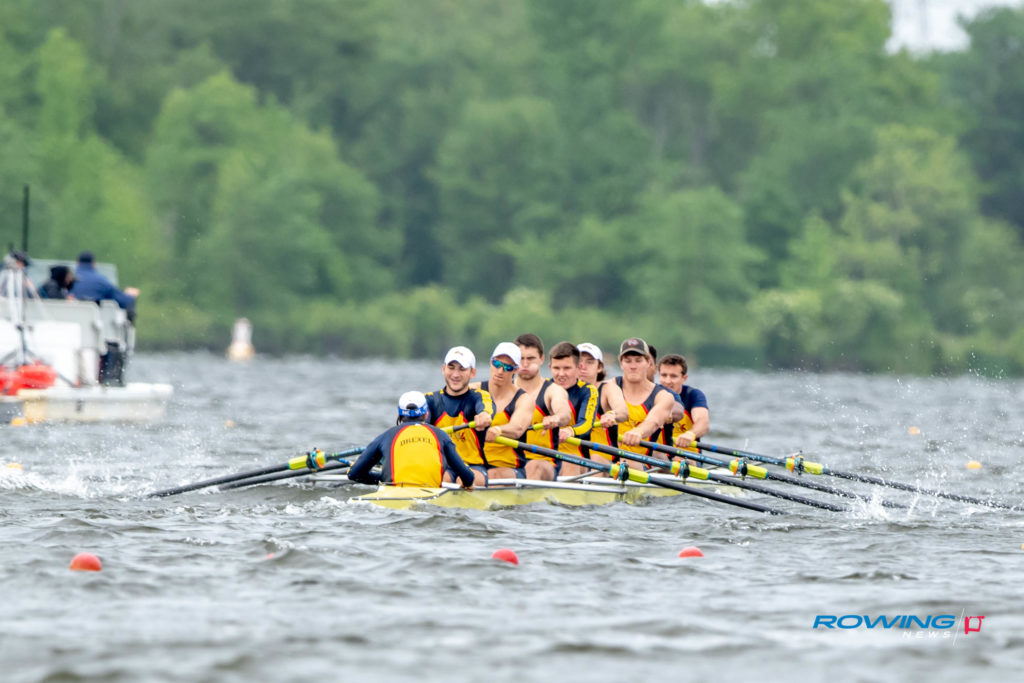
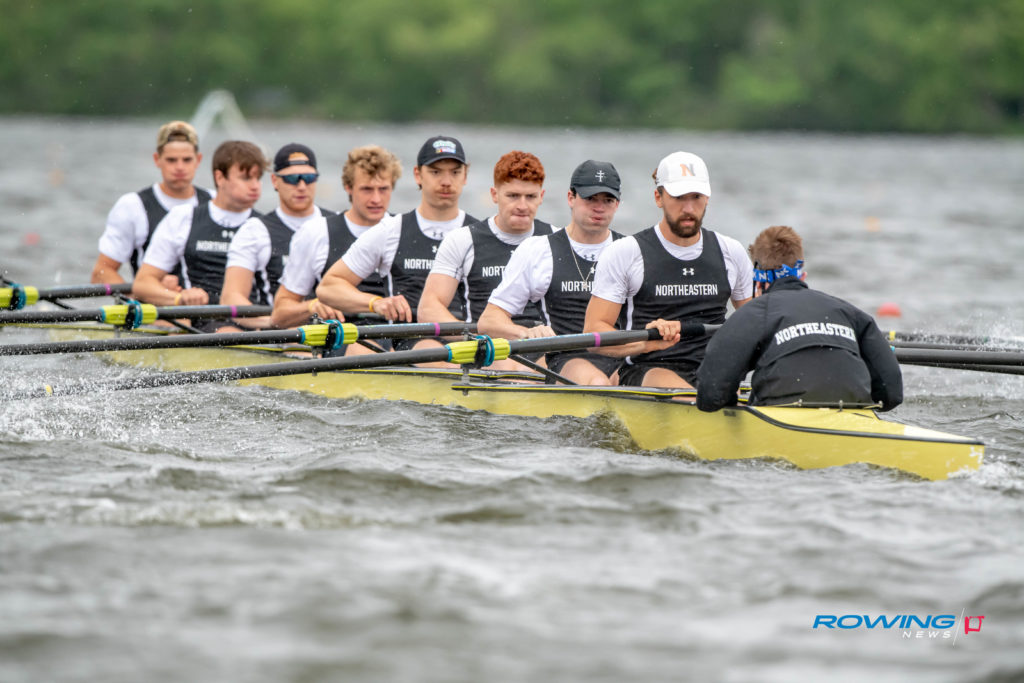
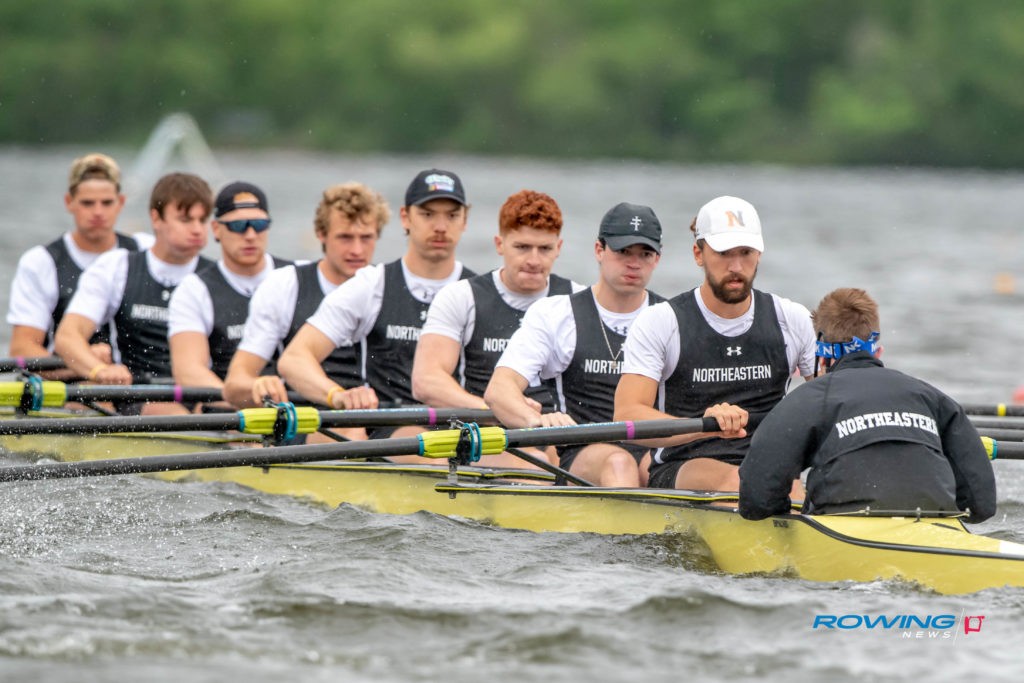
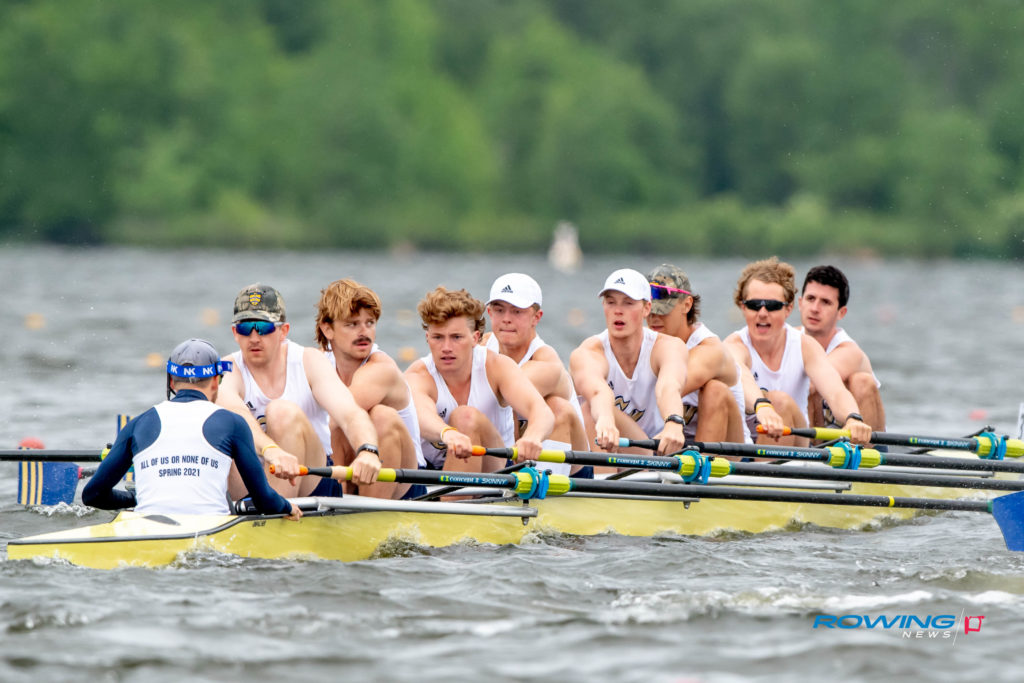
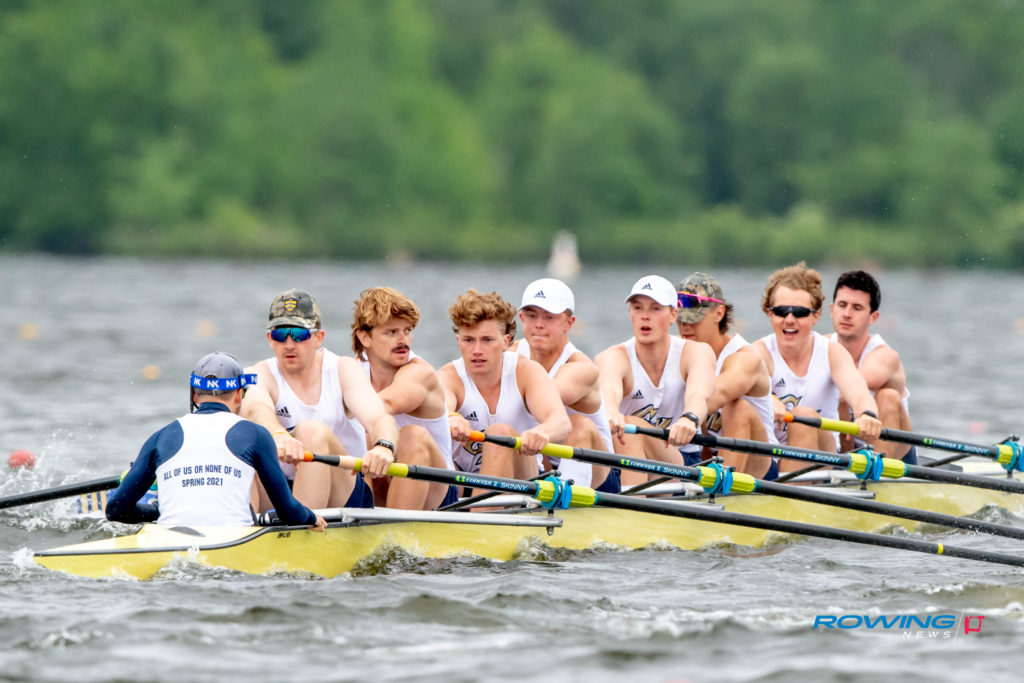
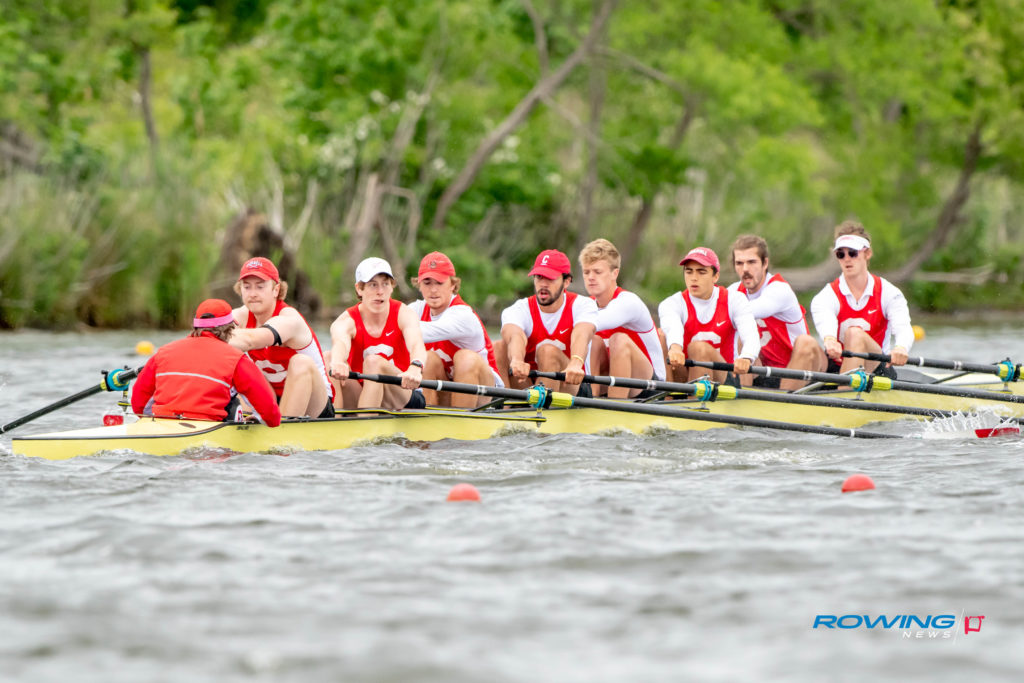
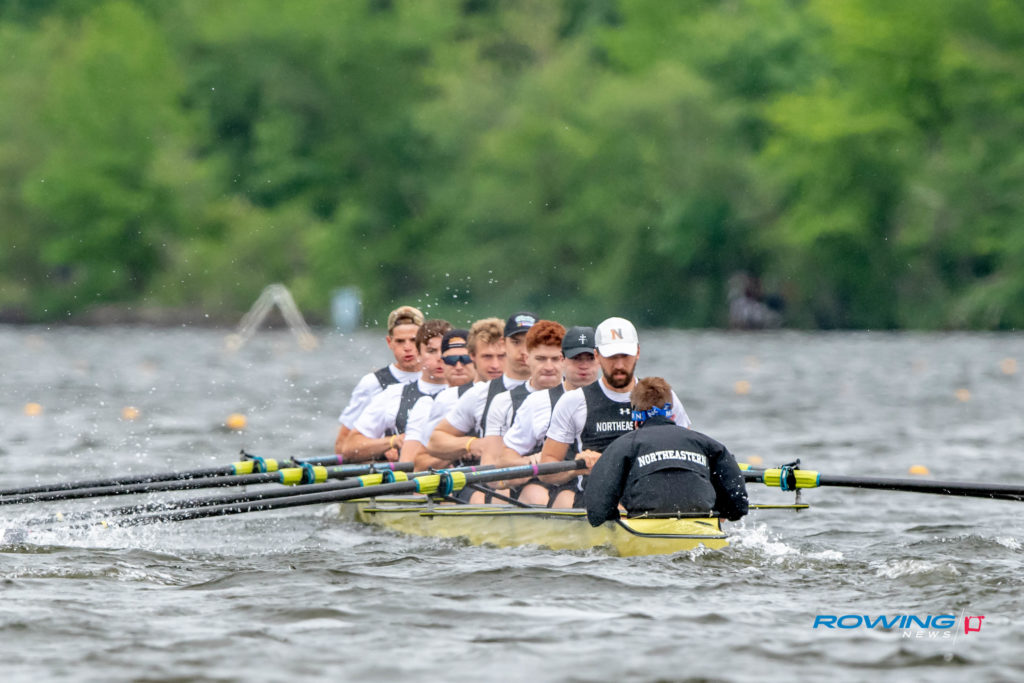
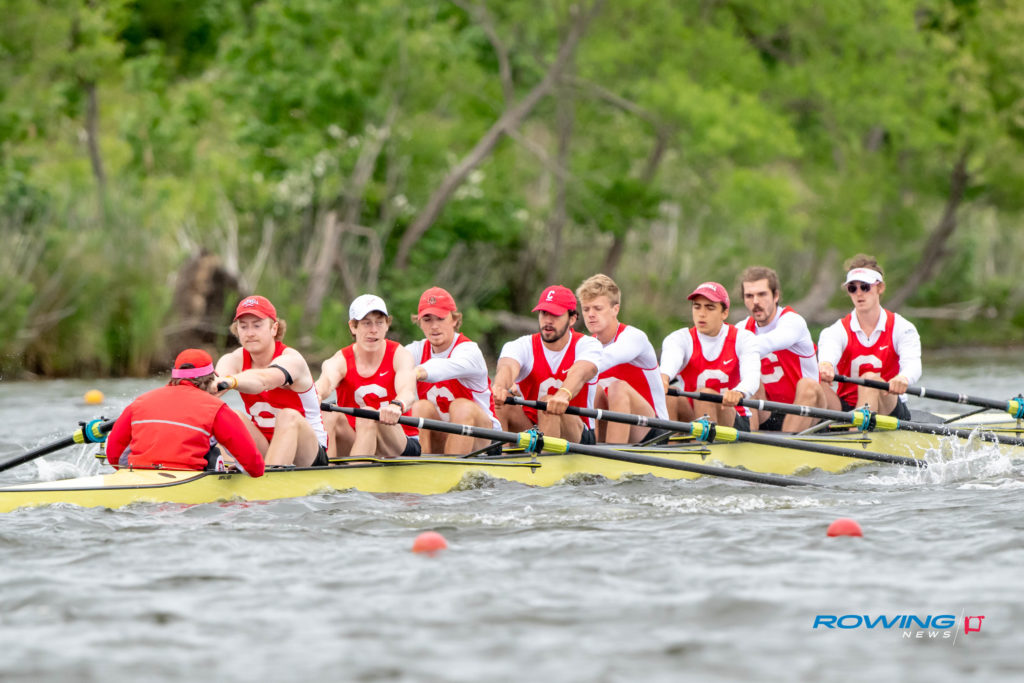
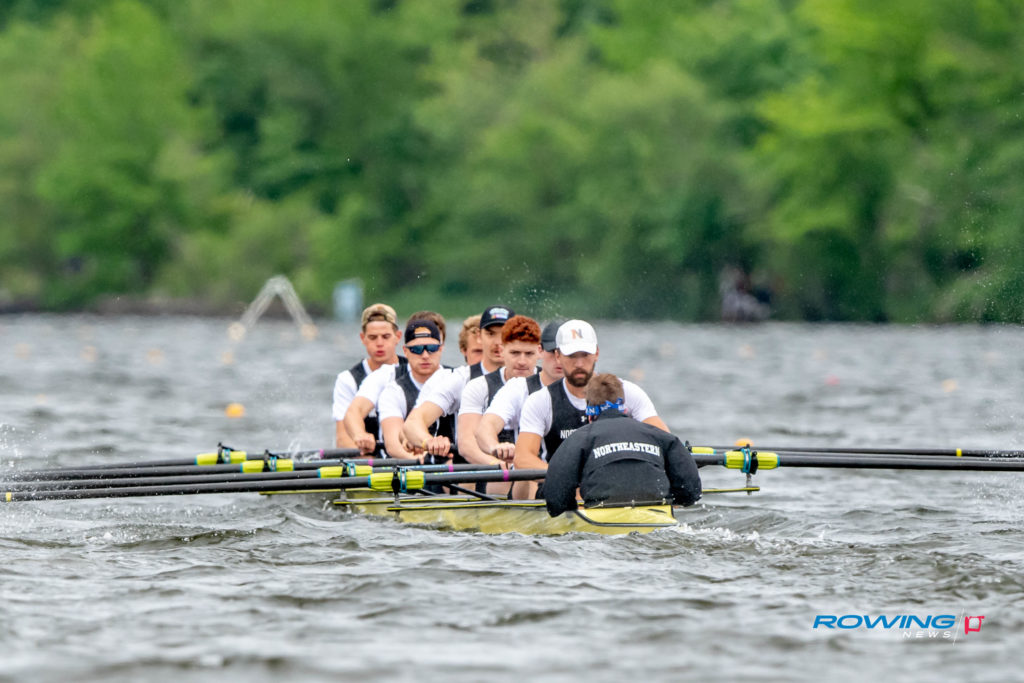
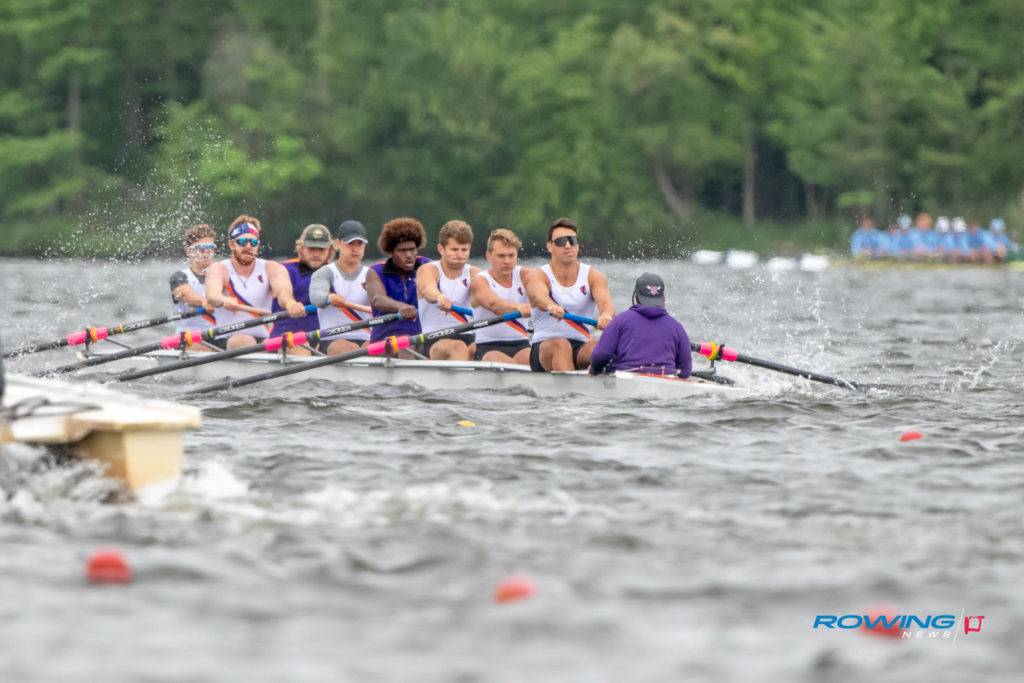
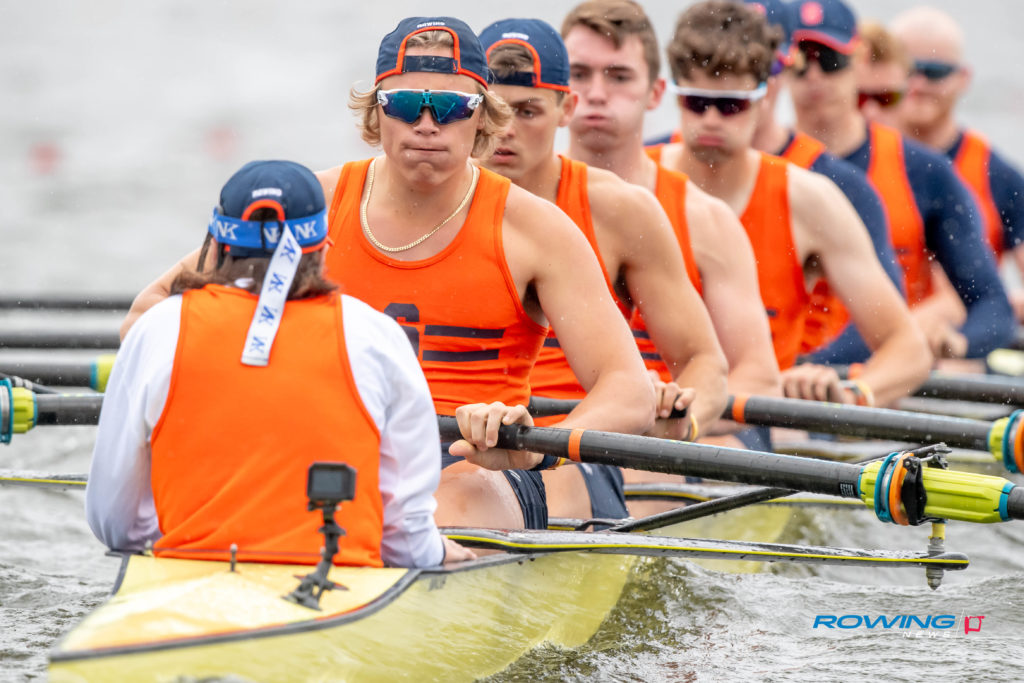
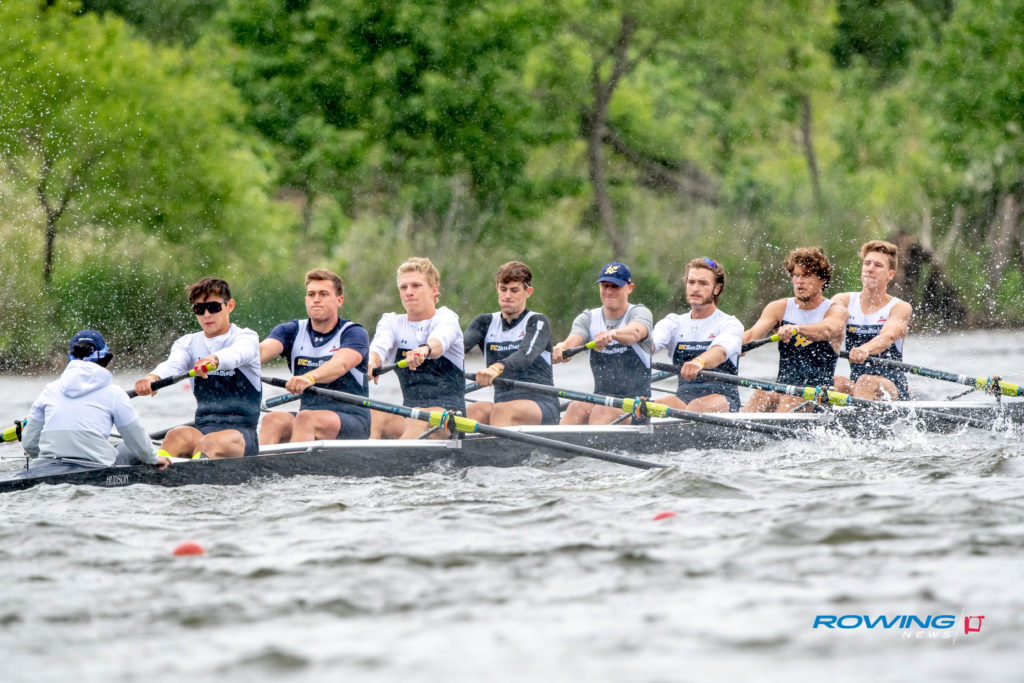
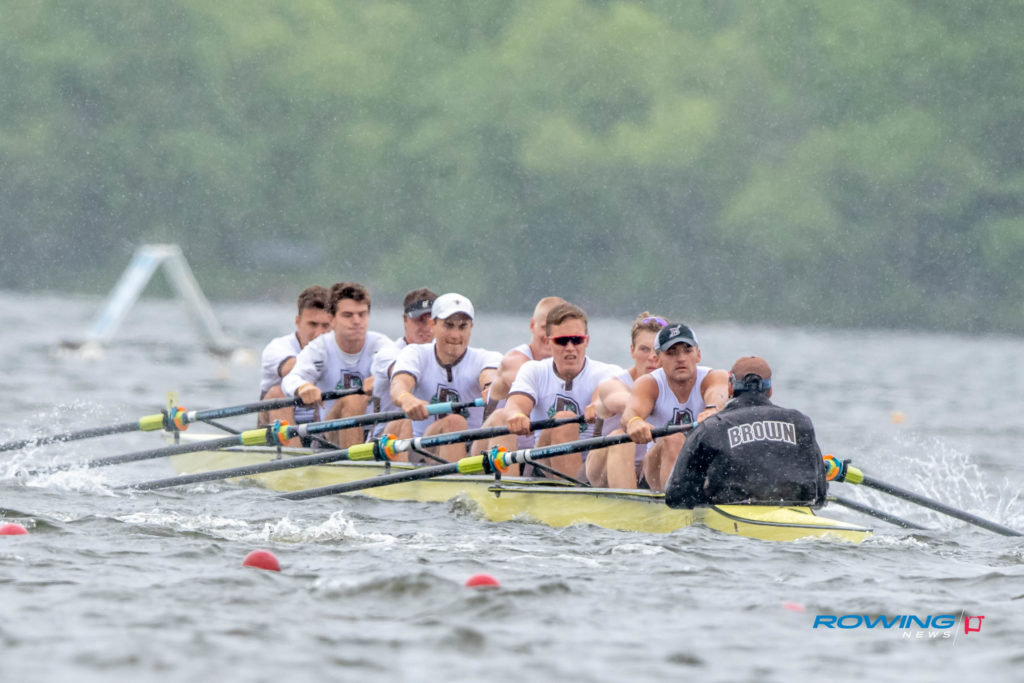
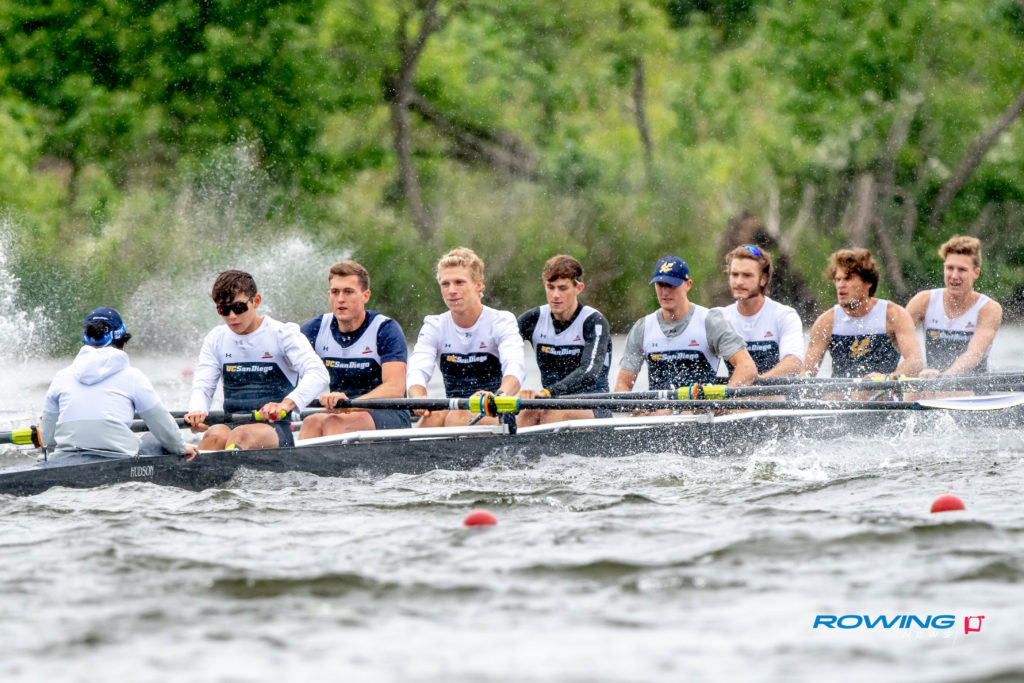
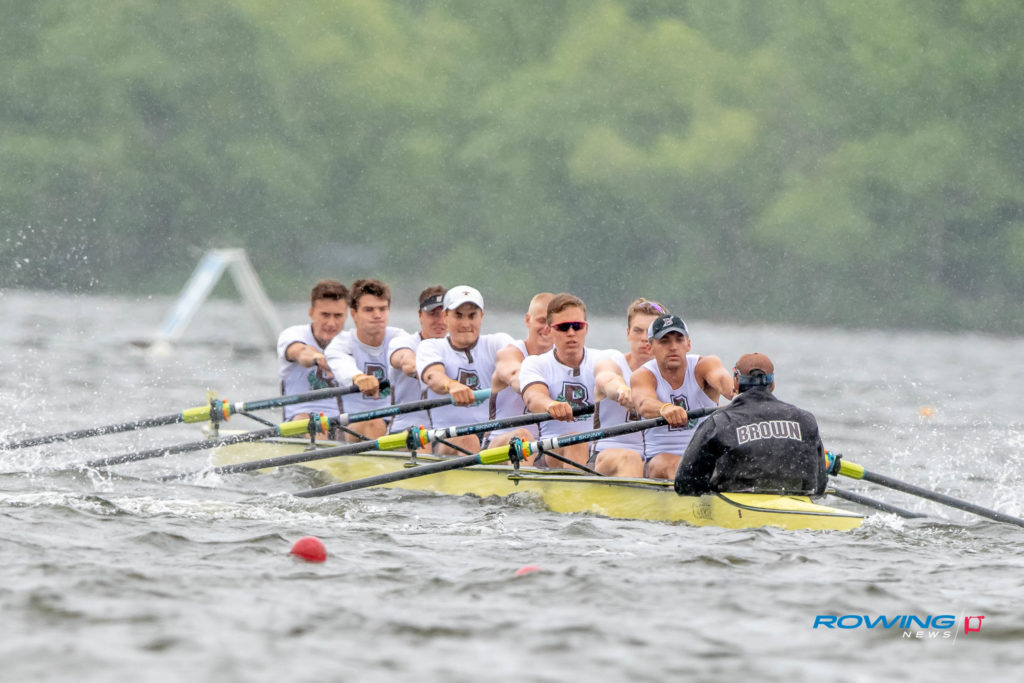
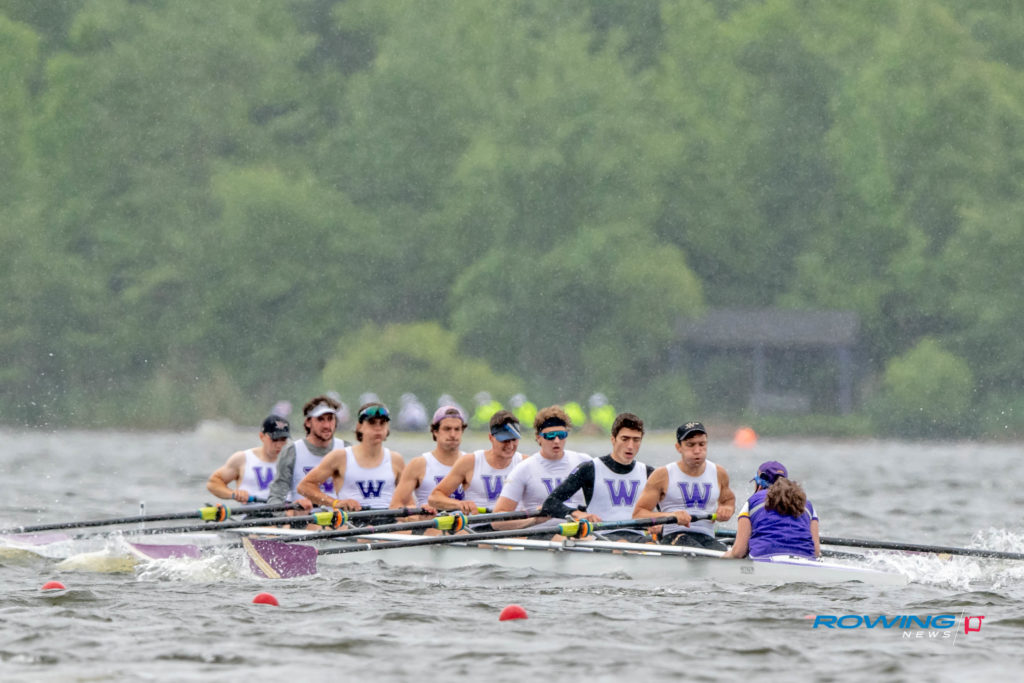
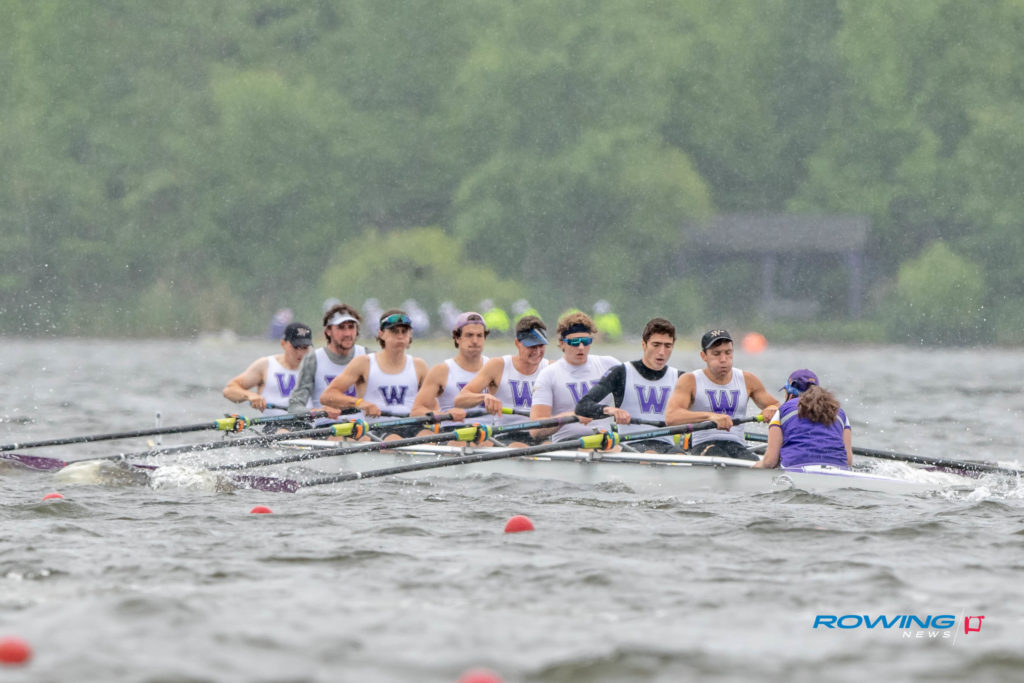
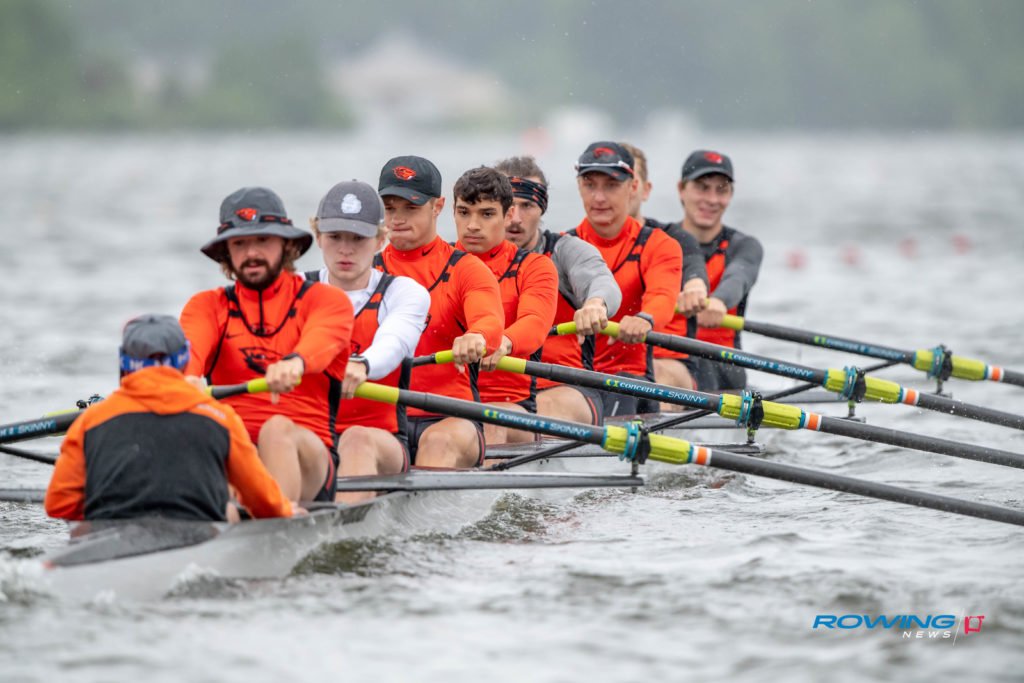
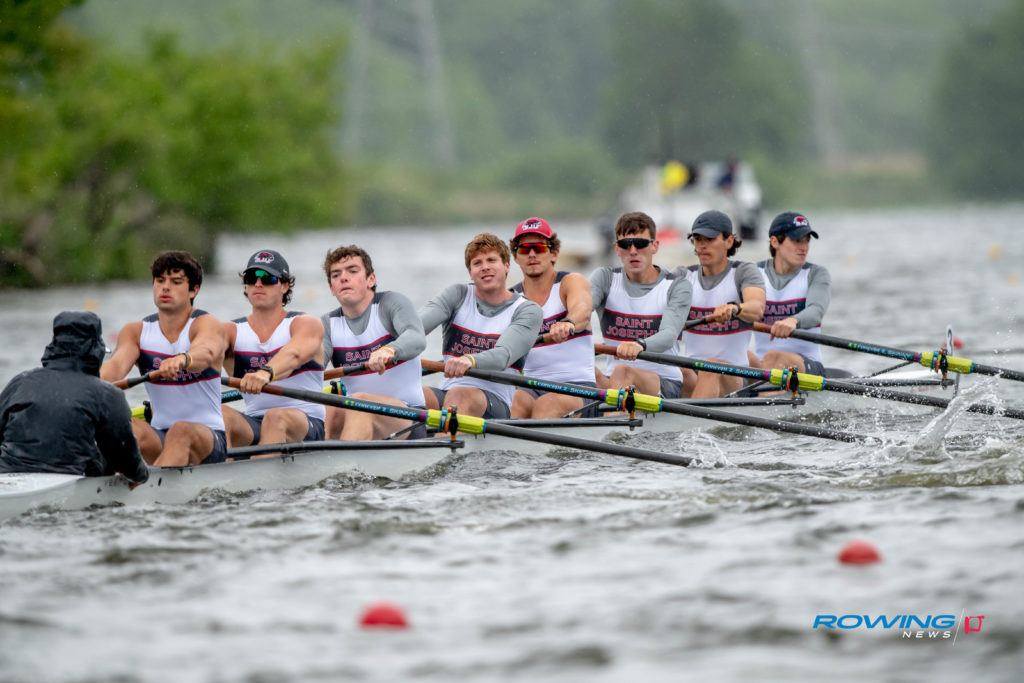
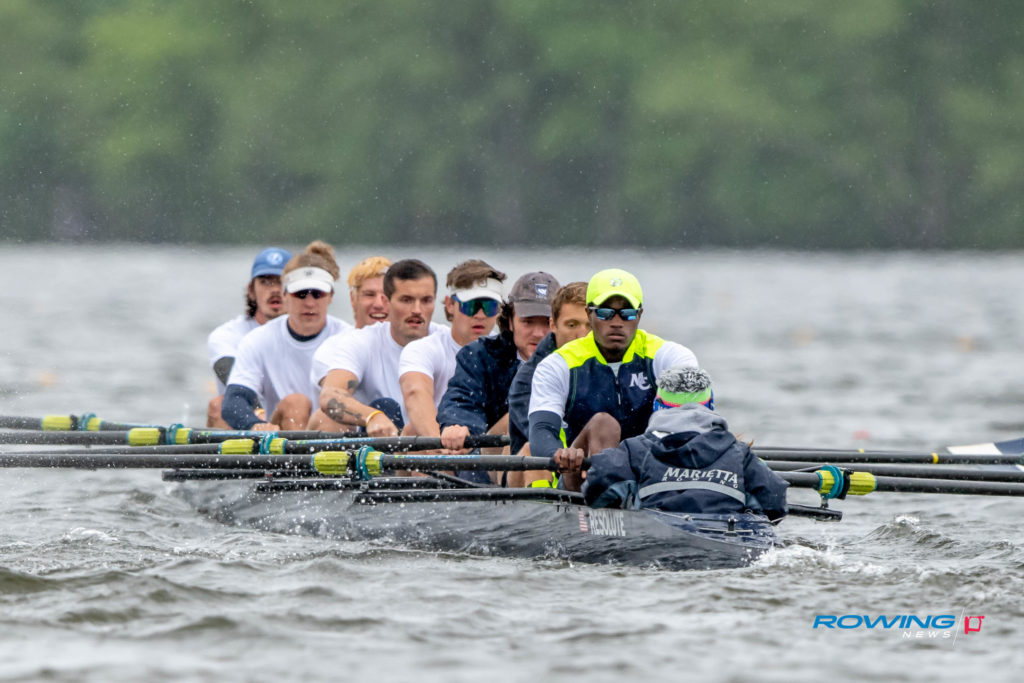
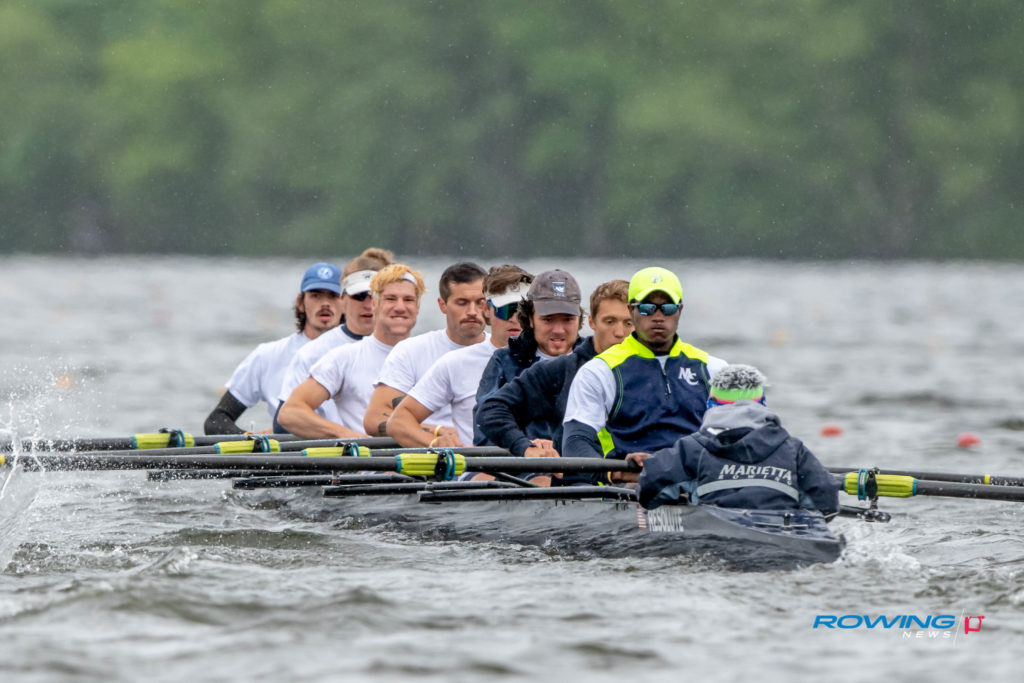
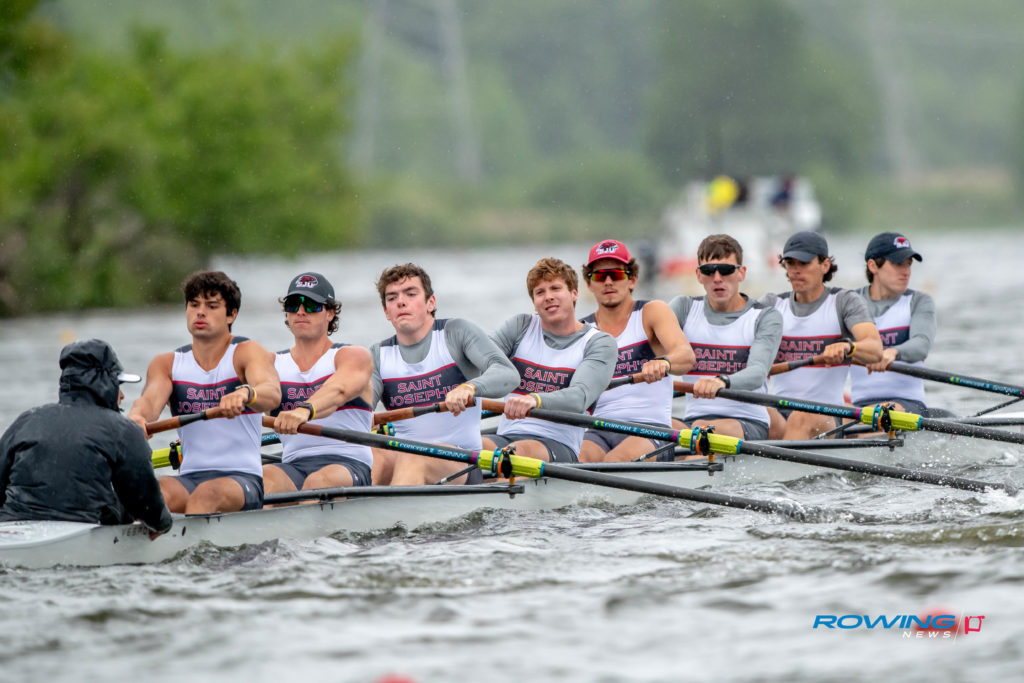
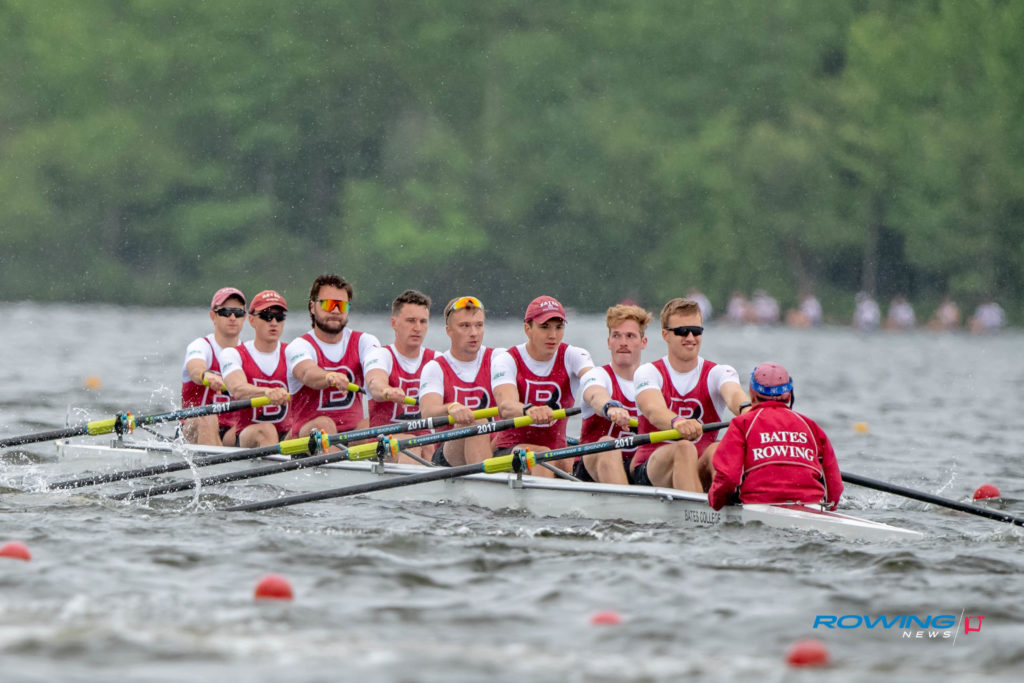
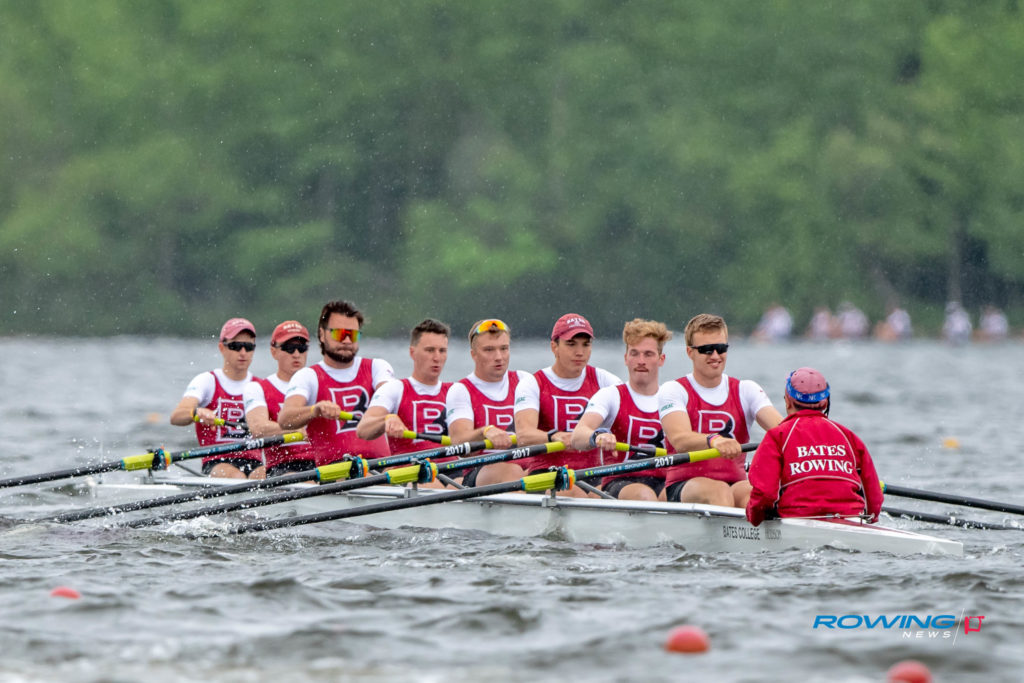
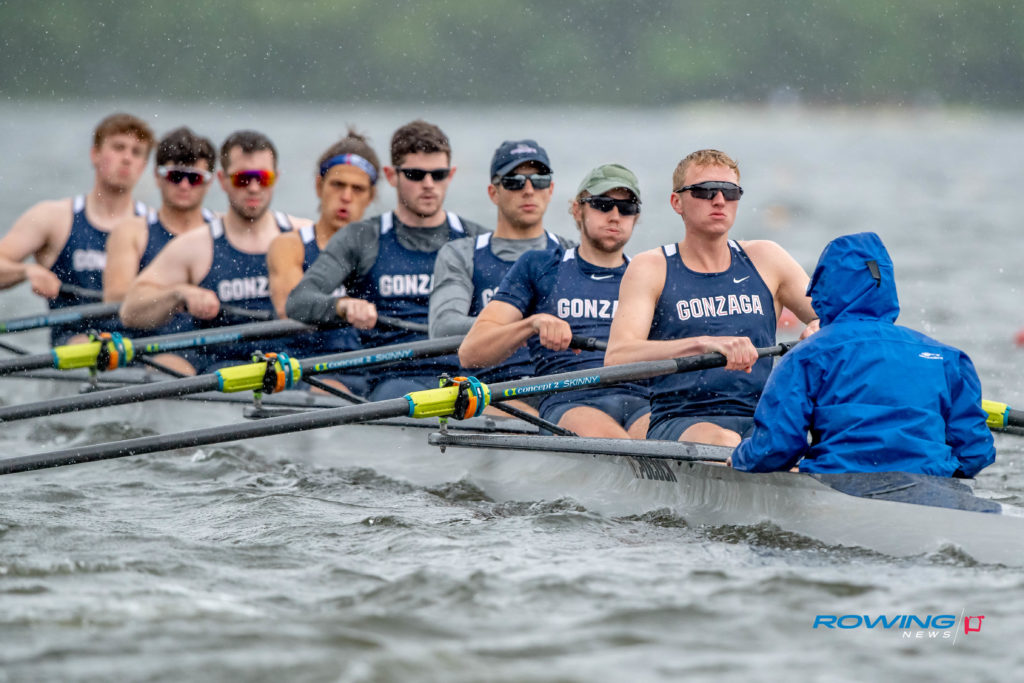
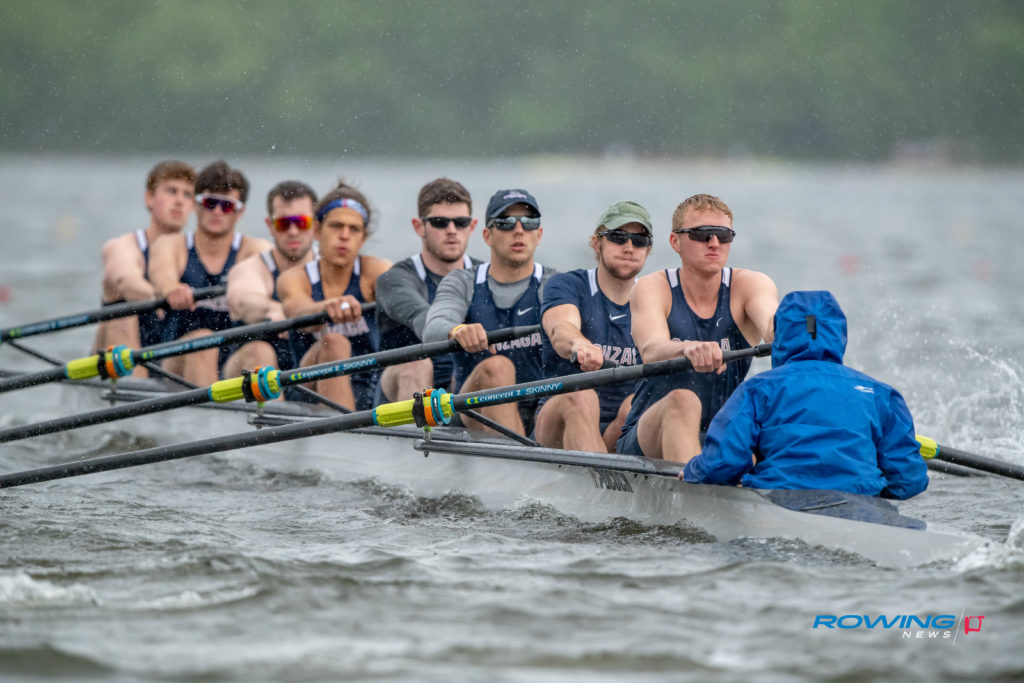
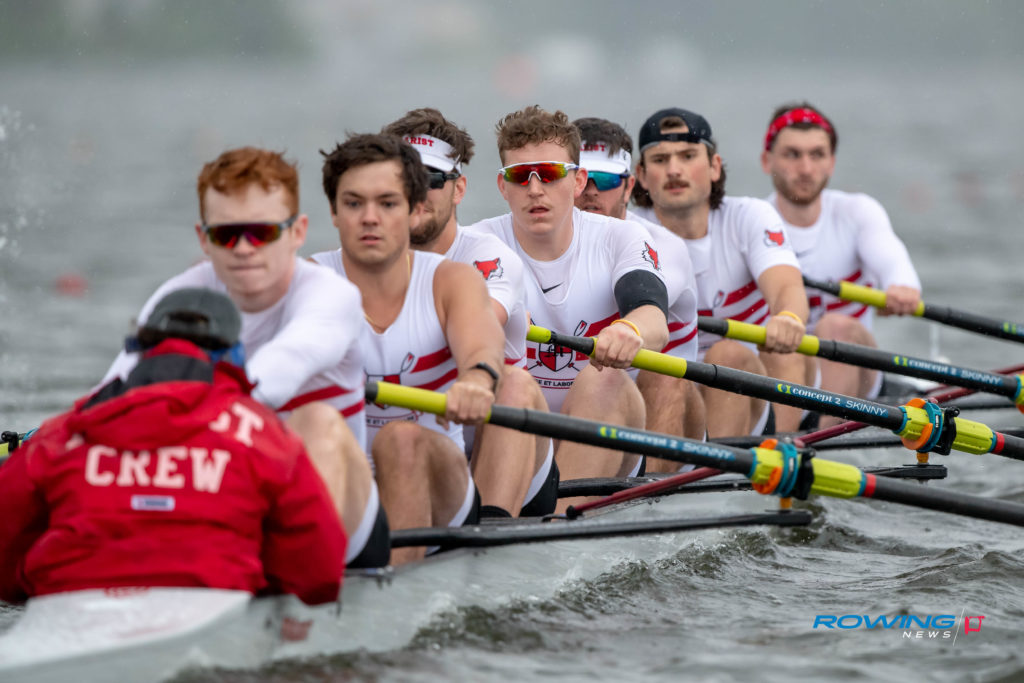
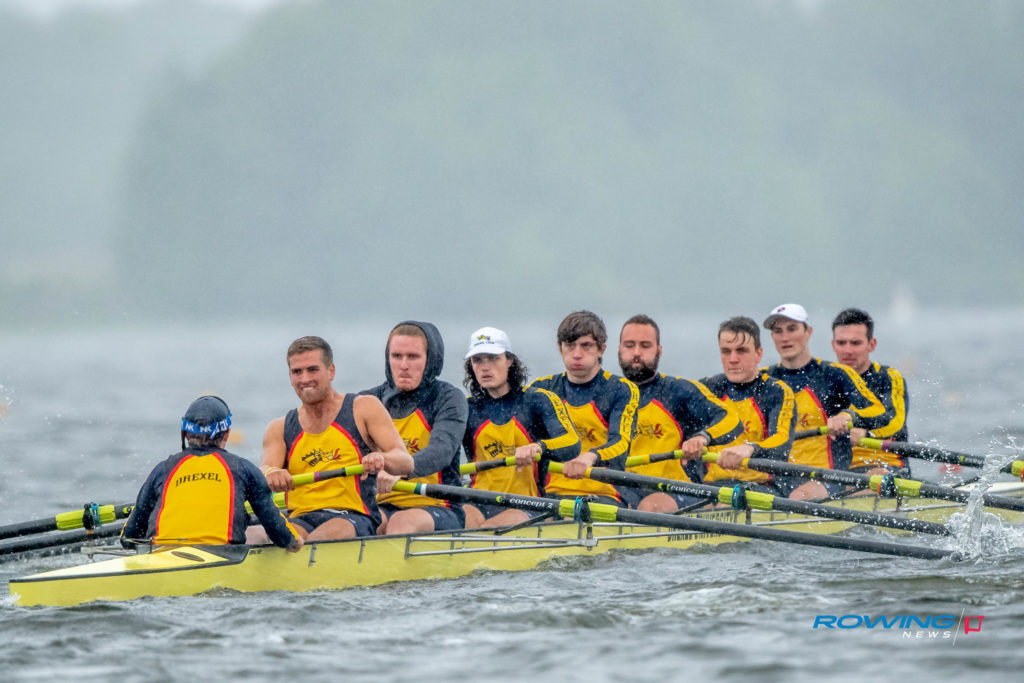
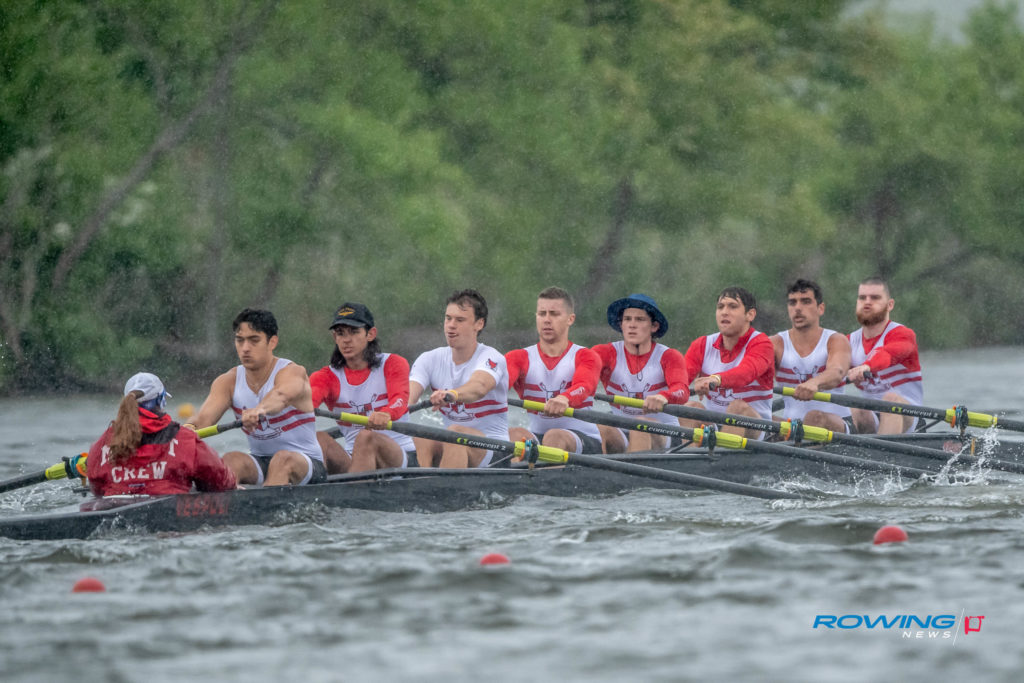
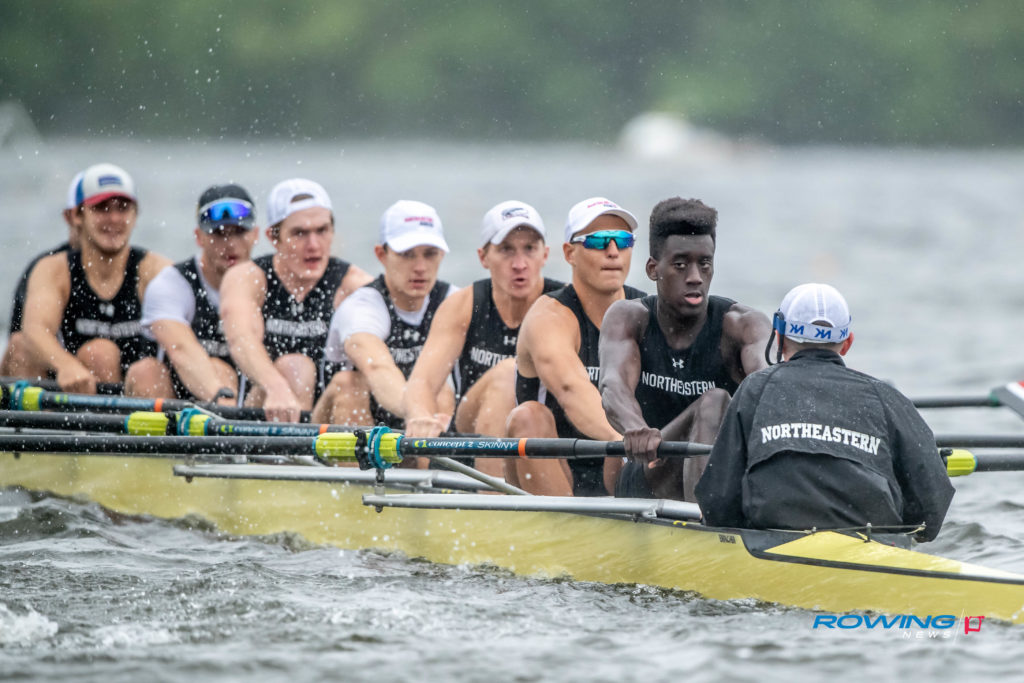
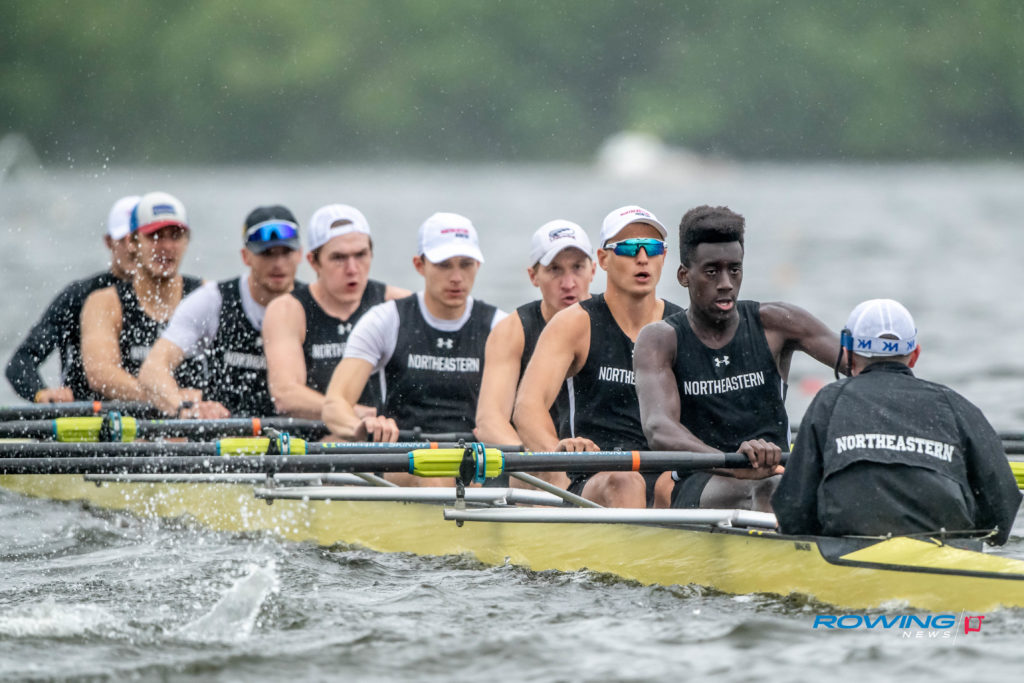
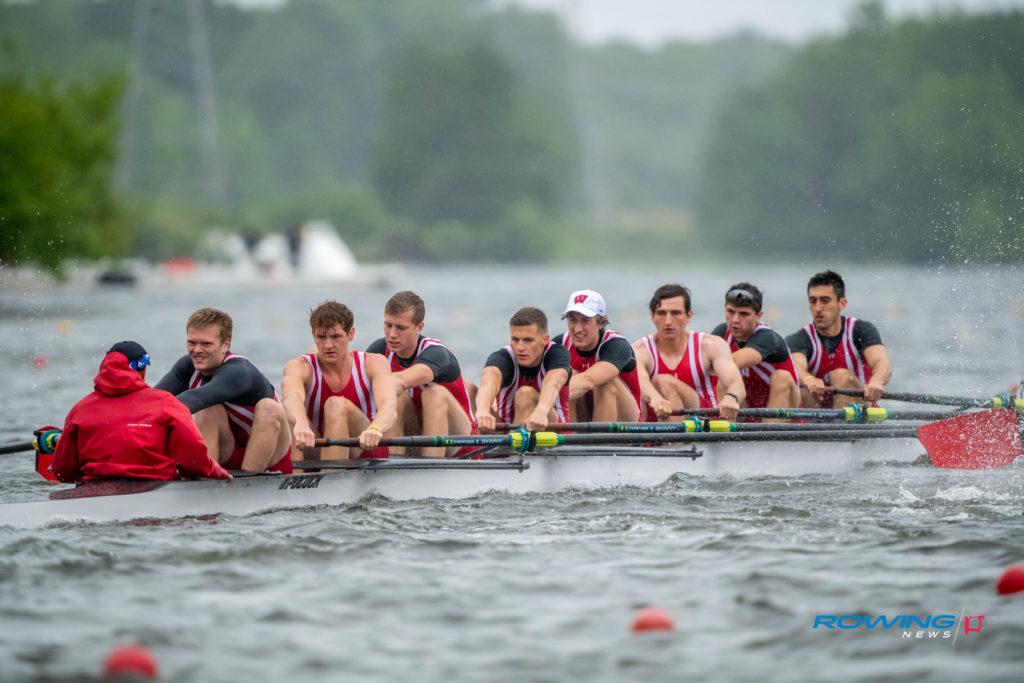
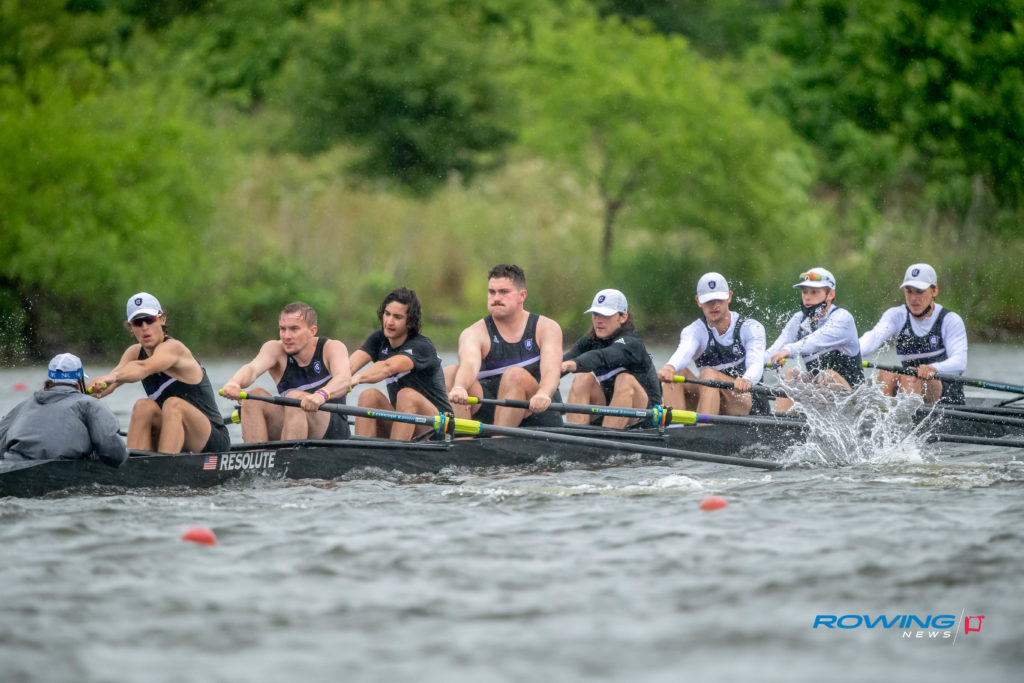
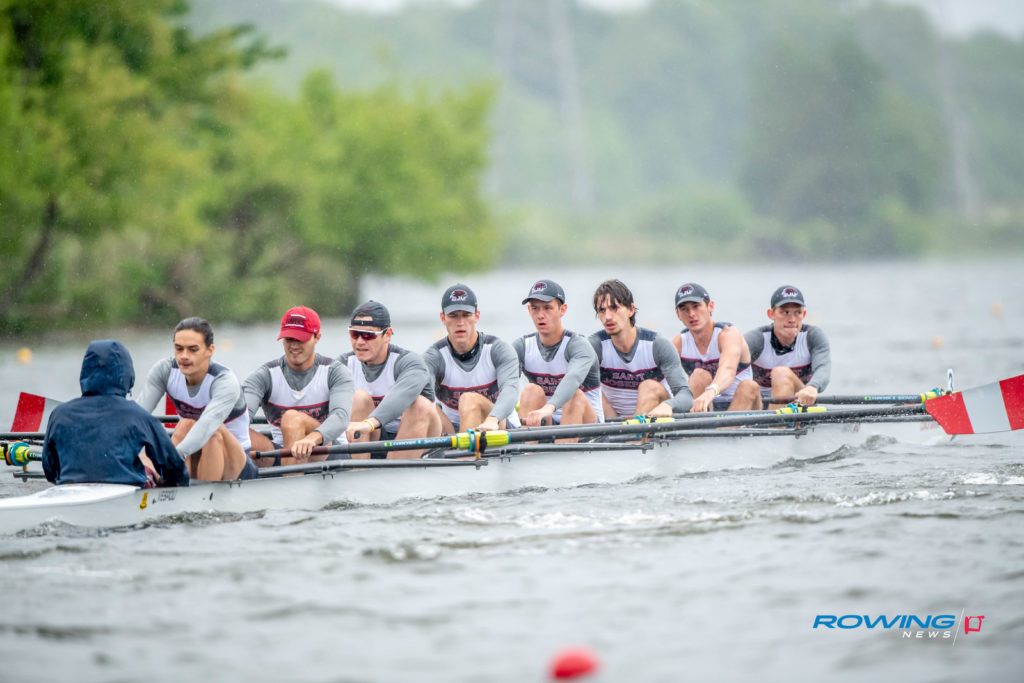
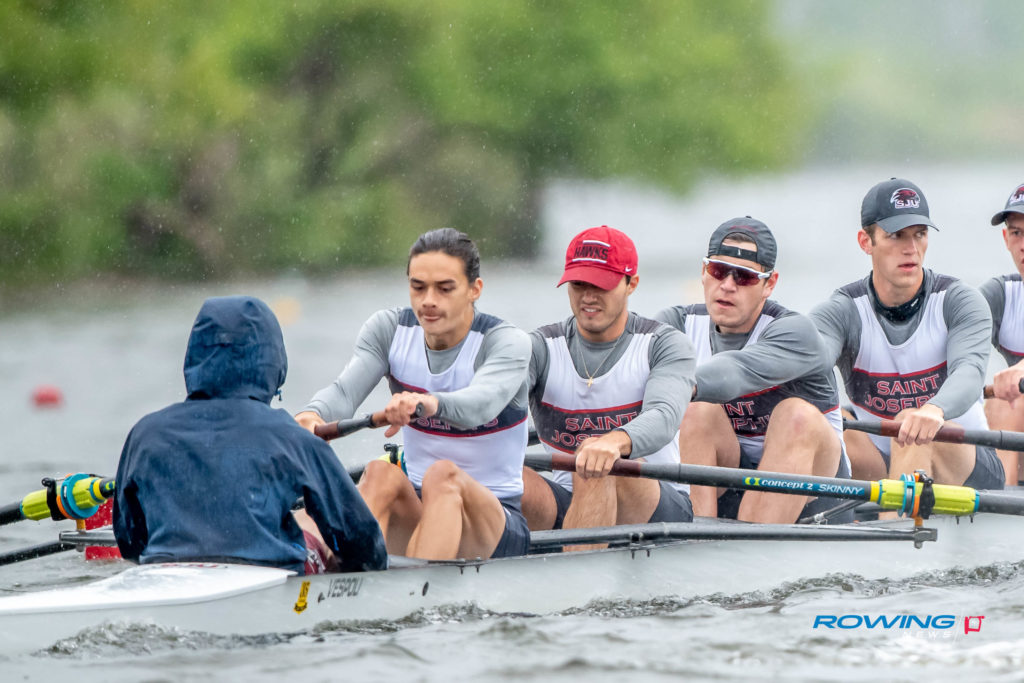
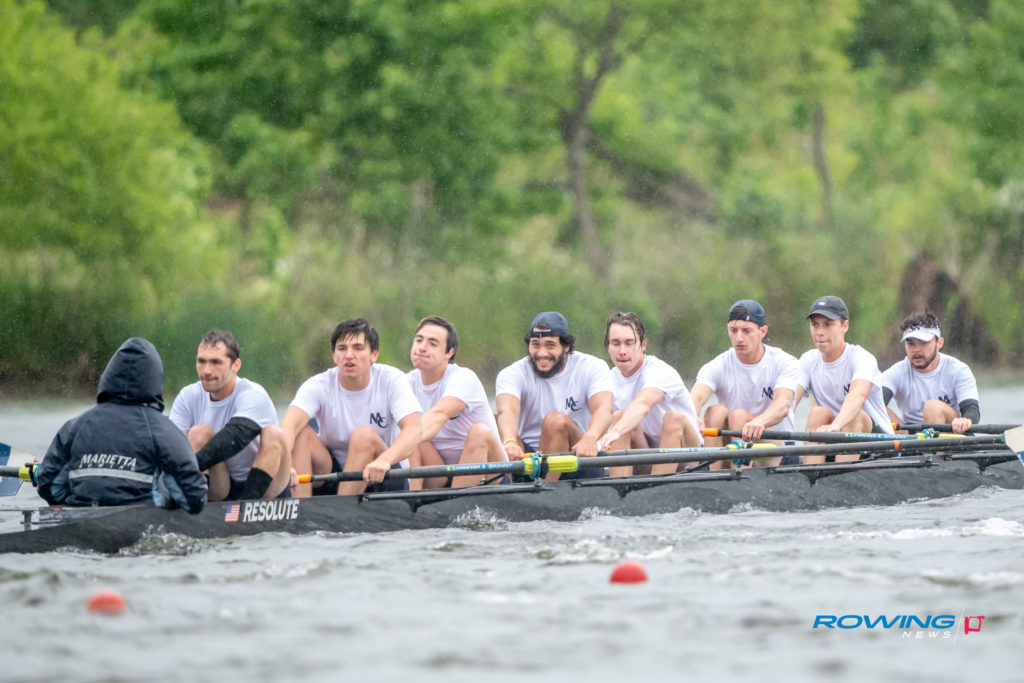
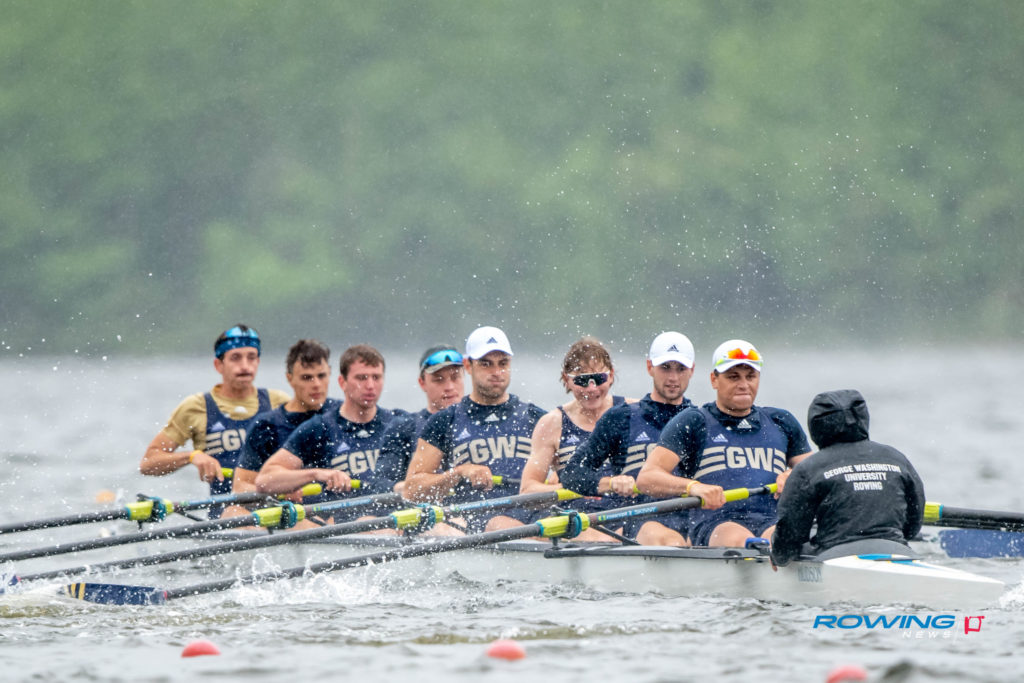
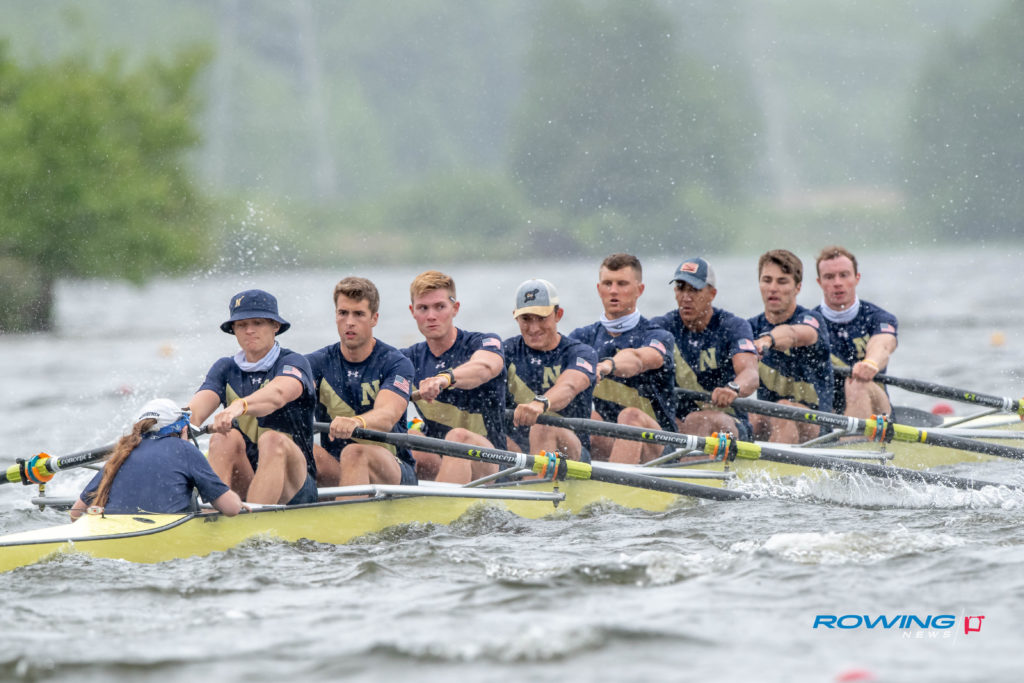
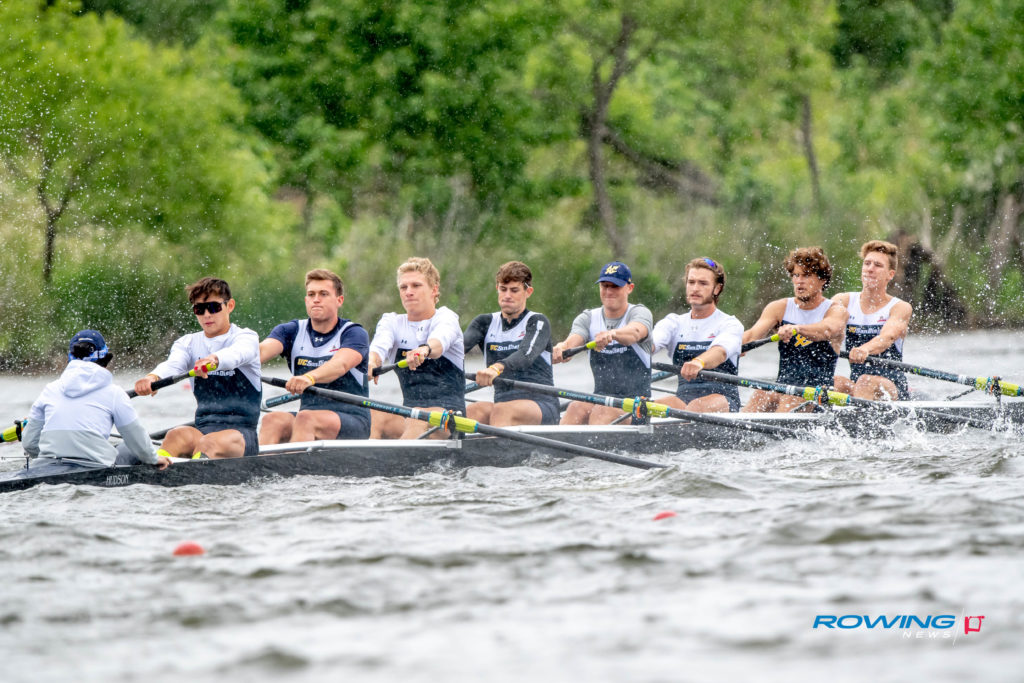
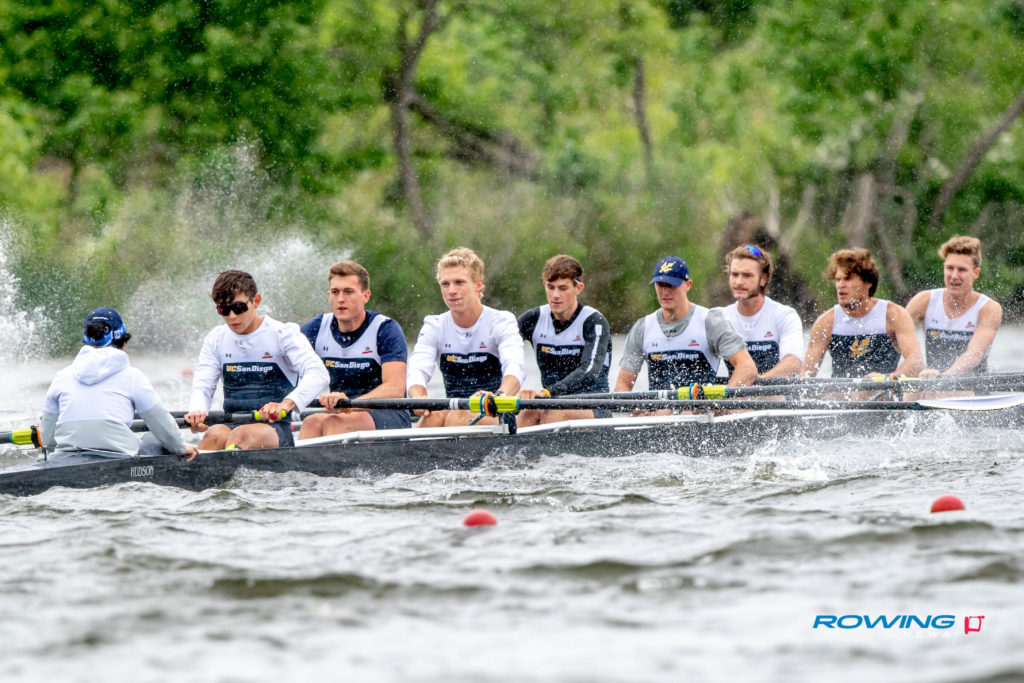
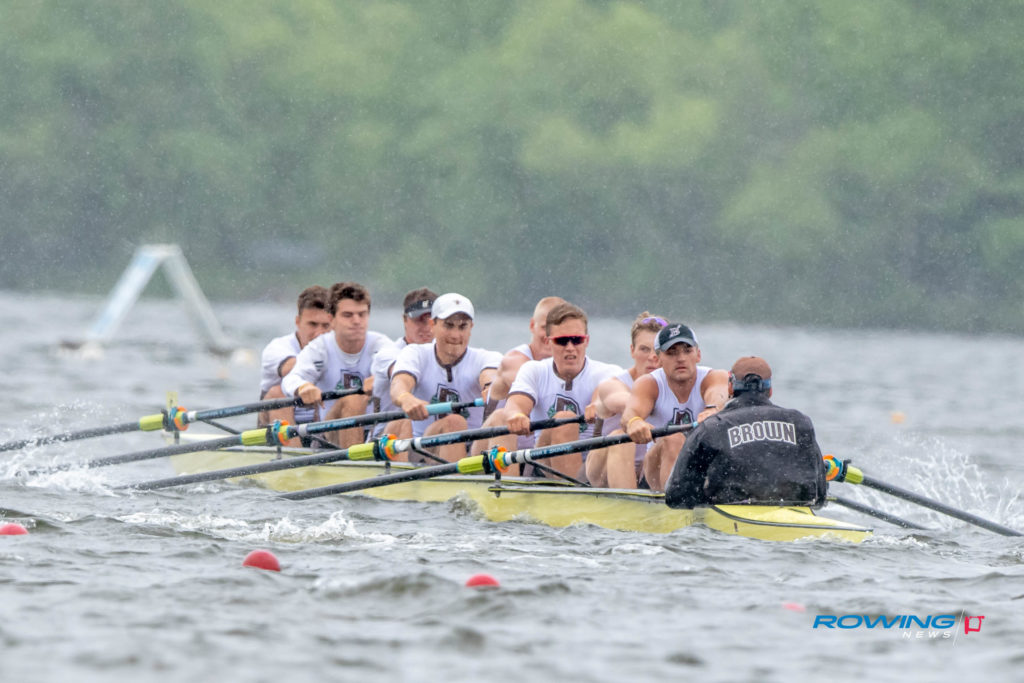
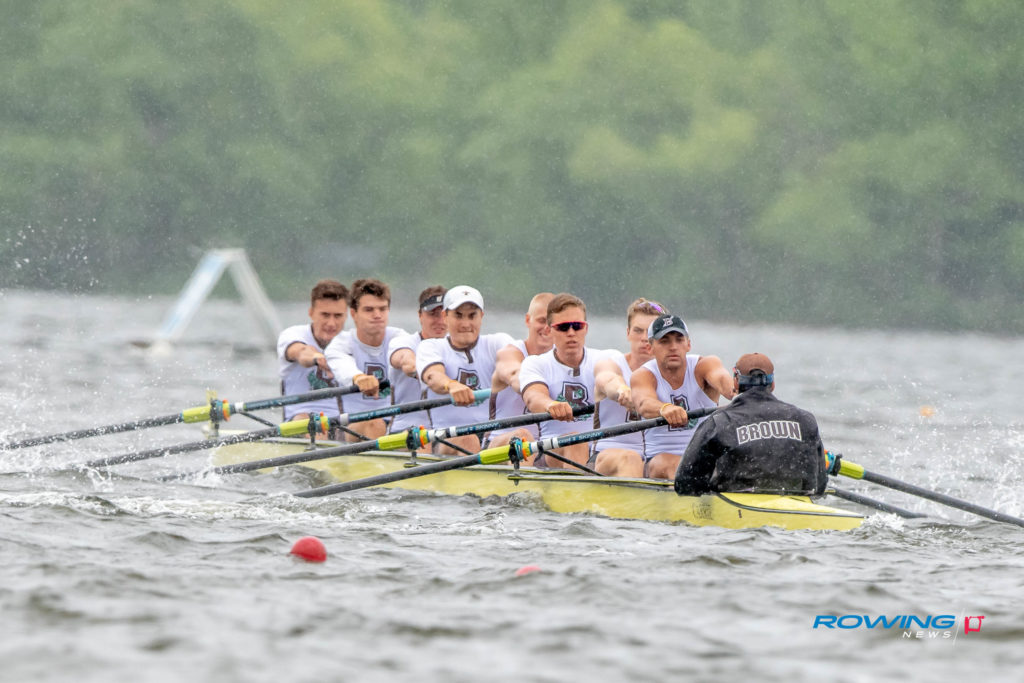
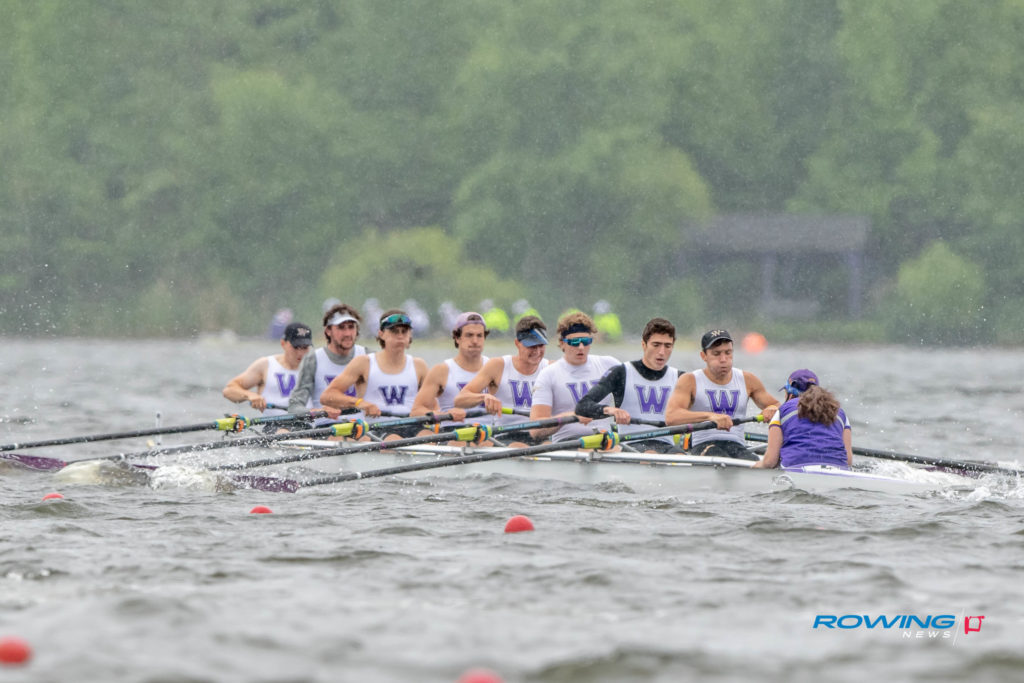
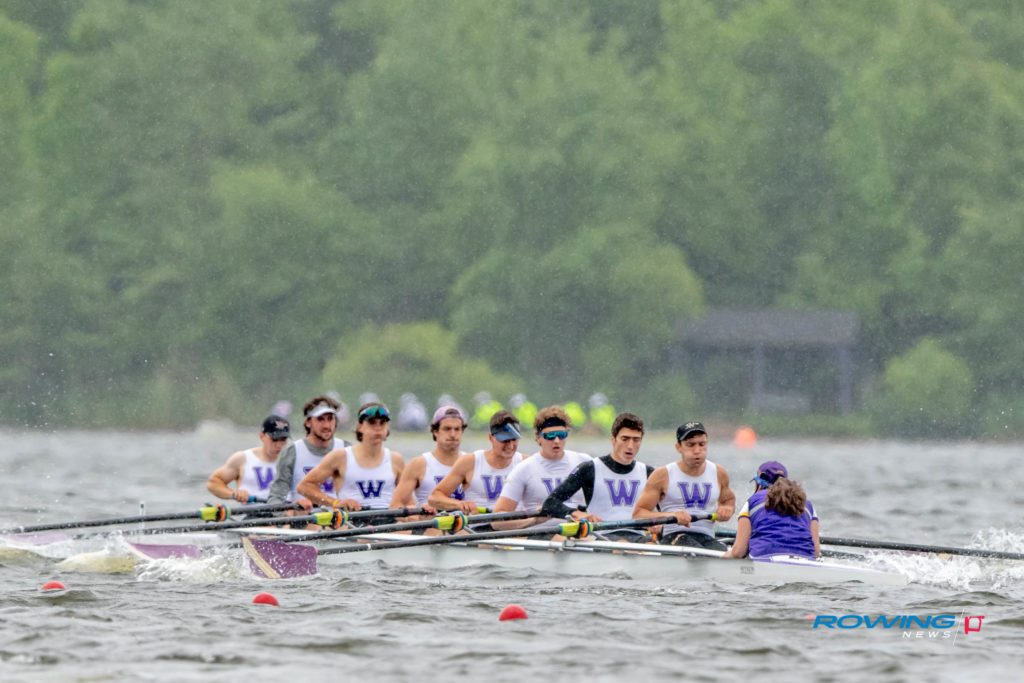
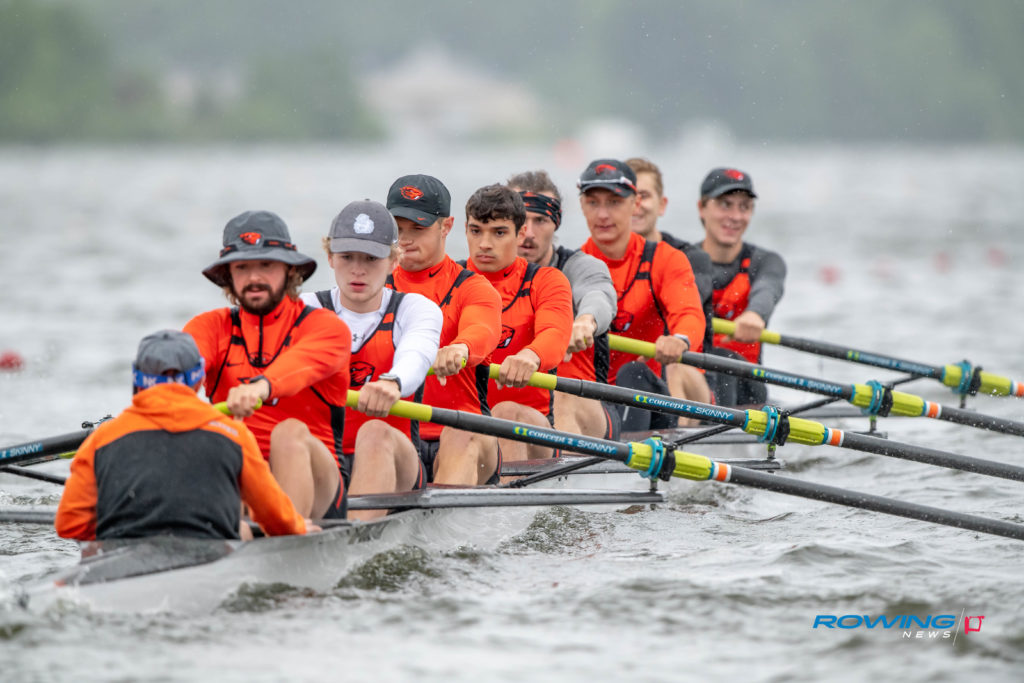
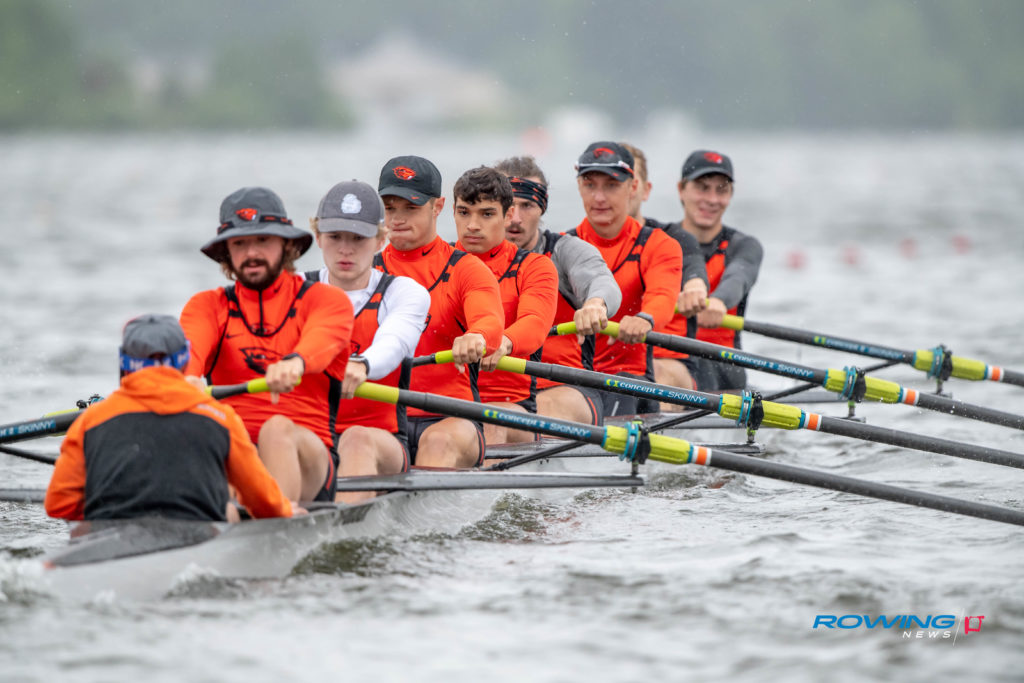
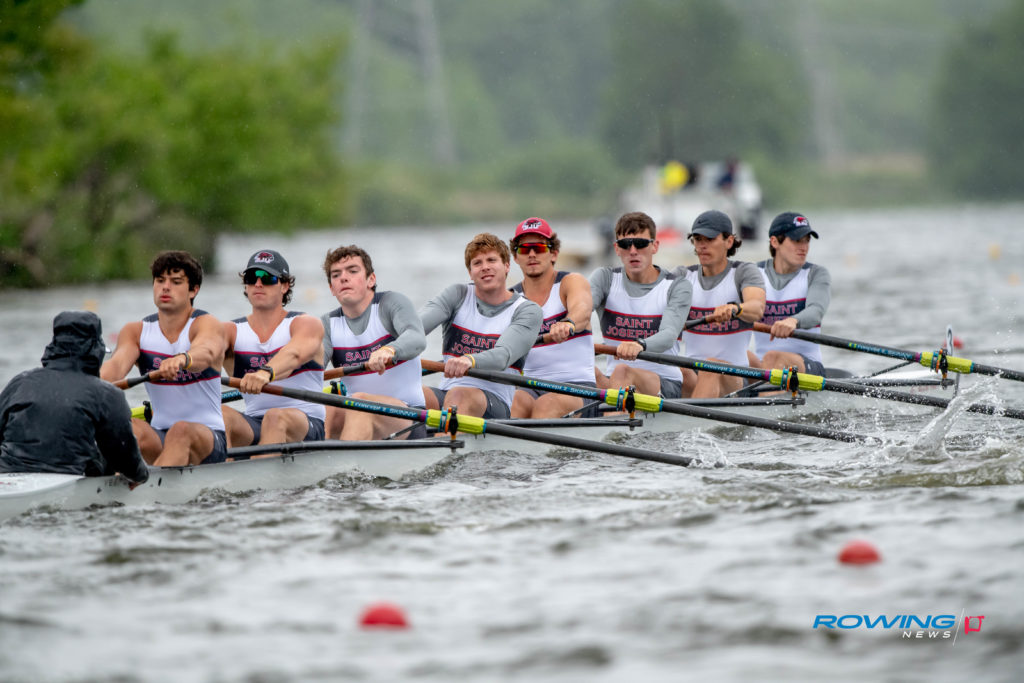
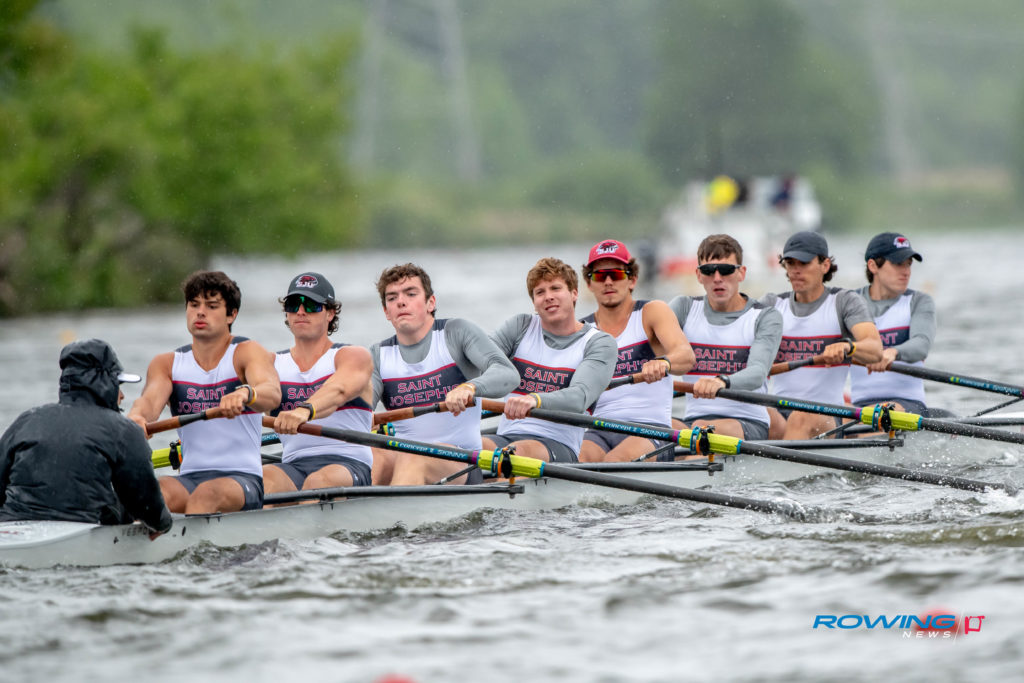
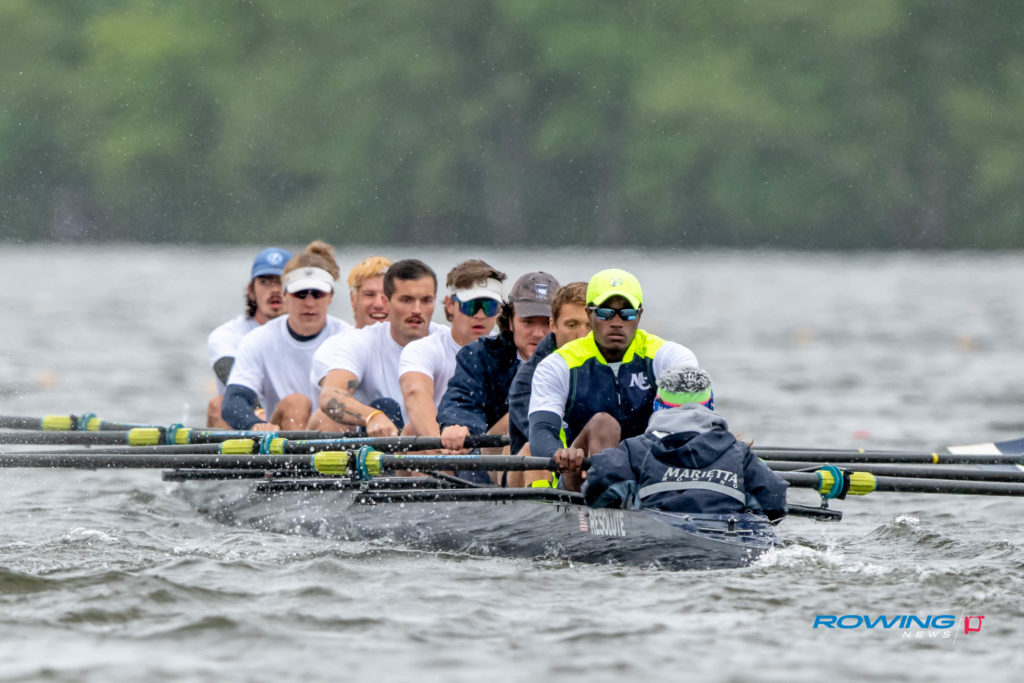
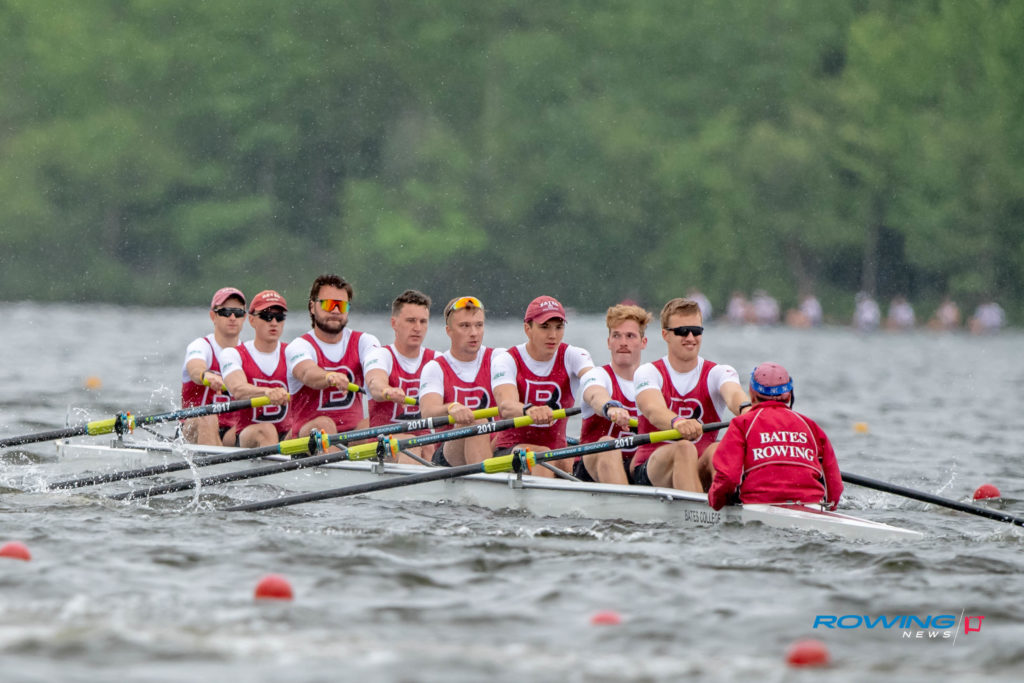
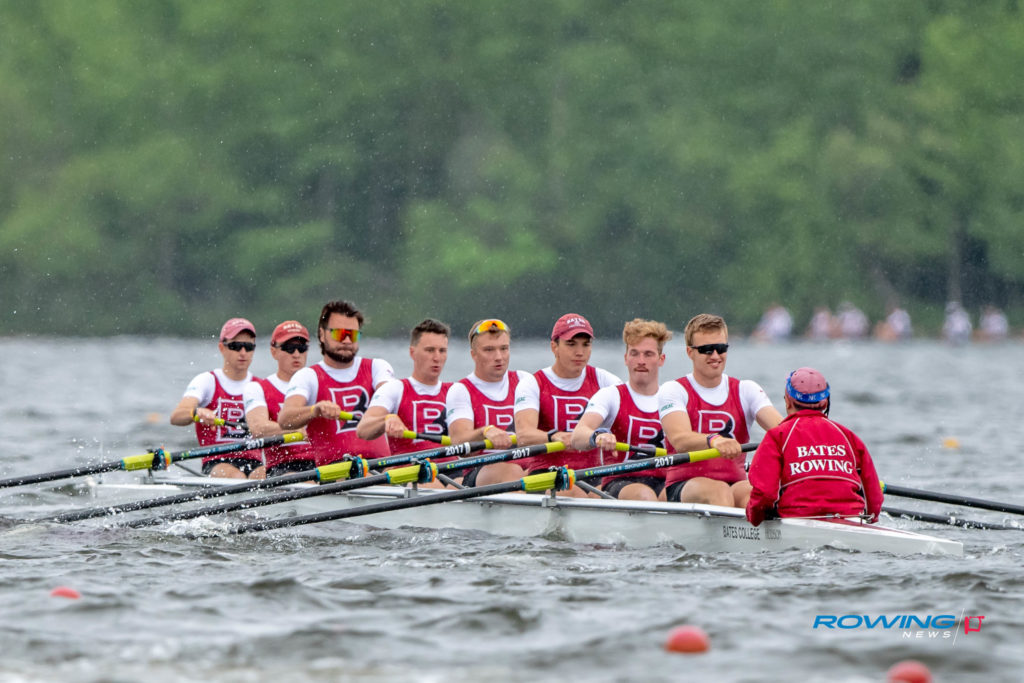
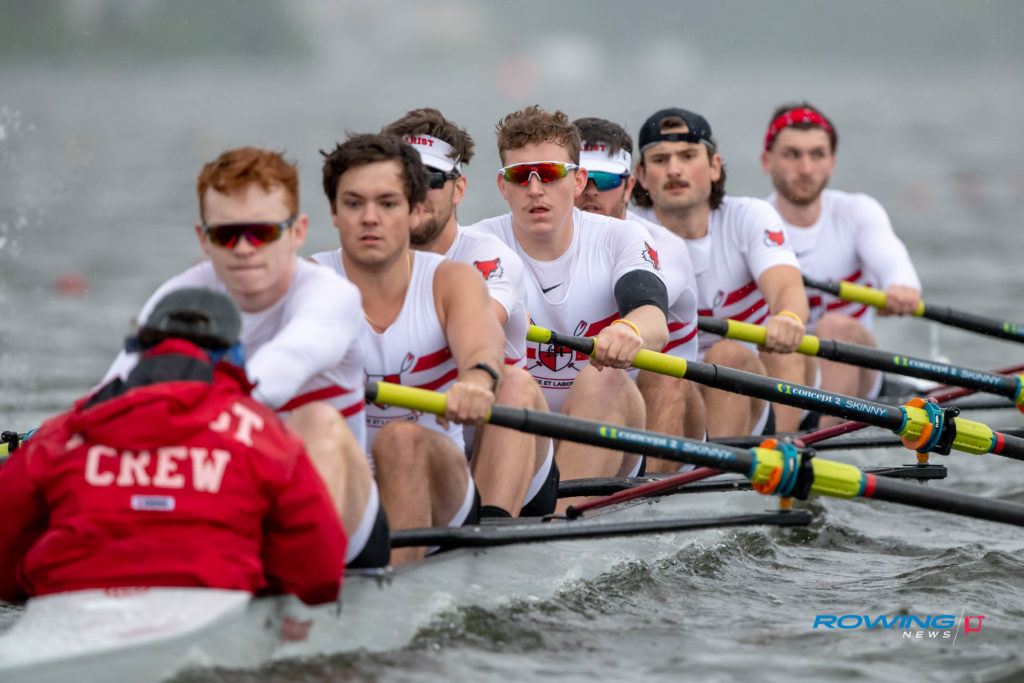
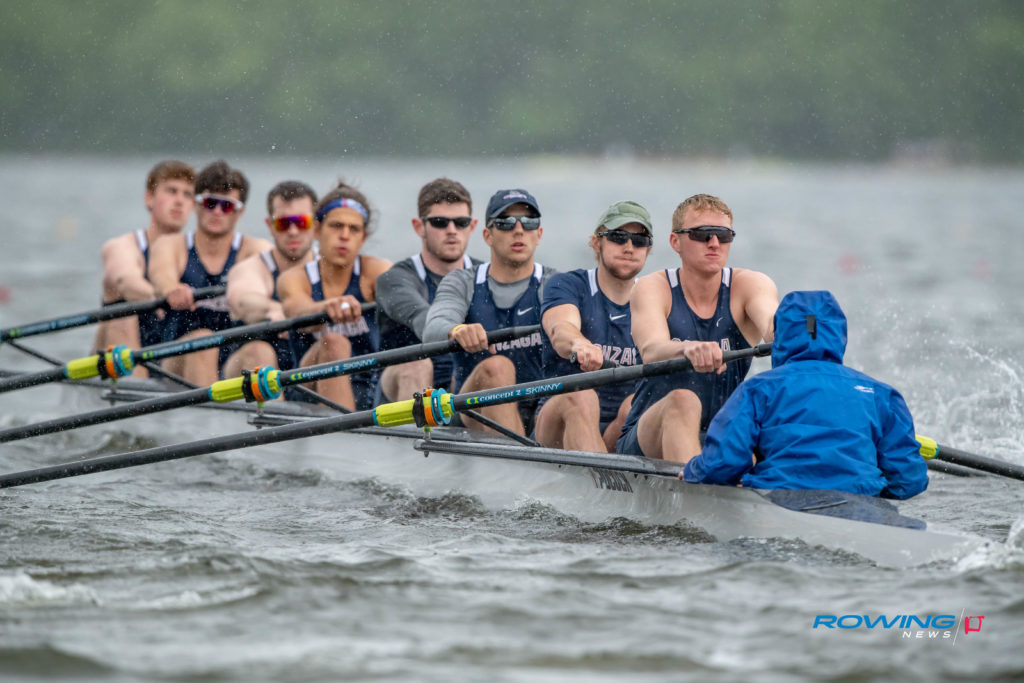
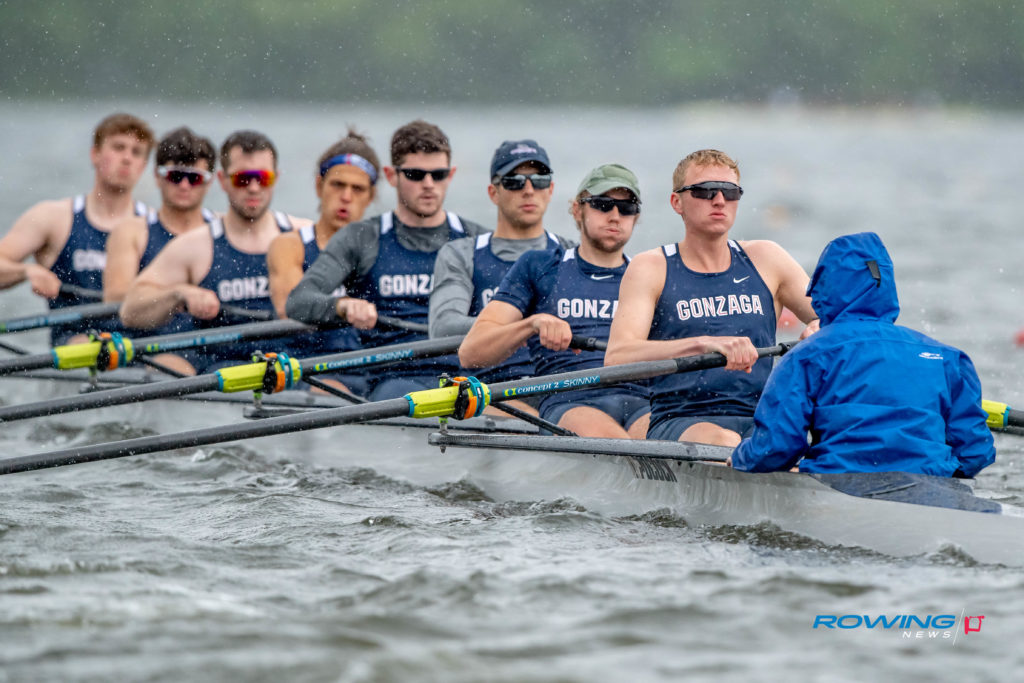
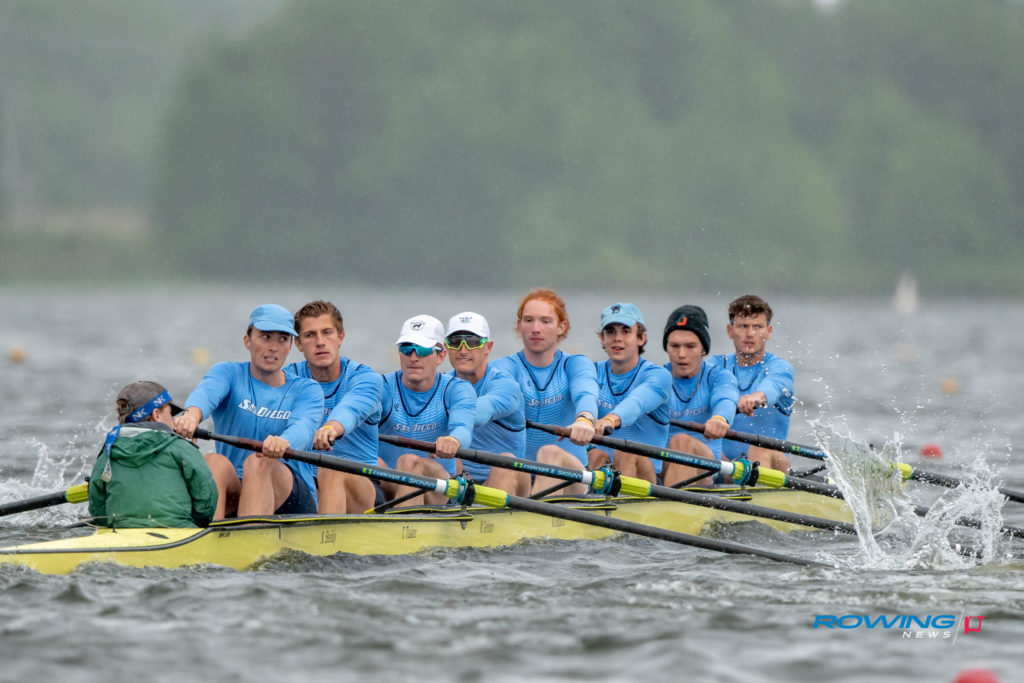
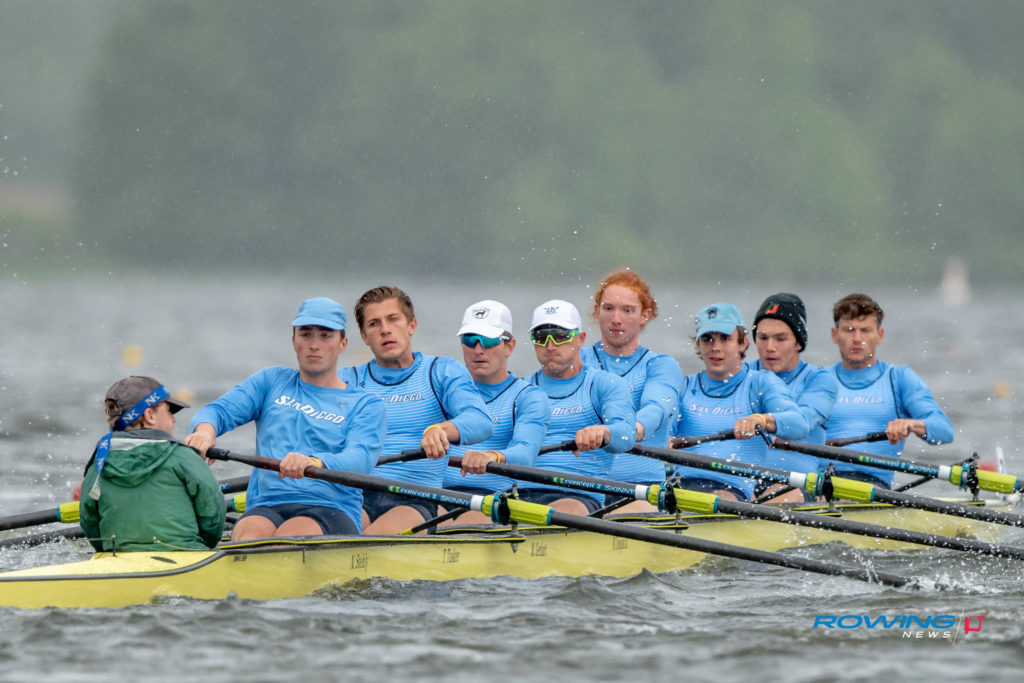
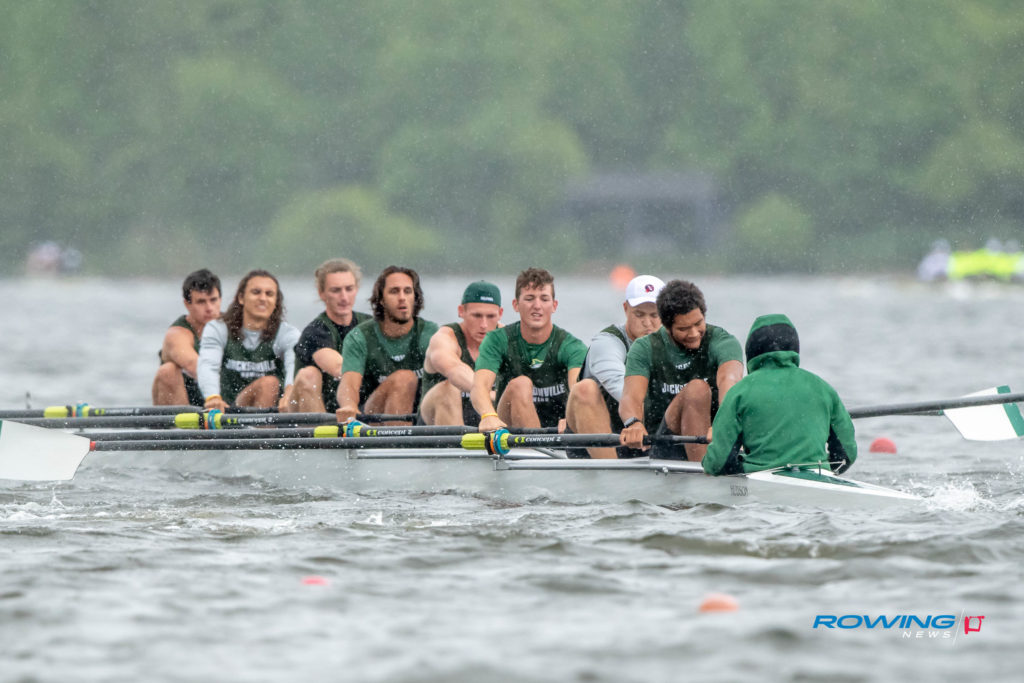
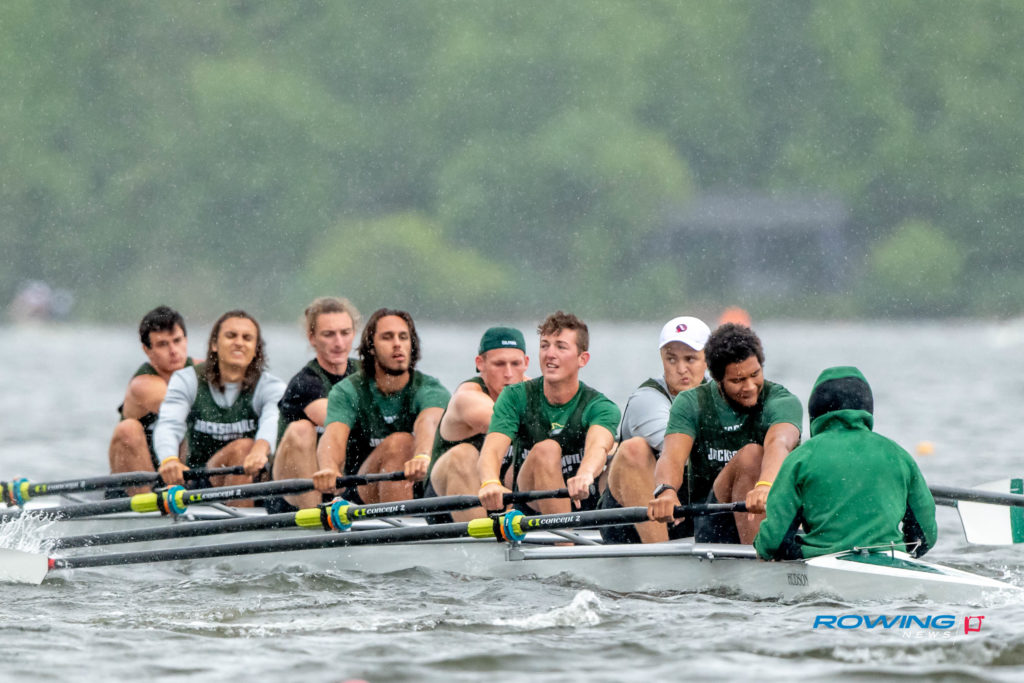
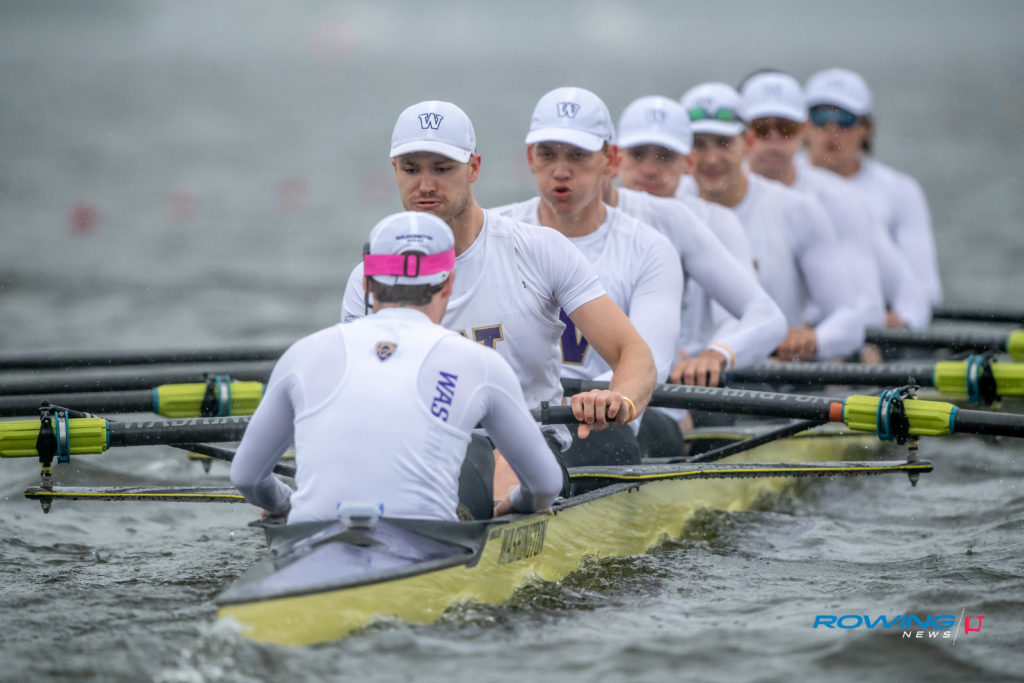
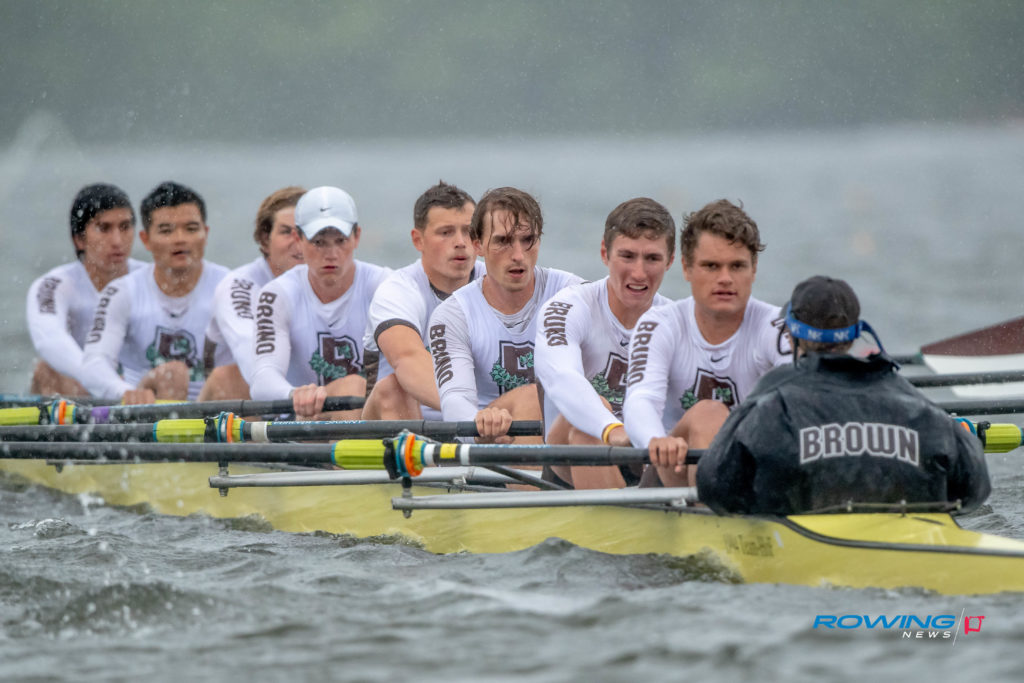
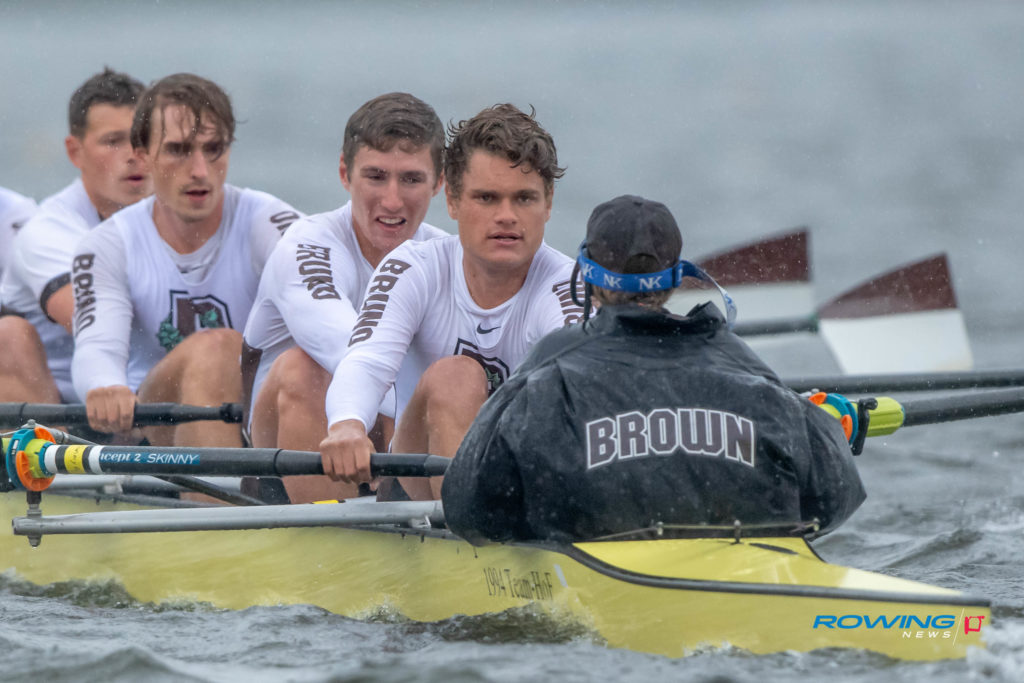
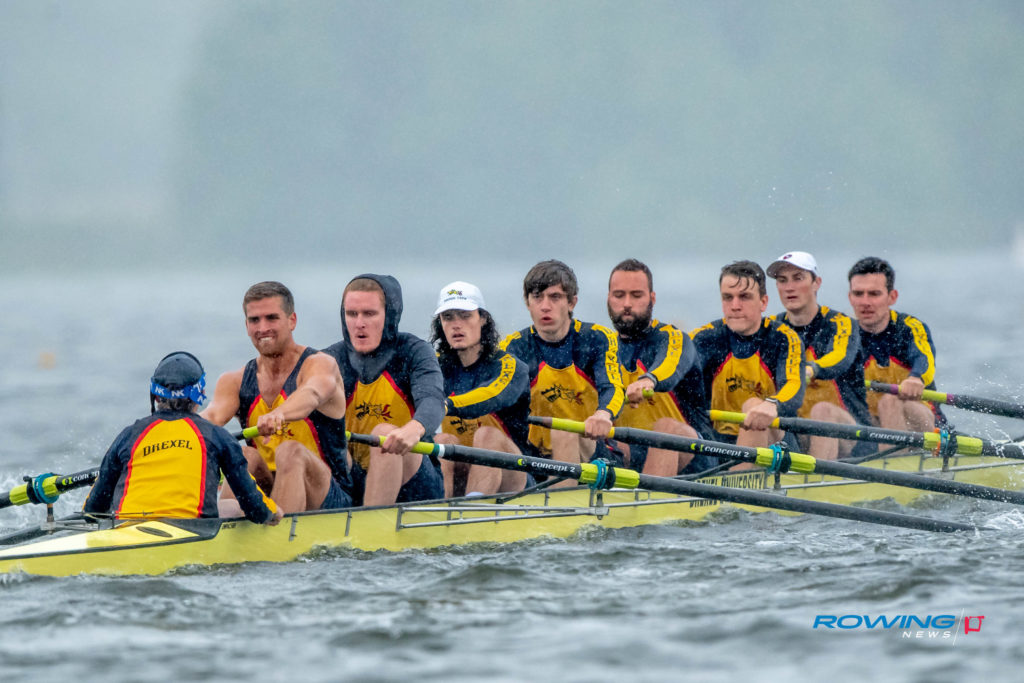
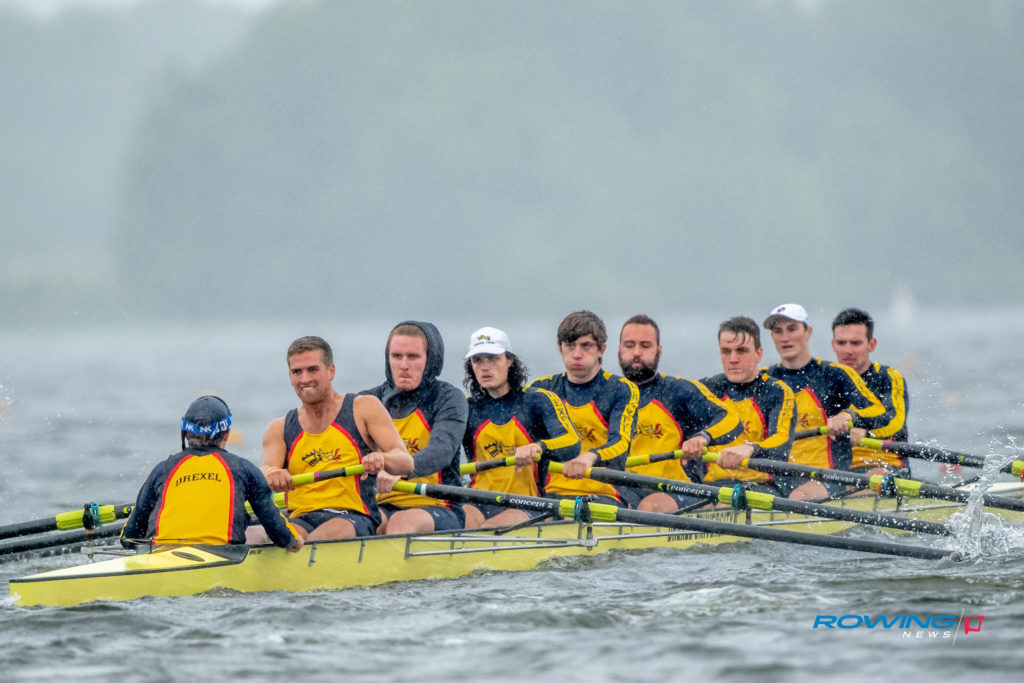
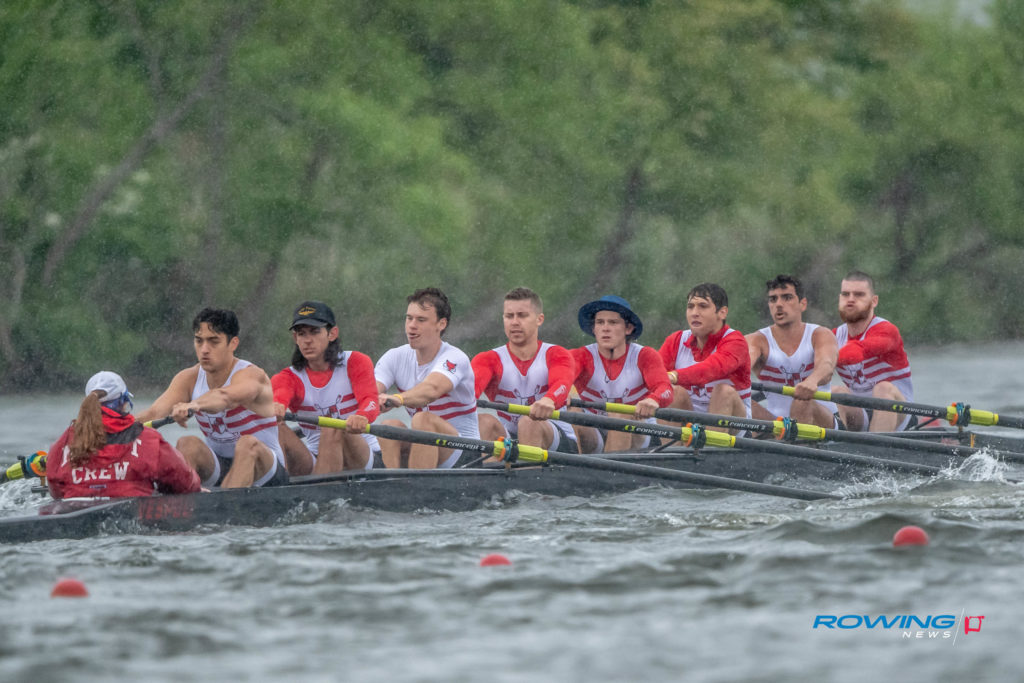
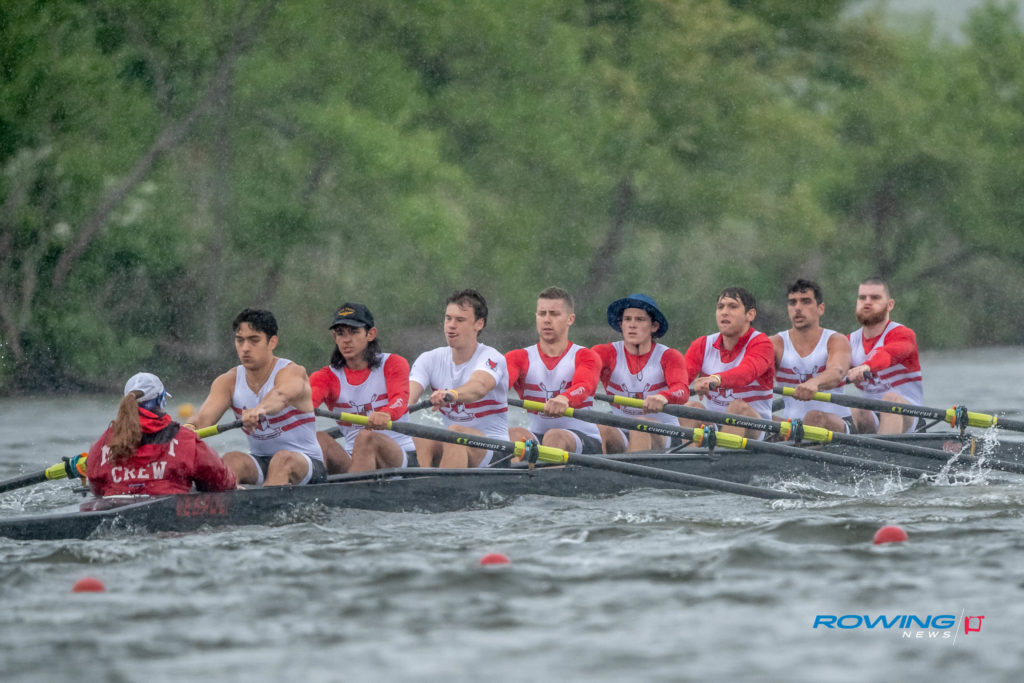
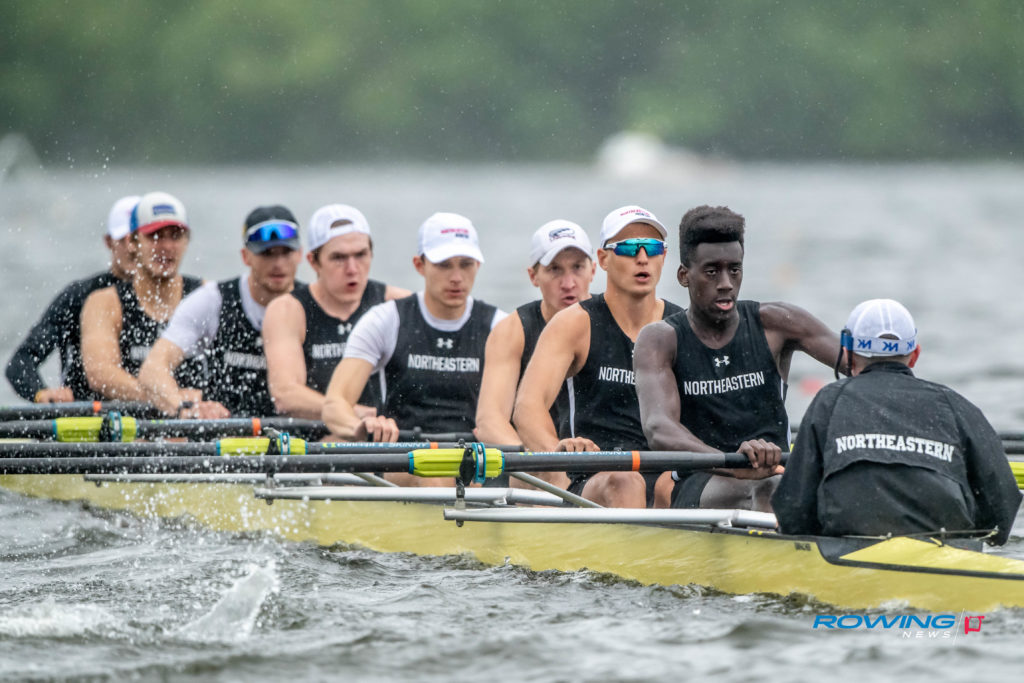
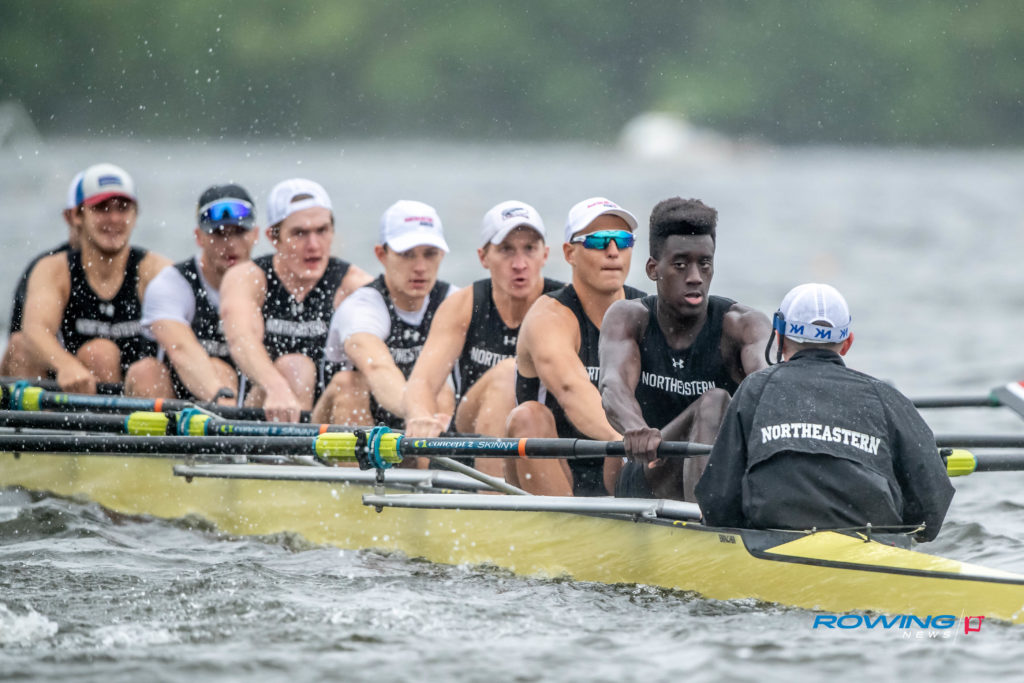
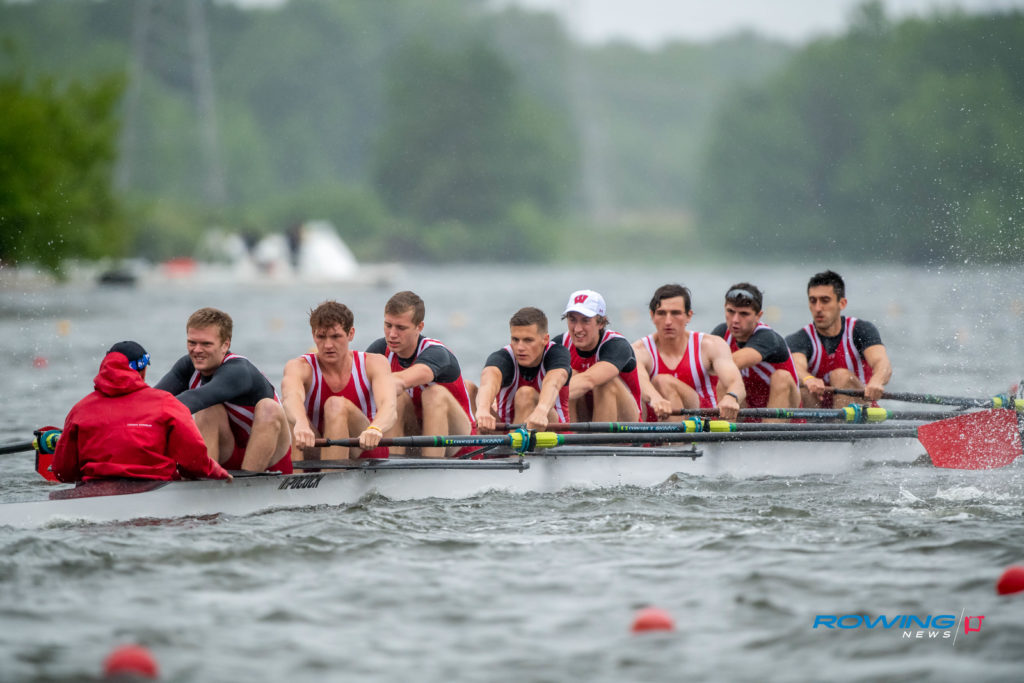
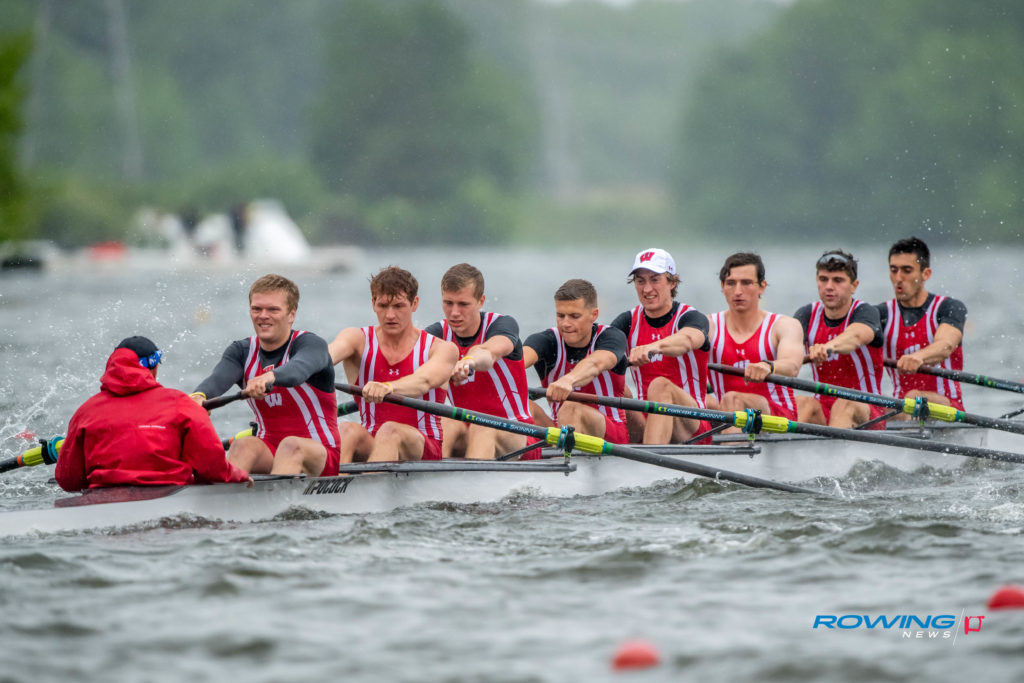
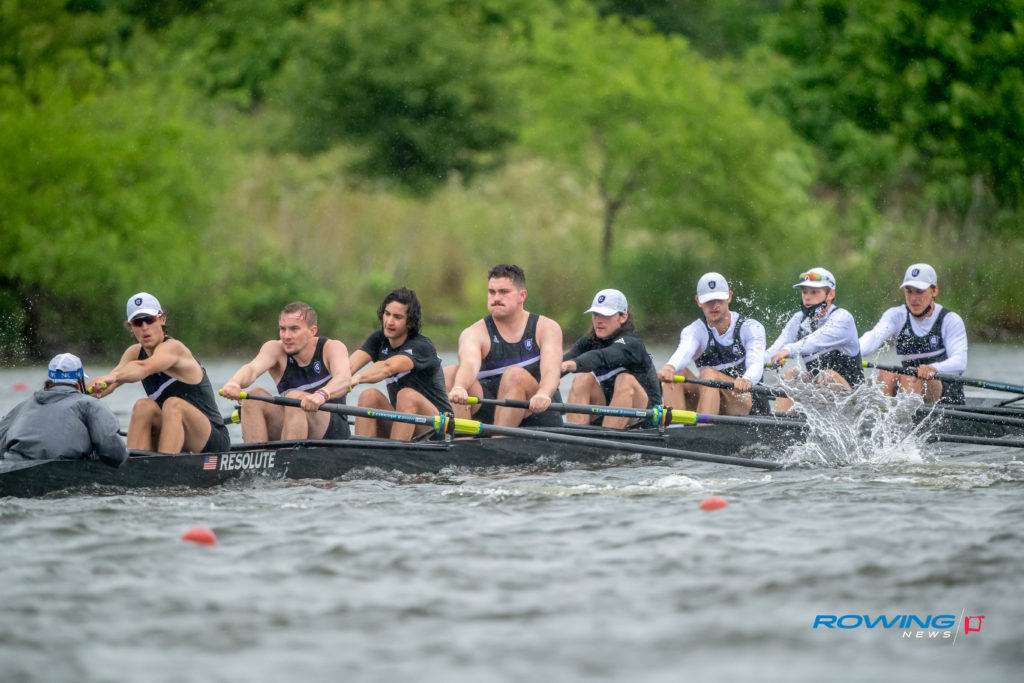
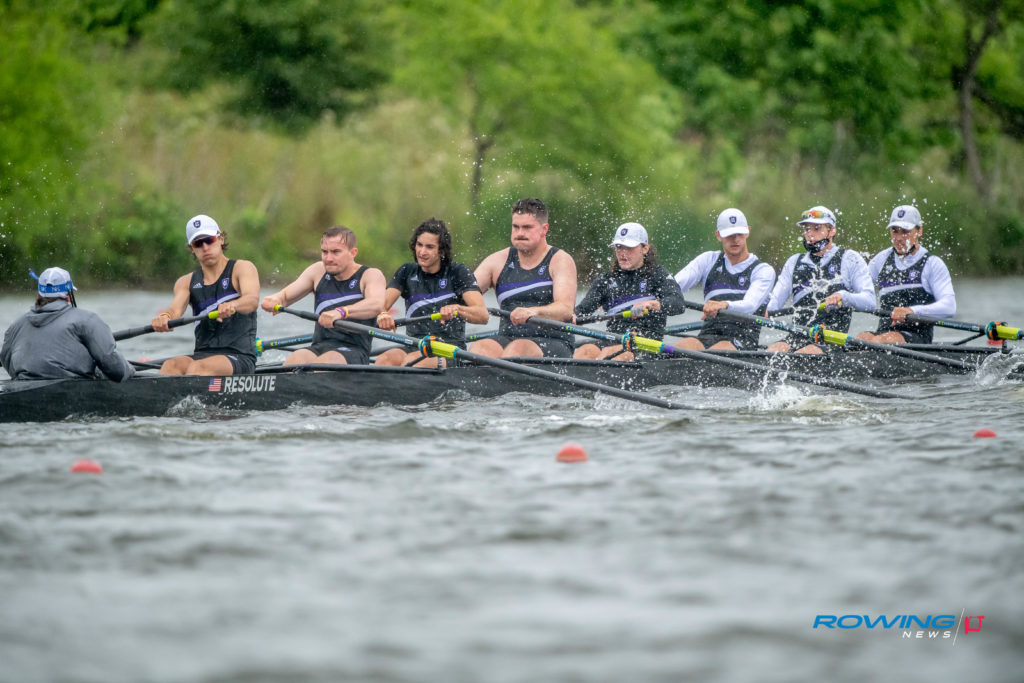
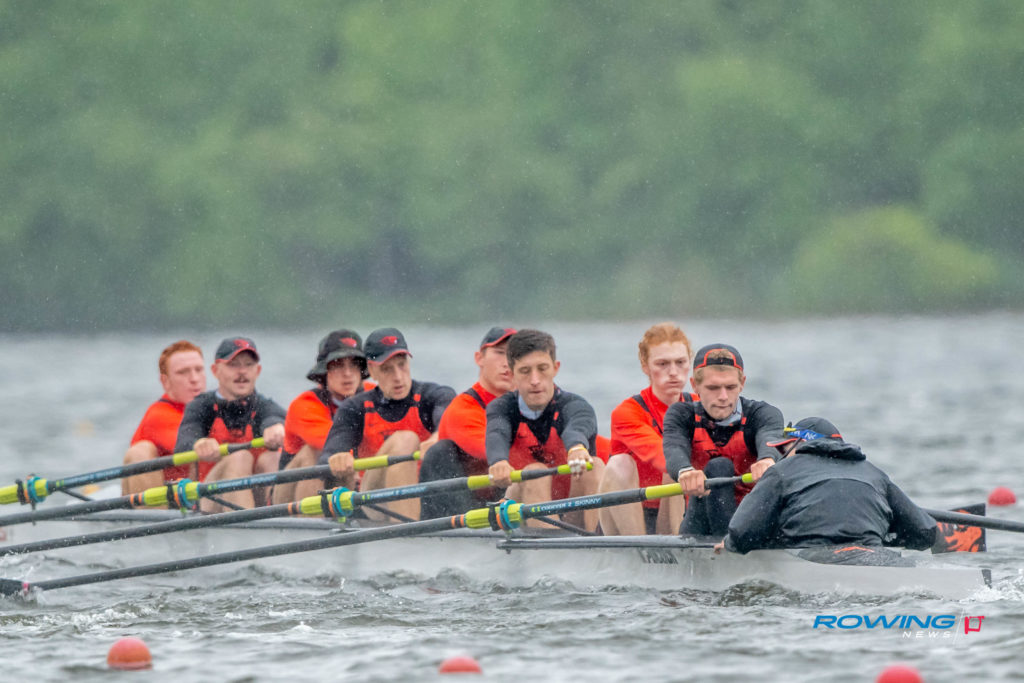
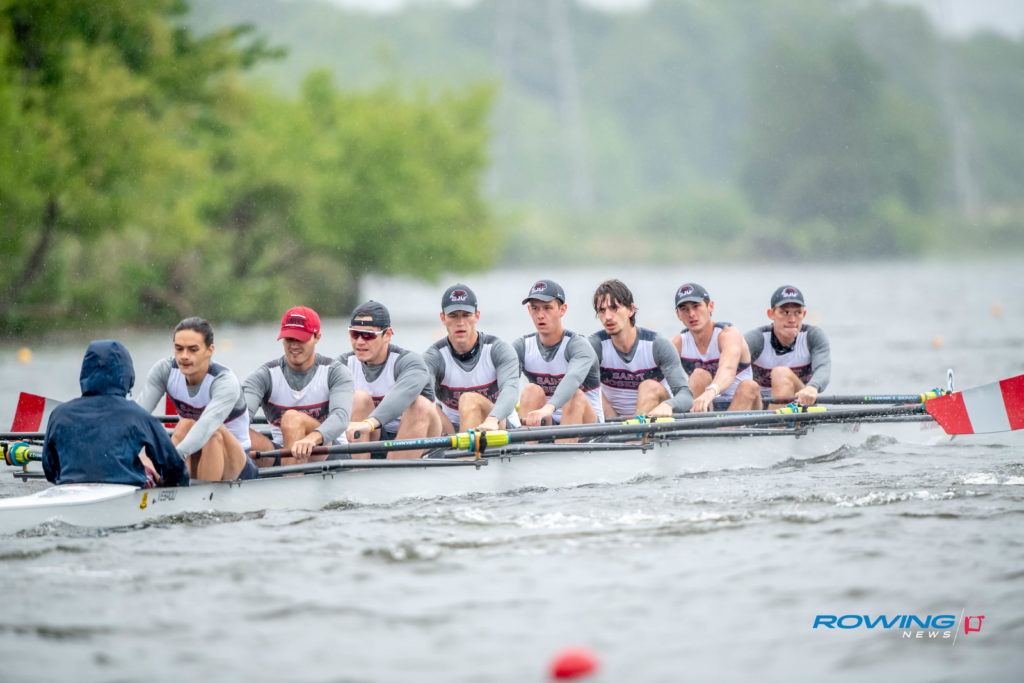
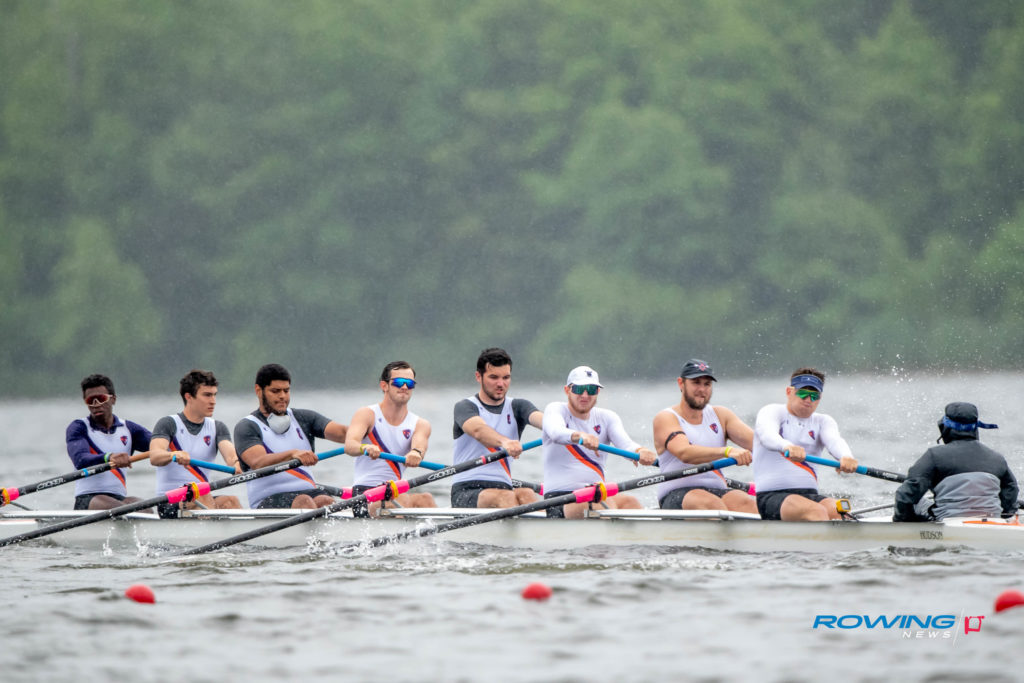
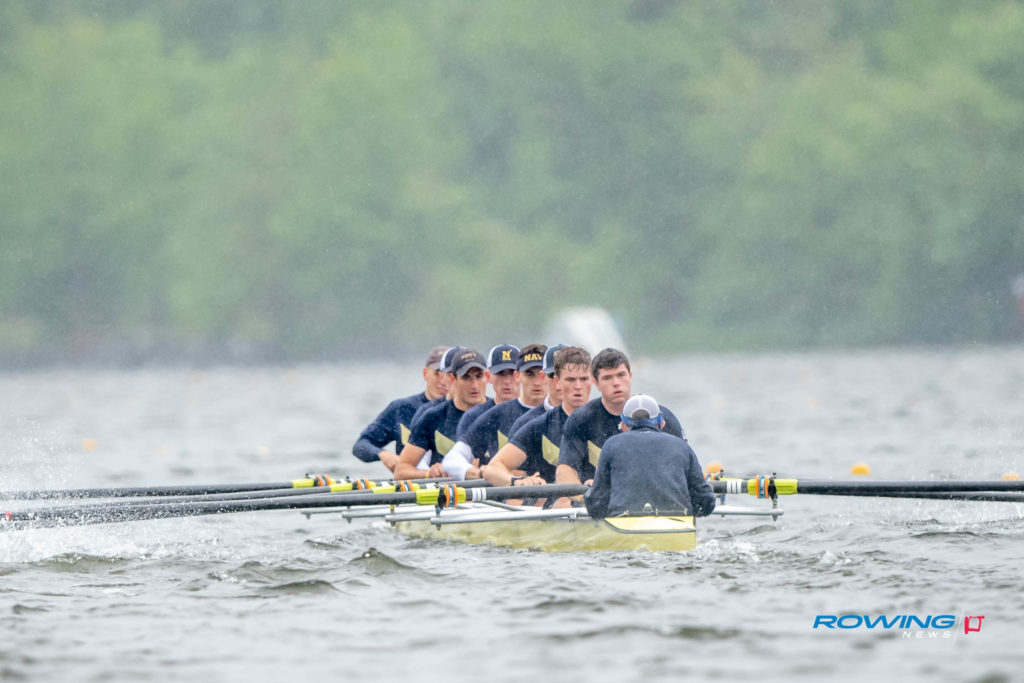
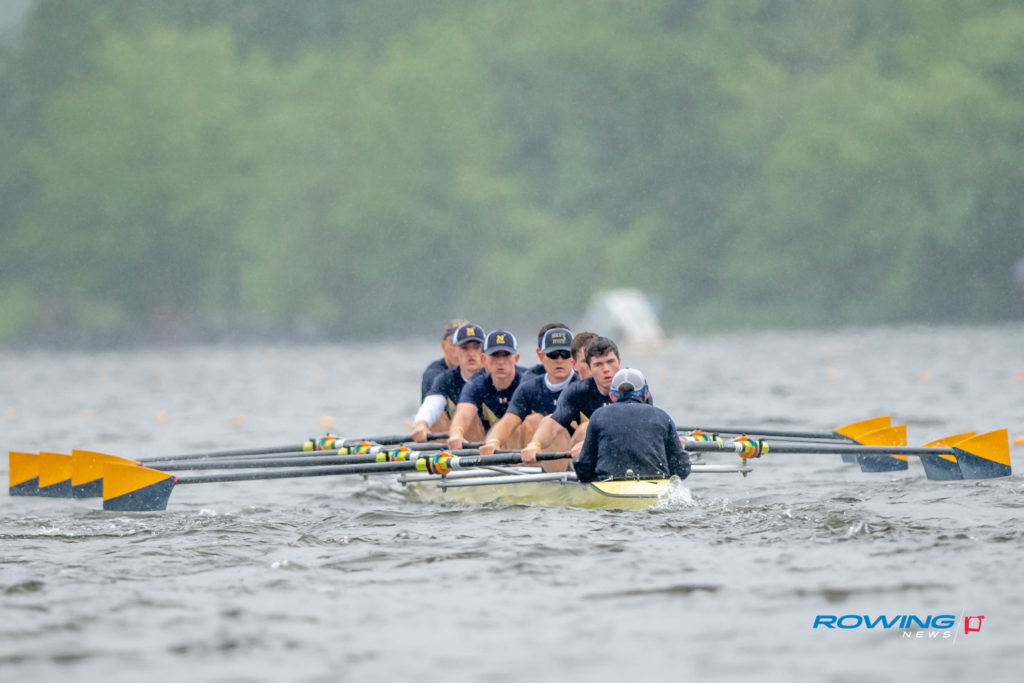
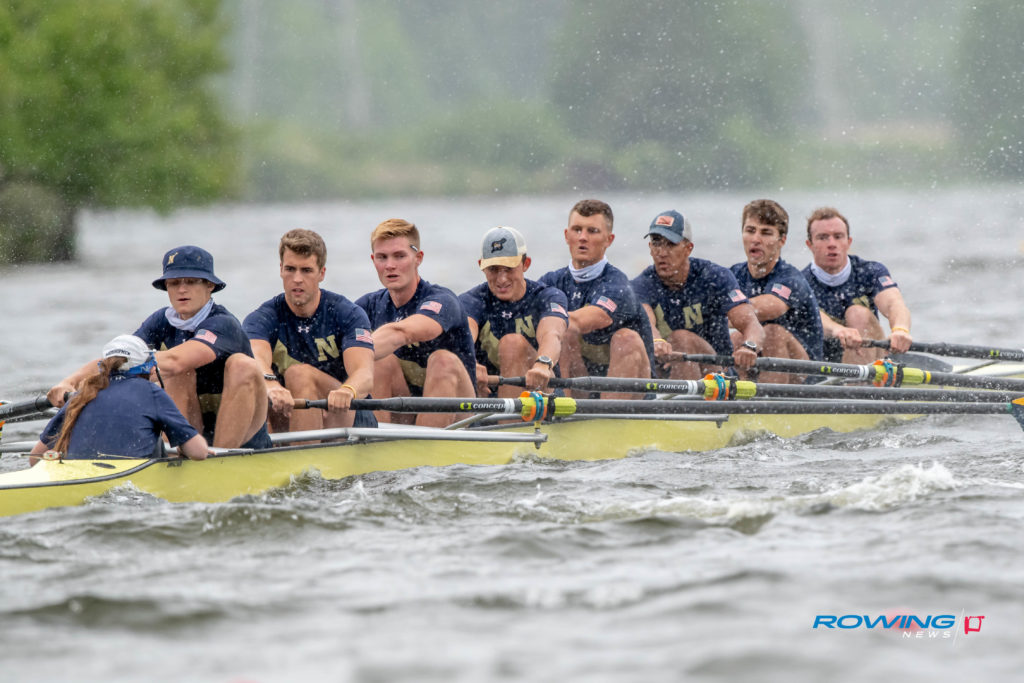
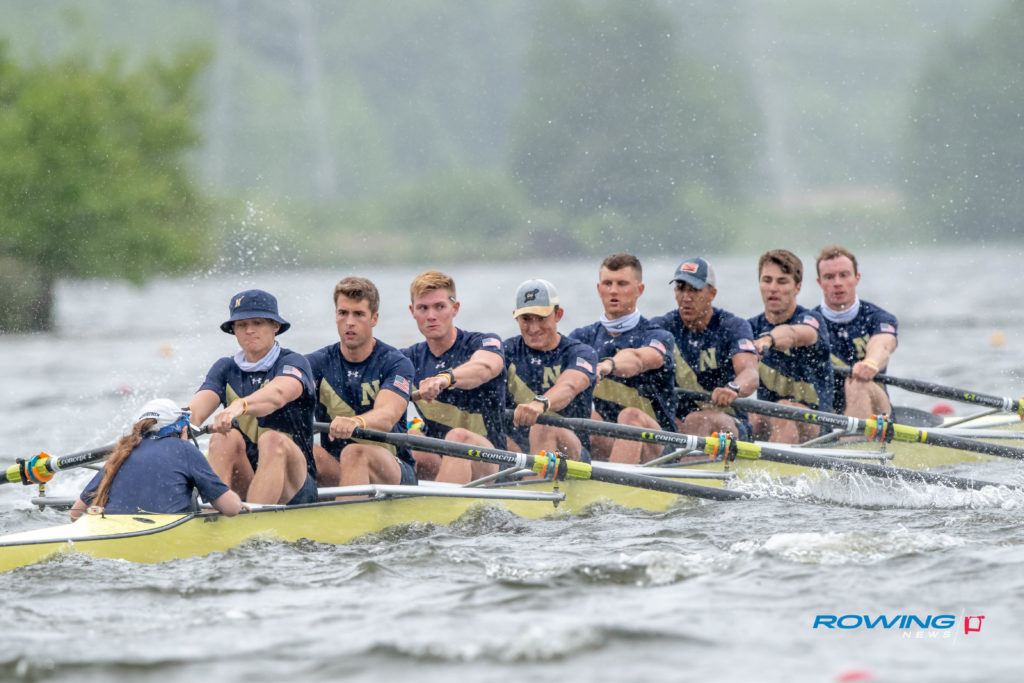
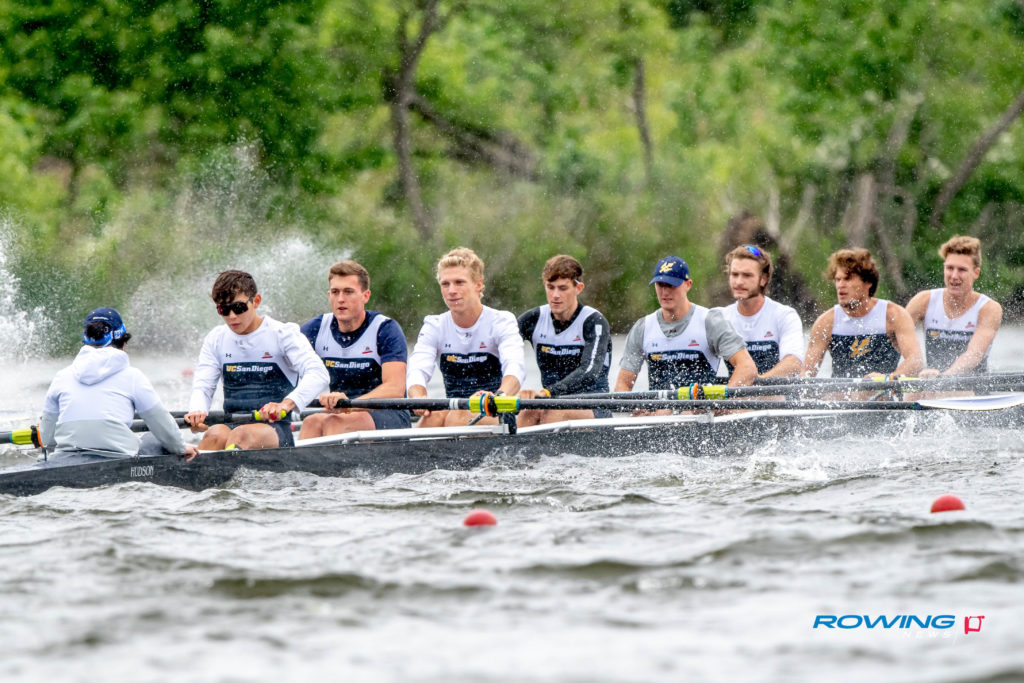
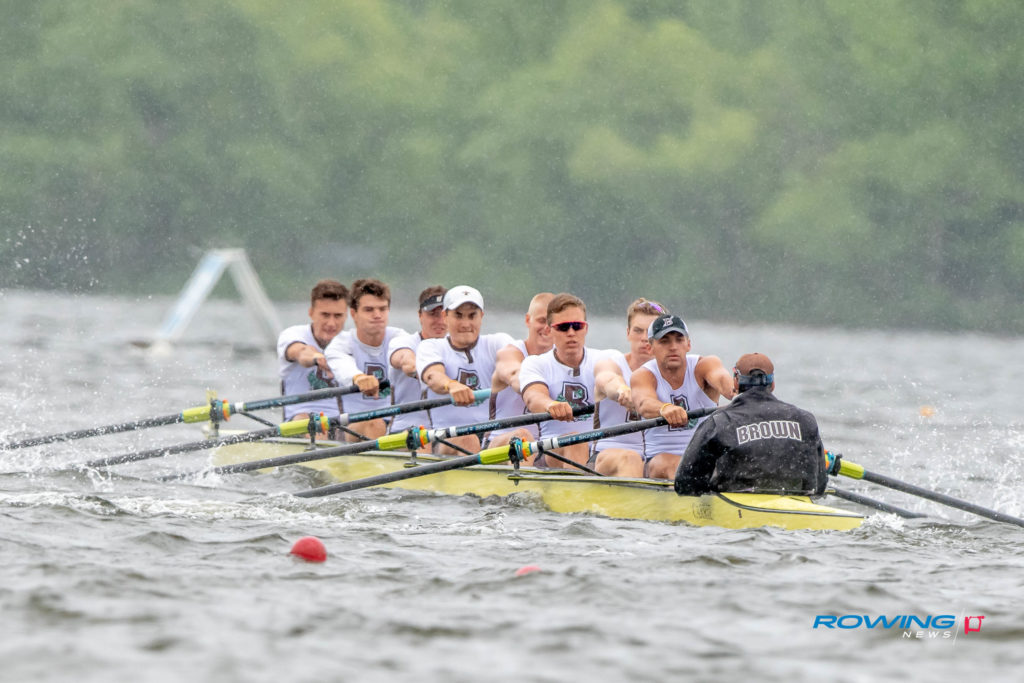
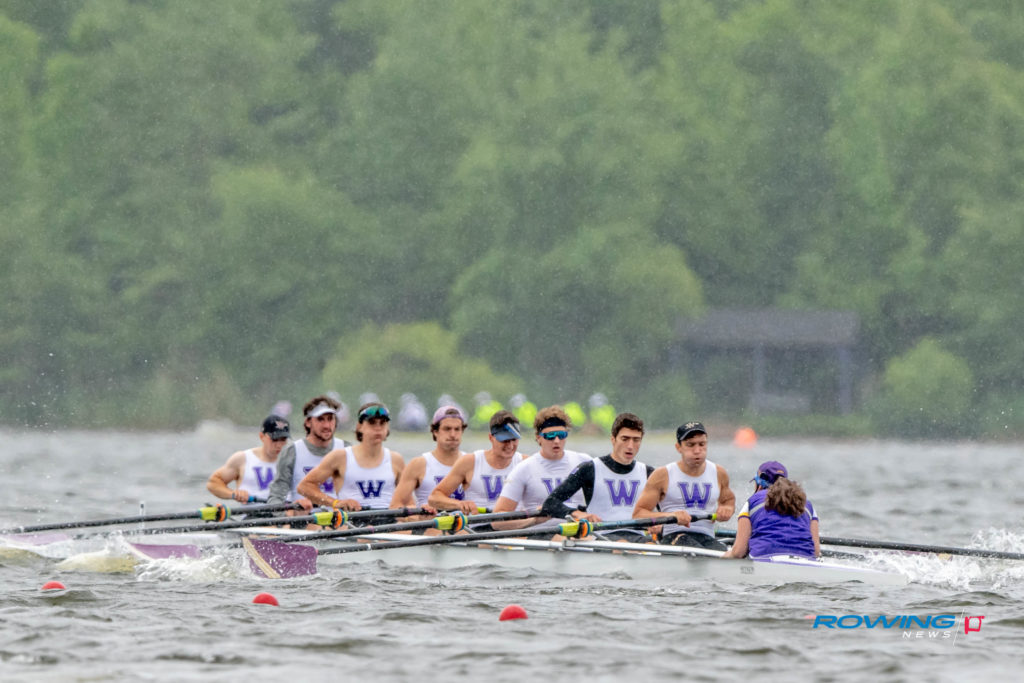
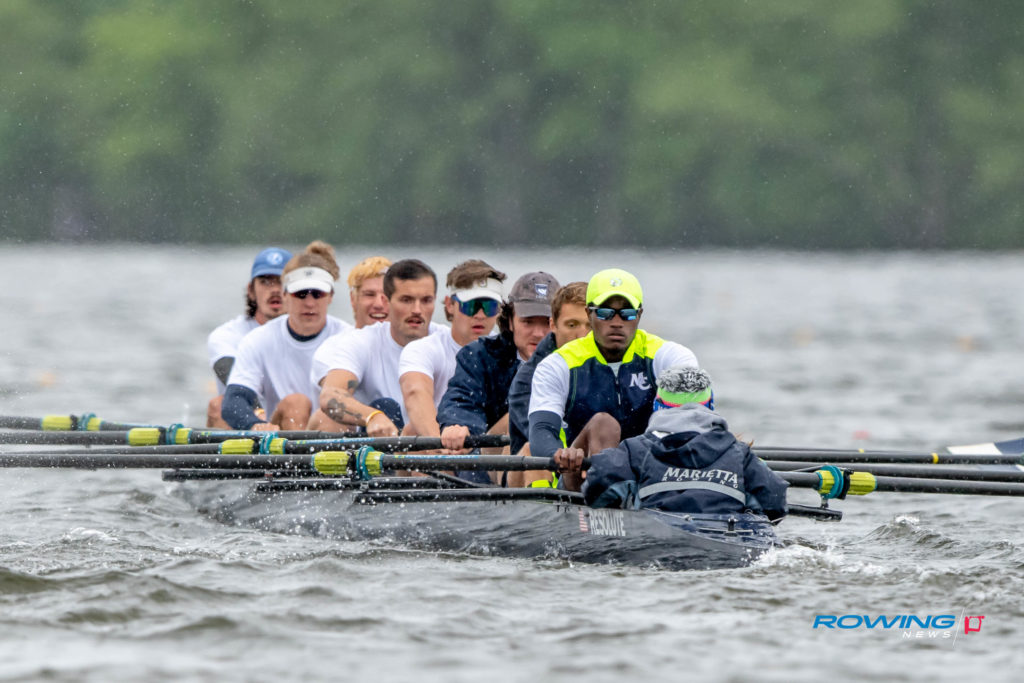
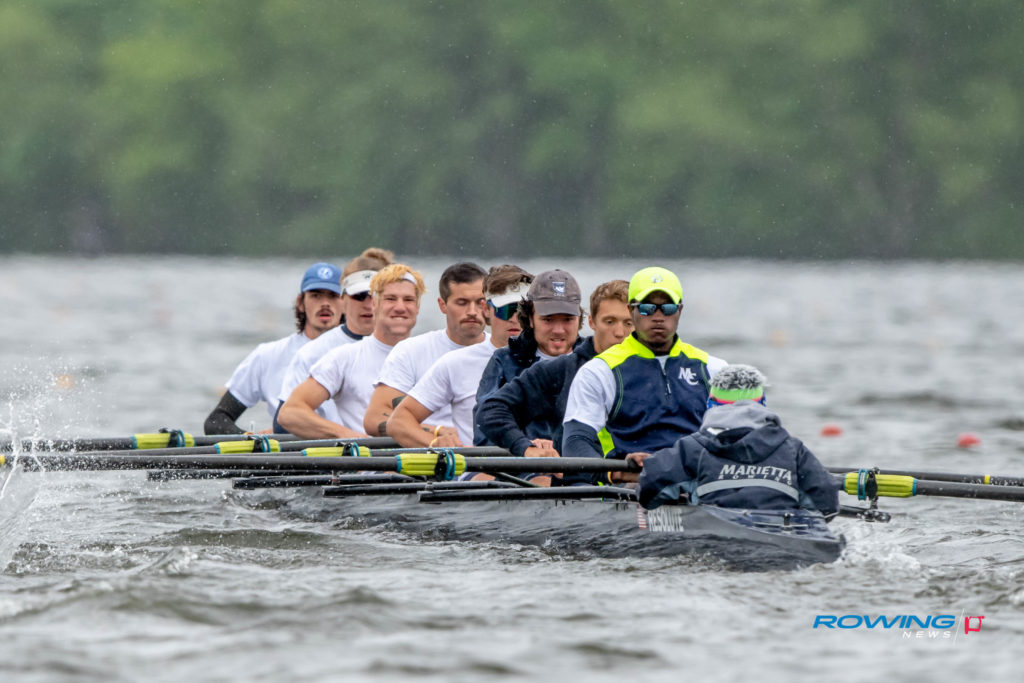
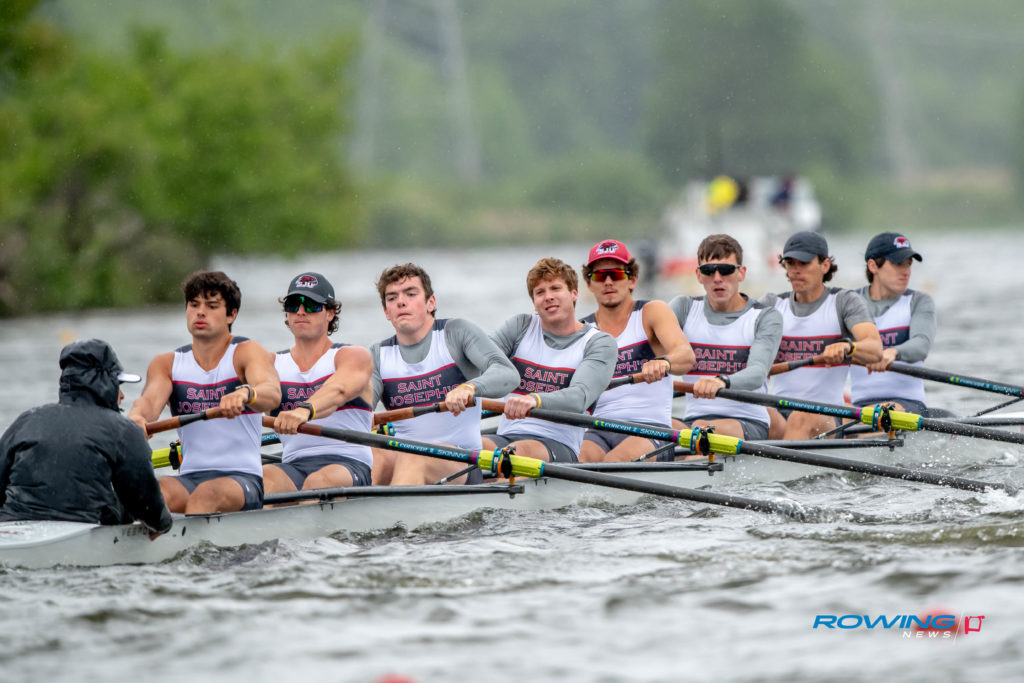
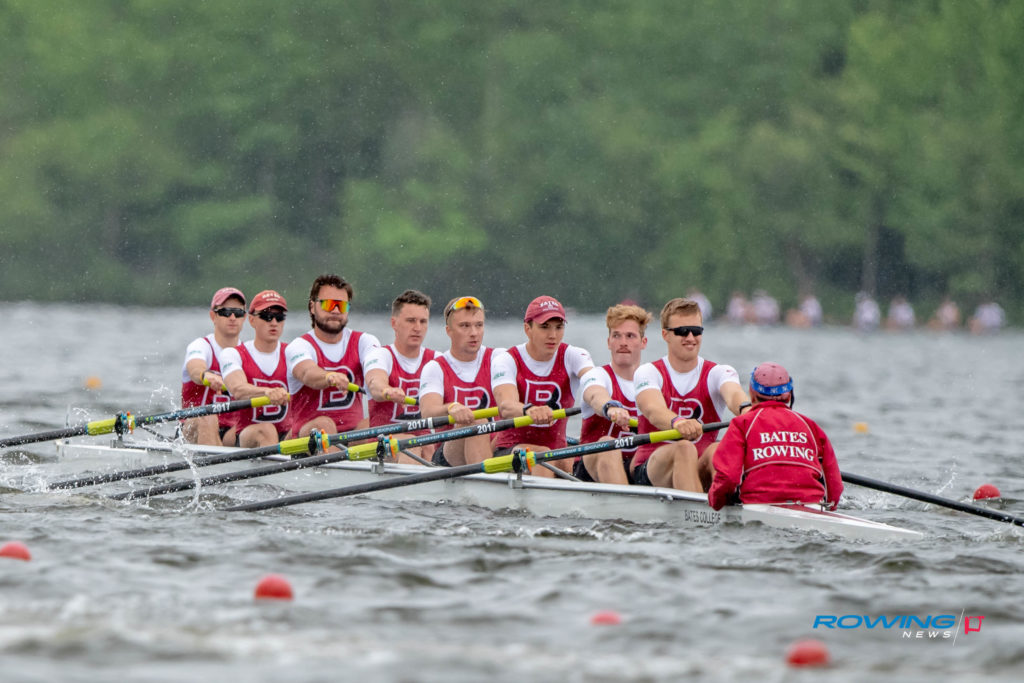
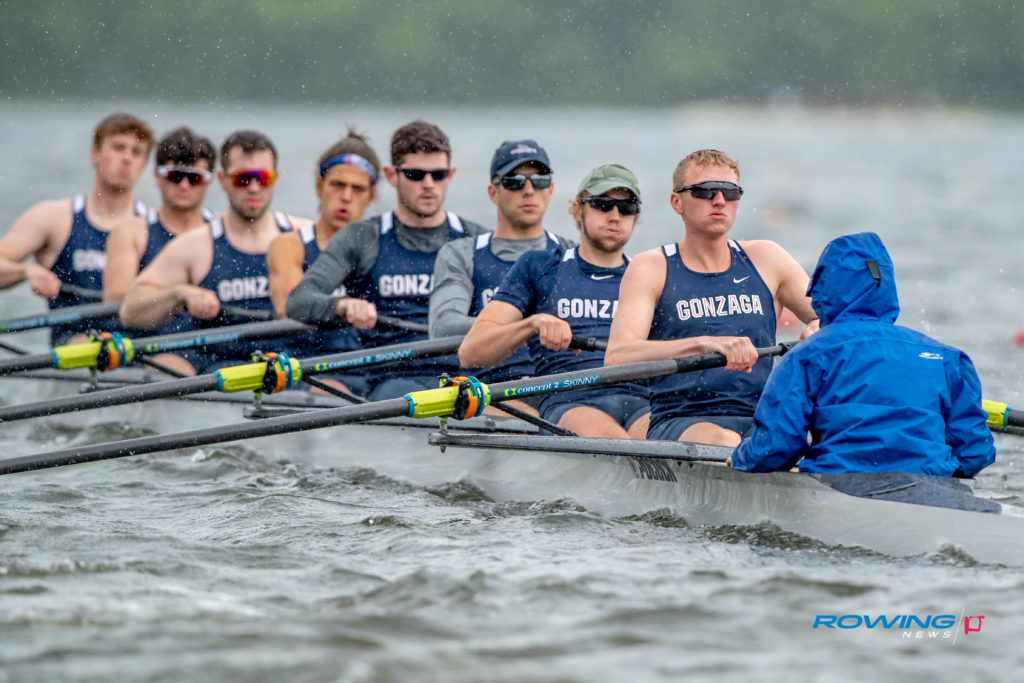
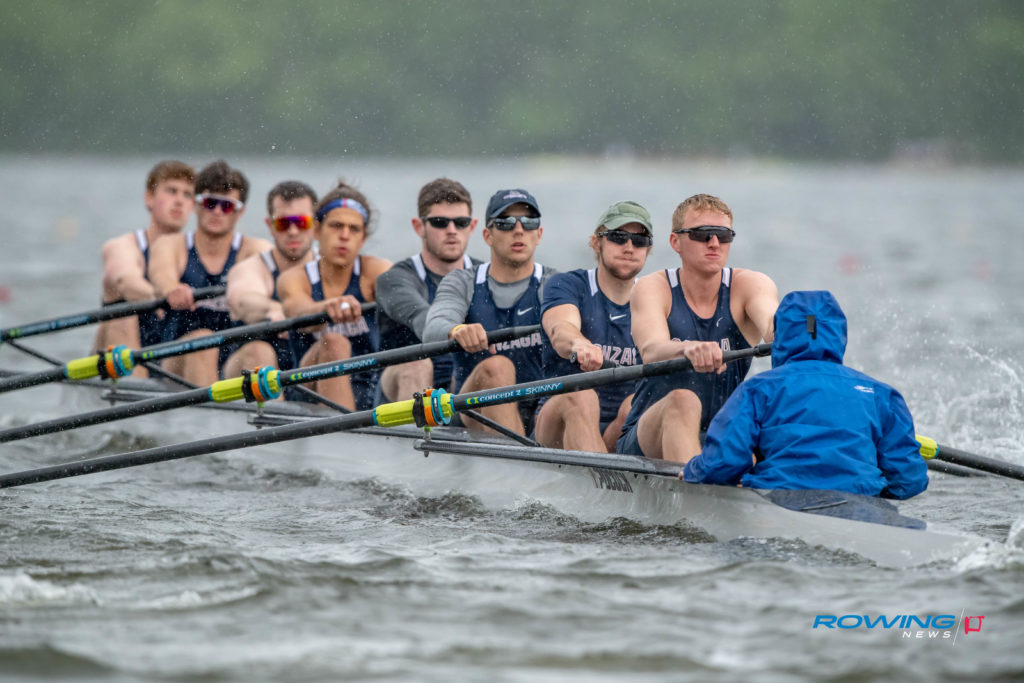
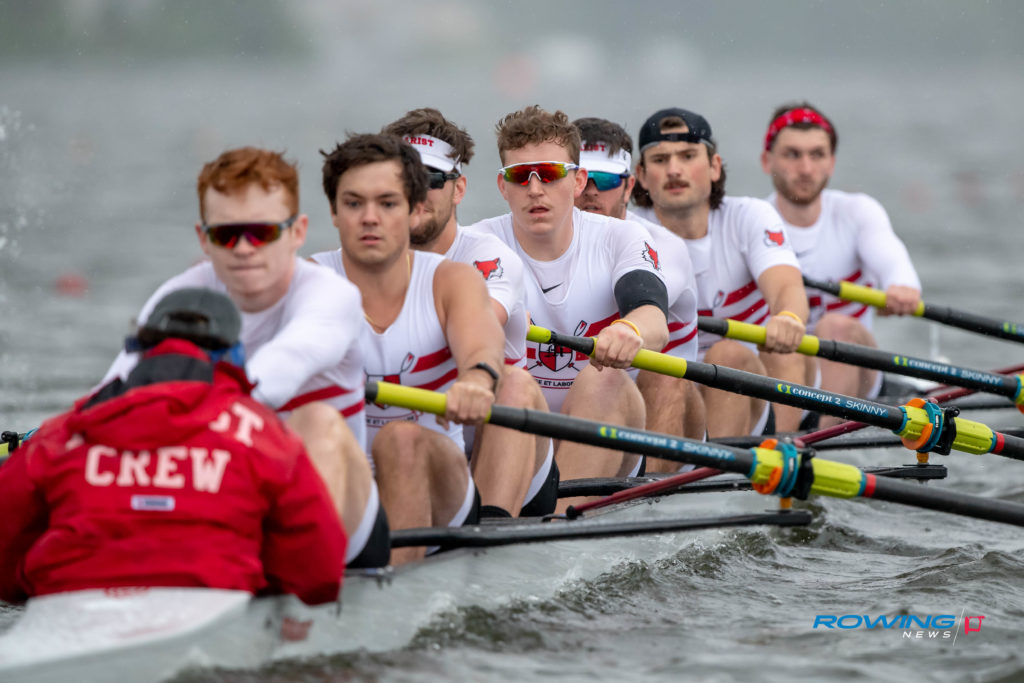
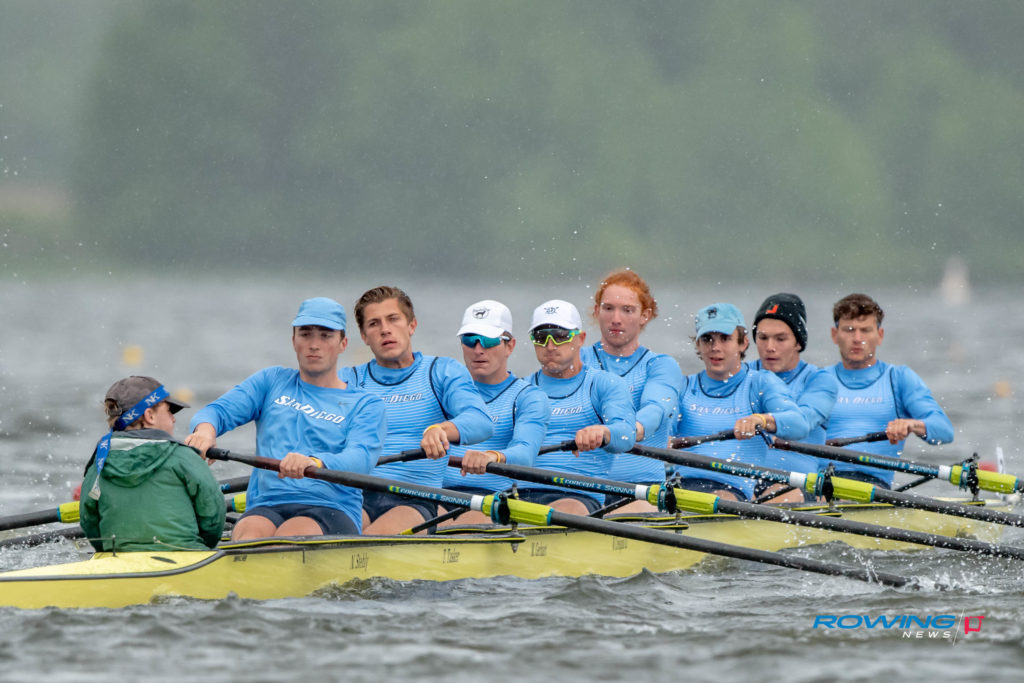
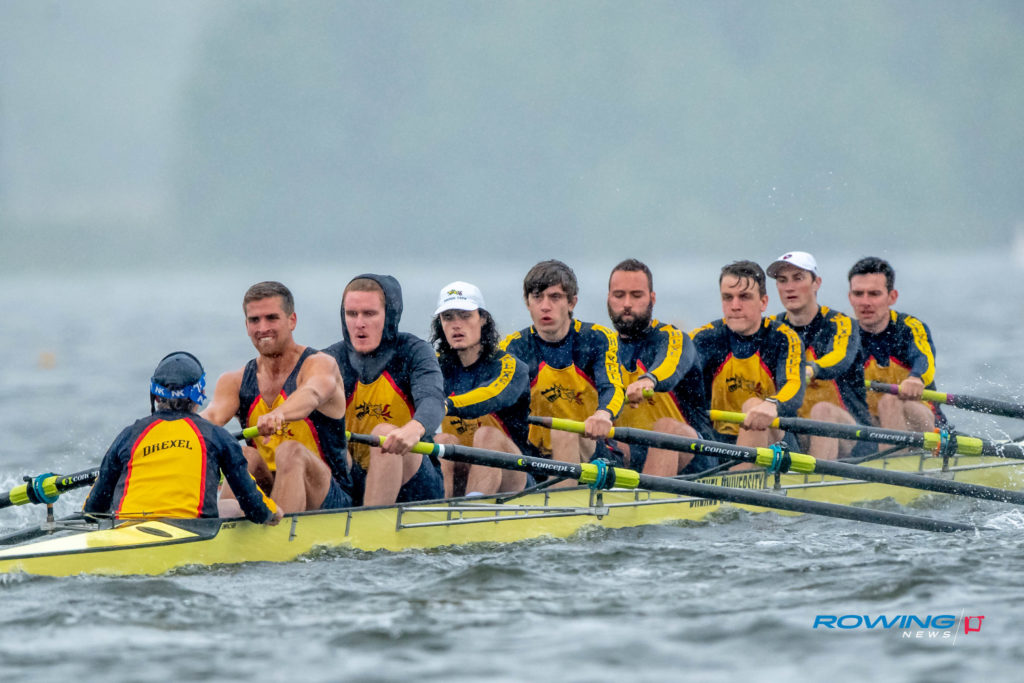
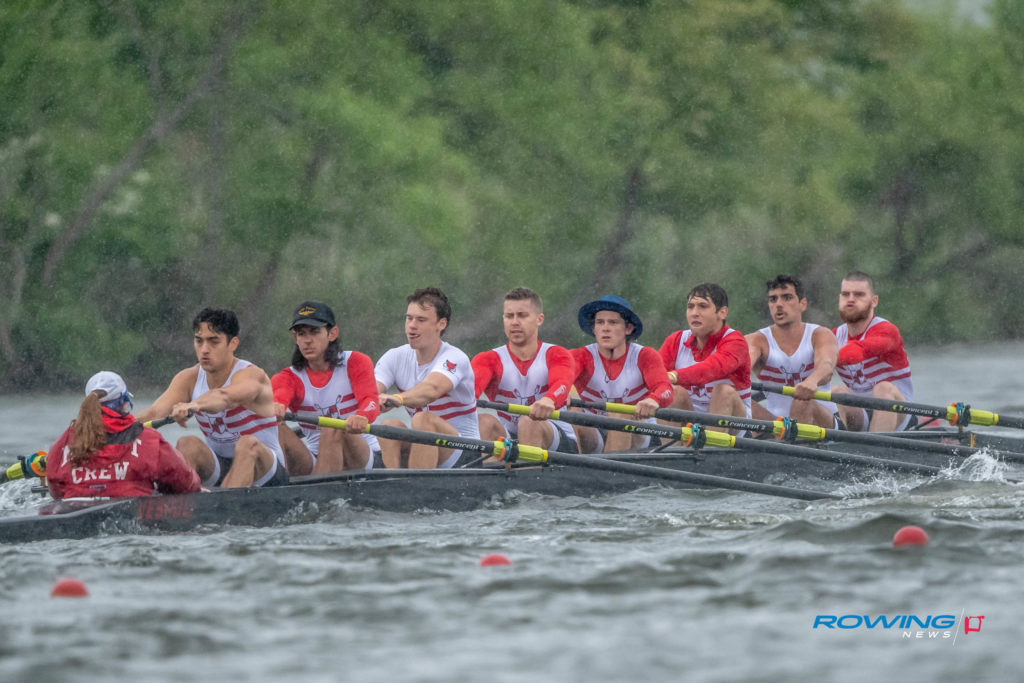
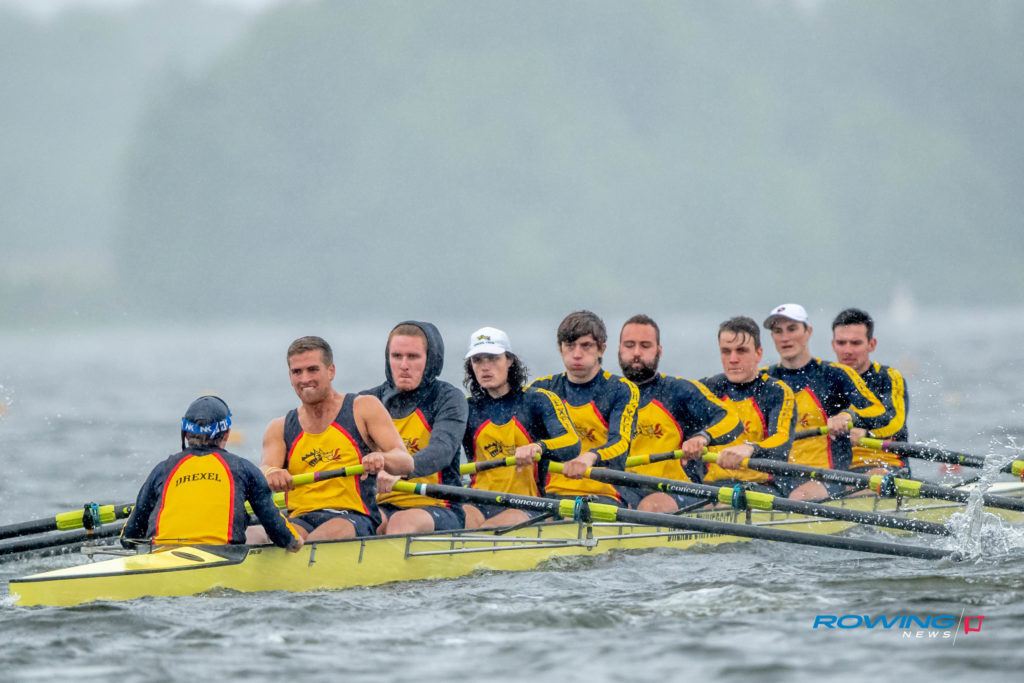
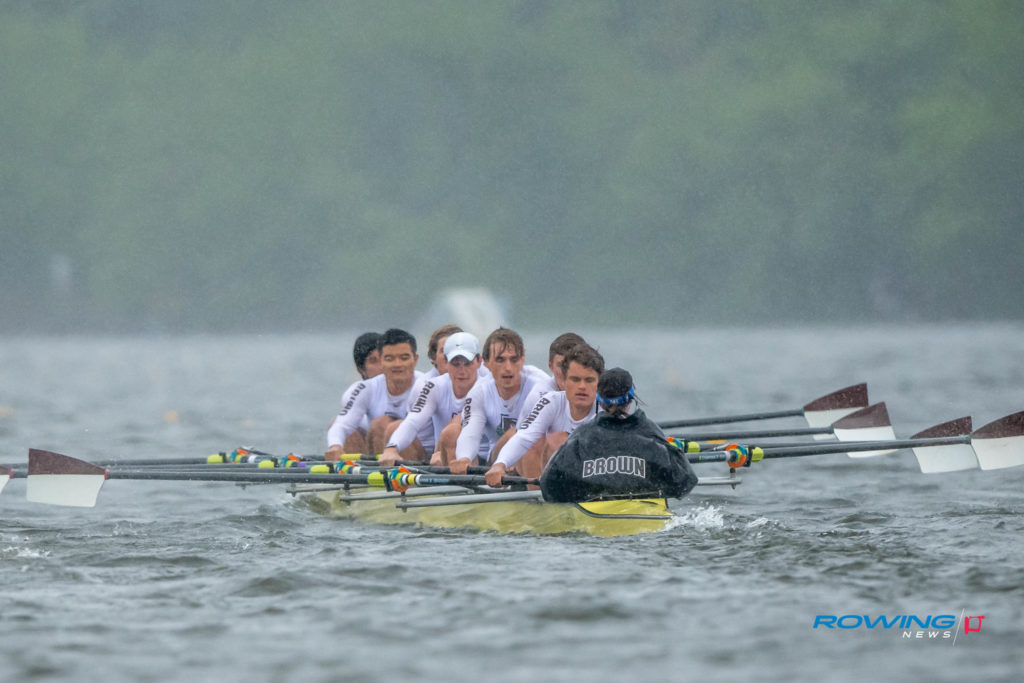
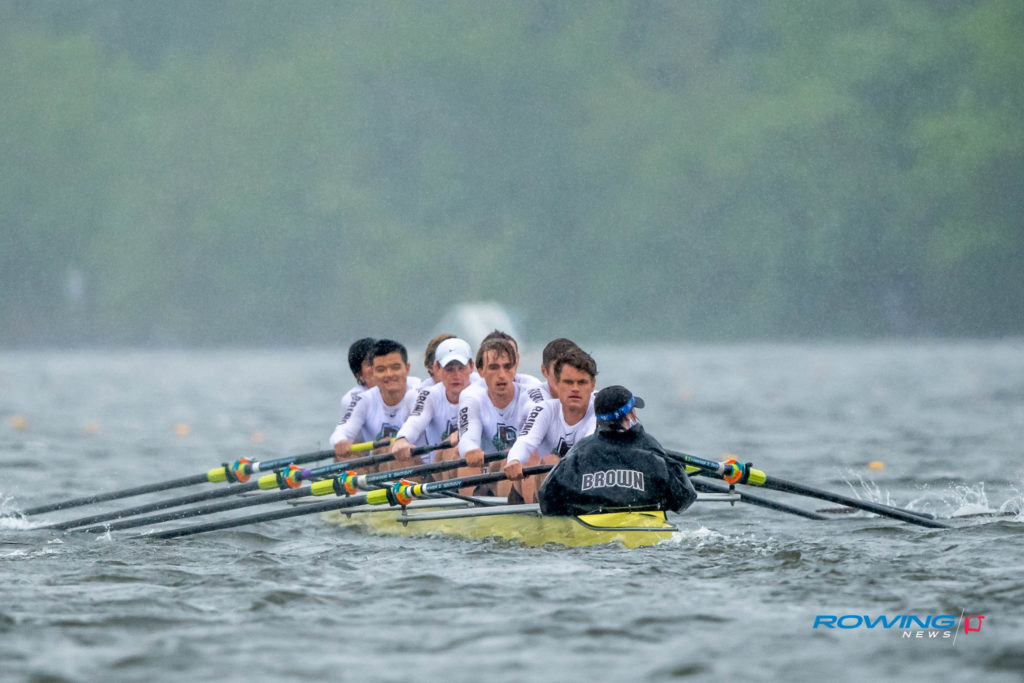
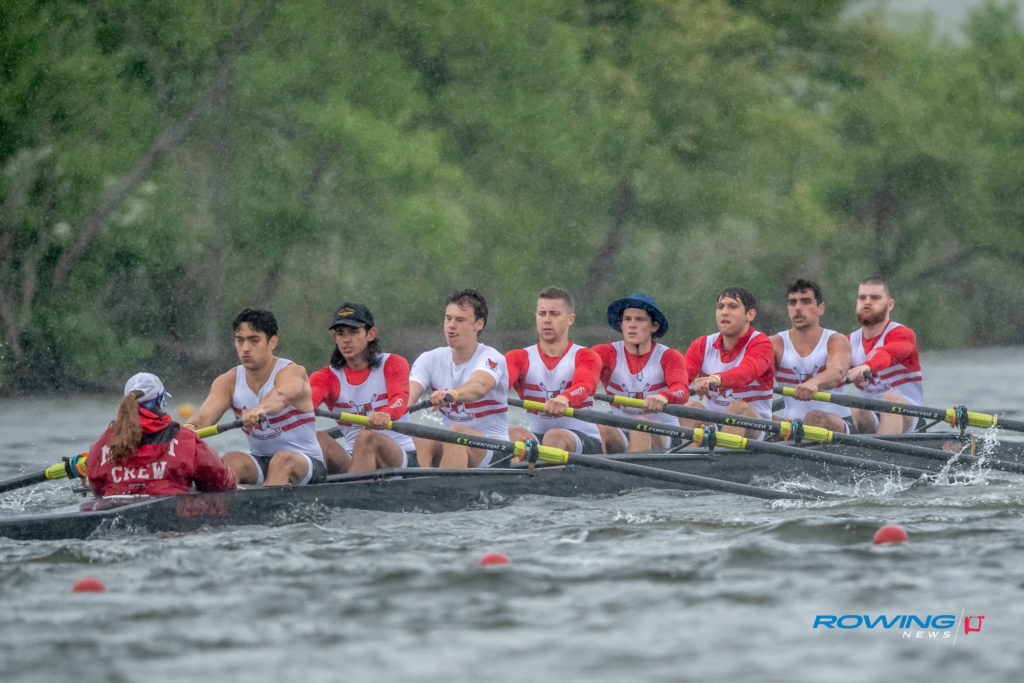
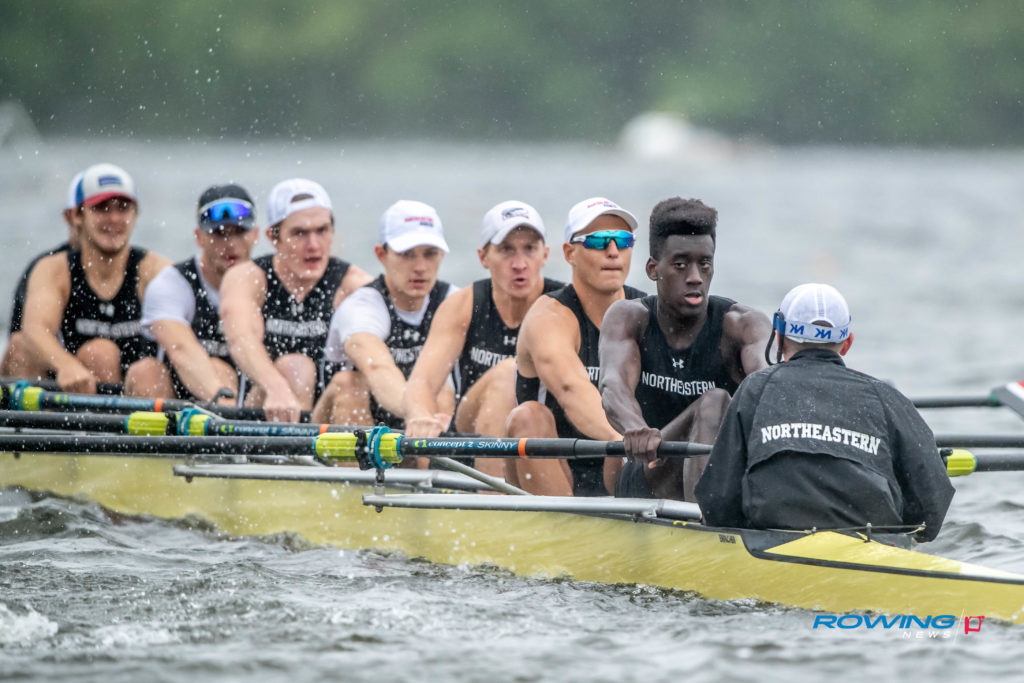
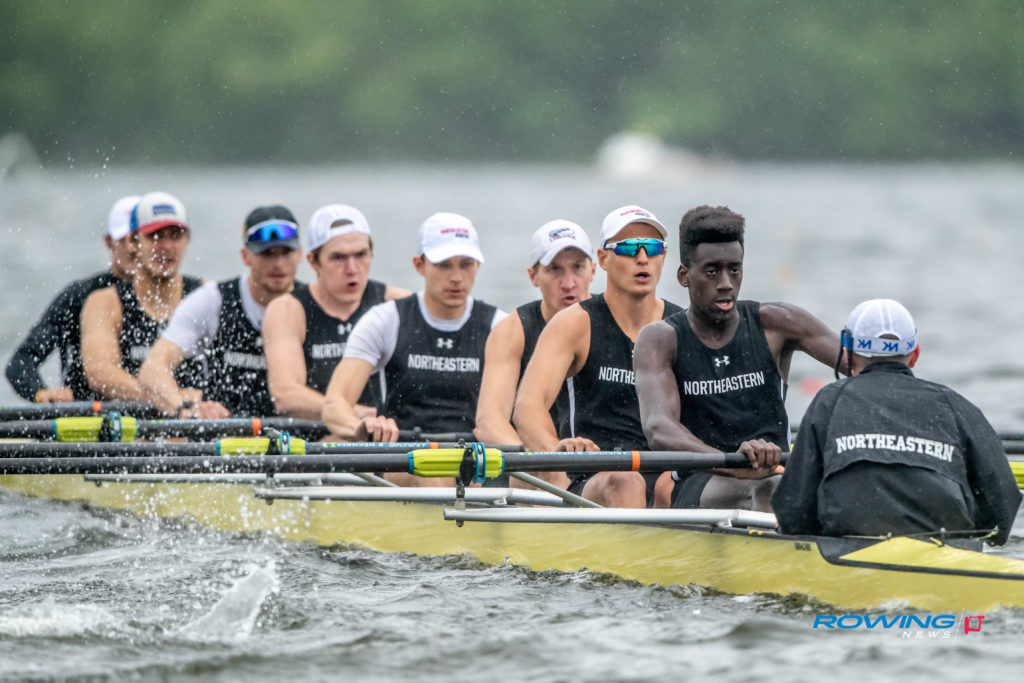
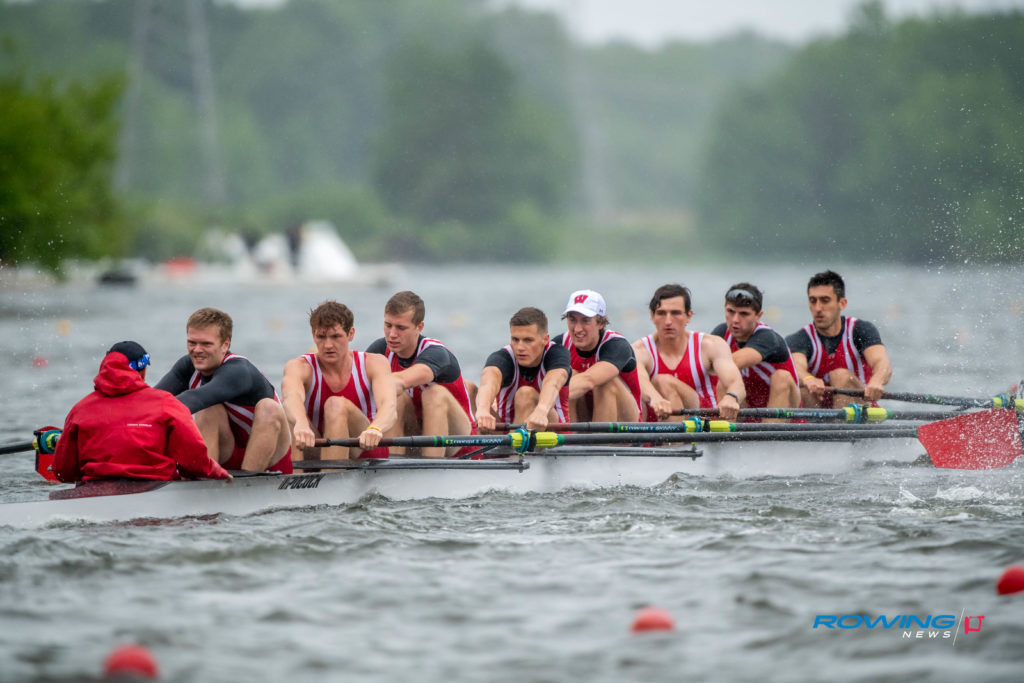
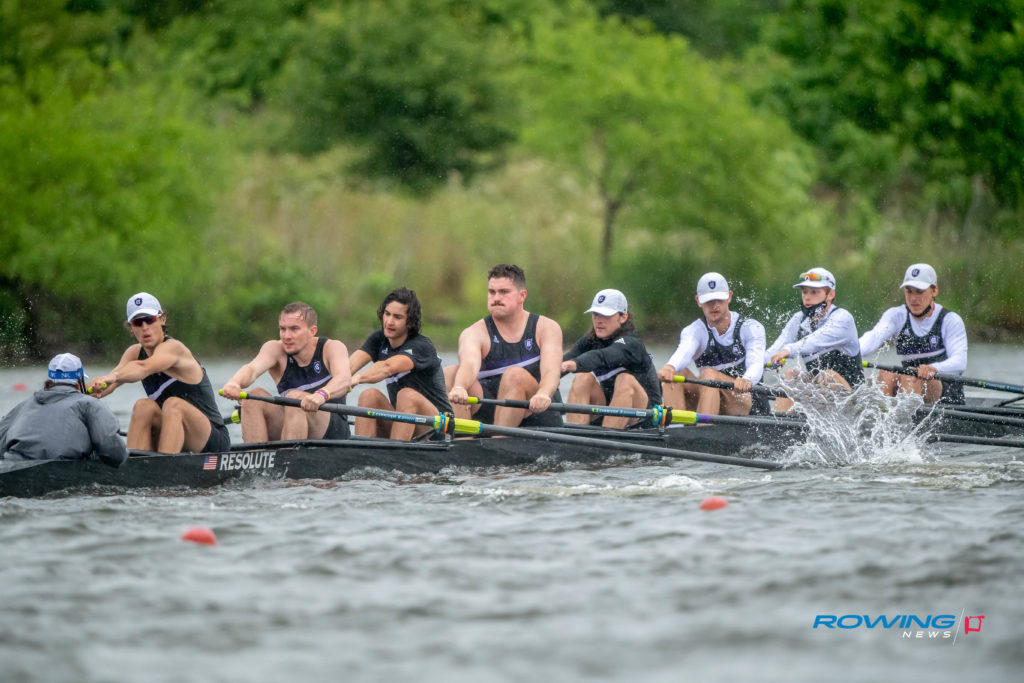
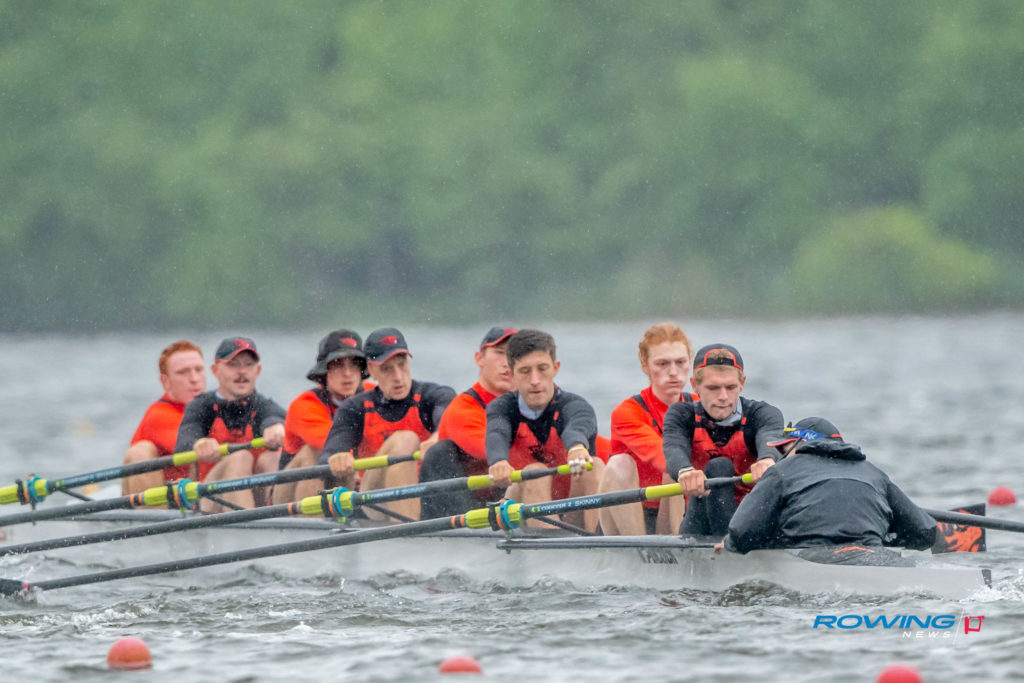
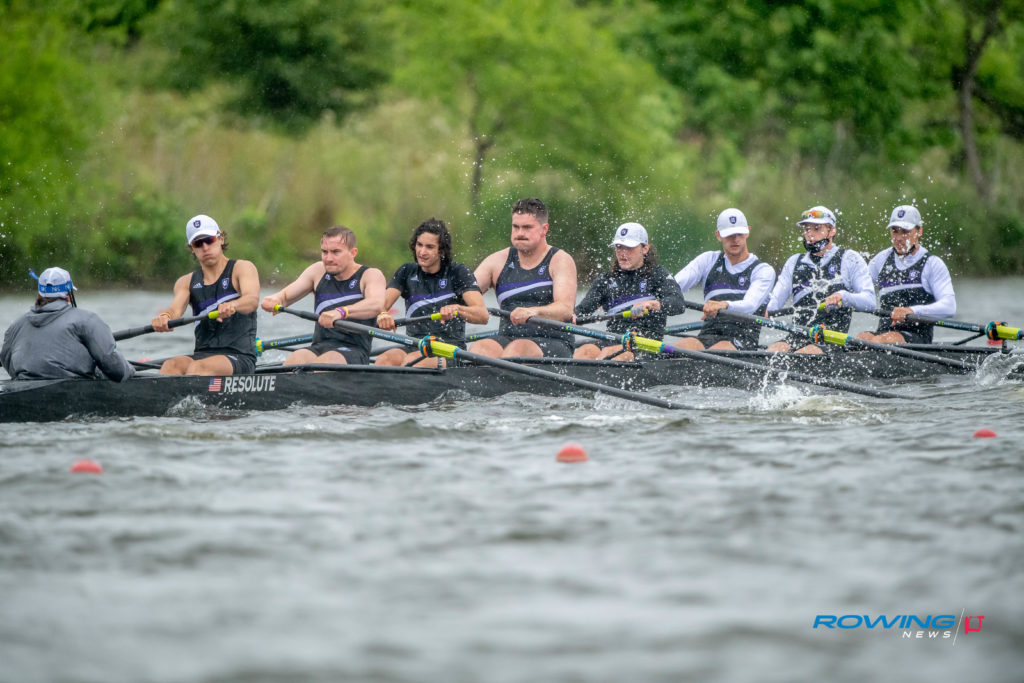
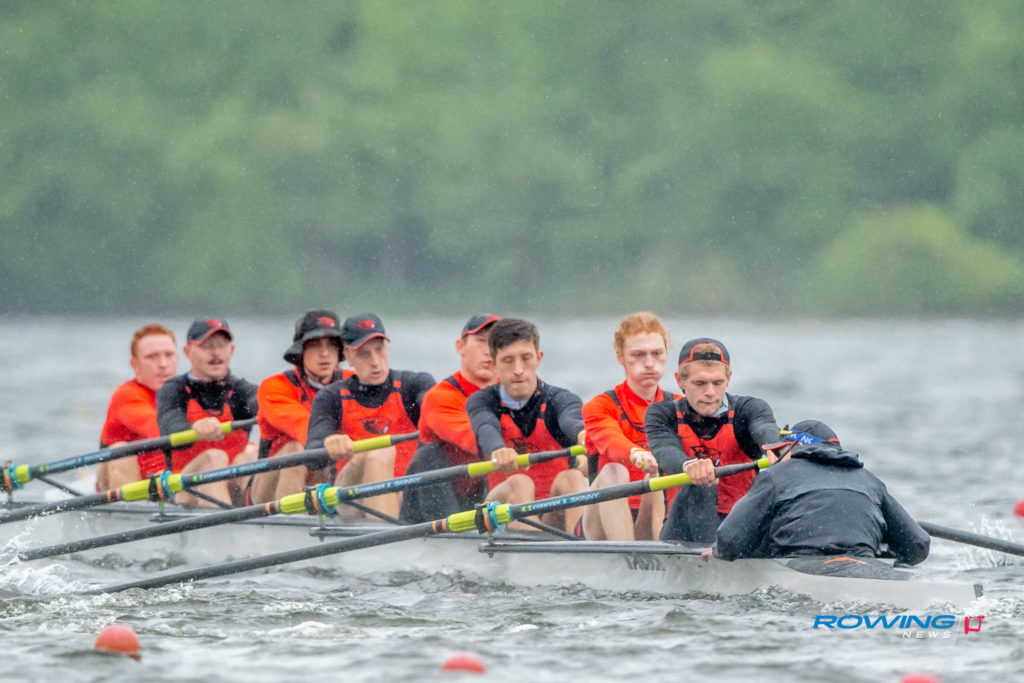
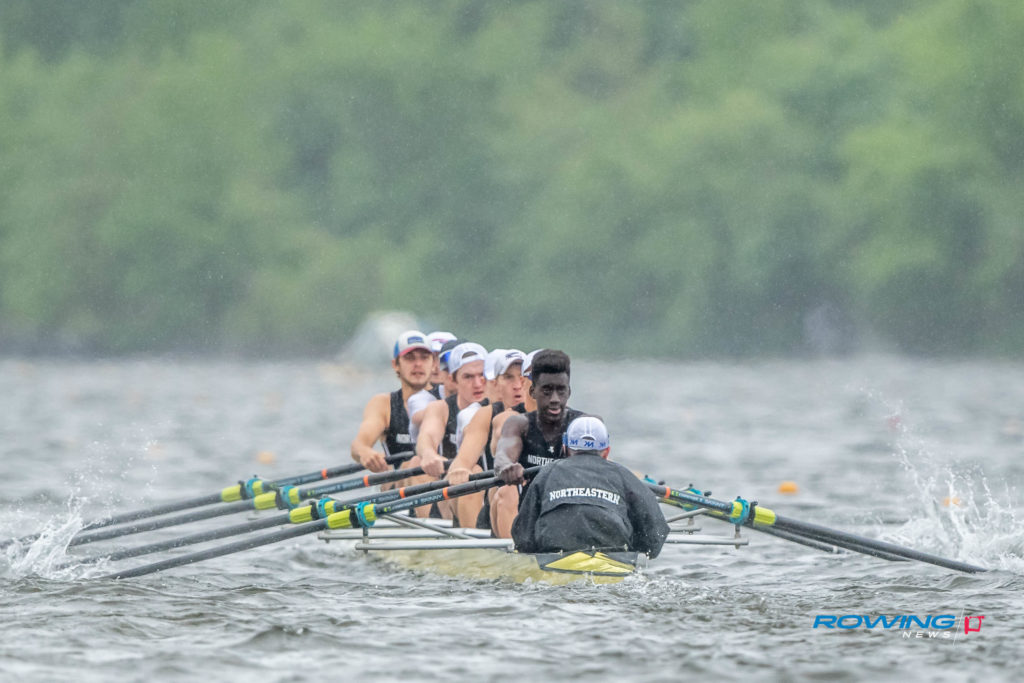
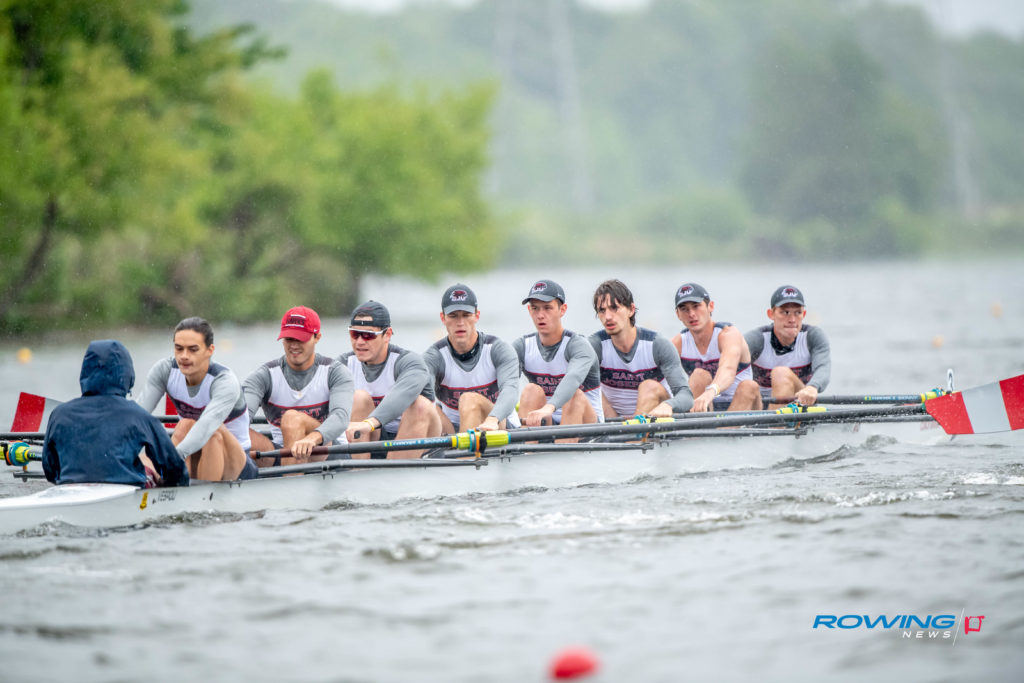
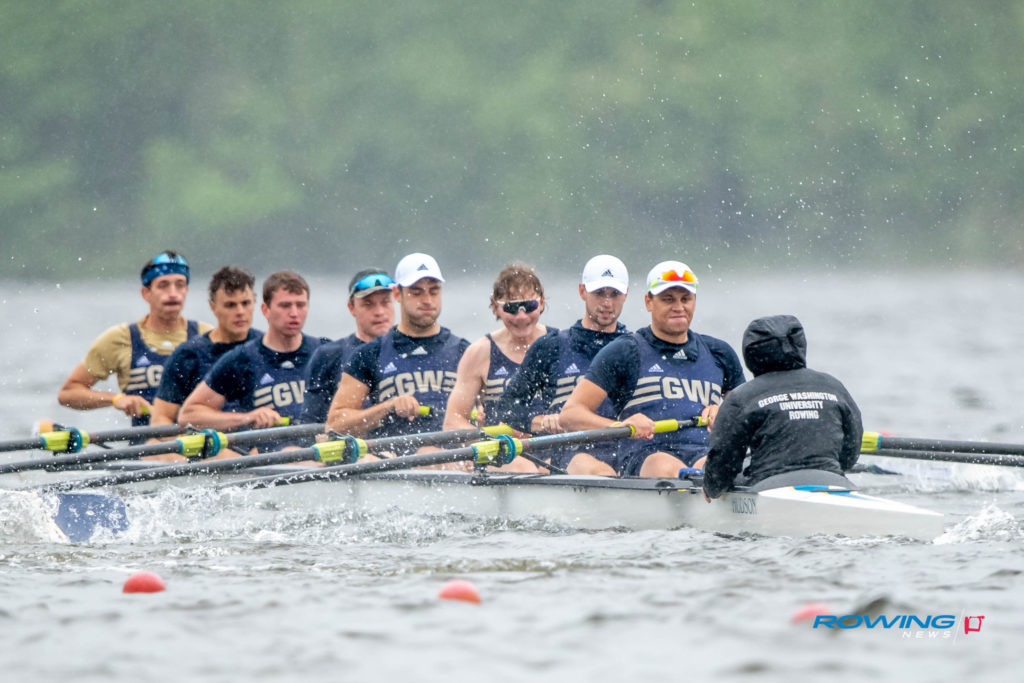
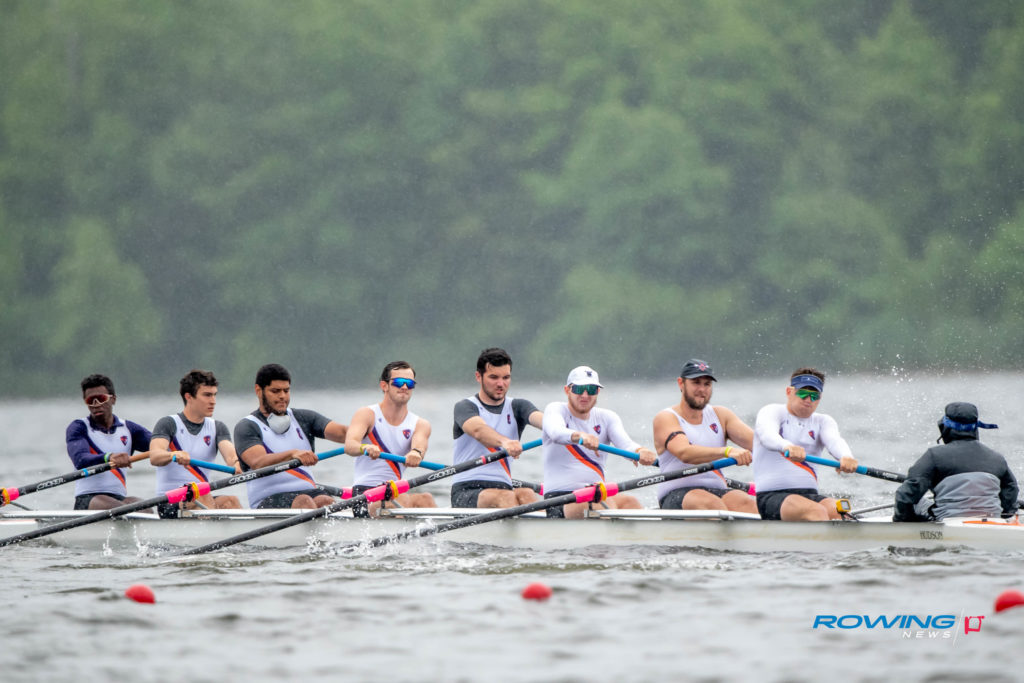
Throughout the last 12 months, the coaches of men’s collegiate lightweight programs across the country have pulled together to ensure that nothing from the present moment would be wasted. And sure, while they have worked tirelessly to motivate and provide opportunities for their student-athletes, even when multiple seasons have been canceled, what they’ve worked toward is even bigger than an IRA crown.
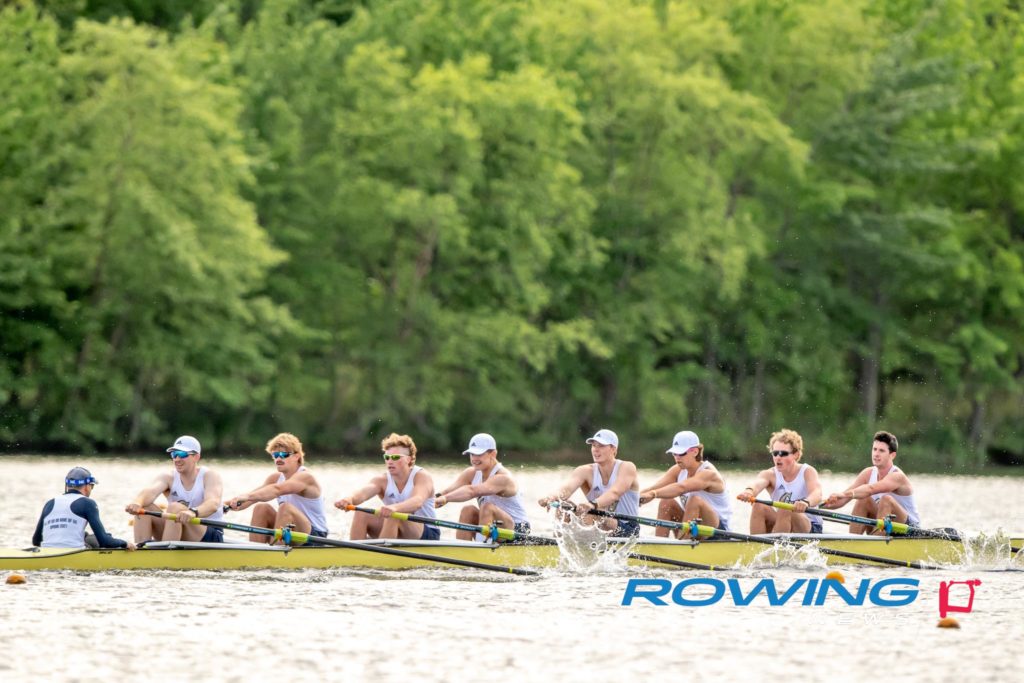
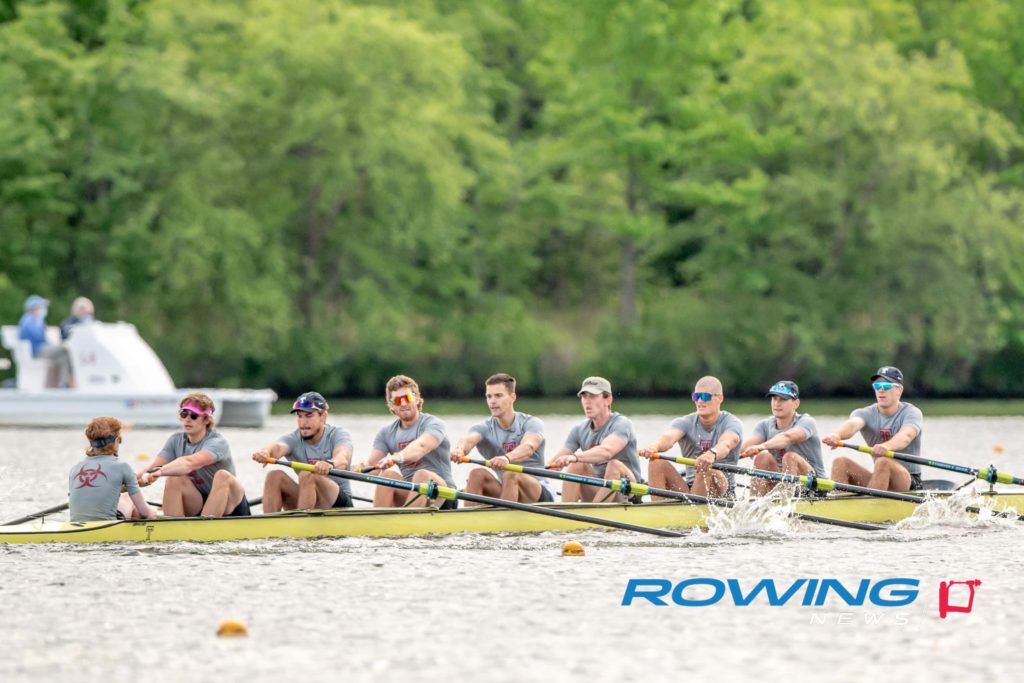
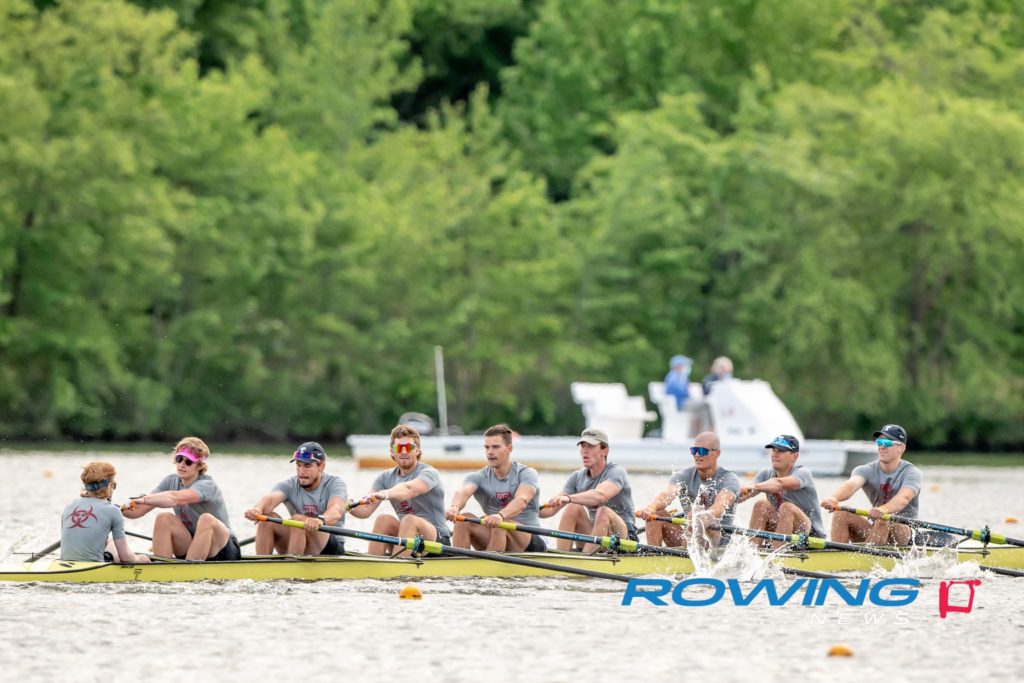
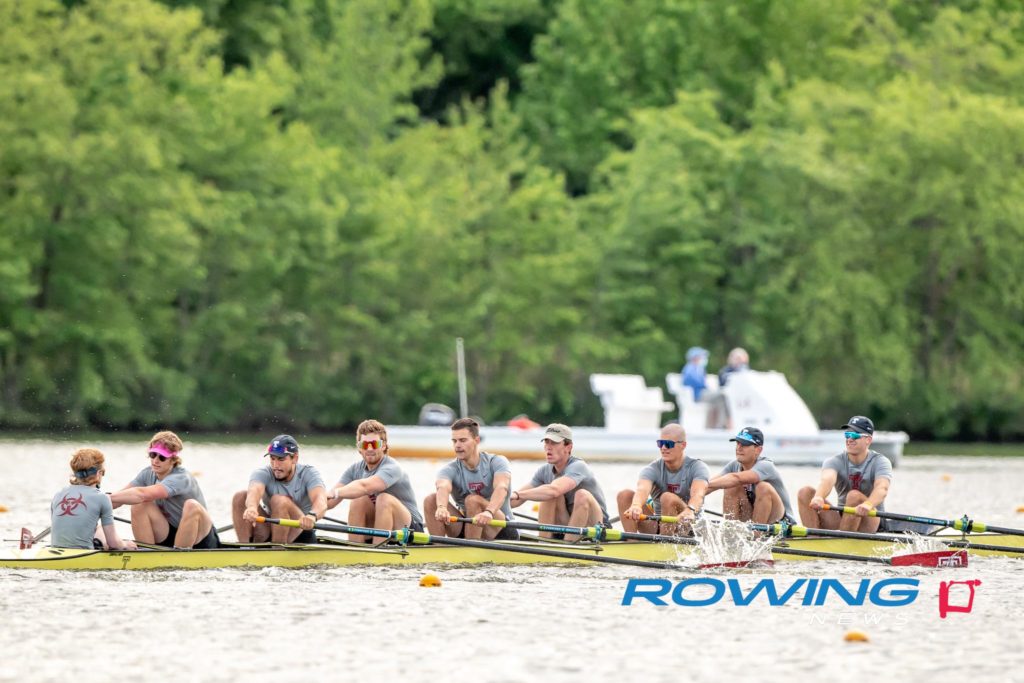
Lightweight rowing has a unique and storied history in the United States. And while recent years have perhaps caused some to wonder what its future might look like, these coaches representing collegiate programs large and small, old and new, club and varsity, have assembled repeatedly via conference call because, amid the crises of the present day, they see opportunity.
“We want to expand the sport,” said Andy Card, head coach of the Yale lightweights for the past 32 years. “There’s a place for it in the pantheon of American sport. It might be that a powerhouse emerges that’s not in the Ivy League and challenges us to raise our game. That’s kind of what all the coaches are into. It’s like Formula 1 racing–you try to get more speed out of the same car. If more people are doing it, it’s more exciting.”
What has emerged from these conversations are ideas worth exploring, best practices worth sharing, and excitement that is contagious just by talking with these coaches.
As collegiate lightweight rowing enters its second century, these coaches may very well be ushering in a new and expansive era. Who could have imagined that a pandemic might do that?
Where It Began
At the collegiate level, lightweight rowing started more or less at the beginning. In the first Oxford-Cambridge boat race in 1829, the athletes representing these universities were smaller than those racing on the Thames today.
“We don’t have weights for the Oxford crew, but the Cambridge crew were basically lightweights. They averaged 155 pounds,” said Tom Weil, a rowing historian, collector of rowing artifacts, and a former Yale lightweight himself.
Weil’s research has shown that in the early eras of the famed Harvard-Yale race, the athletes’ average weight was roughly the same as present-day lightweight rowers.
“Amateur rowing was pioneered by guys who we consider lightweights,” he said. “The reason they didn’t have bigger guys is bigger guys couldn’t pull their weight. As medicine, health and cultural things developed, people got bigger, stronger and in better shape. Competing for a seat in a varsity boat came to be out of reach for a guy who was in the 150-pound range.”
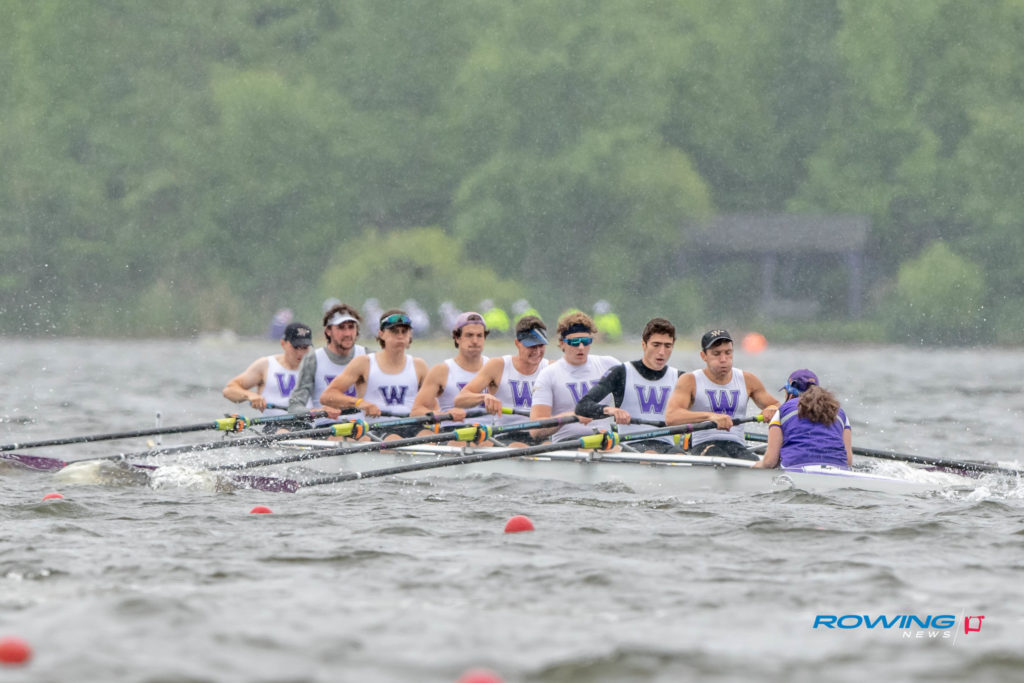
In the early 1900s, it was the Canadians who pioneered lightweight rowing as an explicit racing category. In the United States, legendary University of Washington Coach Hiram Conibear opened up his program in 1914 to “lighter-weight aspirants, those weighing from 130 to 150 pounds.” On the East Coast, Canadian Olympian Joseph Wright, who had taken over as head coach at the University of Pennsylvania, organized the first lightweight crew in 1917. Two years later, after World War I ended, the first intercollegiate lightweight-rowing contest in the U.S. was held at the American Henley on the Schuylkill.
When it was founded in 1946 and staged the first Eastern Sprints, the Eastern Association of Rowing Colleges included events for lightweight crews. “That was not something the lightweights had to break into,” Weil said. And while no explicit lightweight event is held at the Henley Royal Regatta, Princeton University fielded the first U.S. lightweight crew to win at Henley when it claimed the Thames Cup in 1948.
After the colleges and clubs pioneered it, lightweight rowing gradually expanded at both the junior and international level throughout the 1970s. FISA added lightweight events to the world championships in 1974, and they were eventually added to the Olympics in 1996.
“Lightweight rowing at the club level has also been very, very important,” Weil said. “Not surprisingly, name three or four of the most famous lightweight men in U.S. history, and they’re guys who rowed for clubs. These are individuals who competed as lightweights for years. A couple made Olympic teams–not as lightweights. They beat out heavyweights to make an Olympic team.”
Women’s lightweight rowing emerged around this time, fueled by passage of Title IX in 1972, with the first EAWRC championship contested in 1976.
Yet although lightweight rowing has enjoyed a presence at both the junior and international level since then, it has waned in recent years. Concerns about the health implications of high-school athletes cutting weight have caused USRowing and regional qualifiers to question whether it should remain a contested category. Today, the men’s and women’s lightweight doubles remain on the Olympic program, but the argument for retaining them to give countries with smaller athletes an avenue into the sport has fallen out of favor with the International Olympic Committee.
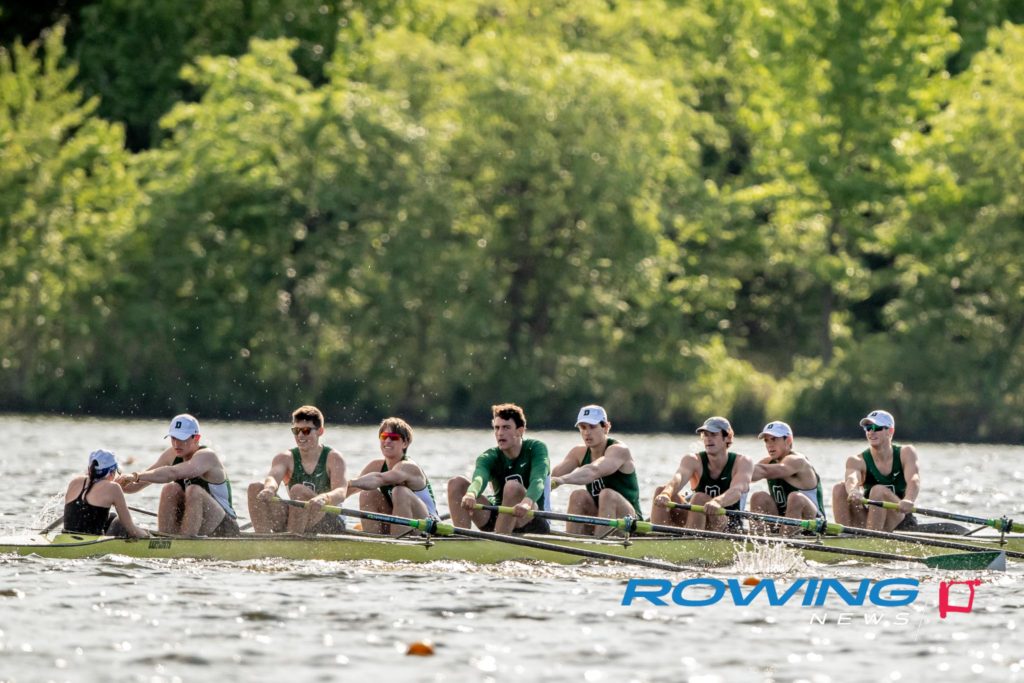
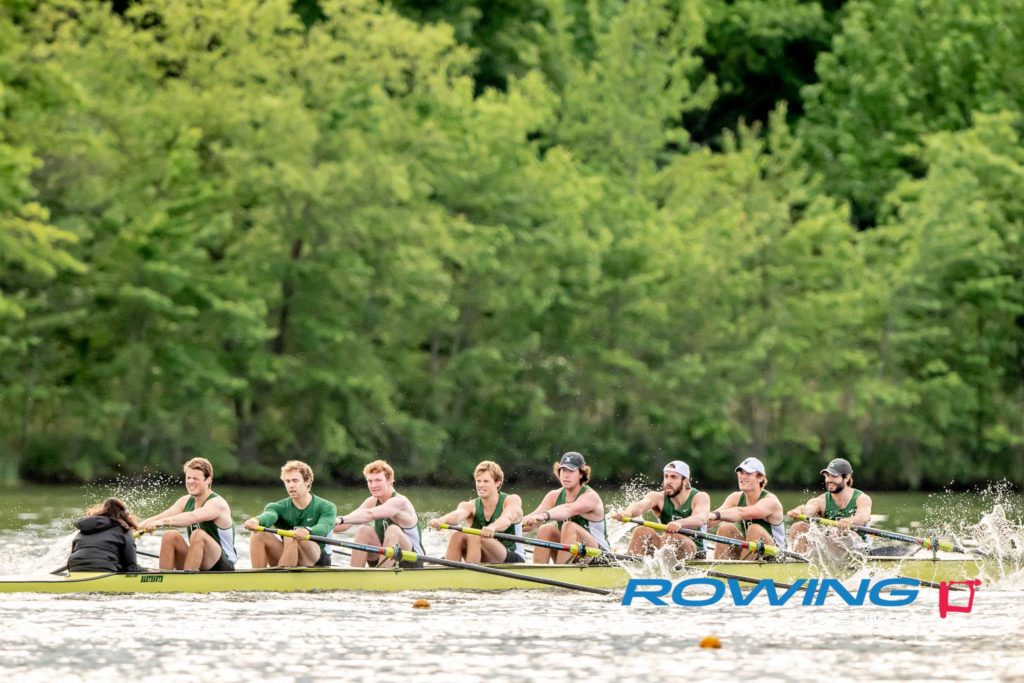
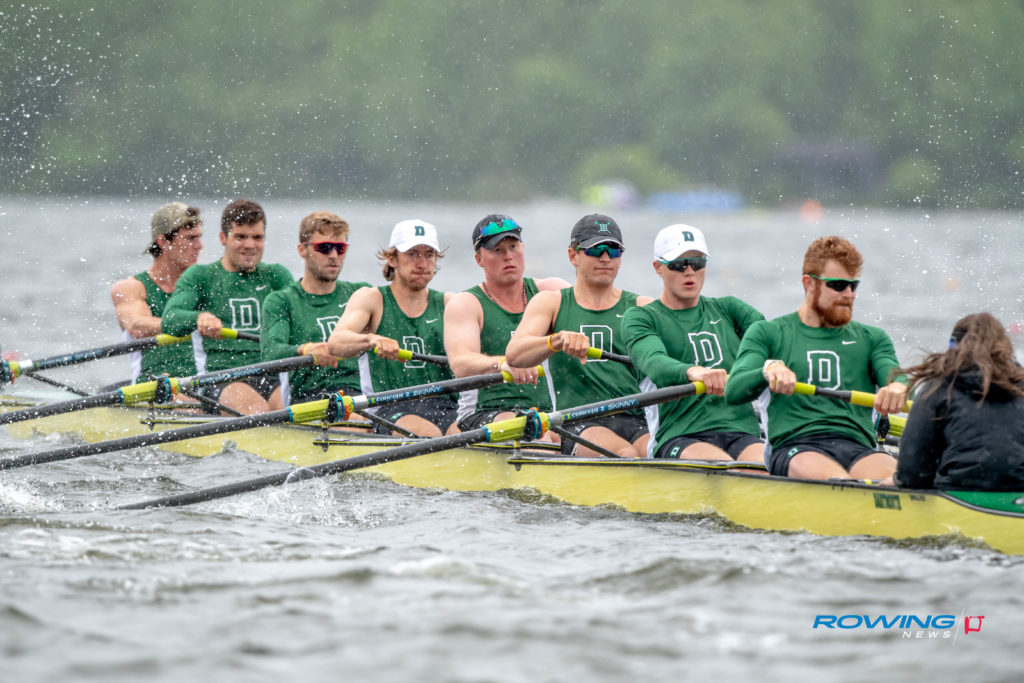
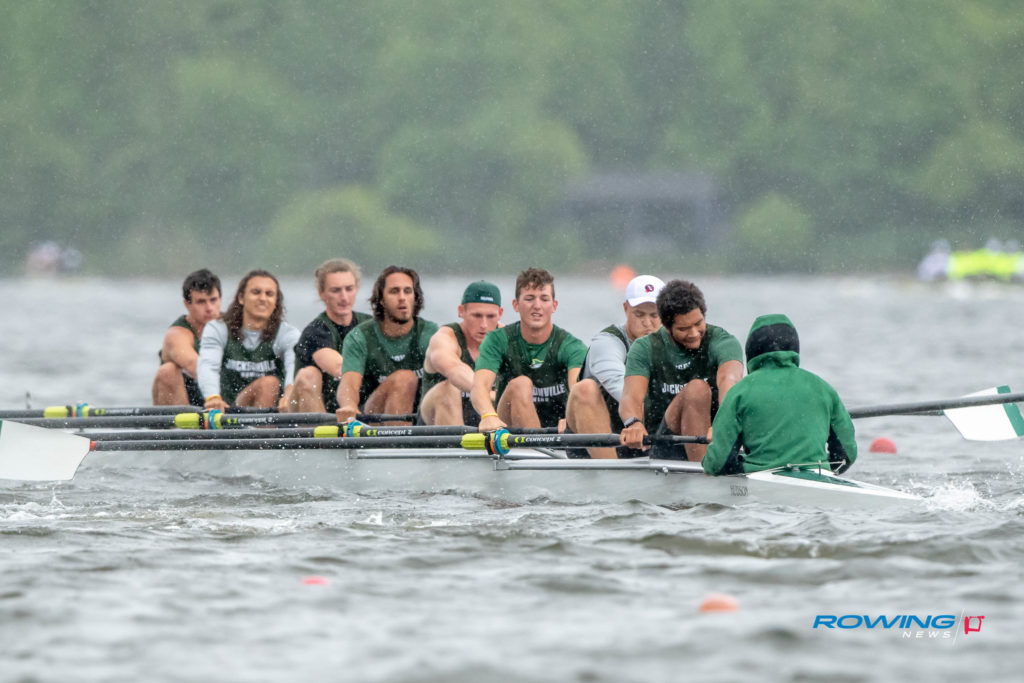
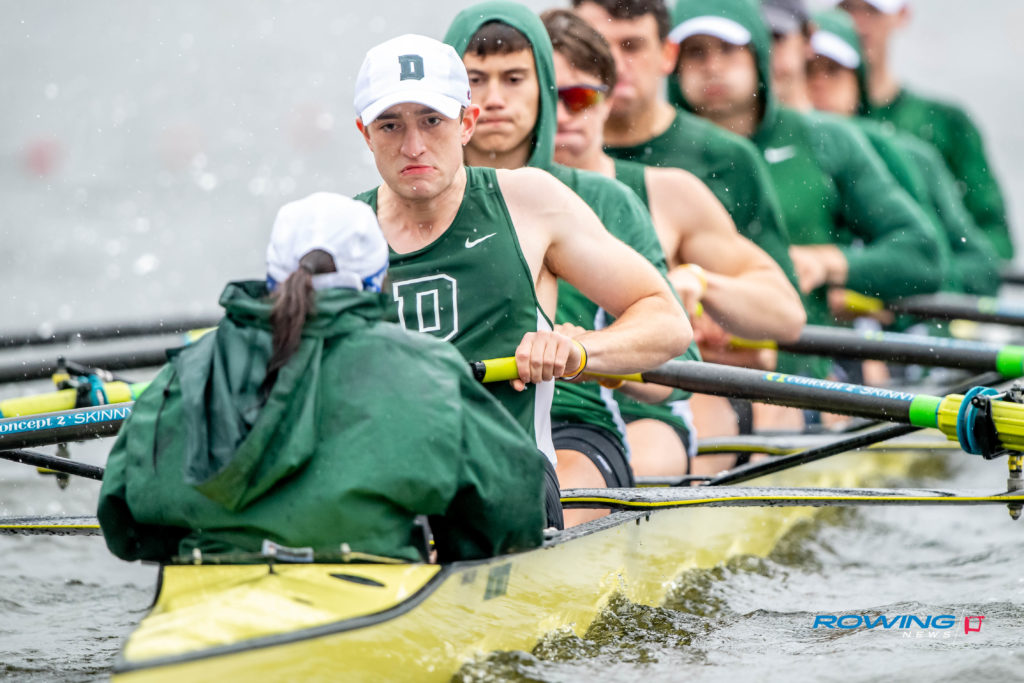
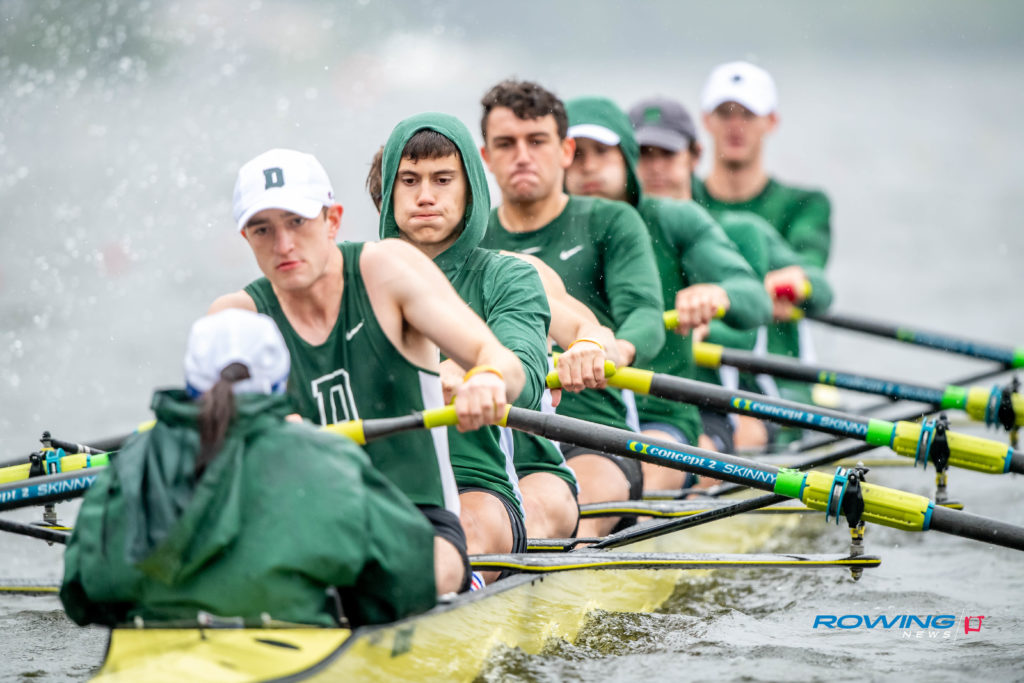
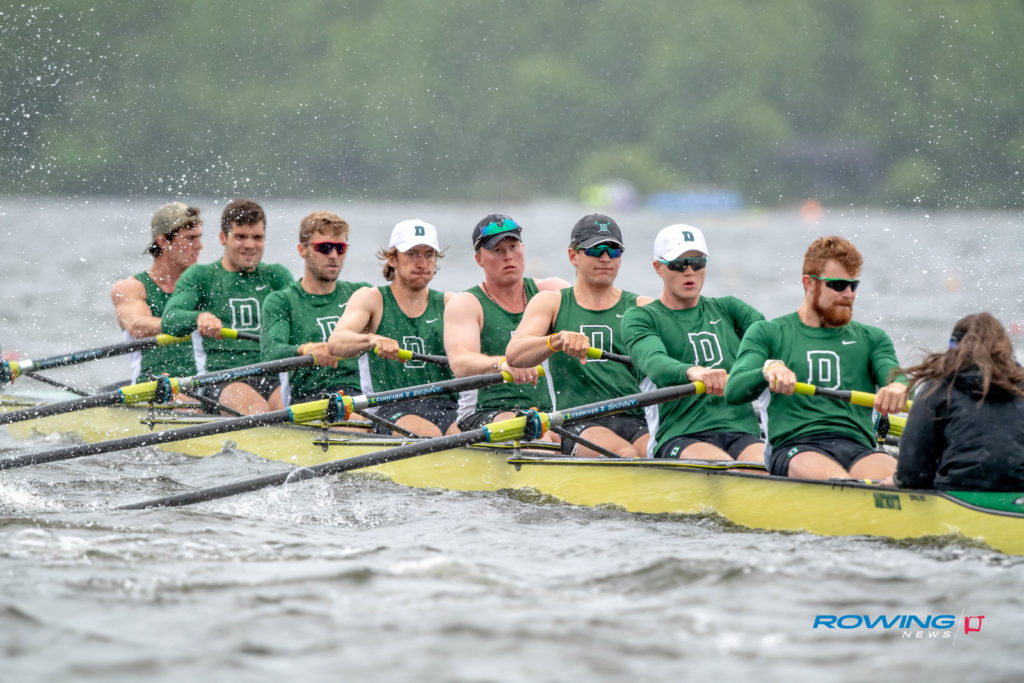
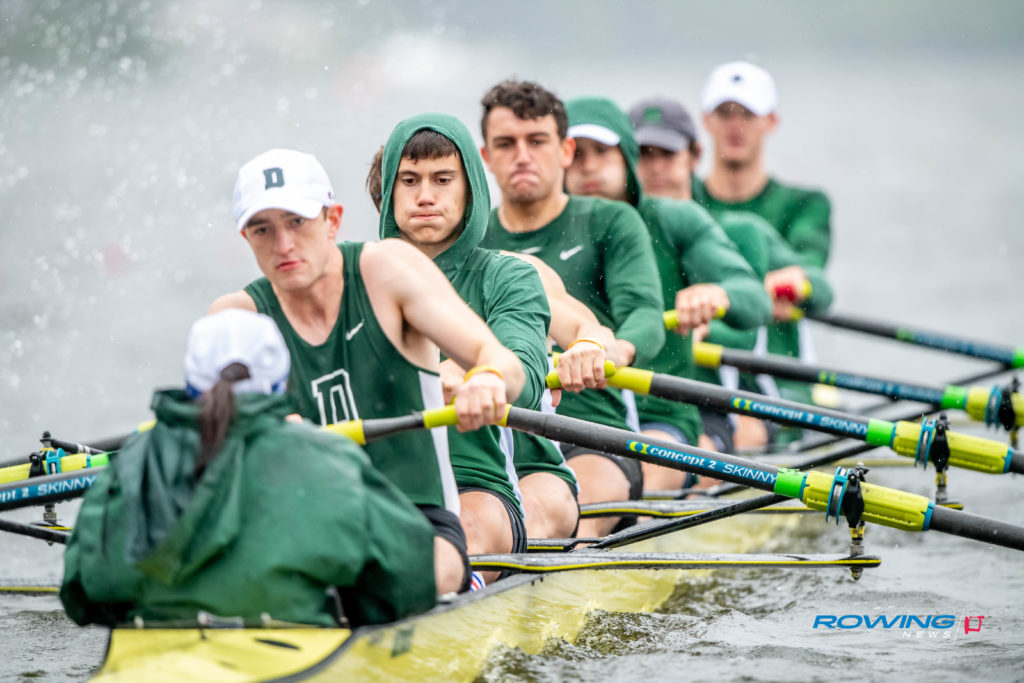
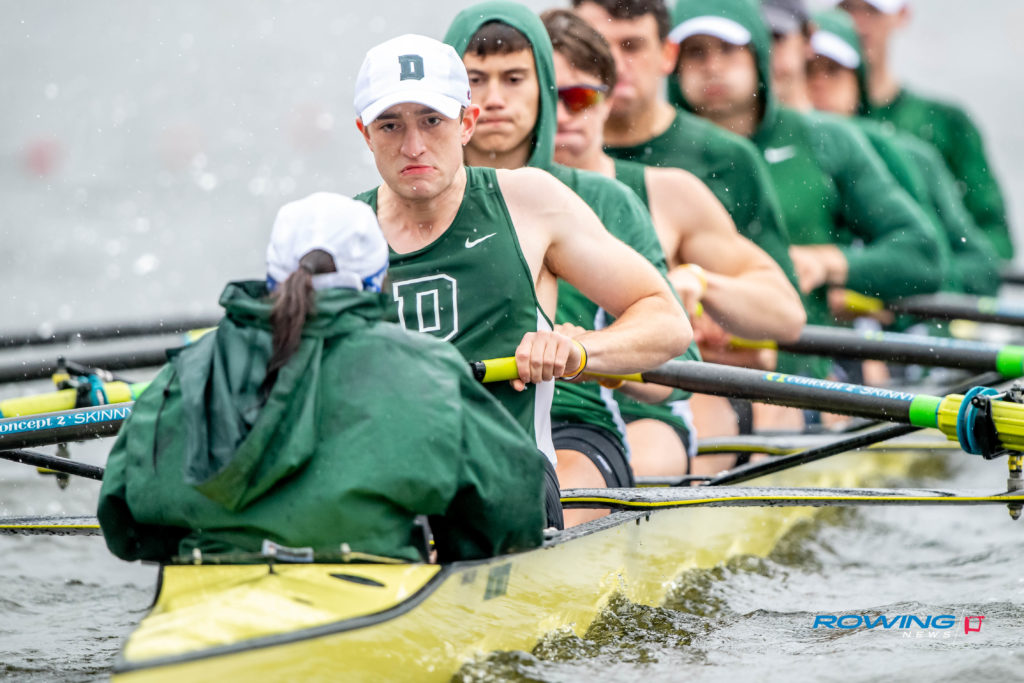
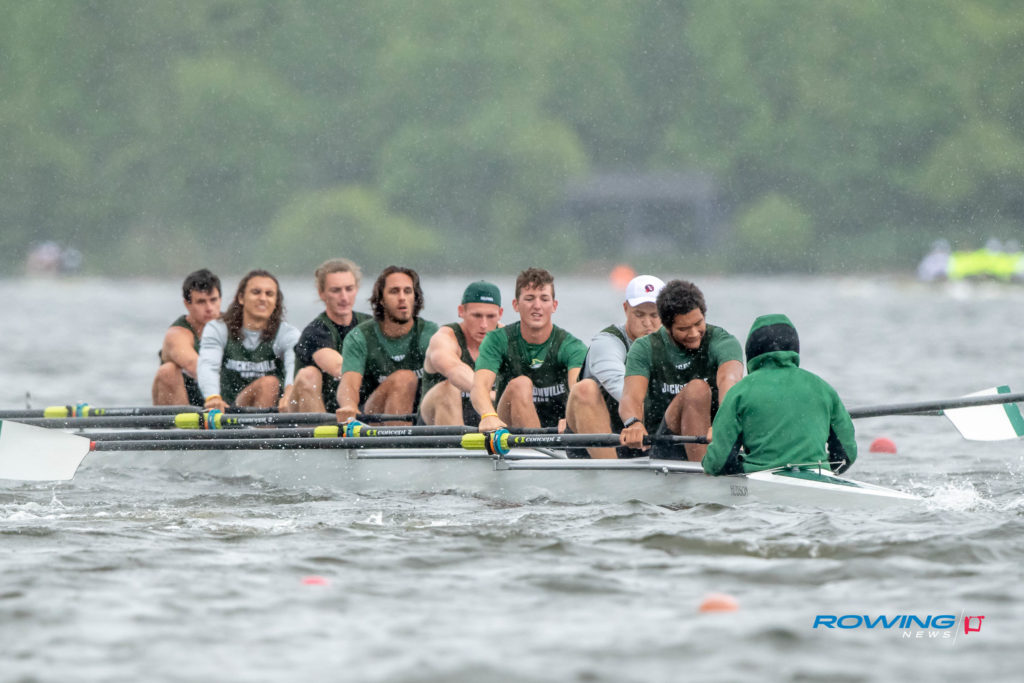
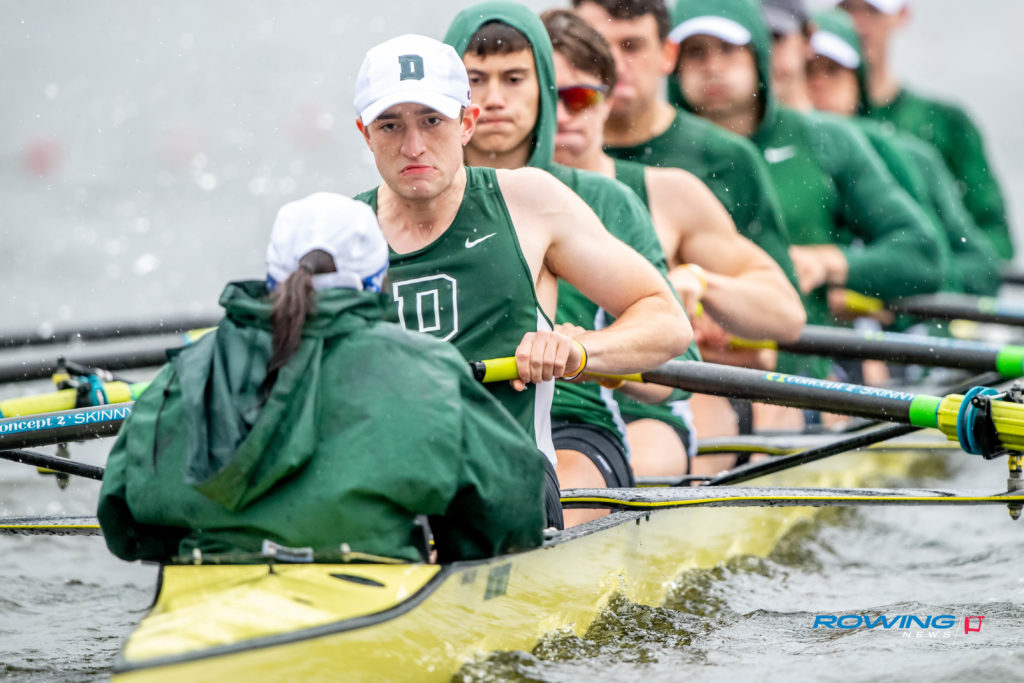
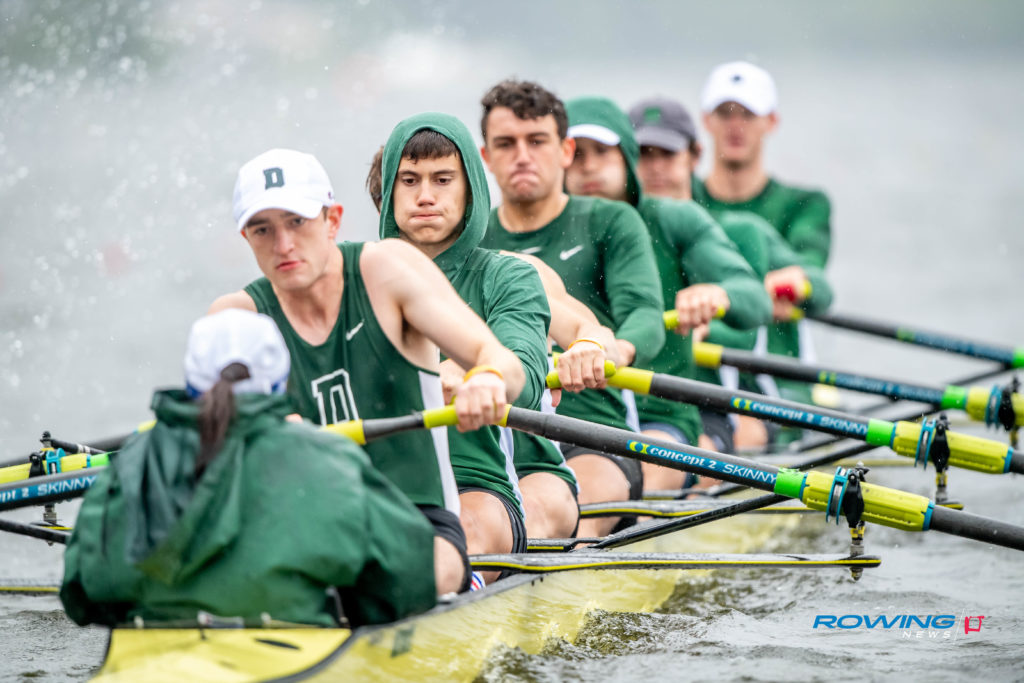
While lightweight rowing at the collegiate level remains strong, individual programs have faced their own existential crises. Penn decided to discontinue lightweight rowing in 1951. Yale stared down its own demise in 1979. In July 2020, Dartmouth announced that its men’s lightweight team was among five sports being cut.
In each case, however, rowers, loyal alumni, coaches, and the rowing community saved these programs, with Dartmouth reversing course in January of this year.
It was the stunning news last summer about the Big Green that impelled the nation’s lightweight coaches to gather over Zoom.
“It all started when Dartmouth got cut,” said Columbia University assistant lightweight coach Andrew Hess. “That first meeting had head coaches, assistant coaches, Eastern Sprints, small teams, new teams. The topic of that meeting was: How do we save Dartmouth?”
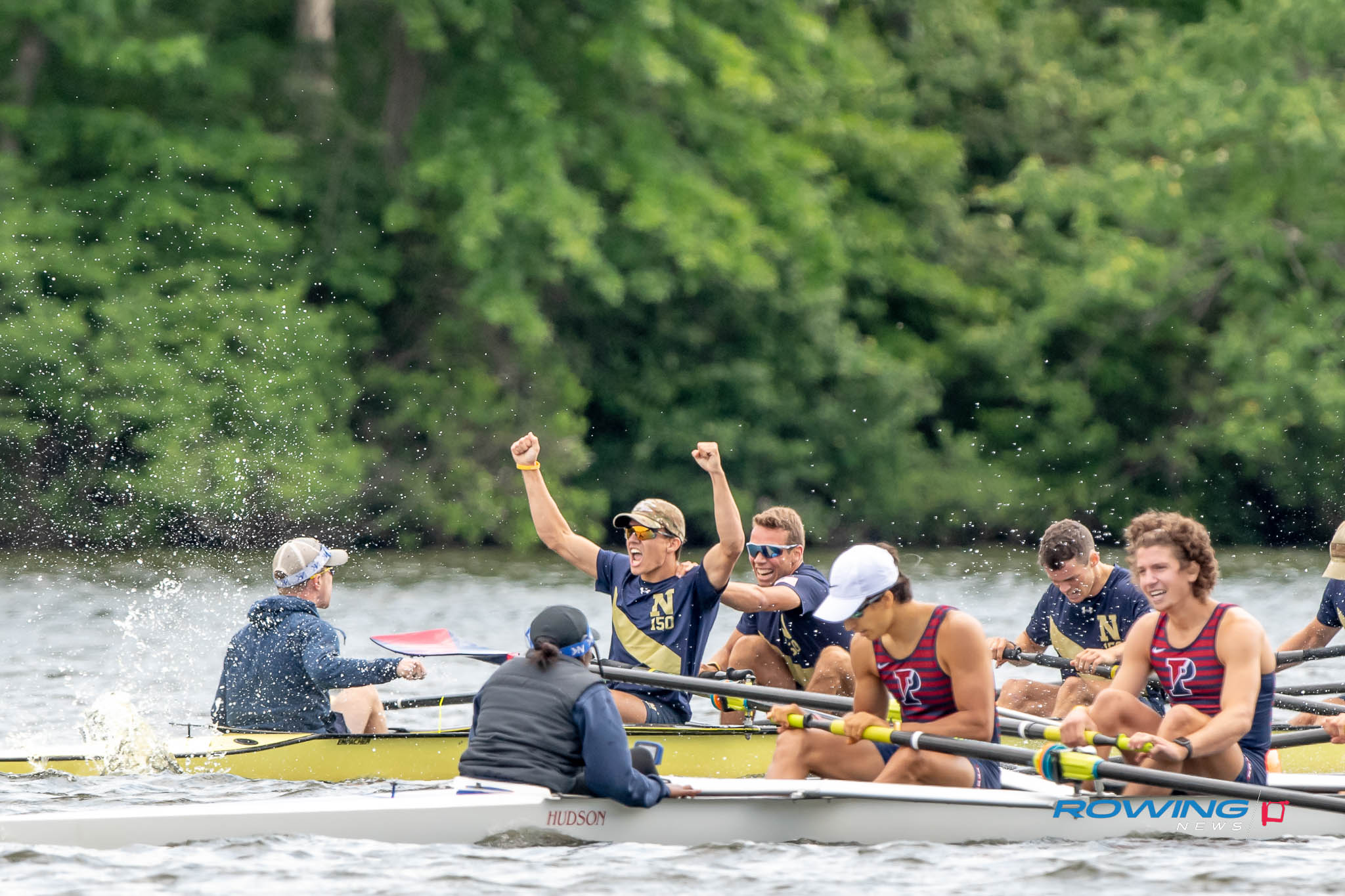
It was reminiscent of 2018, when the lightweight events were canceled at the IRA because of high winds on Mercer Lake, and the program heads refused to accept the result. In a matter of hours, they shifted operations to Lake Carnegie and ran the races there.
“It became a great jamboree,” said Chris Kerber, head lightweight coach at Cornell, as he recalled the makeshift championship.
That’s how the conversations among coaches since also can be described. It’s not about a lifeline for one particular program; it’s a great jamboree of energy, ideas, and support for growing lightweight rowing.
The Lightweight Landscape
When it comes to the future of collegiate lightweight rowing, it helps to consider the immense pool of junior athletes who can fill those ranks. USRowing says there are more than 60,000 registered junior rowers. The growth charts published by the Centers for Disease Control that are used in doctor’s offices around the country indicate that the average 18-year-old male is 5-foot-9 and 148 pounds.
So the numbers suggest that, while boys may not be completely finished growing at 18, thousands of young athletes could enter college well within the range of healthy lightweight rowers.
But how many opportunities are there for these athletes to compete with other guys their size at the collegiate level? Or what about young rowers who, historically, haven’t seen their demographic represented at the highest levels? Could lightweight rowing provide a path forward, the way it first did 100 years ago?
The Ivies, of course, are well known for their lightweight teams, but admission to these universities is incredibly challenging. To be recruited, a high-school rower needs not just outstanding grades and test scores but also an elite erg score.
So for athletes who are unable to gain Ivy League admission, what opportunities do they have to compete against athletes of their size? Historically, not many.
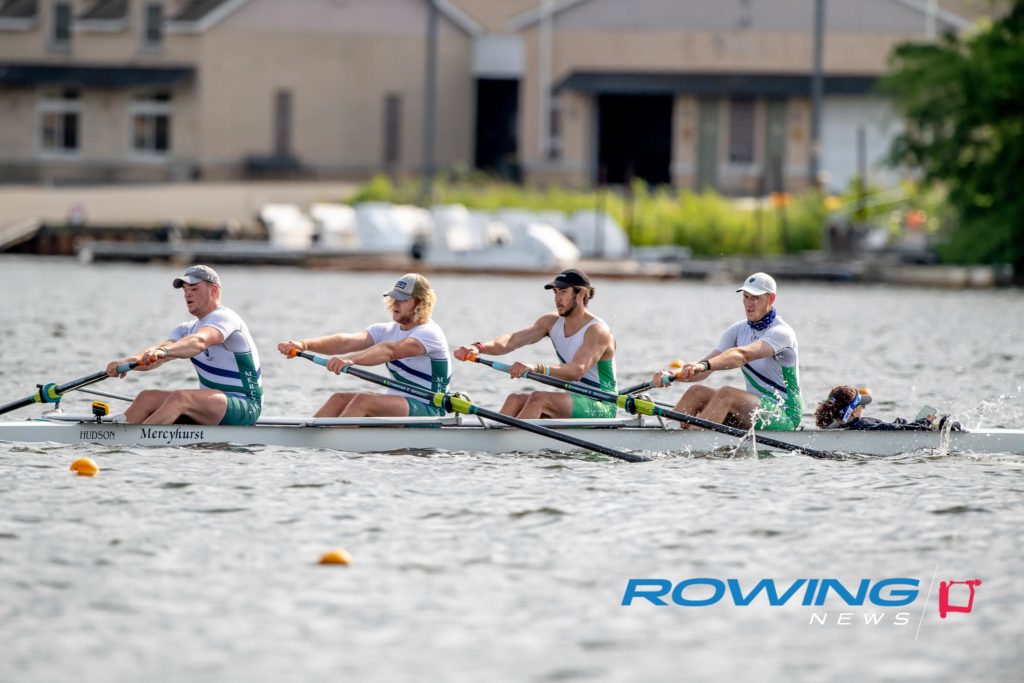
“As a former lightweight myself, I saw a lot of competitive, good young men out there who want to compete in college and can be successful, and there weren’t many options for them,” said Adrian Spracklen, head coach at Mercyhurst University in Erie, Pa. “The options are really the Ivy Leagues. But there’s a lot of bright young men who don’t have the finances or grades.”
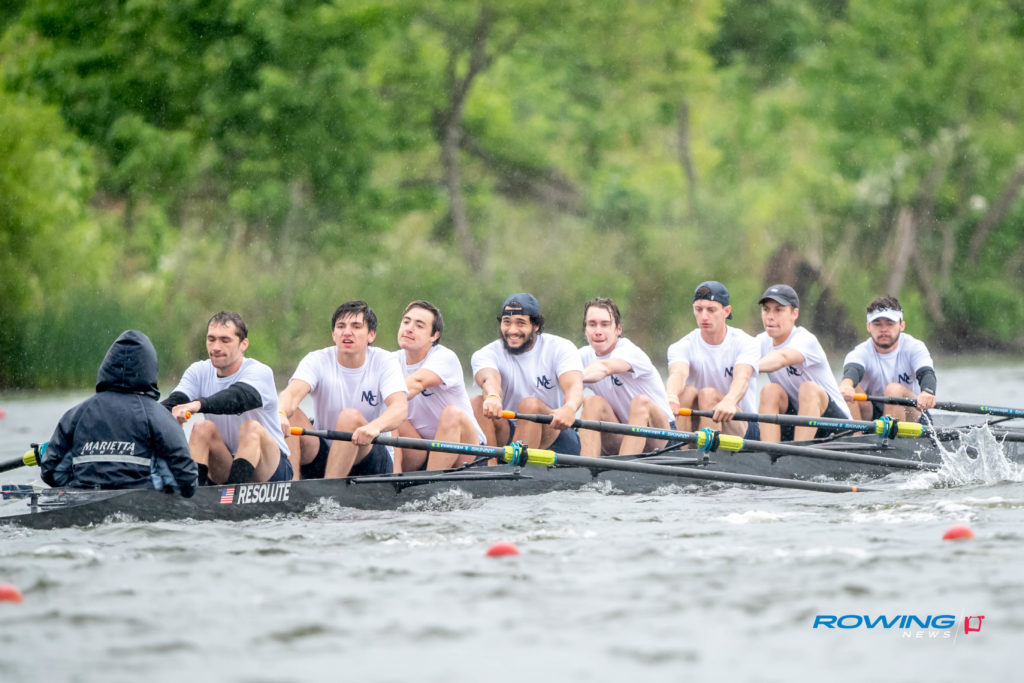
Although the Mercyhurst program has been around since 1970, Spracklen decided to focus on lightweights in the late 2000s. “It was another option for high-school lightweights and regular students of typical size and weight, an opportunity to go into a program that takes lightweights seriously, a place where they know they can compete and row at a high level and rub shoulders with the Ivies,” he said. “That’s really how it came about.”
Spracklen’s crews have since won numerous Dad Vail titles and even raced in the grand final of the IRA.
About 20 years ago, Chuck Crawford saw a similar opportunity at the University of Delaware. Since about 2003, his lightweight men’s club program has hung with the fastest crews in the country.
“Over the years, we’ve been able to bring in a lot of pretty talented high-school kids, not the way the Ivies do, of course, but kids who are good kids and want to work hard. Even though they may not have been recruited at the Ivy League level, mostly because of lower erg scores, they come in, and we coach them up and try to get them bigger and stronger.”
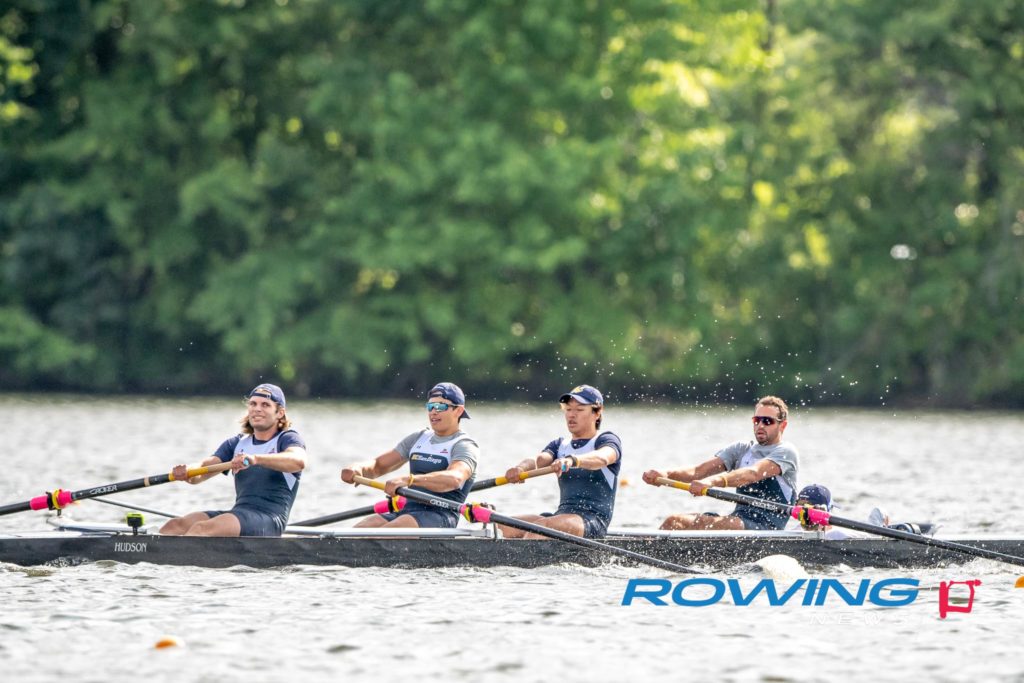
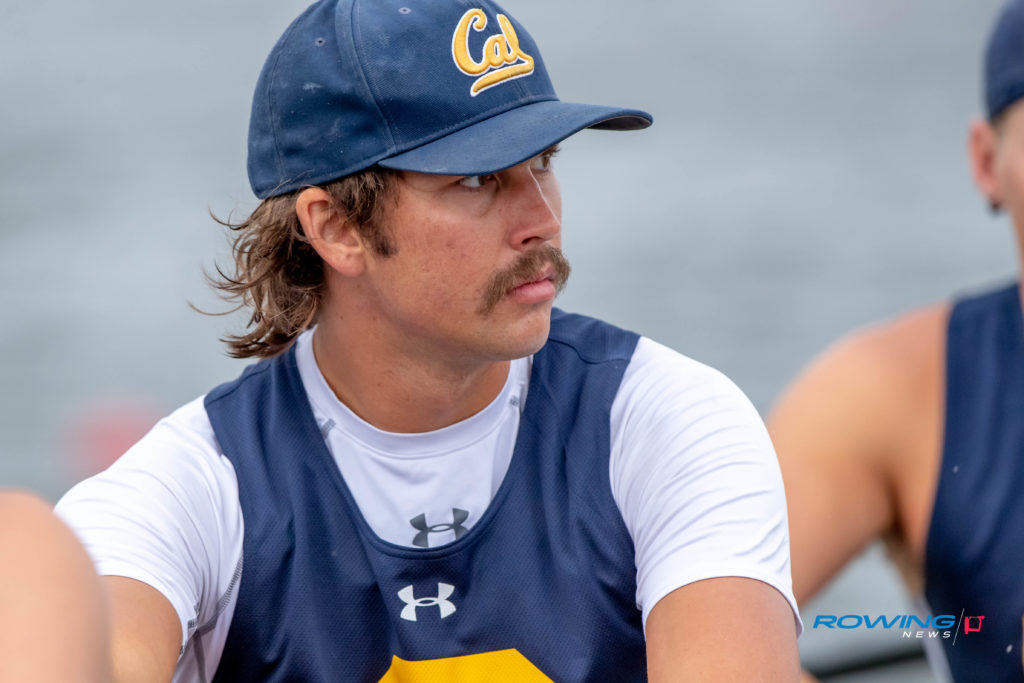
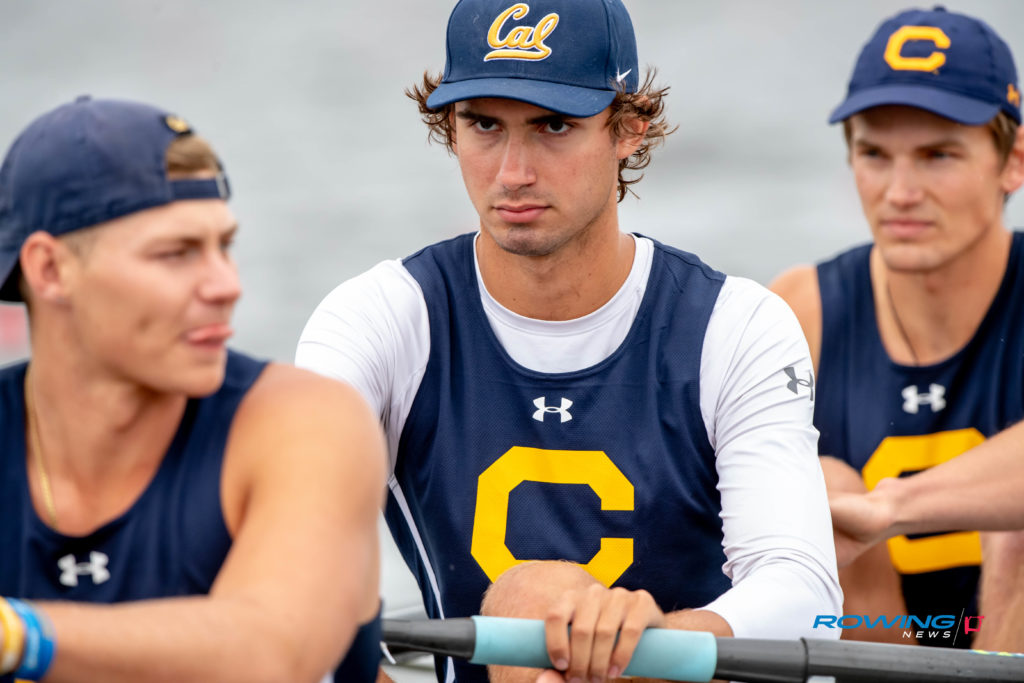
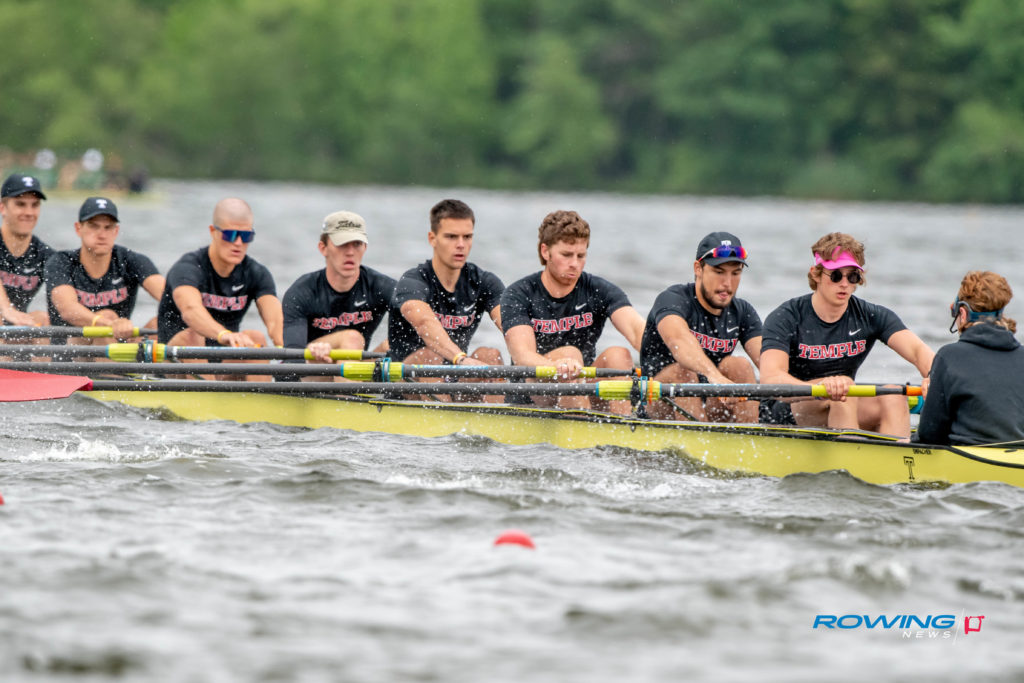
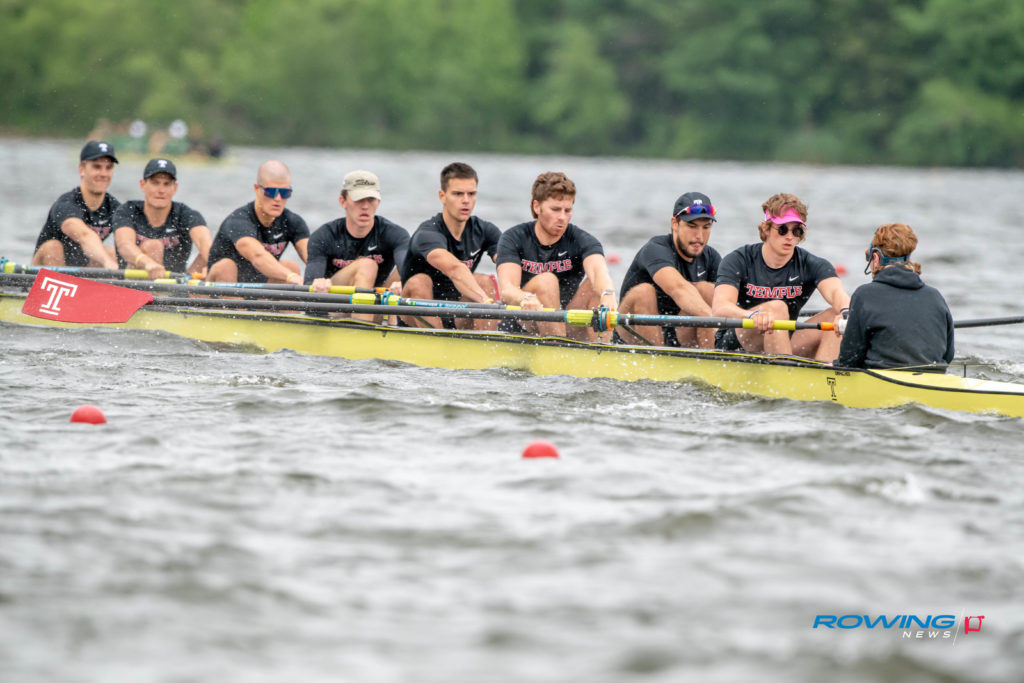
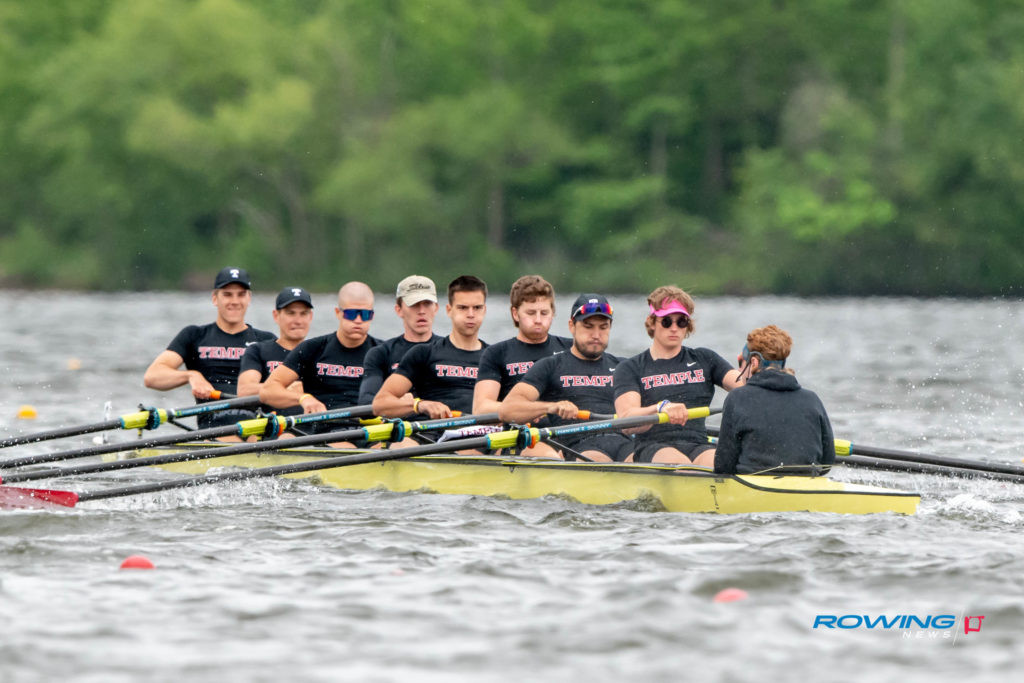
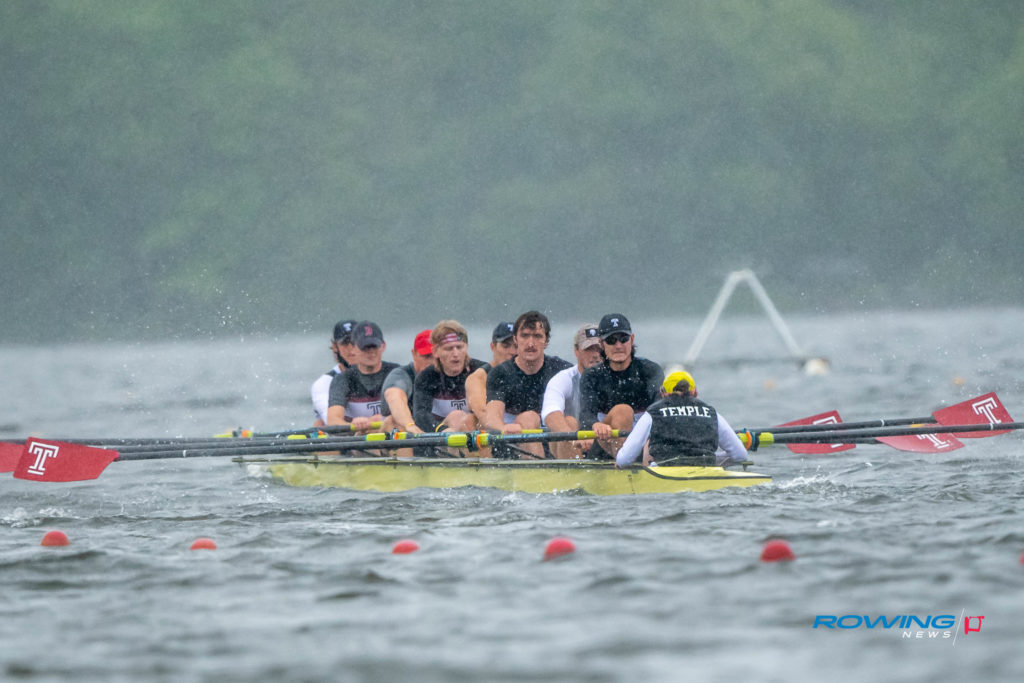
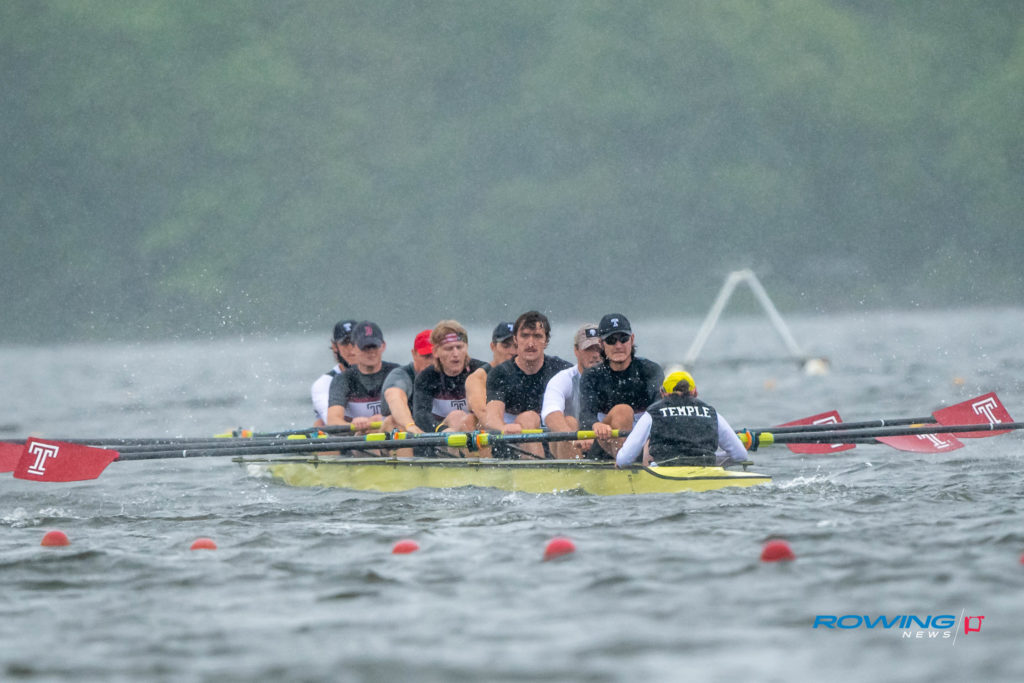
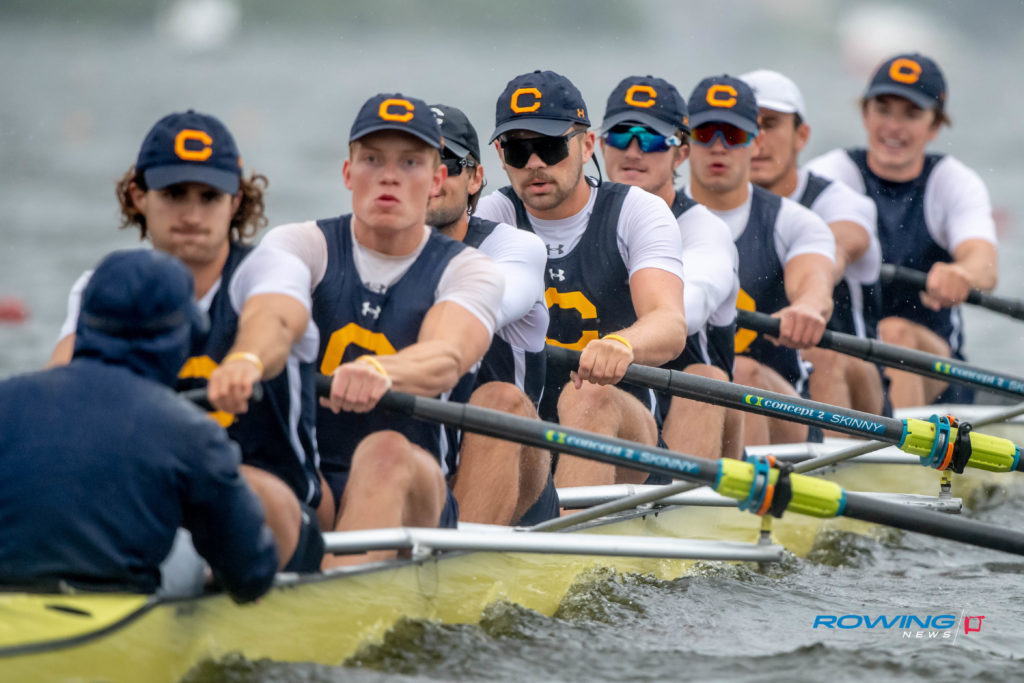
Beyond Mercyhurst, Delaware, Temple University, Cal, and a few other programs with sustained lightweight crews, the options for a competitive lightweight collegiate career have remained limited.
But it may not remain that way. In their conversations throughout the past year, all these coaches have discussed a variety of ways to expand the number of collegiate lightweight programs and provide legitimate racing opportunities for them.
At Iona College in New Rochelle, N.Y., coach John Boyd has appreciated the support shown his program by the coaches on these calls. He and his wife, Melissa, took over the program in 2019 and felt a need to redefine what their program would be, given their student body.
“We relied heavily on walk-ons for many years,” he said. “The majority of guys who come out for rowing are basically lightweight guys, 5-8 to 5-11 and naturally 160 pounds.
“Heavyweight rowing has gotten pretty fast in the last 20 years, and I don’t think our program has really kept up with those times,” added Boyd, who rowed for the Gaels. “There really has been no history of recruiting at our program, and we’re looking to change that and define ourselves as a lightweight program.”
By participating in the conference calls over the past year, Boyd has received guidance from coaches who have succeeded in the lightweight game.
“Nich [Lee Parker of Columbia University] has been the person I talk to the most, and he’s been nothing but gracious with the time and information he shares,” said Boyd. “He’s a true steward of lightweight rowing. He really understands that if the programs grow and there are more opportunities out there, we all win.”
Ideas and encouragement are certainly useful, but what will attract promising junior-lightweight athletes to lesser-known lightweight programs is exciting racing opportunities. Outside of the Eastern Sprints schools, those have not always been easy to find.
“That definitely has been a challenge we’ve been discussing in the chat groups,” Spracklen said. “All the Ivies have these cup races. It became very limited. It became a challenge.”
The cup races, of course, are an integral part of U.S. lightweight-rowing tradition. They are staples on the racing calendar and living history worth preserving. All it might take is some re-imagination of race weekends. For example, programs might contest a cup race in the morning and then host different opponents in the afternoon. Another idea is to have an Ivy League program’s lower-ranking varsity crews travel to race against a newer team’s varsity eight.
“We’re open to discussion always,” said Yale’s Card. “Tradition is an important part of what we do. We’d rather add than reduce and change.”
“Columbia is committed to hosting one scrum per year for the next three years,” said Lee Parker, whose university is less than an hour away from Iona. For Boyd and his fledgling lightweight team, that’s an attractive offer.
“Because we’re not part of the lightweight league, we’re just changing our mindset and focus internally,” he continued. “What does that mean in terms of competition? Our schedule is pretty local; there’s no one else that’s lightweight. We’re racing heavyweight crews until we get to the Dad Vail. Having an opportunity to jump in once a season with established lightweight programs and mix with their lower boats could be really exciting.”
Ultimately, should more universities field lightweight crews, a new league could emerge to rival the EARC.
“My vision is another league or two that would rival the EARC in terms of depth or strength,” said Card, who imagines “a true national championship.”
“If Iona, Temple, Mercyhurst all get together in their league and race it up at the end, it would lend more excitement to our league.”
The rowers are out there. The desire to innovate is present. A little flexibility and a few more schools willing to bet on lightweights are all it would take to grow the sport massively. And if history is any indicator, don’t bet against the lightweights.
The Joy of the Race
It’s clear from interviews with all these coaches that all this conversation and openness are driven by pure love of lightweight rowing and the unique challenge of finding athletes of the right size and ability to build competitive lineups.
“It’s a lot of fun what we do,” Card said. “It has an appeal for competitive people: OK, it’s a fair fight; everybody is the same size.”
“Chris [Kerber] has made sure everything we do is aspirational,” Lee Parker said about the conference calls. “It’s not about keeping anyone down. It’s about moving forward. We can be better than we are today. That’s what our universities are trying to do.”
The competitiveness of the Eastern Sprints is an indicator of progress for member programs, says Lee Parker, who wants to increase parity within the league. “If we see more parity and the standards are being upheld, we will know we’ve actually made it a more inclusive place.”
Kerber praised the way that lightweights have always found ways to innovate. From petitioning to get a straight four added to the IRA, to improvements in weigh-ins, to that 2018 pivot from Lake Mercer to Lake Carnegie.
“We’re putting the athletes first,” he said. “That’s the best thing about it. We just keep putting the athletes first.”
“First and foremost, there’s a passion among the lightweight coaches,” said Spracklen. “We’re very passionate about what we have and the opportunities we can offer these young men.”
For Iona’s Boyd, who is at the beginning of his journey at the helm of a lightweight program, it is not just he but the athletes who are eager to be part of this new era.
“The athletes are really excited,” he said. “They’re a small group and they’re really pumped to be part of something that’s exclusive to their size. They’re really motivated and excited, and we’re kind of learning about it together.”
If the situation at Iona is any indication, there’s likely a huge untapped market of young athletes ready to embrace the future. They just need to see themselves in it.