

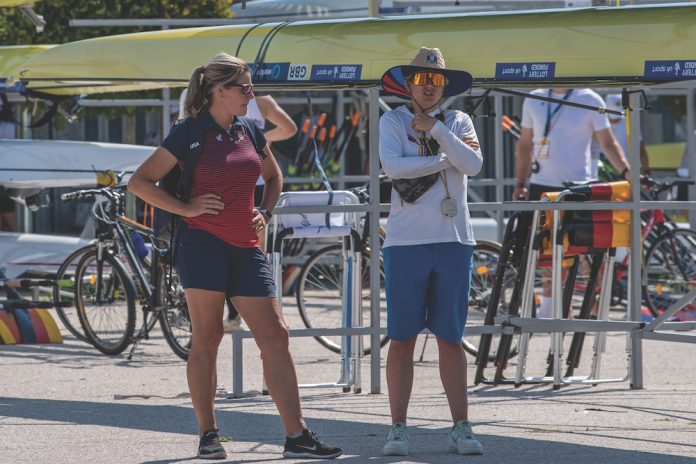
There are as many ways to get into coaching as there are coaches. Some get into the profession right after college graduation, becoming a low-level assistant in a collegiate program or even the head coach of a high-school team, as I did. (That, by the way, is a jump I wouldn’t recommend. Time and experience are crucial to developing your coaching ability and philosophy, something that doesn’t happen when trying to lead a program at age 23.)
To continue reading…
This article is exclusively for Rowing News subscribers. For as little as $5 a month, you can get access to the best quality, independent reporting on all the issues that matter to the North American rowing community.
Already a subscriber? Login
Other coaches take a more meandering route. I know of some who’ve spent years working in related and unrelated fields, such as teaching and finance, before feeling the pull to pick up the megaphone. Whatever your background, one entry point to coaching remains a popular and informative one—volunteering.
Volunteer coaching favors the privileged; it takes a certain amount of financial and social security to commit up to 20 hours and more a week to an unpaid job. But volunteer coaching also enables programs with more limited resources (they may have only a couple of full-time coaches for 40 or more athletes) to get an additional coach to provide more oversight and attention.
Recent NCAA rule changes have created uncertainty about the position for some collegiate programs, since volunteer coaches now count against the total number of coaches permitted on a staff. Viewed more optimistically, that same rule change may pave the way for more part-time paid coaching positions, thus creating a more stable and financially viable entry into the profession.
For someone looking to get started, volunteer coaching is an excellent way to get a foot in the door and try out coaching without the commitment of a full-time position. Here are some suggestions for getting the most out of volunteering, at any level and whatever your goal:
• Be bold. If there’s a coach or program you want to work with, reach out and ask. The worst they can say is no. If you don’t hear back, follow up. Coaches are busy and sometimes disorganized, so don’t hesitate to bump up your email in their inbox—politely, of course.
• Get involved. Get experience with as many parts of the program as possible—coaching, yes, but also athlete meetings, logistics, recruiting, fundraising. Your time will be limited, so use it wisely. Try to get a complete idea of what it’s like to be a full-time coach. Be a sponge. You want to leave the experience with an informed view of all that’s involved and whether it’s for you.
• Build your network. As you travel with the team for races, you’ll have opportunities to meet coaches from other teams. Do it. You can learn from them and, if you choose to stay in the profession, they’ll be hiring someday or know someone who is.
• Be diligent. Treat your responsibilities with the team seriously. Be on time. Be organized. Be involved. You have so much to learn. Again, it’s the coaches you work with there who will help you get your next job, so be sure to put your best foot forward.
